
If your gas grill won't light, the common causes include an empty propane tank, clogged burner ports, faulty ignitor, or issues with the gas supply line. Testing each component can quickly identify the underlying problem and help you get your grill going again.
Knowing why a gas grill fails to light matters because it saves time, prevents unsafe situations, and reduces repair costs. Many issues are straightforward fixes if you understand the signs to watch for. Plus, a properly functioning grill ensures safe and delicious outdoor cooking sessions.
This article explores the most frequent reasons gas grills don’t ignite, from propane problems to mechanical failures. It covers how to inspect the grill safely, clean burner assemblies, troubleshoot ignition systems, and maintain your grill for reliable use.
Understanding Gas Grill Ignition Basics
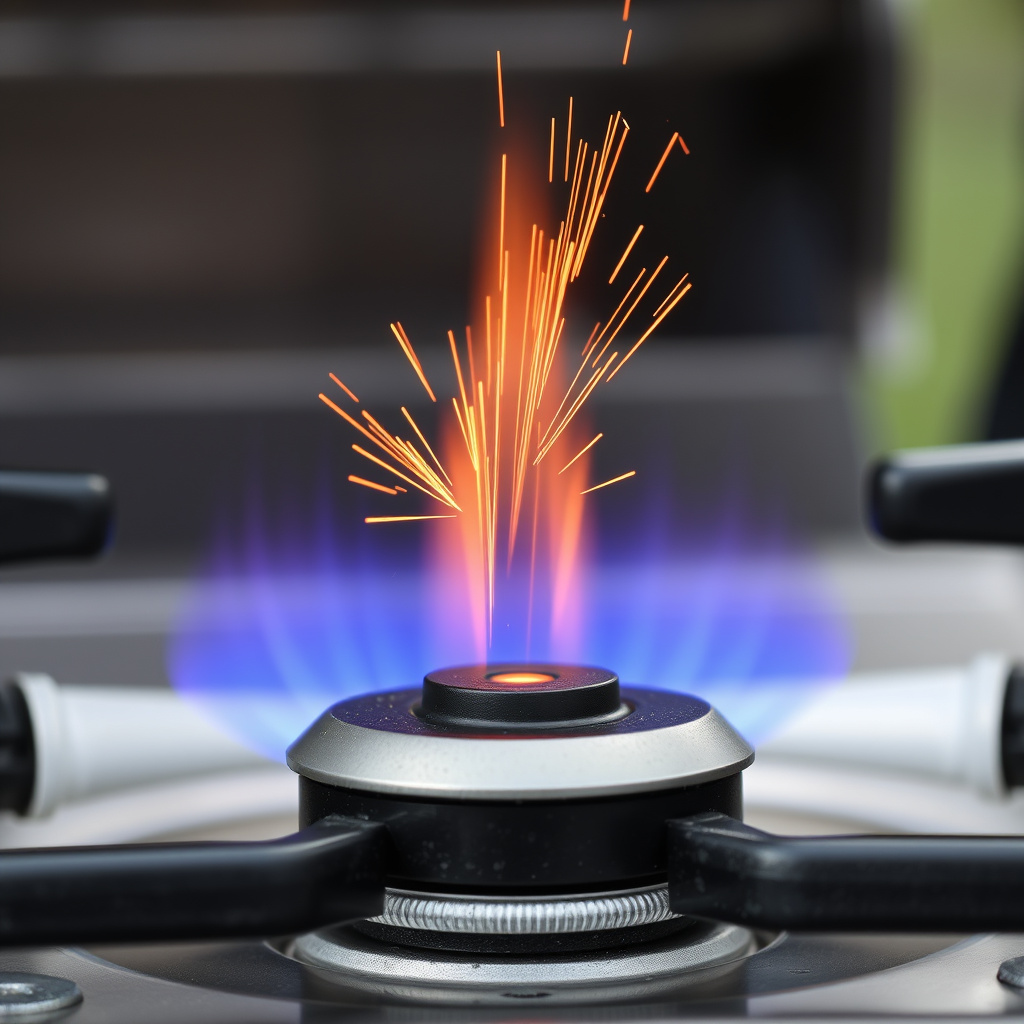
How Gas Grill Ignition Works
Gas grills use either an electronic ignitor or a manual ignition system to ignite propane or natural gas. When activated, the ignitor creates a spark that lights the gas flowing through burners, causing the grill to heat up quickly.
Most modern grills feature piezoelectric ignitors that generate sparks via a button press, while some rely on a match or lighter. Understanding these basics helps diagnose if the problem lies with the spark or gas flow.
Common Gas Supply Issues
A frequent cause for a gas grill not lighting is an empty or disconnected propane tank. Without fuel, no matter how well the ignitor functions, the grill won’t light.
Other gas supply issues include blocked hoses, kinked lines, or regulator failures, which reduce or stop gas flow. Checking these components ensures the supply to the burners is steady.
- Empty propane tank
- Disconnected fuel line
- Blocked or kinked hoses
- Regulator malfunction
Troubleshooting the Ignition System
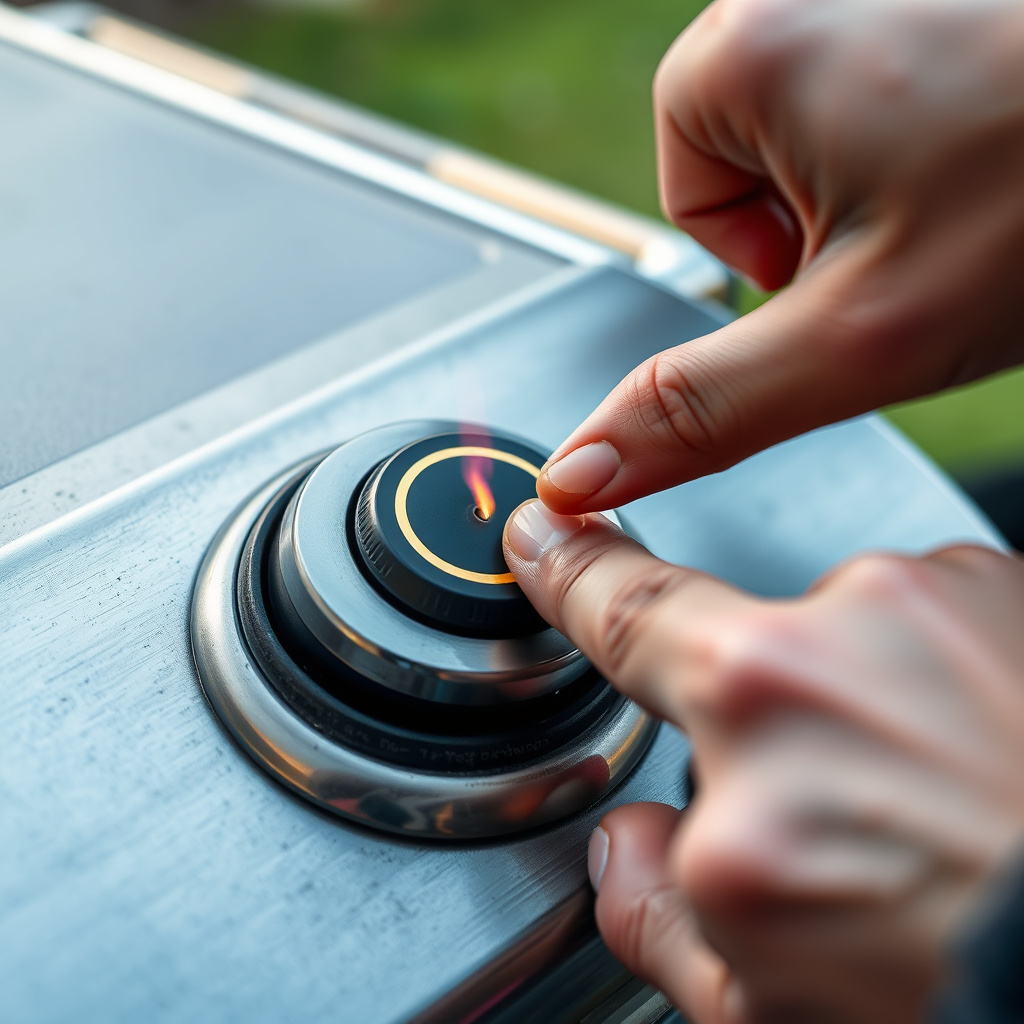
Checking and Fixing the Ignitor
If the ignitor button doesn’t produce a spark, test it by observing the spark gap near the burner. A lack of spark often signals a dead battery (for battery-powered ignitors) or a damaged ignitor module.
Cleaning corrosion from ignitor electrodes or replacing worn wires can restore spark function. If manual ignition is required, use a long match or lighter carefully near the burner.
- Inspect ignitor electrode for dirt or corrosion
- Ensure battery is fresh if applicable
- Replace faulty ignitor components
Ignoring Safety When Testing Spark
Always ensure the gas flow is off when probing the ignitor to avoid accidental ignition or burns. Never hold lighter or matches close to open gas lines unless you are certain about gas presence and conditions.
Proper safety practices reduce risk of flare-ups and help isolate whether the ignition system or gas flow is at fault.
- Turn off gas before ignitor testing
- Keep hands and face away from burner
- Use insulated tools for adjustments
Inspecting and Cleaning Burners and Ports
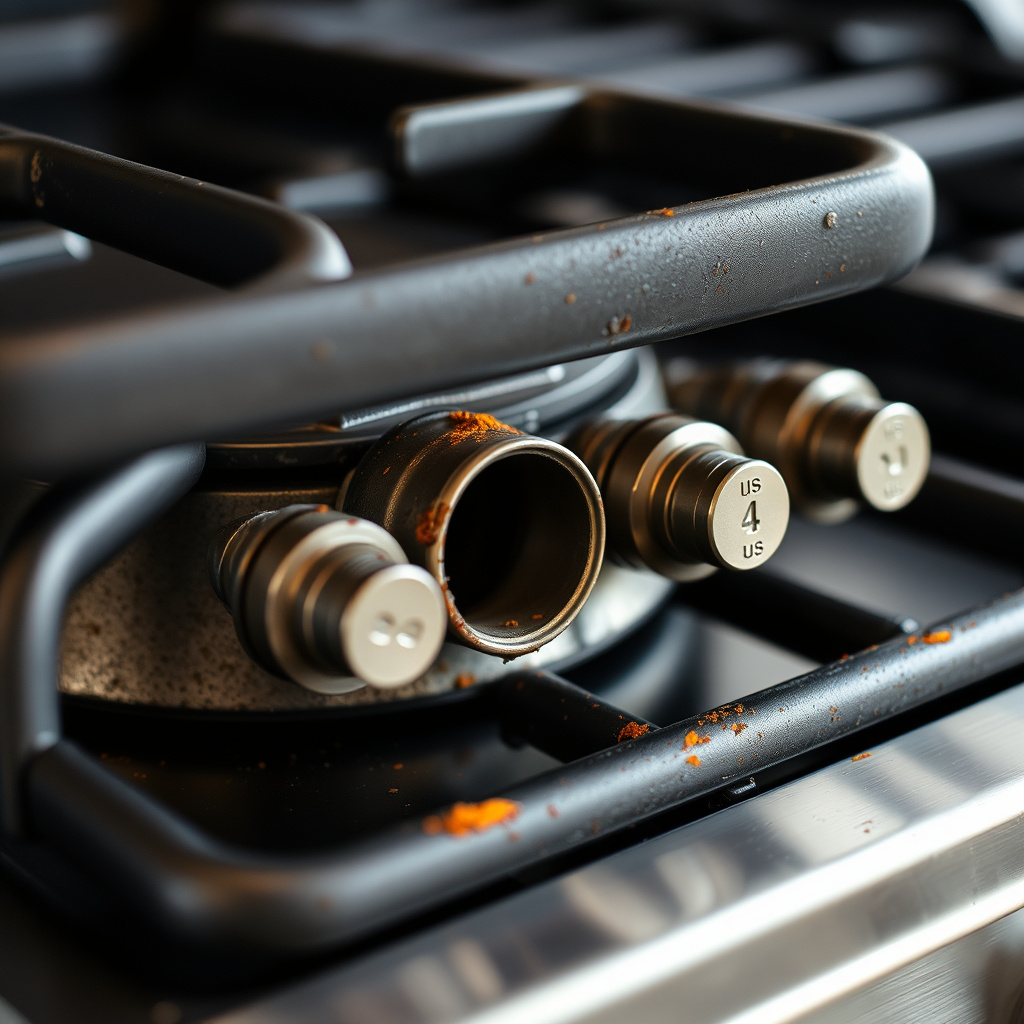
Identifying Clogged Burner Ports
Burner ports can become blocked with food debris, spider webs, or grease buildup that prevent correct gas flow and ignition. Checking these small holes and cleaning them improves flame consistency.
Use a soft brush or toothpick to gently clear obstruction from ports. Regular cleaning prolongs burner life and maintains even heat distribution.
- Remove grill grates to access burners
- Visual inspection for blocked holes
- Clean with brush or pin as needed
Reassembling After Maintenance
After cleaning burners and ports, make sure all components are securely reinstalled and aligned. Misplaced parts can prevent correct gas flow or spark reach.
Double check connections before testing ignition again to avoid leaks or damage.
Checking Propane Tank and Regulator
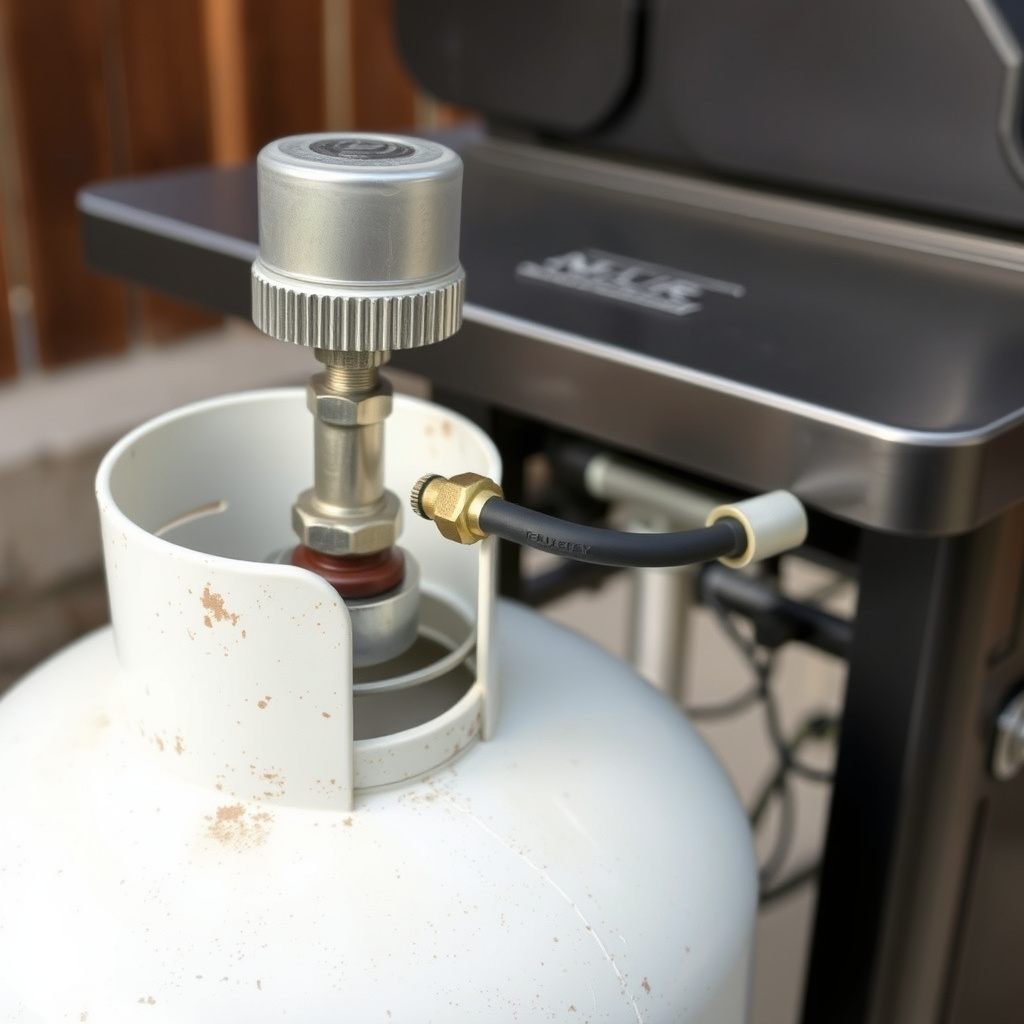
Testing Propane Tank Level
An empty or low propane tank is among the simplest causes for a grill not lighting. Use a propane tank gauge or warm water method to estimate remaining fuel.
Refilling or replacing the tank promptly ensures a consistent gas supply for ignition and cooking.
- Weigh the tank to check fuel level
- Use propane gauge for visual reading
- Refill or replace empty tanks
Regulator Function and Replacement
The regulator controls gas pressure coming from the propane tank to the grill. A faulty regulator causes low or no gas flow, stopping ignition even if the tank is full.
Symptoms of a bad regulator include a hissing sound, smell of gas near the connection, and grill lighting then dying quickly. Regulators are inexpensive and straightforward to replace.
- Check regulator for physical damage
- Listen for hissing gas sounds
- Replace regulator if faulty
Maintaining Your Gas Grill for Reliable Ignition
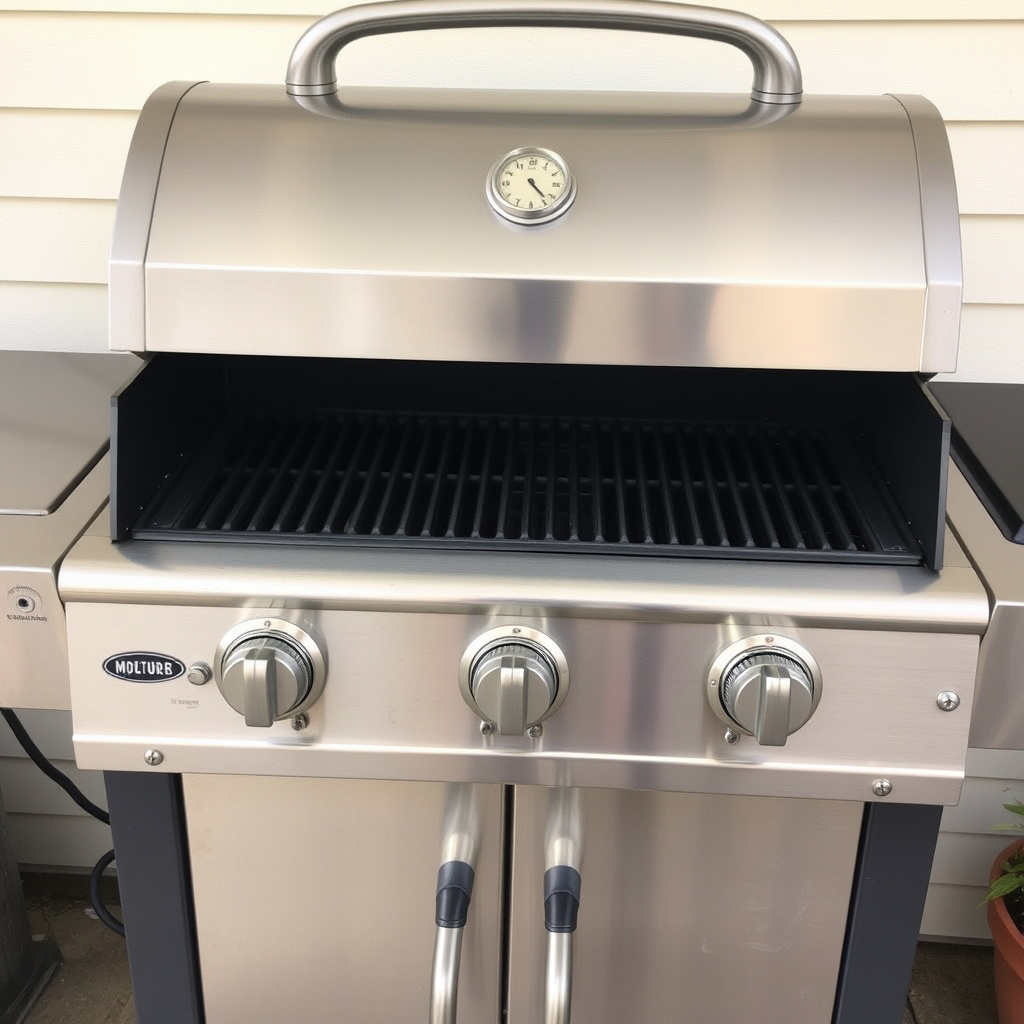
Regular Cleaning and Inspection
Routine cleaning of burners, ignition systems, and grease traps prevents blockages and ignitor failures. After every few uses, checking for spider webs, rust, or stuck debris keeps the grill functioning well.
Visual inspections and minor upkeep save money on major repairs and improve grilling safety.
- Clean burner ports monthly
- Inspect igniter for damage
- Remove grease buildup regularly
For detailed guidance on grill upkeep, the USDA offers practical gas grill maintenance tips to keep your equipment safe and efficient. gas grill maintenance tips.
Seasonal Storage Tips
When storing your grill for winter or extended periods, disconnect propane tanks and clean out burners and cookboxes to avoid corrosion and pests.
Covering the grill tightly and storing in a dry place enhances component longevity and readiness for future use.
- Disconnect propane and store safely
- Clean grill thoroughly before storage
- Use weatherproof cover
Common Causes of Gas Grill Ignition Problems Compared
This table summarizes typical reasons why gas grills won’t light and their key traits.
| Cause | Symptoms | Ease of Fix | Cost |
|---|---|---|---|
| Empty propane tank | No gas smell or flow | Very easy | Free to check; refill costs vary |
| Clogged burner ports | Uneven or no flames | Easy | Minimal, mostly cleaning tools |
| Faulty ignitor | No spark | Moderate | $10-$30 for parts |
| Regulator failure | Gas smell; weak flame | Moderate | $20-$40 replacement |
| Blocked gas hose | No ignition | Moderate | Variable, hose replacement cost |
| Disconnected fuel line | No gas flow | Very easy | Free, simple reconnect |
Frequently Asked Questions
Why does my gas grill light briefly then go out?
This often indicates a faulty regulator or insufficient gas flow. The grill lights but then the flame dies as pressure drops. Replacing the regulator or checking the gas supply typically resolves this.
How can I tell if my grill ignitor is broken?
Test the ignitor by pressing the button and observing for sparks at the electrode near the burner. No spark means the ignitor is likely broken and may need cleaning, repair, or replacement.
Is it safe to use a match or lighter if the ignitor is faulty?
Yes, but only carefully. Always turn on the gas just before lighting and keep your face and hands clear of the burner to avoid burns or flare-ups.
How often should I clean my gas grill burners?
Clean burners every few uses or at least once a month during heavy grilling seasons. Regular cleaning prevents clogs that interfere with ignition and flame quality.
Can a propane tank cause lighting issues even if it’s not empty?
Yes, if the tank valve isn’t fully open or the regulator is stuck, gas flow can be restricted, preventing ignition even if some fuel remains.
Key Takeaways
- Empty propane tanks are a common and easy-to-fix cause for ignition failure.
- Clogged burner ports and dirty ignitors hinder spark and flame formation.
- Faulty regulators reduce gas flow and can cause flames to die out.
- Regular maintenance improves reliability and cooking safety.
Conclusion
When your gas grill refuses to light, start by carefully checking the simplest factors like propane level and ensuring the gas valve is open. Understanding the relationship between the ignitor spark and the gas supply helps pinpoint issues more efficiently. Many ignition problems stem from restricted gas flow or spark failures, both of which have straightforward solutions. A methodical approach, testing components one at a time, will prevent unnecessary parts replacement and get your grill ready faster.
For practical repairs, replace or refill empty propane tanks first and check regulator integrity if flames don't stay lit. Clean burner ports to eliminate blockages caused by grease and debris buildup. If sparks do not generate, inspect the ignitor electrodes and battery or wiring if applicable. In cases where you want a quick workaround, using a long match or grill lighter can get you cooking while you source replacement parts or plan deeper maintenance.
Moving forward, you can avoid frequent ignition headaches by scheduling regular cleaning and inspections, keeping your grill covered and stored properly off-season, and monitoring propane levels carefully. Armed with this knowledge and routine care, your grill will perform dependably whenever you’re ready to cook outdoors. If serious issues persist, consulting a professional technician ensures safe resolution and preserves your grill’s longevity.



