
Pellet grills are often considered better than gas grills for those who prioritize flavor, temperature control, and versatility in outdoor cooking. Pellet grills use wood pellets to infuse a smoky taste not achievable with gas, while also providing precise digital temperature regulation. This setup suits those who enjoy slow-smoking and want a hands-off cooking experience with authentic smoke flavor.
Gas grills, on the other hand, heat faster and offer simplicity, making them ideal for quick grilling sessions. Although they lack the depth of smoky flavor from wood pellets, gas grills excel at convenience and steady heat output for searing. Which grill is better depends largely on how much you value flavor depth versus quick grilling.
This article will compare pellet grills and gas grills across several key areas: flavor, temperature control, ease of use, cooking versatility, and maintenance. Understanding these facets can help you choose the right grill type based on your cooking style and what results you want in your barbecue.
Flavor Profiles: Understanding How Pellet Grills Create Better Taste
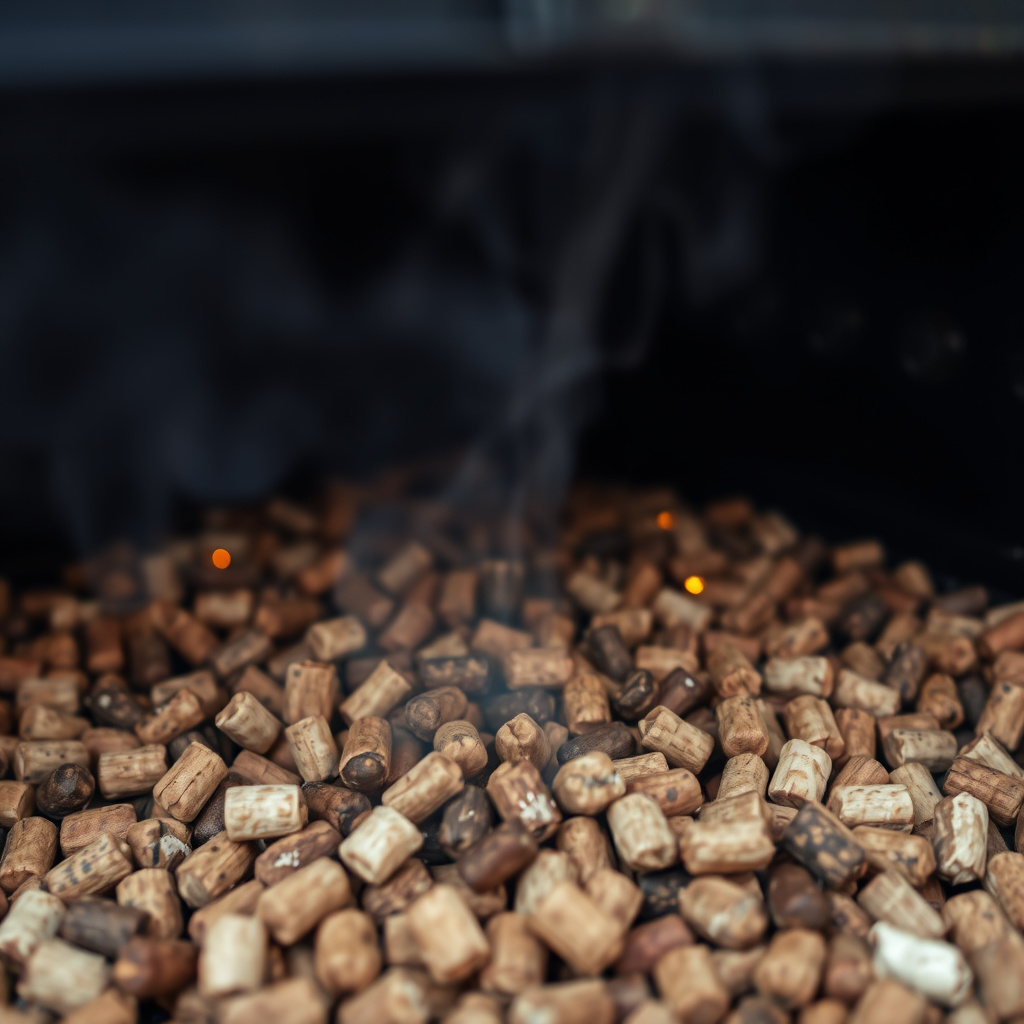
How Wood Pellets Enhance Flavor
Pellet grills burn hardwood pellets that produce fragrant smoke, imparting rich, natural flavors to meats and vegetables. The type of wood used—such as hickory, mesquite, or apple—can be selected to customize taste profiles, offering a nuanced dimension missing in most gas grills.
Unlike gas grills that produce clean heat without smoke, pellet grills infuse foods with authentic smoky essences, similar to traditional charcoal or smoker setups but with easier temperature management.
Limitations of Gas Flavor
Gas grills primarily use propane or natural gas burners which burn cleanly without adding any flavor to the food. While gas grills are great for straightforward grilling, they lack the ability to produce any smoke or enhancement beyond searing.
Some gas grill users add smoke boxes or chips to mimic wood smoke, but these methods are less effective and require extra effort compared to pellet grills’ built-in smoke generation.
Temperature Control and Cooking Precision with Pellet vs Gas Grills
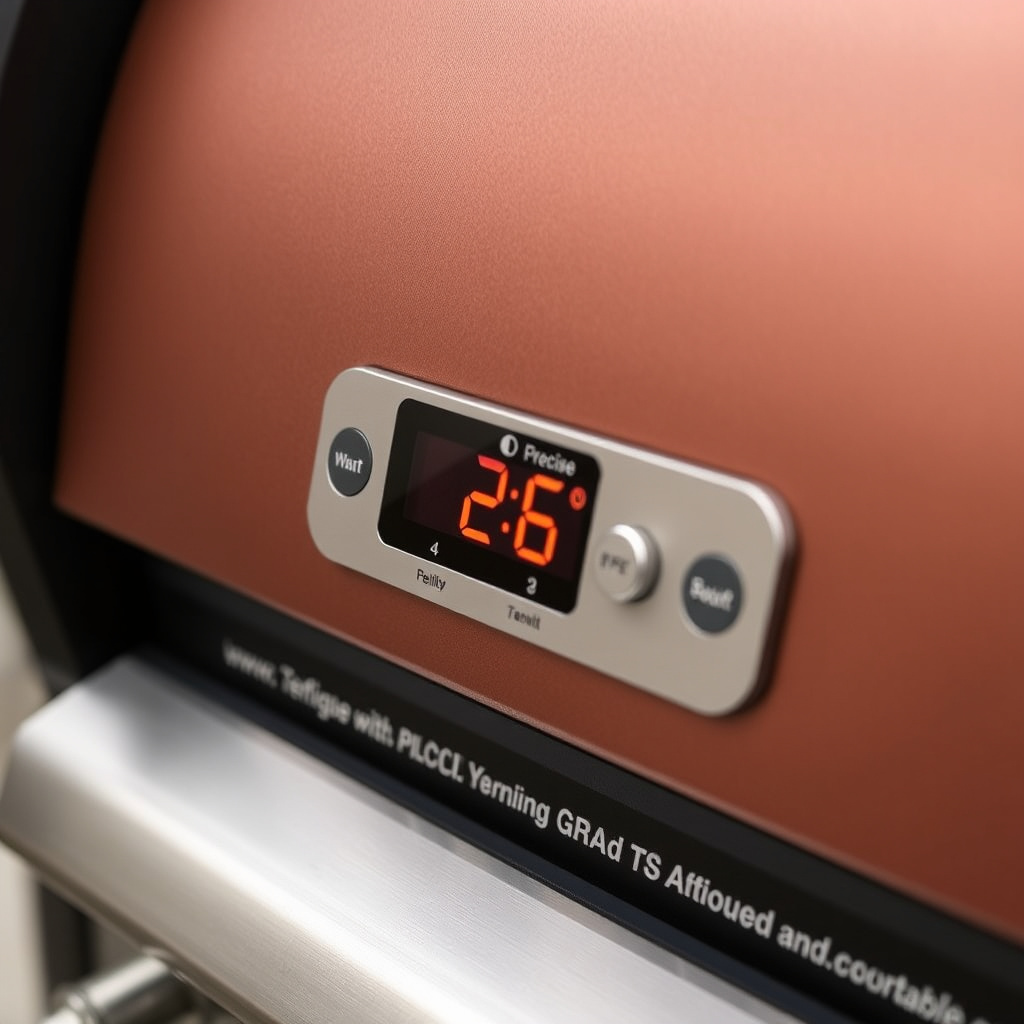
Digital Temperature Management in Pellet Grills
Pellet grills incorporate computerized controllers that feed pellets into the firepot to maintain exact temperatures, often adjustable within a 10-degree range. This automation is ideal for low-and-slow smoking, baking, and roasting without constant manual intervention.
The consistent heat that pellet grills provide allows users to cook a variety of dishes that benefit from steady temperatures, making them versatile cookers beyond just traditional grilling.
- Temperature ranges usually from 180°F to 500°F
- Programmable smoke settings for flavor control
- Maintains steady heat for hours
Instant Heat and Simplicity with Gas Grills
Gas grills heat up quickly and offer easy temperature adjustment via simple knobs controlling the gas flow. They excel at high-temperature grilling and searing steaks or burgers within minutes.
However, gas grills generally lack the precise temperature consistency of pellet grills during extended cooking, requiring attention to avoid flare-ups and hot spots.
- Heats up in 5-10 minutes
- Easy flame control with knobs
- Less consistent temp on low setting
Ease of Use and Convenience Considerations for Pellet and Gas Grills
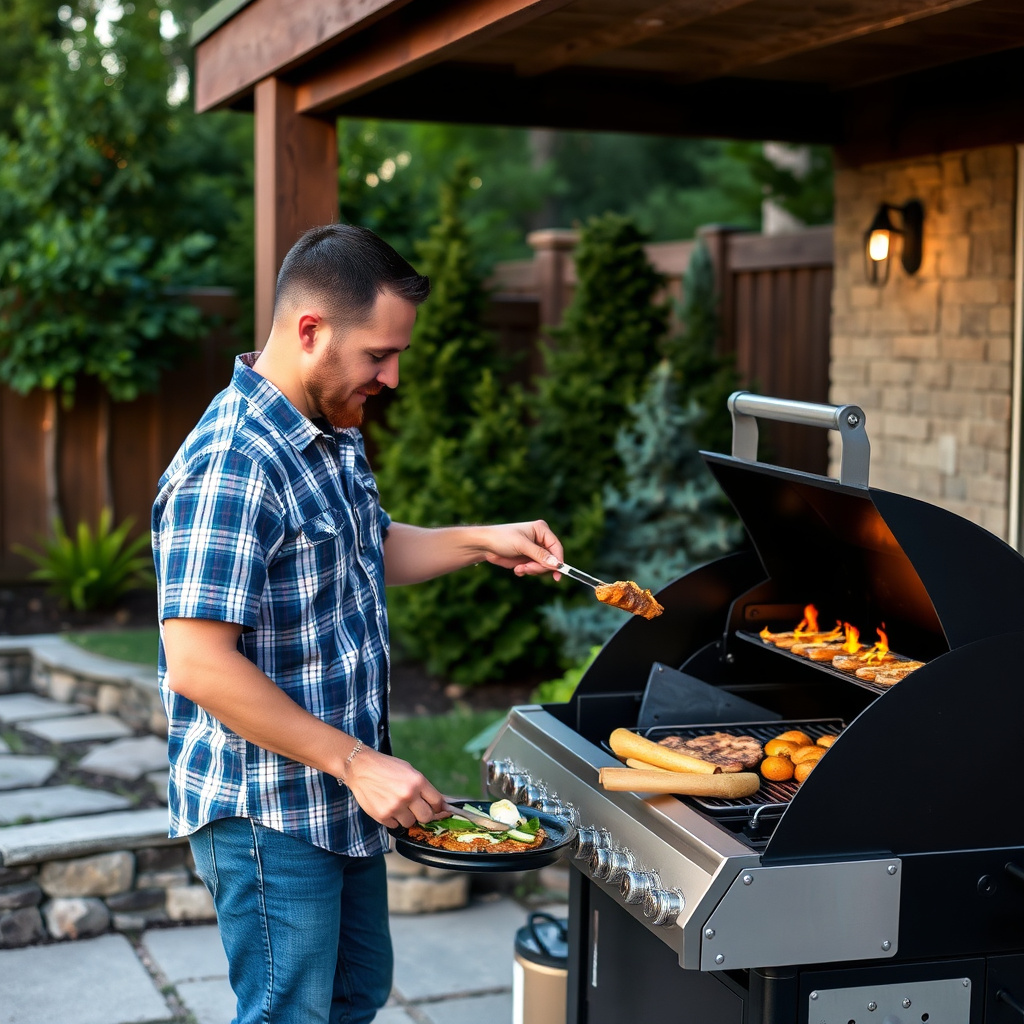
User Experience with Pellet Grills
Pellet grills provide a semi-automated experience where after setting the temperature, the grill manages fuel feeding and smoke production. This allows users to ‘set and forget’ while focusing on other tasks.
Loading pellets and cleaning ash require a bit more time and periodic maintenance than gas grills. The electronic components also add some complexity and potential points of failure.
- Requires electricity to operate
- Pellets need regular refilling
- Ash cleanup after cooking
For more on this, see our related guide: Are Grills Safe to Use on a Balcony? What You Need to Know.
Gas Grill Simplicity and Ready-to-Use Design
Gas grills are known for their straightforward start-up with a push-button ignition and no ash to clean afterward. This makes them popular for casual or spontaneous grilling sessions.
Maintenance mostly involves cleaning grates and occasional burner checks, offering a hassle-free experience for quick meal preparation.
- No need for electricity
- Instant flame with ignition
- Easy post-cooking cleanup
Versatility and Cooking Methods: Which Grill Type Excels?
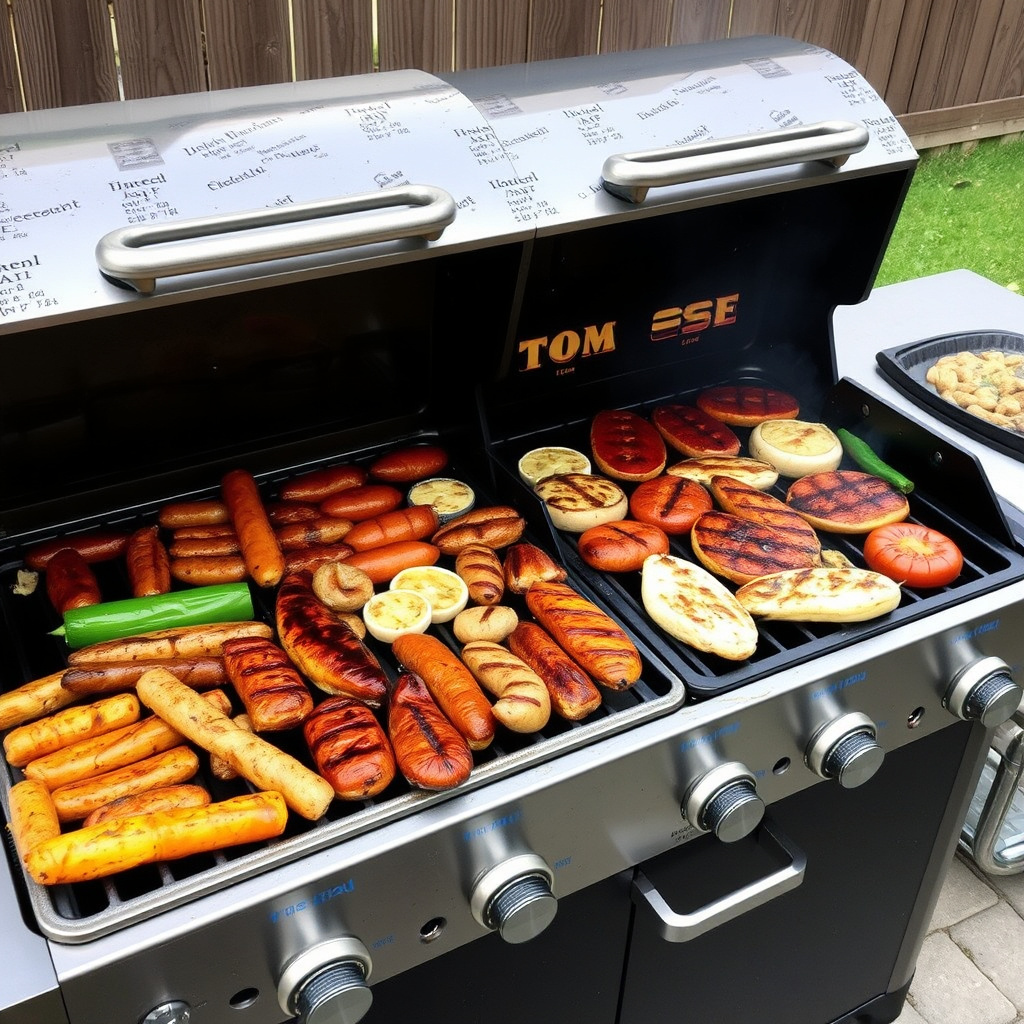
Cooking Range of Pellet Grills
Pellet grills shine in their ability to smoke, roast, bake, grill, and even braise food thanks to their controlled temperature capabilities and smoke generation. This versatility appeals to outdoor chefs who want a multi-functional device.
The slow cooking method produces tender, flavorful meats, while some pellet grills can reach temperatures high enough for direct grilling and searing.
- Slow smoking and roasting
- Baking bread or pizza possible
- Direct heat searing on some models
Gas Grill Cooking Strengths and Limits
Gas grills excel mainly at direct grilling and quick cooking at high heat. Some models feature side burners or infrared options, but they generally aren’t suitable for prolonged smoking or baking.
Users wanting barbecue-style smoke flavor on a gas grill must add separate accessories or wood chips, which don’t replicate pellet grill smoking efficiently.
- Fast, high-temperature grilling
- Side burners for sauces or sides
- Limited smoking capability
Maintenance and Long-Term Durability of Pellet vs Gas Grills
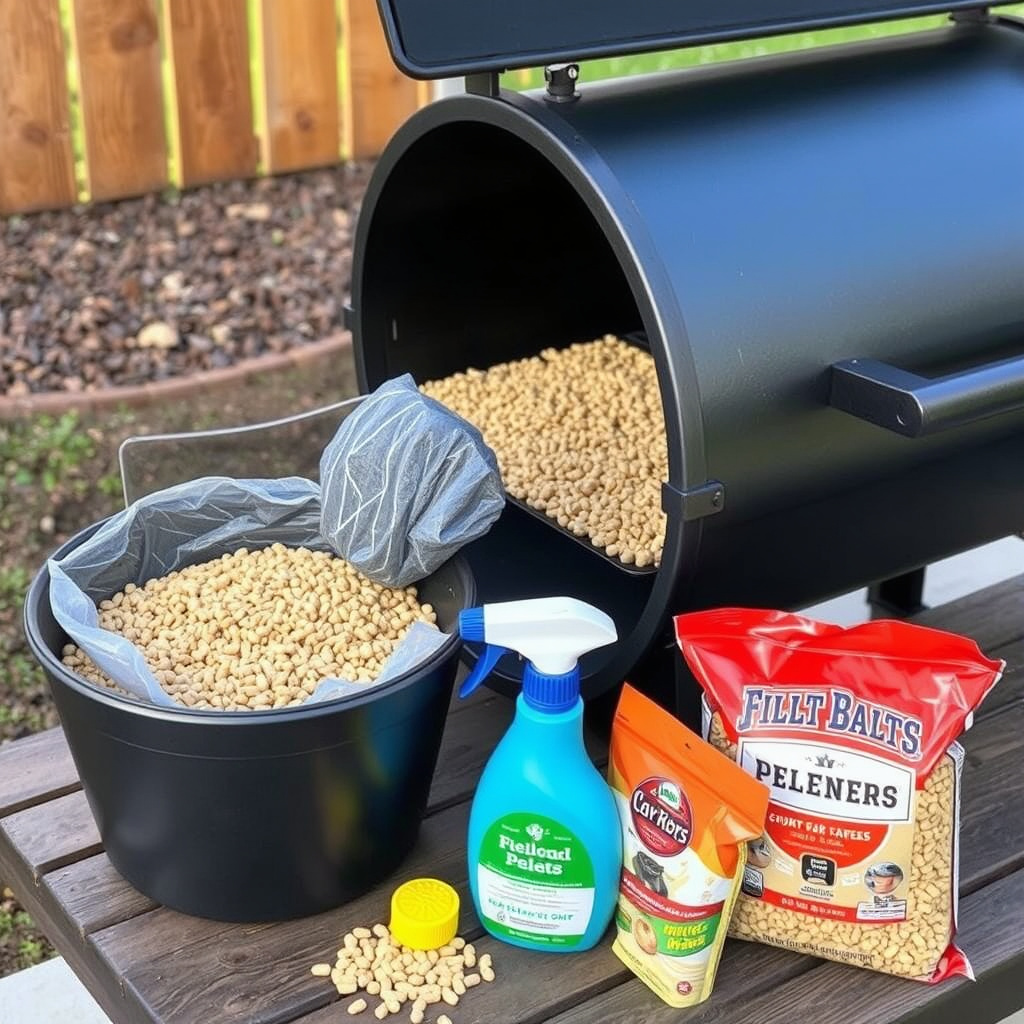
Upkeep Specifics for Pellet Grills
Pellet grills require routine cleaning of the burn pot to remove ash buildup and periodic inspection of the auger motor and electronics. While this upkeep is more involved than for gas grills, it preserves performance and prolongs lifespan.
Storing pellets in dry conditions is essential to prevent moisture absorption, which can affect combustion and efficiency.
- Burn pot ash removal after each use
- Check auger and fans regularly
- Dry storage needed for pellets
For more on this, see our related guide: Are Charcoal Grills Healthy? Understanding Health Impacts of Charcoal Grilling.
Gas Grill Maintenance Essentials
Gas grills need regular cleaning of grates, drip pans, and burner tubes to prevent clogging and flare-ups. The absence of ash makes cleaning simpler overall.
Checking gas connections and tanks frequently avoids leaks, ensuring safety. Proper cover use extends grill longevity against weather damage.
- Clean grates and burners regularly
- Inspect gas lines for leaks
- Use grill cover outdoors
Cost Comparison and Value Over Time
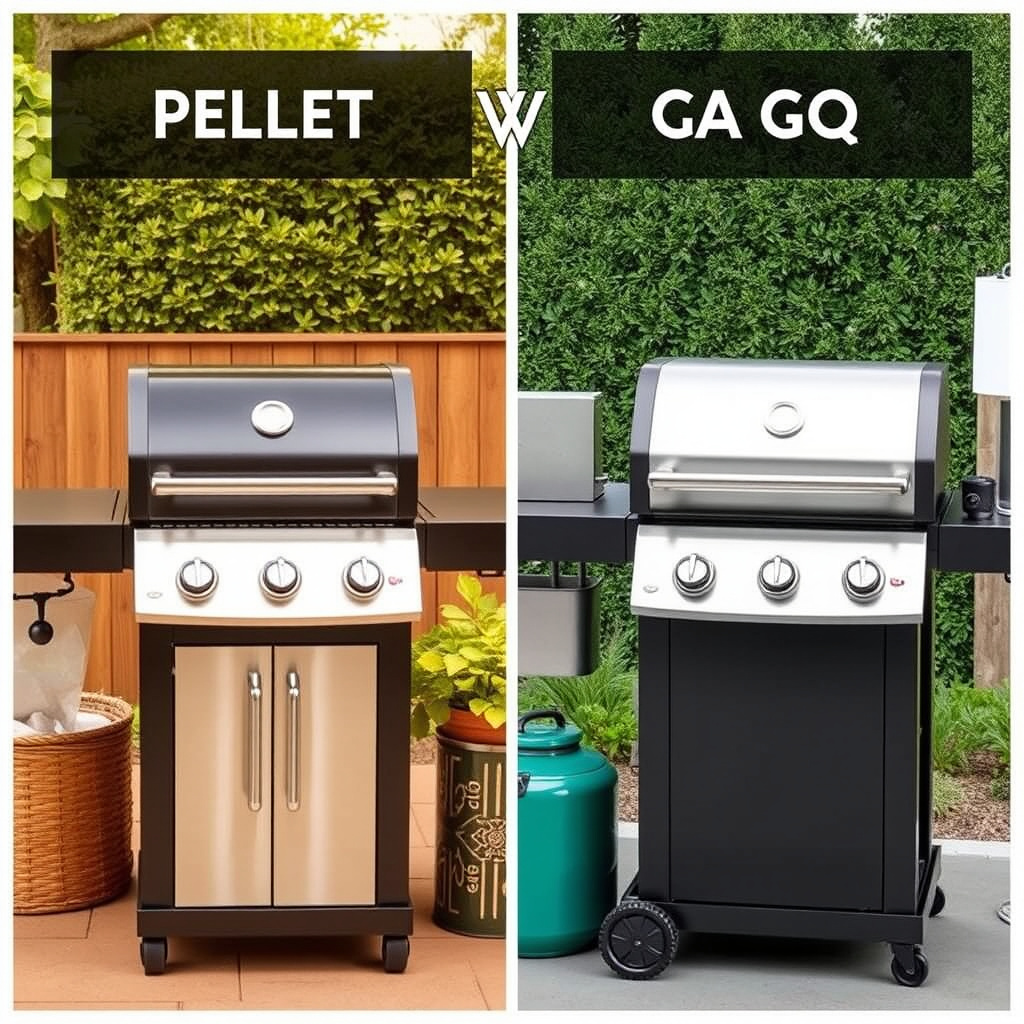
Initial Investment and Operational Costs for Pellet Grills
Pellet grills typically have a higher upfront cost due to motors and electronics needed for pellet feeding and temperature control. Pellet fuel adds a recurring expense that is slightly higher than propane or natural gas.
While pricier initially, many users find the flavor and versatility benefits justify the investment if used frequently for smoking and slow cooking.
- Higher purchase price than gas grills
- Ongoing pellet fuel costs
- Potential repair costs for electronics
For a detailed technical background on pellet grills and their operation, check out the pellet grill information on Wikipedia. Pellet grill information on Wikipedia.
Affordability and Fuel Considerations for Gas Grills
Gas grills generally have a lower entry price and operate on widely available propane or natural gas, which tends to be less expensive fuel-wise. However, limited cooking profiles may mean less value for those seeking smokier meals.
Gas grills require fewer repairs and less specialized parts, potentially reducing long-term costs.
- Lower initial cost
- More affordable fuel options
- Less complex maintenance
Pellet Grills vs Gas Grills: Feature and Performance Comparison
The table below summarizes key differences between pellet grills and gas grills to clarify which best matches your needs.
| Feature | Pellet Grill | Gas Grill |
|---|---|---|
| Flavor | Rich smoky flavor from wood pellets | No smoke flavor; clean gas heat |
| Temperature Control | Digital precise control, steady low temp | Quick heat, less precise low-temp control |
| Ease of Use | Set and forget with pellet feeding | Instant on/off with simple knobs |
| Versatility | Smoke, roast, grill, bake | Primarily direct grilling, some side burners |
| Maintenance | Clean ash, inspect electronics | Clean grates, check burners and gas lines |
| Cost | Higher initial and pellet fuel cost | Lower upfront, affordable fuel |
Frequently Asked Questions
Can pellet grills reach high enough temperatures for searing?
Yes, many pellet grills can reach temperatures up to 500°F, which allows for decent searing, though it may not be as intense as gas grills with direct flame control.
Do pellet grills need electricity to operate?
Most pellet grills require electricity to run the auger and digital controller, so they need a power source during cooking.
Is it difficult to switch from gas grilling to pellet grilling?
The transition may require learning to manage pellet fuel and smoke settings, but many find pellet grills easier to use once accustomed to the digital controls.
Which grill type is better for beginners?
Gas grills are generally simpler for beginners due to instant ignition and fewer maintenance steps, but some recommend starting with a reliable pellet grill for better flavor development.
How long does it take for a pellet grill to start cooking compared to gas grills?
Pellet grills usually take around 10-15 minutes to reach cooking temperature, while gas grills can heat up within 5 minutes.
Key Takeaways
- Pellet grills deliver superior smoky flavor thanks to hardwood pellets.
- Gas grills offer faster startup and simpler temperature control.
- Pellet grills provide versatile cooking options including smoking and baking.
- Upkeep for pellet grills is more involved but supports consistent performance.
Conclusion
Deciding if pellet grills are better than gas grills depends on your cooking preferences and priorities. If flavor complexity and precise temperature control appeal most, pellet grills provide a distinct advantage by combining wood smoke with automated heat management. Their versatility allows not just grilling but also smoking, roasting, and baking, opening up creative outdoor cooking possibilities. However, the additional maintenance and initial investment might be deterrents for those seeking straightforward, rapid grilling sessions.
Gas grills remain ideal for anyone valuing speed and simplicity. They ignite instantly, heat quickly, and offer uncomplicated flame control perfect for quick searing or casual weekend barbecues. While they lack the rich smoky profile of pellet grills, adding some smoke boxes can mimic that flavor partially. For those wanting a reliable, affordable grill for direct flame cooking, a gas grill fits perfectly. Meanwhile, beginners or those interested in flavor exploration might opt for the best pellet grill for beginners to start experimenting with wood-fired tastes.
Ultimately, your next step should be to assess what matters most in your grilling experience—flavor depth or convenience. Visit demo centers or local retailers to test pellet and gas grills firsthand if possible. Reading user reviews for specific models can highlight real-world reliability and ease of use. Whether you choose pellet or gas, prioritizing your favorite cooking styles will guide your choice toward the grill that best suits your backyard culinary ambitions.



