
Kamado grills offer a unique cooking experience by combining ceramic insulation with versatile grilling capabilities, making them a worthwhile investment for many outdoor cooking enthusiasts. Their ability to maintain steady temperatures, deliver smoky flavors, and serve as grills, smokers, and ovens makes them highly appealing. However, whether a kamado grill is worth it depends on your cooking style, budget, and space.
The durability and efficiency of kamado grills stem from their thick ceramic walls, which provide excellent heat retention and fuel efficiency. Their versatility allows you to grill steaks, smoke ribs, bake pizzas, or slow-cook brisket without needing multiple appliances. This versatility means you get more than just a grill; you get a multi-functional outdoor cooker that can replace several pieces of equipment.
This article explores the pros and cons of kamado grills, including their design features, cooking performance, maintenance needs, and price points. We will also compare popular types and help you determine if investing in a kamado grill fits your cooking goals and lifestyle.
Understanding Kamado Grills: Features and Design
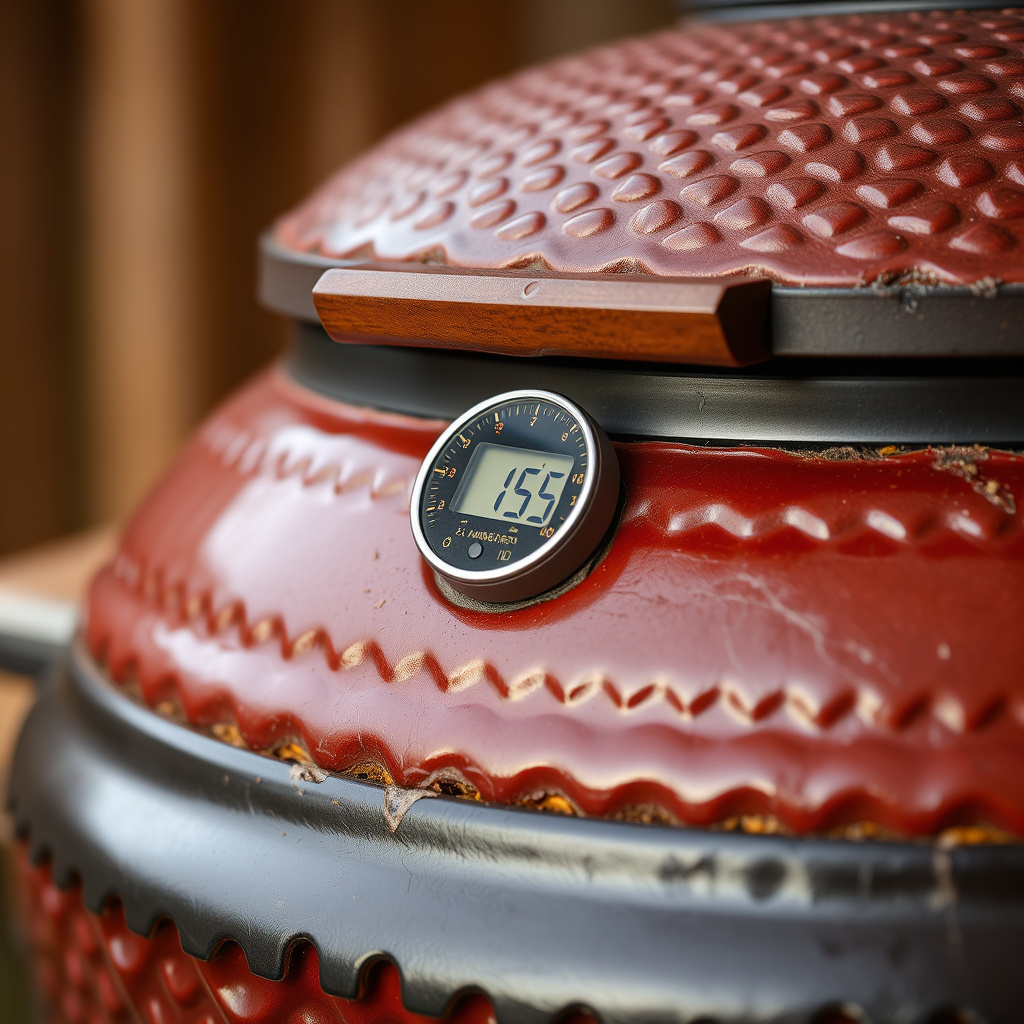
Material and Construction
Kamado grills are typically made from thick ceramic, which provides exceptional heat retention and even cooking. This construction minimizes fuel consumption and helps maintain consistent temperatures, even in cold or windy conditions. Some models also use other ceramics or insulated metal shells with ceramic liners.
The heavy lid and body form an airtight seal that traps heat and moisture, creating a convection cooking environment similar to an oven. These materials also make the grill weather-resistant but add weight, which can make moving the grill challenging.
- Thick ceramic walls for heat retention
- Airtight seal for efficient heat and smoke circulation
- Durable exterior resistant to weather
- Heavier and less portable than metal grills
Temperature Control Mechanism
Kamado grills use adjustable vents at the top and bottom to regulate airflow, which controls the internal temperature. This allows precise temperature management ranging from low-and-slow smoking temperatures around 200°F to high-heat searing over 700°F.
Mastering vent adjustments is critical for consistent results. Many modern kamados come with digital temperature probes and fans that automate airflow for steady cooking, making it easier for beginners to achieve desired temperatures without constant manual tweaks.
- Dual vent system for fine-tuned airflow control
- Temperature ranges from 200°F to 700°F+
- Digital or manual controls available
- Requires practice to master airflow adjustments
Performance and Cooking Versatility
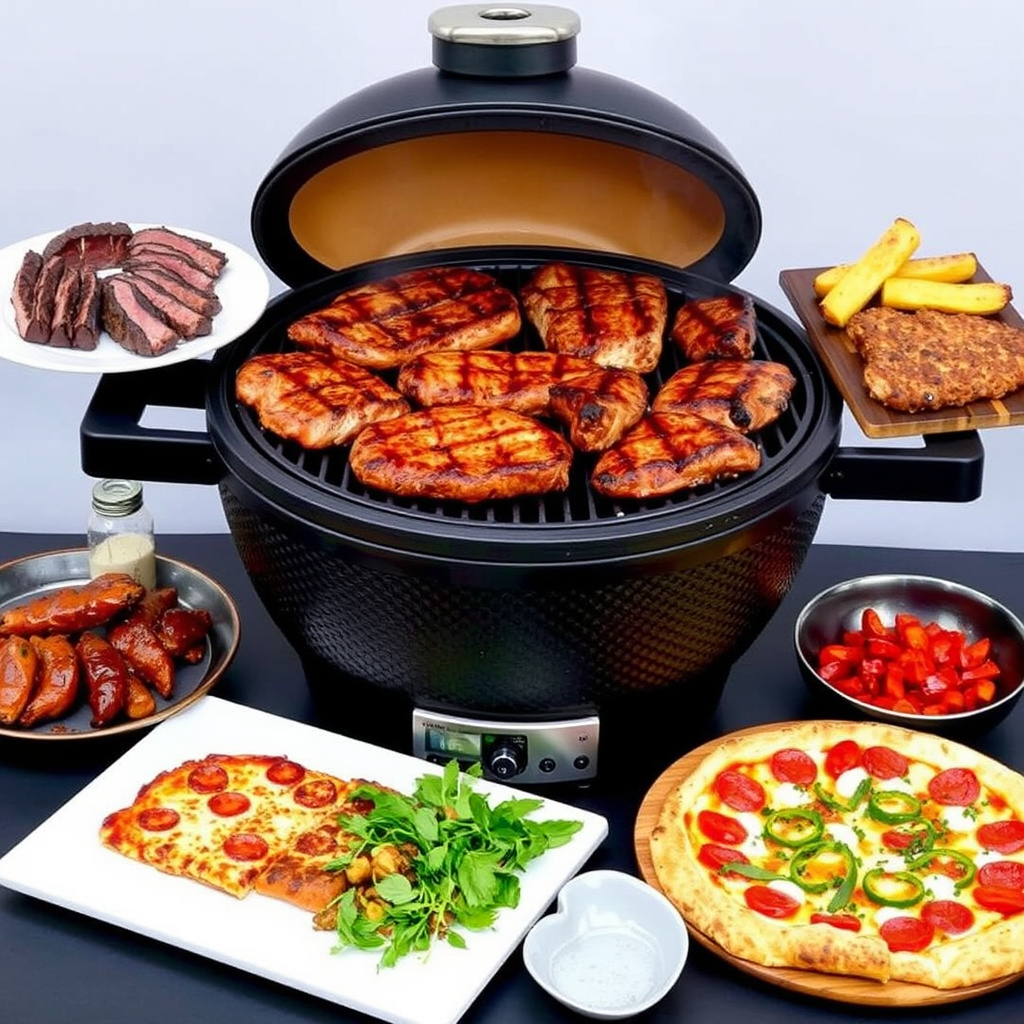
Grilling, Smoking, and Baking Capabilities
Kamado grills excel in versatility by combining grilling, smoking, and baking in one unit. The ceramic walls retain heat, allowing for even cooking and excellent flavor penetration when smoking meats at low temperatures.
They also function as effective pizza ovens, reaching high temperatures rapidly while providing crisp crusts and a smoky flavor that conventional ovens cannot replicate. The versatility makes them suitable for a wide range of cooking tasks beyond simple grilling.
- High heat for searing steaks and burgers
- Low heat for long smoking sessions
- Pizza baking using ceramic’s heat retention
- Ability to roast and bake various dishes
Fuel Efficiency and Charcoal Use
Thanks to ceramic insulation, kamado grills use less charcoal compared to traditional metal grills. Once heated, they maintain temperature with minimal fuel additions, making long cooking sessions more economical and environmentally friendly.
The briquettes used in kamados also burn cleaner, producing less ash and smoke, which benefits flavor and reduces cleanup time. However, high-quality lump charcoal is recommended for optimal results but comes at a higher upfront cost.
- Lower charcoal consumption during long cooks
- Cleaner-burning charcoal enhances flavor
- Less ash production means easier clean-up
- Initial investment in premium fuel can be costly
Maintenance and Longevity
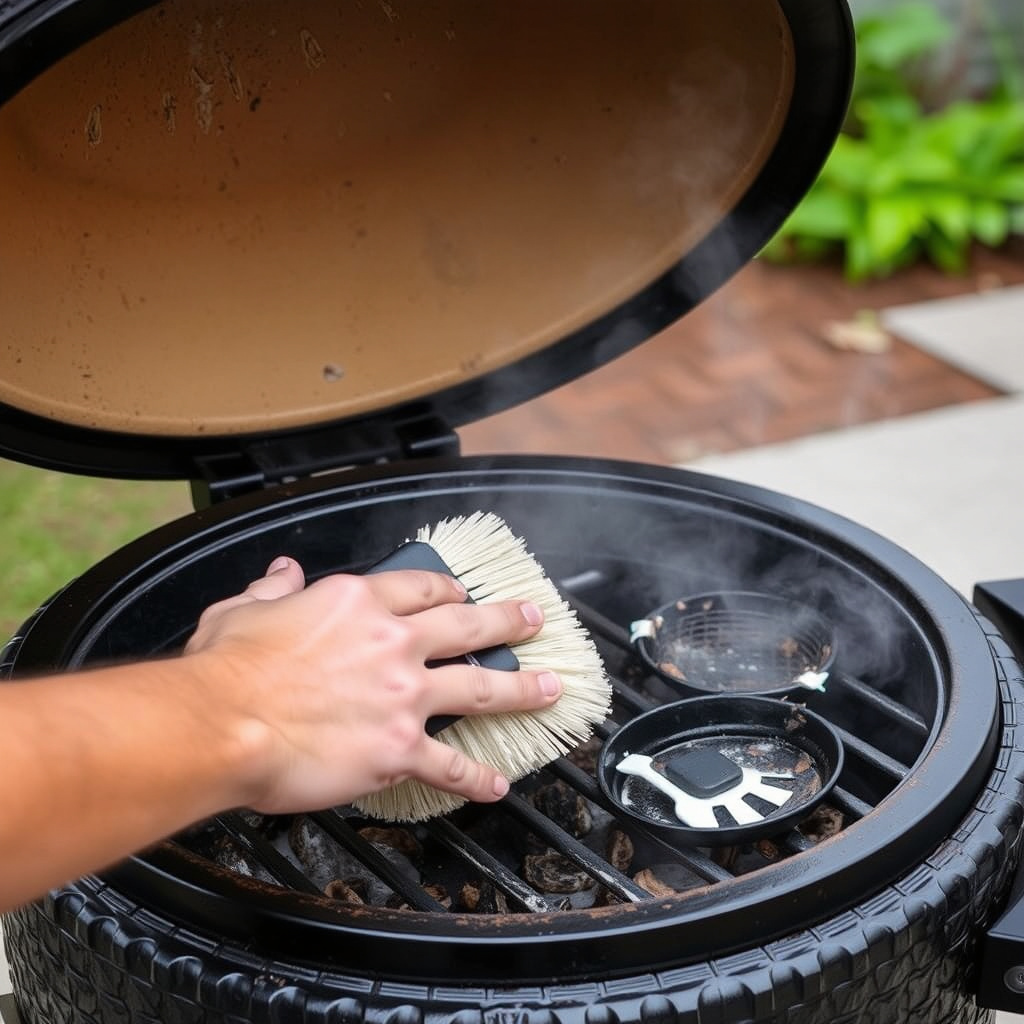
Cleaning and Upkeep
Cleaning a kamado grill involves removing ash regularly and brushing grates after use. The ceramic interior resists rust but can crack if dropped or exposed to rapid temperature changes. Preventative care helps maintain performance and appearance.
Ceramic is less susceptible to rusting but requires gentle cleaning to avoid damage. Many users also opt to cover their grill to protect it from outdoor elements, extending its lifespan.
- Regular ash removal and grate brushing
- Avoid rapid temperature changes to prevent cracks
- Use grill covers for weather protection
- Inspect vents and seals periodically
Durability and Warranty
Kamado grills are designed for long-term use, often lasting decades when well cared for. The ceramic shell is durable but fragile if mishandled, so care during transport and use is advised.
Most reputable brands offer warranties covering ceramic components and metal parts, providing added confidence in the investment. Warranty specifics vary from model to model, so checking terms before purchase is recommended.
- Ceramic body can last 20+ years
- Fragile ceramic requires careful handling
- Warranties typically cover defects and parts
- Proper storage extends grill life
Cost Considerations and Value
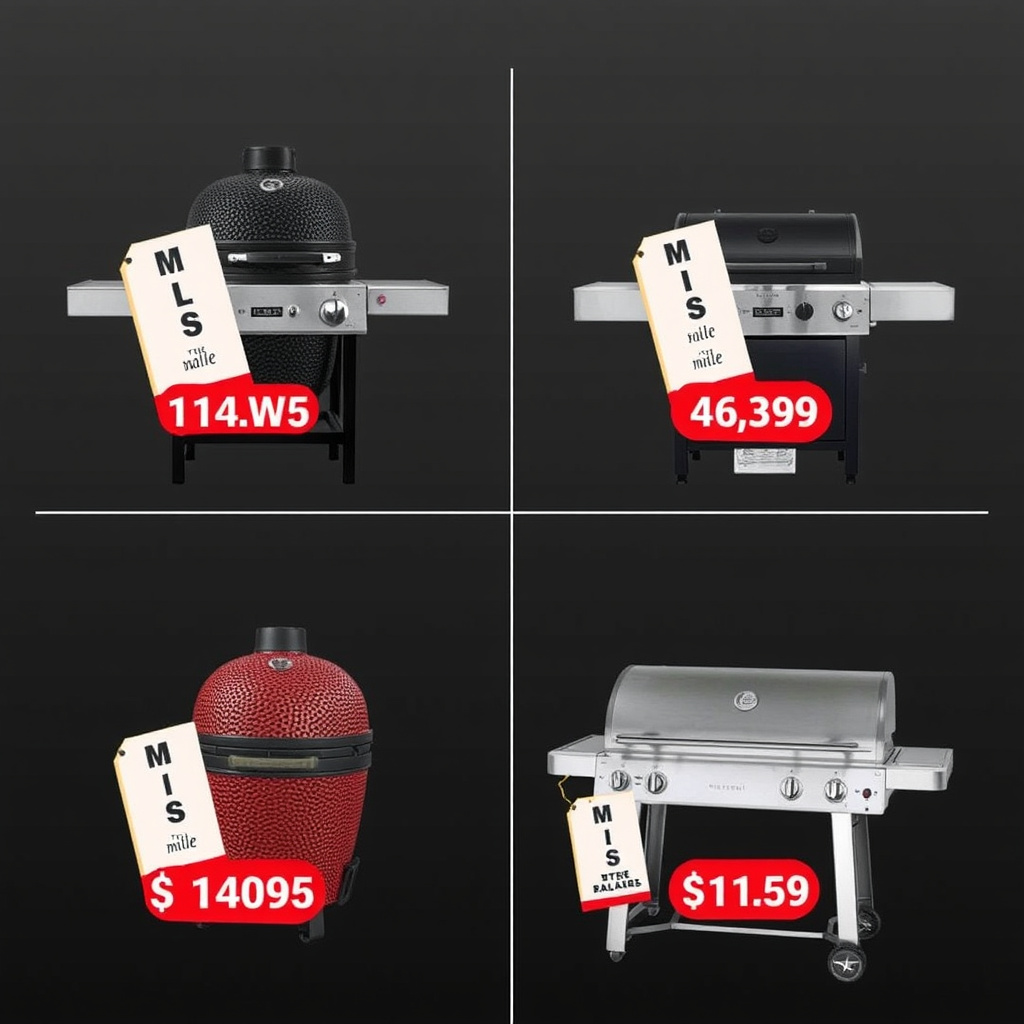
Initial Investment
Kamado grills range in price from around $300 for basic models to over $2000 for premium versions. High-quality ceramic and design complexity contribute to these costs. This initial expense is higher than many standard charcoal or gas grills.
While pricey, the broad versatility and durability can offset upfront costs by replacing multiple single-use cooking appliances. Budget options may lack some features but still offer core benefits for beginners or casual grillers.
- Budget kamados start near $300
- Premium models exceed $1500-$2000
- Cost justified by versatility and durability
- Entry-level models suitable for beginners
Long-Term Value and Savings
Over time, fuel savings and reduced equipment needs enhance a kamado grill’s value. Its efficiency means lower charcoal consumption compared to other grills. Additionally, its ability to function as a smoker and oven reduces the need for separate devices.
The robust build quality and long expected lifespan contribute to a favorable cost-per-use ratio. Owners often find the experience and consistent cooking results well worth the expense.
- Lower ongoing fuel costs
- Multi-function appliance reduces need for extra equipment
- Durability means fewer replacements
- Enhanced cooking capabilities add value
Choosing the Best Kamado Grill for Your Needs
Size and Cooking Area
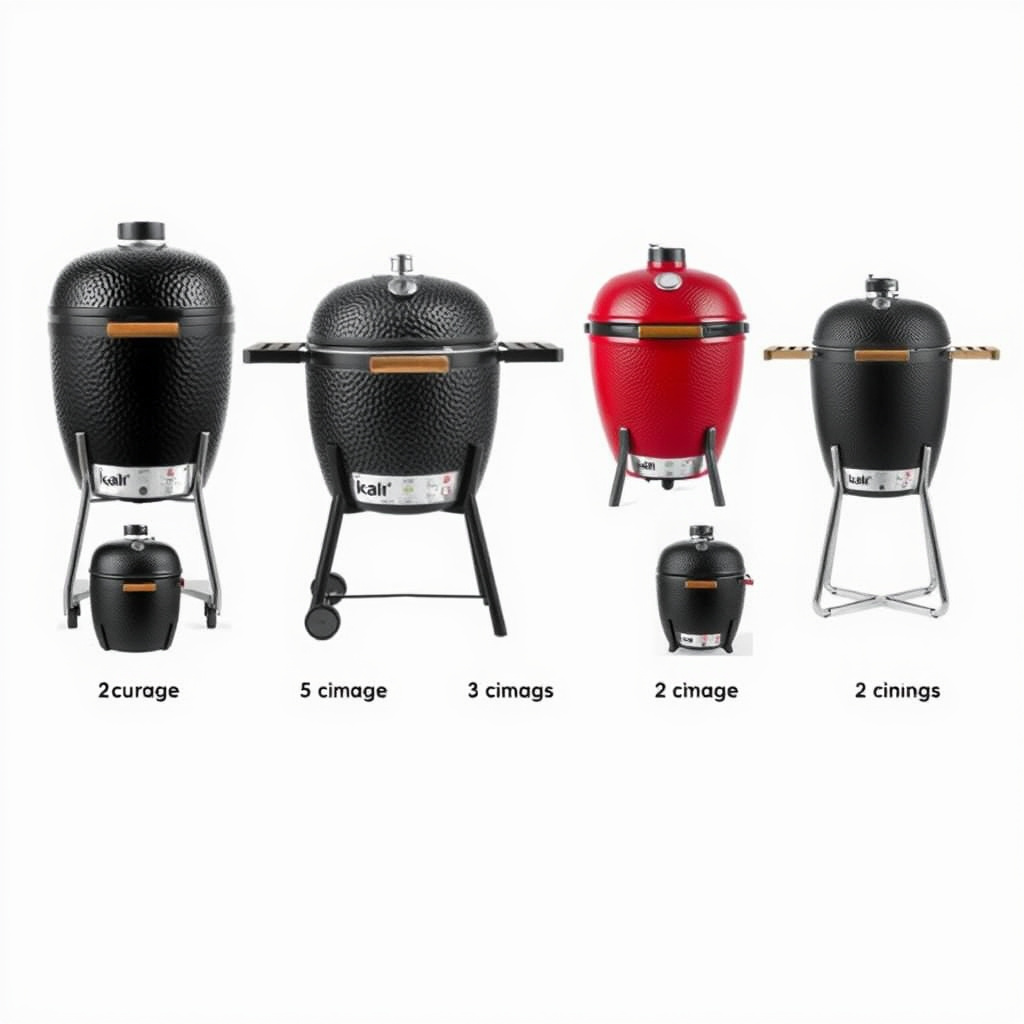
Kamado grills come in sizes typically ranging from 13 inches to over 24 inches in diameter, influencing the cooking surface area and heat distribution. Smaller models are portable and suited for casual cooking, while larger grills accommodate bigger gatherings or commercial use.
Choosing the right size depends on your typical cooking volume and available space. Oversized kamados may be impractical for small patios, while too small a grill limits cooking versatility.
- Small (13-16 inch) for portability and small meals
- Medium (18-20 inch) for family use
- Large (22+ inch) for parties or commercial cooking
- Balance size with space availability
Brand Reputation and Features
Established brands like Big Green Egg, Kamado Joe, and Primo offer proven quality and extensive accessory ecosystems. Features like advanced vent systems, digital temperature control, and modular cooking racks vary between brands and impact user experience.
Considering brand reputation alongside specific features helps ensure a satisfying purchase. Reading user reviews and testing grills in person can clarify which model fits your cooking style best.
- Big Green Egg known for classic design and reliability
- Kamado Joe offers innovative features and accessories
- Primo provides oval-shaped ceramic designs
- Evaluate vent systems and included accessories
Tips for Getting Started with Kamado Grills
Mastering Temperature Control
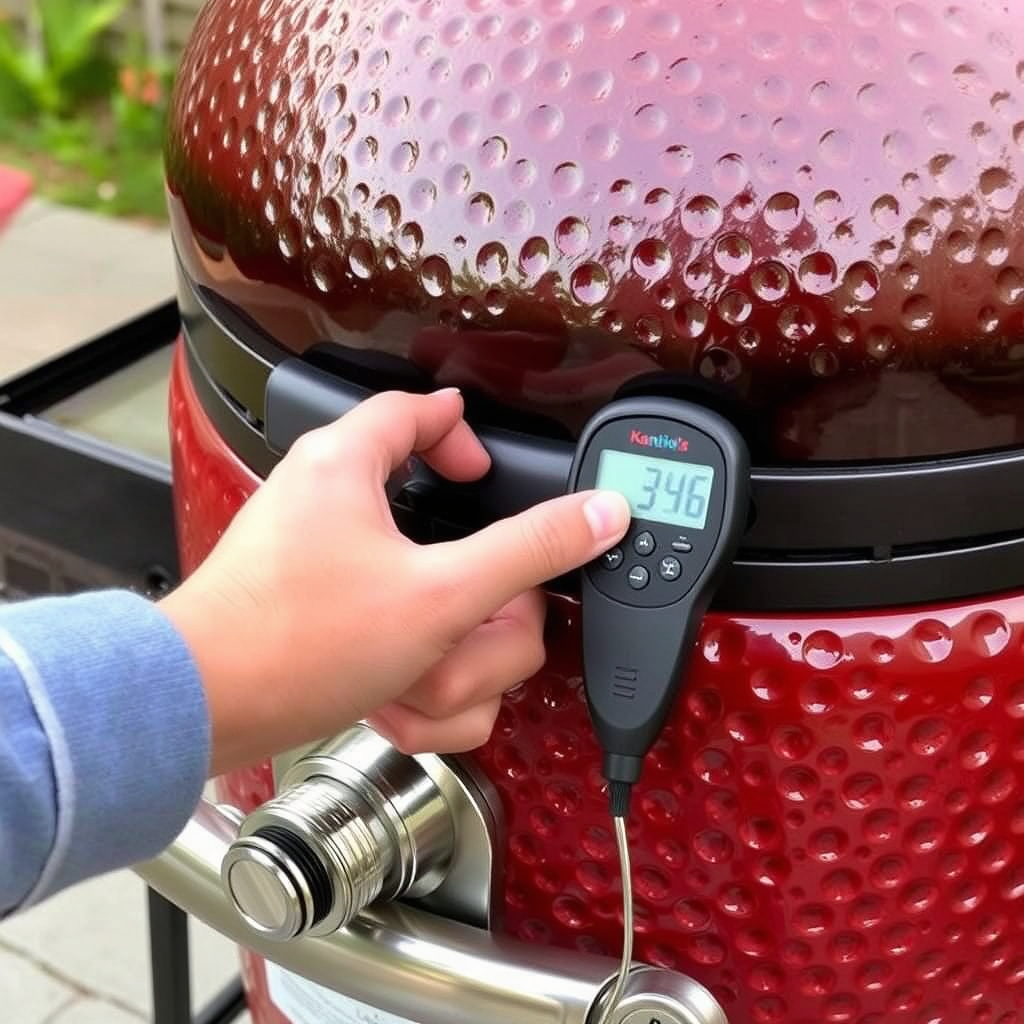
Managing airflow through vents is key to consistent results. Start by practicing with small fires and monitor temperature changes as you open or close vents. Using digital thermometers helps maintain precise heat levels.
Patience is important; kamado grills take longer to warm up but hold heat steadily once stabilized. Developing a feel for vent adjustments over time yields rewarding, controlled cooking outcomes.
- Begin with small charcoal amounts
- Adjust vents gradually to change temperatures
- Employ digital temperature probes
- Allow grill to stabilize before cooking
For a detailed technical overview and history, consult the Wikipedia article on the Kamado grill. Kamado grill.
Essential Accessories to Consider
Accessories like heat deflectors, grilling racks, and ash tools enhance kamado grill utility. A quality grill cover protects your investment from weather, while charcoal starters simplify lighting.
Adding a pizza stone or smoking wood chips expands cooking options. Investing in the right accessories tailored to your cooking preferences improves the overall experience.
- Heat deflectors for indirect cooking
- Pizza stones for baking
- Ash removal tools
- Grill covers for protection
Kamado Grills Category Comparison
This table compares popular kamado grill categories by size, price, and best use cases to help you pick the right model.
| Category | Diameter (inches) | Price Range | Best For | Fuel Type |
|---|---|---|---|---|
| Entry-Level | 13-16 | $300-$600 | Casual grilling and beginners | Lump charcoal |
| Mid-Range | 18-20 | $700-$1200 | Families and frequent grillers | Lump charcoal |
| Premium | 22-24+ | $1500-$2500 | Serious enthusiasts and catering | Lump charcoal |
| Portable | 13-14 | $400-$700 | Tailgating and small patios | Lump charcoal |
| Oval-Shaped | 18×24 | $1000-$2000 | Versatile cooking and smoking | Lump charcoal |
Frequently Asked Questions
What makes kamado grills different from other charcoal grills?
Kamado grills use thick ceramic walls for superior heat retention and airtight seals that regulate airflow, allowing precise temperature control and multi-function cooking beyond typical charcoal grills.
Are kamado grills difficult to use for beginners?
While kamado grills require learning vent adjustments to control temperature, many beginners adapt quickly with practice, especially with models featuring digital controls or temperature probes.
How often do kamado grills need maintenance?
Regular ash removal and grate cleaning after each use keep kamado grills in good condition. Ceramic surfaces need gentle care to avoid cracks, and vents should be checked periodically.
Can I use regular charcoal in a kamado grill?
Kamado grills perform best with high-quality lump charcoal, as it burns cleaner and hotter. Regular briquettes can be used but may produce more ash and less consistent heat.
Is it possible to cook multiple types of food simultaneously in a kamado grill?
Yes, kamado grills can be set up with multi-level racks and indirect heat shields, allowing different foods to cook at once without mixing flavors.
Key Takeaways
- Kamado grills combine grilling, smoking, and baking in one versatile cooker.
- Thick ceramic bodies provide excellent heat retention and fuel efficiency.
- Initial costs are higher but offset by durability and multi-functionality.
- Learning to control vents is the key to mastering cooking performance.
Conclusion
Deciding if a kamado grill is worth it hinges on your commitment to outdoor cooking and desire for a versatile appliance. The main keyword reflects a type of grill that can replace multiple cooking devices by offering grilling, smoking, and baking functions. Evaluating durability, fuel efficiency, and temperature control should guide your decision. Their ceramic construction delivers reliability over time but requires an upfront investment and some learning curve for vent management.
For casual grillers or those new to kamado grills, entry-level or mid-range options offer excellent value and adequate features suitable for everyday use and family gatherings. Serious enthusiasts or those who enjoy hosting may benefit from premium models that offer larger cooking surfaces, advanced airflow systems, and digital controls. Portable kamados suit smaller spaces or tailgaters but limit capacity. The secondary keyword 'best kamado grill for beginners' applies best to mid-range models that balance functionality and ease of use.
If you're intrigued by the versatility and potential flavor quality a kamado grill brings, start by testing models within your budget and space constraints. Accessorize gradually to expand cooking options, and take time mastering airflow control. This approach ensures your investment pays off in delicious meals and enjoyable cooking experiences, proving that kamado grills can indeed be worth it.



