
Using grills on a balcony can be risky, but many types of grills are safe if used correctly and with attention to local regulations and safety protocols. It’s essential to assess your specific balcony’s space, ventilation, and building rules before grilling to avoid fire hazards and ensure safety.
Balconies often have limited space and less ventilation than open yards, making flames, smoke, and heat more dangerous than usual. Some apartment complexes or cities even prohibit certain grills on balconies. Knowing what kind of grill is allowed and how to operate it safely is key to preventing accidents and neighbor complaints.
This article explores grill safety on balconies, including legal restrictions, types of grills suited for balconies, proper ventilation techniques, fire prevention, and best practices to keep your grilling enjoyable and safe. You'll also find comparisons of grill styles ideal for balcony cooking.
Understanding Balcony Grill Rules and Regulations
Local Fire Codes and Apartment Rules
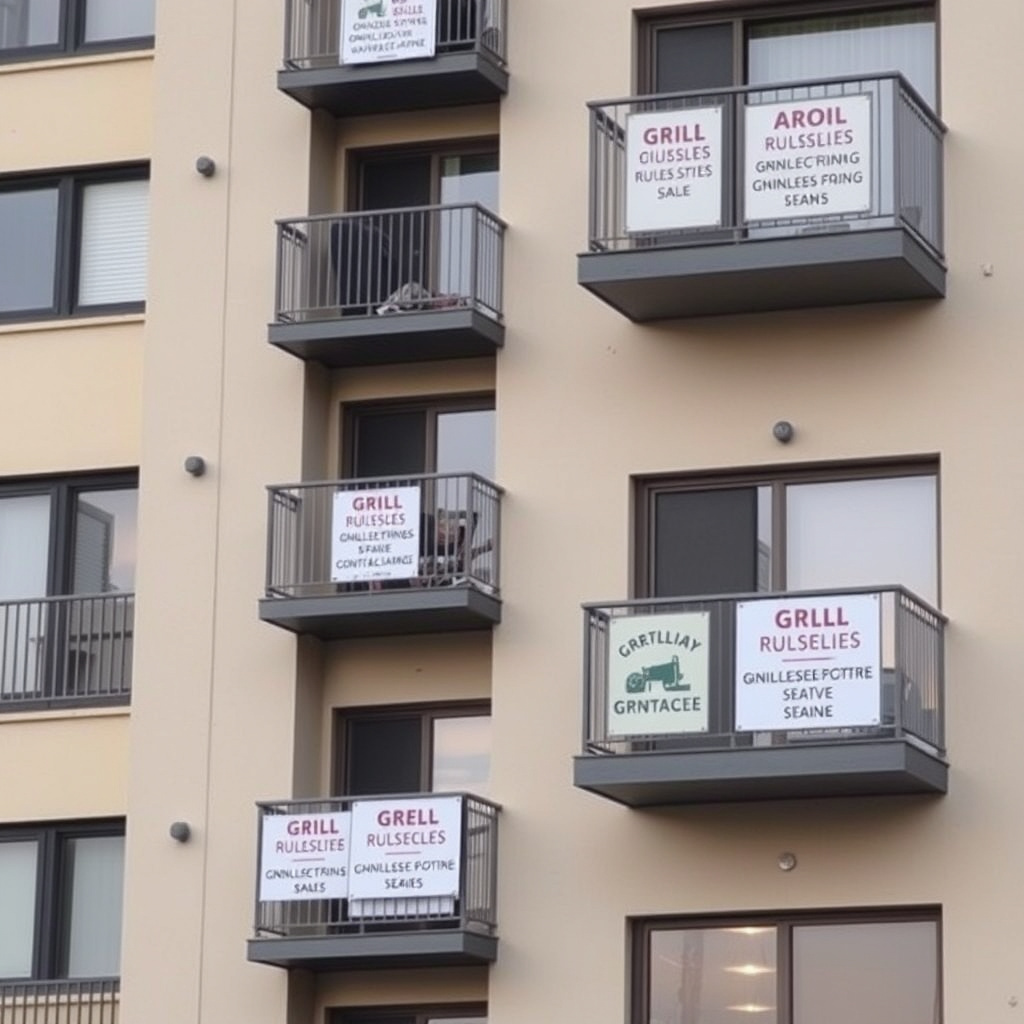
Many cities and apartment buildings have specific fire codes that regulate balcony grilling. These often restrict open-flame grills to reduce fire risks, sometimes allowing only electric or propane grills with smaller outputs. Checking local fire department websites and your lease agreement is crucial before grilling outside.
Ignoring these rules can lead to fines, eviction, or dangerous situations. Building management usually outlines the allowable grill types, placement, and times for grilling. Familiarize yourself with these guidelines to enjoy grilling responsibly.
Common Restrictions on Grill Types
Charcoal grills often face stricter bans on balconies due to embers and smoke, which increase fire hazards and nuisance to neighbors. Propane grills might be allowed but sometimes restricted to smaller sizes to limit fuel quantities stored.
Electric grills usually face fewer restrictions since they don't involve open flames. Knowing which grill type aligns with your balcony’s safety policies helps you avoid compliance issues and risks.
- Charcoal grills – often banned
- Propane grills – conditionally allowed
- Electric grills – generally permitted
Choosing the Right Grill for Balcony Use
Electric Grills: The Safest Option
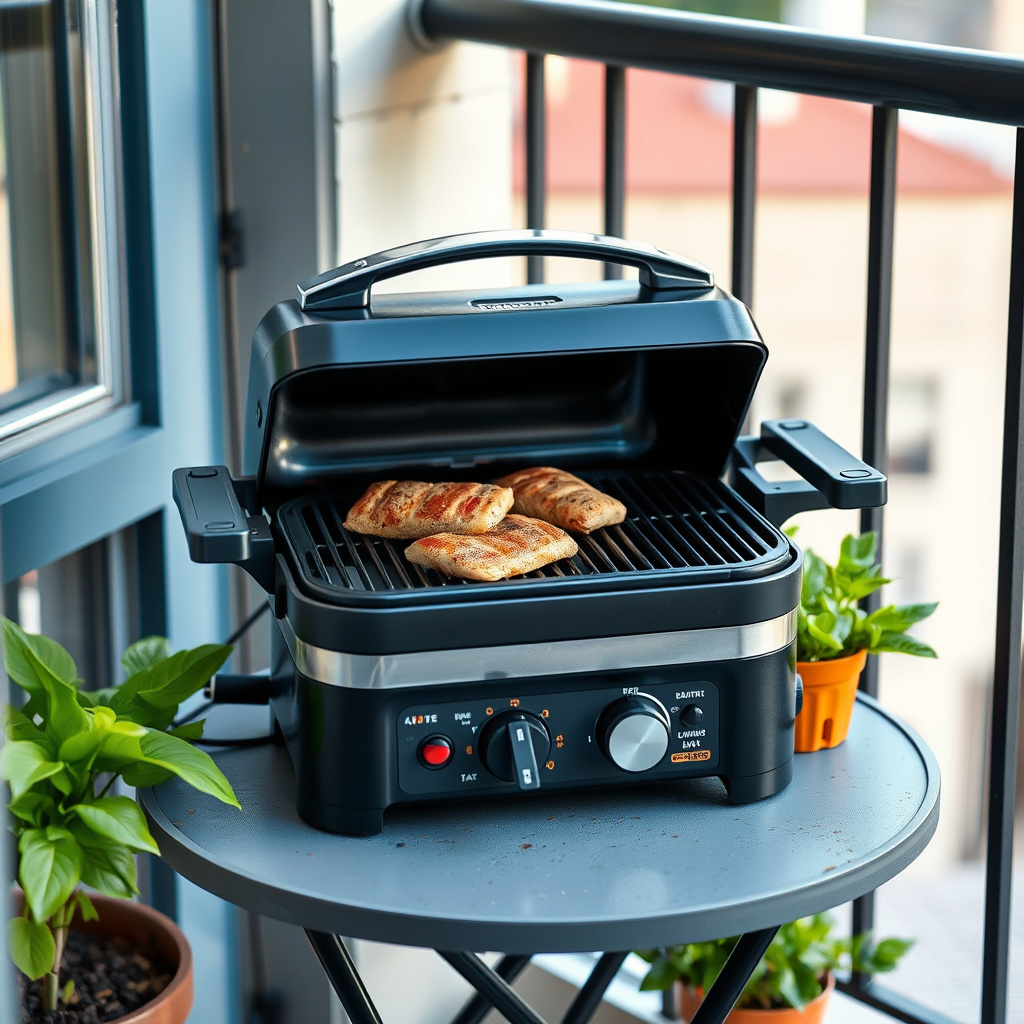
Electric grills do not use open flames or combustible fuels, dramatically reducing fire risk on balconies. They produce less smoke and are easy to control, making them suitable when local codes restrict other types of grills.
Many electric models are compact, lightweight, and designed to fit small balconies, with safety shutoff features. They are ideal if you want convenience without the hazards tied to gas or charcoal.
- No open flames
- Minimal smoke
- Compact designs
- Automatic safety shutoffs
Propane Grills: Moderate Safety with Precautions
Propane grills are popular for balcony use when permitted, offering real flame grilling with good heat control. However, they require proper storage and handling of the propane tank to avoid leaks or explosions.
Choose models with smaller propane tanks suitable for balcony spaces and keep them upright and away from heat sources. Regular hose and tank inspections prevent dangerous leaks.
- Requires safe propane tank handling
- Best with compact, balcony-sized tanks
- Proper ventilation needed
Proper Ventilation and Placement for Balcony Grill Safety
Ensuring Adequate Airflow
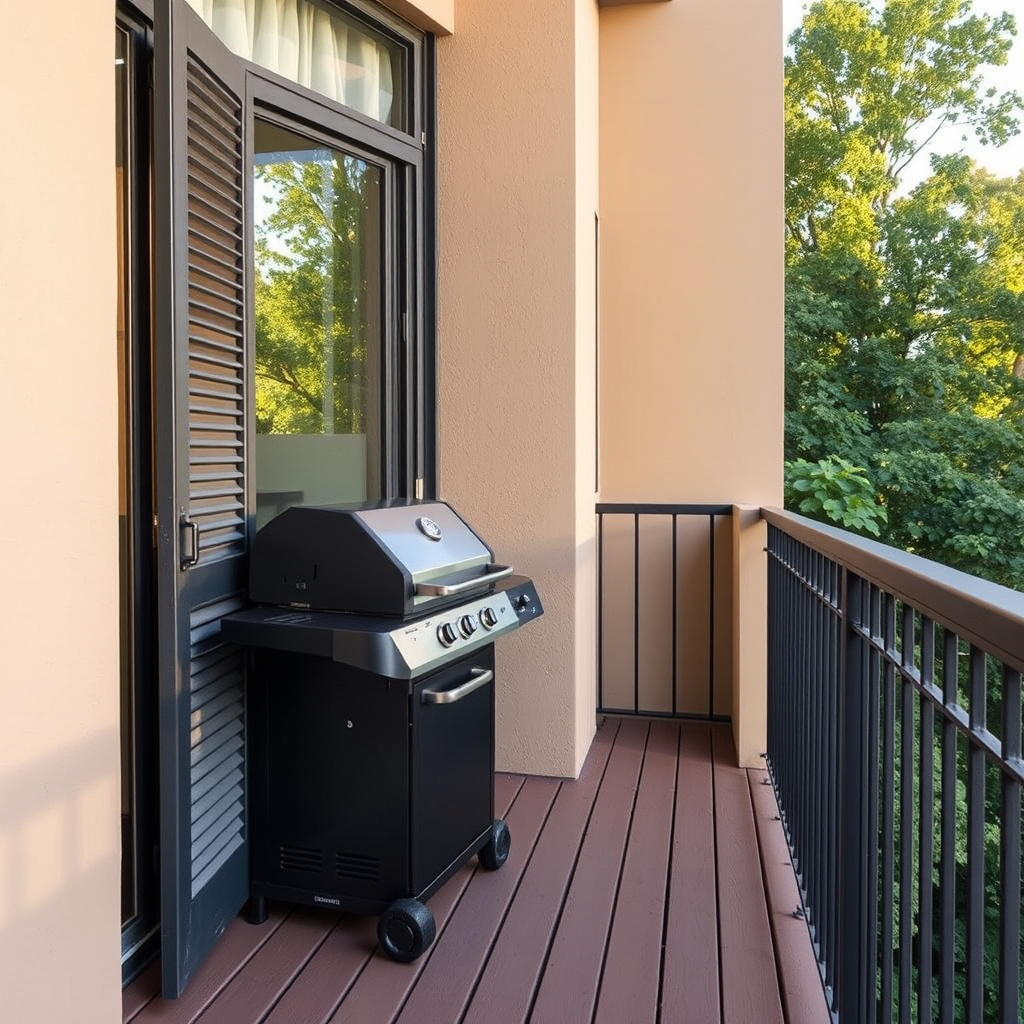
Good airflow prevents the buildup of smoke, carbon monoxide, and heat, which are serious hazards on enclosed balconies. Place grills where smoke can easily disperse, away from walls, ceilings, and overhangs to avoid fire risks.
Avoid grilling in balconies with glass enclosures or very tight spaces without windows or air vents, as this traps dangerous gases and smoke.
- Place grills away from walls and eaves
- Avoid enclosed balcony spaces
- Maintain clear airflow path
For more on this, see our related guide: What Is a Portable Grill? A Complete Guide to Portable Grills.
Safe Grill Placement and Surface Use
Balcony floors and surfaces can be damaged by heat or grease splatters. Position grills on fireproof mats or metal stands, not directly on wood or carpet. Keep a fire extinguisher or water source nearby for emergencies.
Maintain at least a few feet of clearance between the grill and flammable items like plants, furniture, or storage boxes to minimize fire spread risks.
- Use fire-resistant mats
- Clear space around grill
- Keep extinguisher nearby
Grilling Safety Practices to Prevent Accidents on Balconies
Fire Prevention and Monitoring
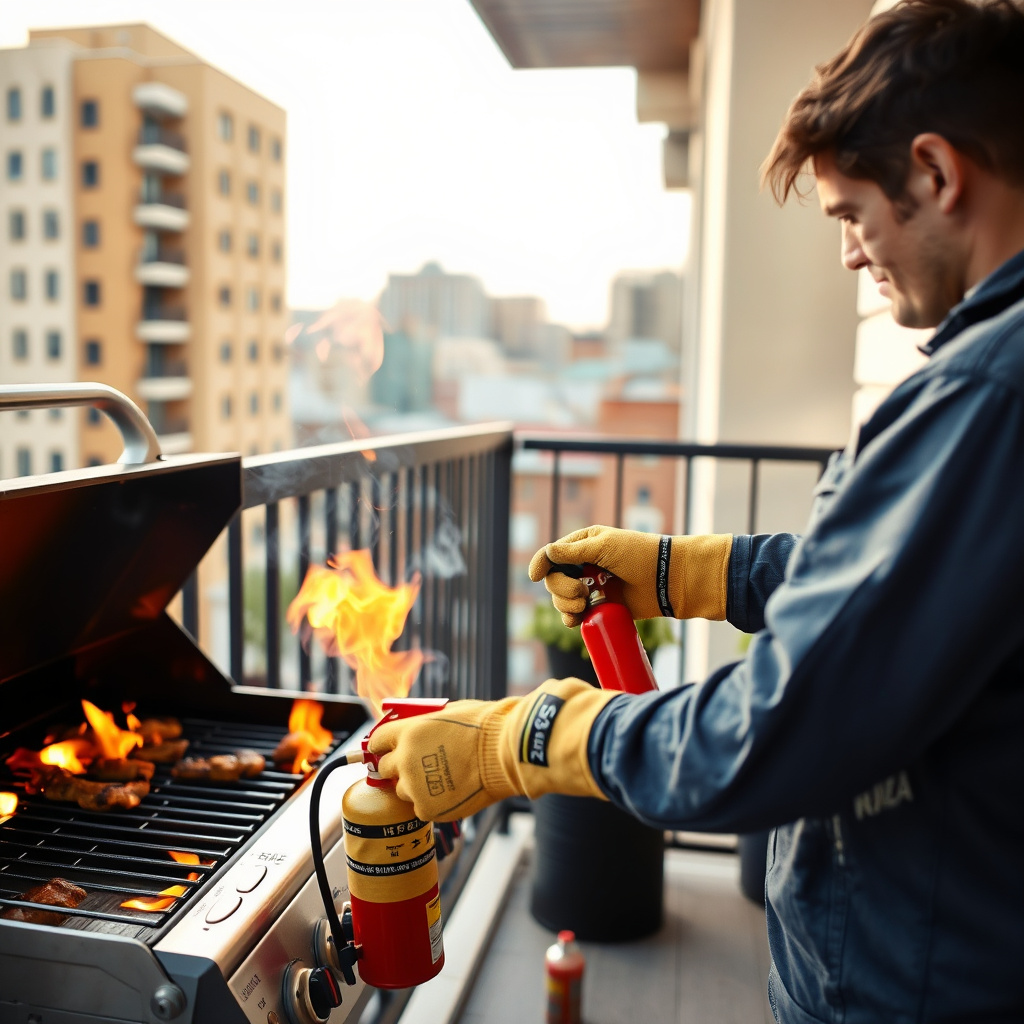
Never leave a lit grill unattended on your balcony. Stay nearby to monitor flames, avoid flare-ups, and respond quickly to emergencies. Keep grill clean from grease buildup, which can ignite unexpectedly.
Be cautious with lighter fluids or chemicals that can cause explosive flare-ups and avoid using grills during windy conditions that may spread embers.
- Stay next to the grill at all times
- Clean grease to reduce flare-ups
- Avoid flammable liquids while grilling
Protecting Neighbors from Smoke and Odors
Smoke and odors can travel easily in apartment complexes, causing complaints or health issues. Use grills that produce minimal smoke, such as electric ones, and position them to direct smoke away from neighboring units.
Limit grilling duration and ventilate spaces properly afterwards to minimize nuisance.
- Use low-smoke grill types
- Grill upwind from neighbors
- Keep grilling sessions brief
Maintenance Tips for Safe Balcony Grill Use
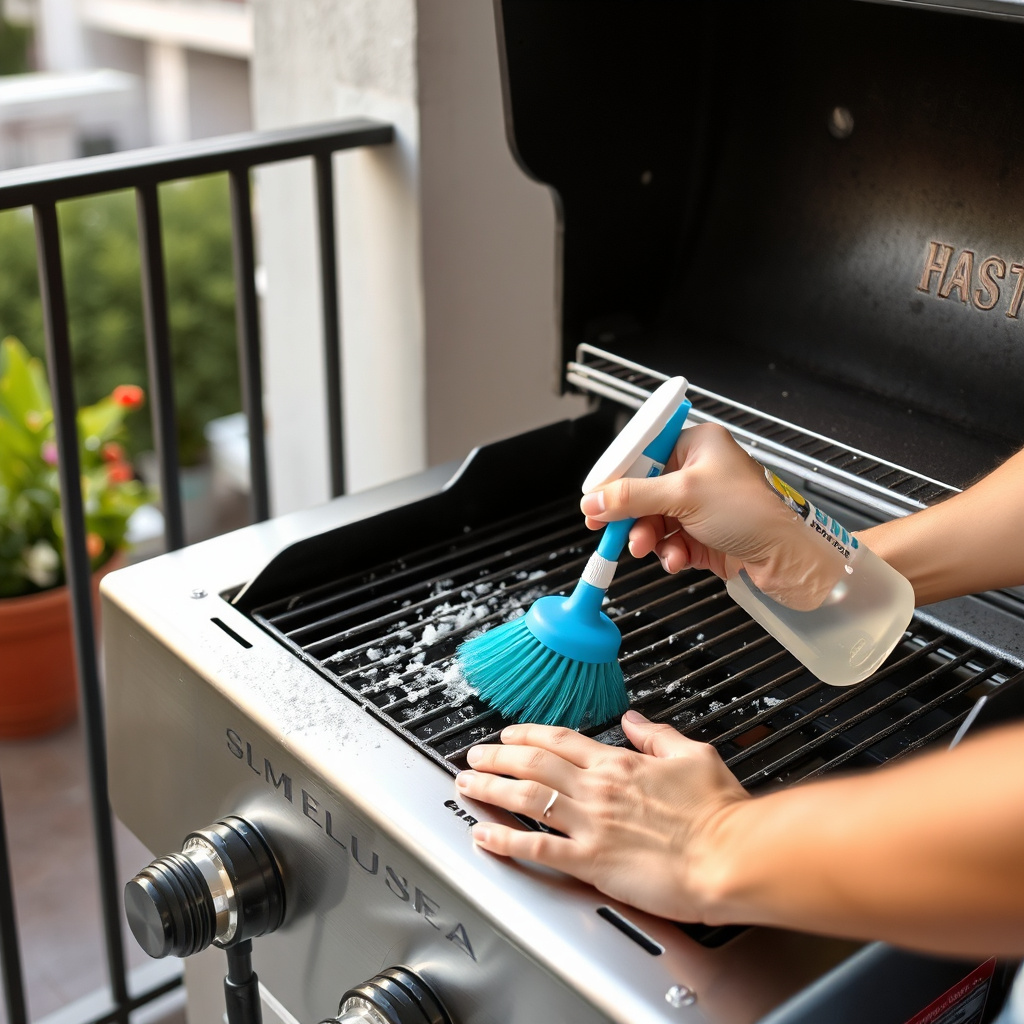
Regular Grill Cleaning and Checks
Periodically clean grill grates, drip trays, and burners to prevent grease fires. Accumulated grease and food residue can ignite unexpectedly, especially on smaller balcony grills.
Check propane hoses and connections for leaks before every use by applying soapy water and watching for bubbles, a simple yet vital safety inspection.
- Clean grease and food debris regularly
- Inspect propane hoses for leaks
- Replace worn parts promptly
For more on this, see our related guide: What Is a Gas Grill and How to Choose the Best One.
Proper Storage of Grilling Equipment
Store grills, propane tanks, and accessories safely when not in use. Tanks should be kept away from direct sunlight and sources of heat to prevent pressure buildup or leaks.
Cover grills with weatherproof covers to protect from rust or malfunction due to exposure, prolonging their safe operational life.
- Store propane tanks outdoors in shade
- Use protective grill covers
- Keep grills clean and dry
Balcony Grilling Safety Technology and Accessories
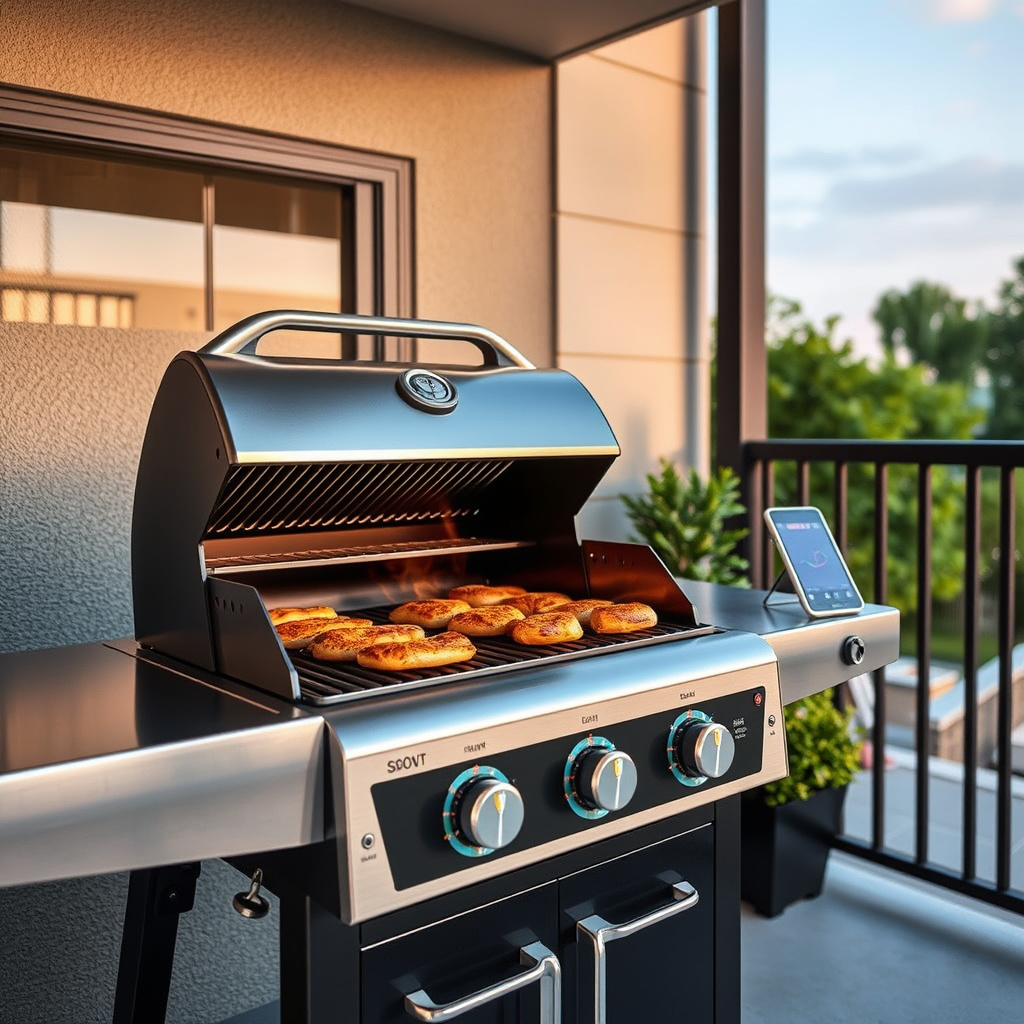
Safety Sensors and Automatic Shutoffs
Some newer grills include built-in safety sensors that detect overheating or gas leaks and automatically shut off the fuel supply. These features are especially valuable on balconies where quick hazard responses increase safety.
Look for grills certified by safety standards organizations that incorporate these automatic features to reduce risks.
- Overheat detection
- Gas leak automatic shutoff
- Certified safety standards
For authoritative advice on grilling safety, consult these grilling safety guidelines from the National Fire Protection Association. grilling safety guidelines.
Smart Thermometers and Remote Monitoring
Wireless thermometers and apps allow you to monitor grill temperature remotely, preventing overcooking and reducing the need to hover over the grill continuously. This tech helps prevent flare-ups caused by forgotten or unattended grills.
These devices enhance control and promote better safety habits during balcony grilling sessions.
- Remote temperature monitoring
- Alerts for temperature changes
- Improves grill supervision
Comparison of Popular Balcony Grill Types
Here's a quick look at common grill options for balconies, highlighting their safety, convenience, and typical restrictions.
| Grill Type | Safety Level | Smoke Production | Allowed on Most Balconies | Maintenance |
|---|---|---|---|---|
| Electric Grill | High | Low | Yes | Low |
| Propane Grill | Moderate | Medium | Conditionally Allowed | Moderate |
| Charcoal Grill | Low | High | Often Prohibited | High |
| Pellet Grill | Moderate | Medium | Usually Prohibited | High |
Frequently Asked Questions
Can I use a charcoal grill on my apartment balcony?
Most apartment buildings and local fire codes prohibit charcoal grills on balconies due to fire and smoke risks. Check your building rules first, but generally, charcoal grilling outside is not allowed on balconies.
Are electric grills really safe for balconies?
Yes, electric grills are usually safe for balcony use because they have no open flames and produce minimal smoke. They comply with most building regulations, making them a safe choice for small outdoor spaces.
How far should a grill be from walls on a balcony?
Grills should be placed at least 3 feet away from walls, railings, and overhangs to prevent heat damage and reduce fire risk. This spacing helps keep the surrounding surfaces safe from flames and heat.
What should I do in case of a grill fire on my balcony?
If a fire occurs, turn off the grill and use a fire extinguisher or baking soda to smother flames. Do not use water on grease fires. Evacuate if the fire grows and call emergency services immediately.
Is propane safe to store on balconies?
Propane tanks can be stored on balconies if kept upright, outside, and away from direct sunlight or heat sources. Always follow local regulations to avoid gas leaks or explosions.
Key Takeaways
- Check local codes and apartment rules before grilling on a balcony.
- Electric grills are the safest and most widely allowed option.
- Proper placement and ventilation minimize fire and smoke risks.
- Regular maintenance and safety equipment improve grill safety.
Conclusion
Deciding if grills are safe to use on a balcony depends largely on your local regulations, the type of grill, and how carefully you follow safety guidelines. Reading municipal fire codes and your apartment policies is vital before installing any grill. Safety-conscious practices like proper ventilation, correct placement, and ongoing maintenance also play a big part in reducing risks. Ultimately, balancing enjoyment with safety ensures that your grilling experience doesn’t create hazards for you or your neighbors.
For those allowed to grill on balconies, electric grills are generally the best option as they sidestep many traditional risks associated with open flames and fuel storage. Propane grills can be used if permitted, but require disciplined safety measures, including careful tank storage and frequent leak inspections. Avoid charcoal and pellet grills on balconies because of the high fire hazard and smoke production involved. Selecting the right grill tailored to your balcony’s space constraints and airflow improves safety and keeps your neighbors comfortable.
Before lighting your first barbecue, double-check all safety recommendations for your chosen grill and balcony setup. Place your grill properly, keep fire suppression tools handy, and never leave the grill unattended while cooking. Taking these practical steps makes balcony grilling a fun and safe activity. If uncertain, consult local fire authorities or apartment management to get advice tailored to your building. That way, you can enjoy your grill with peace of mind.



