
Gas grills are generally safe when you follow proper safety guidelines and maintain the equipment correctly. Most accidents result from improper use, poor maintenance, or neglecting safety precautions. When handled properly, gas grills offer a controlled cooking environment and reduced flare-up risks compared to charcoal grills.
Understanding gas grills’ safety factors matters because mishandling can lead to gas leaks, fires, or explosions. Knowing how to inspect connections, operate ignition systems responsibly, and store propane tanks correctly helps prevent accidents. Considering the prevalence of backyard grilling, safety knowledge directly impacts enjoying grilling without fear.
This article covers key aspects of gas grill safety, including installation, maintenance, and risk management. You’ll also find comparisons of different grill types based on safety features, tips to recognize potential dangers, and answers to frequent questions about grill safety. By the end, you'll be equipped to use your gas grill confidently and securely.
Gas Grill Installation and Setup Safety
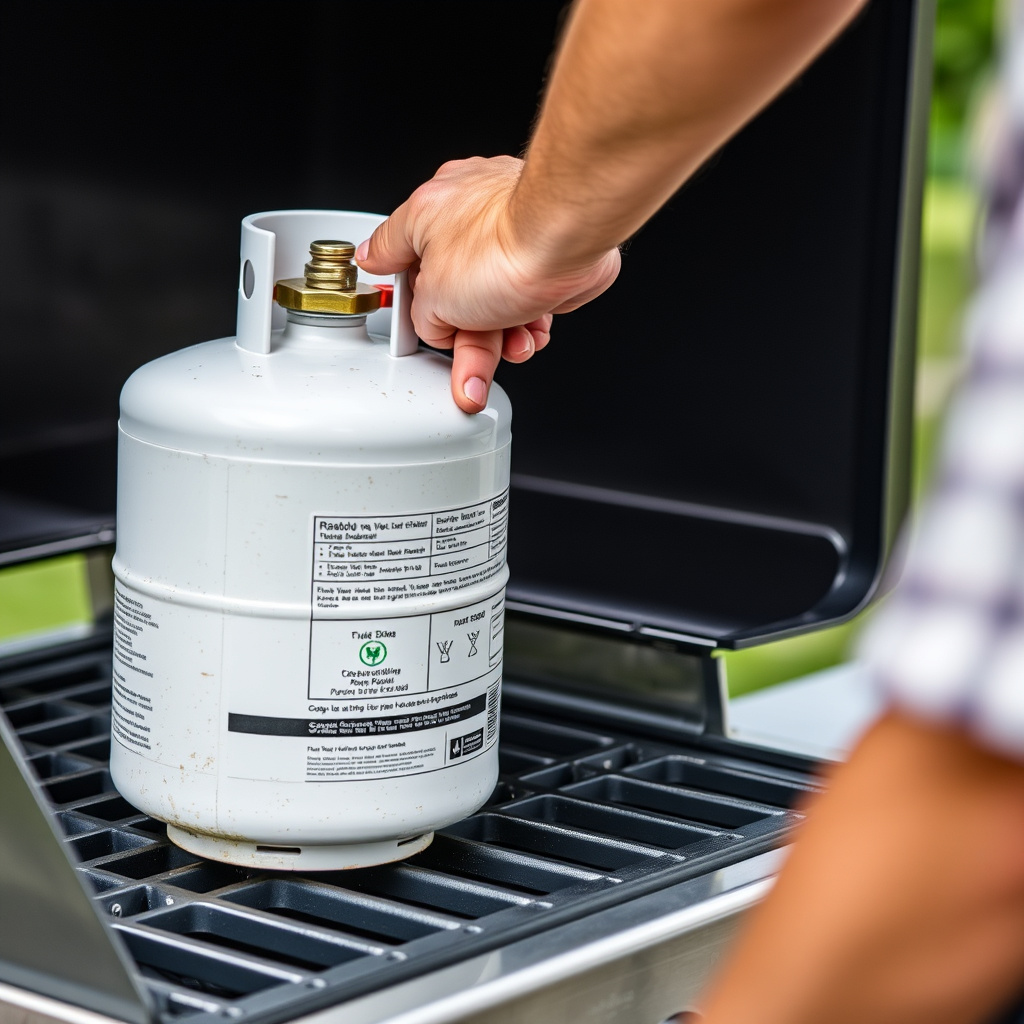
Proper Propane Tank Connection
Connecting a propane tank securely is essential to prevent leaks. Always ensure that the tank valve and grill connectors are free of dirt and debris. Use a soap-water solution to test for leaks at connections before lighting the grill. Tightening connections by hand without forcing them avoids damaging threads.
Avoid over-tightening hose fittings. Ensure the tank is positioned on a flat surface at a safe distance from the grill's burners. If you detect a gas smell or bubbles when checking for leaks, close the valve immediately and correct the problem before use.
- Use leak detection solution regularly
- Replace cracked or brittle hoses promptly
- Keep propane tanks upright and ventilated
Safe Grill Placement Outdoors
Position your gas grill outdoors on stable, level ground away from any flammable surfaces such as wooden decks or dry foliage. Maintain at least 10 feet of clearance from walls and overhangs to allow proper ventilation and reduce fire risk.
Avoid placing grills inside garages, enclosed patios, or tents to prevent dangerous gas accumulation. Consider wind direction and proximity to foot traffic to keep your cooking area safe and accessible.
- Ensure proper airflow around the grill
- Clear surroundings of flammable materials
- Keep children and pets away during operation
Routine Maintenance for Gas Grill Safety
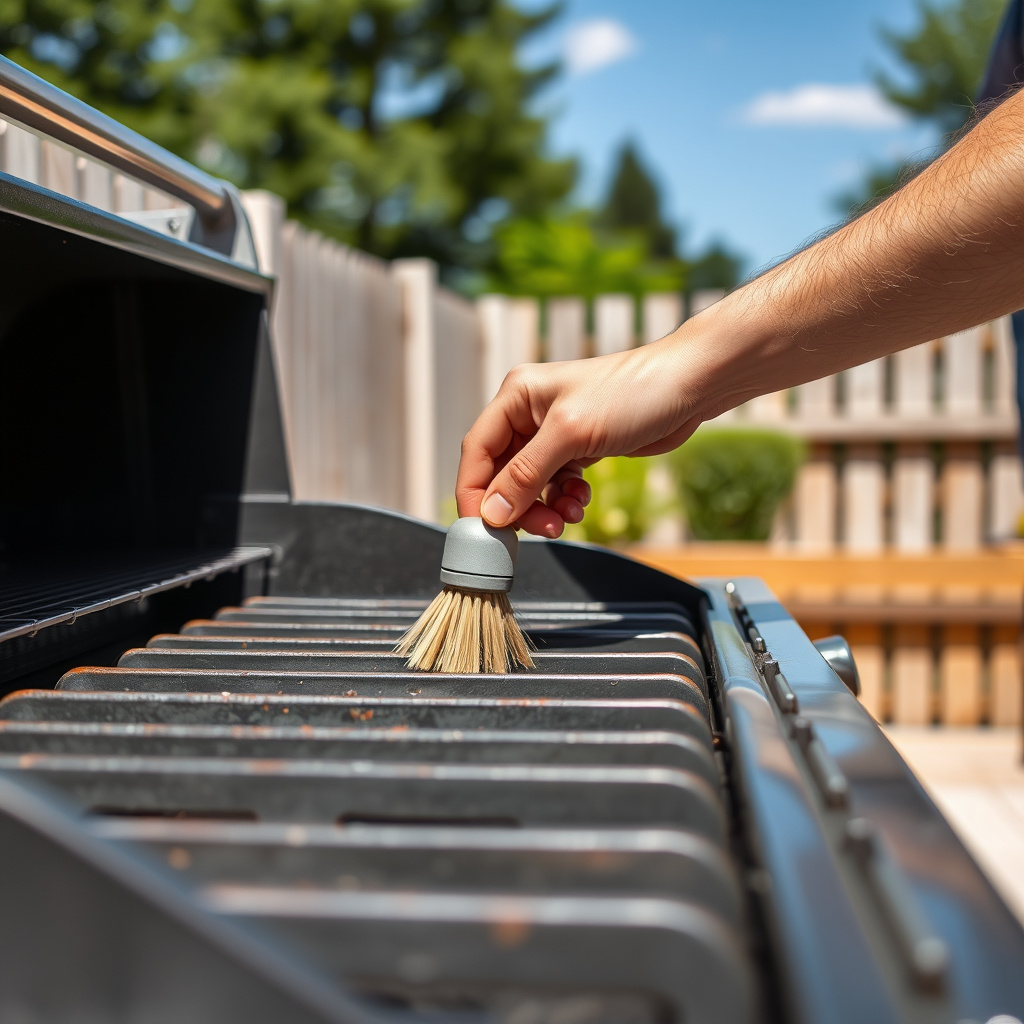
Cleaning Burners and Grates
Grease buildup on burners and cooking grates can cause flare-ups and uneven cooking temperatures. Regularly scraping and brushing grates after each use helps prevent blockages and reduces fire hazards.
Inspect burners for corrosion or clogs by removing them and cleaning with a soft brush and soapy water. Make sure burner ports are open and free from rust to maintain even gas flow.
- Clean after every use
- Check burner flames for blue color indicating proper combustion
- Replace damaged parts promptly
Checking for Gas Leaks and Wear
Regularly inspect hoses, fittings, and valves for cracks, brittleness, or signs of wear—these often develop with age or exposure to elements. Use a leak detection solution to detect escaping gas before operating the grill.
If you notice any leaks, damaged hoses, or malfunctioning regulators, replace these parts immediately. Keeping your grill in good working condition reduces the risk of unexpected flare-ups or gas release.
- Store grill covered when not in use
- Schedule annual professional inspections if possible
Operating Your Gas Grill with Safety in Mind
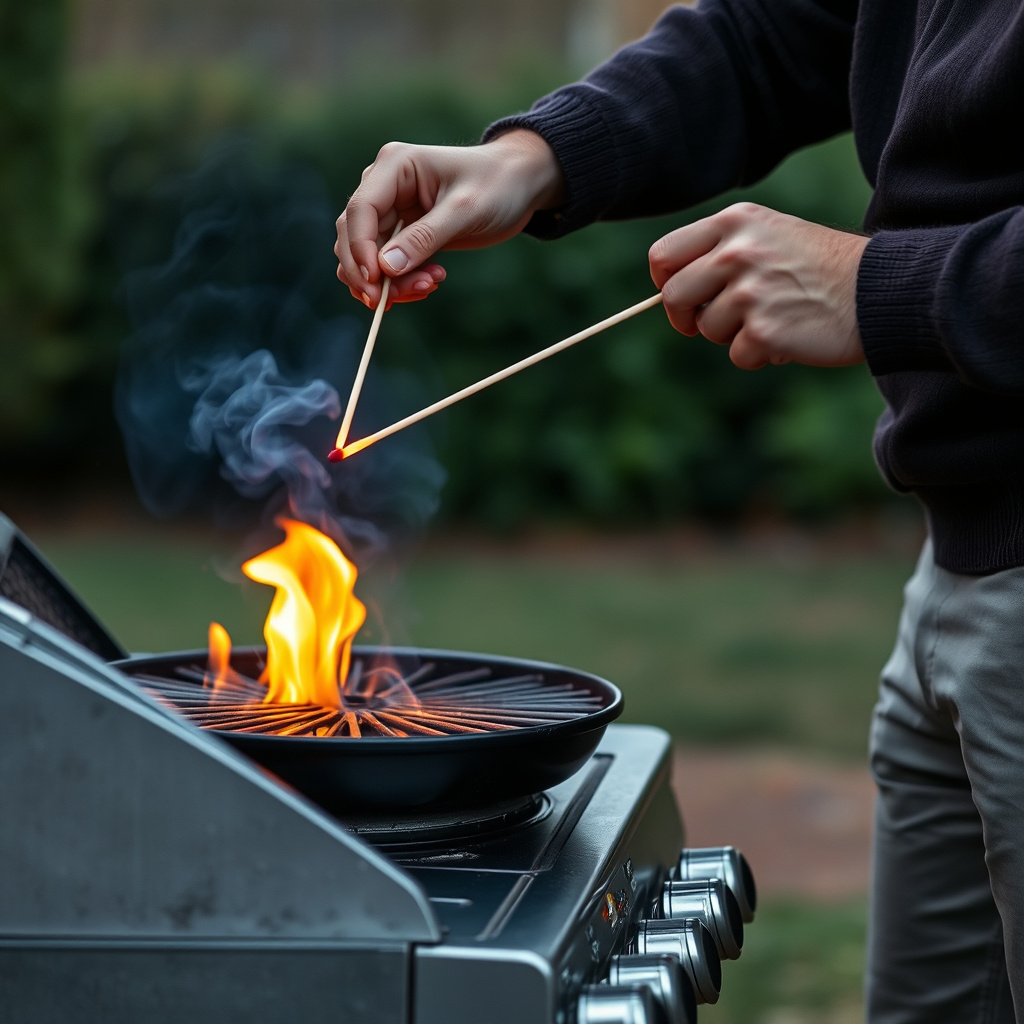
Lighting Procedures and Flame Control
When lighting your gas grill, always open the lid first to prevent gas buildup inside the grill which can cause flash fires. Follow the manufacturer’s instructions carefully on ignition procedures.
Control flames by adjusting burner knobs gradually. Avoid sudden high flames as these can quickly become unsafe. Use grill lids to regulate temperature without needing full open flames.
- Open lid before lighting
- Use grill’s built-in ignition system or long matches
- Never leave lit grill unattended
For more on this, see our related guide: Are Grills Safe to Use on a Balcony? What You Need to Know.
Handling Fat Drippings and Flare-Ups
Fat and oils dripping onto burners can cause flare-ups, a common cause of grill fires. Use drip pans to catch grease and clean them frequently. Keeping food trimmed of excess fat reduces this risk.
In case of flare-ups, calmly turn off burners nearest the flames or move food to a cooler section of the grill until flames subside. Never use water to extinguish flare-ups as this can spread grease and worsen fires.
- Trim excess fat from meats
- Keep a spray bottle of water handy for small flare-ups
- Clean grease traps regularly
Comparing Gas Grills to Other Grill Types
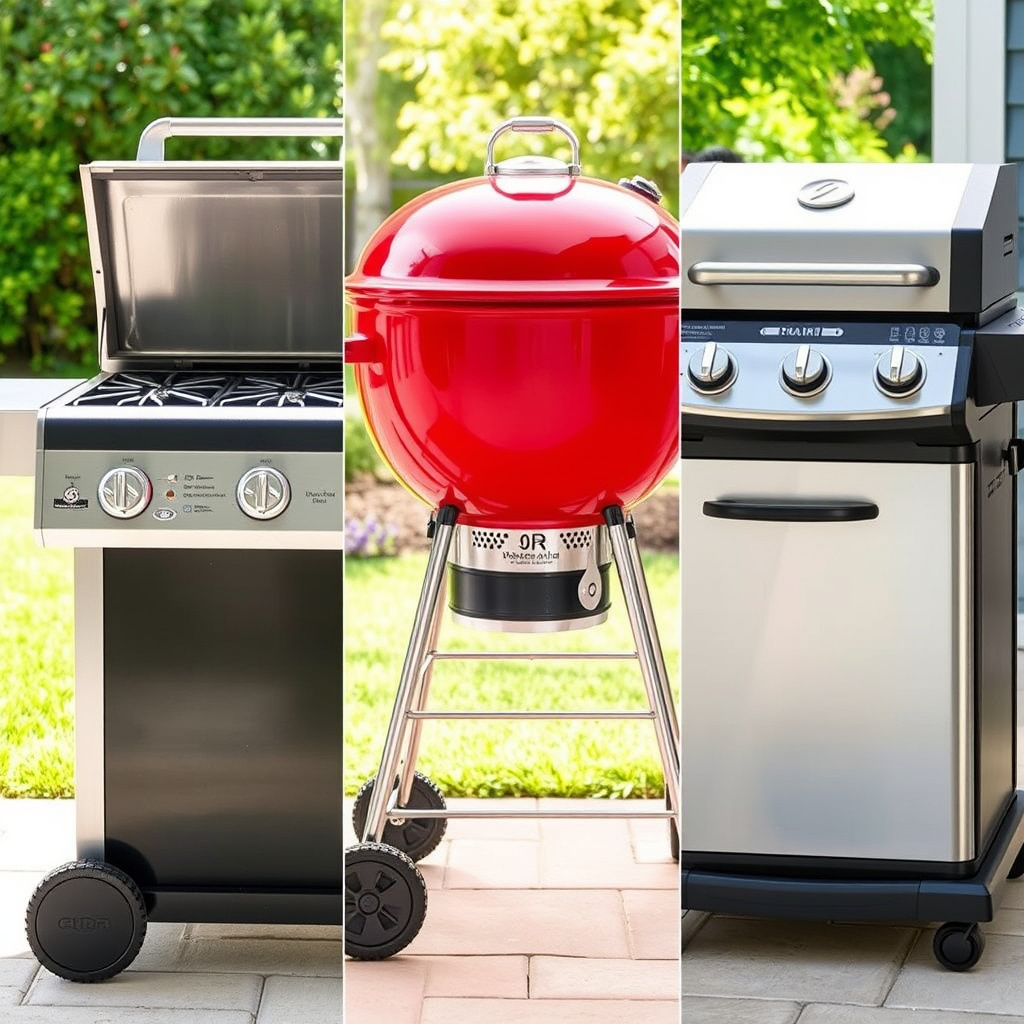
Gas Grills vs. Charcoal Grills Safety
Gas grills provide cleaner ignition sources and allow for easier flame control, making them safer in terms of rapid temperature adjustments. Charcoal grills, however, involve open coal fires, with more unpredictable flare-ups and residual ash.
While gas grills do carry risks related to gas leaks, their consistent flame control often leads to fewer serious accidents if used correctly. Charcoal grills require careful ash disposal to avoid unintended fires.
- Gas grills offer easy temperature control
- Charcoal grills generate more soot and ash
- Charcoal grilling demands longer cooldown and cleanup
Gas Grills vs. Electric Grills Safety
Electric grills eliminate flammable gas risks but rely on electricity, which introduces electrical safety concerns, including shock hazards and overheating problems in poor setups.
Gas grills can operate anywhere outdoors without power, but require vigilance around gas connections. Electric grills suit apartment balconies where gas grills are prohibited, offering safer alternatives in such scenarios.
- Electric grills avoid fuel storage concerns
- Gas grills require propane or natural gas supply
- Both types need regular cleaning to prevent fires
Safe Storage and Emergency Precautions
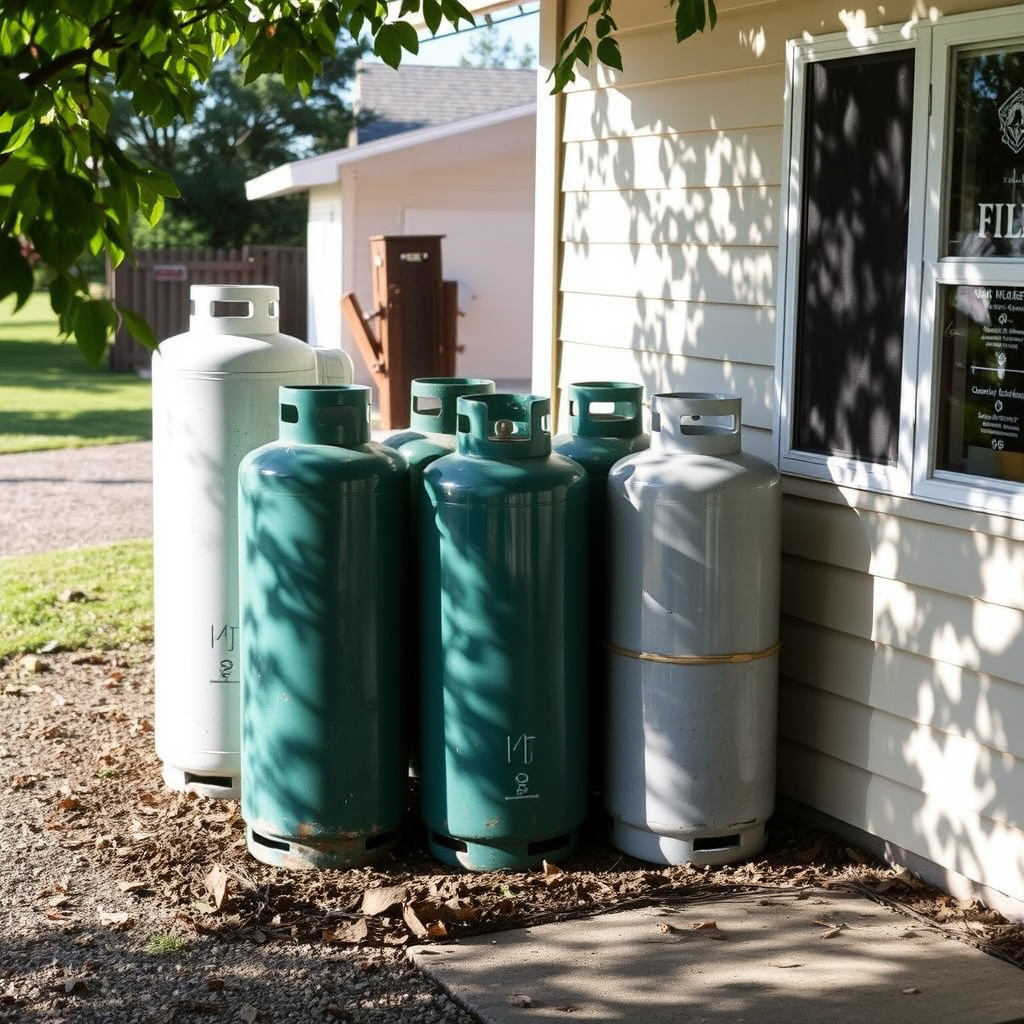
Proper Storage of Propane Tanks
Store propane tanks upright outside in well-ventilated areas away from direct sunlight, heat sources, or enclosed spaces. Keeping tanks cool slows gas pressure buildup and reduces explosion risk.
Never store full or empty tanks inside the home, garage, or shed. Using protective caps on valves helps avoid damage during transport. Follow local guidelines for propane handling and storage regulations.
- Keep tanks away from ignition sources
- Store in ventilated shelters
- Inspect tanks for rust or damage regularly
For more on this, see our related guide: Are Charcoal Grills Healthy? Understanding Health Impacts of Charcoal Grilling.
Emergency Response for Gas Grill Incidents
If you smell gas while operating a grill, immediately turn off the gas supply and close the lid. Avoid using any electrical switches or open flames that could ignite leaked gas. Ventilate the area before attempting a restart.
In case of fire, use a class B fire extinguisher designed for flammable liquids and gases. Never use water on grease or gas fires. Always call emergency services for major incidents.
- Know your extinguisher location and type
- Have an emergency shut-off plan
- Keep a phone nearby for quick emergency calls
Tips for Safe Gas Grill Usage
Daily Safety Checks Before Use
Every time before grilling, check hose connections, burner flames, and propane levels. Perform a quick visual inspection for cracks or unusual wear that can pose hazards during cooking.
Make sure grill knobs are working smoothly and that ignitions start promptly without gas odor. Confirm the grill lid functions well to control heat efficiently.
- Perform leak tests monthly
- Keep a fire extinguisher nearby
- Confirm grill is clean and grease-free
For detailed official recommendations on safe gas grill usage, refer to the gas grill safety guidelines from the U.S. Consumer Product Safety Commission. gas grill safety guidelines from the U.S. Consumer Product Safety Commission.
Safety Practices During Cooking
Never leave a lit gas grill unattended. Keep children and pets at a safe distance to prevent accidental burns or tip-overs. Use long-handled tools to avoid close contact with flames.
Turn off burners after cooking and disconnect propane tanks if the grill won’t be used for a while. These habits reduce risks and prolong the safe life of your grill.
- Supervise grill at all times
- Avoid loose clothing near flames
- Allow grill to cool fully before covering
Gas Grill Safety Compared Across Grill Types
Here’s a snapshot comparing general safety features and risks among popular grill types used for backyard cooking.
| Grill Type | Fuel Source | Common Safety Concerns | Ease of Flame Control | Maintenance Needs |
|---|---|---|---|---|
| Gas Grill | Propane or Natural Gas | Gas leaks, flare-ups | High | Moderate |
| Charcoal Grill | Charcoal Briquettes | Uncontrolled flames, ash disposal | Low | High |
| Electric Grill | Electricity | Electrical hazards, overheating | Moderate | Low |
| Pellet Grill | Wood Pellets | Fire management, smoke control | Moderate | Moderate |
Frequently Asked Questions
Can gas grills explode?
Gas grills can explode if there’s a significant gas leak that accumulates and ignites. Regular leak checks and proper storage virtually eliminate this risk.
How often should I check my gas grill for leaks?
You should check your gas grill for leaks at least monthly and every time you connect a new propane tank.
Is it safe to use a gas grill indoors?
No, using a gas grill indoors is unsafe due to carbon monoxide buildup and fire hazards.
What should I do if the gas grill flame goes out unexpectedly?
Turn off all burners and gas supply, wait for gas to dissipate, then relight using proper procedures.
Can I store propane tanks in my garage?
Propane tanks should not be stored in enclosed spaces like garages because of ventilation concerns and explosion risk.
Key Takeaways
- Gas grills offer safer flame control than charcoal grills if handled responsibly.
- Regular inspection and maintenance prevent leaks and fires.
- Proper propane tank storage is critical for safety.
- Never operate gas grills indoors or leave them unattended.
Conclusion
Choosing to grill with gas grills involves understanding and respecting the nature of flammable gases and controlled flames. Assessing safety practices such as secure propane connections, correct grill placement, and vigilant maintenance builds a protective routine that encourages confidence. Prioritizing these factors minimizes the small but significant risks associated with using gas grills and enhances enjoyment of outdoor cooking.
For general home grilling, conventional propane gas grills provide an excellent balance between efficient cooking and manageable safety risks. Users who want less flare-up risk and ease of temperature adjustment can lean towards gas grills, while those mindful of electrical hazards might consider electric grills as alternatives. Charcoal options require more careful handling and cleanup but appeal to traditionalists valuing smoky flavor over safety convenience. Tailoring grill choice by environment and skill level further reinforces safe practices.
Before using your gas grill, take time to review safety checklists and emergency procedures. Regular cleaning, leak monitoring, and careful operation make grilling a pleasant and safe activity. For ongoing information or concerns, consulting authoritative sources can provide additional peace of mind and updated safety standards to protect you and your family.



