
Charcoal grills can be both enjoyable and flavorful for outdoor cooking, but when asking if charcoal grills are healthy, the answer depends on several factors including cooking techniques and food choices. Grilling over charcoal produces smoke and compounds that can pose health risks if not managed carefully.
Understanding the health aspects matters as charcoal grilling releases polycyclic aromatic hydrocarbons (PAHs) and heterocyclic amines (HCAs), which have been linked to cancer in some studies. The direct exposure to smoke and charring can increase these compounds in grilled foods, raising questions about their safety.
This article explores how charcoal grilling affects health, what specific risks exist, methods to reduce harmful compounds when grilling, and comparisons with other grilling types. By the end, readers will have a clearer view of whether using charcoal grills fits into a healthy lifestyle.
How Charcoal Grills Work and Their Impact on Food
Combustion Process in Charcoal Grills
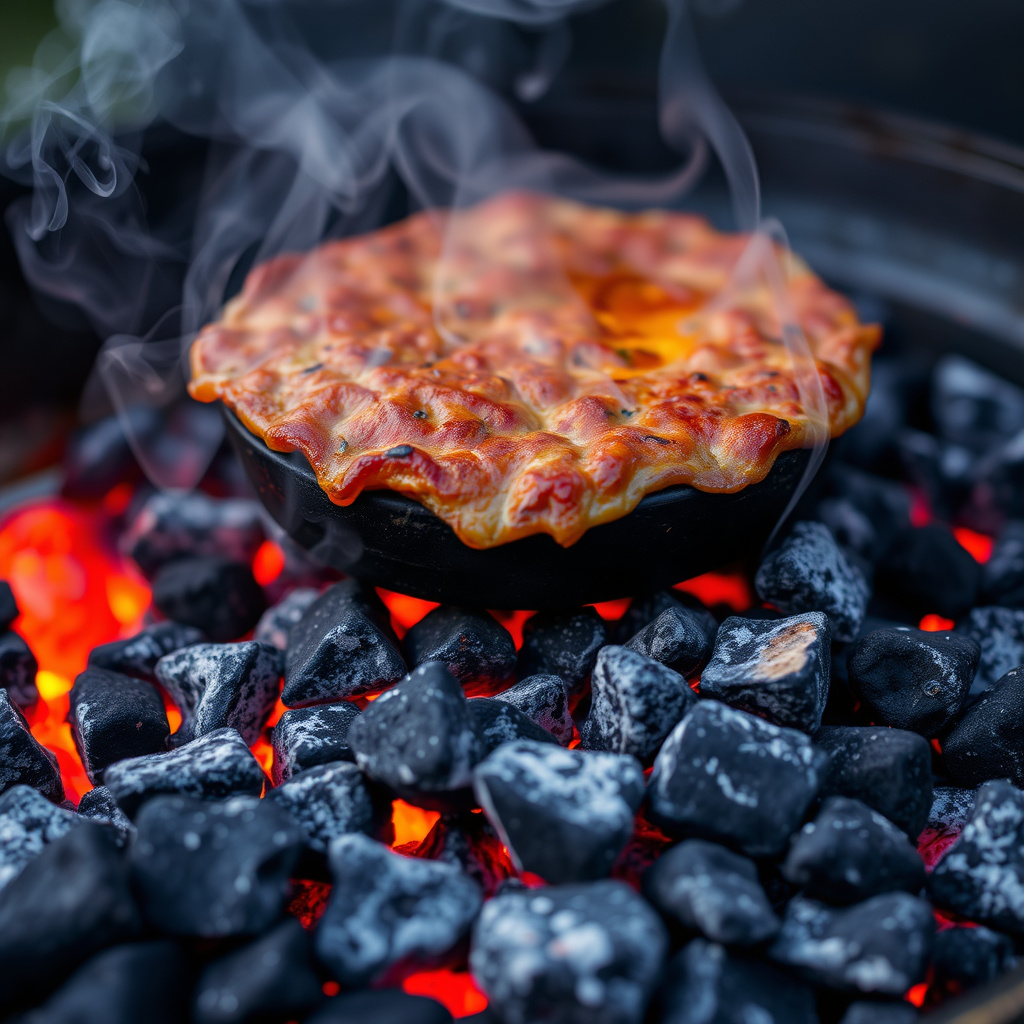
Charcoal grills produce heat by burning charcoal briquettes or lump charcoal, generating intense heat and smoke. This combustion breaks down organic charcoal material and releases gases like carbon monoxide and volatile organic compounds, along with particulate matter, which contribute to flavor but also to smoke inhalation and chemical exposure.
The temperature can exceed 700°F at peak, creating the optimal searing effect desired in grilling but also increasing the formation of potentially harmful compounds in foods when fat drips onto hot coals and creates flare-ups.
Effect on Food Flavor and Composition
The smoke and intense direct heat from charcoal grills impart a distinct smoky flavor to meats and vegetables, which many people enjoy. However, this process also causes the formation of carcinogenic substances like PAHs when fat burns and deposits on food.
Charcoal grilling can also cause uneven cooking if not managed well, sometimes leading to more pronounced charring, which is linked to the formation of heterocyclic amines (HCAs), compounds associated with DNA damage in lab studies.
Health Risks Associated with Charcoal Grilling
Polycyclic Aromatic Hydrocarbons (PAHs)
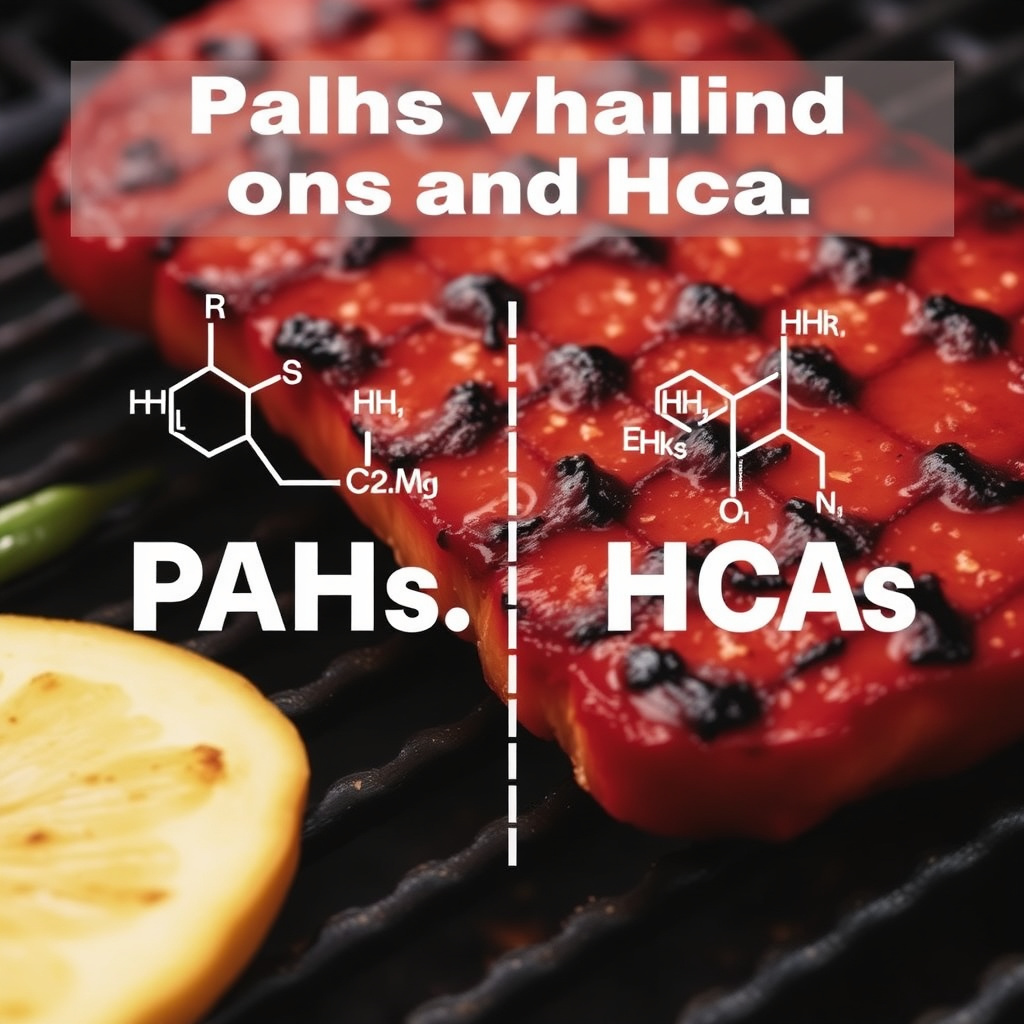
PAHs are chemicals created when fat burns and smoke rises from charcoal fires onto food. These compounds have been found to be carcinogenic in animal studies, especially with long-term exposure. PAHs stick to the surface of grilled foods, increasing health concerns with consumption of heavily smoked or charred items.
Repeated inhalation of smoke from charcoal grilling could also irritate the respiratory system. However, occasional outdoor charcoal grilling is less likely to cause significant harm compared to occupational and indoor exposures.
- Produced by incomplete combustion of charcoal
- Found on charred, smoked food surfaces
- Linked to increased cancer risk in lab studies
Heterocyclic Amines (HCAs)
HCAs form when muscle meats are cooked at high temperatures, common with charcoal grilling. These compounds arise from reactions between creatine, amino acids, and sugars during prolonged high-heat cooking, especially with charring.
Studies suggest HCAs may contribute to increased cancer risk when consumed in large amounts over time, though exact human risk levels remain under study.
- Formed from high-temperature cooking of meats
- Concentrated in heavily charred portions
- Potential carcinogenic effects supported by animal data
Ways to Reduce Health Risks When Using Charcoal Grills
Cooking Techniques to Lower Harmful Compounds
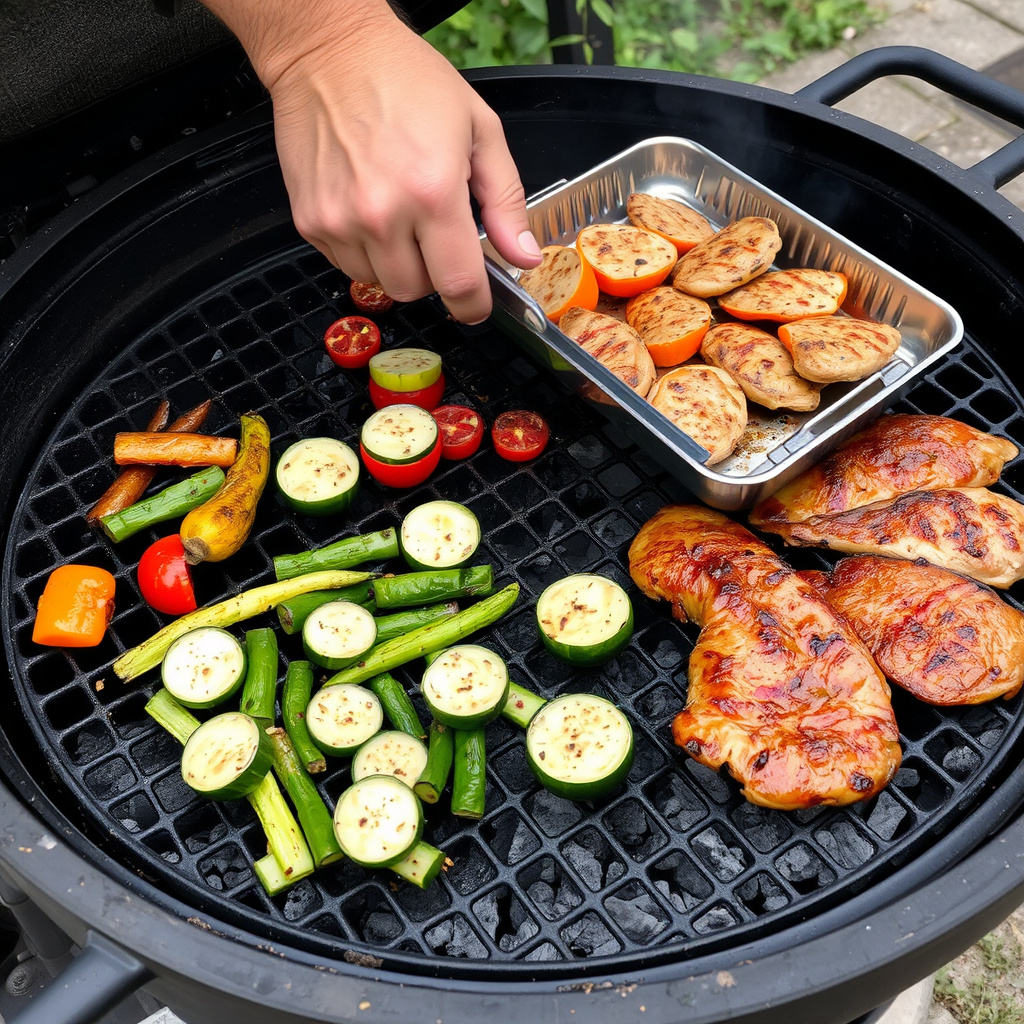
Utilizing indirect grilling methods that keep food away from direct flames can reduce flare-ups and charring. Marinating meats before grilling has been shown to reduce HCA formation by acting as a protective barrier and reducing cooking time.
Also, turning food frequently, cooking at moderate temperatures, and avoiding overcooking or blackening food helps minimize the buildup of PAHs and HCAs.
- Marinate meats to reduce HCA production
- Use indirect heat instead of direct flame
- Turn food often and avoid charring
For more on this, see our related guide: Is a Gas Grill Healthier Than a Charcoal Grill? A Clear Comparison.
Food Choices That Improve Healthfulness
Choosing leaner cuts reduces dripping fat and flare-ups, decreasing PAH formation. Incorporating more vegetables, fruits, and whole grains as grill options adds antioxidants which may counteract some damage from grilling compounds.
Limiting processed and charred red meats lowers exposure to these chemicals and supports a balanced diet.
- Use lean meats and trim fat
- Grill more plant-based foods
- Avoid processed and heavily charred meats
Comparing Charcoal Grills to Other Grill Types

Health Considerations of Gas and Electric Grills
Gas grills produce fewer PAHs than charcoal because they burn cleaner and don’t create thick smoke from fat drippings on hot coals. This leads to fewer carcinogenic compounds depositing on food.
Electric grills generate minimal smoke and fewer harmful chemicals but may lack the high heat and traditional flavor characteristics valued by many grilling enthusiasts.
Flavor and Experience Differences
Charcoal grills provide a distinctive smoky flavor many find desirable despite the increased risk factors. Gas grills offer convenience and quicker heating times but often lack the same robust flavor.
Electric grills are practical for indoor or limited outdoor spaces but don't replicate the outdoor grilling experience well.
Long-Term Exposure and Safety Precautions
Managing Smoke Inhalation Risks
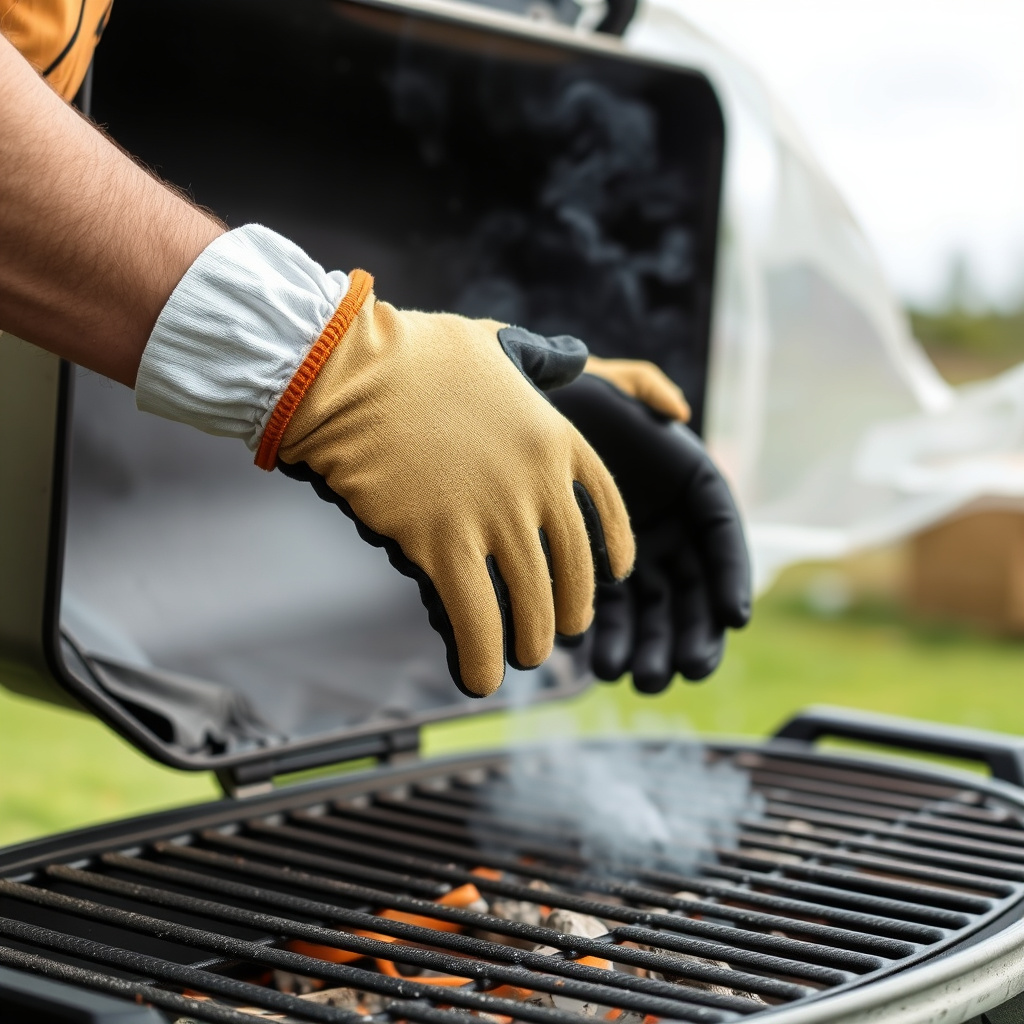
Long-term exposure to charcoal smoke, especially in poorly ventilated or indoor areas, can irritate lungs and may contribute to respiratory problems. Outdoor use with good airflow minimizes inhalation risks.
Using wind shields or setting up grills where smoke disperses quickly is advised to reduce personal exposure during grilling.
For more on this, see our related guide: What Temperature to Grill Salmon: The Ultimate Guide for Perfectly Cooked Fish.
Proper Maintenance and Charcoal Selection
Selecting natural lump charcoal over briquettes with additives reduces chemical exposures. Cleaning grills regularly avoids buildup of carcinogenic residues on grates.
Avoiding starter fluids and using electric starters promotes healthier grilling setups.
- Use natural lump charcoal when possible
- Clean grill grates after each use
- Avoid chemical starter fluids
Environmental and Nutritional Perspectives
Environmental Impact of Charcoal Grilling
Charcoal production contributes to deforestation and carbon emissions. Burning charcoal releases more greenhouse gases compared to gas or electric grills, making it a less environmentally friendly choice.
Considering environmental impact alongside health risks is part of responsible grilling practices.
For detailed information on cooking-related health risks, including those from charcoal grilling, visit the National Cancer Institute's resource on cooking methods. charcoal grill health risks.
Nutritional Impact on Grilled Foods
Grilling generally preserves nutrients in vegetables and meats better than boiling or frying. However, the formation of PAHs and HCAs can negatively affect food safety and nutritive value.
Balancing grilled meals with fresh, uncooked foods and limiting charred portions supports better nutrition.
Charcoal Grill vs Gas and Electric Grill Health Comparison
Here’s a clear side-by-side look at how charcoal grills compare with gas and electric grills across several health and cooking factors.
| Grill Type | PAH and HCA Levels | Smoke Emission | Flavor Profile | Ease of Use |
|---|---|---|---|---|
| Charcoal Grill | High – due to smoke and charring | High smoke with potential inhalation risks | Strong smoky flavor | Requires longer setup and cleanup |
| Gas Grill | Moderate – fewer PAHs due to cleaner burn | Low smoke emission | Mild, less smoky flavor | Quick startup and easy cleanup |
| Electric Grill | Low – minimal smoke or carcinogens | Minimal smoke | Neutral flavor | Very easy to use, indoors compatible |
| Pellet Grill | Low to moderate – controlled combustion | Moderate smoke depending on pellet type | Smoky but consistent flavor | Automated temperature control |
Frequently Asked Questions
Does charcoal grilling cause cancer?
Charcoal grilling can increase exposure to carcinogens like PAHs and HCAs, especially with heavy charring. Occasional grilling in moderation is less risky, but frequent consumption of heavily charred foods may increase cancer risk over time.
Can marinating meat reduce health risks when using charcoal grills?
Yes, marinating meat before grilling can significantly reduce the formation of heterocyclic amines (HCAs) by adding a protective layer and reducing cooking time, which lowers exposure to harmful compounds.
Is it safer to use gas grills instead of charcoal grills?
Gas grills generally produce fewer carcinogenic compounds because they burn cleaner, emitting less smoke and creating fewer charred residues on food, making them a healthier choice compared to traditional charcoal grilling.
Are vegetable options healthier on charcoal grills?
Grilling vegetables is healthier as they don’t produce HCAs like meats and can benefit from added antioxidants. They reduce exposure to harmful compounds and add nutritional variety to your meals.
How can I minimize smoke exposure while using a charcoal grill?
Use the grill outdoors in open, well-ventilated areas, avoid standing directly over smoke, and consider wind direction. Using a manageable amount of charcoal and avoiding chemical starters also reduces smoke.
Key Takeaways
- Charcoal grilling can produce harmful compounds such as PAHs and HCAs linked to health risks.
- Using indirect heat, marinating food, and avoiding charring reduces these harmful substances.
- Gas grills tend to produce fewer carcinogens than charcoal grills and are easier to control.
- Balancing grilled foods with plant-based options improves overall health outcomes.
Conclusion
Deciding if charcoal grills are healthy involves weighing the flavorful benefits against potential exposure to carcinogens like PAHs and HCAs formed during high-heat cooking and charring. Paying attention to cooking methods, food types, and grill setup can significantly influence the healthiness of your charcoal grilling experience. Occasional consumption with proper precautions generally keeps health risks low for most people.
For those concerned about health risks, methods like using indirect heat, turning food frequently, marinating meats, and avoiding heavy charring can help reduce harmful compound formation. Choosing lean cuts and including vegetables on the grill also supports a nutritious and safer diet. Alternatively, gas and electric grills offer lower PAH exposure but sacrifice some traditional charcoal flavor. Understanding these trade-offs allows you to tailor grilling to your health preferences and lifestyle.
If you enjoy charcoal grilling but want to limit health risks, focus on thoughtful cooking techniques and balanced meal planning. Practicing moderation, maintaining good ventilation, and selecting natural lump charcoal rather than additives further improve safety. By making small adjustments, you can continue enjoying the unique taste of charcoal grilling with greater peace of mind for your wellbeing.



