
A portable grill is a compact, lightweight cooking device designed for easy transport and outdoor use. It allows you to enjoy grilling meals anywhere, from camping trips and tailgates to beach outings and backyard picnics. Portable grills come in various fuel types, including charcoal, propane, and electric, offering flexibility based on your cooking preferences and settings.
These grills provide convenience because they combine the benefits of outdoor grilling with the freedom to cook away from your traditional kitchen. For many outdoor enthusiasts and casual grillers alike, having a portable grill means they can savor freshly grilled food without the hassle of bulky, stationary equipment.
This article explores the primary types of portable grills, key features to look for, fuel options, size considerations, safety tips, and maintenance advice. We'll also compare different categories of portable grills and answer frequently asked questions to help you make an informed decision.
Types of Portable Grills
Charcoal Portable Grills
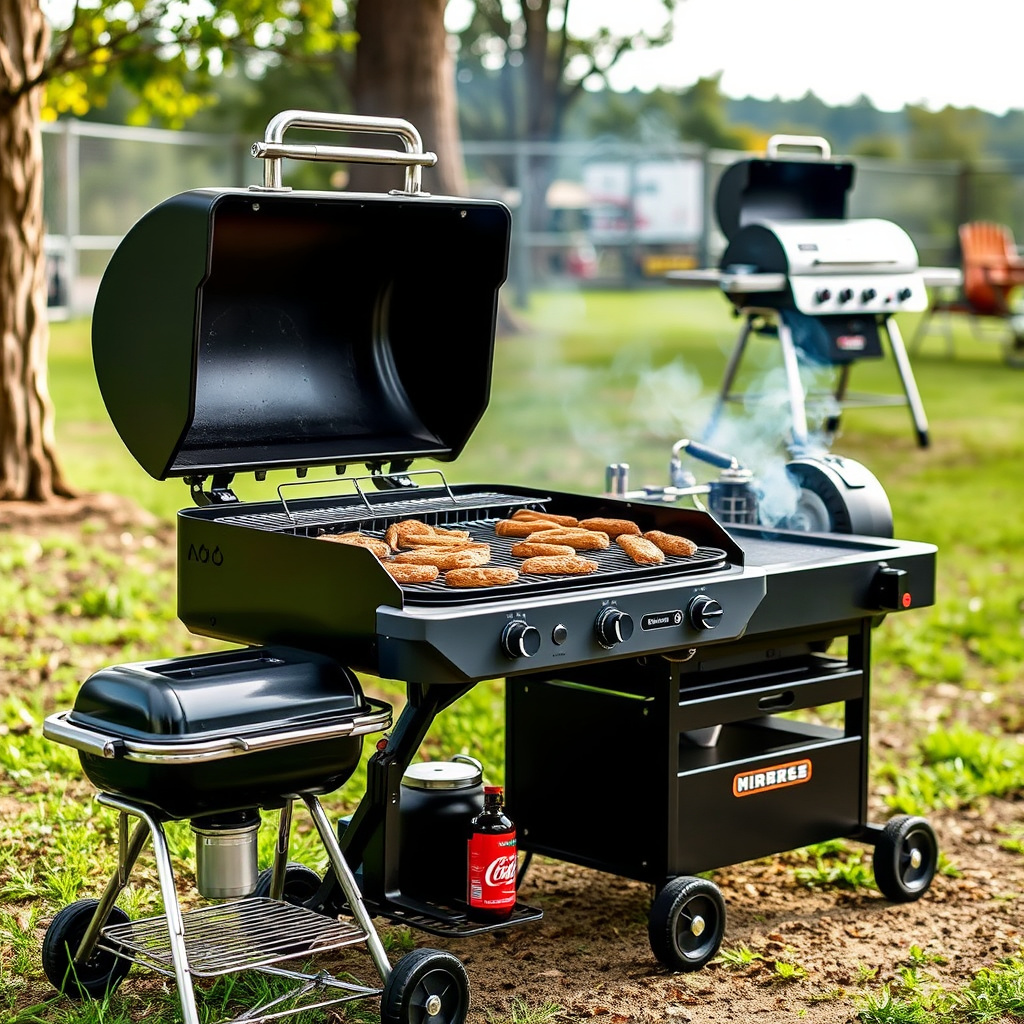
Charcoal portable grills provide authentic smoky flavor, favored by those who enjoy traditional grilling. These grills often have a simple design with a charcoal tray and adjustable vents to control heat. They require charcoal briquettes or lump charcoal and can take longer to heat up compared to gas grills.
They are usually lightweight and compact, making them easy to carry. However, charcoal grills can create more ash and require proper disposal. Despite these aspects, the flavor profile makes them a favorite for many camping cooks.
- Classic smoky flavor
- Lightweight and compact
- Requires charcoal and ignition time
- Produces ash needing cleanup
Propane Portable Grills
Propane portable grills use small propane canisters to provide quick and consistent heat. Their ignition systems are typically push-button, enabling faster startup than charcoal. Many models feature adjustable burners, allowing precise temperature control for different foods.
These grills are popular for tailgating and backyard use because they balance convenience and performance. The fuel source is more controlled and cleaner burning, though you need to carry and replace propane cylinders.
- Quick startup with push-button ignition
- Adjustable heat controls
- Requires propane tanks
- Cleaner burning fuel
Key Features of Portable Grills
Portability Elements
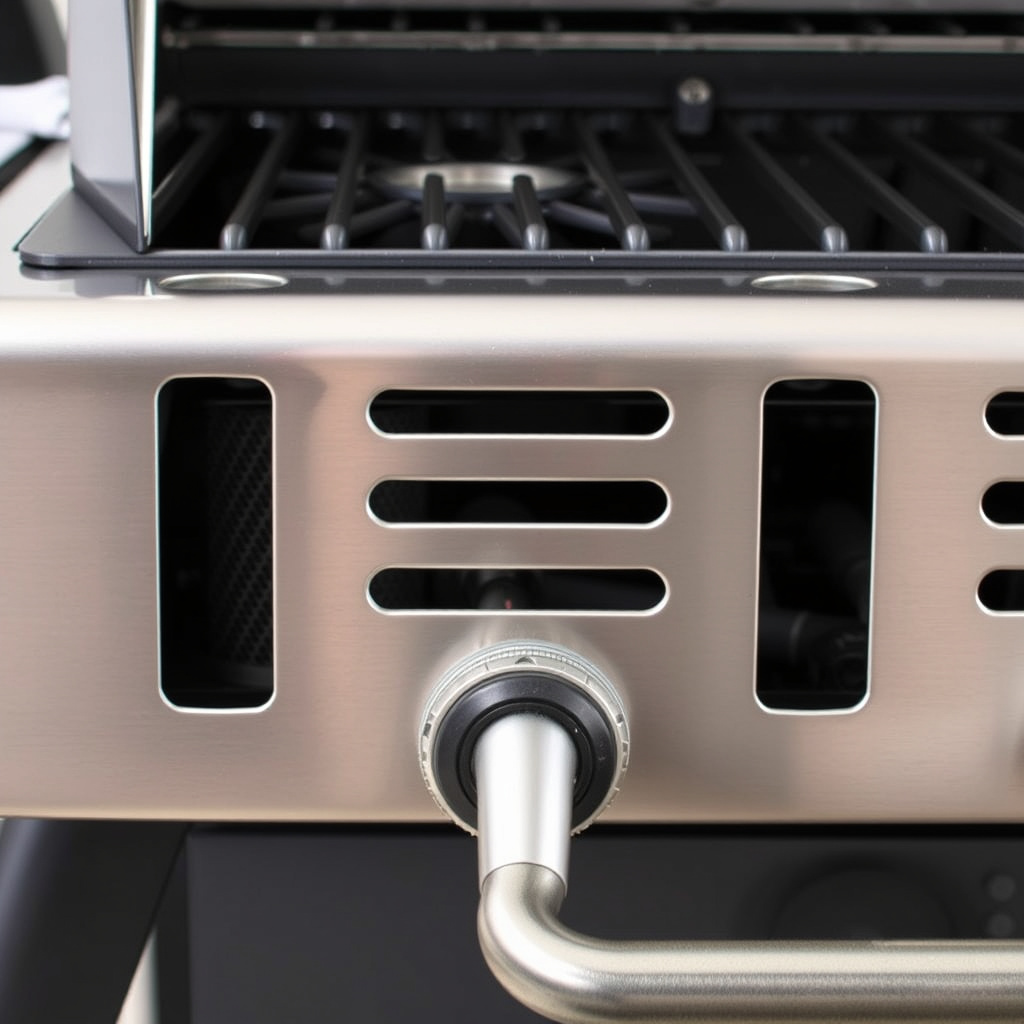
Portability is defined by weight, size, and design elements like foldable legs, carrying handles, and compact shape. Grills designed for portability often weigh between 5 to 20 pounds and may collapse or fold flat for easier packing.
Choosing a grill with secure closures and durable materials helps withstand travel rigors. Some portable grills include carrying cases or backpacks specifically designed for transport.
- Lightweight materials
- Foldable legs and handles
- Compact dimensions
- Durable case for transport
Cooking Surface and Capacity
The size of the cooking surface dictates how much food you can prepare simultaneously. Portable grills commonly offer cooking surfaces ranging from 100 to 300 square inches, suitable for 2 to 6 people.
A grill with adjustable racks or multiple burners provides more cooking versatility. When selecting a grill, consider how many people you usually cook for and the type of meals you plan to prepare.
- 100-300 sq. inch cooking surfaces
- Multiple burners or adjustable racks
- Sufficient space for intended servings
Fuel Options for Portable Grills
Charcoal vs. Propane
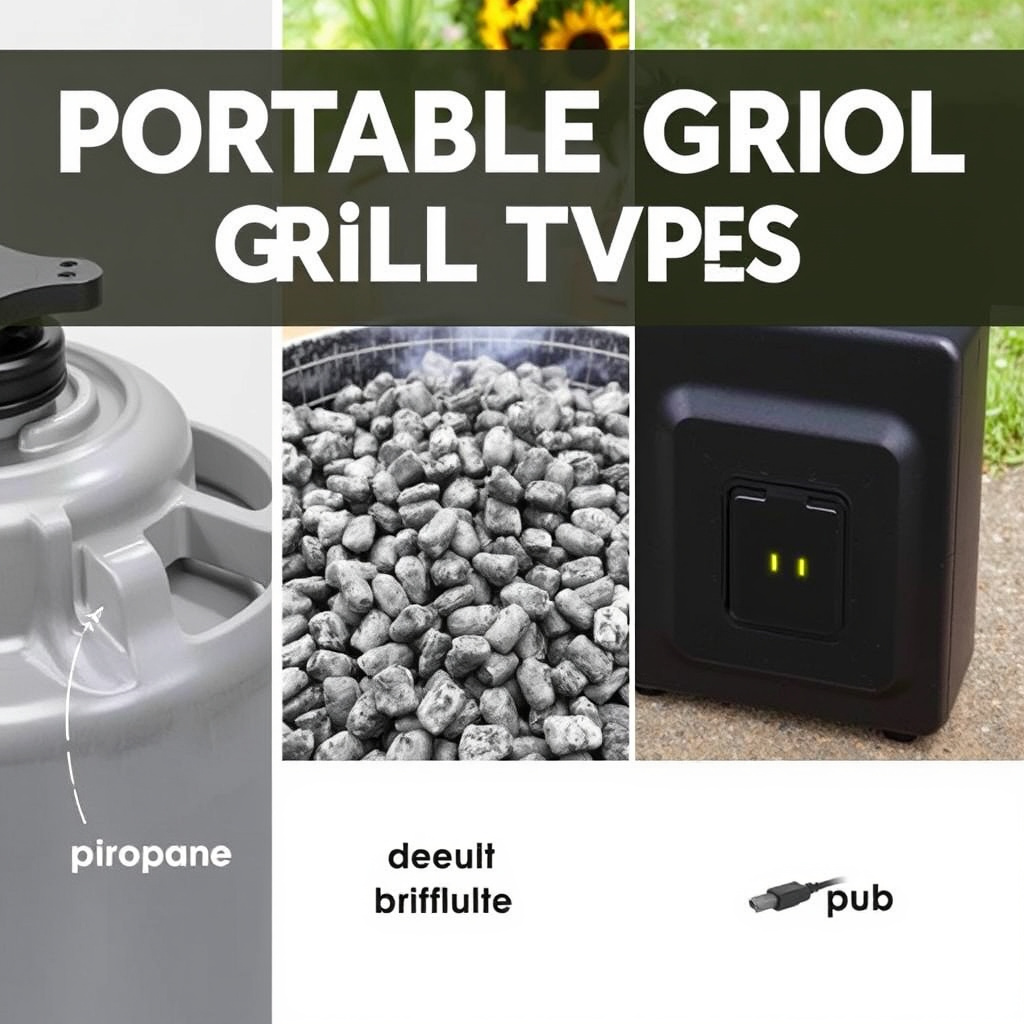
Charcoal fuel produces a smoky aroma that many grilling enthusiasts cherish, but it requires time to light and manage. Propane grills ignite quickly and provide consistent temperature control without the mess of ash.
Fuel preference depends on the cooking style: those seeking flavor often choose charcoal, while those valuing speed and ease of use may opt for propane.
- Charcoal: smoky, slower heating
- Propane: fast, temperature control
- Trade-offs between flavor and convenience
For more on this, see our related guide: What Is a Built In Grill? Understanding Features and Benefits.
Electric Portable Grills
Electric portable grills offer a smokeless alternative requiring only a power source. They are ideal for balcony grilling or places with fire restrictions. Though they don’t provide the smoky flavors of charcoal or propane, they offer consistent and adjustable heat.
These grills are compact and plug into any standard outlet. Some models feature non-stick plates that simplify cleanup, making them a practical choice for domestic and travel use.
- Requires power outlet
- No smoke, easy cleanup
- Less authentic grilled flavor
Safety and Maintenance Tips
Safe Operation Practices
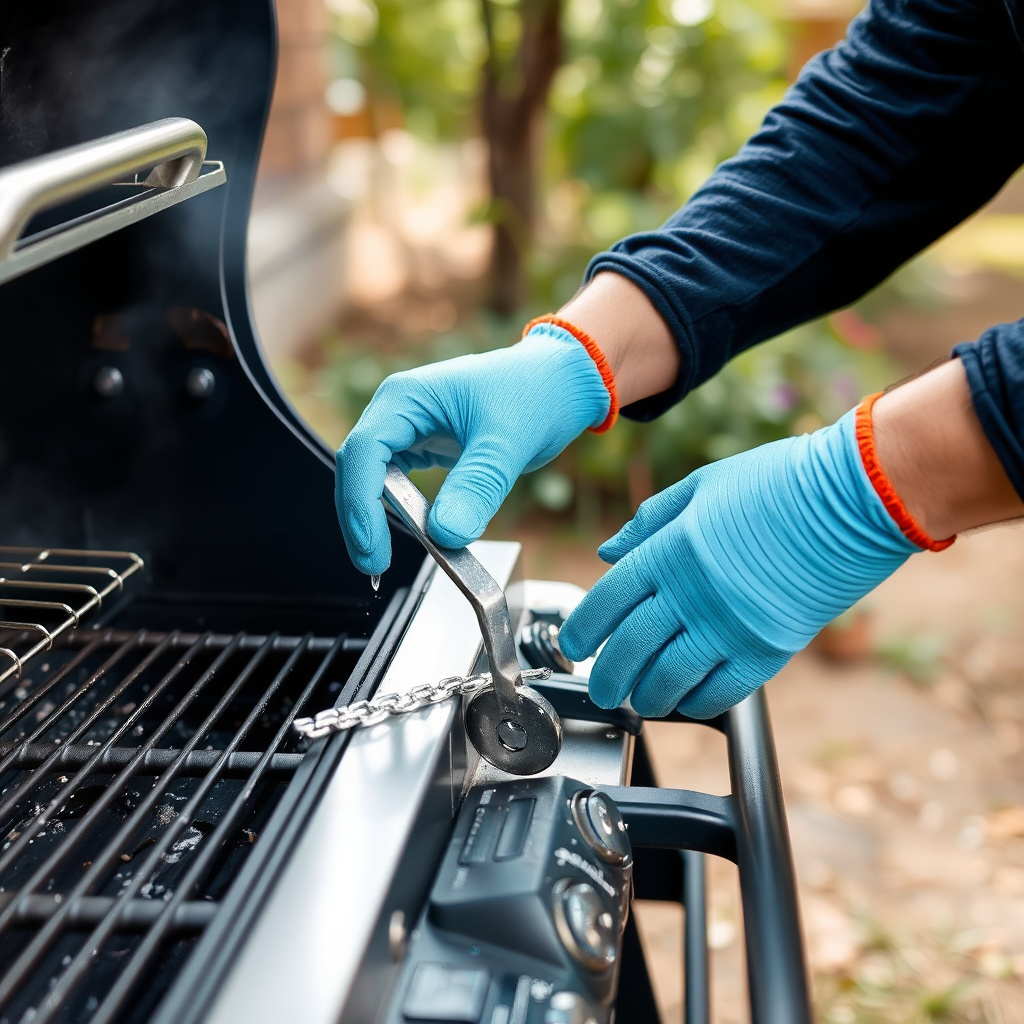
Always use portable grills on stable, non-flammable surfaces away from overhangs or dry foliage. Check for gas leaks if using propane and never leave the grill unattended while in use.
Keep a fire extinguisher nearby and let the grill cool completely before packing it away. These practices minimize accidents and prolong your grill’s lifespan.
- Use on stable, fire-safe surfaces
- Check propane connections
- Never leave lit grill unattended
- Keep fire extinguisher handy
Cleaning and Maintenance
Regular cleaning removes grease and food debris that could cause flare-ups or rust. For charcoal grills, dispose of ashes safely after they have cooled.
Wipe down surfaces with warm, soapy water and check for wear on parts like burners and igniters. Proper maintenance ensures efficient performance and safety for portable grills.
- Clean grates after each use
- Proper ash disposal
- Inspect burners and parts routinely
Choosing the Right Portable Grill for Your Needs
Matching Grill Type to Outdoor Activities
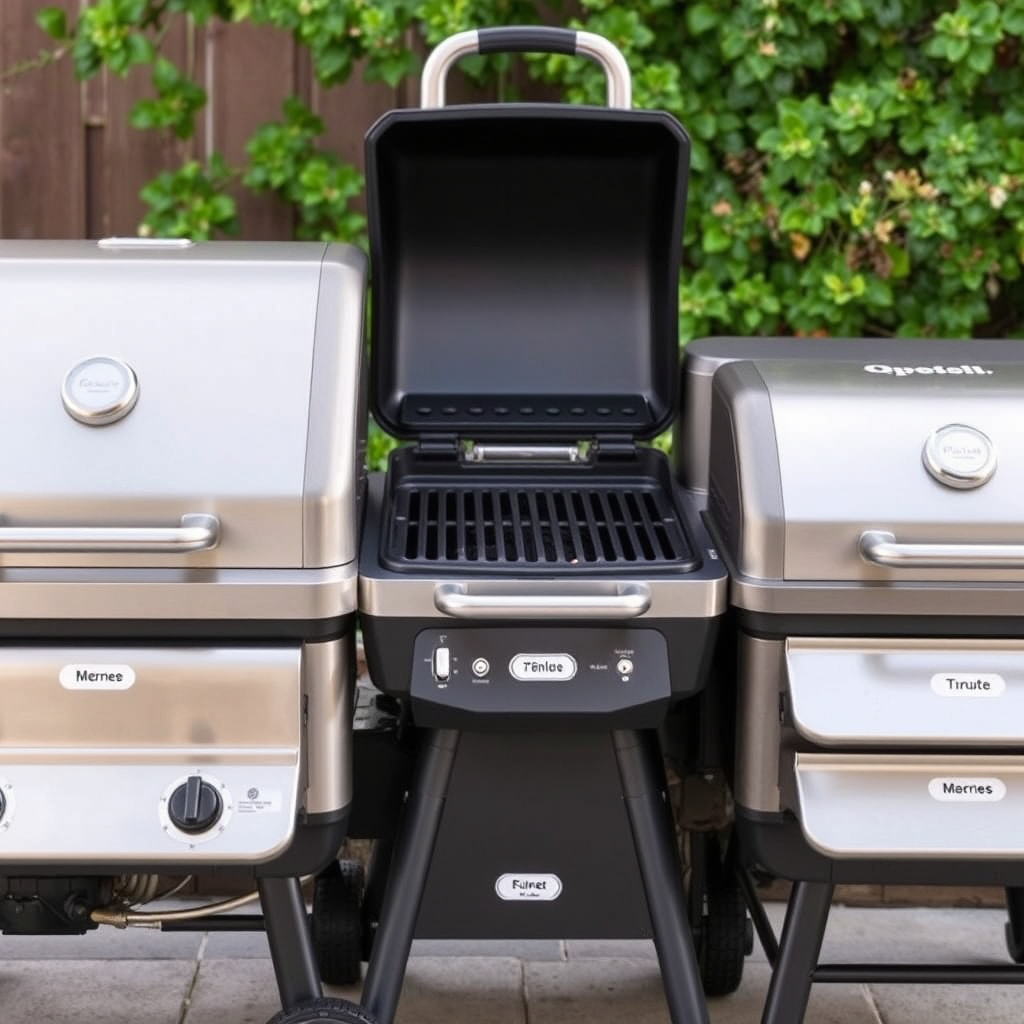
For camping, a lightweight charcoal portable grill is often preferred due to simplicity and flavor. Tailgaters might favor propane grills for quick startup and controllable heat.
Picnic enthusiasts or balcony grillers may lean towards compact electric models for smoke-free cooking allowed in restricted areas.
- Charcoal for flavor and camping
- Propane for convenience and tailgating
- Electric for smoke-free urban use
For more on this, see our related guide: What Is a Natural Gas Grill? Understanding Its Benefits and Features.
Budget and Price Considerations
Portable grills range from budget-friendly models under $50 to high-end versions costing several hundred dollars. Price reflects materials, fuel type, size, and features like built-in thermometers or multi-burner setups.
Determine how often and where you plan to use the grill to balance cost with desired features. Investing in quality materials can offer better durability and performance over time.
- Entry-level below $50
- Mid-range $100-$200
- Premium above $200
Cleaning and Storage Tips for Portable Grills
Proper Cleaning Techniques
After every grilling session, allow the grill to cool and clean the grates using a grill brush. Remove any leftover charcoal or drip trays to prevent buildup that can affect performance and safety.
Using mild detergent and water on external surfaces keeps the grill looking good and prevents rust, especially if the grill uses steel or cast iron.
- Brush grates after cooling
- Empty drip trays and ash collectors
- Wipe exterior with damp cloth
For more detailed information on grills in general, the Portable grill Wikipedia article offers comprehensive background and history. Portable grill Wikipedia article.
Storage Recommendations
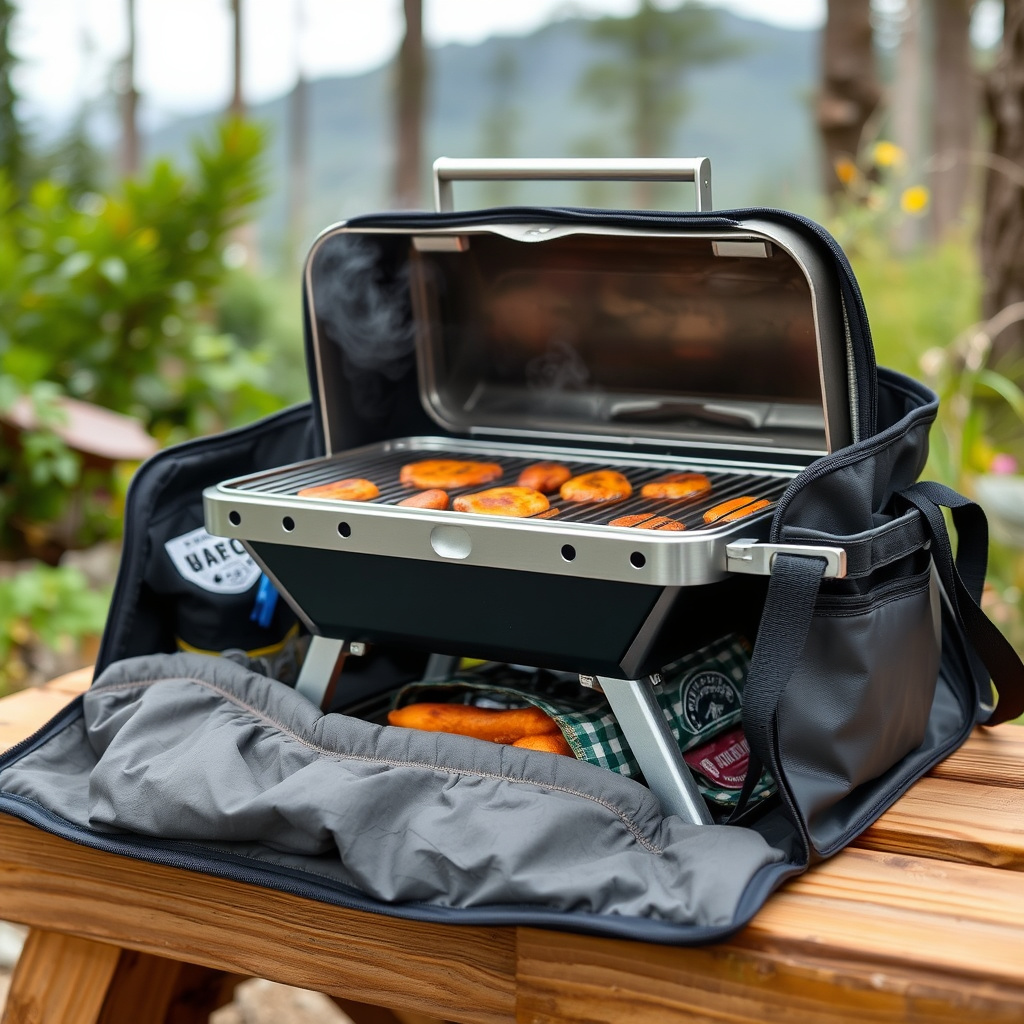
Store portable grills in a dry, sheltered spot away from moisture and dust. Many grills come with storage bags or cases that protect delicate components during transport and periods of inactivity.
If storing for longer seasons, consider lightly oiling grill grates to prevent rust buildup and covering the grill to shield it from environmental damage.
- Keep in dry, sheltered area
- Use grill storage cases
- Oil grates before long storage
Portable Grill Categories Compared
Here’s a comparison of common portable grill types to help you identify which fits your lifestyle best.
| Category | Fuel Type | Weight Range | Cooking Surface Size | Ignition Type | Price Range |
|---|---|---|---|---|---|
| Charcoal | Charcoal briquettes or lump charcoal | 8-15 lbs | 100-250 sq. in. | Manual match or lighter | $30-$150 |
| Propane | Small propane tanks | 10-20 lbs | 150-300 sq. in. | Push-button electric ignition | $80-$300 |
| Electric | Standard electrical outlet | 7-12 lbs | 100-200 sq. in. | Plug-in switch | $70-$200 |
| Pellet | Wood pellets | 15-25 lbs | 200-350 sq. in. | Electric start with auger feeding | $200-$400 |
Frequently Asked Questions
Can portable grills be used indoors?
Most portable grills, especially charcoal and propane types, should only be used outdoors due to carbon monoxide risks. Electric grills are generally safer for indoor use but always check manufacturer guidelines.
How do I clean a portable charcoal grill?
After grilling, wait for the grill to cool, then dispose of ashes safely. Use a grill brush to clean grates and wipe surfaces with warm soapy water for best results.
Are portable propane grills easy to set up?
Yes, propane portable grills usually have straightforward assembly and feature push-button ignitions for quick start. Connecting the propane tank properly is essential for safe operation.
What size portable grill should I buy?
Choose a cooking surface size based on how many people you typically grill for. For 2-4 people, a surface around 150 sq. inches works well; larger groups may want 250 sq. inches or more.
Do electric portable grills produce smoke?
Electric grills produce very little to no smoke compared to charcoal or propane grills, making them suitable for environments with smoke restrictions like apartments or urban balconies.
Key Takeaways
- Portable grills are compact cooking devices ideal for outdoor use.
- Fuel options include charcoal, propane, electric, and pellet, each with pros and cons.
- Portability depends on weight, size, and features like foldable legs and carrying handles.
- Proper use, cleaning, and storage extend your grill’s life and safety.
Conclusion
Choosing the right portable grill involves balancing your cooking style, outdoor activity preferences, and portability needs. Understanding the differences between charcoal, propane, and electric grills helps you pick a device that fits your routine. Consider factors like cooking surface size, ease of ignition, and cleanup to find the grill that suits your lifestyle.
If you enjoy the smoky flavors and campsite experience, a charcoal portable grill is a good match. For quick setups and precise heat control, propane grills offer convenience for tailgates or picnics. For locations with fire restrictions or indoor use, electric grills provide user-friendly options. Budget also plays a role, with quality grills available in different price ranges to suit casual or frequent grillers alike.
Once you’ve picked your portable grill, practice safe operation and regular maintenance to get the most from your investment. Whether it’s a weekend camping trip or a neighborhood barbecue, a portable grill expands where and how you can enjoy freshly grilled meals. Your next step could be comparing specific models based on your preferred features and start planning your first outdoor cooking adventure.



