
The ideal temperature to grill salmon is medium-high heat, roughly between 375°F and 400°F (190°C to 205°C). This temperature range creates a nicely seared exterior while keeping the fish moist and tender inside. Cooking salmon at this heat typically takes about 4 to 6 minutes per side, depending on thickness.
Grilling salmon properly matters because the fish can easily dry out or become tough if overcooked at too high a temperature. Conversely, grilling at too low a temperature can result in undercooked fish and a less flavorful crust. Understanding the right temperature allows you to achieve a perfectly cooked salmon that is both flavorful and healthy.
This article covers the science behind salmon grilling temperatures, the benefits of various approaches, techniques to maintain temperature, and tips for selecting the right grill setup. We will also explore different grilling methods and how each impacts the cooking temperature and timing.
Understanding Salmon's Cooking Requirements at Various Grilling Temperatures
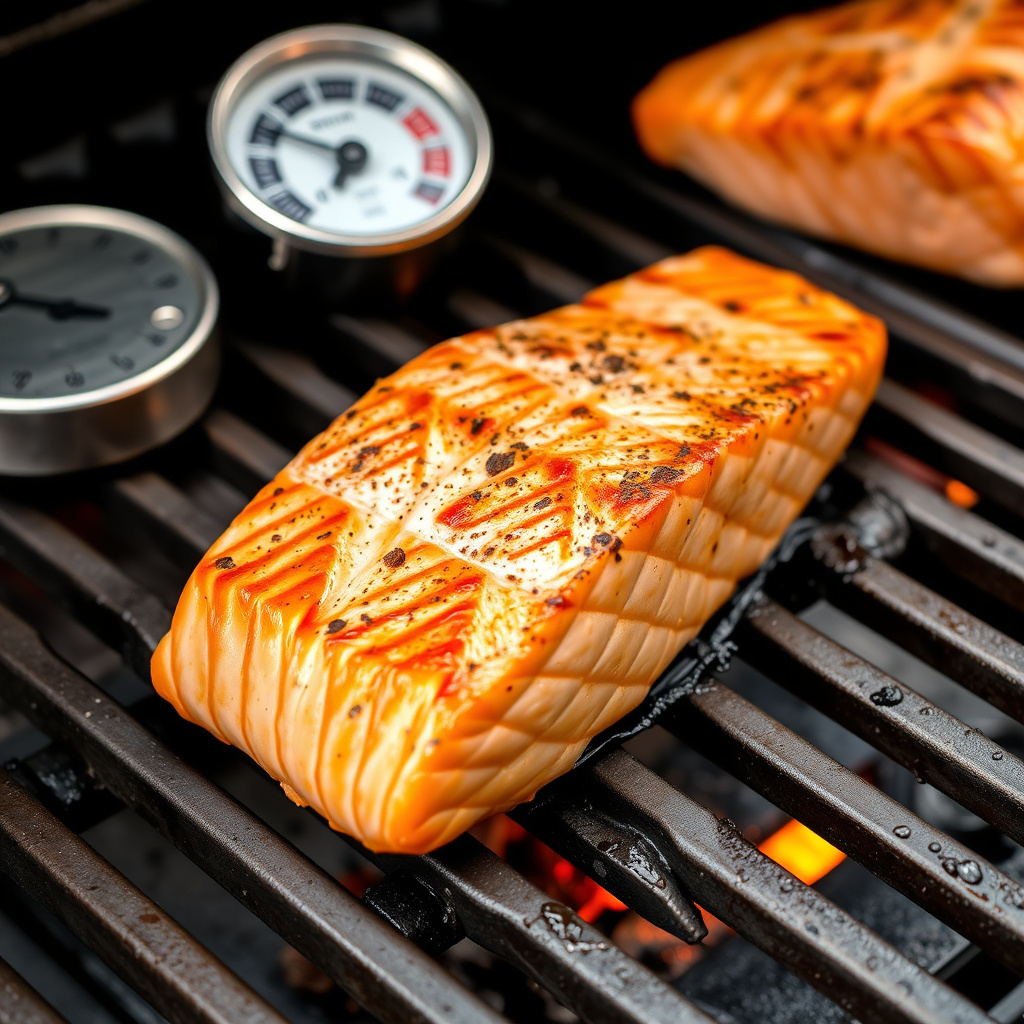
Ideal Temperature Range for Grilling Salmon
Salmon requires moderate heat to cook evenly while developing a crisp outside layer without drying out. The recommended grilling temperature is between 375°F to 400°F, providing enough heat to create grill marks and caramelization.
Temperatures above 450°F risk burning the outside before the inside cooks, while temperatures below 300°F can cause uneven cooking and a rubbery texture.
- 375°F – 400°F (190°C – 205°C) ideal grilling range
- Avoid temperatures above 450°F (232°C)
- Too low temperatures result in uneven cooking
How Thickness and Cut Affect Temperature Choices
Thicker salmon cuts require maintaining the right temperature for more extended periods, making moderate heat critical. Thin fillets can benefit from slightly higher heat but need less time on the grill overall.
For whole side salmon or thick steaks, indirect grilling at medium heat is beneficial to allow gradual internal cooking without burning the surface.
- Thick cuts prefer consistent medium heat
- Thin fillets cook faster at slightly higher heat
- Indirect grilling suits whole sides or thick steaks
Techniques to Maintain Consistent Grilling Temperature for Salmon
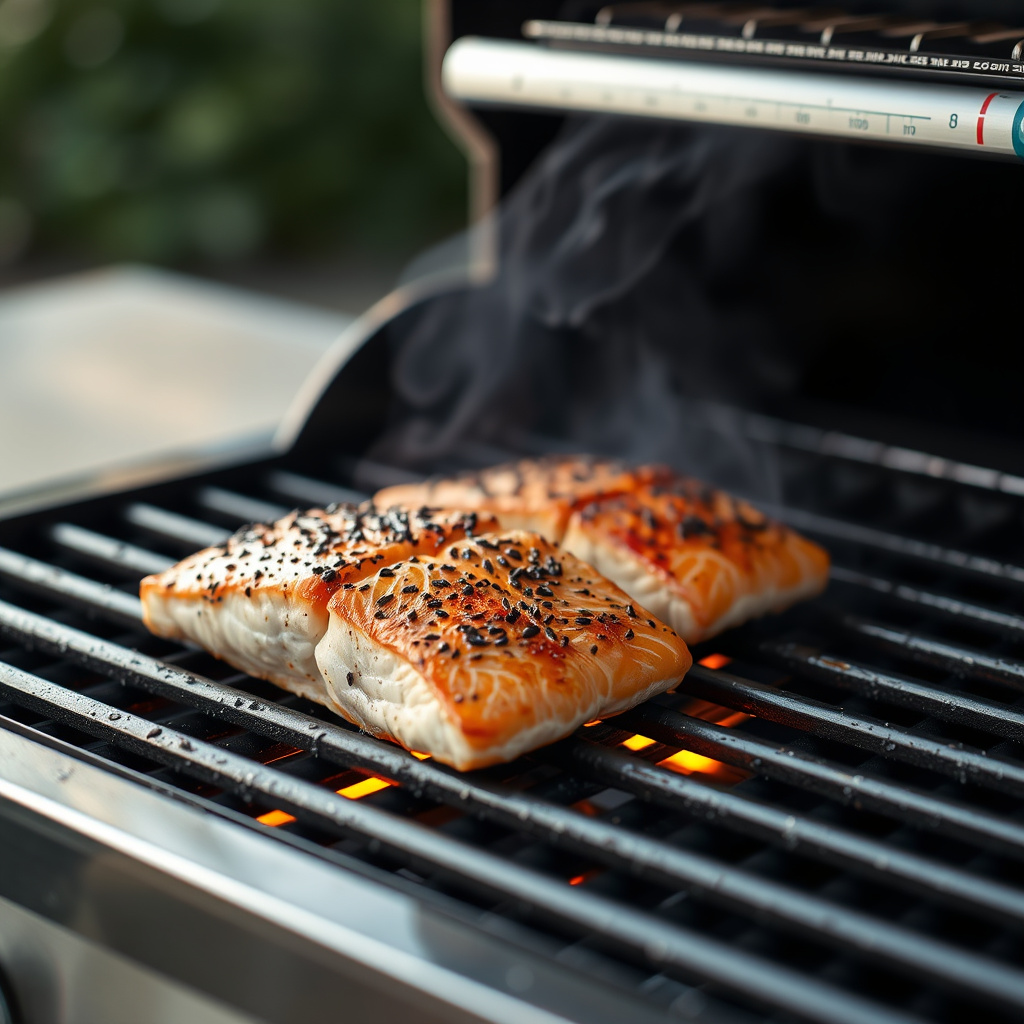
Using Gas and Charcoal Grills to Achieve Target Temperature
Gas grills allow precise temperature control through adjustable burners, making it easier to maintain the ideal 375°F to 400°F range. Preheating the grill for 10 to 15 minutes ensures even heat distribution.
Charcoal grills require creating a two-zone fire, arranging coals on one side for direct heat and leaving the other side cooler for indirect grilling. This helps regulate the temperature needed for different salmon cuts.
- Preheat gas grills for even temperature
- Two-zone fire setup for charcoal grills
- Use grill thermometer for accuracy
Monitoring and Adjusting Heat During Grilling
Regularly check grill temperature with a reliable thermometer; avoid guessing based on grill dial settings alone. Adjust burners or add/remove charcoal to maintain the cooking range.
Covering the grill during cooking traps heat and maintains a stable environment but requires monitoring to prevent flare-ups that can burn salmon.
- Use digital or built-in thermometer
- Adjust fuel source to control heat
- Keep grill covered to stabilize temperature
Grilling Methods and How They Influence the Temperature Needed
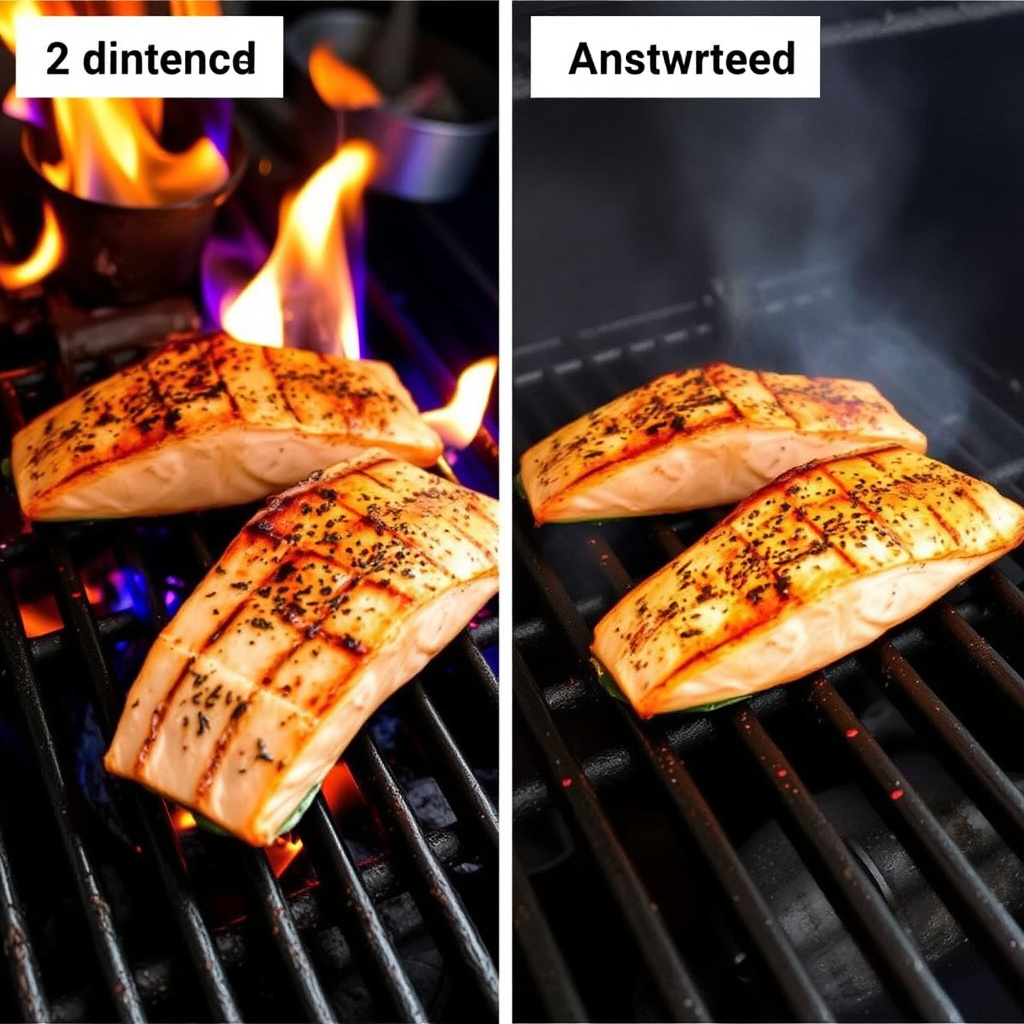
Direct Grilling for Quick, High-Heat Cooking
Direct grilling places salmon directly over heat, ideal for thinner fillets and smaller pieces. This method benefits from the standard medium-high temperature to quickly sear while avoiding overcooking.
This method creates a desirable smoky crust but requires constant attention to prevent charring, making temperature control critical.
- Best for thin fillets or small pieces
- Requires 375°F to 400°F for searing
- Close attention to avoid burning
For more on this, see our related guide: What Temperature to Grill Steak for Perfect Results Every Time.
Indirect Grilling for Thicker Cuts and Whole Salmon Sides
Indirect grilling places salmon away from direct flames, using ambient grill heat to cook slower and more evenly. Temperatures are set lower, around 300°F to 350°F, to avoid burning the surface while allowing the inside to cook thoroughly.
It’s ideal for thick steaks and whole sides, particularly when using a charcoal grill with coals arranged on one side.
- Ideal for thick salmon cuts
- Use lower temperature 300°F-350°F
- Allows slow, even cooking
The Science Behind Grilling Temperature and Salmon’s Internal Doneness
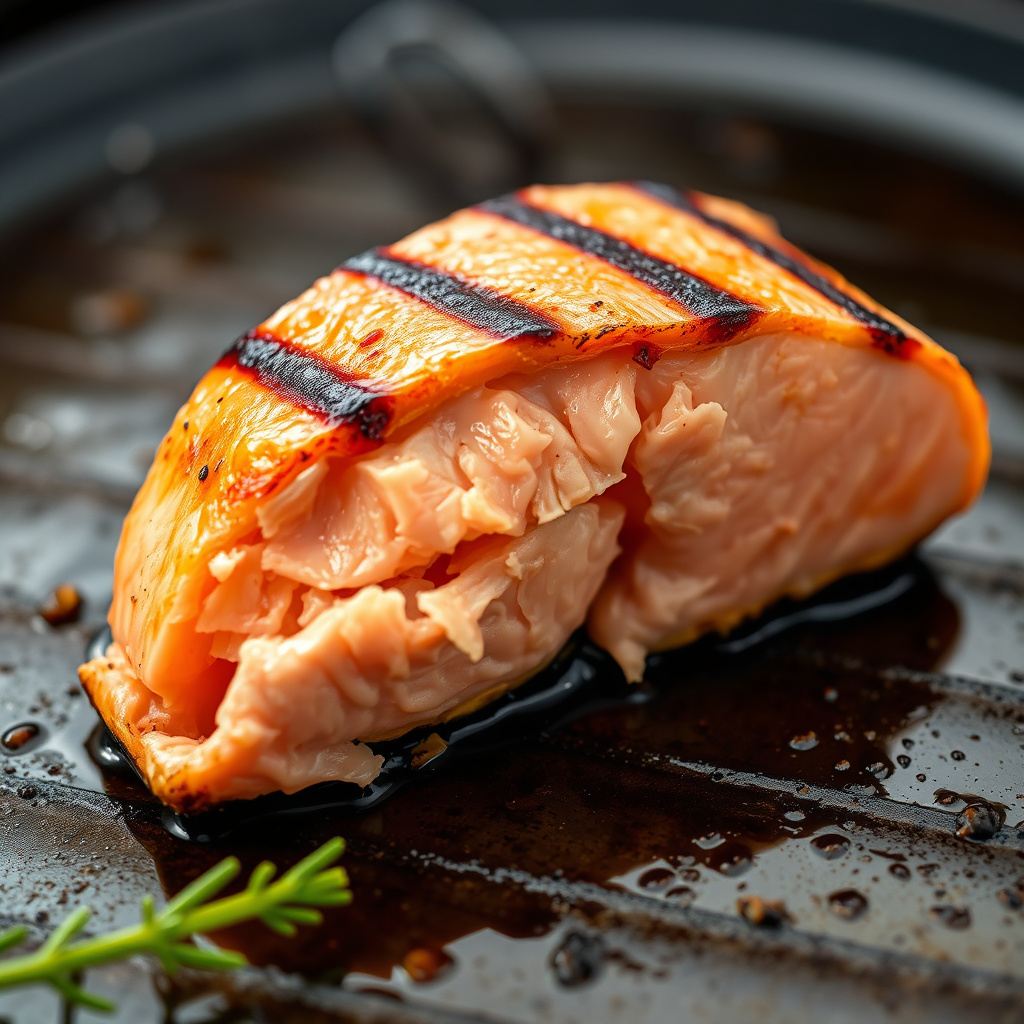
Understanding Salmon’s Safe Internal Temperature
The USDA recommends cooking salmon to an internal temperature of 145°F to ensure safety. However, many chefs prefer removing salmon from the grill at 125°F to 130°F for a moist, slightly translucent center.
Using an instant-read meat thermometer ensures accurate internal temperature readings to avoid drying out or undercooking.
- Safe temperature: 145°F (63°C)
- Preferred texture at 125°F-130°F (52°C-54°C)
- Use an instant-read thermometer
How Grilling Temperature Affects Texture and Flavor
Grilling at appropriate temperatures allows the Maillard reaction, where salmon proteins brown and develop rich flavors. Temperatures too low prevent this effect; temperatures too high burn exterior fats and surface.
Balancing heat is vital to achieve crispy skin and tender flesh, enhancing the natural oils and richness of salmon.
- Maillard reaction enhances flavor at 375°F-400°F
- Avoid burning fats at temperatures above 450°F
- Balance heat for crispy skin and moist flesh
Best Practices for Preparing Salmon Before Grilling
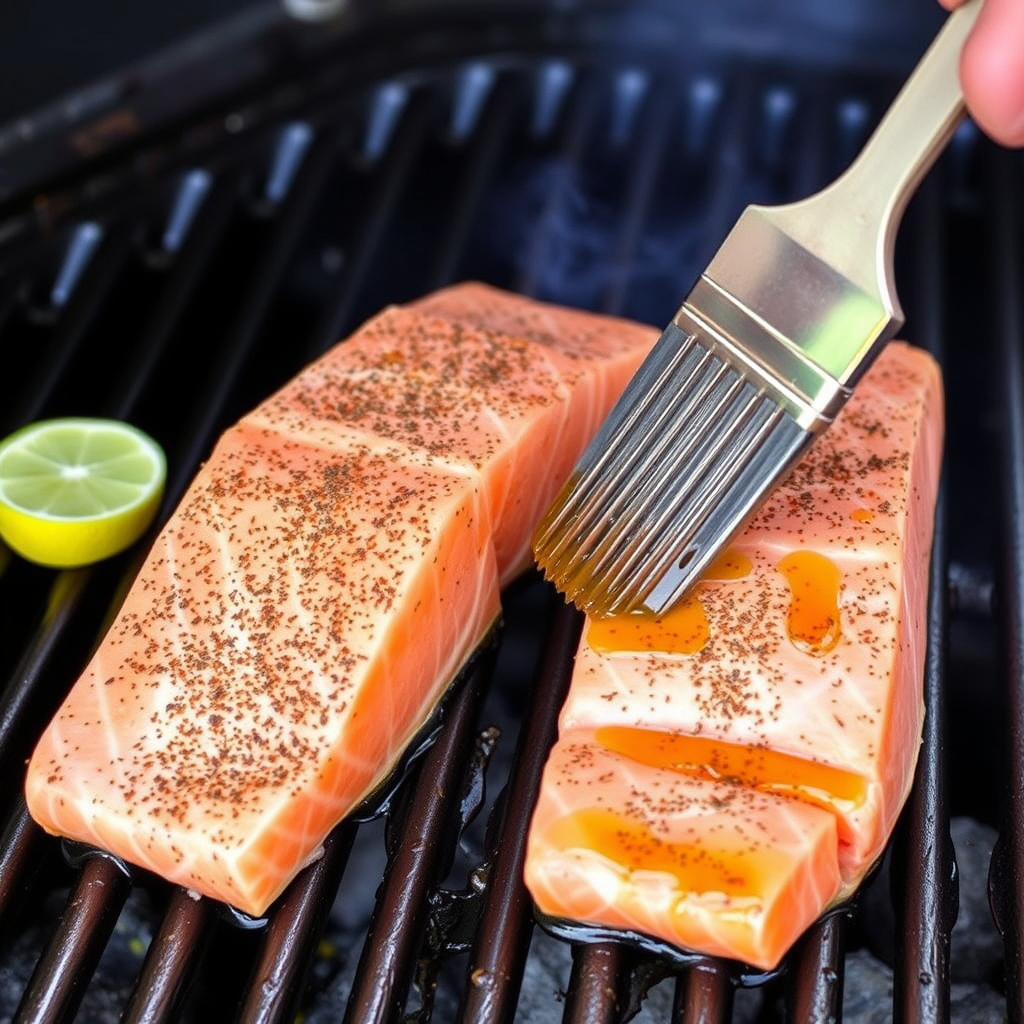
Marinades, Rubs, and Oil Application for Optimal Cooking
Applying oil before grilling prevents salmon from sticking to the grill grates and helps maintain a crisp exterior. Light marinades or spice rubs enhance flavor without overpowering the fish.
Avoid sugary marinades that can burn quickly at medium-high grill temperatures.
- Brush with oil before grilling
- Use light marinades or dry rubs
- Steer clear of high-sugar sauces pre-grill
For more on this, see our related guide: How Long to Preheat a Gas Grill for Perfect Grilling Results.
Preparing the Grill Surface for Salmon
Clean grill grates thoroughly and preheat to target temperature before placing salmon. This prevents sticking and helps achieve clear grill marks.
Oiling the grill surface with a paper towel dipped in oil and held with tongs adds an extra nonstick layer.
- Clean and preheat grill grates
- Oil grates with paper towel before cooking
- Preheat grill for 10-15 minutes
Advanced Tips to Master Salmon Grilling Temperature and Timing
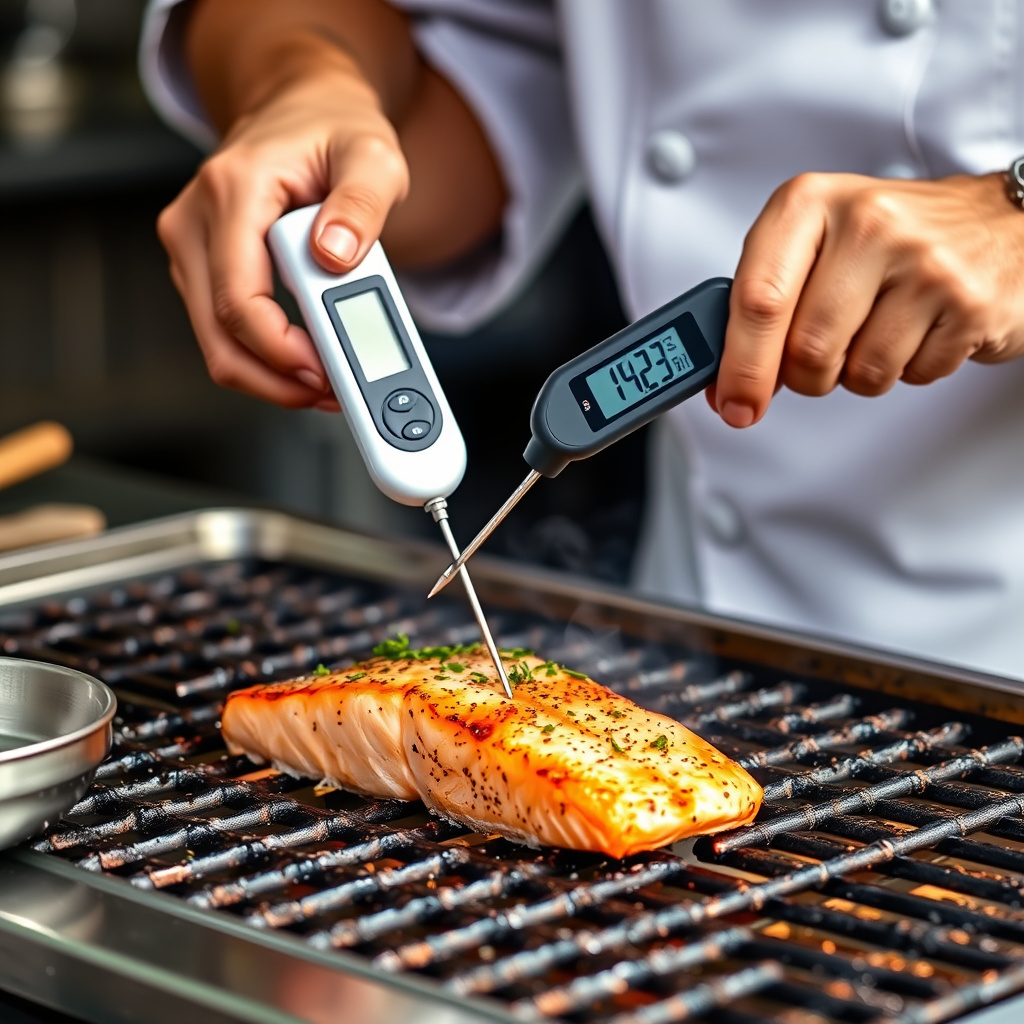
Using Thermometers and Timers for Precision
Digital instant-read thermometers allow monitoring the internal temperature without guessing, ensuring salmon is not overcooked. Timer use helps track grilling duration based on thickness.
Combining temperature and timing techniques gives the best balance of safety, texture, and flavor.
- Use instant-read thermometer
- Set timers according to fillet thickness
- Check temperature at thickest salmon point
For detailed guidelines on safe cooking temperatures, consult the USDA's recommendations on proper grilling salmon temperature. grilling salmon temperature guidelines.
Resting and Finishing Techniques After Grilling
Let salmon rest off the heat for 3 to 5 minutes after grilling. This allows residual heat to finish cooking the fish evenly and juices to redistribute, improving texture and flavor.
Optionally, a squeeze of fresh lemon or a light herb garnish adds brightness without additional heat.
- Rest salmon 3-5 minutes post-grilling
- Residual heat completes cooking gently
- Finish with lemon or herbs for flavor
Grilling Temperature Category Comparison for Salmon
This table compares various grilling temperature categories and their effects on salmon quality, cooking times, and best use cases.
| Temperature Range | Cook Time per Side | Best for Salmon Cut | Texture Result |
|---|---|---|---|
| Low Heat (300°F-350°F) | 6-8 minutes | Thick steaks, whole sides | Tender, even cook, less crust |
| Medium-High Heat (375°F-400°F) | 4-6 minutes | Fillets, thin cuts | Crispy exterior, moist interior |
| High Heat (450°F+) | 2-4 minutes | Thin fillets only | Quick sear, risk of burning |
| Indirect Medium Heat (320°F-360°F) | 8-10 minutes | Whole sides, thick cuts | Slow cook, juicy and tender |
Frequently Asked Questions
Can I grill salmon at high heat above 450°F?
Grilling salmon at temperatures above 450°F risks burning the surface while leaving the inside undercooked. High heat is only suitable for very thin fillets and requires close attention to prevent charring.
How do I know when salmon is done on the grill?
Use an instant-read thermometer to check that salmon reaches an internal temperature of 125°F to 130°F for moist doneness or 145°F for fully cooked safety. The flesh should flake easily but remain tender.
Is it better to grill salmon with skin on or off?
Grilling salmon with the skin on helps protect the flesh from direct heat and prevents sticking. The skin crisps nicely and makes flipping easier, enhancing the flavor and texture.
Should I marinate salmon before grilling?
Light marinades or dry rubs can enhance flavor without overpowering the fish. Avoid sugary marinades as they can burn quickly at grilling temperatures, and always brush salmon with oil to prevent sticking.
How long should I rest salmon after grilling?
Rest grilled salmon for 3 to 5 minutes off the heat. This lets residual heat finish cooking and allows juices to redistribute, resulting in a moister, more flavorful fish.
Key Takeaways
- Grill salmon at 375°F to 400°F for the best balance of sear and moistness.
- Use indirect heat for thick cuts and whole sides to cook evenly.
- An instant-read thermometer ensures perfectly cooked salmon every time.
- Always oil both salmon and grill grates to prevent sticking and promote crust.
Conclusion
Selecting the right temperature to grill salmon hinges on understanding the fish's thickness and desired texture. Medium-high heat, around 375°F to 400°F, suits most fillets by providing a crisp exterior and tender interior. Maintaining a consistent temperature allows the natural oils to develop flavors without drying the fish out. Complementary techniques like monitoring with a thermometer and managing grill zones contribute greatly to grilling success. Keeping in mind the salmon’s internal temperature targets between 125°F and 145°F ensures safety and optimal flavor.
For those grilling thin fillets, direct medium-high heat is ideal, providing quick cooking and flavorful sear. Thick steaks or whole salmon sides benefit from lower indirect heat to cook more gently and evenly. Gas grills offer easier temperature control, while charcoal grills require strategic coal placement for heat management. Preparing the salmon with a light oil coat, clean grates, and avoiding sugary marinades helps prevent sticking and burning. Resting salmon post-grill promotes juiciness and flavor expression, making each bite enjoyable.
To master grilling salmon, start by preheating your grill to the target temperature range, use an instant-read thermometer to check doneness, and adjust heat as needed throughout cooking. Experiment with different methods based on salmon cut and grill type to find your favorite approach. With practice and awareness of the importance of grilling temperature, you can consistently create delicious, beautifully cooked salmon that highlights the fish’s natural qualities.



