
Gas grills are generally considered healthier than charcoal grills because they produce fewer harmful chemicals like polycyclic aromatic hydrocarbons (PAHs) and heterocyclic amines (HCAs) during cooking. These compounds form when fat drips onto hot charcoal, creating smoke that can carry carcinogens back onto the food. With gas grills, the direct flame is cleaner and emits less smoke, resulting in reduced exposure to these potentially harmful substances.
Understanding the health differences matters because grilling is a popular cooking method worldwide, and many people want to reduce their exposure to toxins without sacrificing flavor. While charcoal grilling imparts a smoky taste preferred by some, it's important to weigh that against the increased formation of chemicals linked to cancer risk. Knowing the health impacts helps make an informed decision about which grill best fits your lifestyle and dietary goals.
This article will explore the health risks and benefits associated with both gas and charcoal grilling. We'll cover how each grill functions, the types of harmful compounds produced, tips to minimize risk, and compare other important factors like flavor, convenience, and environmental impact. By the end, you'll have a thorough understanding to help decide which grill suits your health priorities.
How Gas and Charcoal Grills Work and Their Health Impacts
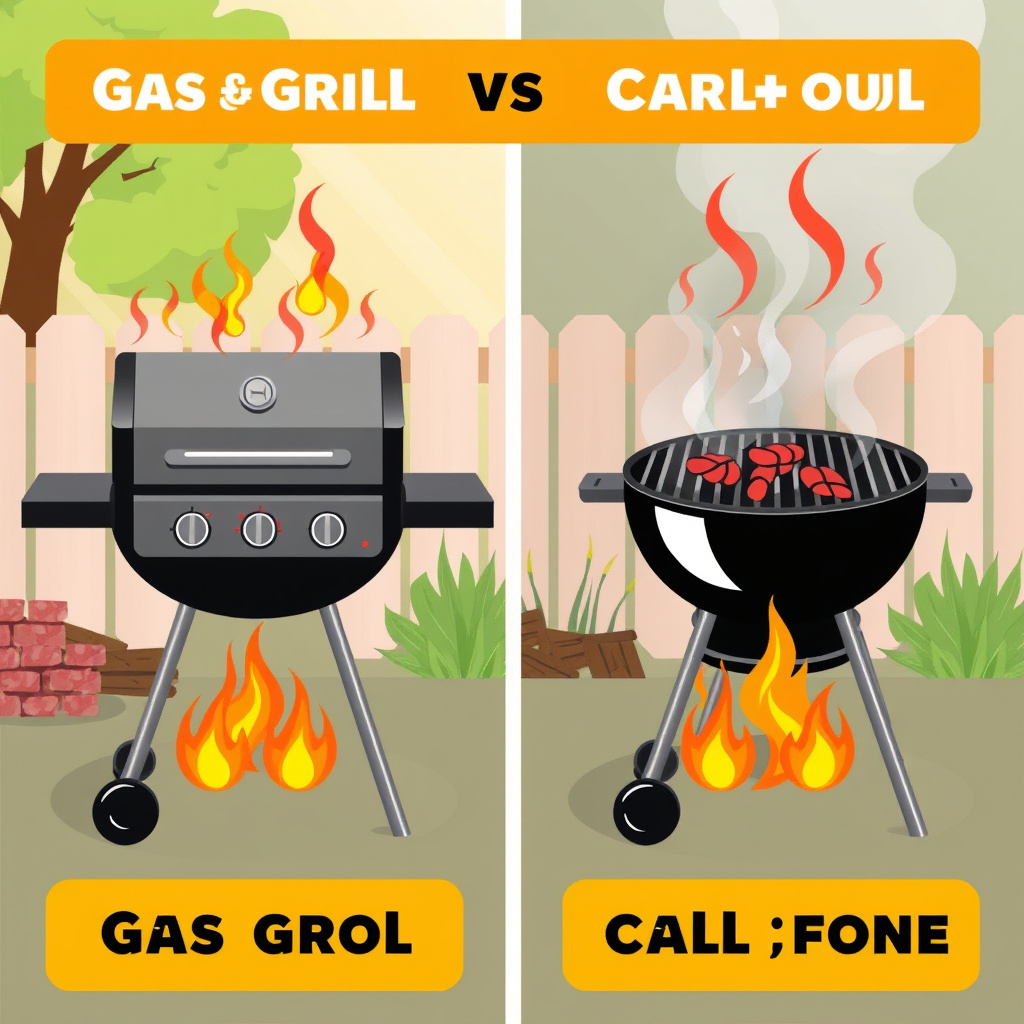
Gas Grill Combustion and Emissions
Gas grills burn propane or natural gas and create a controlled, flame-based heat source. Because the heat comes from gas combustion without solid fuels, there is minimal smoke generated. This reduces exposure to harmful chemicals that form when fats drip and vaporize.
Fewer carcinogenic compounds are produced since the combustion temperature is lower and more consistent. This leads to fewer polycyclic aromatic hydrocarbons (PAHs) and heterocyclic amines (HCAs), which are linked to cancer risks in some studies.
- Cleaner combustion means less smoke and soot
- Lower production of PAHs and HCAs
- More consistent and controllable heat
Charcoal Grill Combustion and Smoke
Charcoal grills use burning charcoal or briquettes that produce thick smoke from incomplete combustion of wood and additives. When fat drips directly onto hot charcoal, smoke rises carrying PAHs back onto food surfaces.
This higher smoke exposure increases the chance of ingesting harmful compounds. Additionally, charcoal combustion creates a soot layer that can cling to grilled foods, further raising health concerns if consumed frequently.
- Produces more smoke and soot
- Higher levels of PAHs and HCAs
- Fat drippings increase carcinogenic smoke formation
Health Risks of Grilling: What Science Says
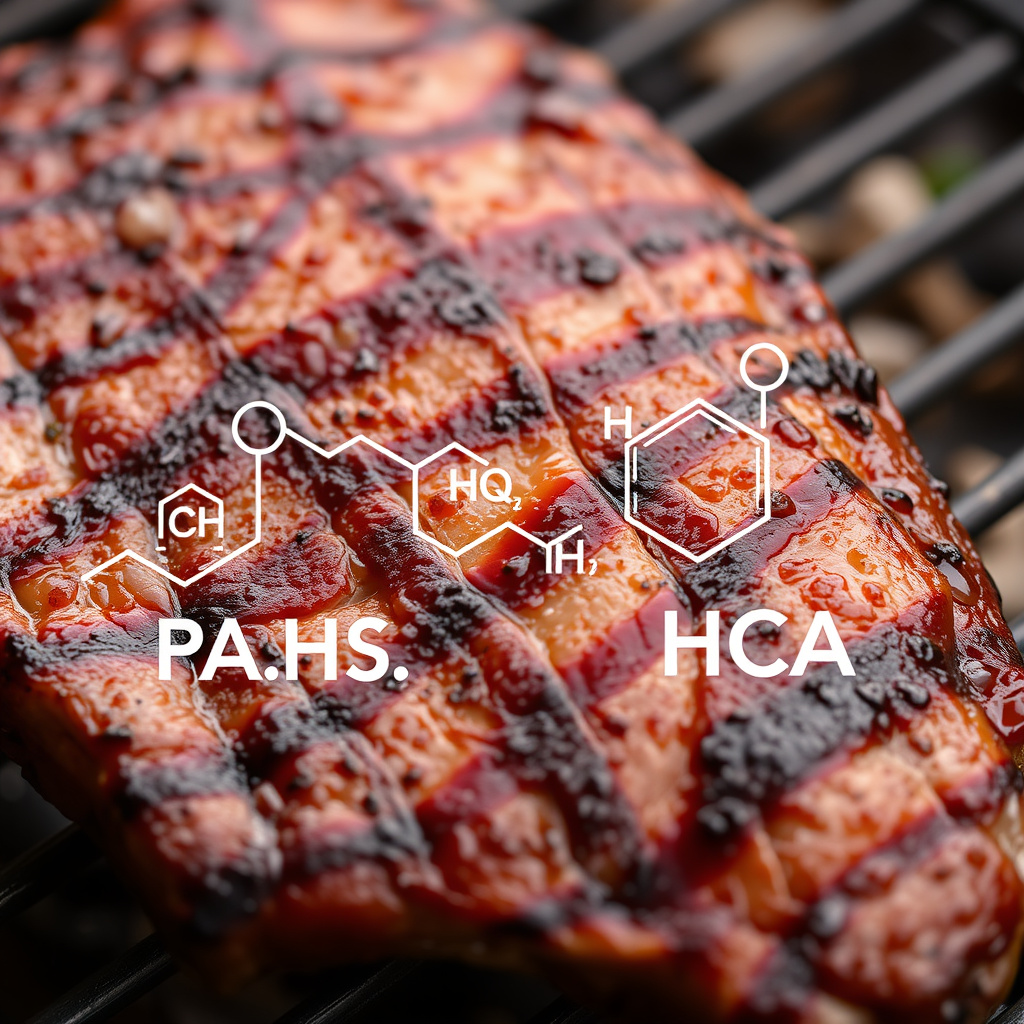
Polycyclic Aromatic Hydrocarbons (PAHs)
PAHs form when fat and juices drip onto hot coals or flames causing incomplete combustion. These compounds can settle on meat surfaces and have been linked to DNA mutations in lab studies.
Exposure to PAHs over time is considered a risk factor for certain cancers. Gas grills generate far less PAH smoke because of cleaner combustion, reducing this health risk substantially.
For more on this, see our related guide: What Is Indirect Heat Grilling and How to Master It.
Heterocyclic Amines (HCAs)
HCAs form when meats are cooked at high temperatures for prolonged periods, regardless of grill type. These chemicals arise from reactions between amino acids and creatine.
Both gas and charcoal grills produce HCAs, but the smoky environment of charcoal grilling often leads to higher HCA accumulation on food surfaces.
Minimizing Health Risks with Safer Grilling Practices

Techniques to Reduce PAHs and HCAs on Any Grill
Using indirect heat rather than direct flames lowers fat dripping and can reduce harmful chemical formation. Flipping food frequently prevents charring, while thinner cuts cook faster, limiting exposure.
Marinating meats before grilling introduces antioxidants that help block chemical formation. Removing charred or burnt sections further decreases intake of these substances.
- Use indirect grilling to reduce flare-ups
- Marinate meats before cooking
- Trim excess fat to reduce drippings
- Flip food frequently
Choosing Safer Foods and Preparation Methods
Opting for leaner cuts reduces fat drippings that cause PAHs. Incorporating vegetables and fruits on the grill also minimizes risk as they do not form HCAs or PAHs.
Using foil pans or grill mats can block fat from reaching flames, cutting down smoke exposure. Avoiding overcooking keeps HCAs at lower levels.
- Select lean meats and plant-based options
- Use grill mats or foil trays
- Avoid overcooking or charring
Flavor and Cooking Performance Compared
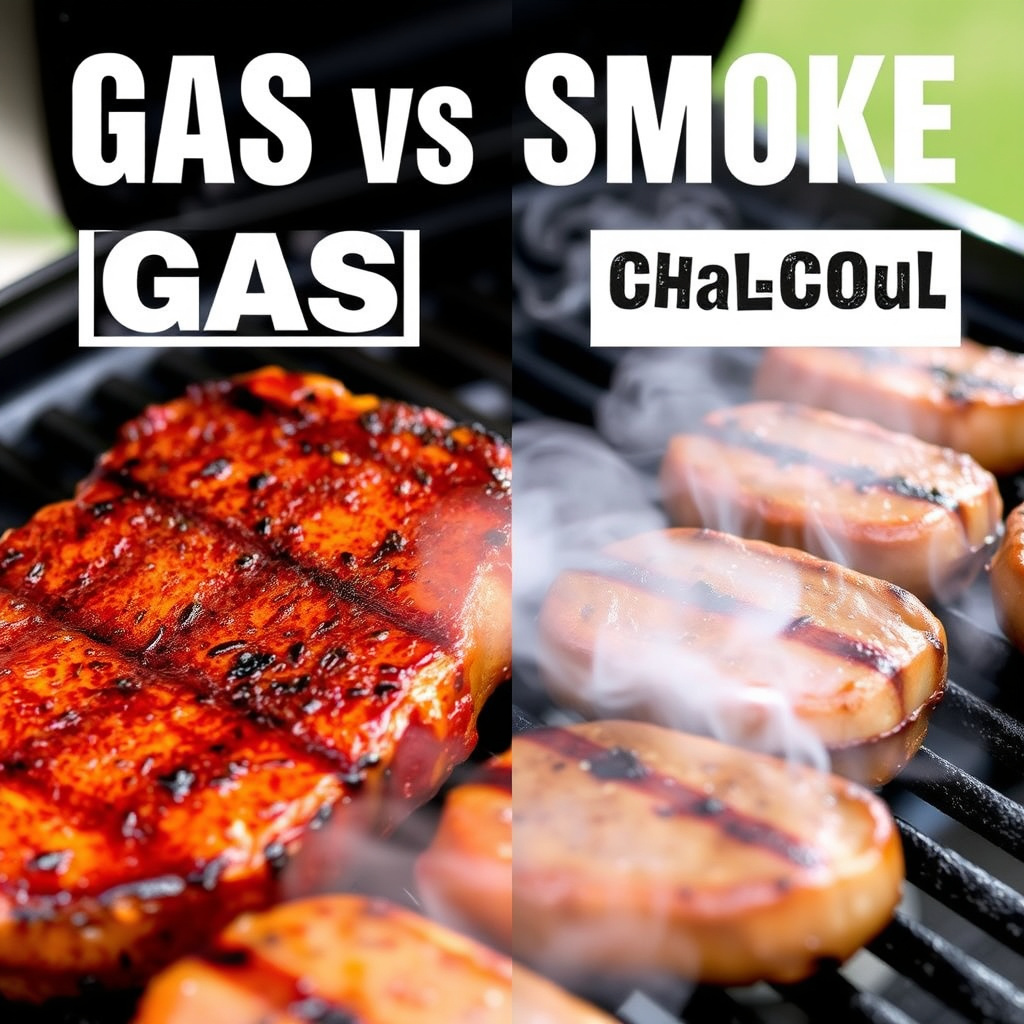
Gas Grill Flavor Profile and Benefits
Gas grills provide consistent heat that cooks food evenly. They lack the intense smoky flavor typical of charcoal but produce clean-tasting grilled dishes.
Quick ignition and temperature control offer convenience and reduce cooking time, leading to fewer carcinogens from prolonged heat exposure.
- Fast startup and temperature control
- Cleaner taste with less smoke
- Even, consistent cooking
Charcoal Grill Flavor and Appeal
Charcoal grilling imparts a distinctive smoky aroma and flavor prized by many barbecue enthusiasts. The high, uneven heat adds crispy textures and char marks that some consider superior.
However, this flavor comes with greater health risk due to increased carcinogen formation and smoke exposure.
- Rich smoky flavor
- High heat creates crispy char
- Less precise temperature control
Environmental and Convenience Factors Influencing Choice
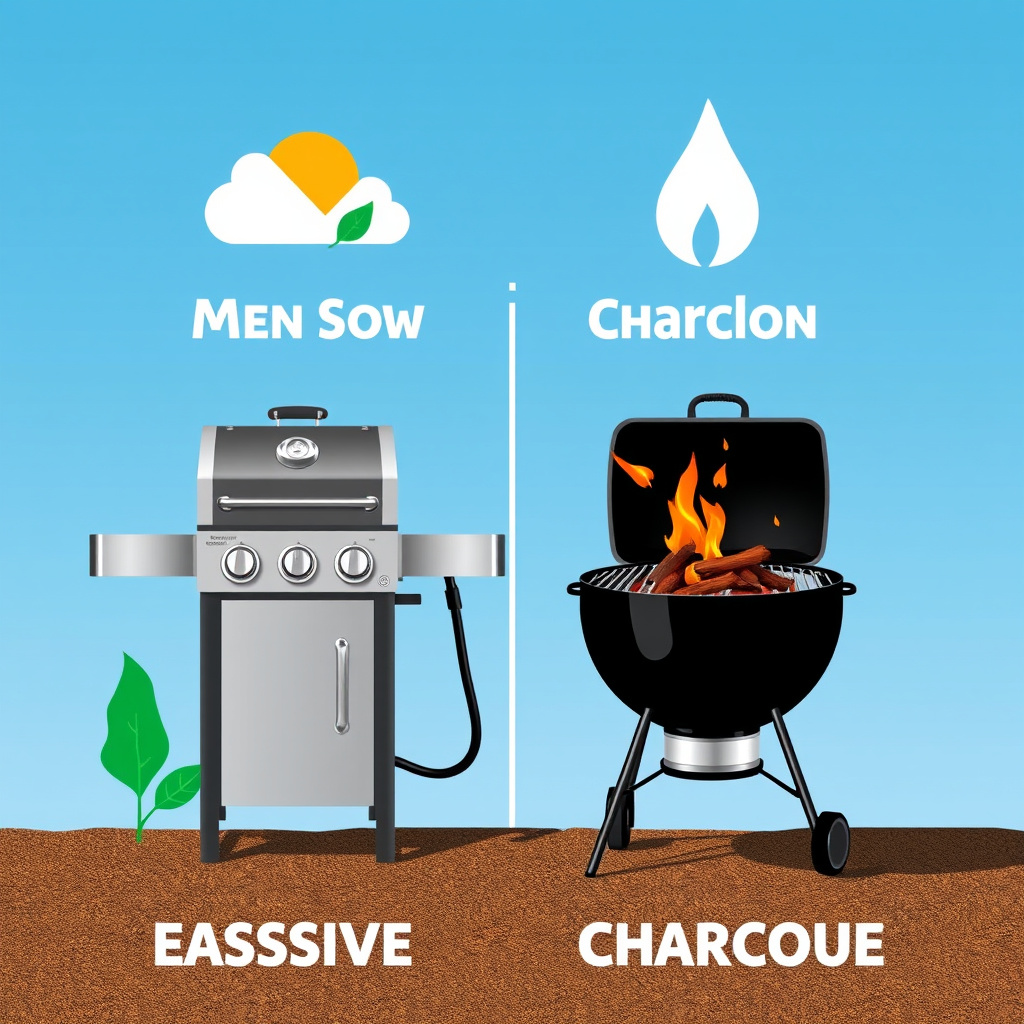
Environmental Impact of Gas vs Charcoal Grills
Gas grills burn fossil fuels that release fewer particulates and pollutants than charcoal, which releases more carbon dioxide and particulates due to wood combustion.
Charcoal production contributes to deforestation and environmental degradation in some regions, making gas grills a more eco-friendly option overall.
For authoritative information on the health effects related to grilling, you can consult the National Cancer Institute's grilling and health research. grilling and health research from the National Cancer Institute.
Ease of Use and Maintenance
Gas grills offer instant ignition, easy temperature adjustments, and cleaner operation with minimal ash disposal required. They tend to need more expensive parts and occasional maintenance.
Charcoal grills require more preparation time, ash cleanup, and skill to control heat. However, they tend to be simpler devices with fewer mechanical parts.
Gas Grill vs Charcoal Grill Health and Performance Comparison
Here is a detailed comparison highlighting key differences between gas and charcoal grills related to health, flavor, and convenience.
| Aspect | Gas Grill | Charcoal Grill |
|---|---|---|
| Health Risks (PAHs/HCAs) | Lower due to cleaner combustion | Higher due to smoke and fat drippings |
| Flavor | Milder, cleaner taste | Stronger smoky flavor |
| Cooking Control | Precise temperature control | Variable heat, harder to control |
| Environmental Impact | Lower emissions and fossil fuel use | Higher emissions, deforestation concerns |
| Preparation and Clean-Up | Quick start, minimal clean-up | Longer prep, ash removal needed |
| Cost and Maintenance | Higher upfront and maintenance cost | Lower upfront, simple maintenance |
Frequently Asked Questions
Does grilling over charcoal produce harmful chemicals?
Yes, charcoal grilling produces more harmful chemicals like PAHs due to smoke from fat drippings on hot coals. These chemicals can adhere to food and may pose health risks with frequent consumption.
Can I reduce health risks when using a charcoal grill?
Yes, using indirect heat, marinating meats, trimming fat, and avoiding charring can lower formation of harmful compounds while still enjoying charcoal grilling.
Are gas grills better for health than charcoal grills?
Gas grills generally pose fewer health risks because they produce less smoke and carcinogenic compounds during cooking, making them a healthier grilling choice overall.
Do cooking temperatures affect chemical formation on grilled food?
Higher temperatures increase the formation of HCAs and PAHs regardless of grill type, so avoiding overcooking or charring food helps reduce these compounds.
Is the smoky flavor from charcoal grills worth the health risk?
That depends on your priorities. While charcoal offers distinct flavor, it also carries higher health risks. Combining safe cooking habits can balance flavor and safety if you prefer charcoal.
Key Takeaways
- Gas grills emit fewer harmful chemicals and are healthier than charcoal grills.
- Charcoal grilling produces more carcinogens due to smoke from fat drippings.
- Using safe grilling techniques minimizes health risks on any grill.
- Flavor preference, convenience, and environment also influence the best choice.
Conclusion
Choosing between a gas or charcoal grill involves balancing health concerns, flavor preferences, and practical factors. Gas grills reduce exposure to harmful chemicals like PAHs and HCAs by producing less smoke and allowing more temperature control. Charcoal grills create a richer smoky flavor but generate more carcinogens that can pose health risks if consumed regularly. The main keyword 'gas grill healthier than charcoal grill' comes into play as the key for those prioritizing reducing chemical exposure.
For those focused mainly on health, investing in a gas grill combined with healthy cooking habits such as marinating foods, using indirect heat, and avoiding charring offers significant reductions in harmful compounds. However, if flavor is paramount, occasional use of charcoal grills with safe techniques can balance taste and safety. Considering the secondary keyword 'best grill for healthy cooking,' gas grills clearly rank as the best choice, but safe practices can enhance any grilling experience.
Finally, prospective grill owners should reflect on how often they grill, their taste preferences, and health goals. Starting with a gas grill provides a cleaner, more controlled cooking environment that suits everyday grilling with minimal health risks. Meanwhile, occasional charcoal grilling can add desired flavors if done thoughtfully. Research, personal taste, and health considerations guide the most fitting selection.



