
Gas grills offer faster startup and precise temperature control compared to charcoal grills, making them better suited for convenience and consistent cooking. However, charcoal grills provide a distinctive smoky flavor that many barbecue lovers prefer. Deciding which is better depends on your cooking style, taste preference, and how much time you want to spend on grilling.
Choosing the right grill impacts your grilling experience and meal results. Gas grills are praised for their quick heat-up times and ease of use, ideal for weekday meals or casual entertaining. Charcoal grills require more preparation and cleaning but reward with authentic smoky taste and a traditional BBQ feel, appealing to enthusiasts.
In this article, we'll compare gas and charcoal grills across key factors like flavor, convenience, temperature control, cleanup, cost, and usability. You’ll learn how each grill type fits different lifestyles and tastes, helping you decide which grill is better for your needs and preferences.
Flavor Differences Between Gas and Charcoal Grills
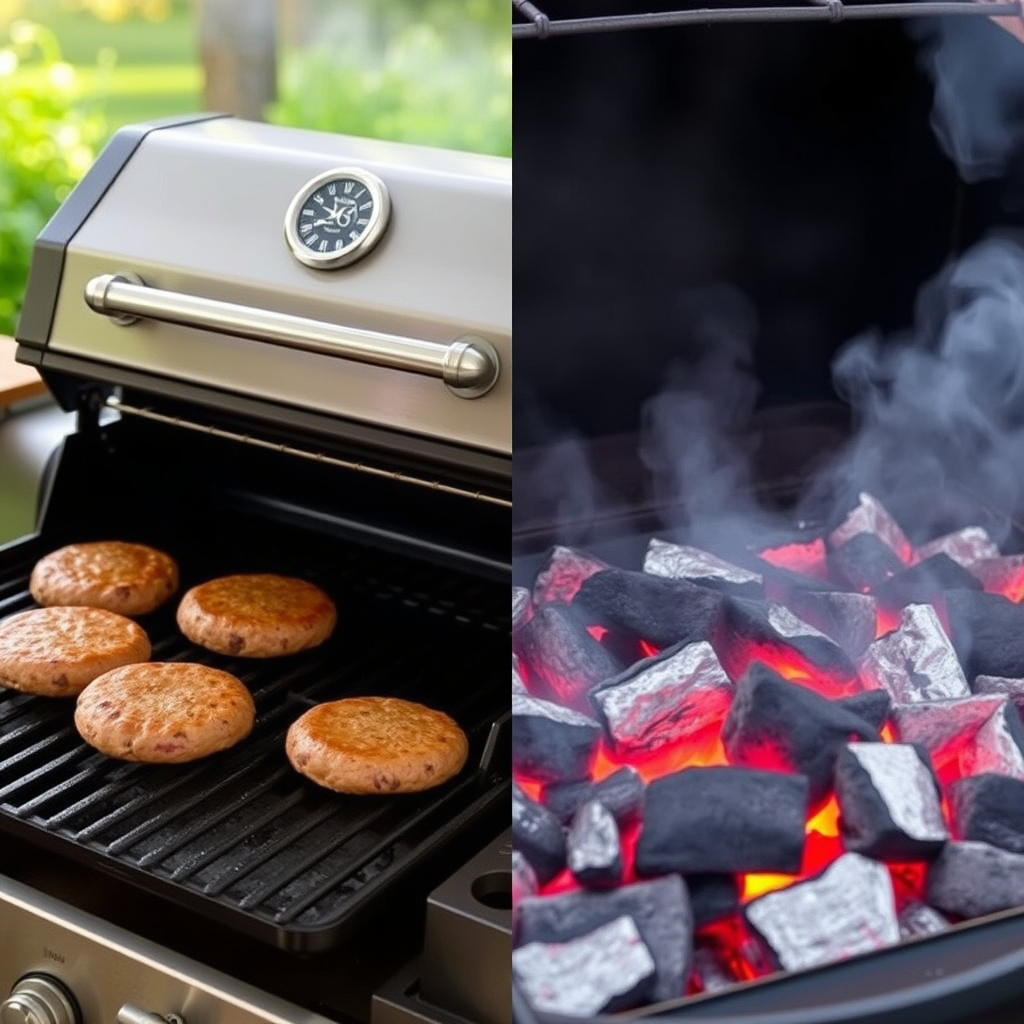
The Smoky Taste of Charcoal Grills
Charcoal grills impart a rich, smoky flavor to food that many grilling enthusiasts associate with traditional barbecue. The burning charcoal produces aromatic smoke and fats from meat drip onto hot coals, creating flavorful smoke that envelops the food.
This flavor profile is difficult to replicate on gas grills because propane burns cleanly without producing smoke. For those focused on taste above all, charcoal typically delivers more authentic, smoky barbecue flavors.
- Produces rich, natural smoky flavor
- Variety of charcoal types like lump and briquettes
- Allows addition of wood chips for extra smoke
Flavor Characteristics of Gas Grills
Gas grills produce a cleaner cooking environment with less smoke and a more neutral taste. While lacking the smoky note of charcoal, the consistent and even heating allows meats to cook uniformly, preserving juiciness and texture.
Advanced gas grills feature sear burners or smoker boxes to improve flavor complexity, though the taste won’t fully match charcoal’s smokiness. Gas grills are preferred by those prioritizing convenience over a smoky BBQ essence.
- Quick, even cooking heat
- Less smoke, cleaner flavor
- Optional smoker box for added complexity
Convenience and Temperature Control with Gas Grills
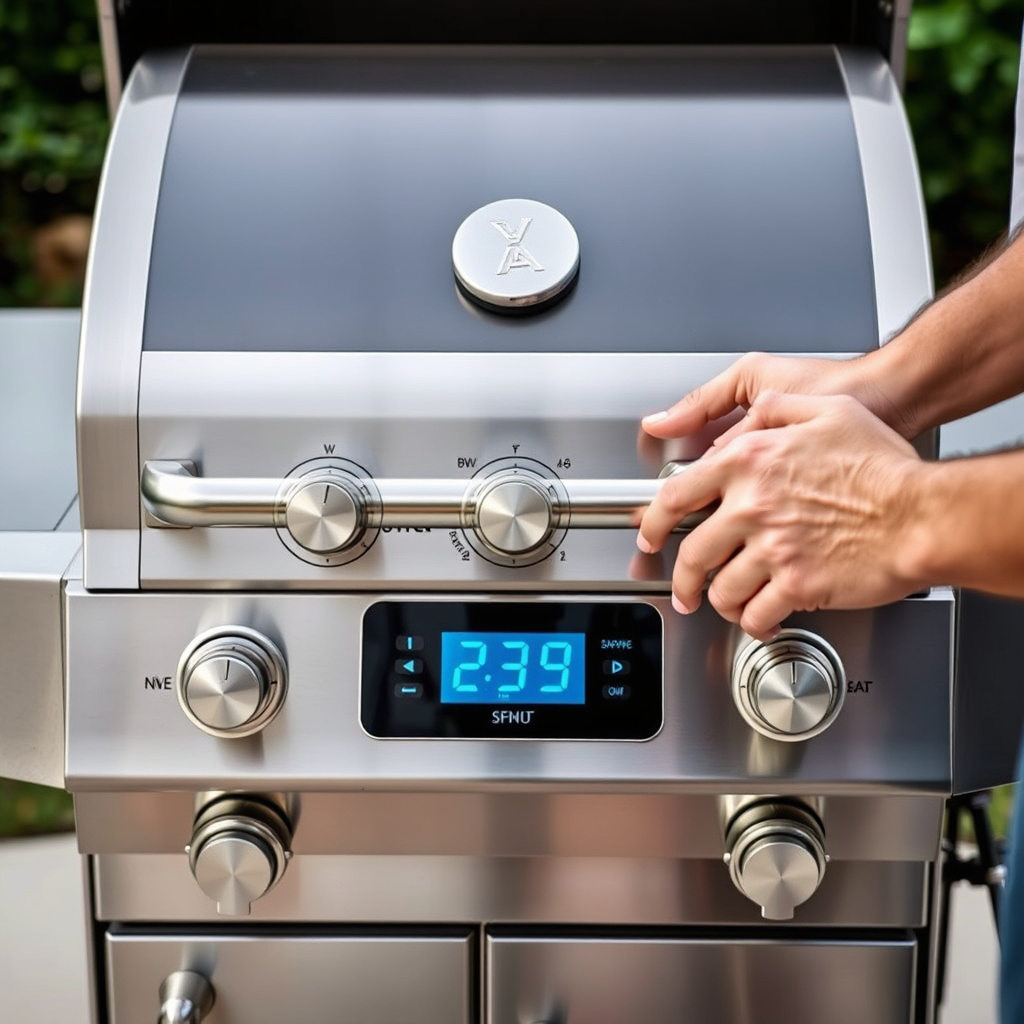
Instant Heat and Easy Ignition
Gas grills heat up within minutes thanks to instant ignition and controlled propane burn. This rapid startup suits busy schedules and spontaneous cooking, especially on weeknights or for quick meals.
Simply turning a knob provides immediate flame without the fuss of charcoal lighting or waiting through lengthy preheating, making gas grills highly user-friendly.
- Starts within 5 minutes
- No charcoal lighting or ash handling
- Adjustable knobs for quick temperature changes
Precise Temperature Control for Consistent Cooking
Gas grills allow precise temperature adjustments via knobs, enabling consistent heat for different cooking styles like direct searing or slow roasting. Many models include multiple burners for zoning control.
This precise control reduces flare-ups and burnt food, raising cooking reliability. For chefs who prefer measured, repeatable results, gas grills excel in creating targeted temperature zones.
- Multiple burners for heat zones
- Temperature gauges and digital controls
- Consistent, steady heat output
Charcoal Grill Setup and Cleanup Considerations
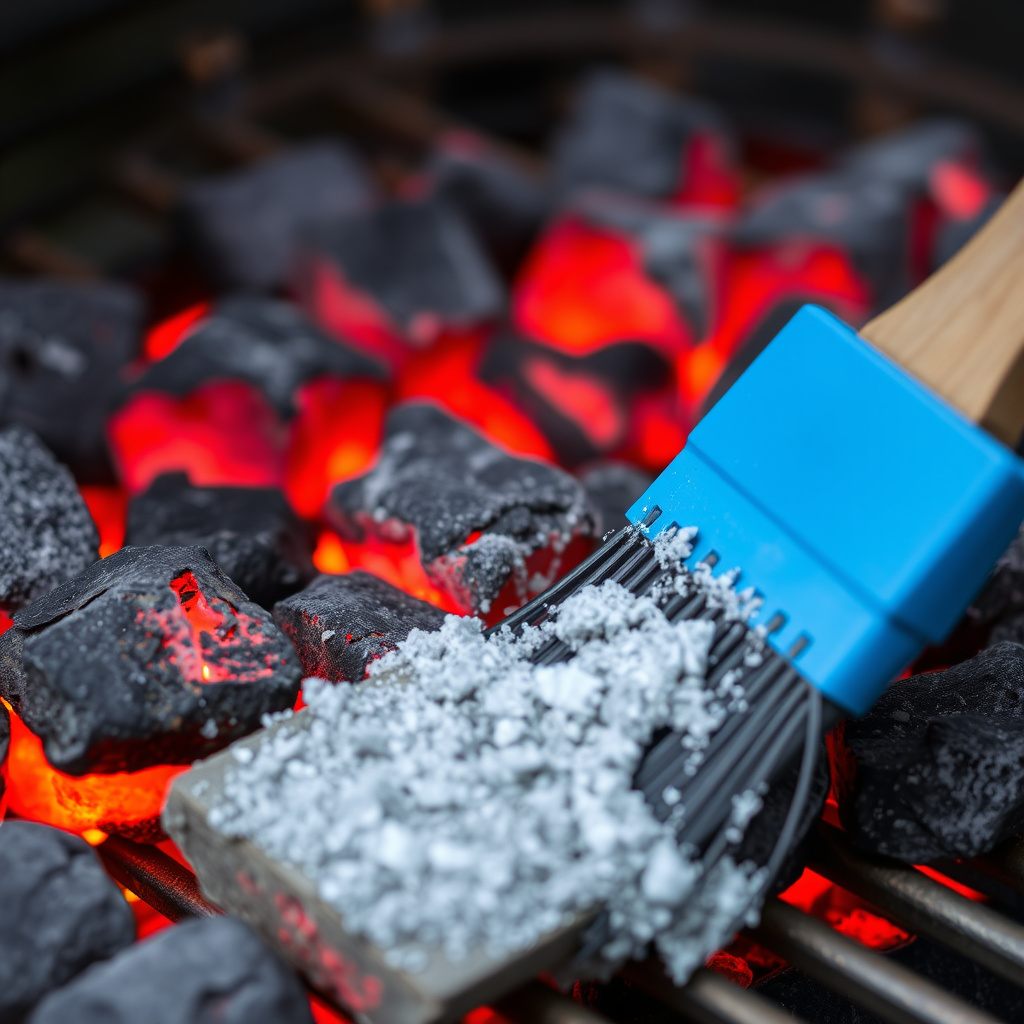
Preparing and Managing Charcoal Fuel
Starting a charcoal grill usually requires more hands-on effort, including lighting charcoal, waiting 20-30 minutes for coals to reach ideal cooking temperature, and arranging them properly.
This prep time can be viewed as part of the ritual or a drawback for casual use. Charcoal briquettes and lump charcoal differ in burn time and heat intensity, giving users options to customize grilling conditions.
- Longer preheat time (20-30 minutes)
- Lighting methods include chimney starters
- Choice of lump charcoal or briquettes
For more on this, see our related guide: Are Pellet Grills Worth It? A Detailed Guide to Pellet Grill Benefits and Drawbacks.
Ash Disposal and Cleaning Challenges
After grilling, charcoal leaves behind ashes that require disposal. Cleaning can involve removing and disposing of cold ashes, brushing grates, and occasional deep cleaning to prevent buildup.
This added maintenance demands more time and effort than gas grills but is part of the traditional charcoal experience many enthusiasts accept gladly.
- Manual ash removal needed
- Periodic deep cleaning of grates
- Potential for soot buildup
Cost Comparison: Upfront and Ongoing Expenses
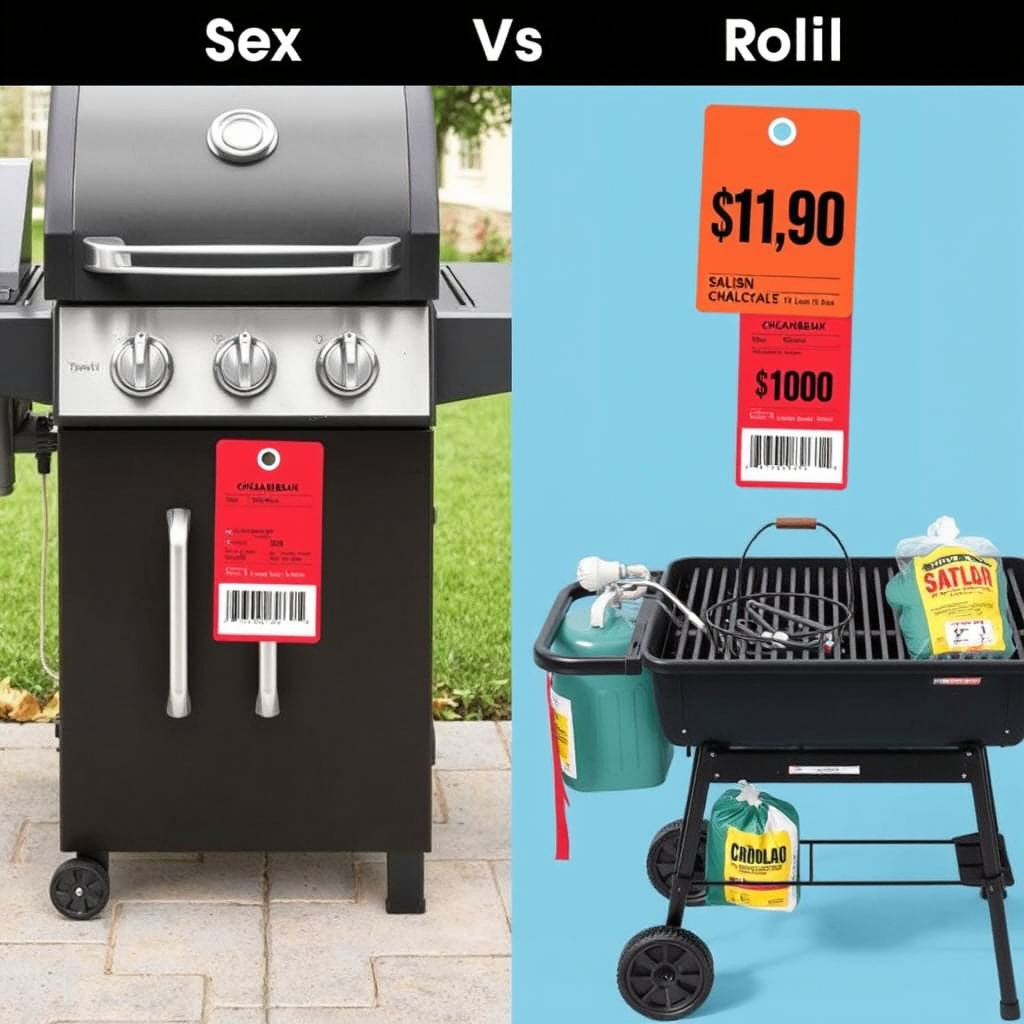
Initial Purchase Price and Fuel Cost for Gas Grills
Gas grills usually come with a higher initial cost due to built-in burners, ignition systems, and sometimes extra features like side burners or rotisserie kits.
Fuel costs depend on propane usage, with refillable tanks that vary by size and regional cost of propane. Over time, gas is often more economical than charcoal due to efficient fuel use.
- Higher upfront cost ($200-$1500+)
- Propane cost fluctuates regionally
- Refillable tanks reduce ongoing expenses
Charcoal Grill Costs and Fuel Spending
Charcoal grills generally have a lower initial purchase price, especially simple models. However, charcoal fuel must be replenished regularly, sometimes adding up if grilling frequently.
Premium lump charcoal is costlier than briquettes, but enthusiasts may choose wood chunks or blends to enhance flavor, increasing fuel expenses.
- Lower upfront cost ($50-$400)
- Regular charcoal purchases needed
- Venturing into wood chunks raises cost
Durability and Portability Factors
Lifespan and Maintenance of Gas Grills
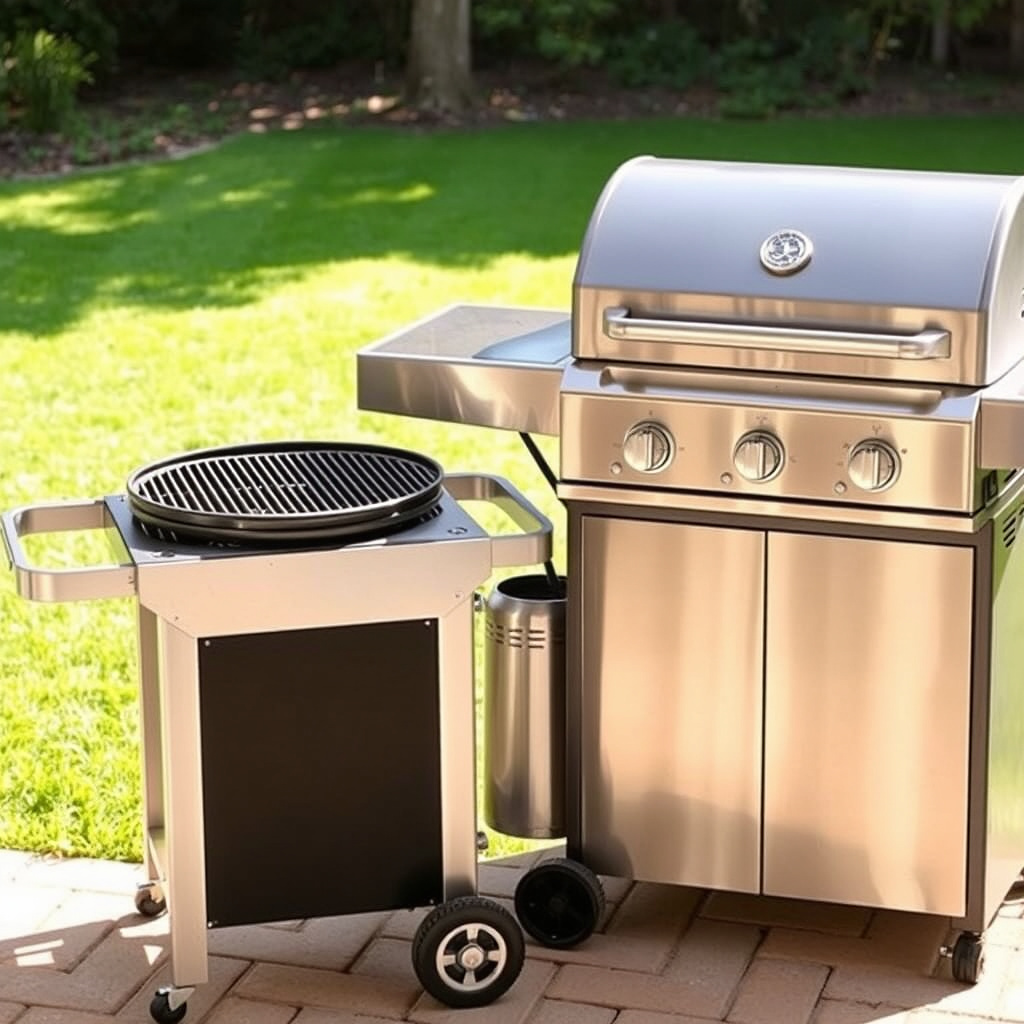
Gas grills with stainless steel burners and durable construction can last 5-15 years with proper maintenance, including occasional burner replacement and regular cleaning.
They tend to be heavier and less portable due to size and propane tank weight, typically designed for permanent yard setups or patios.
- Can last over a decade
- Requires burner maintenance
- Heavier and less portable
For more on this, see our related guide: Is a Gas Grill Healthier Than a Charcoal Grill? A Clear Comparison.
Portability and Durability of Charcoal Grills
Charcoal grills range from small portable models perfect for tailgating or camping, to large backyard versions. They are usually lighter and easier to transport without fuel tanks.
However, low-cost charcoal grills may rust or degrade faster if exposed to weather, so protection and care are advised.
- Many compact, portable options
- Lightweight compared to gas grills
- Prone to rust without maintenance
Safety and Environmental Impact
Safety Considerations for Gas Grills
Gas grills require safe handling of propane, which is flammable and requires secure connections and leak checks. Built-in safety features often include automatic shut-off valves and flame tamers.
With proper use, gas grills are generally safe and produce fewer airborne particulates than charcoal, lowering environmental impact.
- Requires propane safety precautions
- Automatic safety features common
- Lower particulate emissions
For additional historical and technical insights on grilling, see the grilling technology overview on Wikipedia. Grilling technology overview on Wikipedia.
Health and Environmental Effects of Charcoal Grilling
Charcoal combustion produces smoke and particulate matter, which can contribute to air pollution and respiratory concerns. Using lump charcoal or natural briquettes reduces some chemicals compared to traditional briquettes with additives.
From a sustainability standpoint, charcoal charcoal production emits more greenhouse gases, and charcoal itself is a non-renewable resource unless sourced responsibly.
- Produces more smoke and particulates
- Natural charcoal preferable for health
- Higher greenhouse gas emissions
Gas Grills vs Charcoal Grills: Key Category Comparison
Here’s a detailed table comparing main aspects of gas and charcoal grills to help clarify their differences and guide your choice.
| Category | Gas Grills | Charcoal Grills |
|---|---|---|
| Flavor | Cleaner, less smoky taste | Distinct smoky, char flavor |
| Convenience | Instant ignition, easy temp control | Longer startup, manual temperature management |
| Cleanup | Minimal, mostly grease removal | Ash disposal and soot cleaning required |
| Cost | Higher initial, moderate fuel cost | Lower initial, ongoing charcoal purchases |
| Portability | Heavier, less portable | Many lightweight, portable options |
| Environmental Impact | Lower emissions, propane fuel | Higher emissions, charcoal smoke |
| Durability | 5-15 years with maintenance | Varies, prone to rust in cheaper models |
Frequently Asked Questions
Which grill is better for beginners, gas or charcoal?
Gas grills are generally better for beginners due to immediate ignition, straightforward temperature control, and easier cleanup. Charcoal grills require more practice to manage heat and cooking time effectively.
Can you get the smoky flavor on a gas grill?
While gas grills don’t naturally generate smoke like charcoal, adding a smoker box with wood chips can produce some smoky aroma, though it’s usually less intense and authentic.
Are charcoal grills more economical over time?
Charcoal grills have lower initial cost, but frequent charcoal purchase may add up. Gas grills have higher upfront costs but propane fuel lasts longer and can be more cost-effective with regular use.
Is cleanup really easier with a gas grill?
Yes, gas grills typically require less cleanup because they don’t produce ashes. Most effort involves brushing grates and emptying grease trays, whereas charcoal grills need ash removal.
Which grill is better for camping or tailgating?
Charcoal grills usually offer better portability since they are lighter and don’t require fuel tanks. Small charcoal models are popular for outdoor events and travel cooking.
Key Takeaways
- Gas grills excel in convenience and precise temperature control.
- Charcoal grills deliver superior smoky flavor beloved by enthusiasts.
- Charcoal requires more prep and cleanup but offers a traditional BBQ experience.
- Consider usage habits to choose the best grill for backyard cooking.
Conclusion
Choosing whether gas grills are better than charcoal depends largely on your priorities. If you seek convenience, quick heat, and consistent temperature control, a gas grill is advantageous. Conversely, if flavor—the hallmark smoky aroma and char—is your highest priority and you enjoy the ritual of grilling, charcoal remains unmatched. Both grill types bring unique experiences to backyard cooking, so understanding these differences helps make an informed decision.
For casual cooks or those with limited time, gas grills simplify backyard cooking with immediate start-up and easy cleanup. Models with multiple burners can handle various foods at once, appealing to families or those who grill frequently. Meanwhile, charcoal grills are ideal for weekend enthusiasts or those wanting an authentic barbecue taste; premium lump charcoal or briquettes add flavor depth. Portability also weighs in, with charcoal grills better for tailgating and camping trips.
Ultimately, selecting your grill comes down to balancing flavor preference, convenience, budget, and lifestyle. Visit a local retailer to test features and consider your cooking habits to find the best grill for backyard cooking. Whichever you choose, mastering its use will make summer grilling more delicious and enjoyable.



