
Choosing between a pellet grill and a gas grill depends on your cooking preferences and how you plan to use the grill. Pellet grills use wood pellets to produce smoke and heat, giving food a smoky flavor and allowing for low-and-slow cooking. Gas grills offer quick start-up and temperature control using propane or natural gas, ideal for fast grilling sessions.
Pellet grills appeal to those who enjoy rich, smoky flavors and versatility since they can smoke, roast, grill, and even bake. Gas grills cater to cooks who prioritize convenience, quick heating, and straightforward temperature adjustments. Both have loyal followings, but their differences make them suitable for different situations and cooks.
This article will cover the core differences between pellet and gas grills, including flavor impact, cooking performance, ease of use, maintenance, cost, and more, helping you determine which style fits your grilling routine and taste preferences.
Flavor and Cooking Performance of Pellet vs Gas Grill
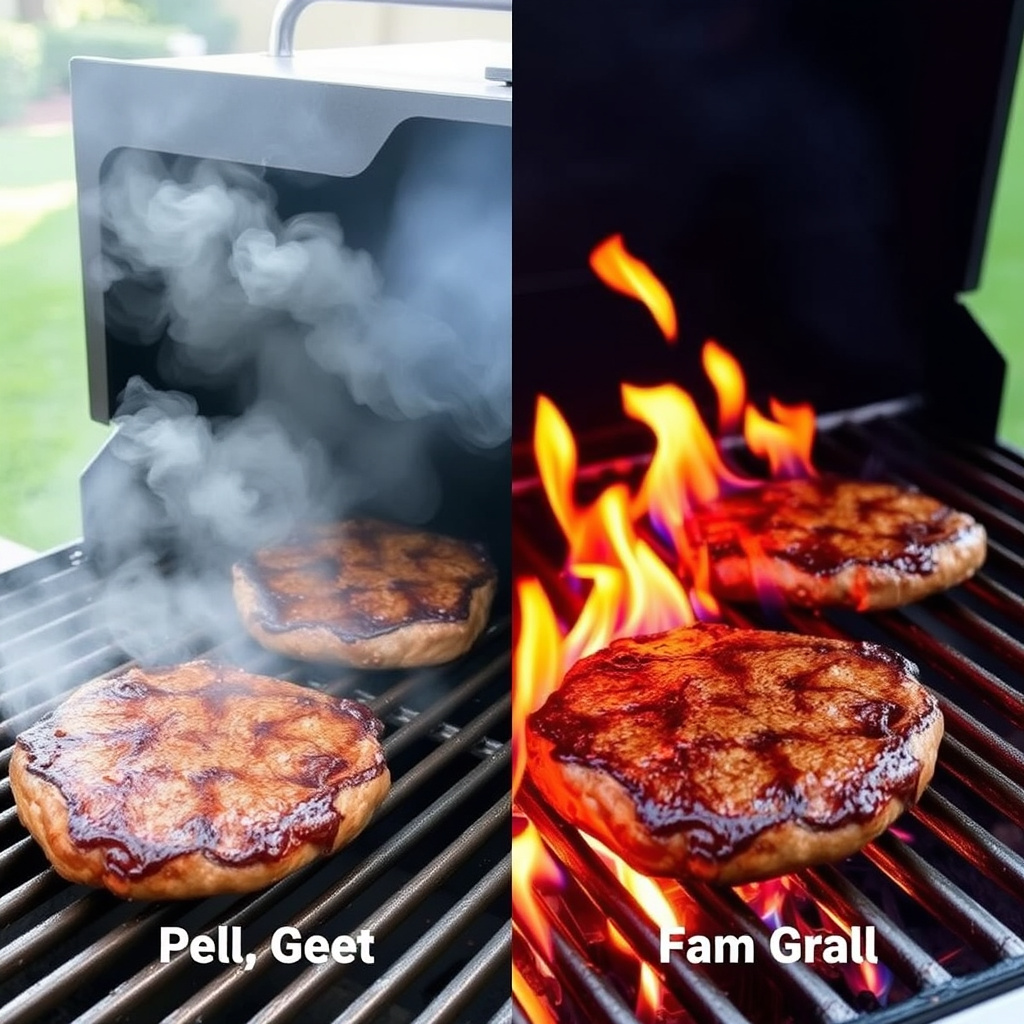
How Pellet Grills Enhance Flavor
Pellet grills use compressed sawdust pellets as fuel, which smolder and produce flavorful smoke that infuses the food. This wood smoke variety creates complex tastes that mimic traditional wood-smoking techniques, imparting a rich, smoky aroma hard to replicate with gas.
The ability to maintain steady lower temperatures for extended periods allows pellet grills to excel at slow-cooked barbecue styles like ribs and brisket while also handling roasting and baking tasks effectively.
- Natural wood smoke flavor
- Excellent for low-and-slow cooking
- Versatile cooking modes
Gas Grills and Their Cooking Efficiency
Gas grills ignite instantly and heat evenly across the grates, offering quick preparation for meals. Thanks to easy flame control knobs, temperature adjustments happen in seconds, making them ideal for searing burgers, steaks, and veggies with precision.
While gas grills may not produce significant smoke flavor, modern versions often include smoker boxes to add wood chips when desired. Their strength lies in convenience and rapid cooking rather than deep smoky complexity.
- Fast heating and response
- Precise temperature adjustments
- Often equipped with side burners and smoker boxes
Ease of Use and Convenience Differences
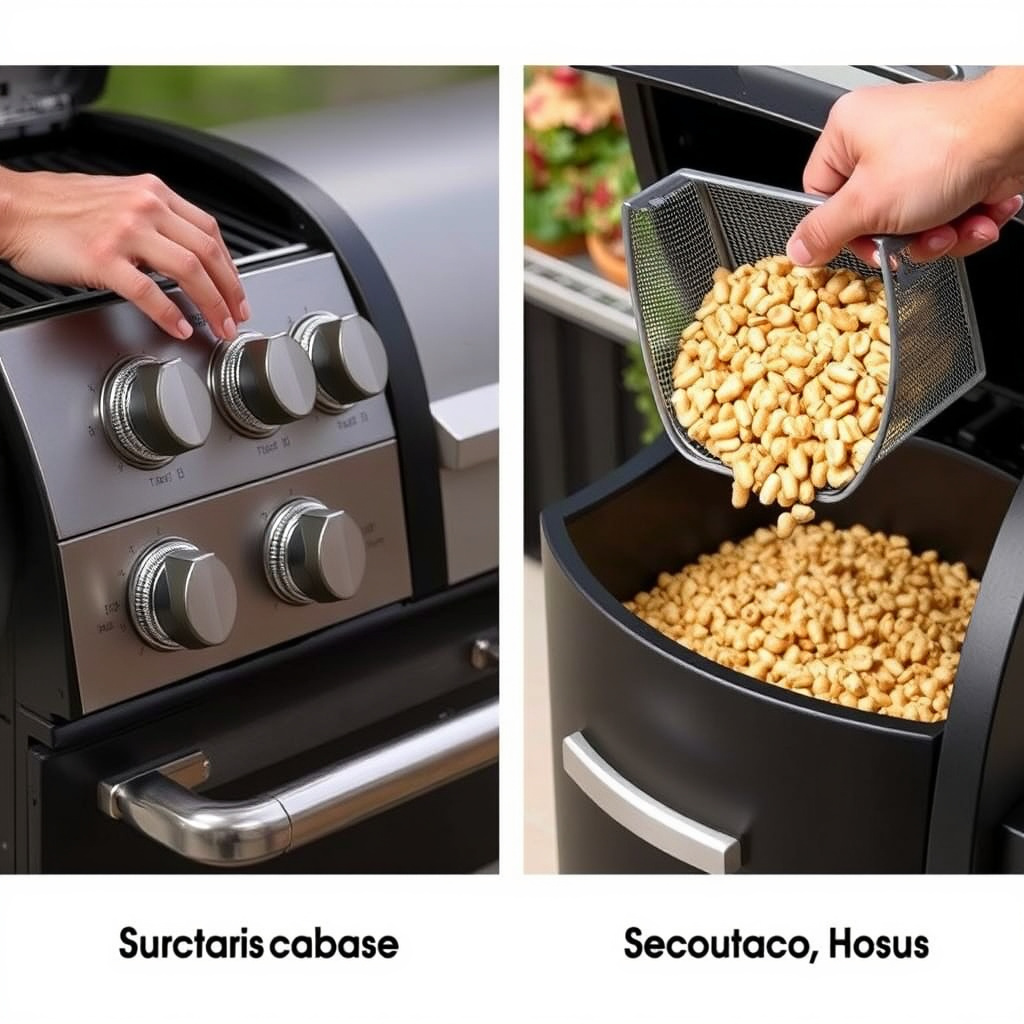
Operating Pellet Grills Smoothly
Pellet grills feature a digital controller to feed pellets automatically and regulate temperature, reducing the manual work compared to traditional smokers. Users set the target temperature, and the grill maintains it by adjusting pellet delivery and airflow.
However, pellet grills need electricity to run the auger and fans, making them less portable. Refilling pellets and cleaning ash from the firepot are routine tasks, requiring attention for smooth operation.
- Digital temperature control
- Requires electrical outlet or battery pack
- Routine pellet refilling and ash disposal
Gas Grill User-Friendliness
Gas grills excel in user convenience by providing instant ignition and adjustable heat with simple knobs. They run purely on gas, which is easy to connect and replace, allowing portable and straightforward grilling sessions.
Cleanup can be hassle-free on gas grills with removable grates and grease management systems, and since flame intensity can be controlled precisely, food is less likely to char unexpectedly.
- Instant ignition with push-button or match
- No electrical power needed
- Easy cleanup and grease management
Maintenance and Durability Considerations
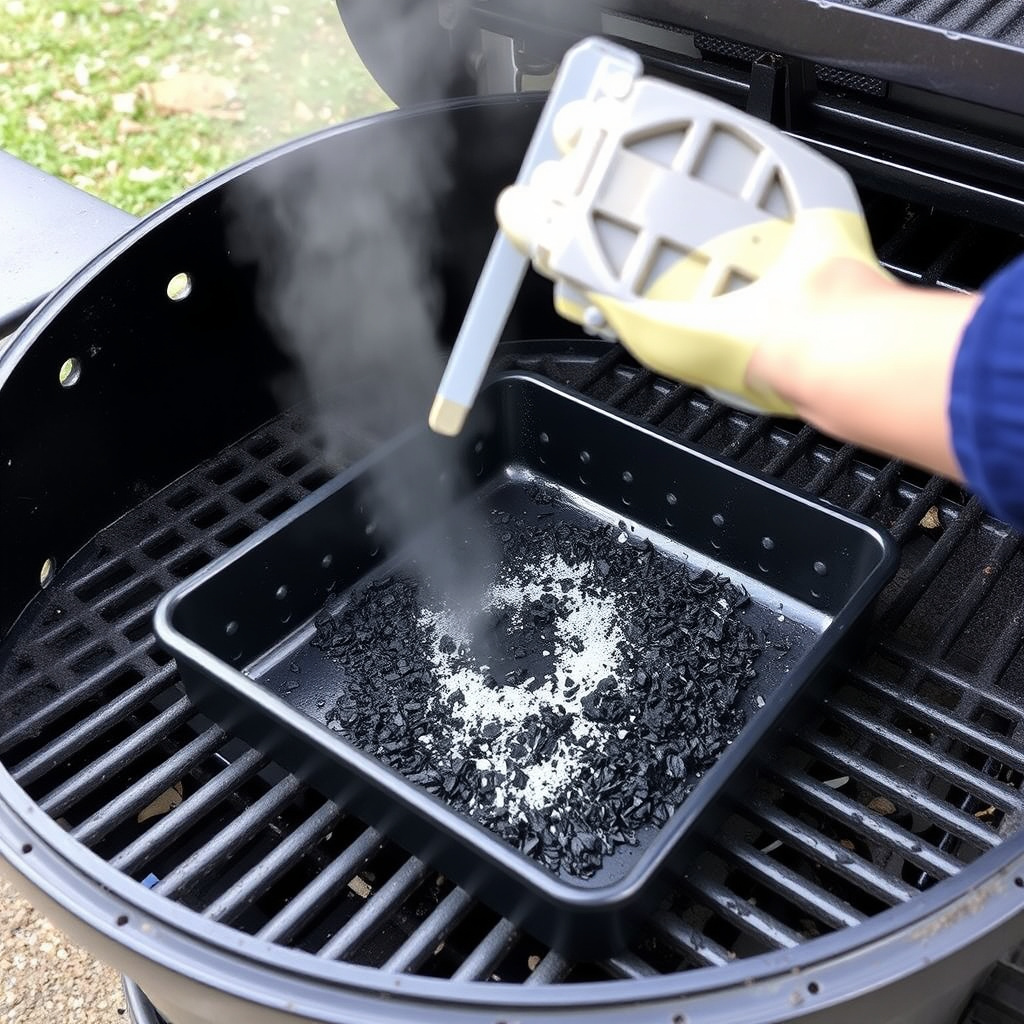
Maintaining a Pellet Grill
Pellet grills demand regular cleaning of the firepot to remove ash buildup, along with emptying the pellet hopper to prevent moisture. The digital components and moving parts like augers may require occasional maintenance or replacement over years.
Proper winter storage with dry pellets and covering the grill protects the electronics and hopper from moisture damage, helping pellet grills maintain longevity.
- Clean ash from firepot after every use
- Store pellets dry to avoid clumping
- Protect electronic components from weather
For more on this, see our related guide: Understanding the Difference Between a Grill and a Smoker.
Gas Grill Maintenance Tips
Gas grills generally need less frequent intensive maintenance but require careful cleaning of burners to prevent clogs and ensuring gas lines are leak-free. Removing grease buildup regularly reduces flare-ups and prolongs the grill’s life.
Covering the grill when not in use and checking propane tank fittings also improve safety and durability for reliable operation over many seasons.
- Clean burners and grease tray regularly
- Inspect gas lines and connections
- Use protective grill covers
Cost and Value Differences Between Pellet and Gas Grills
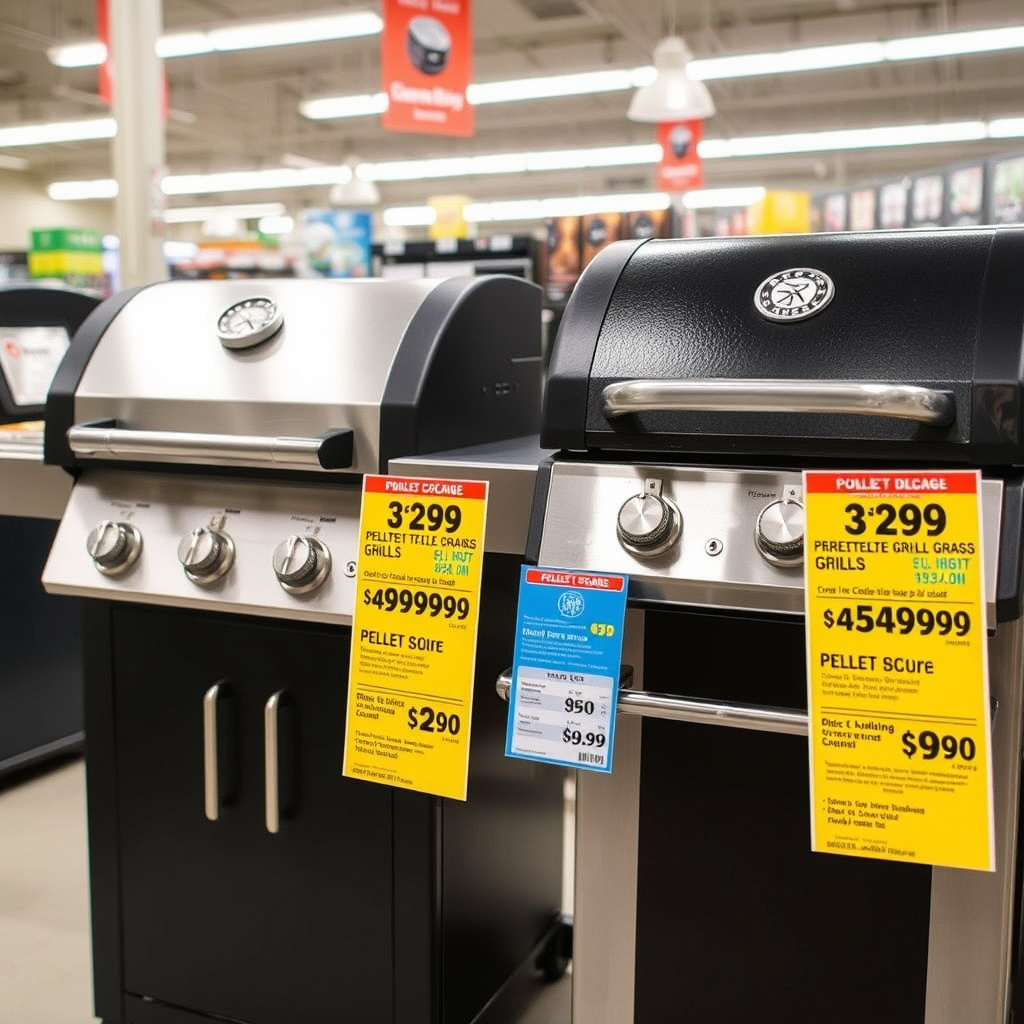
Initial and Operating Costs of Pellet Grills
Pellet grills typically come with a higher upfront price due to their electronic components and construction. The cost of wood pellets adds an ongoing expense, but these pellets are relatively affordable per cooking session compared to other fuel types.
Greater versatility and ability to replicate wood-fire flavors justify the investment for dedicated barbecue enthusiasts who value quality smoking.
- Higher initial purchase price
- Ongoing cost for pellet fuel
- Versatility adds value for slow cooks
Gas Grill Buying and Running Costs
Gas grills frequently offer lower starting prices, especially basic propane models, appealing to casual grillers or those new to grilling. Propane refills or natural gas connections provide economical fuel sourcing.
While gas grills lack wood smoke flavor naturally, smoke boxes with wood chips can be used affordably, balancing costs for some users seeking occasional smoky flavor.
- Generally lower upfront cost options
- Fuel costs depend on propane or natural gas prices
- Add-on smokers can increase investment
Portability and Space Requirements
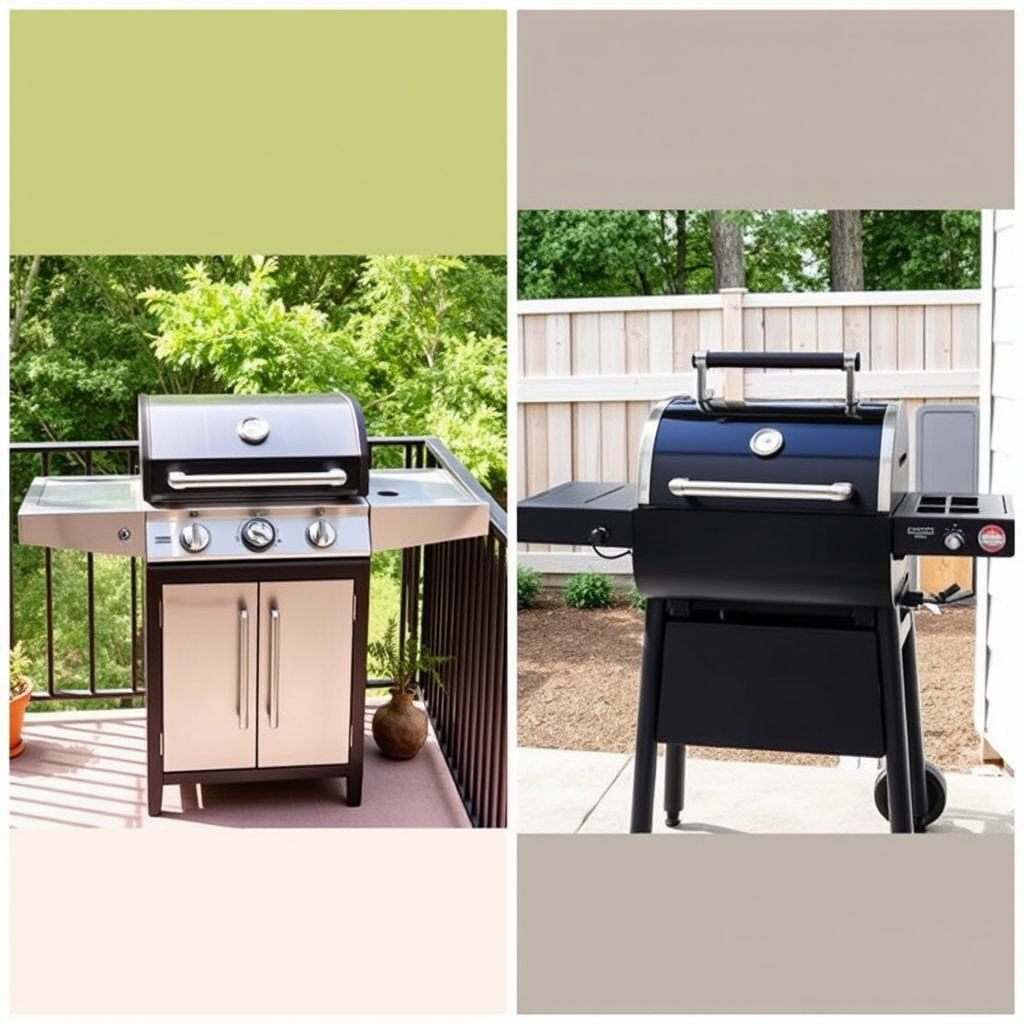
Portability of Pellet Grills
Pellet grills are generally heavier and bulkier due to their hopper, auger, and electronics, making them less suited for frequent transport. Their need for power limits mobility unless using battery packs or generators.
Homeowners with space for a dedicated outdoor kitchen or backyard setup find pellet grills an excellent permanent fixture offering consistent cooking temperatures.
- Heavier and less mobile
- Requires electrical power source
- Best for backyard permanent setup
For more on this, see our related guide: What Is a Portable Grill? A Complete Guide to Portable Grills.
Gas Grills for Small Spaces and Travel
Many gas grills come in portable models, from tabletop units to compact two-burner designs perfect for patios, balconies, or tailgating. They can run independently of electricity, fueled by small propane tanks, enabling grilling nearly anywhere.
Space-saving designs and lighter weight make gas grills attractive for users who move frequently or have limited outdoor space.
- Wide range of portable sizes
- Does not require electrical power
- Ideal for balconies, camping, tailgate parties
Which is Better: Pellet or Gas Grill for Beginners and Enthusiasts?

Pellet Grills for Barbecue Enthusiasts
Pellet grills appeal to people who enjoy experimenting with different wood flavors and slow cooking techniques. While they take slightly more management, many enthusiasts prize the smoke depth and versatility possible with pellet fuel, especially for classic barbecue styles.
Their electronic controls simplify maintaining steady heat, meaning you can focus more on timing and seasoning without watching the fire constantly.
- Great for slow-cooked barbecue
- Complex smoke flavor
- Good automation and temperature control
For additional technical details on pellet grills and their operation, refer to the Wood pellet grill Wikipedia article. Wood pellet grill Wikipedia article.
Gas Grills Suited for Beginners
Gas grills are ideal for beginners because they offer instant heat and simple controls, reducing the learning curve. Quick cooking results and minimal setup make them perfect for weeknight dinners or casual gatherings.
They encourage confidence in grilling basics, allowing novices to master direct heat cooking before exploring additional accessories or smoking techniques.
- Fast start-up and cooking
- Simple to adjust flame intensity
- Requires minimal grilling experience
Pellet Grill vs Gas Grill Category Comparison
Here’s a quick comparison of key features across different pellet and gas grill categories to help narrow down your choice.
| Grill Type | Flavor Profile | Ease of Use | Cost Range | Portability | Versatility |
|---|---|---|---|---|---|
| Mid-Range Pellet Grill | Rich wood smoke flavor | Moderate; digital controls | $500 – $1000 | Limited, heavier | Smoking, roasting, grilling |
| High-End Pellet Grill | Deep smoky flavor with versatility | Easy with advanced features | $1000 – $2000+ | Limited | Multiple cooking modes |
| Basic Gas Grill | Mild smoke unless add-ons used | Very easy; instant ignition | $150 – $600 | High portability | Grilling, some searing |
| Premium Gas Grill | Can add smoker box for flavor | Very easy with digital controls | $700 – $3000+ | Portable to semi-portable | Grilling, side burners, searing |
| Portable Gas Grill | Minimal smoke | Very easy | $100 – $400 | Highly portable | Quick grilling on the go |
Frequently Asked Questions
Do pellet grills require electricity to operate?
Yes, pellet grills need electricity to power the auger, fans, and control board for pellet feeding and temperature regulation, which can limit portability without power sources.
Can gas grills produce smoky flavor?
Gas grills don’t naturally create much smoke, but adding a smoker box with wood chips can infuse a moderate smoky flavor during grilling sessions.
Which grill type heats up faster?
Gas grills heat up much faster than pellet grills, reaching cooking temperatures within minutes, while pellet grills require time to ignite pellets and stabilize heat.
Are pellet grills harder to maintain than gas grills?
Pellet grills generally require more maintenance, such as cleaning ash from the firepot and refilling pellets, and protecting electronic components, whereas gas grills mainly need burner and grease tray cleaning.
Which grill is better for beginners?
Gas grills are better for beginners because they offer immediate heat, simple flame control, and easier cleanup, helping new users grill confidently with minimal training.
Key Takeaways
- Pellet grills deliver rich smoke flavor and are great for slow cooking.
- Gas grills offer fast heating with easy temperature control.
- Pellet grills need electricity and more upkeep than gas grills.
- Gas grills suit beginners and portable grilling better than pellet grills.
Conclusion
Deciding between a pellet or gas grill ultimately depends on how you like to cook and what flavors you want on your food. Pellet grills shine when you want authentic wood smoke flavor and the ability to slow-cook with precise temperature management, albeit with more maintenance and need for power. Gas grills cater to those who want quick and simple grilling sessions with little fuss and excellent control over direct heat cooking.
If you enjoy classic barbecue dishes that benefit from hours of smoke, investing in a pellet grill can elevate your backyard meals by adding depth and wood-fired aromas. Conversely, if you prioritize speed, ease of use, and the flexibility to take your grill on the road or to smaller balconies, a gas grill, especially a portable or mid-range model, would serve you best. The secondary keyword, "best outdoor grill for beginners," fits naturally here because gas grills tend to be more approachable for new outdoor cooks.
For your next step, consider the space you’ll grill in, how often you cook, and what flavor profile you prefer. Research specific models within your budget and try to sample foods cooked on both grill types if possible. Whichever you choose, focusing on the grilling style you enjoy most will bring the best results to your backyard gatherings.



