
Choosing between a gas or charcoal grill ultimately depends on your priorities such as flavor, heat control, and convenience. Gas grills offer quick start-up and adjustable heat with ease, while charcoal grills provide that classic smoky flavor revered by grill enthusiasts. Both have unique strengths that appeal to different types of outdoor cooks.
The grill you pick can shape your entire grilling routine—from prep to cleanup and the taste of your food. Charcoal grills are often praised for enhancing flavor through smoke, while gas grills excel in speed and control, ideal for weeknight dinners or quick gatherings. Understanding these differences will help you elevate your backyard BBQ experience.
This article will explore the core features, performance, maintenance, and cost factors of gas and charcoal grills. It also compares various models and answers common questions to help you decide which grill matches your needs and style best.
Heat and Temperature Control in Gas vs Charcoal Grill
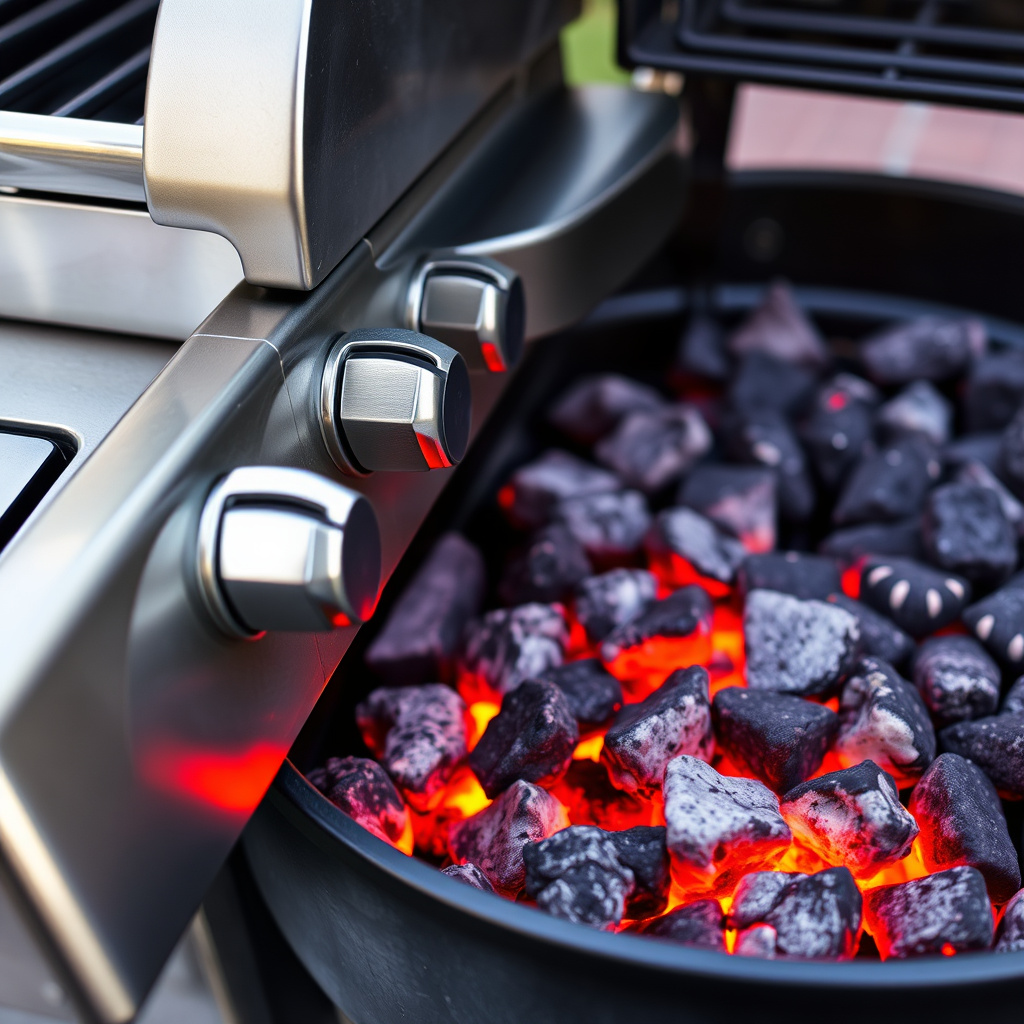
Gas Grill Temperature Management
Gas grills provide precise temperature control through adjustable knobs that regulate the gas flow to burners. This allows for consistent heat levels, making it easier to cook a variety of foods evenly and avoid flare-ups.
Many gas grills also feature multiple burners, letting you create different heat zones simultaneously. This capability is ideal for cooking delicate items on one side and searing on the other.
- Instant ignition and temperature adjustment
- Multiple burners for zones
- Consistent and even heat distribution
Heat Variability with Charcoal Grills
Charcoal grills rely on manual control of the charcoal amount and placement along with adjustable vents to manage heat and airflow. Achieving precise temperatures requires practice and attention as the fire naturally fluctuates.
Using charcoal allows for very high heat suitable for searing, and the ability to move coals or adjust vents lets you create distinct temperature zones, although it demands more skill compared to gas grills.
- Manual control through charcoal and vents
- Higher max temperatures for searing
- Heat zones via coal placement
Flavor Profiles Offered by Gas vs Charcoal Grill
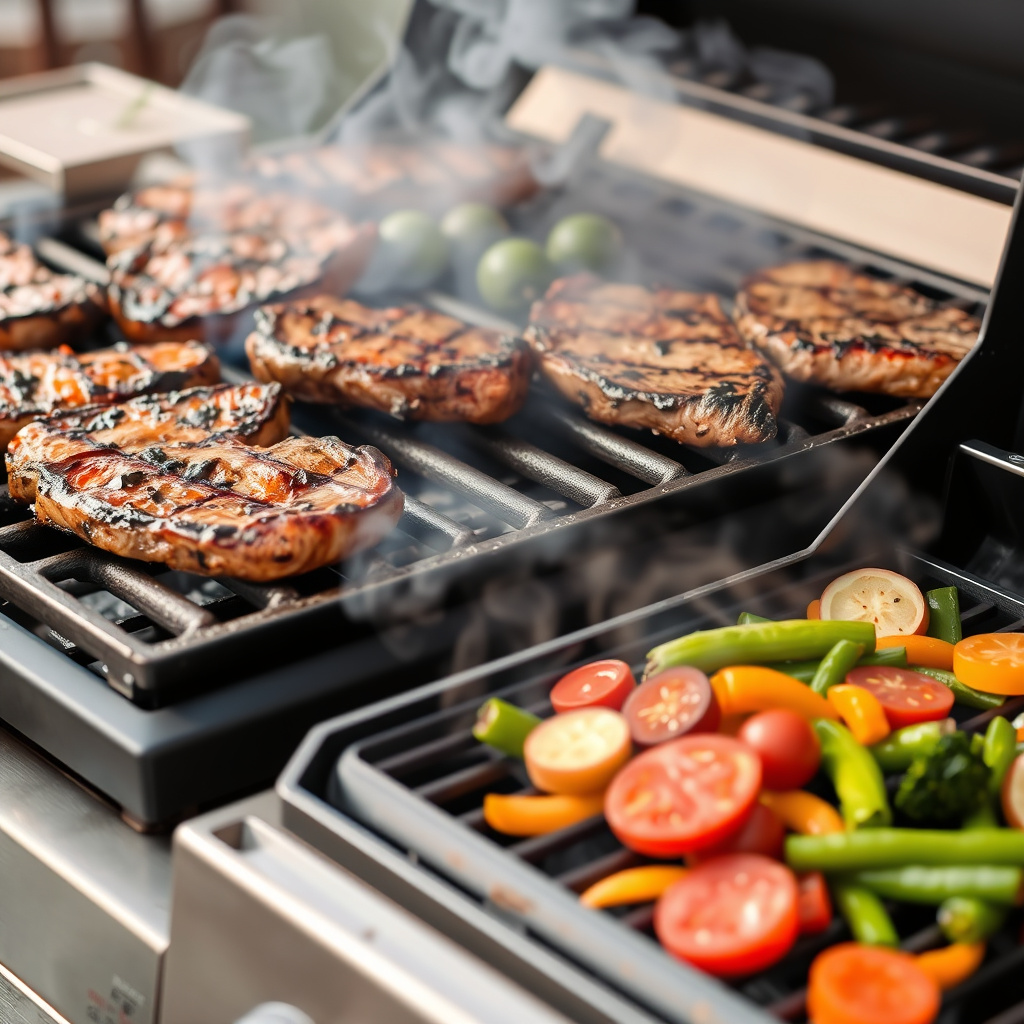
Distinctive Smoky Flavor from Charcoal Grills
Charcoal grills impart a distinctive smoky flavor due to the combustion of wood and charcoal briquettes. This flavor is often considered richer and more authentic by grilling purists.
Smoky notes can vary depending on the charcoal type and any added wood chips, allowing for experimentation with taste complexity.
- Authentic smoky aroma and taste
- Flavor variation from charcoal and wood types
- Preferred for traditional BBQ enthusiasts
Clean and Mild Flavor of Gas Grills
Gas grills tend to produce a cleaner taste as propane or natural gas burns efficiently without much smoke. This makes the food’s natural flavors more apparent without the overlay of smoke.
However, many gas grill models include smoker boxes or allow use of wood chips to mimic smoky flavors, offering some versatility.
- Cleaner, pure food flavors
- Less smoke and residue
- Options for adding smoke with accessories
Convenience and Maintenance
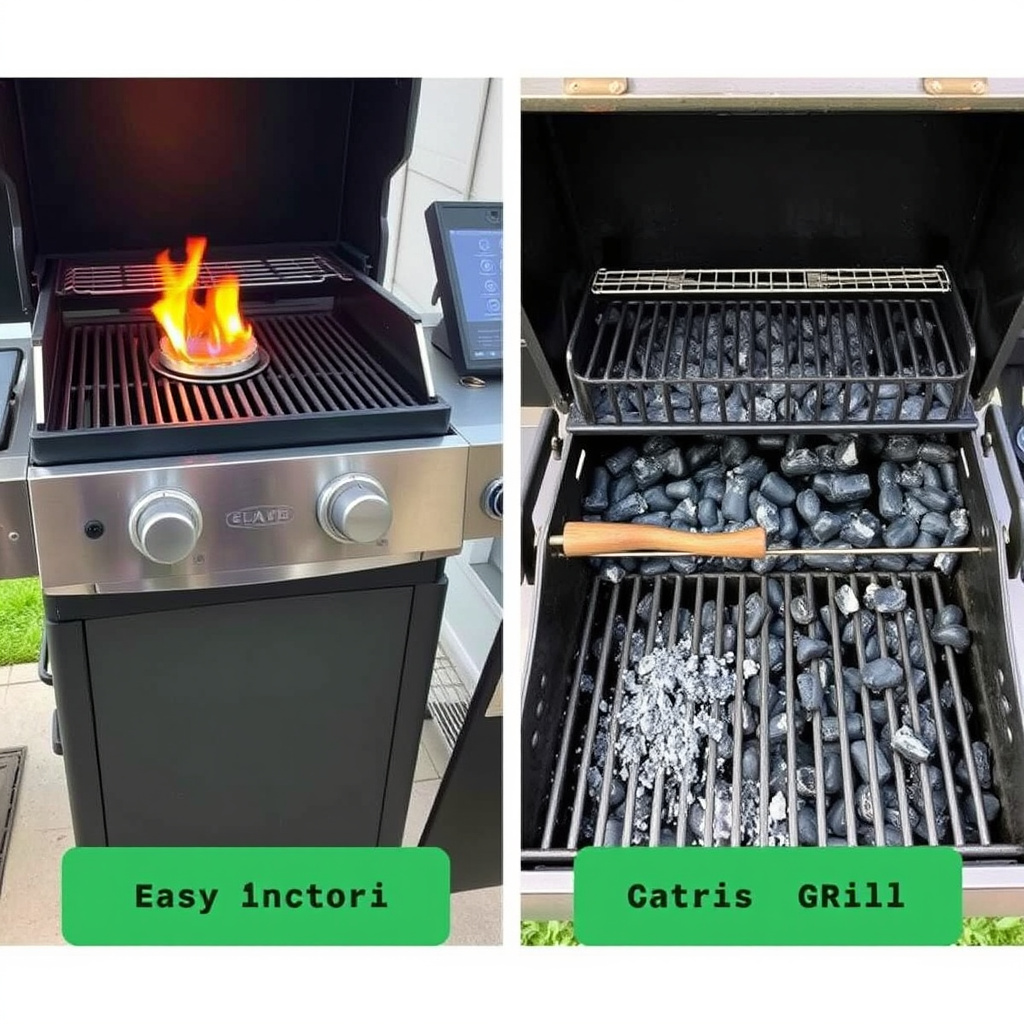
Ease of Use and Clean-Up with Gas Grills
Gas grills ignite instantly at the push of a button or turn of a knob, which makes them convenient for quick cooking sessions. Cleaning is straightforward since there’s no ash residue, only occasional burner and drip tray maintenance.
They also often include features like side burners, storage spaces, and temperature gauges enhancing user convenience.
- Rapid start and stop
- Minimal residue and easy cleanup
- Additional features for versatility
For more on this, see our related guide: Infrared vs Gas Grill: Understanding the Key Differences for Better Outdoor Cooking.
Preparation and Cleaning Effort for Charcoal Grills
Charcoal grills generally require more time to prepare, including lighting the coals and waiting for them to reach cooking temperature. Post-cooking cleanup involves disposing of ashes and occasional scrubbing of grates.
Despite more maintenance, many appreciate the ritualistic aspect of preparing charcoal grills as part of the grilling experience.
- Longer start-up time
- Ash removal needed
- Hands-on grilling process
Cost and Durability Comparison
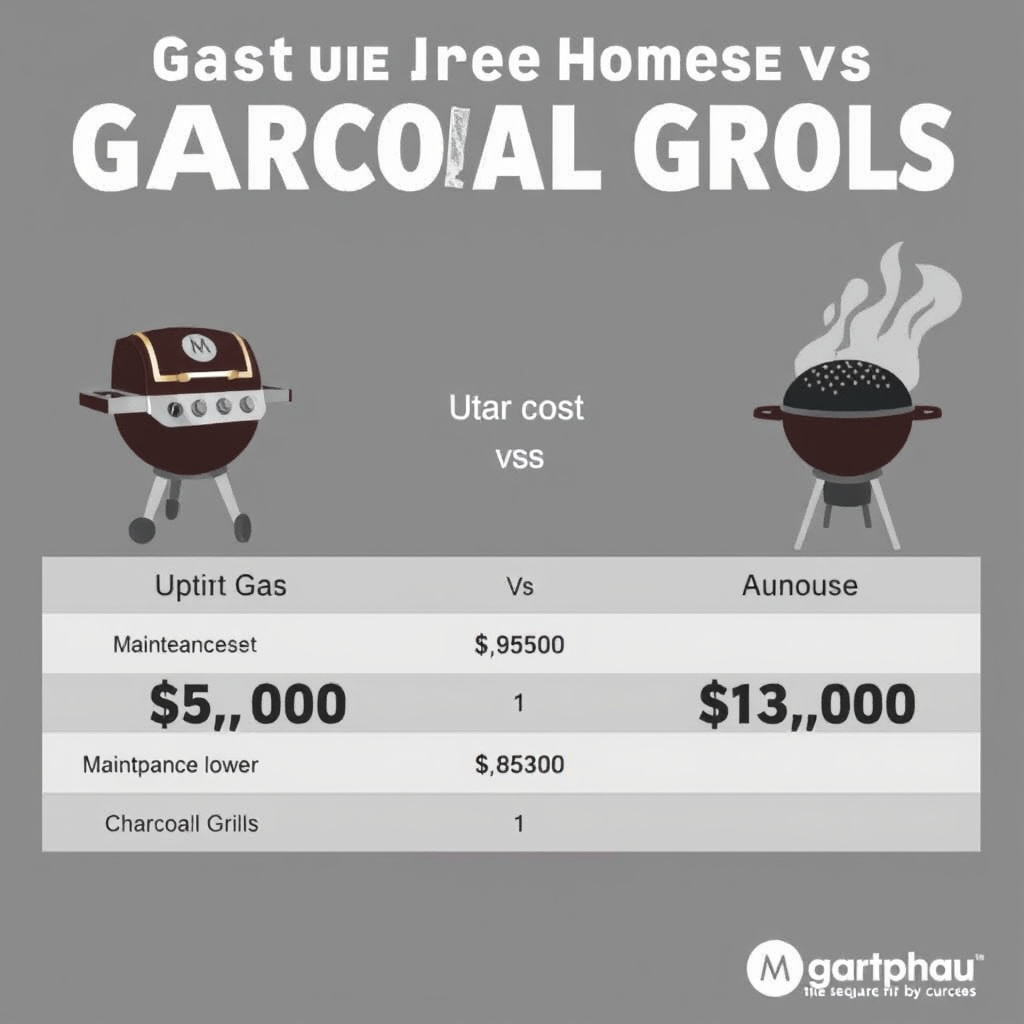
Upfront and Operational Costs of Gas Grills
Gas grills typically have a higher initial purchase price compared to charcoal grills. Additionally, ongoing fuel costs for propane or natural gas add to operational expenses.
However, their durable build quality and longer lifespan in some models can balance the investment over time.
- Higher purchase price
- Fuel costs for propane or natural gas
- Long-lasting components
Charcoal Grill Pricing and Fuel Costs
Charcoal grills usually come at a lower entry cost, but charcoal fuel must be purchased regularly. The price-per-cook session can add up depending on grilling frequency.
Many charcoal grills offer simple designs that are easy to repair or replace parts on, which can be economical.
- Lower initial cost
- Regular charcoal purchase required
- Simple, repairable construction
Portability and Space Considerations
Portability of Gas Grills
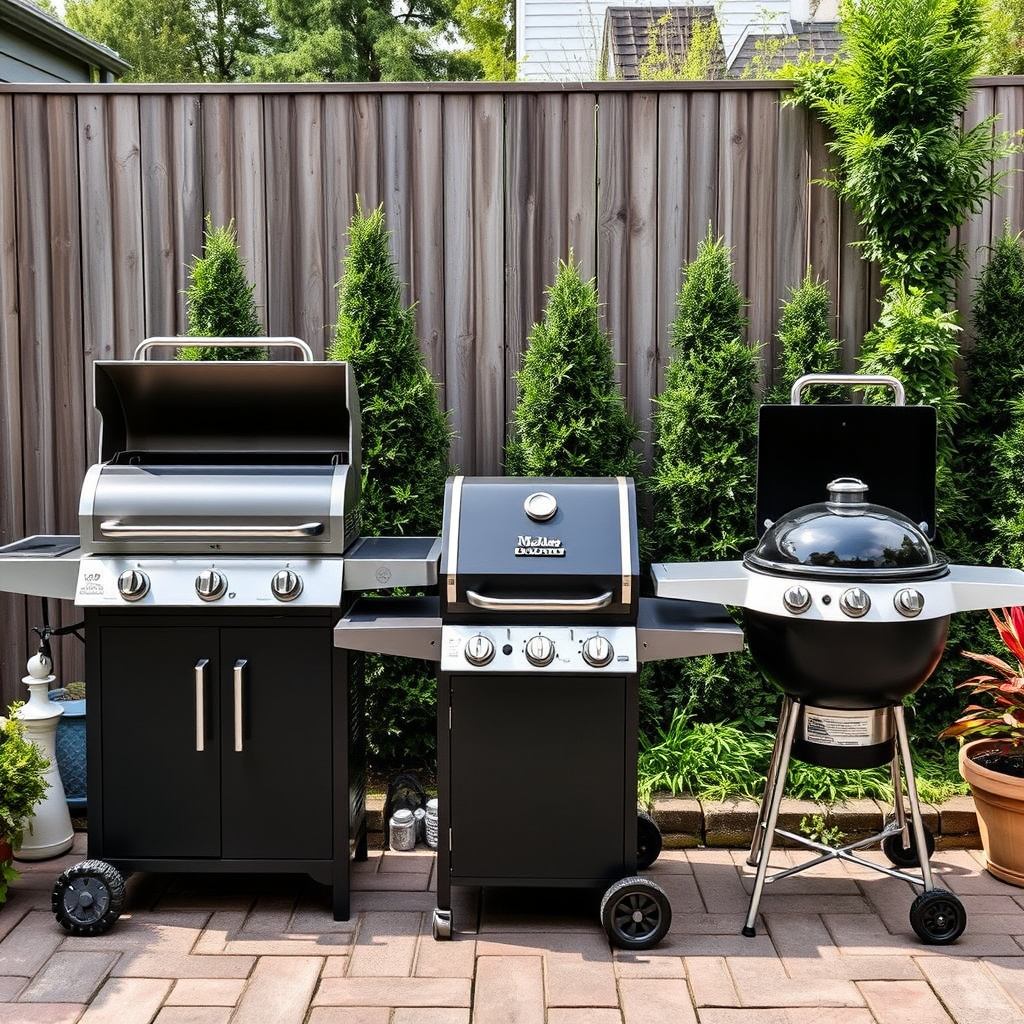
Gas grills are available in compact and cart models, but are generally heavier and bulkier than charcoal grills due to built-in propane tanks and metal construction. This can limit portability particularly for tailgating or camping.
Smaller, portable gas grills are available but with less cooking area and fewer features.
- Generally heavier and less portable
- Some compact models available
- Requires safe handling for propane
For more on this, see our related guide: Understanding the Difference Between a Grill and a Griddle.
Charcoal Grills for Easy Transport
Charcoal grills often come in lightweight, simple designs ideal for transport to picnics, camping, and outdoor events. Their lack of fuel tanks or electronics makes them easier to pack and carry.
They are favored by users who prioritize portability despite longer setup times.
- Lightweight and compact designs
- No fuel tanks to manage
- Preferred for outdoor adventures
Environmental Impact and Safety
Gas Grills and Emission Levels
Gas grills generally produce fewer emissions than charcoal because propane burns cleaner than charcoal, resulting in less particulate matter and potentially lower impact on air quality.
They also reduce risks associated with open flames and excessive smoke, making them safer for close residential areas.
- Cleaner burning fuel
- Lower particulate emissions
- Safer flame control
For more details on charcoal grilling techniques and history, check this Wikipedia guide on charcoal grilling. Wikipedia guide on charcoal grilling.
Environmental Considerations of Charcoal Grilling
Charcoal grilling generates more smoke and carbon emissions due to wood combustion. Additionally, many charcoal briquettes contain additives that can affect air quality.
Safety hazards include sparks and ash disposal, requiring careful handling especially in dry conditions.
- Higher smoke and carbon output
- Additives in some briquettes
- Requires careful fire safety measures
Gas vs Charcoal Grill Category Comparison
The following table summarizes key differences across grill categories to help you quickly assess their features side-by-side.
| Grill Type | Flavor Profile | Heat Control | Convenience | Cost | Portability |
|---|---|---|---|---|---|
| Gas Grill | Mild, cleaner | Precise, adjustable knobs | Instant start, easy cleanup | Higher initial, moderate fuel cost | Moderate, heavier |
| Charcoal Grill | Rich smoky flavor | Manual coal and vent control | Longer start-up, ash cleanup | Lower initial, ongoing charcoal cost | Lightweight, highly portable |
| Hybrid Grills | Variable, depending on fuel | Combined gas and charcoal control | Versatile but complex | Highest price, fuel varies | Varies by model |
| Portable Gas Grills | Mild, clean | Limited controls | Quick start, small cooking area | Moderate | Compact, easy to move |
| Portable Charcoal Grills | Authentic smoky | Manual vent and charcoal control | Setup time, ash removal | Low initial, charcoal cost | Very lightweight, highly portable |
Frequently Asked Questions
Do charcoal grills provide better flavor than gas grills?
Charcoal grills often produce a stronger smoky flavor because of the smoke created by burning wood or briquettes, which many consider more authentic than gas grills that produce less smoke.
Are gas grills safer to use than charcoal grills?
Gas grills offer better flame control and produce less smoke, reducing fire hazards in some situations. However, proper handling of propane tanks is necessary for safety.
Which grill is easier to clean after cooking?
Gas grills typically require less cleanup as they don’t produce ash; cleaning usually involves wiping grates and emptying drip trays, whereas charcoal grills need ash removal and occasional deep cleaning.
Can you use wood chips to add smoke flavor to a gas grill?
Yes, many gas grills have smoker boxes or allow placement of soaked wood chips to create smoky aromas, providing some coal-like flavor although it’s usually milder.
Which grill heats up faster for cooking?
Gas grills heat up almost instantly with the push of a button, allowing you to start cooking within minutes. Charcoal grills require more time to light coals and reach cooking temperature.
What are the maintenance differences between gas and charcoal grills?
Gas grills need occasional burner and gas line checks with easy drip pan cleaning, while charcoal grills require removing ashes and scrubbing grates more thoroughly after use.
Key Takeaways
- Gas grills offer quick heat control and easier cleanup for convenience.
- Charcoal grills provide authentic smoky flavor favored by purists.
- Consider cost, portability, and maintenance when choosing.
- Both grill types excel in different cooking applications.
Conclusion
Selecting between a gas or charcoal grill depends on your grilling style, flavor preference, and how much time you want to spend on setup and cleanup. Gas grills excel in fast heat delivery and precise temperature control, making them convenient for frequent use or quick meals. Charcoal grills emphasize flavor and tradition, rewarding those willing to master their variable heat and ash management with richer smoky tastes. Balancing these factors with your lifestyle and BBQ goals will guide you to the right choice.
For backyard cooks prioritizing convenience and versatility, a mid-range gas grill with multiple burners is a strong option that supports varied cooking techniques and easy cleanup. Enthusiasts who value flavor and enjoy the hands-on grilling process may prefer charcoal grills, especially for weekend grilling sessions or gatherings where smoky aroma enhances the experience. Hybrid grills can offer flexibility, amortizing some of the benefits and downsides of each type but typically at a higher price.
Whichever you choose, investing time in learning your grill’s specific quirks and maintenance needs will improve longevity and cooking results. Start by matching grill features with your space, frequency, and flavor desires. Then, gradually experiment with cooking methods to maximize enjoyment from your best grill for backyard BBQ adventures.



