
A grill and a smoker are both popular outdoor cooking tools, but they serve very different purposes. A grill uses direct, high heat to cook food quickly, often resulting in a crispy exterior, while a smoker cooks food slowly at low temperatures using indirect heat and smoke, enhancing flavor and tenderness.
Knowing the difference matters because your cooking goals will determine which tool you should use. Grilling is ideal for fast meals like burgers or steaks, while smoking is better for tougher cuts of meat that benefit from hours of gentle cooking and smoky flavor infusion.
This article will explore the fundamental differences between grills and smokers, compare their designs and heat methods, discuss fuel options, and guide you through choosing the right device for your outdoor cooking preferences.
How Grills and Smokers Cook Food Differently
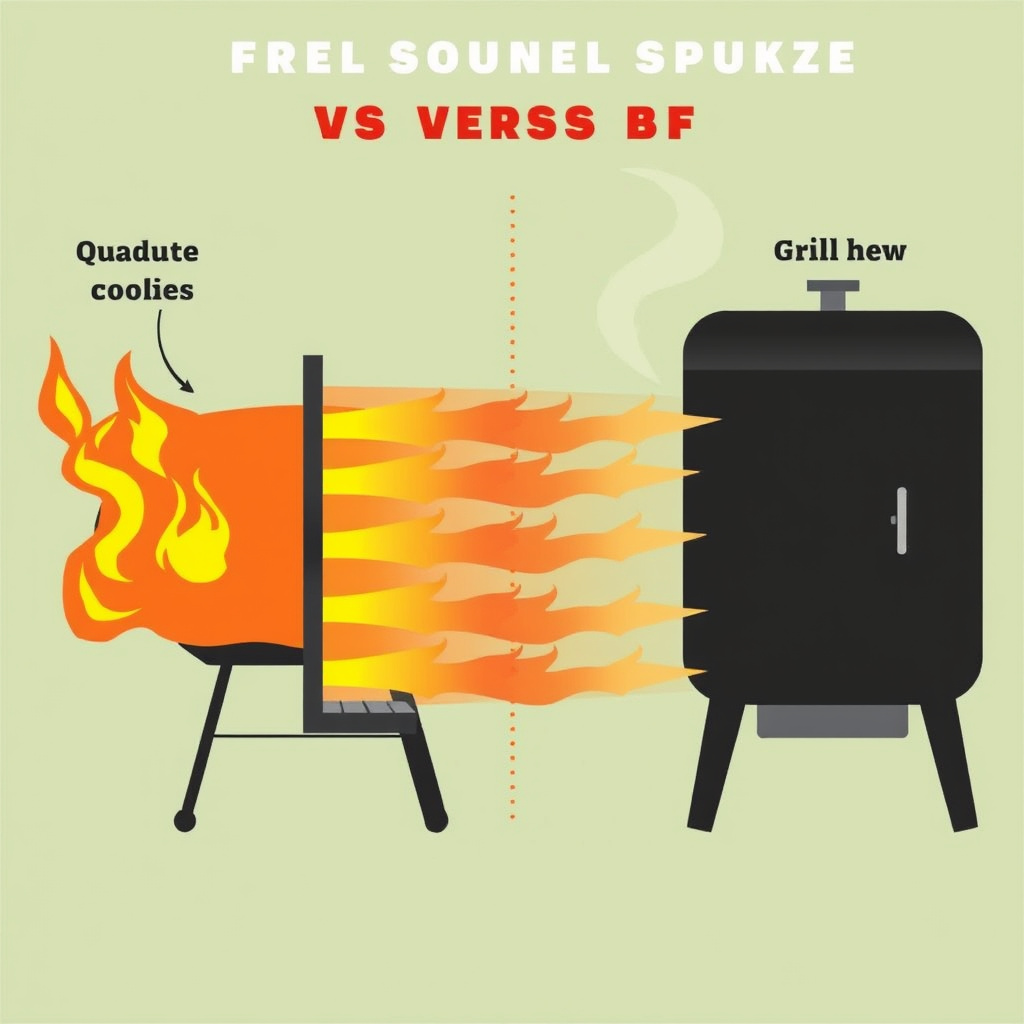
Direct vs Indirect Heat
Grills primarily use direct heat, placing food right above the flames or hot coals. This direct exposure to high temperatures cooks food quickly and creates the characteristic grill marks and a seared exterior. This method is perfect for items that benefit from fast cooking like steaks, burgers, or vegetables.
Smokers use indirect heat, where the burning fuel is separated from the cooking chamber. The heat and smoke circulate slowly around the food at a low temperature, cooking it evenly over several hours. This process breaks down tougher proteins, producing tender, flavorful results with a distinctive smoky aroma.
Temperature Control and Cooking Time
Grilling usually takes place at high temperatures ranging from 350°F to 600°F or more, which limits cooking times to minutes rather than hours. This quick cooking style suits meals where you want a crisp outside and juicy inside in a short period.
Smoking requires maintaining low temperatures between 200°F and 275°F for extended durations, often several hours or overnight. Since the food cooks slowly, you get a deep smoke flavor, tender texture, and moisture retention that grilling typically cannot match.
Design and Structure Differences Between a Grill and a Smoker
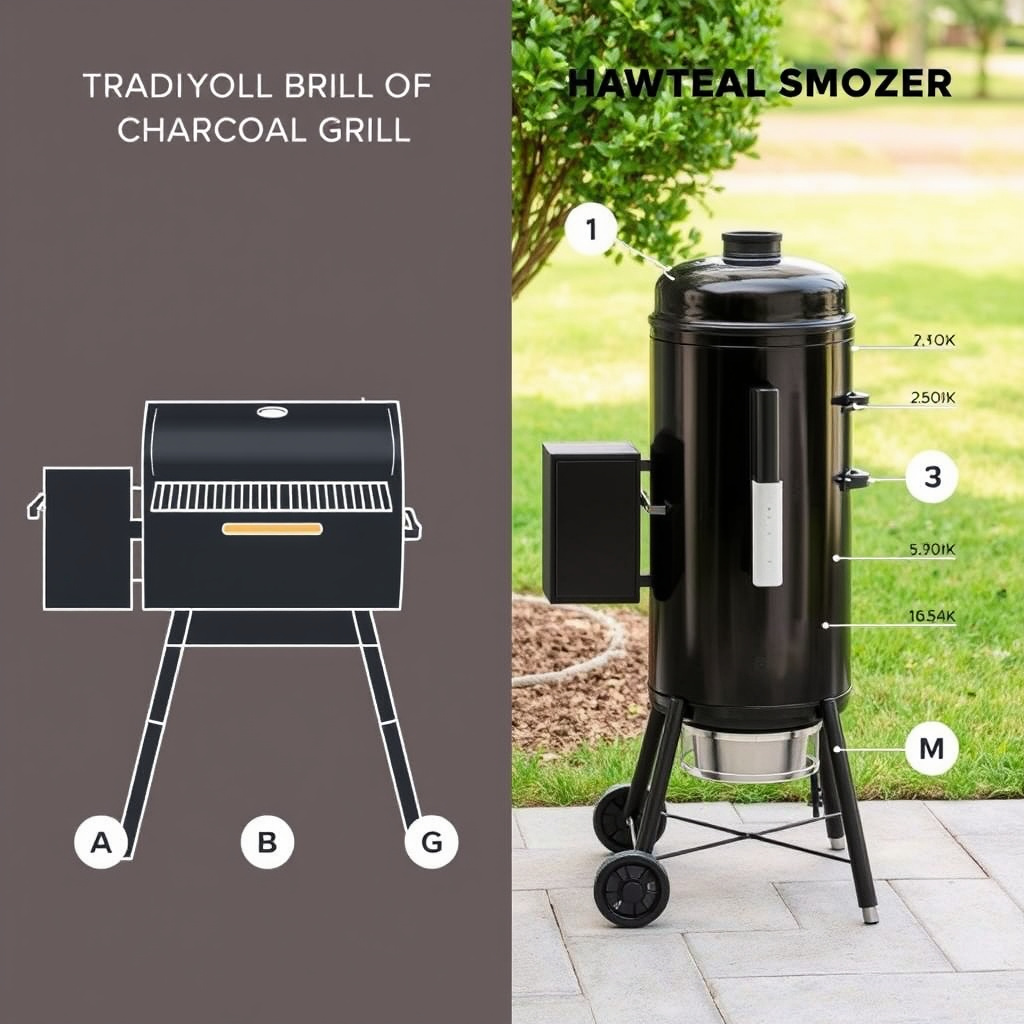
Grill Types and Features
Grills come in various forms such as charcoal, gas, and electric models. Most are designed for direct cooking and have open or hinged lids for quick access and variable heat zones. Portable grills are popular for picnics and tailgating due to their compact size.
Typical grill features include adjustable grates, vents for airflow control, and sometimes side burners or warming racks. These features enhance cooking versatility but revolve around fast, intense heat rather than prolonged cooking.
- Charcoal grills provide smoky flavor but require manual fire tending
- Gas grills offer convenience with quick temperature control
- Portable grills prioritize compactness over multitasking
Smoker Designs and Variations
Smokers come in several designs such as offset smokers, vertical water smokers, pellet smokers, and electric smokers. Each features a firebox or heat source separated from the cooking chamber to ensure indirect heat.
Many smokers include water pans to stabilize temperature and add moisture, helping keep meats juicy over long cooking times. The ability to maintain low, even heat is critical in smoker design to avoid drying out foods or burning surfaces.
- Offset smokers have a side firebox feeding heat and smoke
- Vertical smokers stack cooking racks vertically with water pans
- Pellet smokers use wood pellets and digital controls for steady heat
Fuel and Flavor: How Grills and Smokers Use Wood and Charcoal
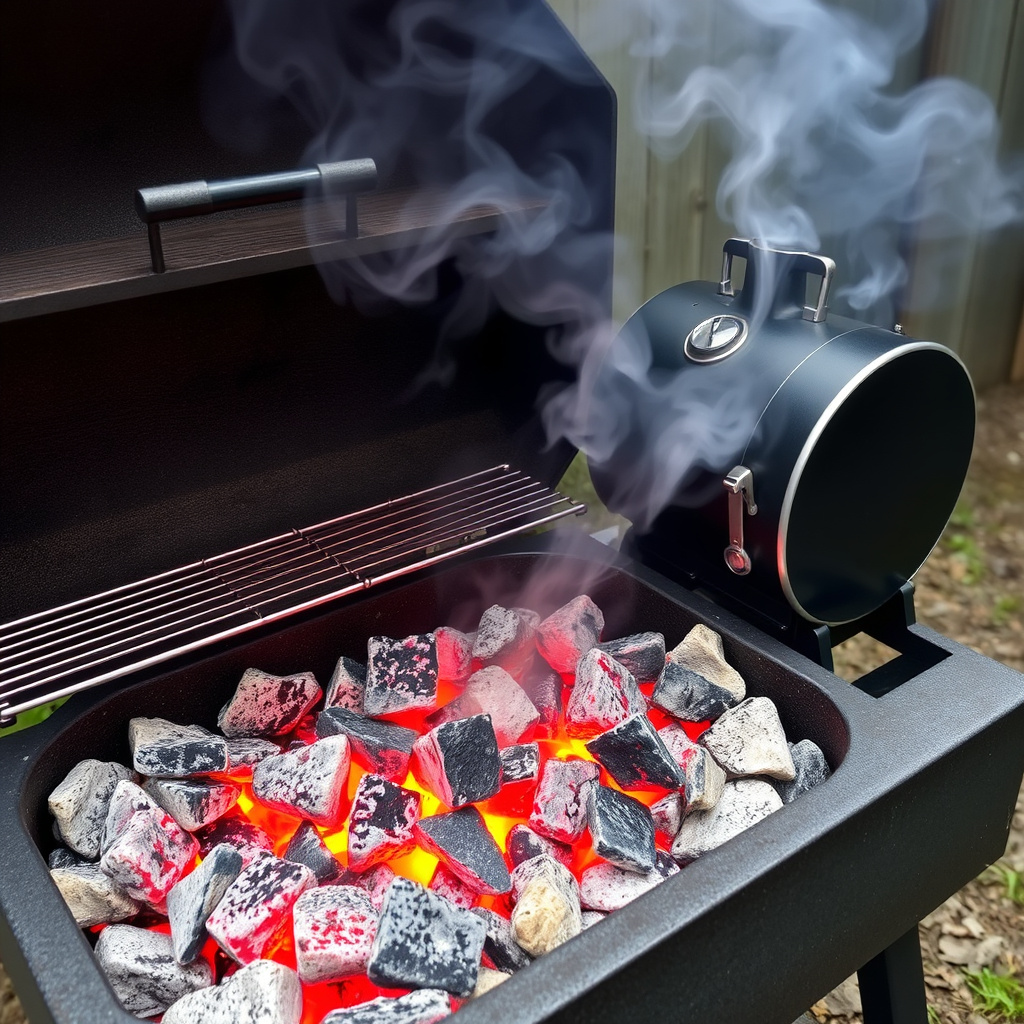
Fuel Sources for Grilling
Grills often use charcoal briquettes, lump charcoal, propane, or natural gas as fuel. Charcoal adds some smoky flavor but typically produces a shorter smoke exposure than a smoker. Gas grills offer clean combustion but lack inherent smoky aromas.
Adding wood chunks or chips to charcoal grills can infuse some smoke flavor, though this method is less controlled and shorter-lasting than true smoking. Overall, grilling fuel prioritizes quick, high heat generation rather than flavor complexity.
- Charcoal for traditional smoky taste
- Propane for quick startup and easy heat control
- Wood chips can add subtle smoke on charcoal grills
For more on this, see our related guide: Gas vs Charcoal Grill: Understanding the Key Differences for Your Backyard Setup.
Fuel Choices for Smoking
Smokers predominantly use wood, charcoal, or wood pellets to generate smoke at low temperatures. Different woods like hickory, mesquite, apple, or cherry impart unique flavors to the food during the slow cooking process.
Pellet smokers automate feeding wood pellets into a firebox, offering precise temperature control and consistent smoke output. Traditional smokers require more hands-on fire management but allow for greater fuel flexibility and flavor experimentation.
- Hardwoods provide distinct smoke flavors
- Charcoal coals help maintain longer heat durations
- Pellet smokers offer convenience with wood flavor
Choosing Between a Grill and a Smoker for Your Outdoor Cooking
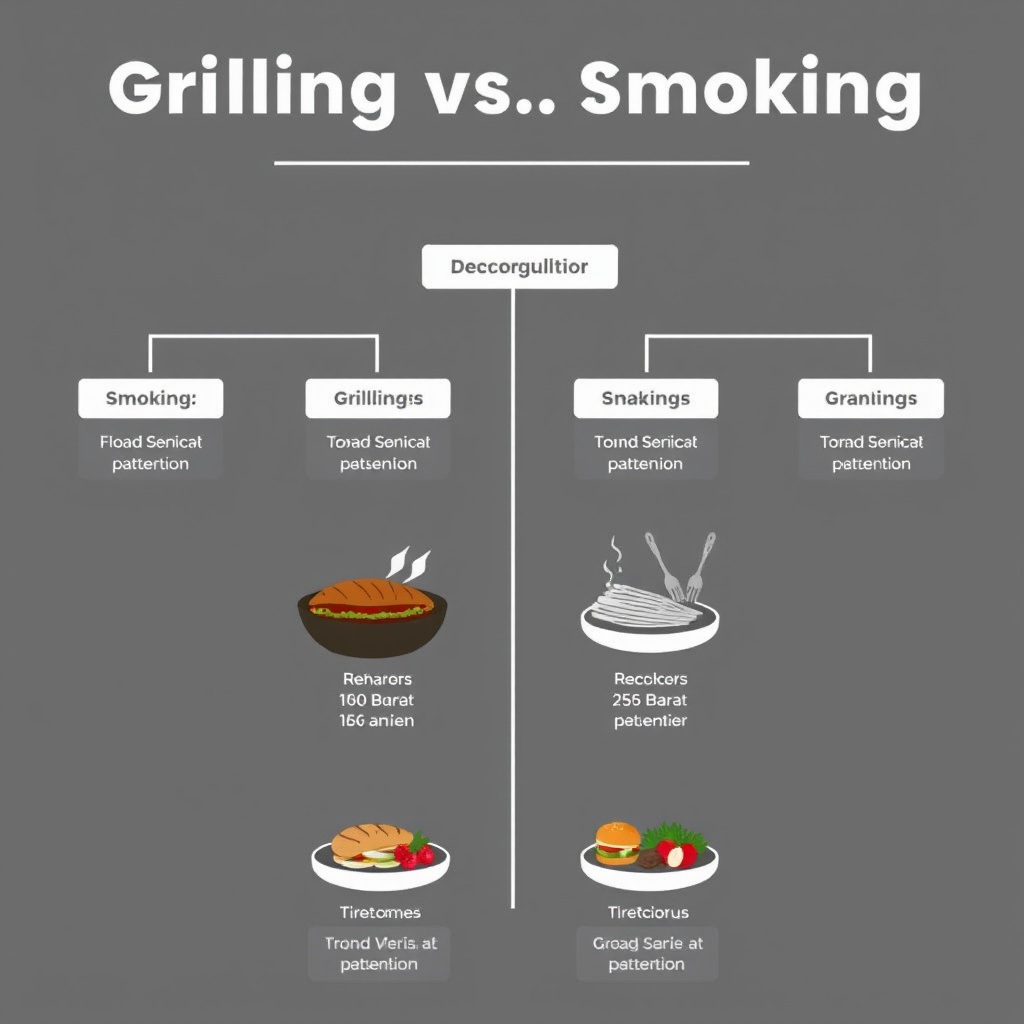
When to Use a Grill
Grills excel when you want quick meals, seared surfaces, and versatility for a variety of foods including meats, vegetables, and seafood. They are perfect for casual gatherings where food preparation time is limited and high heat is beneficial.
If you enjoy cooking steaks, burgers, kebabs, or quick-cooking vegetables, a grill will suit your needs. The ability to control heat zones helps achieve different doneness levels simultaneously.
When Smoking is the Better Choice
Smoking is the preferred method for tougher cuts like brisket, ribs, or pork shoulder, which require hours of slow heat to break down connective tissue and develop rich flavor. It’s ideal when you have time to dedicate to low-and-slow cooking and want deep smoke infusion.
If you plan to experiment with flavors using different woods or want highly tender results from inexpensive cuts, investing in a smoker will significantly enhance your barbecue skills and food quality.
Maintenance and Safety Differences Between Grills and Smokers
Cleaning and Upkeep of Grills
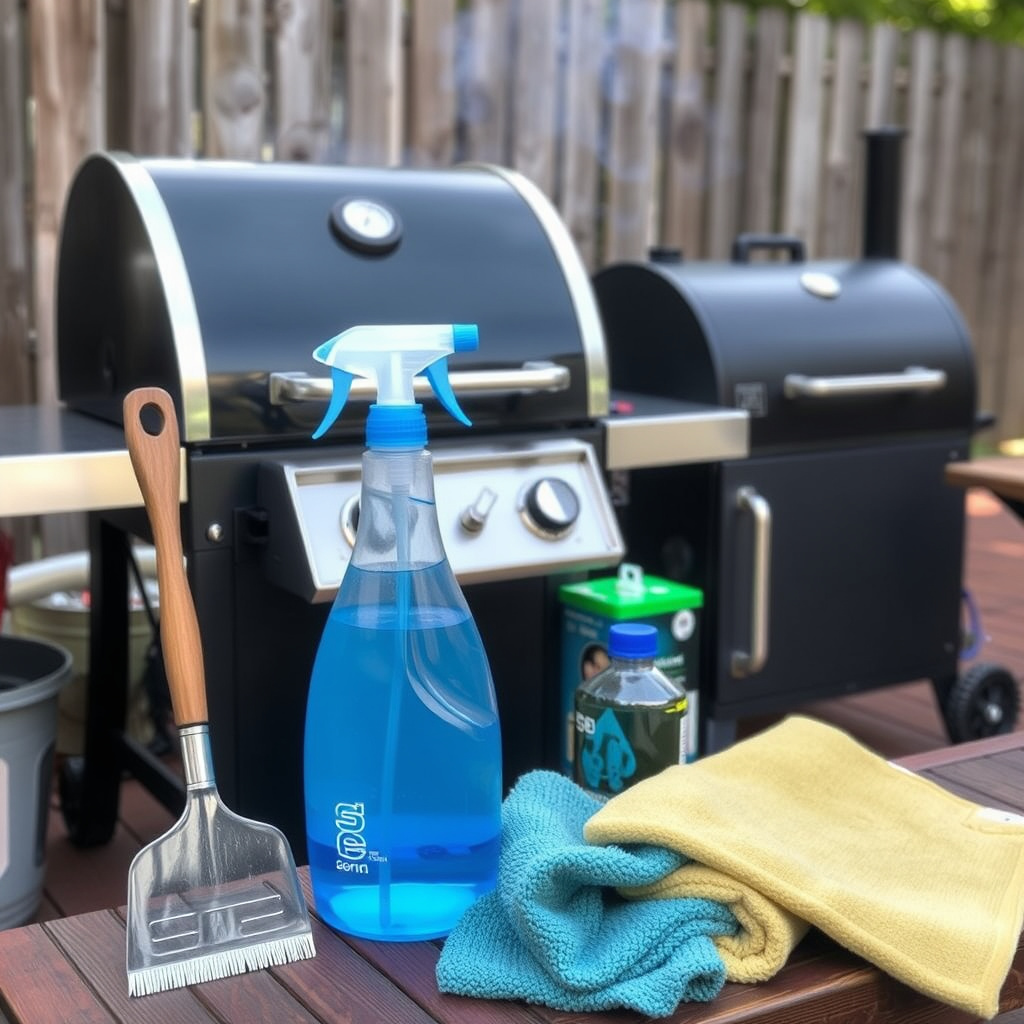
Grills usually require routine cleaning of the grates after each use and occasional ash removal for charcoal models. Gas grills involve checks of burners and propane connections for safety. Properly maintained grills last many years and provide consistent cooking performance.
Grease buildup on grills can cause flare-ups, so regular scrubbing and drip tray cleaning are important. Storing grills under cover helps prevent rust and protects equipment from elements.
For more on this, see our related guide: What Is a Smoker Grill and How to Use One for Perfect BBQ.
Maintaining Smokers
Smokers need regular cleaning of cooking racks and fireboxes to remove creosote and ash residues that could affect flavor or airflow. Water pans require emptying and cleaning to avoid mold or buildup.
Temperature gauges and seals should be inspected often to ensure accurate heat control. Proper off-season storage and covering are essential to prevent rust, especially for offset and charcoal smokers.
Popular Grill and Smoker Models to Consider
Recommended Grills
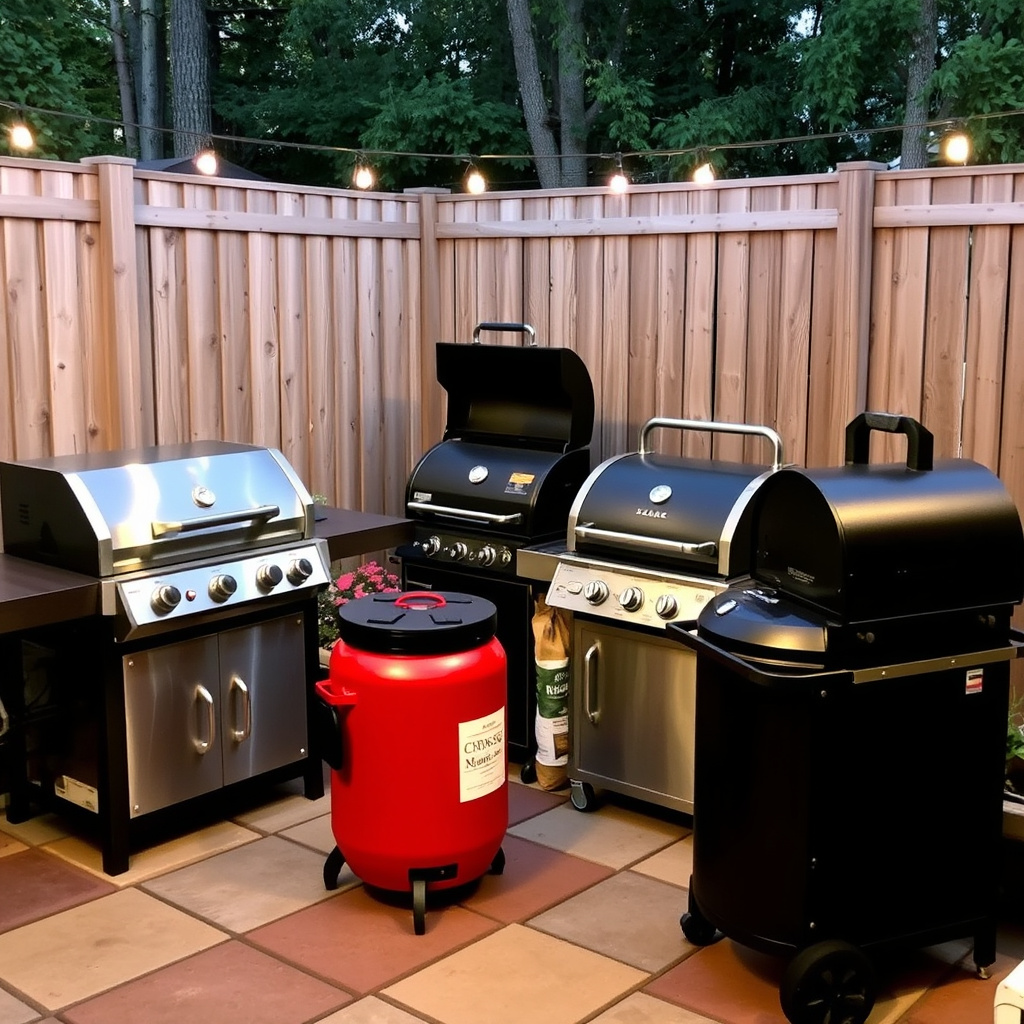
The Weber Original Kettle is a classic charcoal grill praised for its simplicity and consistent heat retention. For gas users, the Napoleon Rogue series offers versatility and durable construction with multiple burners and side shelves.
Portable grills like the Coleman RoadTrip are great for camping with compact design and adjustable heat zones. These models balance affordability and features for casual grillers.
- Weber Original Kettle charcoal grill
- Napoleon Rogue 425 gas grill
- Coleman RoadTrip portable grill
For more detailed information on how grilling and smoking differ, you can visit the Grilling and smoking techniques on Wikipedia. Grilling and smoking techniques on Wikipedia.
Recommended Smokers
For beginners interested in smoking, the Masterbuilt Electric Smoker provides user-friendly controls and reliable temperature stability. The Traeger Pro Series uses wood pellets and digital controls to combine convenience with authentic smoke flavor.
Traditionalists often prefer the Oklahoma Joe's offset smoker, which allows hands-on fire management and ample cooking space for large cuts or parties.
- Masterbuilt Electric Smoker
- Traeger Pro Series pellet smoker
- Oklahoma Joe's offset smoker
Grill vs Smoker Category Comparison
This table compares key aspects of grills and smokers to highlight their differences in cooking style, fuel, temperature, and typical use.
| Category | Grill | Smoker |
|---|---|---|
| Heat Source | Direct heat over coals or gas flame | Indirect heat with smoke from wood/charcoal |
| Cooking Temperature | 350°F to 600°F (high heat) | 200°F to 275°F (low heat) |
| Cooking Time | Minutes to an hour | Several hours to overnight |
| Flavor Profile | Seared, crispy exterior with some smoke | Deep smoke flavor, tender texture |
| Fuel Options | Charcoal, gas, electric, wood chips | Wood logs, charcoal, pellets |
| Typical Foods | Steaks, burgers, vegetables | Brisket, ribs, pork shoulder |
Frequently Asked Questions
Can I use a grill as a smoker?
Yes, with some modifications like adding wood chips and controlling the heat source to maintain low temperatures, you can smoke on a grill, but this usually requires more attention and won’t be as consistent as a dedicated smoker.
Do smokers take longer to cook than grills?
Absolutely. Smokers cook food slowly over several hours at low temperatures, which is much longer than the few minutes or an hour usually needed for grilling.
Is smoke flavor stronger on a smoker than a grill?
Yes, smokers provide prolonged smoke exposure that penetrates the food deeply, resulting in a much more pronounced smoky flavor compared to the brief smoke from a grill.
What type of wood is best for smoking?
Hardwoods like hickory, mesquite, apple, and cherry are popular for smoking because they produce flavorful and aromatic smoke that enhances meat taste.
Are electric smokers good for beginners?
Electric smokers are great for beginners due to their ease of temperature control and less hands-on fire management, making them ideal as a first smoker choice.
Key Takeaways
- Grills use high direct heat for fast cooking; smokers use low indirect heat with smoke for slow cooking.
- Smokers produce tender food with deep smoke flavor, ideal for tough cuts.
- Grills offer versatility and quick meals but less smoke flavor.
- Choosing between grill and smoker depends on your cooking style and time availability.
Conclusion
Selecting between a grill and a smoker boils down to how you prefer to cook and what flavors you want to achieve. The main keyword highlights that grills focus on rapid, direct heat cooking suitable for quick meals, while smokers dedicate time to infusing foods with rich smoky flavors through slow indirect heat. Your decision should balance convenience, flavor expectations, and the type of foods you enjoy preparing.
If you aim to quickly cook a variety of foods with a crispy exterior, a grill is the practical choice, especially models like the Weber Original Kettle or gas grills from Napoleon. On the other hand, if your goal is to master the slow cooking process with deep smoke flavor, investing in a smoker like the Masterbuilt Electric or a pellet smoker such as the Traeger Pro Series would enhance your barbecue experience. These options also cater well to the best smoker for beginners seeking manageable setups.
Ultimately, starting with a grill could fit the needs of most casual outdoor cooks, and then expanding into smoking could broaden your culinary horizons. Experimenting with different fuels and cooking methods can be rewarding, so consider your priorities and space before making a purchase. Whatever you choose, both devices bring enjoyable opportunities to cook and savor delicious meals outdoors.



