
Infrared and gas grills offer distinct cooking experiences by using different heating technologies. Infrared grills utilize radiant heat produced by ceramic or metal plates to instantly sear food at very high temperatures, while gas grills use direct flame heat from propane or natural gas burners to cook food evenly with more traditional barbecue methods. Knowing the difference can help you pick a grill that matches your cooking style and desired food flavor.
Understanding how each grill works matters because it impacts cooking speed, heat distribution, maintenance, and the flavors produced. Infrared grills tend to produce intense direct heat ideal for searing steaks and locking in juices fast, while gas grills provide versatility for indirect cooking, grilling various foods, and better temperature control for slow-cooking or smoking techniques.
This article covers how infrared and gas grills operate, their pros and cons, design features, performance in different cooking scenarios, maintenance needs, and which types of outdoor cooks will benefit most from each option.
How Infrared and Gas Grills Work
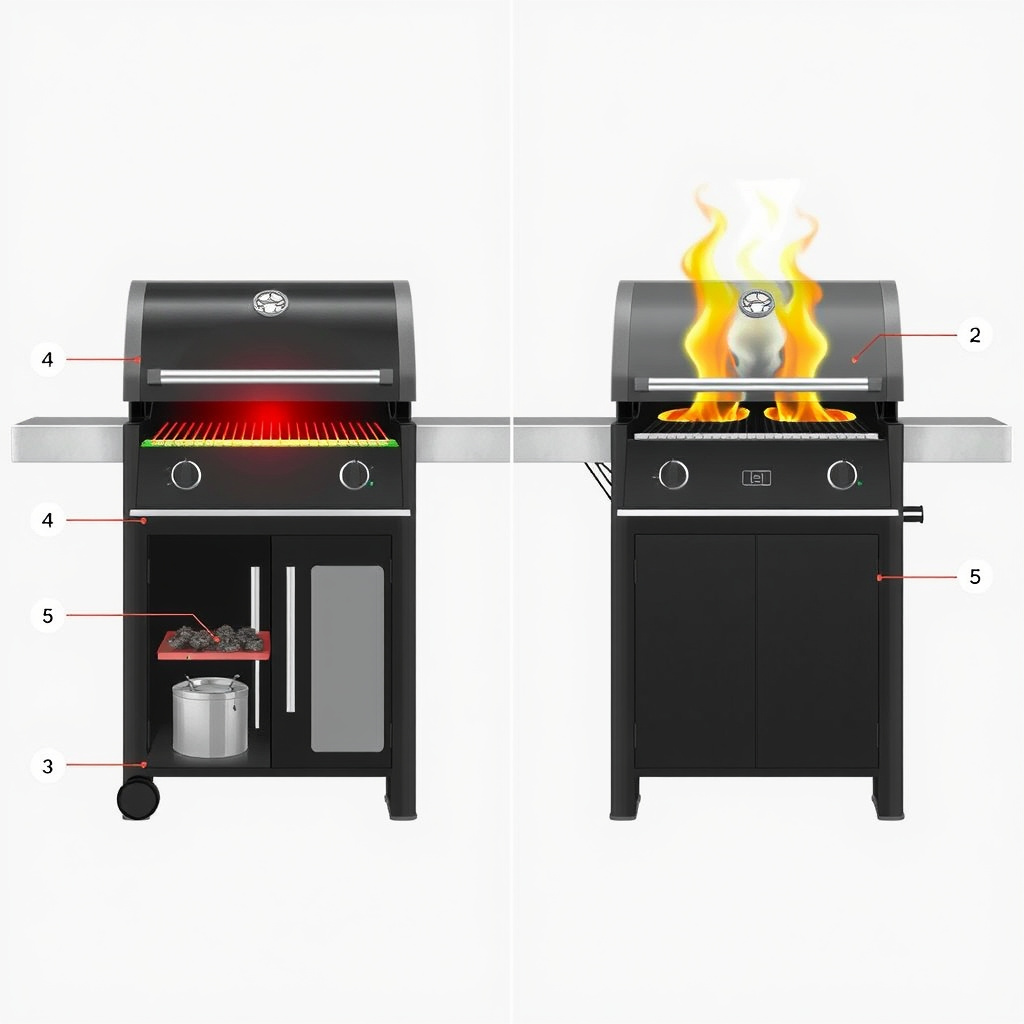
Infrared Grill Heating Technology
Infrared grills use a heating element that emits infrared radiation, warming a ceramic or metal plate which then radiates heat to the food. This method produces intense, even heat quickly, allowing temperatures often exceeding 700°F. Since heat is radiated directly at the food rather than heating the air inside the grill, cooking is extremely efficient with minimal flare-ups.
The radiant plate acts as a heat shield protecting food from direct flame contact, reducing charring and offering a juicier end product. Infrared technology excels at rapid searing, making it ideal for grilling steaks or burgers that benefit from a crisp outer crust.
Gas Grill Heating Method
Gas grills function by burning propane or natural gas through one or more burners that create a flame directly beneath the cooking grates. Heat is transferred primarily through convection to the cooking space and conduction from the grates to the food. Temperatures generally max out around 500-600°F depending on the model.
This direct flame approach provides greater versatility for both direct and indirect grilling, allowing gradual cooking or smoking in addition to high-heat searings. Gas grills typically feature multiple burners with adjustable heat zones for greater control.
Performance Differences in Cooking
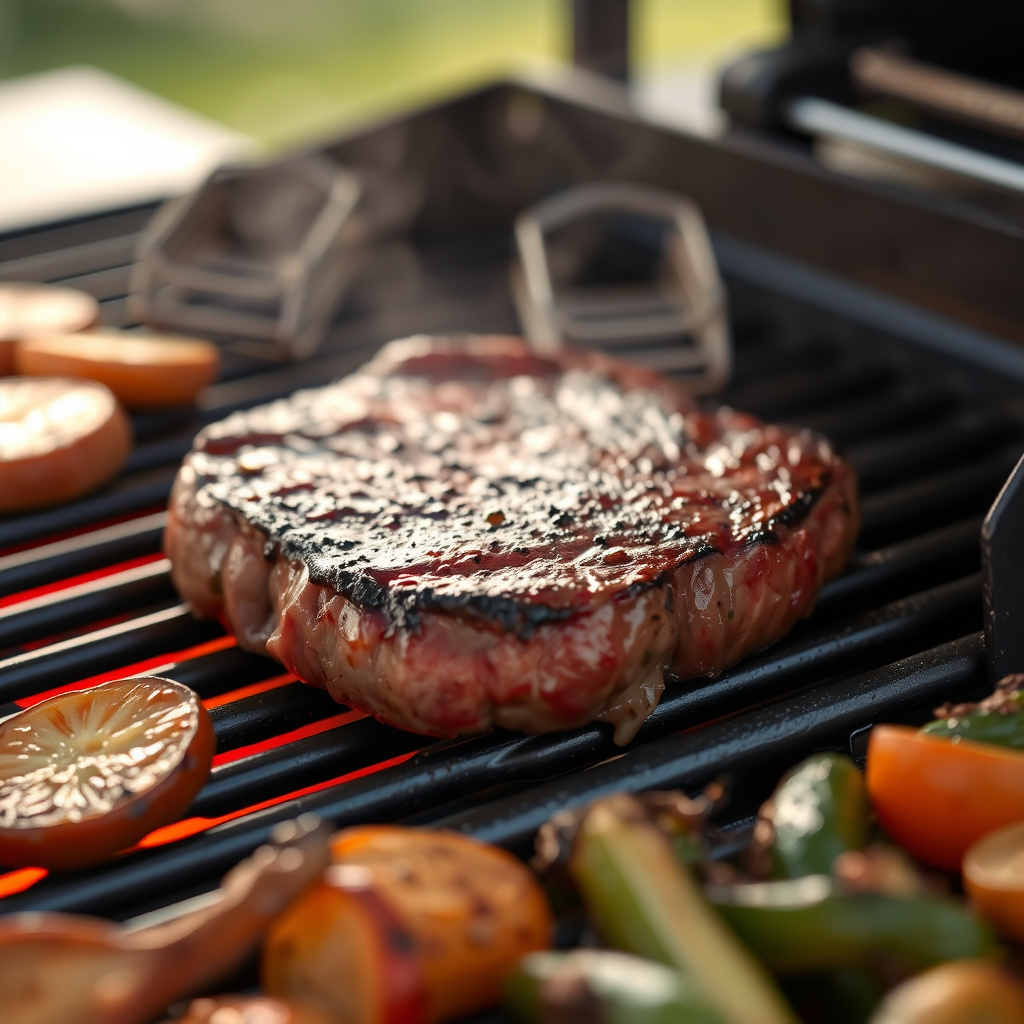
Infrared Grill Cooking Results
Infrared grills shine when it comes to searing meat, achieved by their ability to instantly reach high temperatures above 700°F with minimal temperature fluctuations. This reduces cooking time and seals in juices to keep steaks and chops tender and flavorful.
However, infrared grill heat tends to be very intense and localized, making slow cooking or low-temp smoking more challenging without specialized features.
- Intense heat for crust formation
- Minimal flare-ups
- Faster cooking times
Gas Grill Cooking Flexibility
Gas grills are favored for their adaptability: they can maintain a range of temperatures suitable for slow cooking and indirect grilling as well as higher-heat searing when burners are turned up.
While gas grills don’t typically reach the scorching temperatures infrared models do, they can grill a wide variety of foods with good heat distribution, which is especially helpful for vegetables, fish, and multi-zone cooking.
- Versatile temperature control
- Indirect cooking capability
- Suitable for diverse foods
Ease of Use and Maintenance
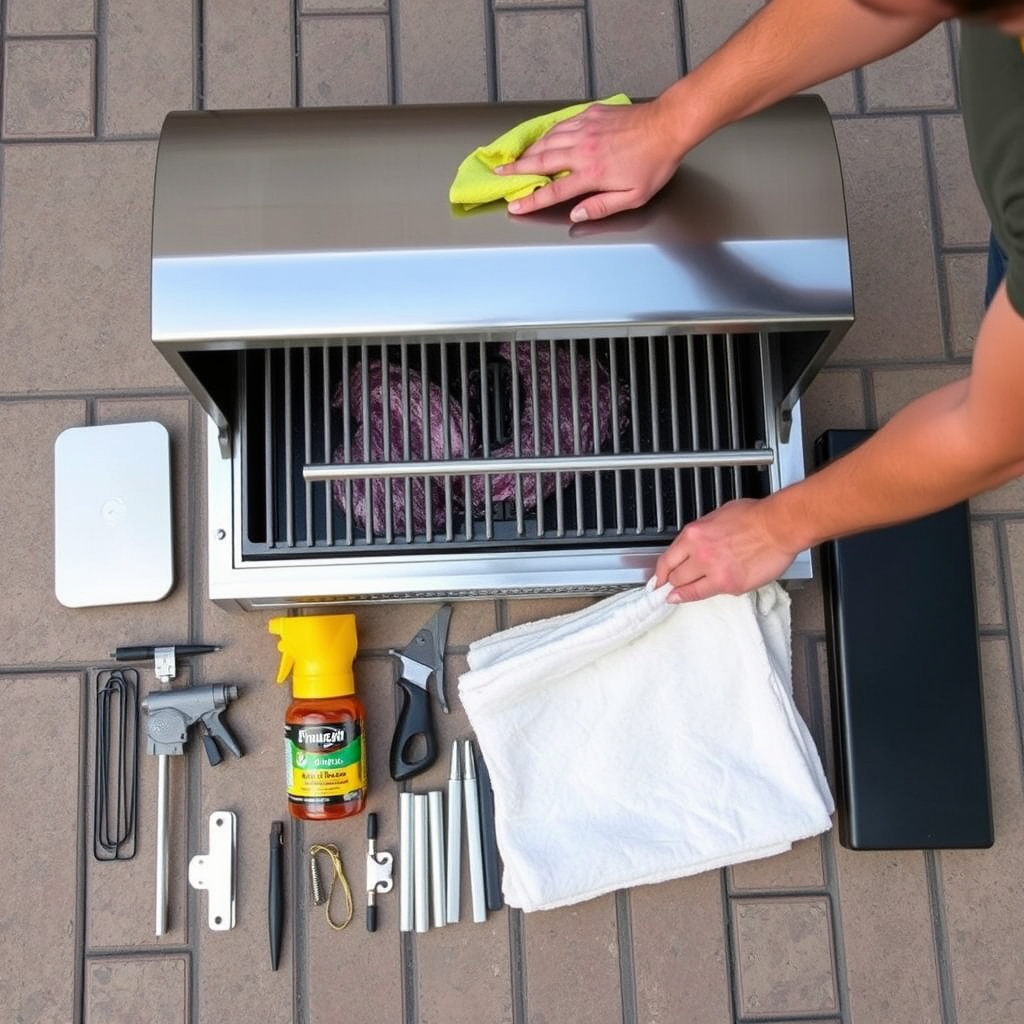
Cleaning and Upkeep of Infrared Grills
Infrared grills require careful maintenance of the radiant plates to prevent clogging of pores and maintain performance. The plates often need periodic cleaning and can be more delicate than standard grill parts.
Because heat is concentrated, food drippings rarely cause flare-ups, reducing cleaning frequency of the burners and interior surfaces.
- Regular radiant plate cleaning
- Durability varies by model
For more on this, see our related guide: What Is a Searing Burner on a Grill? Understanding Its Purpose and Benefits.
Gas Grill Maintenance
Gas grills usually have simpler, more traditional components that are easier to clean, such as removable grates and heat shields. Burner tubes need regular checking for blockages from grease or insects.
Grease catch pans and drip trays require frequent emptying to prevent fires, and burners should be inspected periodically for rust or corrosion.
- Easy grate removal
- Regular burner inspection
- Frequent grease cleanup
Flavor and Heat Control Differences
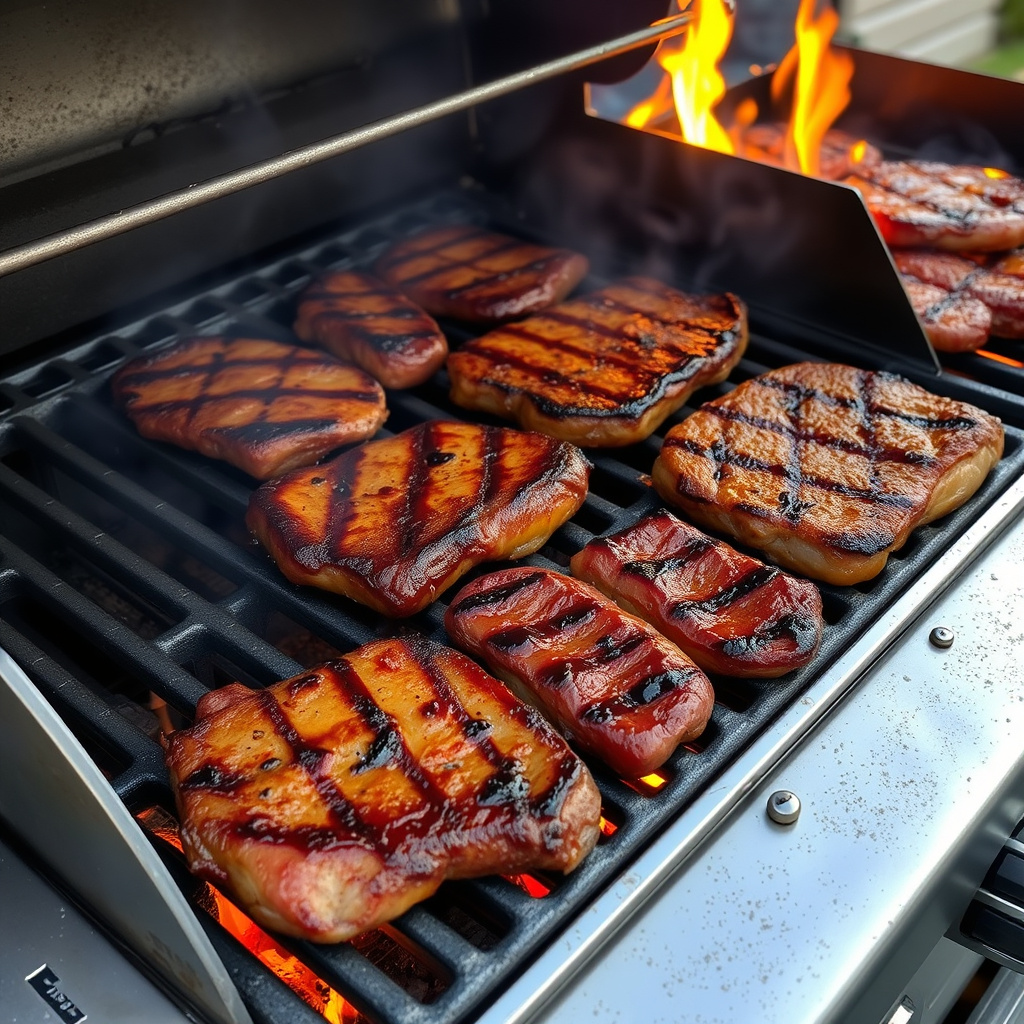
Flavor Profile from Infrared Grilling
Infrared grills produce a distinctive sear with rich caramelization due to rapid Maillard reactions from intense heat. However, they tend to have less smoky flavor because food is protected from direct flames and there is minimal combustion smoke contact.
The moisture retention is higher, enhancing juicy textures but resulting in a cleaner, less smoky taste compared to traditional gas grilling.
Gas Grill Flavor and Temperature Control
Gas grills offer the classic grilled flavor with subtle smoke infusion from gas combustion and any added wood chips or charcoal accessories. Flame flare-ups add a slightly charred, smoky character to meats.
Most gas grills have adjustable burners providing fine heat control, making it easier to maintain steady temperatures for slow cooking or multi-zone grilling.
- Adjustable heat zones
- Supports smoke flavor
- Common in backyard grilling
Cost and Value Considerations

Infrared Grill Pricing and Longevity
Infrared grills typically command a higher price due to their specialized radiant plates and advanced technology. Replacement parts like the ceramic or metal panels can be pricey and might require occasional replacement.
While performance justifies the higher cost for serious grillers valuing sear quality, casual users may find infrared models more investment than needed.
For more on this, see our related guide: What Is a Flat Top Grill? Understanding Its Uses and Benefits.
Gas Grill Affordability and Availability
Gas grills are widely available at a broad range of price points, from budget to premium models, offering options for many budgets. Parts and accessories are generally affordable and easy to find.
Their established popularity ensures extensive support infrastructure, making repairs and upgrades straightforward.
Which Grill Suits Your Outdoor Cooking Style?

Ideal Users for Infrared Grills
Infrared grills are best suited for experienced outdoor cooks who prioritize fast, high-heat searing for steakhouse-style results. They appeal to those who enjoy intense crust formation and juicy interiors on red meats and burgers.
They also work well in smaller outdoor spaces due to efficient heat usage and quick preheating.
- Steak lovers
- Quick cooks
- Small patio users
To learn more about different grilling methods and their history, visit Grilling on Wikipedia. Grilling on Wikipedia.
Who Should Choose a Gas Grill
Gas grills provide excellent flexibility, making them great for families and casual entertainers who want to grill diverse foods with varying temperatures and indirect cooking options.
Their ease of use and affordability makes them perfect for backyard beginners or those who prefer traditional grilling flavor and slow roast capabilities.
- Family-friendly
- Versatile cooking
- Budget conscious
Infrared vs Gas Grill Feature Comparison
Here's a side-by-side comparison of infrared and gas grills across key features to help identify which fits your cooking preferences best.
| Feature | Infrared Grill | Gas Grill |
|---|---|---|
| Heat Source | Infrared radiant plates | Gas burners with direct flame |
| Maximum Temperature | Up to 700°F+ | Typically 500-600°F |
| Cooking Style | Fast searing, high heat | Versatile: direct & indirect cooking |
| Flavor Profile | Intense sear, less smoky | Classic grilled, smoky flavor |
| Preheat Time | Typically under 5 minutes | Around 10-15 minutes |
| Maintenance | Radiant plate cleaning needed | Burner and grease tray cleaning |
| Price Range | Mid to high | Low to high |
Frequently Asked Questions
Can I use wood chips for smoking on infrared grills?
Most infrared grills don’t accommodate wood chips well since the radiant plate shields food from direct smoke exposure, limiting smoky flavor infusion.
Which grill heats up faster, infrared or gas?
Infrared grills heat up faster, often reaching high temperatures in under five minutes compared to 10-15 minutes for typical gas grills.
Are infrared grills harder to maintain than gas grills?
Infrared grills need special care for radiant plates to keep pores clear, while gas grills require regular cleaning of burners and grease management; difficulty varies by model.
Is the flavor from infrared grilling different than gas grilling?
Yes, infrared grilling produces a cleaner sear with less smoke flavor, whereas gas grills provide traditional smoky notes and charring from direct flames.
Can I cook vegetables effectively on infrared grills?
Infrared grills can cook vegetables but may require careful attention since intense, direct heat can char delicate items quickly.
Key Takeaways
- Infrared grills use radiant heat for fast, intense searing at very high temperatures.
- Gas grills offer versatile temperature control ideal for a variety of cooking styles.
- Infrared grills deliver juicier meats with less smoky flavor compared to gas grills.
- Maintenance and price vary, with gas grills typically easier to maintain and available across wider budgets.
Conclusion
Understanding the difference between infrared and gas grills helps in selecting the right grill based on your cooking priorities and outdoor lifestyle. Infrared grills focus on powerful radiant heat for quick searing and juicy interior textures, while gas grills provide adaptable cooking zones suitable for diverse foods and gradual cooking methods. Evaluating your preferred grilling style and desired flavor will guide your choice effectively.
For those who enjoy steakhouse-quality sears and want to minimize cooking time, infrared grilling presents a compelling option with its rapid high-heat output and moisture retention capabilities. Conversely, if you want a grill that can handle everything from burgers and vegetables to slow-roasted ribs with smoky overtones, a gas grill offers broader functionality and ease of use, making it a family-friendly go-to choice.
If you're ready to buy, consider trying out both types if possible or reading detailed reviews to assess build quality and features that suit your backyard space and budget. Whether selecting an infrared or gas grill, investing in one that matches your cooking style will enhance your outdoor gatherings year-round.



