
The difference between propane and natural gas grills comes down to fuel source, convenience, cost, and performance. Propane grills use liquid propane stored in portable tanks, while natural gas grills connect directly to a home's natural gas line. Propane offers portability and higher heat output, whereas natural gas provides a steady, unlimited fuel supply without tank refills.
Choosing between these two fuel types impacts grilling experience, installation options, and long-term expenses. Propane grills are favored for their mobility, making them great for patio, camping, or tailgating setups. Natural gas grills are preferred by homeowners seeking a permanent, hassle-free grilling station with lower cost per usage.
This article will cover fuel characteristics, cost implications, installation considerations, performance comparisons, safety aspects, environmental impact, and some recommended grill types to help you decide which gas grill suits your needs best.
Fuel Characteristics of Propane and Natural Gas Grills
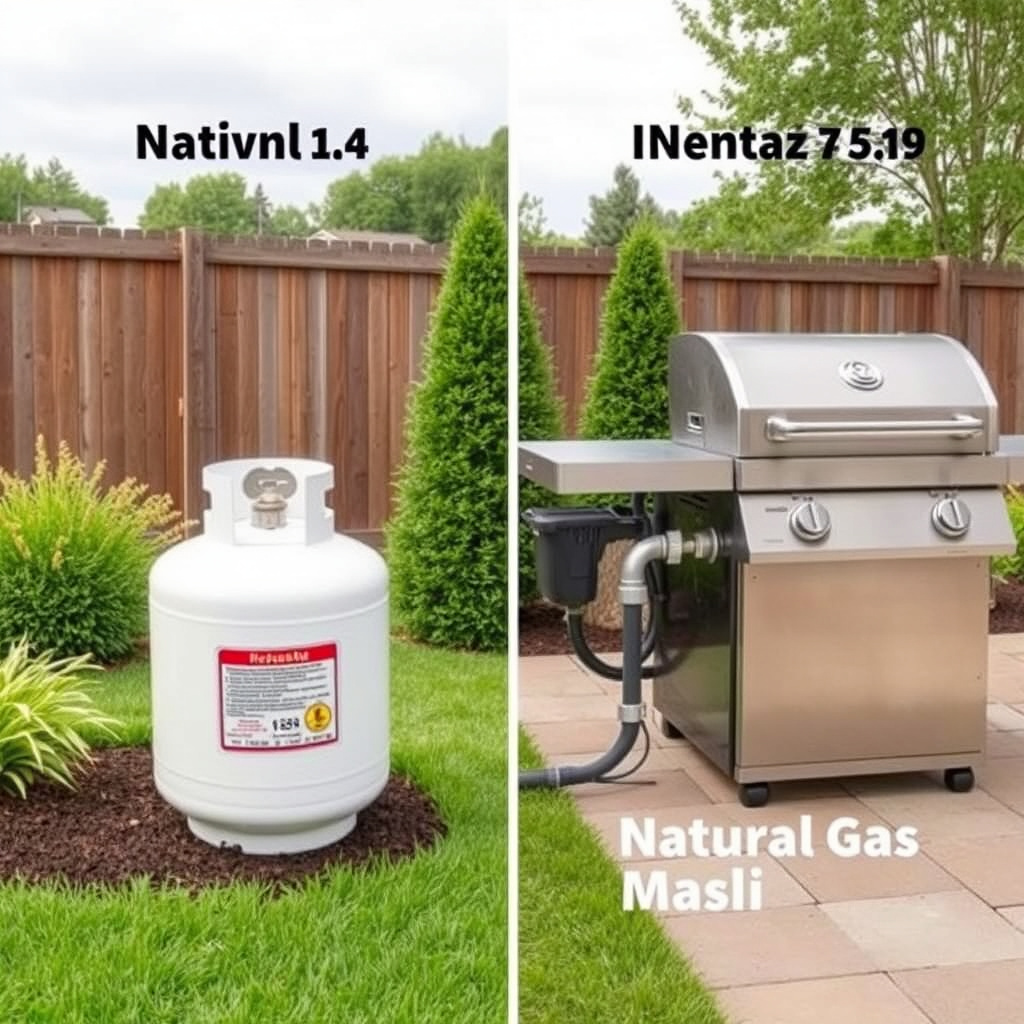
Understanding Propane as a Grill Fuel
Propane is stored as a liquid under pressure in portable tanks that can be exchanged or refilled. It vaporizes into gas when released to fuel the grill burners. This makes propane very flexible to use anywhere without needing a fixed connection.
Propane burns hotter than natural gas, which means quicker searing and higher maximum cooking temperatures. The energy content of propane is about 2,500 British Thermal Units (BTUs) per cubic foot, providing efficient, intense heat for grilling.
- Stored in 20-pound portable tanks
- Requires tank refills or exchanges
- Higher BTU output per cubic foot
Characteristics of Natural Gas as Grill Fuel
Natural gas grills connect directly to a home’s natural gas supply line, providing an endless fuel source without changing tanks. This fixed connection requires professional installation with appropriate gas line fittings.
Natural gas has a lower BTU per cubic foot, approximately 1,000 BTUs, so grills may have lower maximum temperatures compared to propane. However, constant fuel availability and often cheaper pricing per unit of heat make natural gas an economical choice.
- Connected to home’s natural gas line
- No need for fuel tank refills
- Lower BTU output but cost-effective
Cost and Installation Considerations
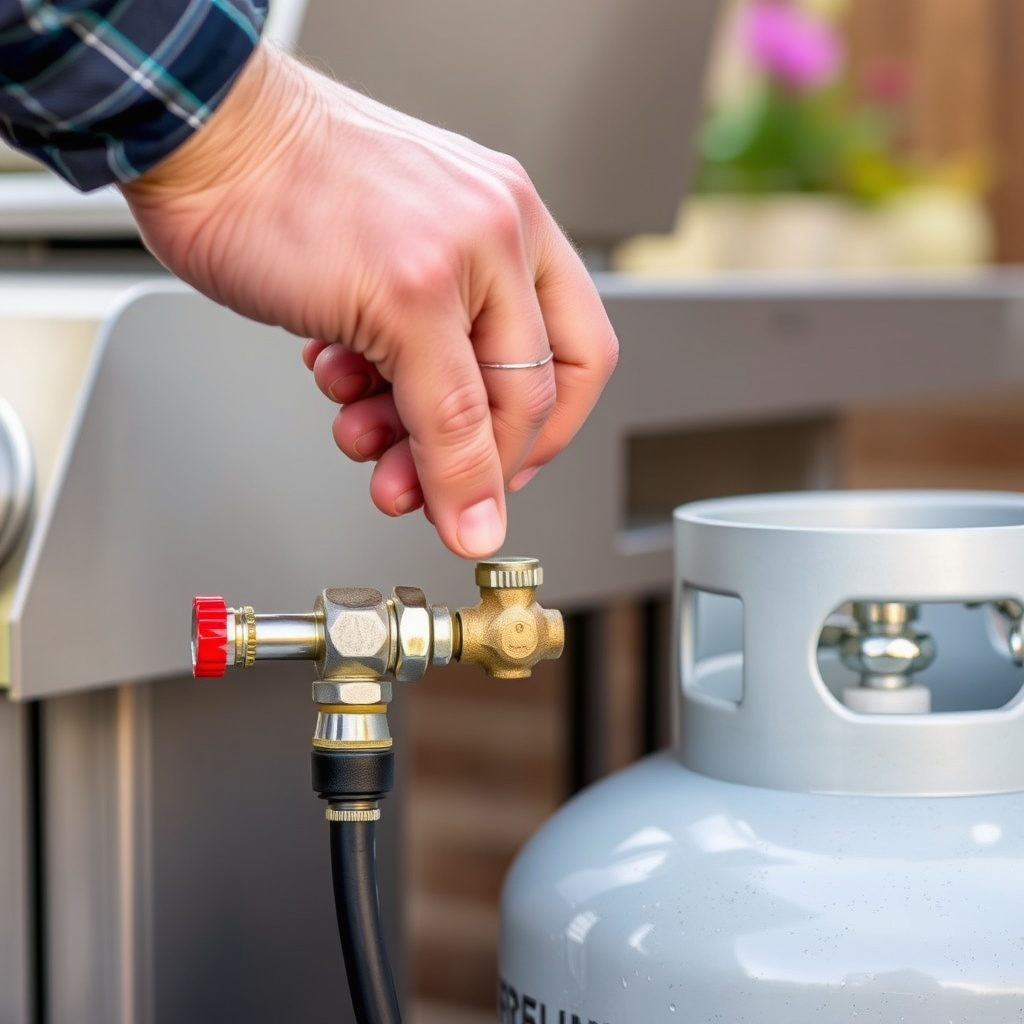
Cost Factors for Propane Grills
Propane grills require purchasing and occasionally refilling propane tanks, which adds to ongoing costs. The initial grill price may be lower since no permanent gas line installation is needed.
Refill prices vary but typically hover around $3 to $5 per gallon of propane, making propane more expensive for frequent or long grill sessions. However, portable tanks offer flexibility for moving or storing the grill.
- Upfront cost includes tanks or exchanges
- Refills cost about $3-$5 per gallon
- No permanent installation expenses
Installation and Cost for Natural Gas Grills
Natural gas grills require a fixed gas line connection by a licensed professional, which adds upfront installation cost ranging from $200 to $500 depending on distance and complexity.
After installation, natural gas costs less per therm compared to propane, reducing overall fuel expenses for frequent grill users. The grill itself may be slightly more expensive due to specialized fittings and valves.
- Professional installation needed
- Installation cost ranges $200-$500
- Lower long-term fuel costs
Performance and User Experience Differences
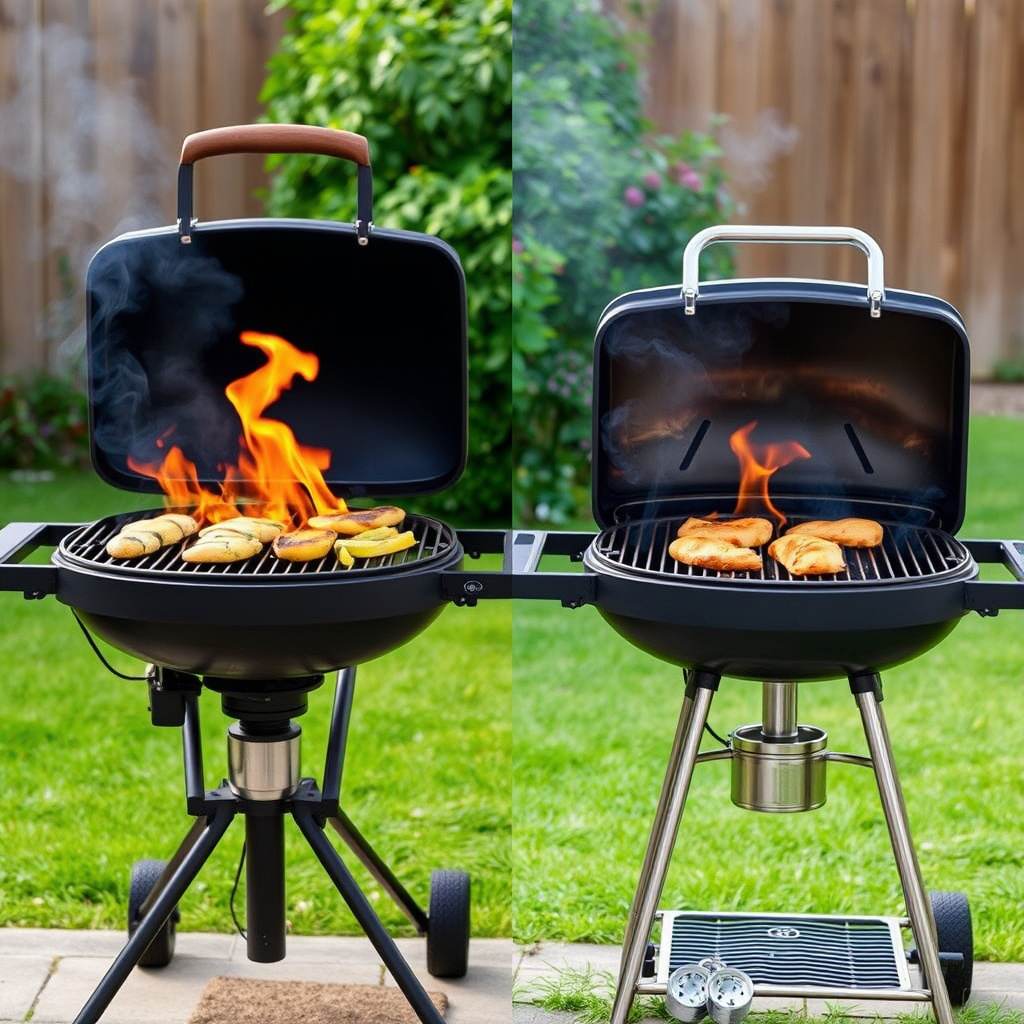
Heat Output and Temperature Control
Propane’s higher heat content allows propane grills to reach higher maximum temperatures faster, ideal for searing steaks or quick cooking.
Natural gas grills deliver steady but slightly lower temperatures, which is better suited for slower, more controlled cooking methods like roasting or smoking.
- Propane heats faster and hotter
- Natural gas offers consistent moderate heat
For more on this, see our related guide: Understanding the Difference Between a Grill and a Griddle.
Mobility and Convenience
Propane grills are ideal if you want a portable grilling option that works anywhere outdoors and can be stored away easily during off-season.
Natural gas grills are stationary due to their gas line connection, perfect for creating a dedicated permanent outdoor kitchen or patio setup.
- Propane tanks support portability
- Natural gas requires fixed location
Safety and Environmental Impact
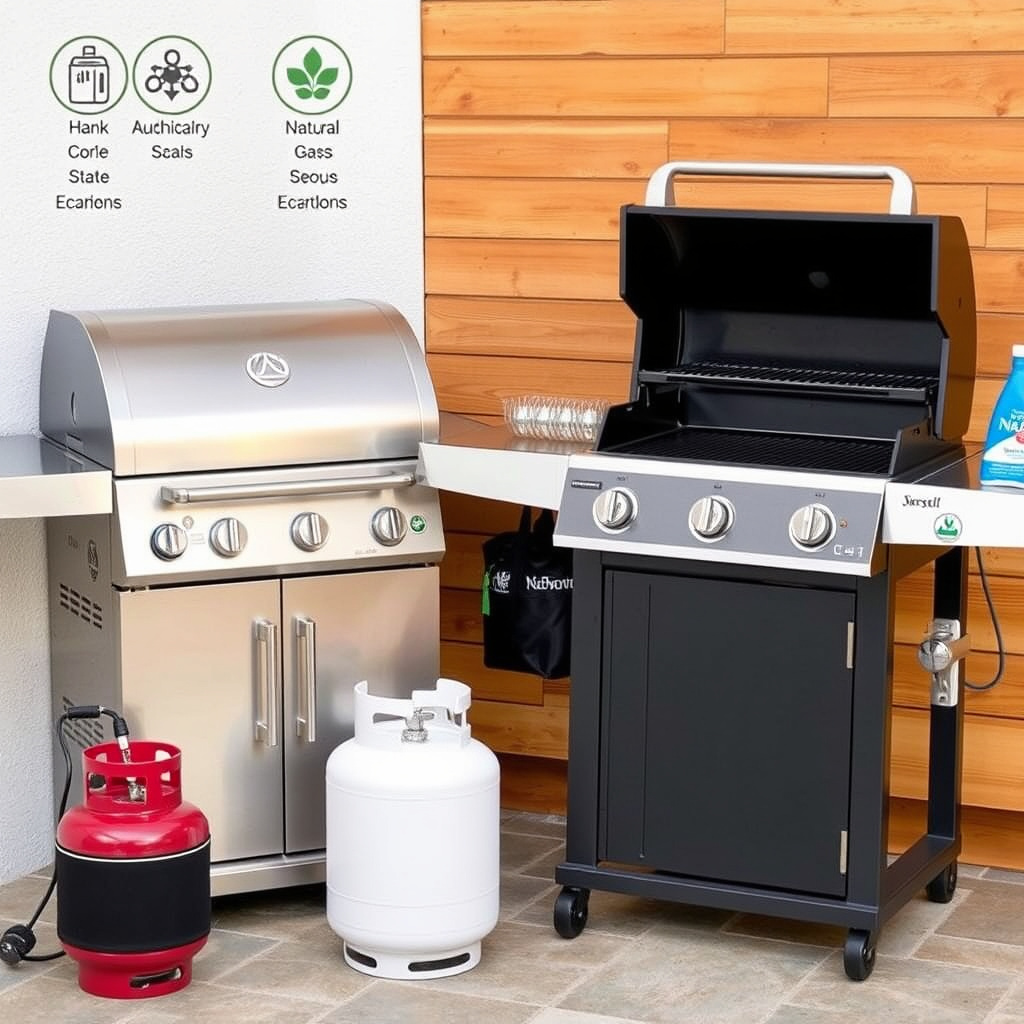
Safety Considerations with Propane
Propane tanks need proper handling and storage to prevent leaks or accidents. They should be kept upright and away from direct heat or open flames except when in use.
Modern propane grills include safety valves and leak detectors to reduce risks, but consumers should regularly inspect tanks and connections.
- Proper tank storage critical
- Use built-in safety valves
- Regular leak inspections recommended
Environmental Impact of Natural Gas Grills
Natural gas burns cleaner than propane, producing fewer greenhouse gases and particulate emissions. This can make natural gas grills slightly more eco-friendly for regular use.
Being connected through piping also reduces the chance of fuel spills or tank disposal issues compared to propane bottles.
- Lower emissions than propane
- No propane tank disposal issues
- Piping reduces fuel loss risks
Popular Propane and Natural Gas Grill Options
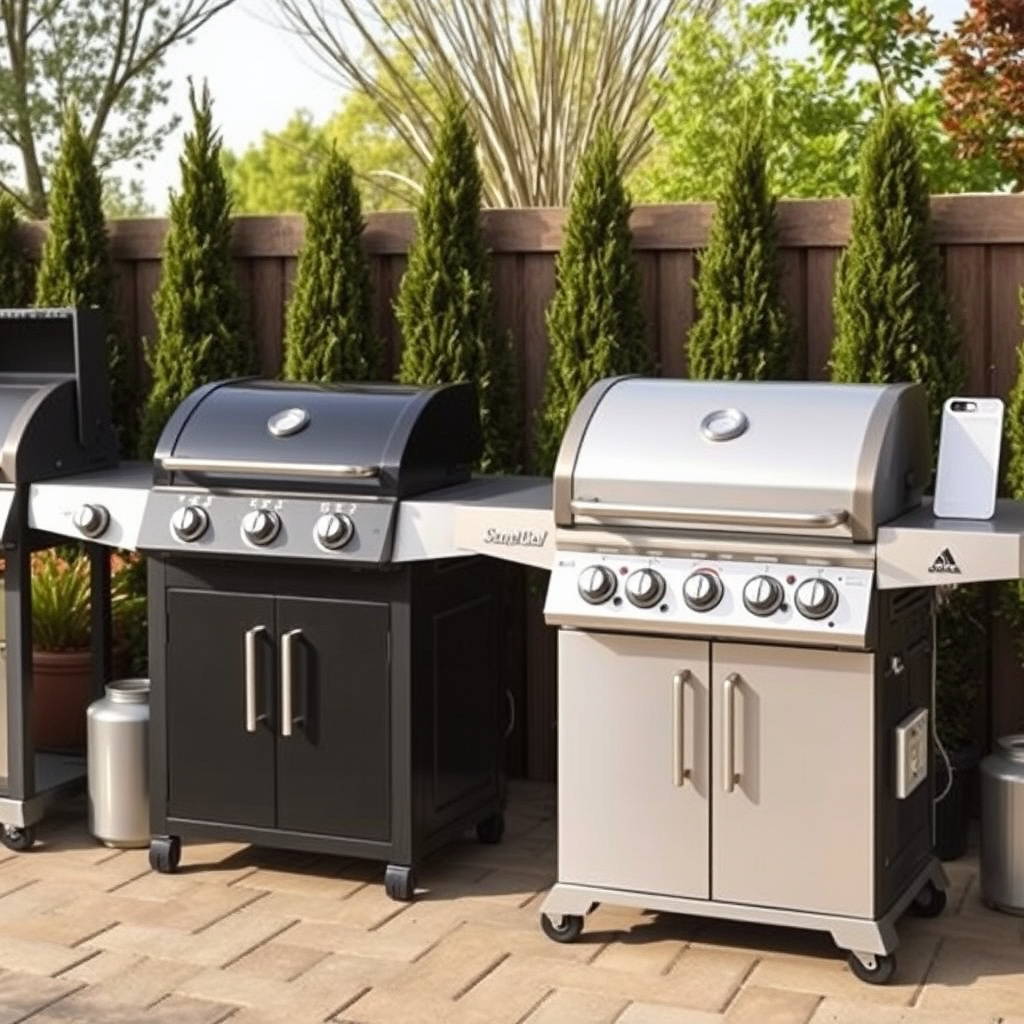
Best Propane Grill Models
Propane grill models like Weber Spirit II and Char-Broil Performance offer portability with excellent heat output and durable construction. They usually come with easy tank replacement and good temperature control.
These grills suit backyard cooks who want simple setup and the ability to move their grill or store it indoors off-season.
- Weber Spirit II
- Char-Broil Performance
- Napoleon Rogue series
For more on this, see our related guide: Understanding the Difference Between a Grill and a Smoker.
Popular Natural Gas Grill Choices
Natural gas grills such as the Broil King Regal and RCS 4-Burner provide powerful, cost-effective grilling with professional-grade components designed for permanent outdoor kitchens.
Ideal for homeowners wanting a reliable grilling station without worrying about tank refills, these models focus on consistent fuel flow and longevity.
- Broil King Regal 490
- RCS 4-Burner Natural Gas Grill
- Napoleon Prestige Pro 500
Maintenance and Longevity Factors
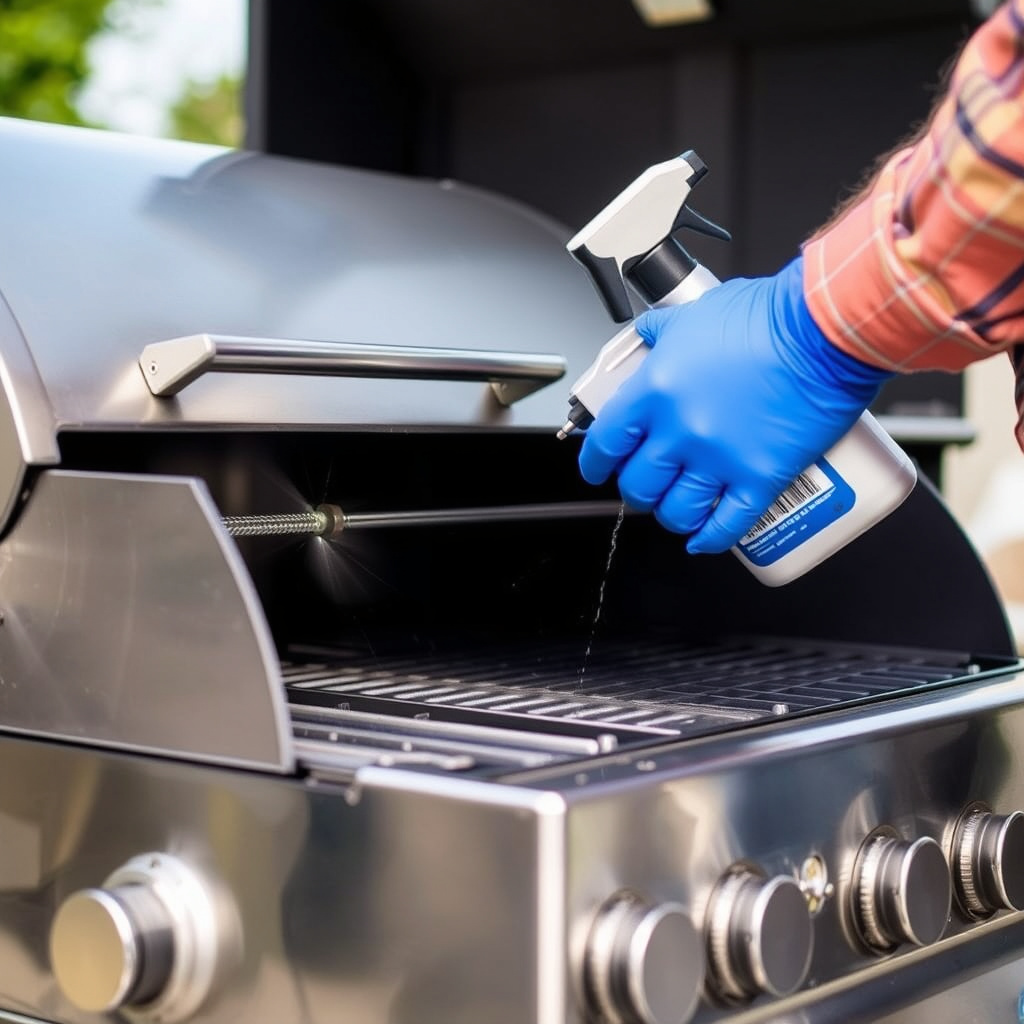
Maintaining Propane Grills
Propane grills require regular inspection of the tank, valves, and hoses for leaks or wear. Cleaning burner tubes and tanks prevents blockages that affect performance.
Seasonal storage involves disconnecting and safely capping the propane cylinder to extend the life of both tank and grill.
- Check hoses and connections often
- Clean burners every few uses
- Properly store tanks when not in use
For more detailed information about propane and natural gas as grill fuels, visit the grilling with gas fuels page on Wikipedia. Grilling with Gas Fuels on Wikipedia.
Care for Natural Gas Grills
Natural gas grills need less frequent fuel line checks since they maintain a fixed connection. However, annual professional inspections of lines and fittings help ensure safety.
Regular cleaning of grill grates and burners ensures even heat distribution and prevents grease buildup that compromises grill longevity.
- Annual gas line inspections
- Clean burners and grates regularly
- Monitor for any gas smell or leaks
Propane vs Natural Gas Grills: Category Comparison
Here’s a detailed side-by-side comparison of propane and natural gas grills across various important factors.
| Category | Propane Grill | Natural Gas Grill |
|---|---|---|
| Fuel Source | Portable propane tanks | Connected to home natural gas line |
| Heat Output | Higher BTUs, hotter flame | Lower BTUs, moderate heat |
| Portability | Highly portable | Stationary, fixed location |
| Installation Cost | Minimal; tank purchase only | Professional installation required |
| Fuel Cost | More expensive per use | Less expensive per use |
| Environmental Impact | Higher emissions | Cleaner burning |
| Safety | Requires careful tank handling | Safer continuous piping connection |
Frequently Asked Questions
Can I convert my propane grill to natural gas?
Yes, many propane grills offer conversion kits to use natural gas but require proper installation and calibration to match gas pressure and flow rates.
Which type of grill heats up faster, propane or natural gas?
Propane grills generally heat up faster due to higher BTU output, making them better for quick searing and fast cooking.
Is natural gas cheaper than propane for grilling?
Typically, natural gas costs less per therm than propane, so it is more economical if you grill often and have a permanent gas connection.
Are propane tanks safe to use indoors for grilling?
No, propane tanks should only be used outdoors in well-ventilated spaces due to the risk of gas leaks and fire hazards.
Do natural gas grills require more maintenance?
Natural gas grills require less frequent fuel line checks but should still have annual professional inspections for safety, along with regular cleaning.
Key Takeaways
- Propane offers portability and higher heat for faster cooking.
- Natural gas provides a steady, cost-effective fuel supply with cleaner burning.
- Installation and fuel costs are lower upfront for propane but cheaper long-term for natural gas.
- Choose propane for flexibility or natural gas for a permanent outdoor kitchen.
Conclusion
Determining the right grill between propane and natural gas involves balancing how you use your grill, budget, and location. Propane’s portable tanks deliver higher heat and convenience for varied outdoor settings without permanent installation. In contrast, natural gas grills connect to a home’s gas line offering an uninterrupted supply of fuel and usually lower operating costs over time. Weighing upfront installation against ongoing fuel prices is fundamental to making an informed choice.
If you enjoy grilling occasionally or need to move your grill frequently, a propane grill like the Weber Spirit II or Napoleon Rogue will suit your lifestyle with no fuss. On the other hand, if you have a fixed patio setup and grill regularly, investing in a natural gas grill such as the Broil King Regal provides economical operation and cleaner emissions over the years. Your selection should align with usage habits and practical considerations around fuel access and mobility.
For anyone undecided, testing out a propane grill first can reveal if portability and rapid heating matter most to your grilling style. If you favor a dedicated grilling area and want to save on fuel expenses, consulting a professional about natural gas line installation is the practical next step. Ultimately, understanding the difference between propane and natural gas grills empowers you to select one that enhances your outdoor cooking effortlessly.



