
A pellet grill combines the features of a grill and a smoker by using wood pellets as fuel to cook food, while a traditional smoker primarily focuses on slow-cooking meat with smoke and indirect heat. The main difference lies in how each device controls temperature and produces smoke—pellet grills use an automated system for precise temperature control, whereas smokers often require manual management of heat and smoke.
Understanding this difference can help you decide which appliance fits your cooking preferences, time availability, and desired flavor profile. Pellet grills offer convenience and versatility, making them appealing for cooks who want both grilling and smoking capabilities in one device. Smokers, on the other hand, excel at producing deep, smoky flavors over long cooking periods, favored by BBQ purists.
This article explores the operational distinctions, design elements, fuel types, and cooking styles of pellet grills and smokers. You will find detailed sections on temperature control, flavor outcomes, convenience factors, and usage tips, helping you choose the perfect equipment for your outdoor cooking needs.
How Pellet Grills and Smokers Work
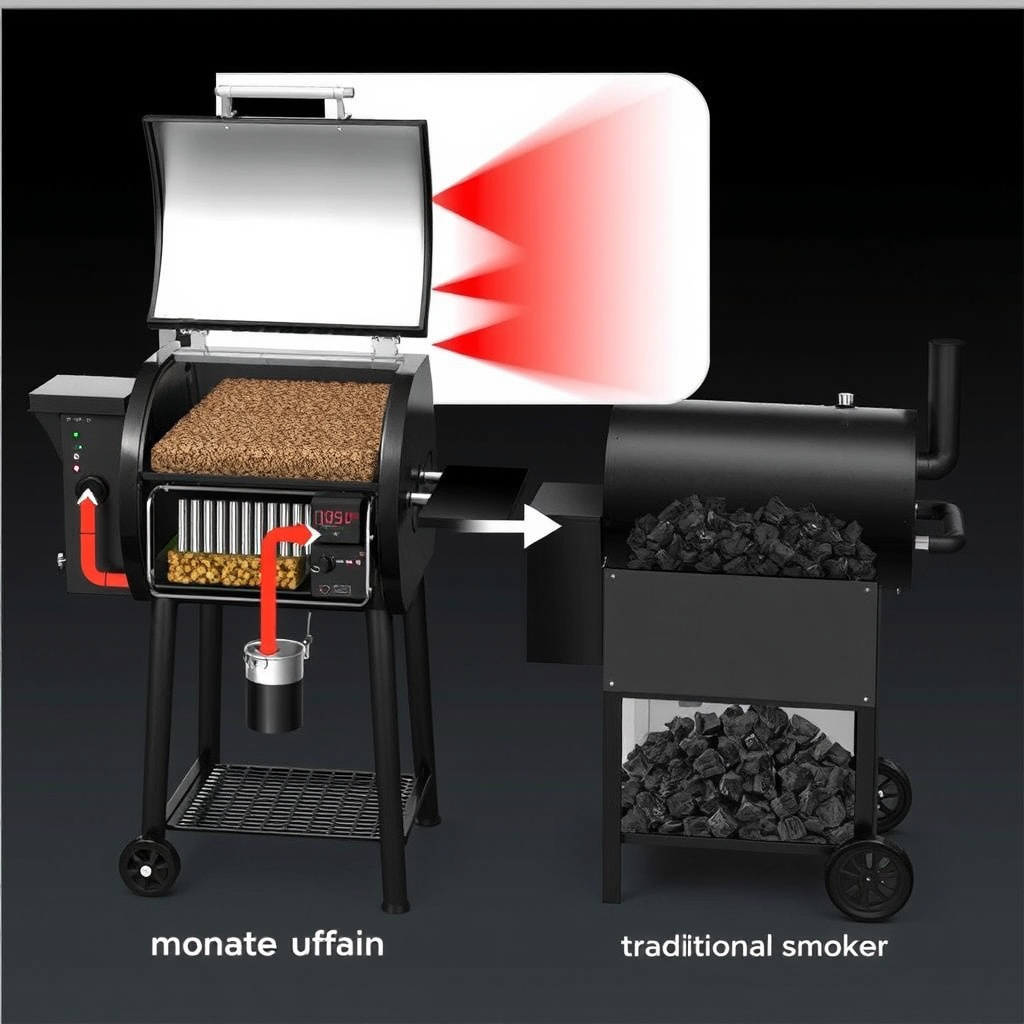
Pellet Grill Mechanics
Pellet grills rely on compressed wood pellets fed from a hopper into a firepot by an electric auger. The grill’s built-in thermostat and fan regulate the temperature by adjusting pellet feed rate and airflow. This automation allows consistent heat and smoke production over a broad temperature range, from smoking temps around 180°F to grilling temps above 600°F.
This steady combustion of pellets produces a combination of direct and indirect heat, enabling pellet grills to sear and smoke food effectively within one unit. Users can set and maintain desired temperatures precisely without frequently monitoring or adjusting fuel and airflow manually.
Traditional Smoker Operation
Smokers use wood, charcoal, or a combination as fuel, requiring manual control of airflow to maintain temperature. The firebox supplies heat and smoke which flows into the cooking chamber where food cooks slowly. Temperature adjustments are often made by opening or closing vents, adding fuel, or manipulating ash buildup to control oxygen flow.
This manual process allows experienced pitmasters to produce distinctive smoke flavors but demands continuous attention. Smokers generally operate at lower temperatures between 180°F and 300°F for extended durations, focusing primarily on enhancing flavor through smoke concentration.
Fuel Types and Flavor Impact
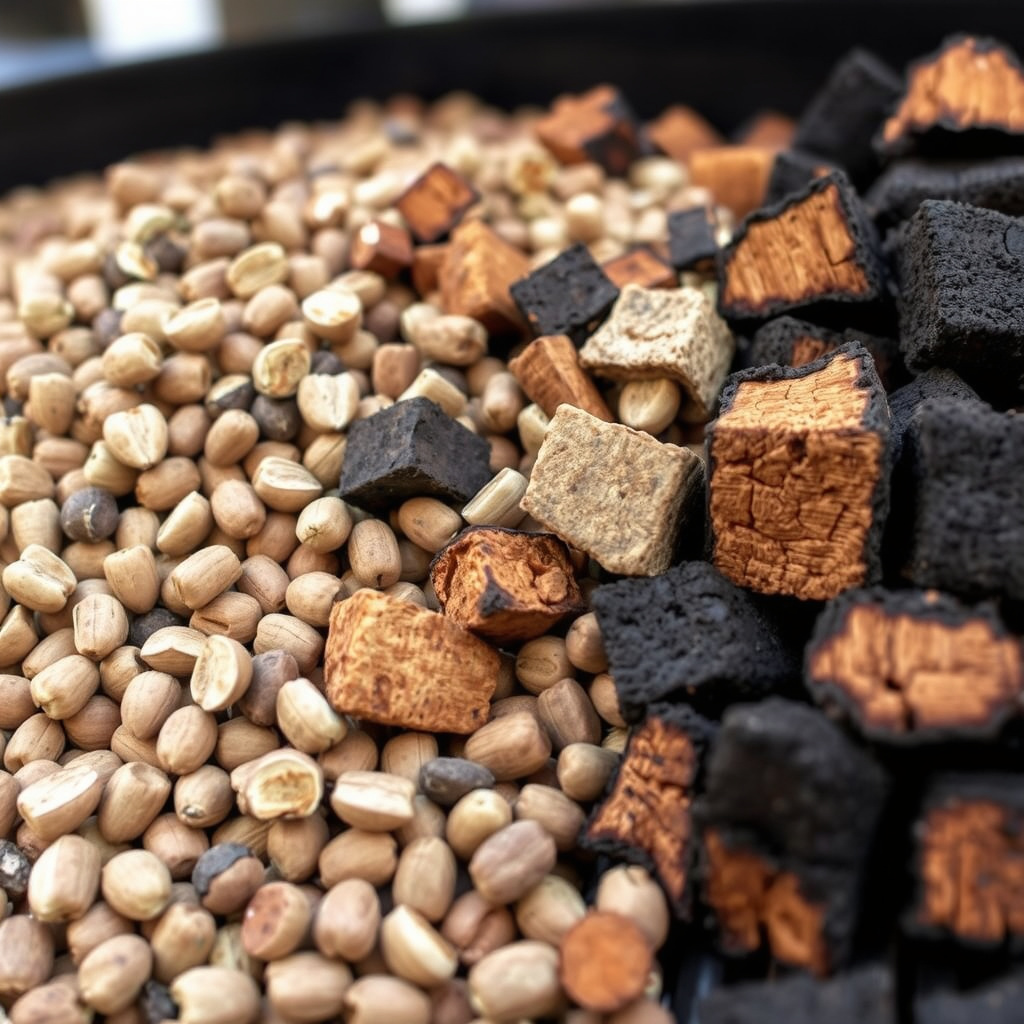
Wood Pellets in Pellet Grills
Pellet grills use manufactured wood pellets made from compressed sawdust—these are convenient, consistent, and available in various wood types like hickory, mesquite, and apple. Pellets burn efficiently with minimal ash residue, giving steady smoke generation without overpowering the meat’s natural flavors.
The flavor profile tends to be milder and more subtle compared to traditional smoking methods. Some pellet grills allow users to customize flavor intensity by adjusting pellet types or mixing flavors, but the smoke is generally lighter.
Wood and Charcoal in Smokers
Traditional smokers rely on natural wood logs, chunks, chips, or charcoal as fuel, creating stronger, deeper smoke flavors through prolonged combustion. Different woods impart distinct aromas—like cherry for sweetness or mesquite for a more intense smoke.
Charcoal provides consistent heat and a rich smokiness when combined with wood chunks, but it generates more ash and requires more careful fire management. This fuel type is preferred when bold smoke character and traditional BBQ flavors are desired.
Temperature Control and Cooking Versatility
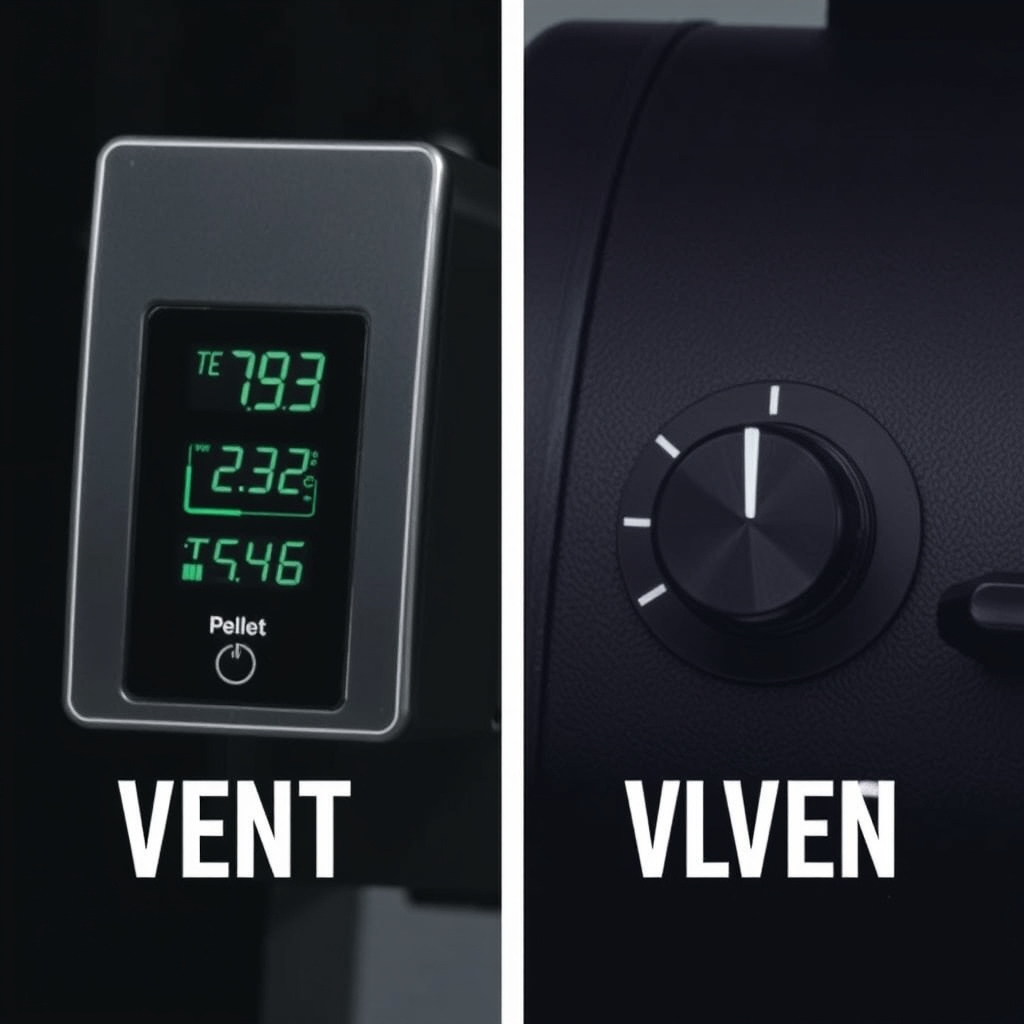
Precision Temperature with Pellet Grills
Pellet grills feature digital controllers that maintain cooking temperatures within ±5°F, enhancing cooking consistency. This precise control allows users to switch seamlessly between low-and-slow smoking and high-heat grilling or searing.
Because of this versatility, pellet grills suit a wide range of dishes from ribs and brisket to burgers and steaks, appealing to users who want one appliance to do it all without complicated fire management.
- Digital thermostat for consistent temps
- Wide temperature range: 180°F to 700°F+
- Automatic pellet feeding and airflow control
For more on this, see our related guide: Understanding the Difference Between a Grill and a Smoker.
Manual Temperature Management in Smokers
Traditional smokers typically require adjusting the airflow through vents and adding fuel manually to maintain cooking temperature. This skill takes practice but gives pitmasters direct control over smoke levels and fire intensity.
Smokers are designed primarily for longer cooking times at moderate temperatures optimized for tenderizing meats and infusing rich smoke flavor but are less suited for fast grilling or searing.
- Requires frequent monitoring and adjustment
- Usually limited to 180°F–300°F range
- Ideal for slow-cooked, smoky barbecue
Ease of Use and Convenience
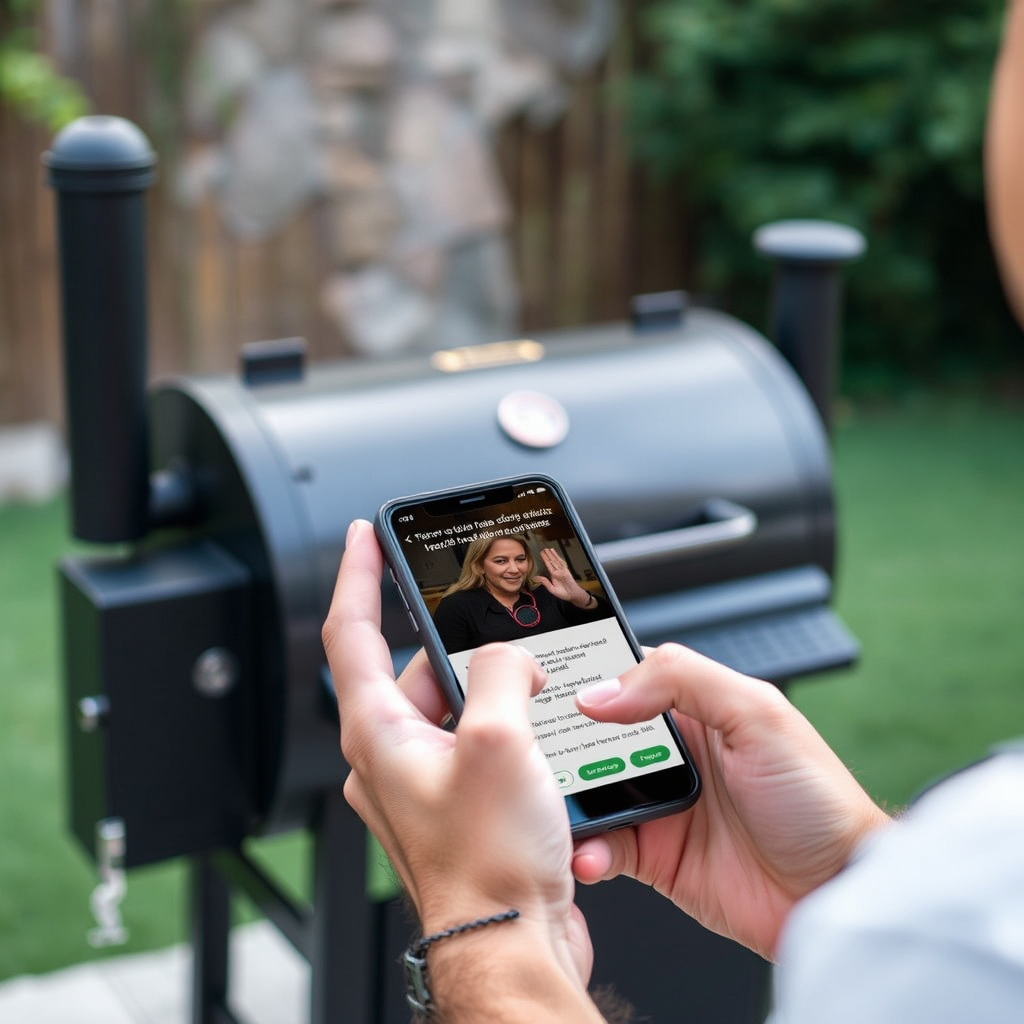
User-Friendly Features of Pellet Grills
Pellet grills are often praised for their plug-and-play functionality. Many models include Wi-Fi connectivity or smartphone app controls for remote temperature monitoring and adjustment, reducing the need for constant supervision.
The minimal ash cleanup and automatic fuel feeding make them ideal for cooks who want flavorful smoked meals without dedicating hours to fire tending.
- Automated pellet feeding
- Remote temperature control options
- Easy cleanup with ash drawer systems
Hands-On Approach of Smokers
Using a traditional smoker involves more hands-on fire and smoke management. Users must add wood and charcoal during cooking, adjust vents to regulate airflow, and maintain consistent temperatures, demanding both attention and experience.
While this process may seem challenging at first, many BBQ enthusiasts enjoy the ritual of fire management for the control and flavor it provides.
- Active management of fuel and airflow
- Longer setup and cooking times
- Enhanced smoke flavor with practice
Cleaning and Maintenance Differences
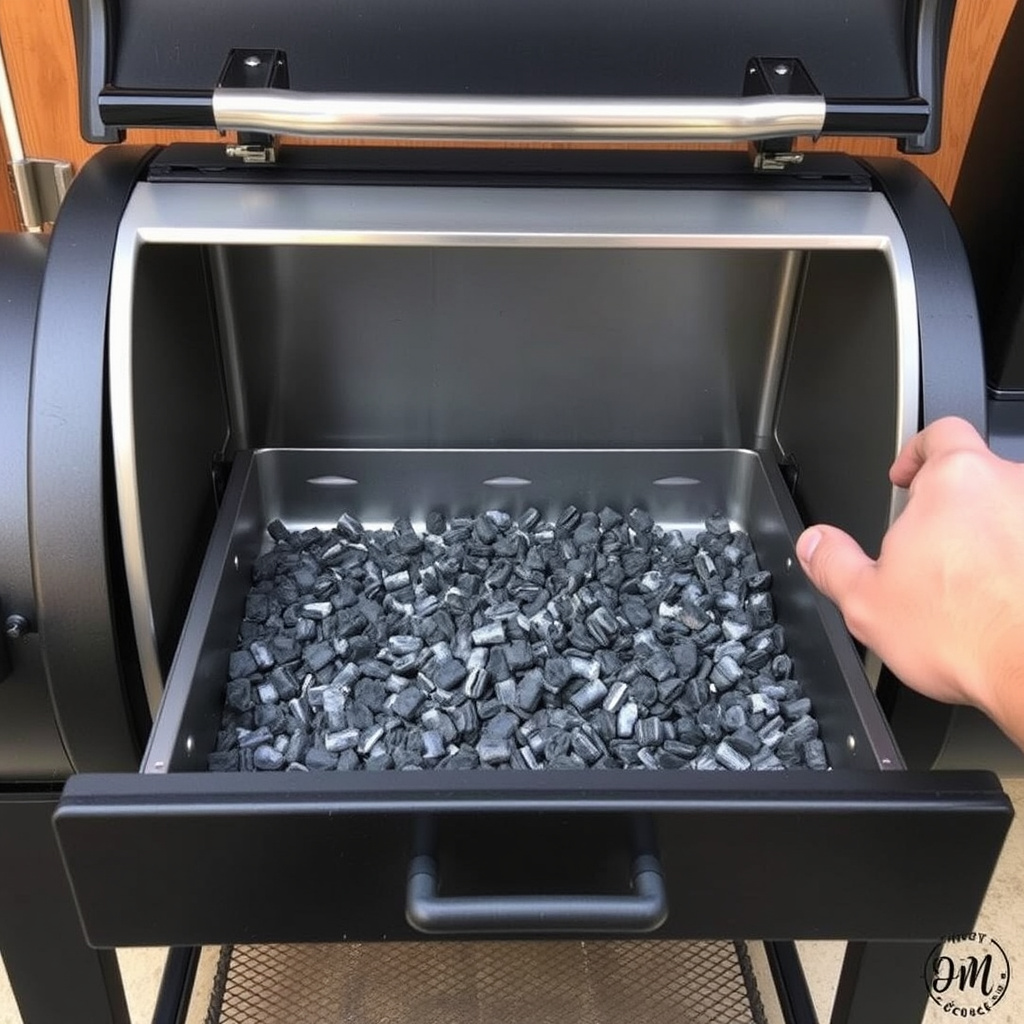
Maintaining a Pellet Grill
Pellet grills require cleaning of the burn pot, ash drawer, and periodically the hopper and auger system to prevent pellet jams or dust buildup. Regular inspection of the digital components ensures consistent operation.
Most pellet grills are designed to simplify cleanout with removable trays and ash catchers, making maintenance less frequent and less labor-intensive than traditional smokers.
For more on this, see our related guide: What Is a Smoker Grill and How to Use One for Perfect BBQ.
Maintaining a Traditional Smoker
Smokers accumulate more ash and residue after each use, requiring thorough cleaning of the firebox, cooking chamber, and grates. Removing creosote buildup and soot is important to maintain airflow and prevent off-flavors.
Depending on fuel type and smoker design, some parts may need seasonal maintenance, including rust protection and vent lubrication.
Cost Considerations and Investment
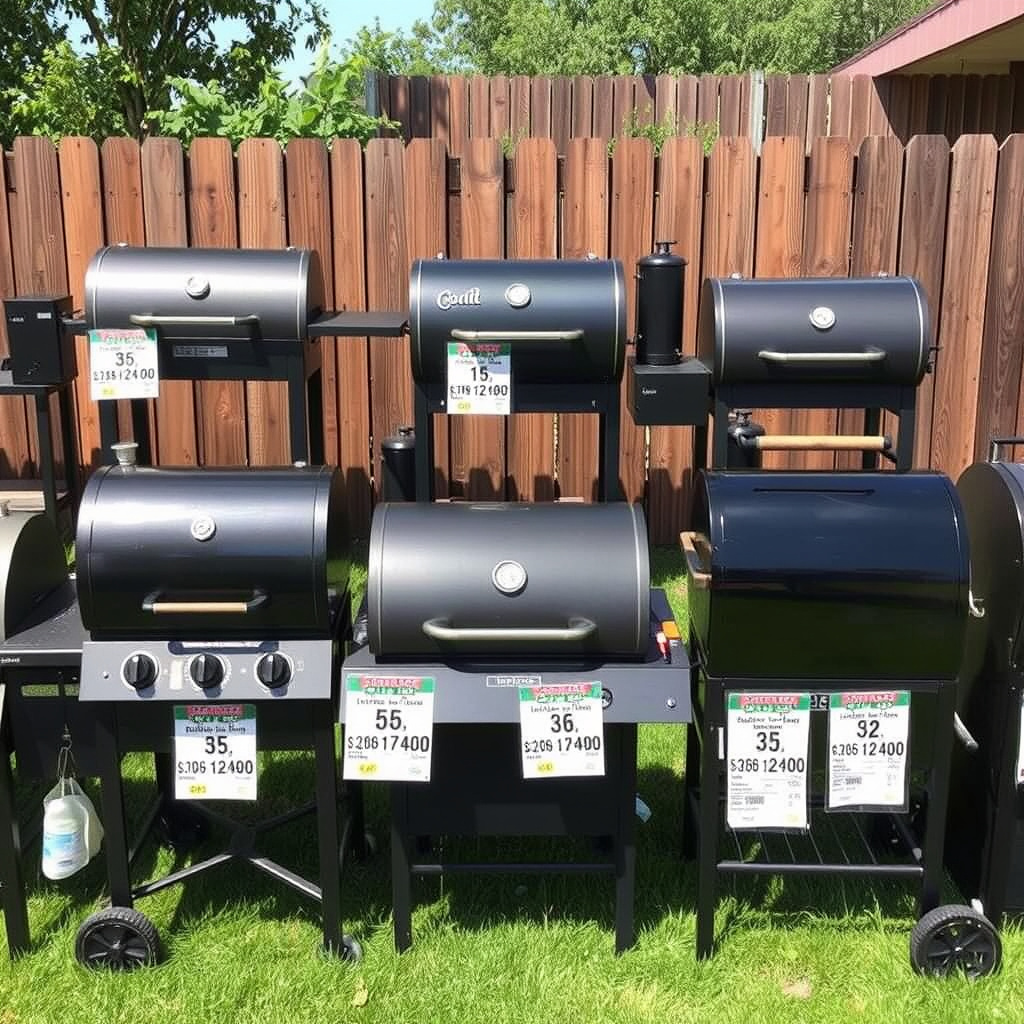
Initial and Ongoing Costs of Pellet Grills
Pellet grills generally have higher upfront costs due to electronic components, digital controllers, and advanced construction. However, their convenience and temperature consistency can justify the investment for many buyers.
Pellets tend to be moderately priced but require regular purchase. Electrical power is also necessary for operation, which adds a nominal cost depending on frequency of use.
For a deeper understanding of pellet grill technology, you can visit the pellet grill Wikipedia page. pellet grill Wikipedia page.
Smoker Purchase and Fuel Expenses
Traditional smokers often cost less upfront, especially simpler offset or vertical designs. Fuel costs vary, with wood logs, chunks, or charcoal being widely available and sometimes more economical for heavy use.
The need for more labor also represents a time cost. Some users value the tradeoff for the flavor depth and craftsmanship the smoker imparts.
Pellet Grill vs Smoker Category Comparison
Here's a side-by-side comparison of pellet grills and traditional smokers to highlight their key differences across important features.
| Category | Pellet Grill | Traditional Smoker | Best For |
|---|---|---|---|
| Fuel Type | Compressed wood pellets | Wood logs, charcoal, wood chunks | Varies by flavor preference |
| Temperature Control | Digital, automated, precise | Manual vent and fuel adjustments | Convenience seekers vs purists |
| Cooking Versatility | Grilling and smoking | Primarily slow smoking | Multi-purpose cooking vs specialized smoking |
| Ease of Use | User-friendly, low supervision | Hands-on, skill required | Casual cooks vs experienced pitmasters |
| Flavor Profile | Mild, subtle smoke | Strong, traditional smoke | Mild flavor vs authentic BBQ |
| Maintenance | Regular cleaning of ash and electronics | Frequent ash and residue cleaning | Low effort vs traditional upkeep |
| Cost | Higher initial, moderate fuel cost | Lower initial, variable fuel cost | Budget vs quality flavor focus |
Frequently Asked Questions
Can a pellet grill provide the same smoky flavor as a traditional smoker?
Pellet grills produce smoke from wood pellets but typically offer a milder, less intense smoke flavor compared to traditional smokers which burn wood or charcoal directly.
Is it difficult to maintain temperature on a traditional smoker?
Yes, traditional smokers need frequent vent adjustments and fuel additions to keep stable temperatures, requiring experience and attention.
Are pellet grills suitable for both grilling and smoking?
Absolutely, pellet grills offer a wide temperature range allowing them to grill at high heat and smoke at low temperatures, making them versatile for various cooking styles.
Do pellet grills require electricity to operate?
Yes, pellet grills use electricity to power their auger, fans, and digital controllers, so they need a power source during operation.
Which is easier for beginners, a pellet grill or a smoker?
Pellet grills are generally easier for beginners due to their automated temperature and fuel control, whereas smokers require more hands-on management.
Key Takeaways
- Pellet grills use automated systems for precise temperature control and mild smoke flavor.
- Traditional smokers rely on manual fuel and airflow control for deeper, more intense smoke profiles.
- Pellet grills provide grilling and smoking versatility ideal for casual cooks.
- Smokers demand more skill but excel in authentic slow-smoked barbecue traditions.
Conclusion
Choosing between a pellet grill and a smoker depends largely on your cooking priorities: convenience versus tradition, versatility versus focused BBQ smoking, and how hands-on you want to be during your cookouts. Pellet grills automate much of the process, giving consistent heat and easier temperature control that suits modern, multitasking cooks. Smokers invite those who appreciate the art of fire management and desire that deep, authentic smoke flavor from natural wood or charcoal fuel.
If you want a single device capable of grilling burgers and smoking ribs with minimal fuss, a pellet grill, especially models with advanced digital controls, is a worthy investment. On the other hand, for purists or weekend pitmasters who enjoy tending a fire and savoring bold smoke aromas, a traditional offset or vertical smoker offers unmatched flavor and experience. Consider your outdoor cooking style, how much time you want to dedicate to managing your equipment, and the flavor intensity you prefer.
To take the next step, inspect local options and brands that fit your budget and space. Try to test a pellet grill and a smoker at BBQ events or stores to get a feel for their operation. Whichever you choose, mastering your equipment will unlock delicious results and enhance your outdoor cooking adventures.



