Your electric smoker may not be smoking because the heating element isn't getting hot enough, the wood chips aren’t properly placed or dry, or there could be poor airflow inside the smoker chamber. These are among the most frequent reasons which interrupt smoke production.
Understanding why your electric smoker fails to produce smoke is key since smoke is what imparts the enticing flavor that defines barbecue. If your smoker doesn’t generate smoke, your food will lack that rich, smoky essence and won’t cook properly at the intended low temperatures.
This article will break down the primary reasons behind why your electric smoker is not smoking, including troubleshooting the heating element, wood chip selection and preparation, ventilation, and other equipment checks. Following these steps will help restore your smoker to full function.
Heating Element and Power Issues in Electric Smokers
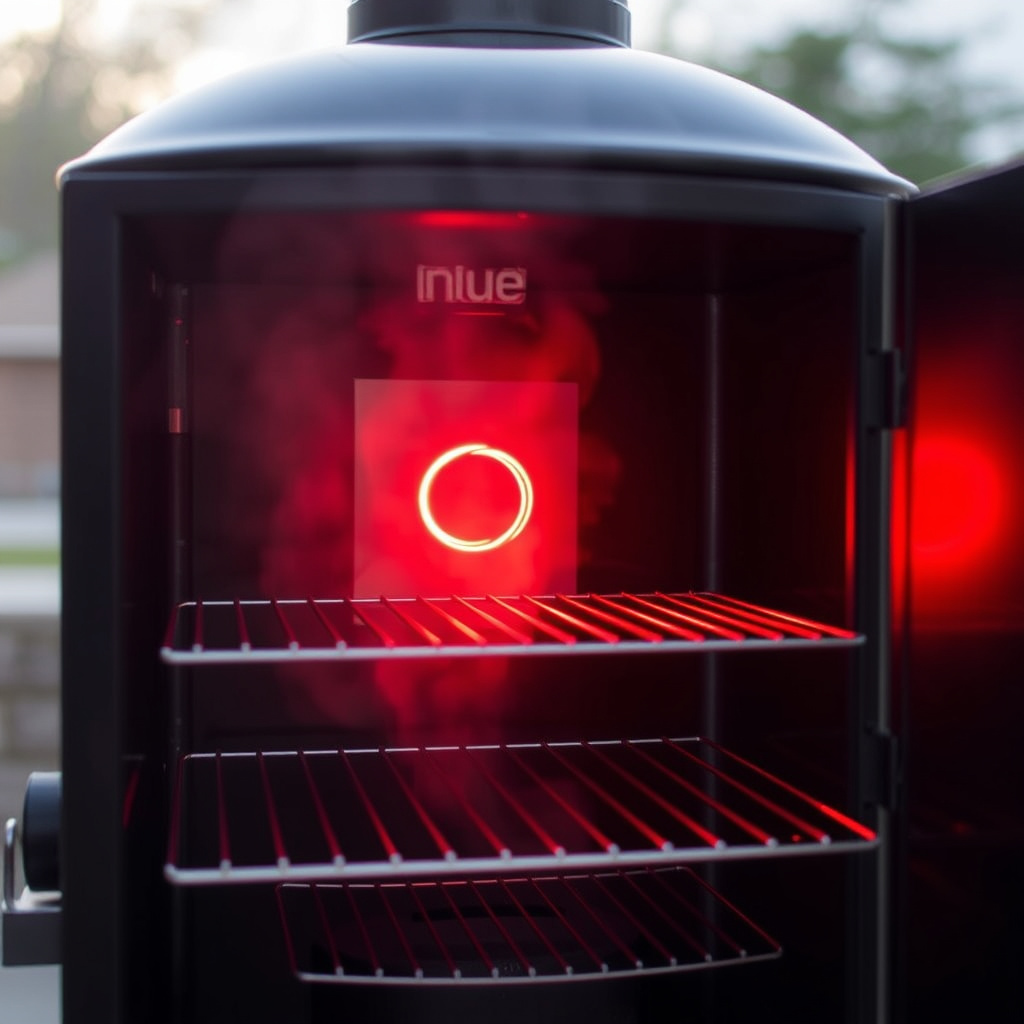
Why the Heating Element Might Not Get Hot
The heating element in your electric smoker heats up the wood chips to create smoke. If it doesn’t heat properly, your smoker won’t generate smoke. Common causes include a defective element, electrical problems, or a faulty thermostat preventing the element from reaching the right temperature.
Sometimes the power supply isn’t consistent, or the wiring has corrosion or loose connections. Ensuring your smoker is plugged into a stable outlet and inspecting the heating element for visible damage will help diagnose this issue.
- Check power outlet and cable connections
- Test the heating element for continuity with a multimeter
- Inspect the thermostat and temperature controls
Replacing or Repairing the Heating Element
If the heating element is damaged or worn out, replacement is usually necessary. Many electric smoker brands offer replacement elements compatible with their models, which can be swapped out with basic tools.
When replacing or repairing, consult your smoker’s manual and take safety precautions by unplugging the unit and waiting for it to cool. Getting an OEM replacement element ensures proper fit and function.
- Purchase an OEM or recommended replacement heating element
- Follow manufacturer instructions for removal and installation
- Test the smoker after repairs before full use
Wood Chips: The Heart of Smoke Production
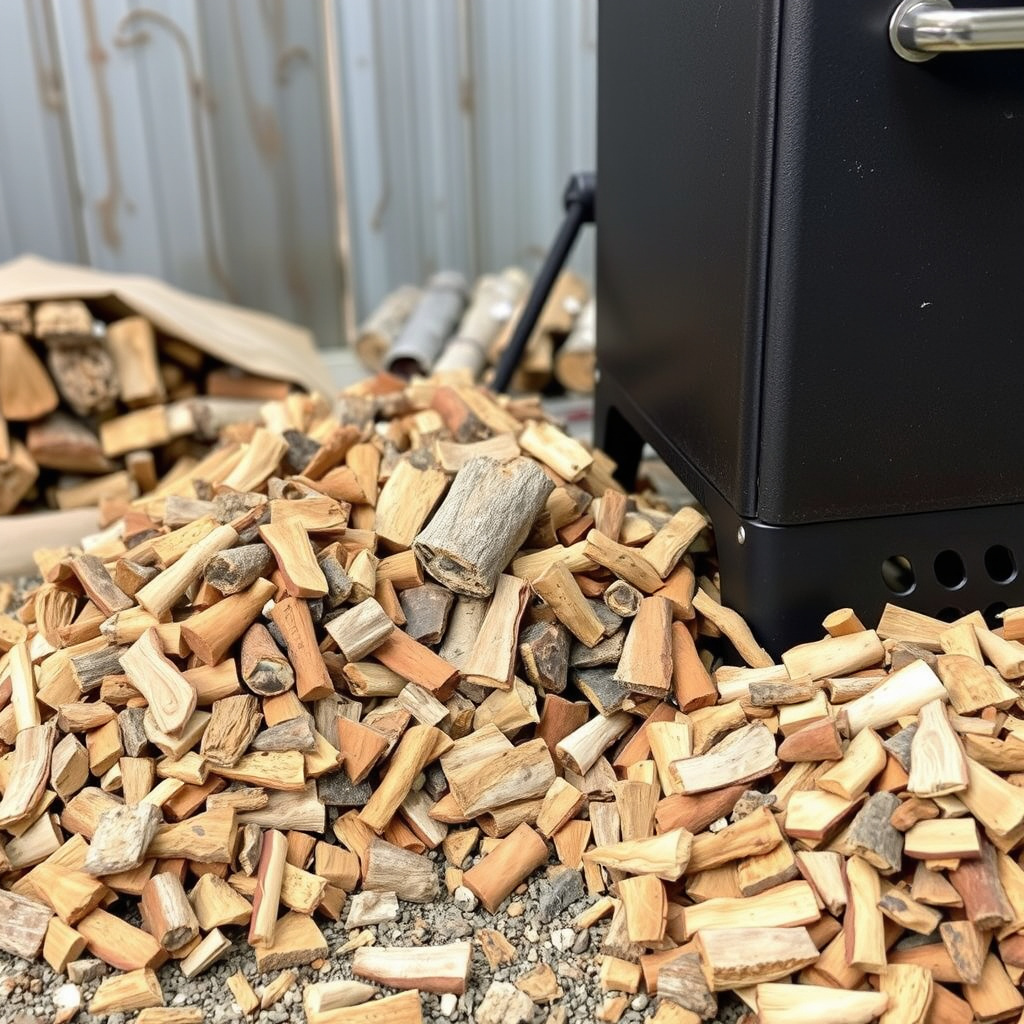
Choosing the Right Wood Chips
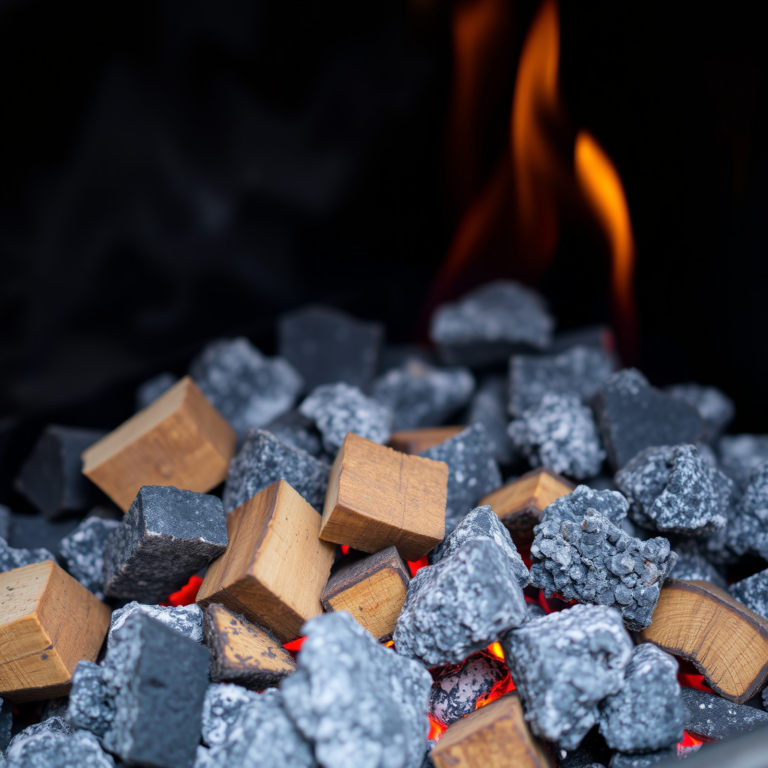
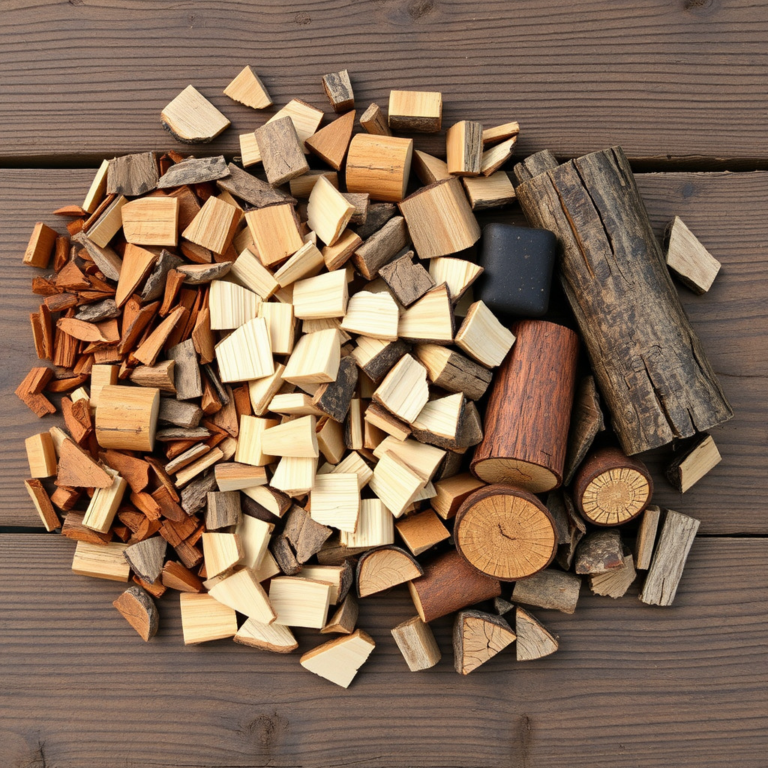
Using the correct wood chips is essential for smoke generation. Hardwood chips like hickory, mesquite, applewood, or cherry provide better, longer-lasting smoke compared to softwoods or damp chips, which may not smolder well.
Avoid using green, wet, or treated wood chips as they produce little smoke and can create unpleasant flavors or harmful fumes.
- Select dry, food-safe hardwood chips
- Avoid softwood, resinous, or chemically treated chips
For more on this, see our related guide: Why Is My Traeger Not Heating Up? Quick Fixes and Troubleshooting Tips.
Proper Preparation and Placement of Wood Chips
If wood chips are packed too tightly in the smoker’s chip tray, airflow can be compromised, preventing proper smoldering and smoke production. Spread the chips loosely to encourage even heating.
Some people soak chips before smoking to prolong smoldering, but in electric smokers, dry chips generally produce more immediate smoke and consistent temperature control.
- Distribute wood chips evenly without packing
- Use dry chips unless specifically soaking for longer smoke
- Replace chips regularly during long smoking sessions
Ventilation and Airflow in Electric Smokers
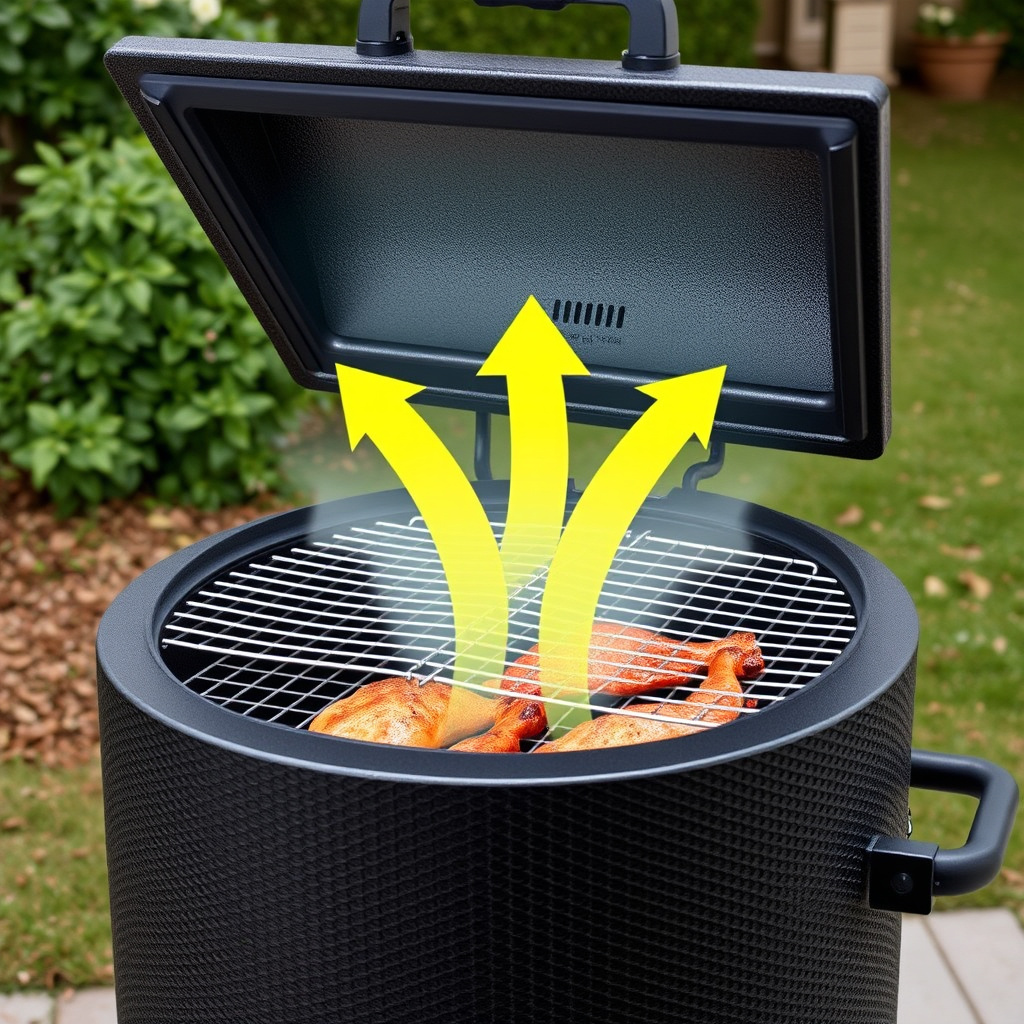
How Ventilation Affects Smoke Production
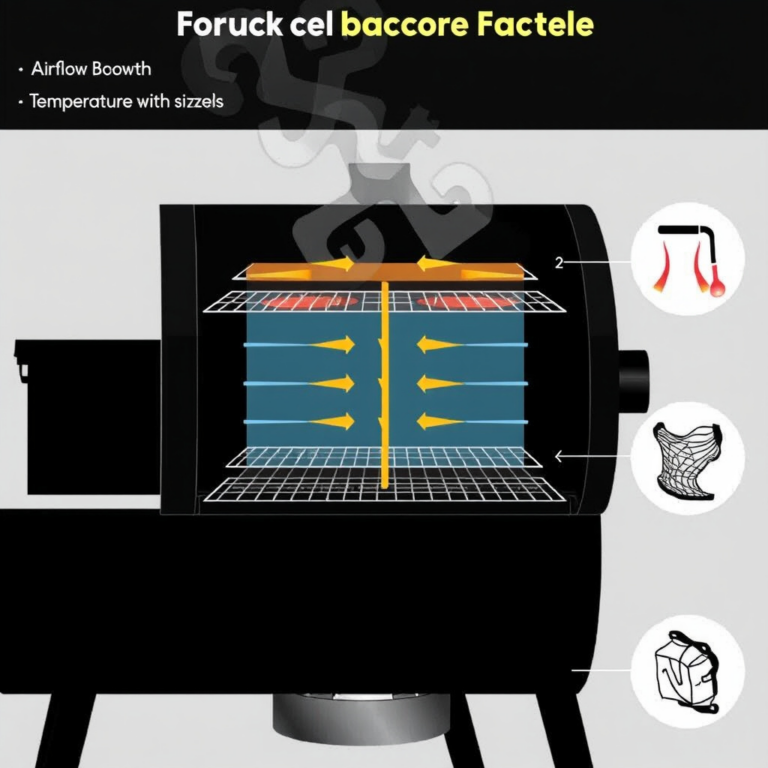
Ventilation controls the oxygen supply inside your smoker, which directly impacts how wood chips burn and produce smoke. Too little airflow may choke the fire causing weak smoke, while too much ventilation can cause chips to burn up quickly or too hot.
Adjust the intake and exhaust vents to create a slow, controlled burn. Proper airflow maintains steady burning chips producing clean smoke essential for flavorful barbecue.
- Keep vents partially open to balance oxygen supply
- Avoid fully closing vents during smoking sessions
- Monitor smoke color to adjust airflow
Common Airflow Problems and Fixes
Dust, grease buildup, or rust inside vents and smoke pathways can block airflow. Regular cleaning prevents these obstructions and ensures smooth circulation.
If vent controls are broken or loose, repairing or replacing them helps maintain consistent airflow and smoke generation.
- Clean vents and smoke channels regularly
- Repair or replace malfunctioning vent controls
Temperature Control and Its Role in Smoking
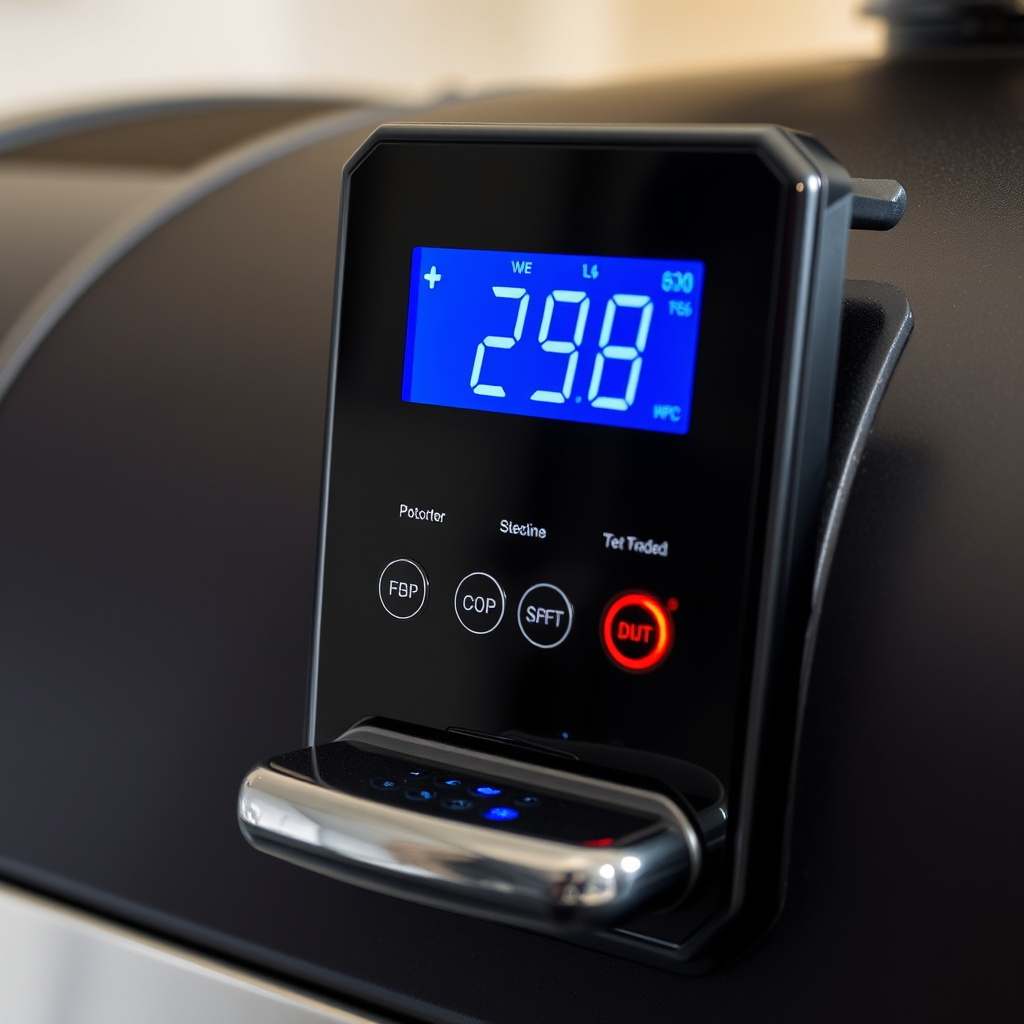
Maintaining the Correct Temperature for Smoke
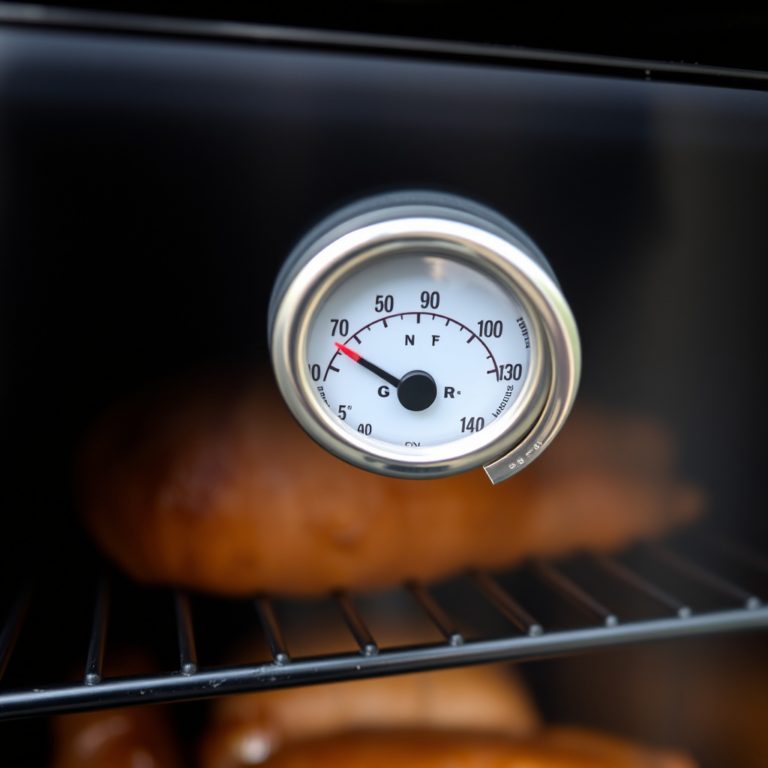
Electric smokers require a temperature range between approximately 180°F and 250°F for optimal smoke production. Temperatures that are too low prevent the wood chips from smoldering, while temperatures above this range may burn chips too fast with little smoke.
Use a reliable thermometer to monitor internal temperatures closely and adjust the heat setting accordingly to achieve a slow, steady smoke.
- Target smoker temperature around 225°F for typical smoking
- Adjust heat to compensate for ambient weather conditions
- Use external thermometer probes for accuracy
For more on this, see our related guide: How Do Pellet Grills Work? A Clear Guide for BBQ Enthusiasts.
Troubleshooting Temperature Fluctuations
Erratic temperature swings can cause inconsistent smoke. Causes include poor insulation, faulty thermostat, or opening the smoker door too often.
Keep the smoker closed as much as possible, seal any gaps in the door or body, and inspect the thermostat sensor placement so it accurately reflects chamber temperature.
- Limit door openings during smoking
- Check door seals for leaks
- Relocate or calibrate temperature sensors
Additional Equipment Checks and Maintenance
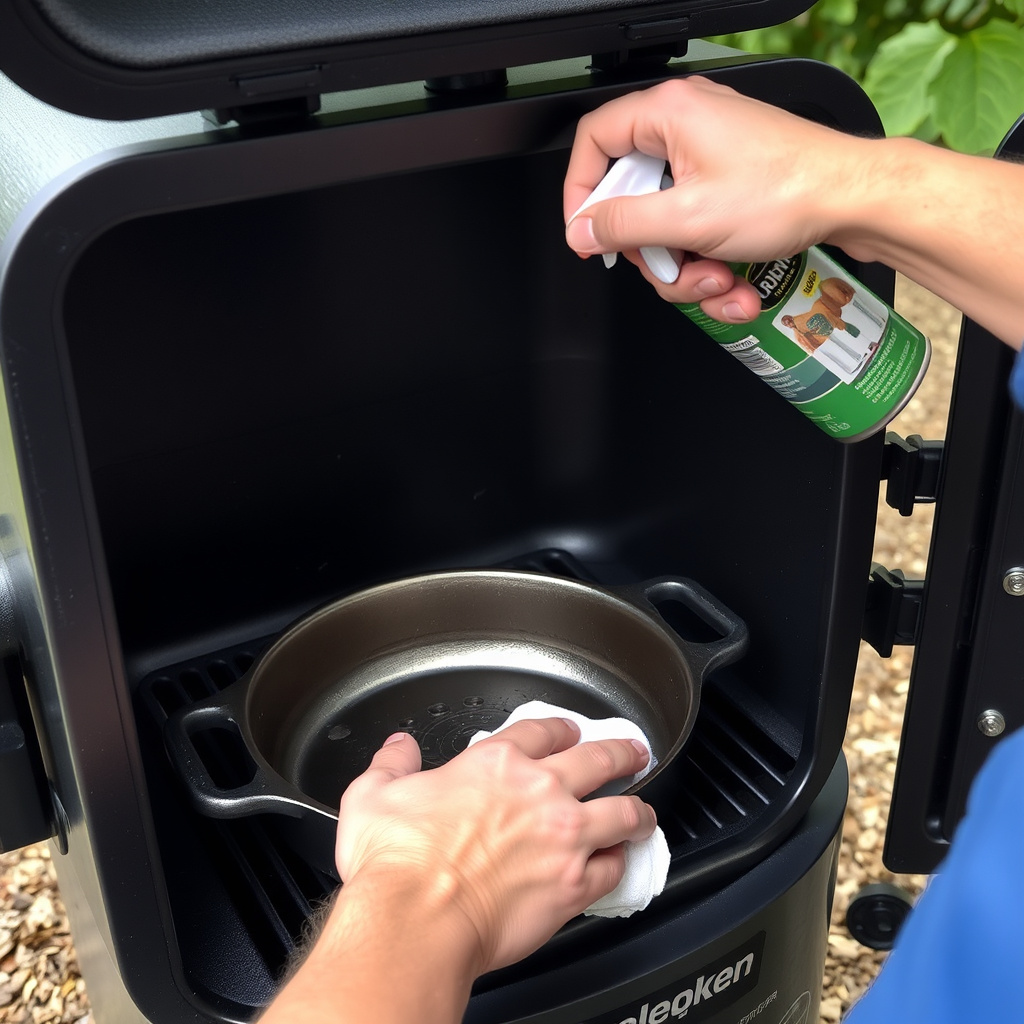
Cleaning Impact on Smoke Quality
Residue buildup from oils, food particles, or soot can inhibit proper smoke circulation and cause uneven heating. Regular cleaning of drip pans, racks, and interior surfaces allows smoke to flow without obstruction.
Clear drip pans prevent grease fires, while clean chip trays ensure good contact between heating element and wood chips, improving smoke output.
- Empty and clean drip pans after each use
- Scrub smoker interior to remove soot and grease
- Clean wood chip trays regularly
For more on the principles behind smoking food and the types of smokehouses, refer to this detailed overview. electric smoker basics.
Inspecting Electrical Components and Wiring
Electrical faults, including worn wires or loose connectors, can cause intermittent power to the heating element, reducing smoke or preventing it entirely. Inspect wiring carefully for signs of damage.
If unsure about electrical repairs, consulting a professional technician prevents risks and restores smoker function safely.
- Visually inspect all wiring and connectors
- Avoid DIY electrical fixes if inexperienced
- Hire professional for electrical repairs
Types of Wood Chips for Electric Smokers Compared
Here is a comparison of popular wood chip types highlighting their flavor profiles, smoke intensity, and best food pairings.
| Wood Chip Type | Flavor Profile | Smoke Intensity | Best Food Pairing |
|---|---|---|---|
| Hickory | Strong and smoky | High | Pork, Brisket |
| Applewood | Sweet and mild | Medium | Poultry, Fish |
| Mesquite | Bold and earthy | High | Beef, Game meat |
| Cherry | Mild and fruity | Medium | Pork, Vegetables |
| Oak | Medium and versatile | Medium | Beef, Lamb |
Frequently Asked Questions
Why is my electric smoker not producing any smoke?
Common reasons include a faulty heating element, improperly placed or damp wood chips, or airflow issues preventing chips from smoldering. Checking these key areas usually resolves the problem.
Can wet wood chips cause smoke problems in my electric smoker?
Yes, wet or green wood chips don’t smolder effectively, reducing smoke output. Using dry, seasoned chips is essential for consistent smoke production.
How often should I replace wood chips during smoking?
Replace wood chips every 45-60 minutes during long smoking sessions to maintain steady smoke. This ensures continuous flavor and consistent smoke density.
What temperature should my electric smoker be at to produce smoke?
Maintaining an internal temperature between 180°F and 250°F typically produces good smoke. Too low or too high temperatures reduce smoke quality.
Can airflow adjustment fix smoke production problems?
Adjusting vents to balance oxygen supply can help wood chips smolder properly. Too little or too much airflow disrupts smoke generation, so vent settings are worth experimenting with.
Key Takeaways
- Heating element heat and power supply are critical for smoke generation
- Use dry, quality hardwood chips placed loosely for consistent smoke
- Maintain proper airflow by adjusting vents and keeping them clean
- Control smoking temperature between 180°F and 250°F for best smoke
Conclusion
When your electric smoker fails to produce smoke, the issue usually stems from one or a combination of factors involving the heating element’s function, wood chip quality and placement, airflow management, or temperature regulation. A careful inspection of these areas, coupled with routine maintenance, will typically restore smoke production. Evaluating each system individually helps isolate the root cause without unnecessary guesswork.
For those facing an electric smoker not smoking, start by testing the heating element and electrical connections to confirm consistent heat. Make sure you use dry, hardwood chips spread loosely in the chip tray rather than soaked or compacted. Adjust smoker vents for balanced airflow and keep temperatures in the proper range to encourage steady smoldering. Regular cleaning and checking for mechanical or electrical wear round out effective troubleshooting.
If after these steps your smoker still doesn’t smoke, consider consulting the manufacturer’s support or a professional technician for repairs. Meanwhile, experimenting with different wood chip types and vent settings can optimize your smoking experience. Taking methodical troubleshooting actions puts you on track to achieving delicious, reliably smoked results every time.