If your smoker is not smoking, the issue usually stems from problems with airflow, fuel, or ignition. Common causes include insufficient oxygen flow, damp or poor-quality wood, or an unlit or extinguished fire. Checking these elements will often reveal why smoke isn’t being produced.
A smoker relies on controlled combustion of wood or charcoal to generate smoke, so factors like blocked vents, improper fuel placement, or a cold firebox can disrupt the smoking process. Diagnosing the precise cause helps prevent flavor loss and keeps your cooking on track.
This article covers practical steps to troubleshoot why your smoker is not smoking, including the role of fuel quality, airflow management, ignition methods, temperature control, and cleaning routines. You’ll also find helpful tips to maintain steady, flavorful smoke throughout your cook.
Understanding Airflow and Its Impact on Smoking
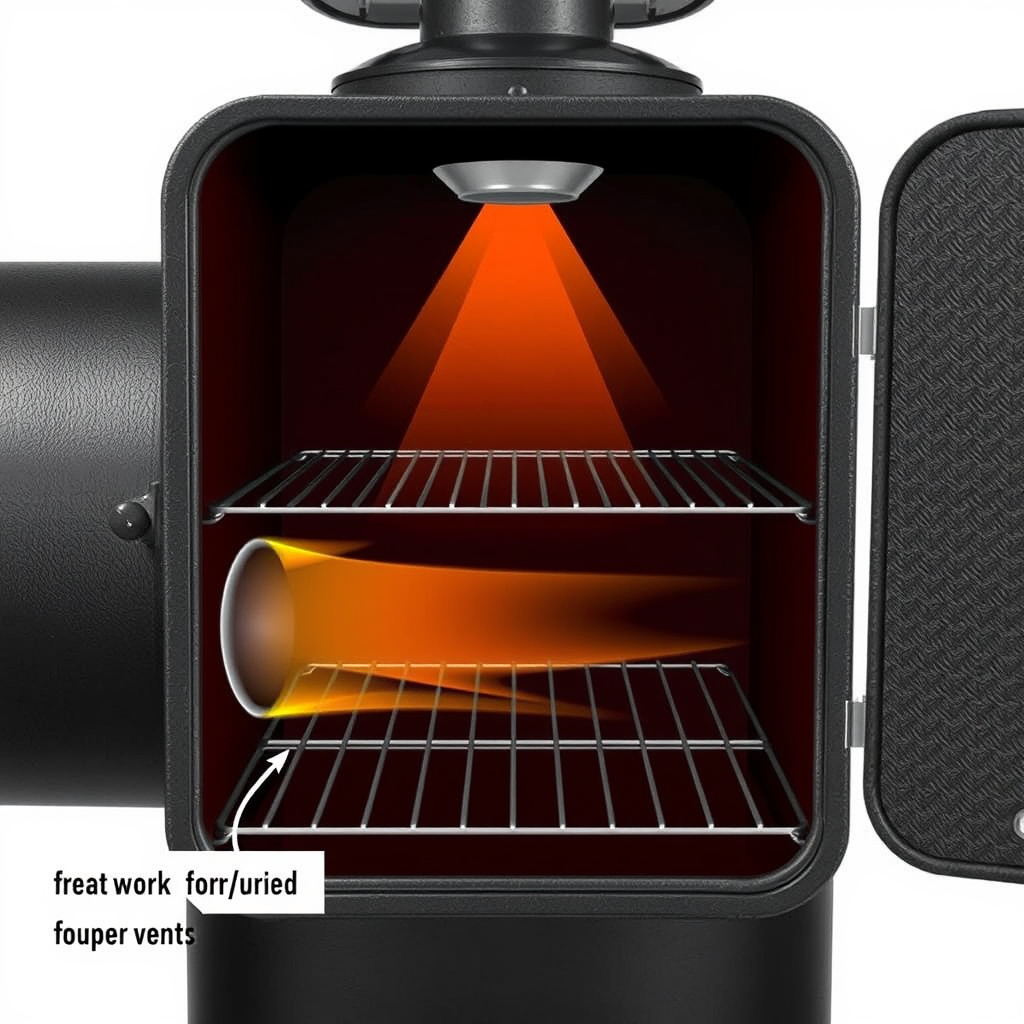
How Airflow Controls Smoke Production
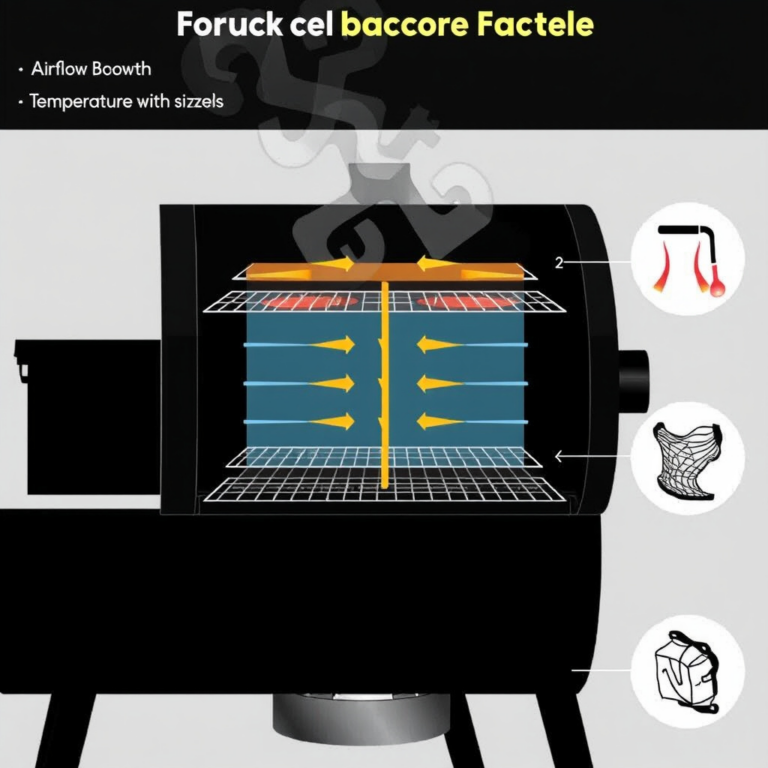
Airflow determines how much oxygen reaches the fire inside your smoker. Without sufficient oxygen, fuel combustion slows or stalls, resulting in little to no smoke. Properly adjusting intake and exhaust vents creates the right draft, supporting a clean burn and continuous smoke generation.
If vents are closed too tightly or the smoke stack is blocked, air won’t circulate properly. This reduces smoke and can lead to smoldering fires that produce excessive creosote and bitter flavors in your food.
- Check that intake vents are open enough to feed the fire
- Ensure exhaust vents are not clogged with ash or grease
- Maintain a balance—too much airflow oils out smoke
Signs of Poor Airflow and How to Fix Them
If your smoker produces little smoke or the fire flickers out, poor airflow is a likely culprit. Look for signs like weak flames, excessive smoke leakage, or smoke escaping from unintended gaps.
To fix airflow issues, clean vents regularly, remove ash buildup blocking air paths, and adjust vent openings incrementally to find the best draft for your fuel type and smoker model.
- Keep vents clean and free of debris
- Avoid over-packing wood or charcoal, which restricts air
- Use a chimney starter to get a strong fire going initially
Fuel Quality and Placement Affect Smoke Generation
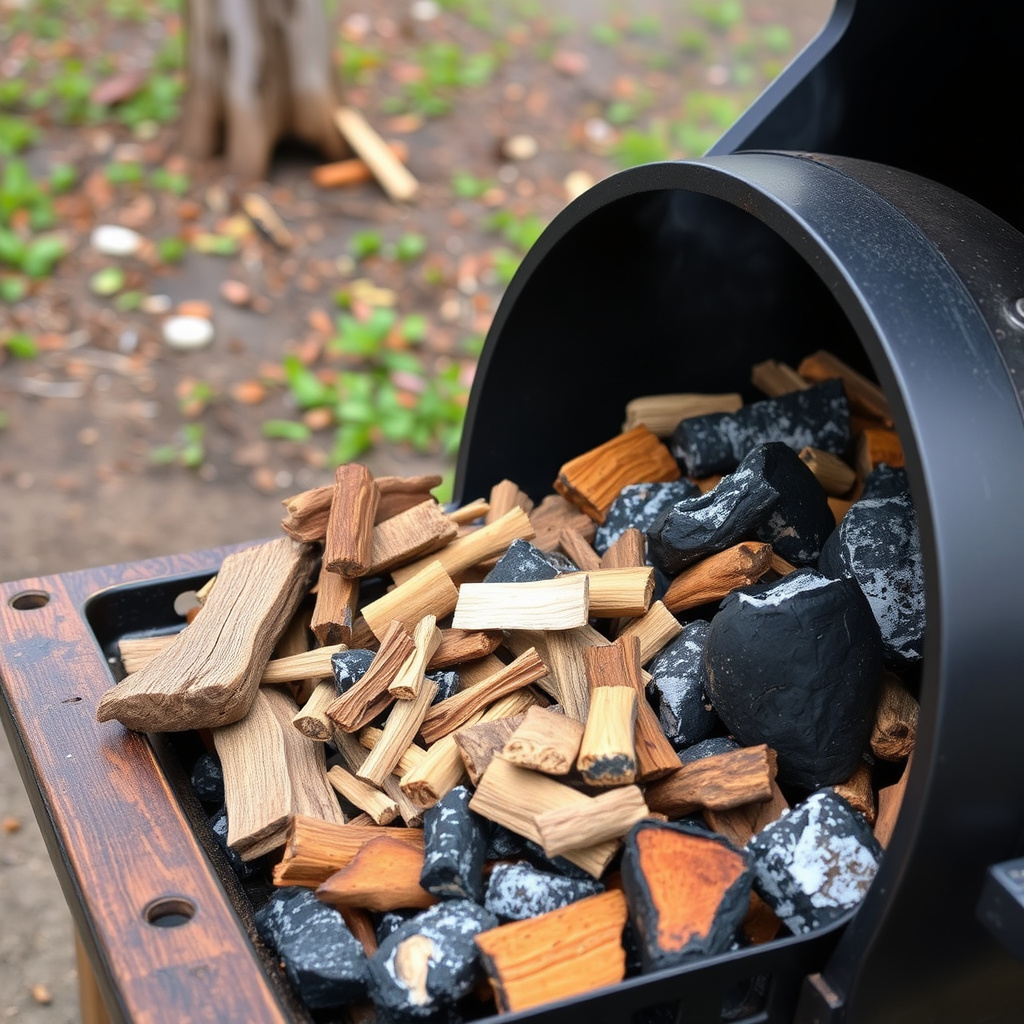
Choosing the Right Wood and Charcoal
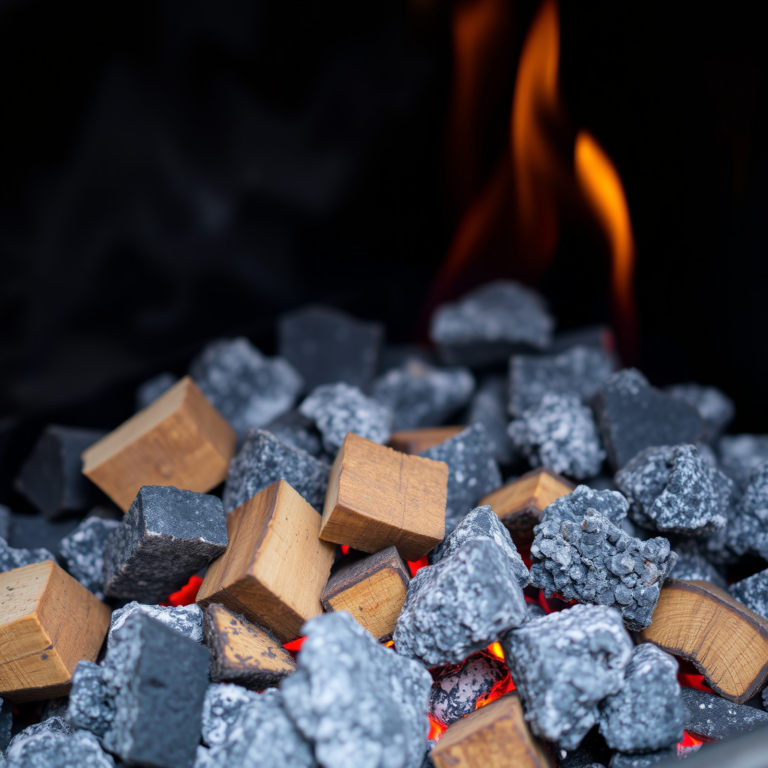
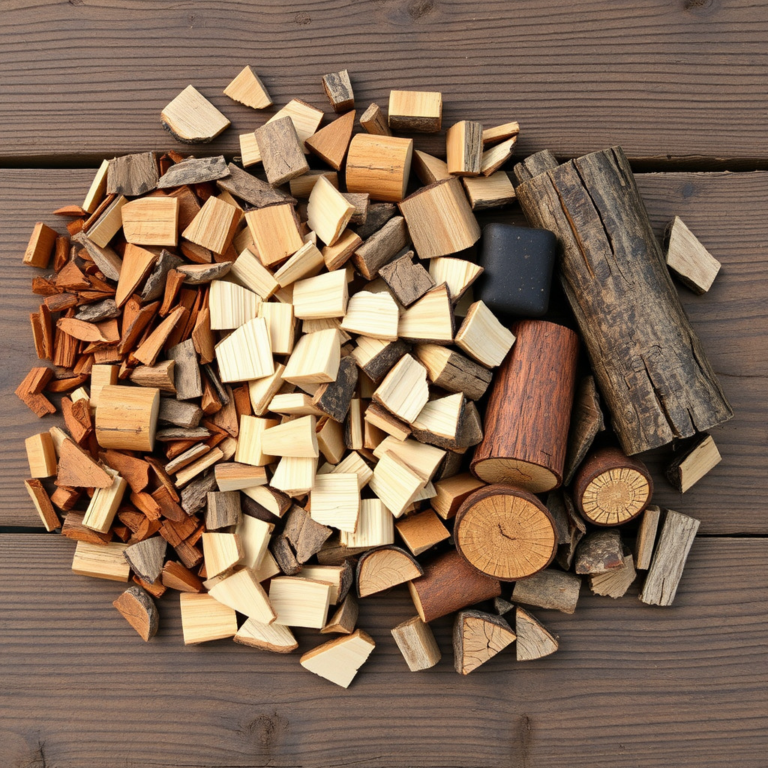
Using wet or green wood dramatically reduces smoke production and can create unpleasant odors. Dry, seasoned hardwoods like hickory, oak, or fruitwoods generate steady, flavorful smoke when properly ignited.
Charcoal should be fresh and not damp to maintain consistent combustion. Lump charcoal burns hotter and cleaner than briquettes, but both can work well if quality is good.
- Avoid freshly cut wood—use wood seasoned for at least six months
- Store wood and charcoal in a dry place
- Select wood species that complement the flavor of your food
For more on this, see our related guide: Why Is My Traeger Not Heating Up? Quick Fixes and Troubleshooting Tips.
Proper Fuel Arrangement for Consistent Smoke
How you arrange fuel impacts smoke flow and heat distribution. Too tightly packed wood or charcoal restricts airflow, causing incomplete combustion and less smoke.
Lay your fuel loosely to allow good oxygen flow. For pellet smokers, ensure pellets are dry and the hopper feeds smoothly. In offset smokers, maintain a steady bed of coals with wood chunks placed strategically.
- Use small chunks or chips on top of charcoal for smoke bursts
- Avoid stacking fuel too densely to prevent suffocation of fire
- Check hopper and auger systems for pellet smoker jams
Ignition and Temperature Control to Maintain Smoke
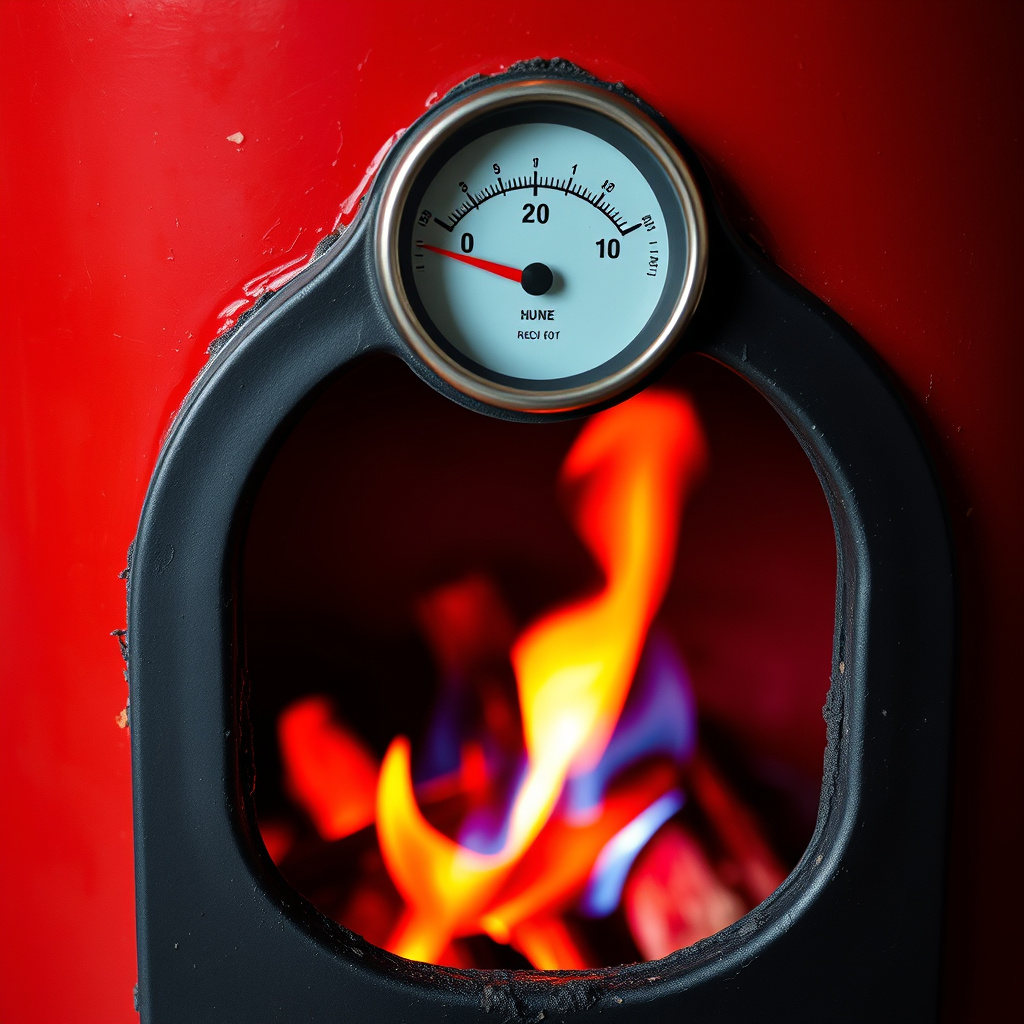
Starting Your Smoker Fire Properly
If your fire never fully ignites, your smoker won’t produce smoke. Techniques like using a chimney starter or manually lighting kindling before adding larger fuel helps build a strong fire.
Avoid using lighter fluid or chemicals that can impart off-flavors. Instead, light safe fire starters or natural materials like newspaper to get your fuel burning evenly.
- Preheat firebox before closing smoker lid
- Use a chimney starter for quick, uniform ignition
- Avoid chemical accelerants that affect taste
Maintaining Consistent Temperatures for Steady Smoke
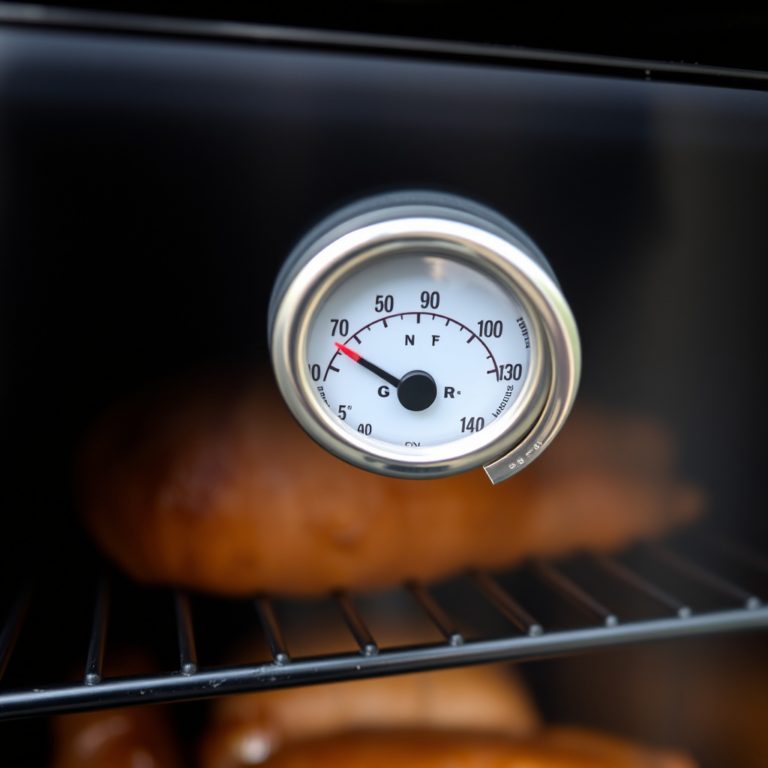
Smoke is best produced when the smoker temperature ranges between 225°F and 275°F. Temperatures too low can cause excessive smoke with harsh compounds; too high can burn wood too fast and produce little lasting smoke.
Monitor your smoker’s temperature with reliable gauges and adjust vents to control airflow and heat. This stable environment enables steady combustion and continuous smoke.
- Use dual-probe thermometers for accuracy
- Adjust vents gradually, avoid sudden large changes
- Refuel at moderate intervals to keep fire steady
Cleaning and Maintenance to Improve Smoking Performance
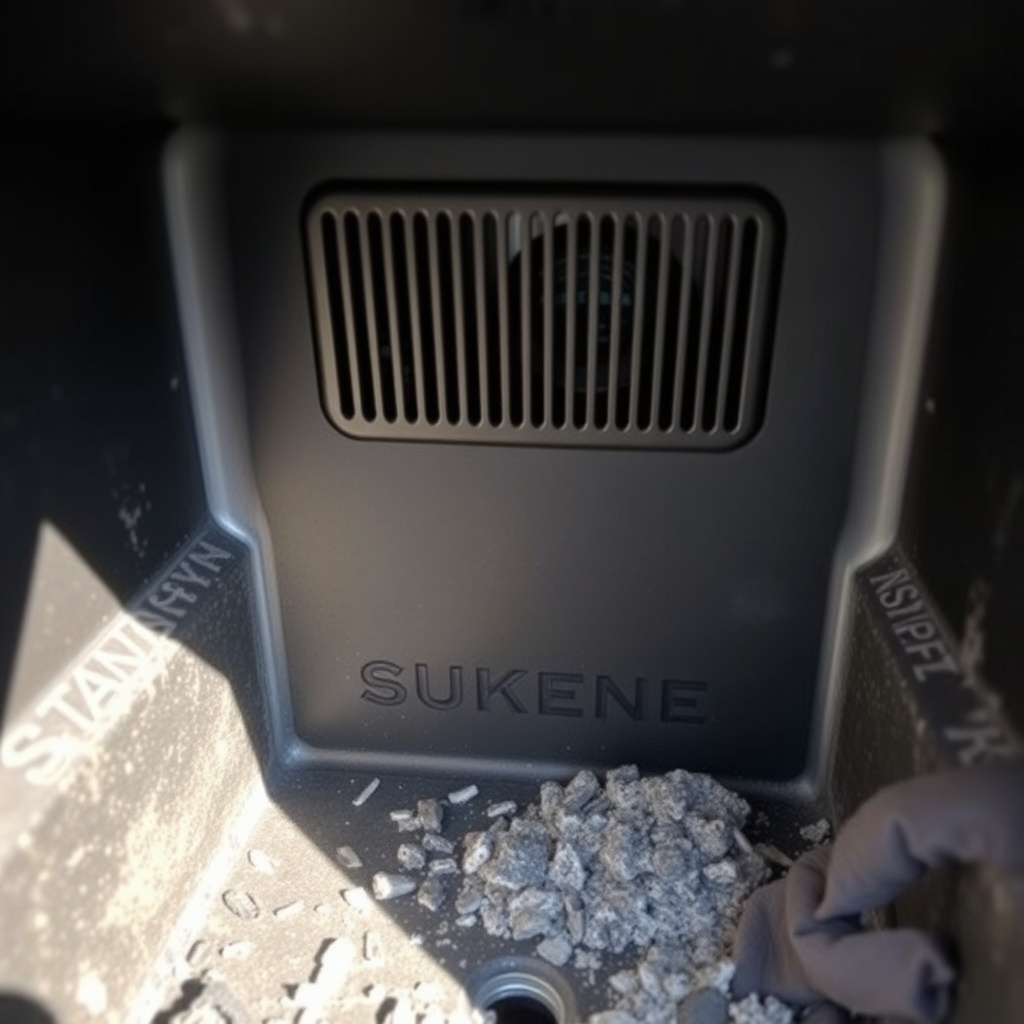
Regular Ash and Grease Removal
Accumulated ash can block airflow and smother your fire, reducing smoke output. Cleaning the firebox and ash pan regularly preserves proper ventilation.
Similarly, grease buildup inside the smoker traps heat and can produce unpleasant smoke or flare-ups. Wiping or scraping these areas helps maintain clean smoke flavor.
- Empty ash pans after every few uses
- Scrape grease channels and drip pans frequently
- Check vents for blockages caused by debris
For more on this, see our related guide: Why Does My Grill Smoke So Much? Causes and Solutions Explained.
Inspecting and Repairing Smoker Components
Cracks in the smoker body or poorly sealed doors allow smoke to escape and reduce heat retention. Check seals, gaskets, and hinges periodically to keep your smoker airtight.
If parts like the smoke stack, grates, or dampers are damaged or rusty, replacing them will help your smoker function more efficiently and produce consistent smoke.
- Replace worn door gaskets every few seasons
- Seal cracks with high-heat gasket cement
- Lubricate hinges and ensure vent mechanisms move freely
Troubleshooting Pellet Smokers Specifically
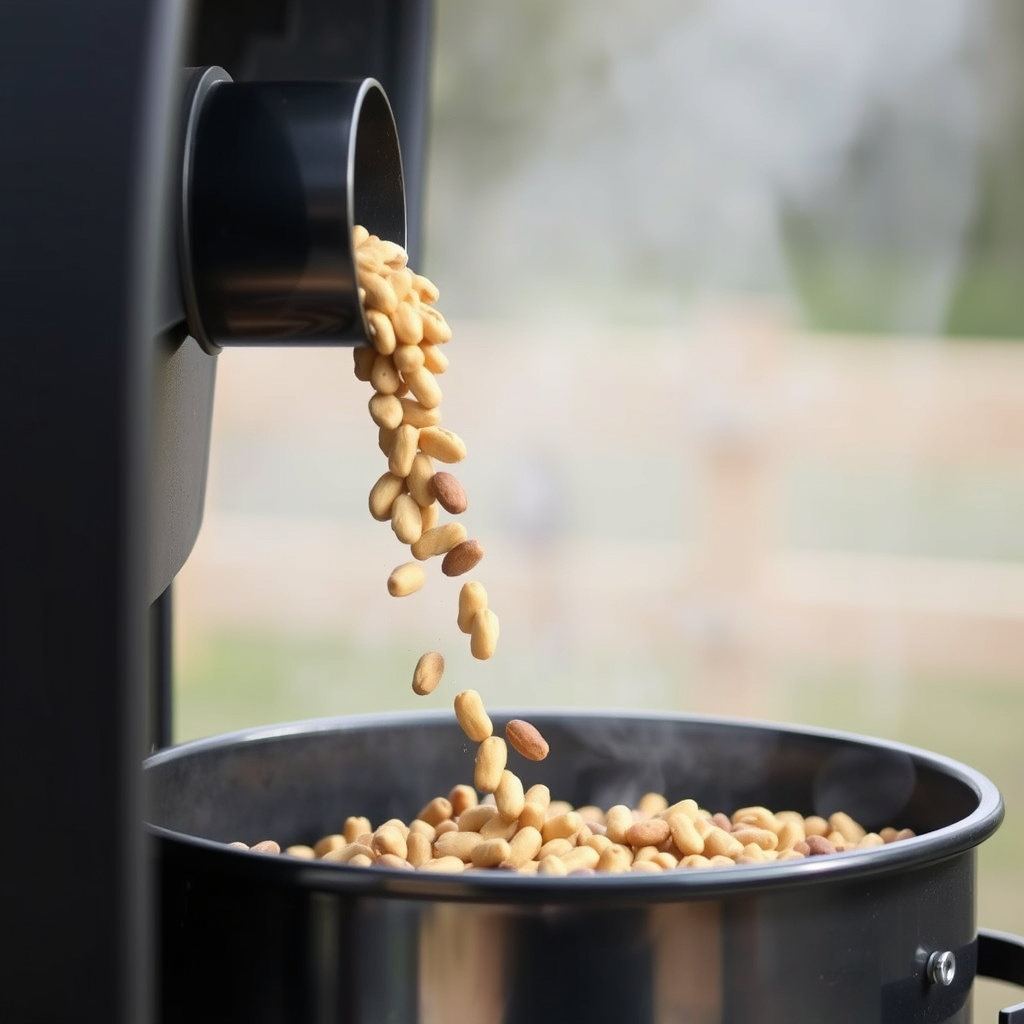
Common Pellet Feed Problems
Pellet smokers rely on an auger to feed pellets into the firepot. If the auger jams or pellets bridge inside the hopper, feeding stops and smoke production halts. Moisture in pellets can cause clumping and jams.
Regularly inspect and clean the hopper, auger tube, and firepot. Use dry, high-quality pellets designed for your smoker brand to minimize feed issues.
- Avoid overfilling hopper to prevent pellet bridging
- Store pellets in sealed containers away from moisture
- Check auger motor operation before use
For a thorough overview of smoking techniques and their history, see the Wikipedia article on Smoking (food). Smoking (food).
Electrical and Temperature Sensor Issues
Modern pellet smokers use sensors and electronic control boards. Faulty temperature probes or wiring errors can cause the smoker to shut down or fail to maintain pellets burning properly.
Regular diagnostics and calibration of temperature sensors, combined with quality power connections, help maintain stable smoke production.
- Test sensors with a multimeter regularly
- Replace frayed or corroded wiring
- Keep electronics dry and protected from heat
Smoker Types Comparison Table
Here's how different smoker styles compare for smoke quality, ease of use, and maintenance requirements.
| Smoker Type | Smoke Control | Fuel Source | Maintenance Level | Best For |
|---|---|---|---|---|
| Offset Smoker | Excellent manual control | Wood/charcoal | High cleaning effort | Experienced smokers who want authentic flavor |
| Pellet Smoker | Automated smoke control | Wood pellets | Moderate with electronics care | Convenience and consistent results |
| Electric Smoker | Basic control via thermostat | Electric heating element | Low effort | Beginners and low-hassle smoking |
| Charcoal Kamado | Good control, high heat retention | Charcoal with wood chunks | Moderate ash removal | Flavor enthusiasts and grill masters |
| Propane Gas Smoker | Simple heat and smoke control | Propane gas and wood chips | Low maintenance | Quick setup with mild smoke flavor |
Frequently Asked Questions
Why is my smoker not producing any smoke at all?
No smoke usually indicates the fire isn't burning fully due to lack of oxygen, wet fuel, or a fire that never started properly. Check airflow vents, fuel dryness, and ignition methods to fix this.
Can using wet wood affect my smoker's smoke output?
Yes, wet or green wood produces less smoke and more steam, which dilutes flavor and can cause creosote buildup. Always use well-seasoned, dry wood for better smoke.
How does temperature affect smoke production?
Temperatures that are too low cause incomplete combustion, leading to thick, acrid smoke. Too high temperatures burn wood quickly without consistent smoke. Maintaining 225°F to 275°F is ideal.
What maintenance can improve my smoker's smoking performance?
Regularly removing ash, cleaning grease, inspecting seals, and clearing vents help maintain airflow and heat retention, both critical for steady smoke.
Why does my pellet smoker stop producing smoke intermittently?
Common pellet smoker issues include pellet jams, moisture in pellets, or faulty auger motors. Cleaning the feed system and using dry pellets helps steady smoke output.
Key Takeaways
- Proper airflow is essential for continuous smoke production.
- Dry, quality fuel significantly affects smoke flavor and consistency.
- Maintaining stable temperatures improves smoking results.
- Regular cleaning and component checks prevent smoke loss and inefficiency.
Conclusion
Determining why your smoker is not smoking takes a step-by-step approach focused on airflow, fuel, ignition, temperature, and maintenance. Each factor contributes uniquely to the combustion process that creates the smoke crucial for flavor. By methodically inspecting and addressing problems in these areas, you can pinpoint the cause and restore your smoker’s performance effectively.
For those dealing with airflow challenges, adjusting and cleaning vents along with keeping ashes cleared will typically resolve smoke issues. If fuel quality or arrangement is suspect, switching to well-seasoned hardwoods or ensuring pellets are dry offers immediate gains. Ignition methods like chimney starters yield stronger fires, while consistent temperature management between 225°F and 275°F stabilizes smoke production. Pellet smokers require additional checks for auger jams and sensor functionality, helping maintain reliable operation.
If your smoker isn’t smoking, start by verifying fuel dryness and vent settings before moving to mechanical or electrical components. Regular maintenance routines and watching temperature closely make a big difference. With these practical steps in mind, you’ll enjoy flavorful, steady smoke for all your barbecue sessions ahead.