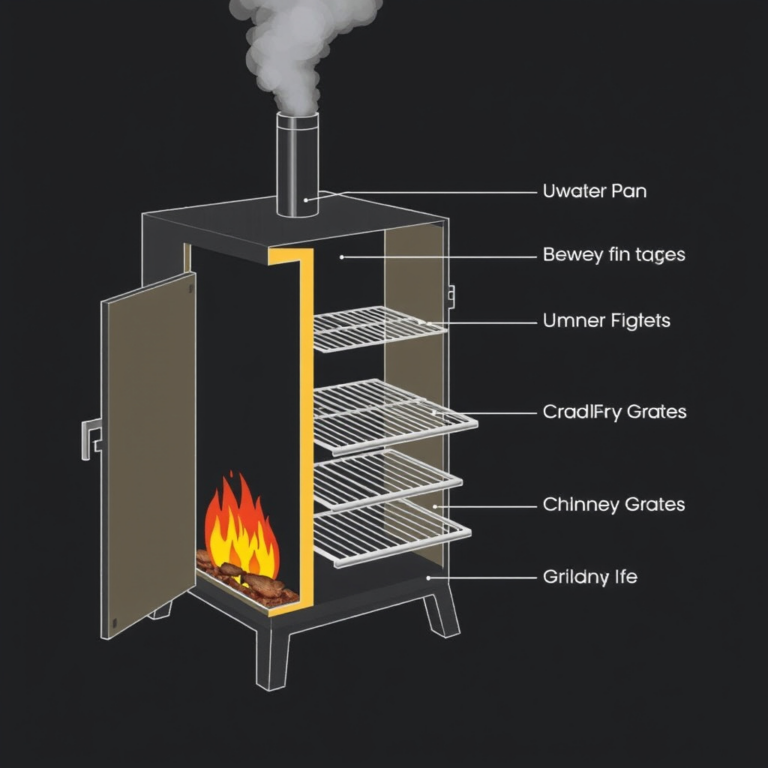
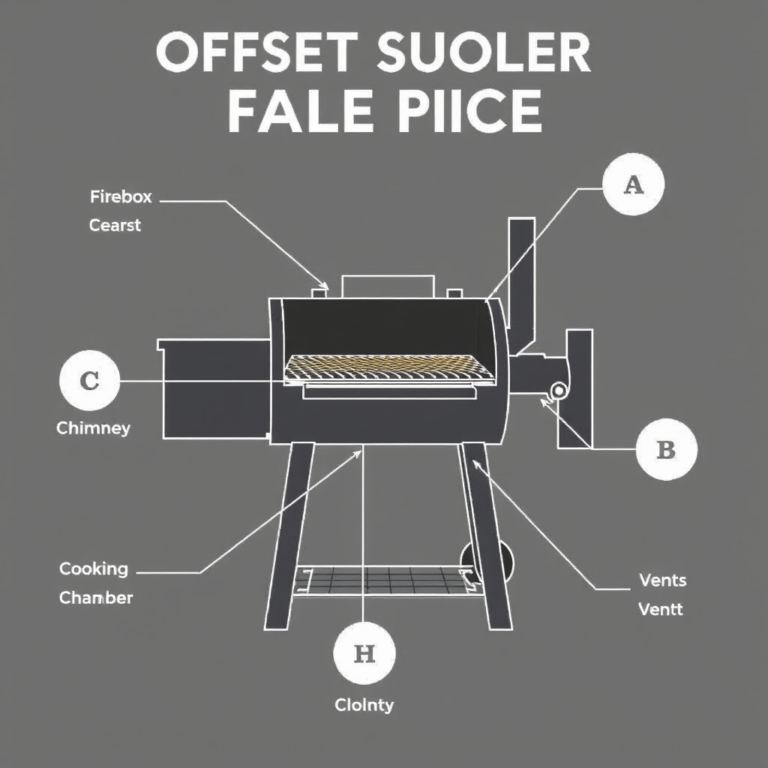
A smoker box works by holding wood chips close to the heat source on a grill, allowing the smoke to infuse your food with rich, smoky flavors without directly burning the chips. It creates a controlled environment where the wood chips smolder, releasing smoke slowly over time to enhance the taste and aroma of meats, vegetables, and other grilled foods.
Using a smoker box matters because it expands the grilling experience beyond typical char and grill marks. Traditional grills don’t generate smoke on their own, so a smoker box adds that depth of flavor associated with slow-burning wood. This makes it ideal for home cooks wanting to replicate that authentic barbecue taste without a dedicated smoker.
This article will explain how a smoker box works, the types of smoker boxes available, how to choose the right wood chips, how to operate a smoker box for best results, and maintenance tips to maximize its lifespan. We’ll also compare common smoker box types so you can decide which fits your grill and style.
How a Smoker Box Generates Smoke
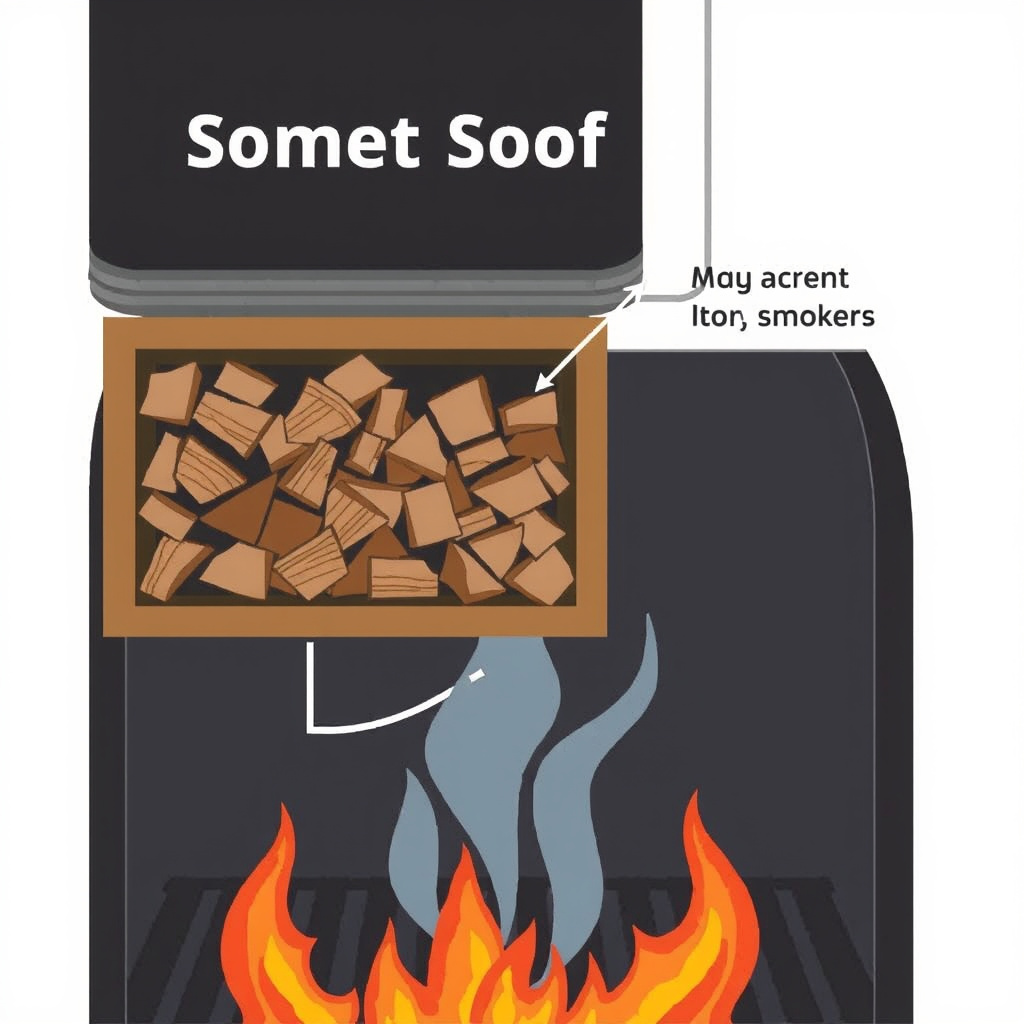
The Role of Wood Chips in a Smoker Box
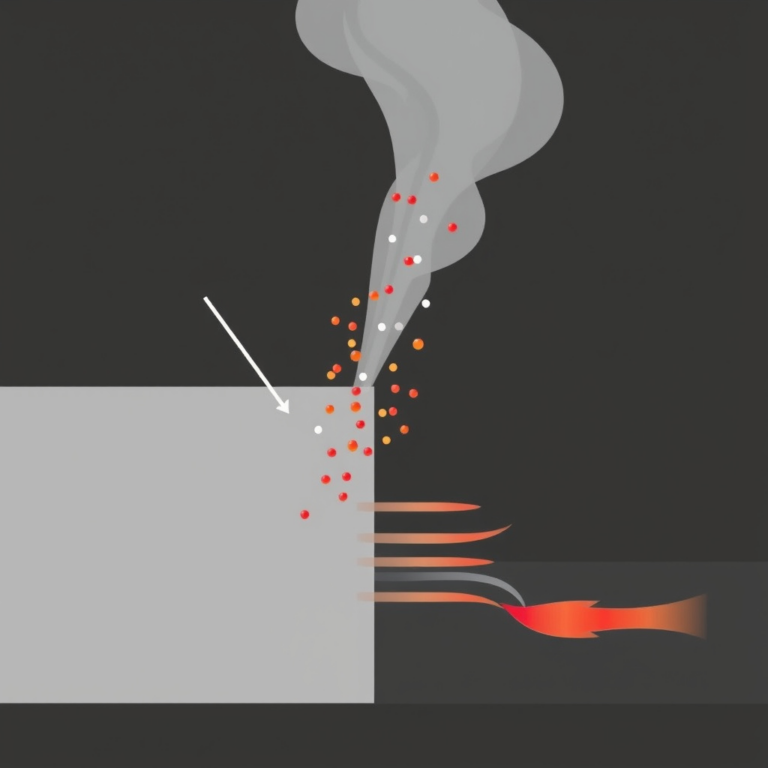
Wood chips placed inside a smoker box smolder rather than burn outright when heated. The metal enclosure traps the chips close to the grill’s heat source, usually gas burners or charcoal, causing the chips to gradually release smoke.
This slow-smoke release happens because the box protects the chips from direct flames, allowing them to smolder for longer and generate flavorful smoke instead of quickly firing up and burning to ash.
Heat Transfer and Smoke Distribution
The smoker box absorbs heat from the grill’s burners or charcoal and, in turn, heats the wood chips inside. As the chips heat up, they emit smoke which escapes through holes or slats in the box, circulating around the food.
This indirect smoke infusion evenly flavors the food inside the grill without exposing it to open flames that might char or burn. The smoker box design is optimized to generate stable smoke flow while preserving steady grilling temperatures.
Types of Smoker Boxes and Their Benefits
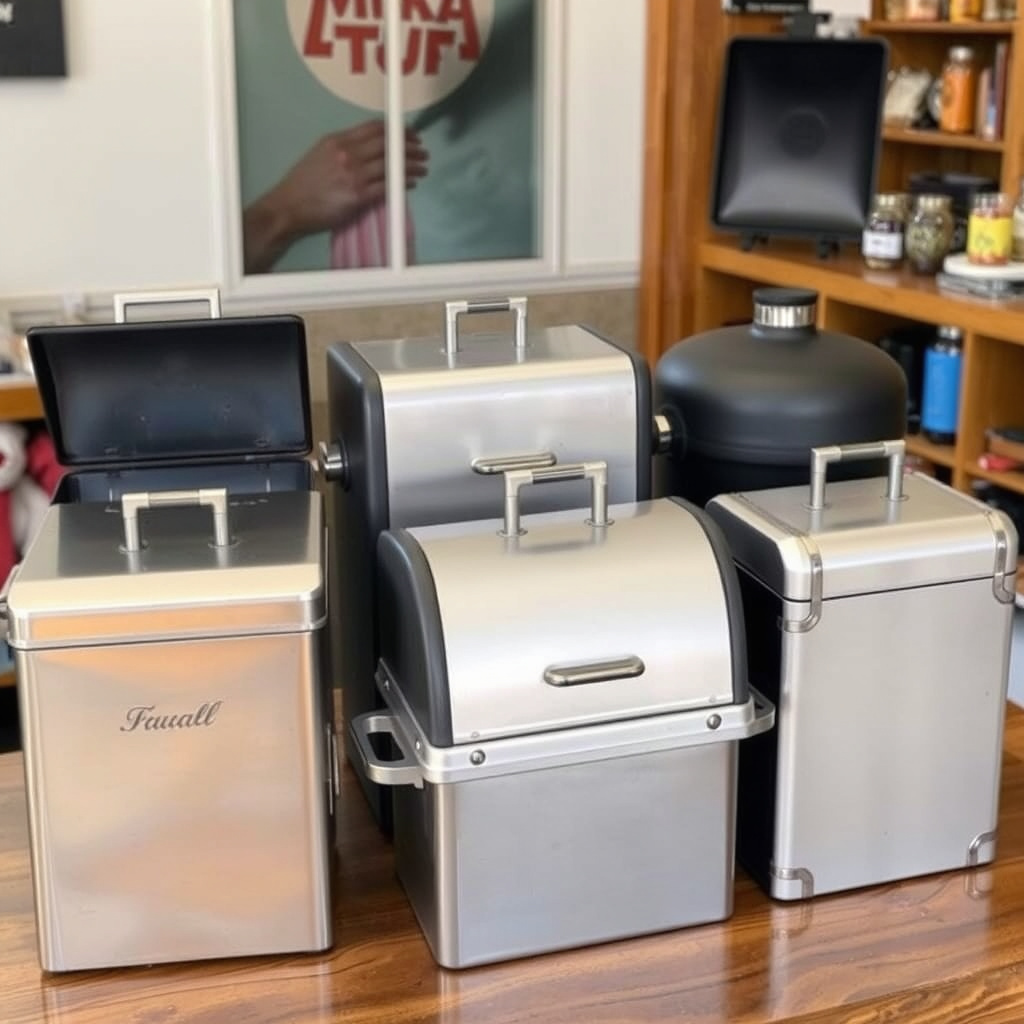
Metal Smokers: Stainless Steel vs. Cast Iron
Stainless steel smoker boxes resist rust and conduct heat efficiently, making them popular for durability and consistent smoke generation. Cast iron smoker boxes retain heat longer and produce a deeper smoke flavor but require more maintenance to prevent rust.
Choosing between these metals depends on your grilling habits and maintenance willingness. Stainless steel suits everyday use with less upkeep, while cast iron suits those seeking richer smoke profiles and don't mind seasoning their tools.
- Stainless steel: rust-resistant
- Cast iron: retains heat longer, requires seasoning
Disposable and Ceramic Smoker Boxes
Disposable smoker boxes are convenient for occasional use or beginners, pre-filled with wood chips that last the cooking session but are not reusable. Ceramic boxes provide steady, even heat and are excellent for slow smoking but tend to be heavier and pricier.
Both types serve particular niches: disposable boxes offer simplicity and portability, while ceramic smoker boxes are favored by enthusiasts focusing on even smoke distribution over longer cook times.
Choosing the Best Wood Chips for Your Smoker Box
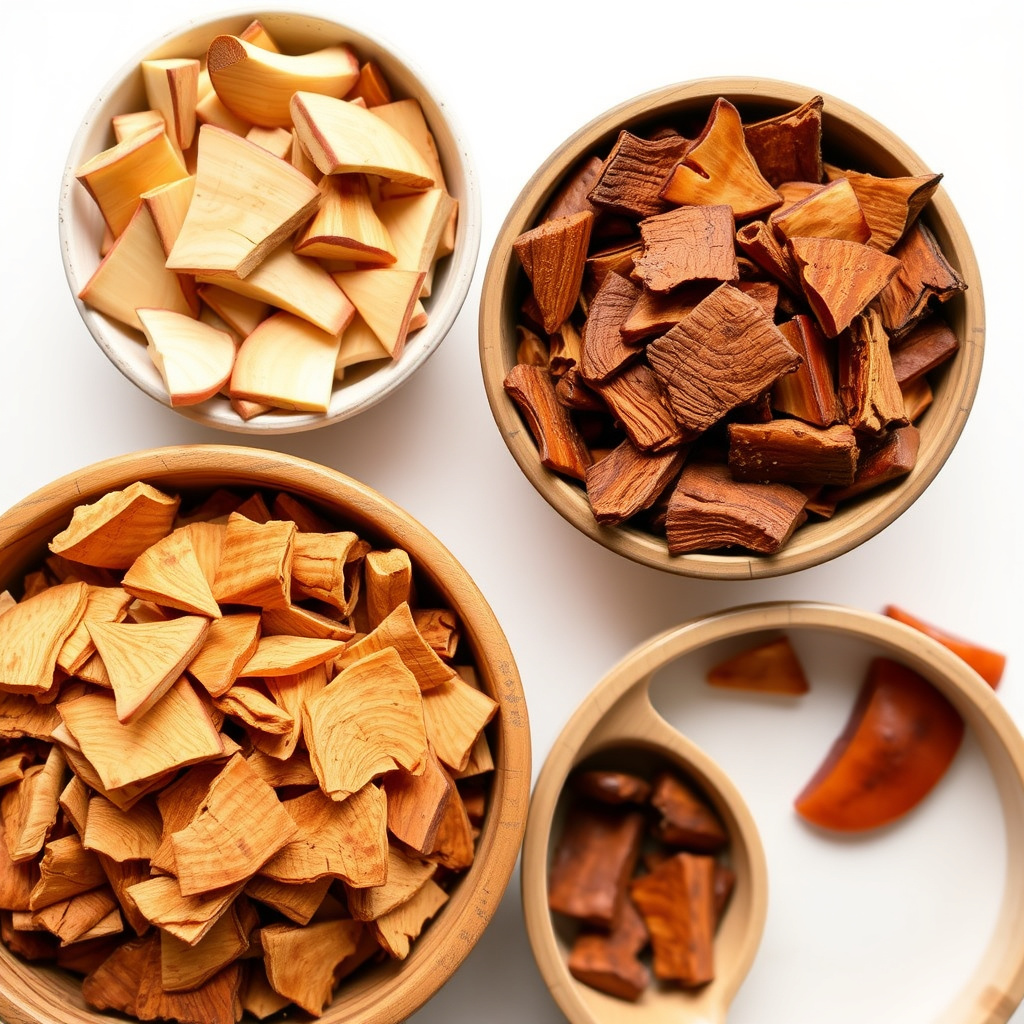
Flavor Profiles of Popular Wood Chips
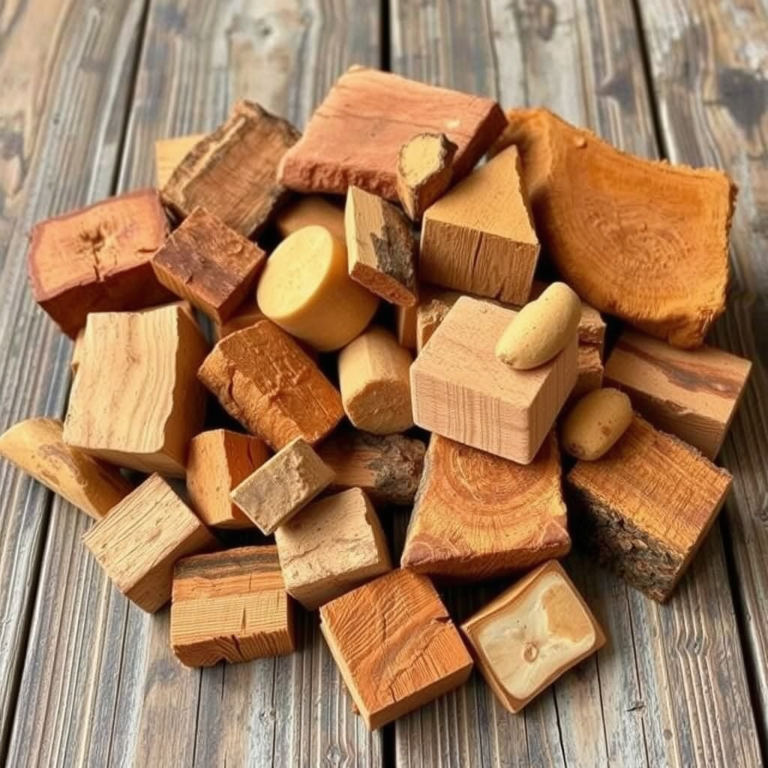
Hickory chips provide a strong, bacon-like smoke flavor ideal for pork and beef. Apple chips yield a mild fruity smoke perfect for poultry and seafood, while mesquite delivers a bold, intense flavor suited for red meats.
Selecting wood chips complements the type of food you grill and your taste preferences. Combining wood varieties can also create unique smoke blends enhancing your grilling repertoire.
- Hickory: strong, bacon-like
- Apple: mild, fruity
- Mesquite: bold, intense
- Cherry: sweet and subtle
For more on this, see our related guide: What Is a Smoker Grill and How to Use One for Perfect BBQ.
Preparation and Soaking of Wood Chips
Soaking wood chips in water or other liquids before placing them in the smoker box slows their burn rate, producing more smoke over the cooking period rather than quick flaring. Some grillers soak chips in apple juice or wine to add subtle flavor hints.
However, not all chips require soaking, especially if you want fast smoke bursts. Experimentation helps find the right moisture level to match your grilling temperature, wood type, and desired smoke intensity.
- Soak for 30 minutes before use
- Use liquids like water, juice, or wine
- Dry chips burn faster, produce sharper smoke
Using a Smoker Box on Different Grills
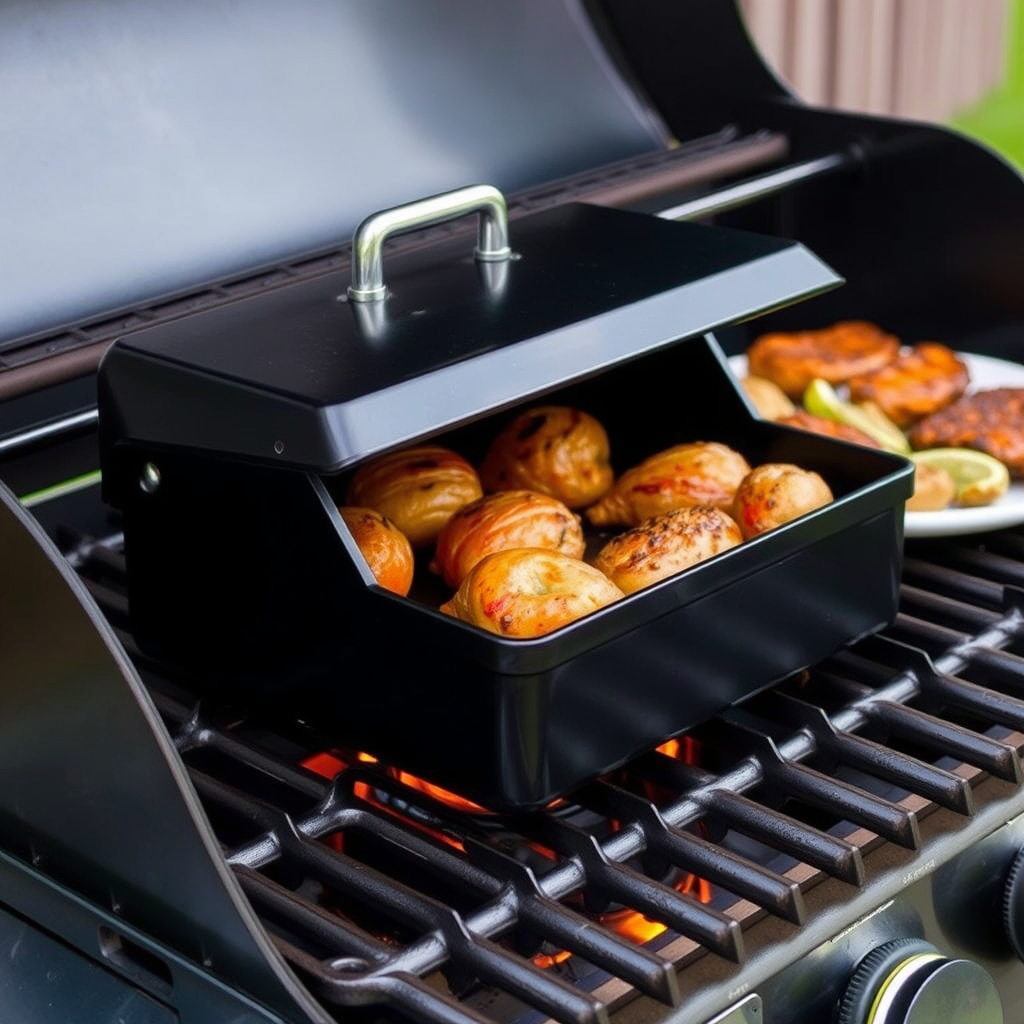
Smoker Box Placement on Gas Grills
On gas grills, position the smoker box directly over the burner or to the side depending on the airflow and cooking setup. Direct placement ensures rapid heating and continuous smoke, but indirect spots may better regulate temperature for longer smokes.
Check your grill’s manual for optimal smoker box locations or experiment with placement to control smoke density and grilling heat balance.
- Place over active burner
- Use indirect heat areas for slow cooking
Smoker Box Use on Charcoal Grills
In charcoal grills, place the smoker box either on top of charcoal briquettes or near them, ensuring the smoke can circulate without sudden flame contact. Charcoal heat distribution is less controlled, so monitor smoke duration carefully.
Adjust vents to manage oxygen flow and smoke intensity. The smoker box can also serve as a tray to hold wood chips without them falling through the grate.
Maintenance and Cleaning of Smoker Boxes
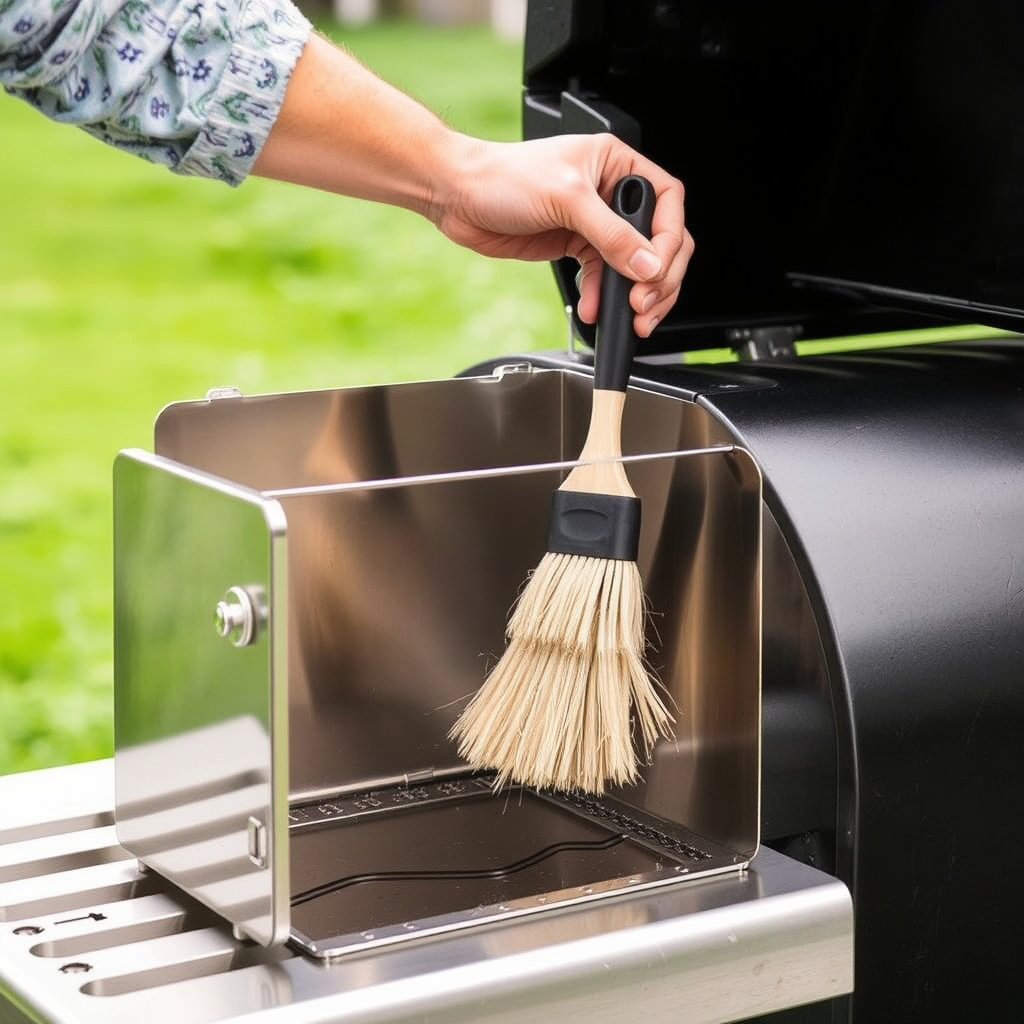
Routine Cleaning Procedures
After each use, remove leftover ash and wood chip residues from the smoker box to prevent buildup that can affect flavor and airflow. Use a grill brush or mild soap and water to scrub the interior and exterior surfaces.
Dry the smoker box thoroughly to avoid rusting, especially for cast iron models. Routine cleaning extends the box’s lifespan and maintains consistent smoking performance.
- Remove ashes after cooling
- Scrub with grill brush
- Dry to prevent rust
For more on this, see our related guide: How to Smoke Meat on a Charcoal Grill: A Step-by-Step Guide.
Long-Term Care and Storage
Store your smoker box in a dry place when not in use. For cast iron, apply a light coat of vegetable oil to avoid rust. Inspect for cracks or damage regularly since cracks hinder proper smoke flow.
Avoid harsh chemicals or abrasive cleaners that may degrade the metal’s protective finish. Well-maintained smoker boxes perform better and last longer.
Tips for Maximizing Flavor with a Smoker Box
Timing and Temperature Control
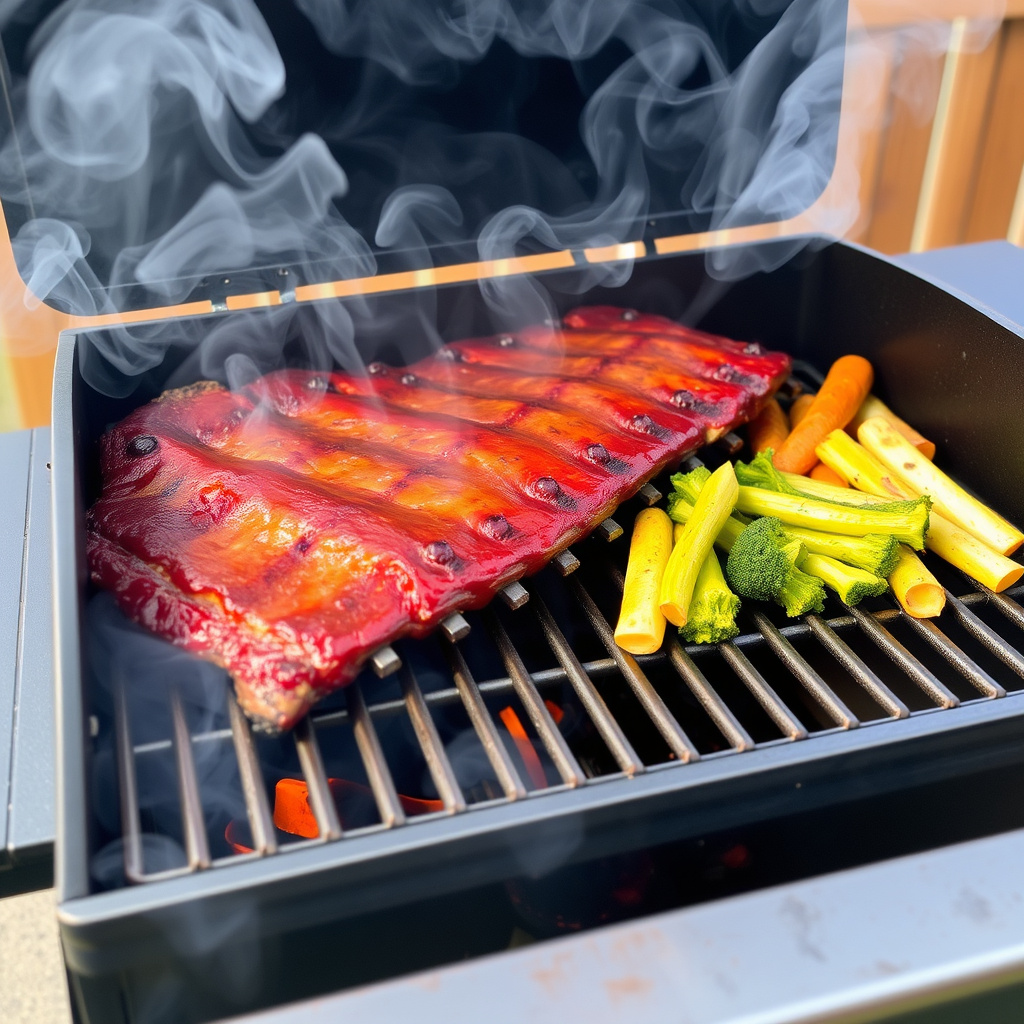
Start smoking when the grill reaches your target cooking temperature to avoid burning wood chips too quickly. Maintaining steady heat between 225°F and 275°F works well for most smoking tasks.
Avoid opening the grill lid frequently to retain smoke inside. Proper timing and temperature keep smoke flowing steadily, delivering consistent flavor infusions.
For additional background on smoking methods and equipment, refer to the smoker box Wikipedia page. smoker box Wikipedia page.
Combining Wood Chips and Marinades
Pair the smoker box’s wood chip flavor with complementary marinades or rubs on your food to build layered taste complexity. For instance, use apple wood chips with citrus-based marinades for poultry or cherry chips with sweet barbecue sauces for pork.
This pairing enhances overall flavor beyond smoke alone, providing a tailored taste experience for your grilled dishes.
- Use matching wood-chip and marinade flavors
- Try citrus with fruity woods
- Pair sweet sauces with mild woods
Smoker Box Types Category Comparison
The following table compares various smoker box types by material, heat retention, maintenance, and price to help you choose the right one for your grill.
| Type | Material | Heat Retention | Maintenance | Price Range |
|---|---|---|---|---|
| Standard | Stainless Steel | Medium | Low (rust-resistant) | $15-$30 |
| Heavy Duty | Cast Iron | High | High (requires seasoning) | $25-$50 |
| Disposable | Lightweight Metal | Low | None (single use) | $5-$10 |
| Ceramic | Ceramic | Very High | Medium (fragile) | $40-$70 |
Frequently Asked Questions
Can I use a smoker box on any type of grill?
Most smoker boxes work on gas and charcoal grills as they rely on direct heat to smolder wood chips. Make sure your grill has a heat source where the box can be placed safely.
How long do wood chips last in a smoker box?
Wood chip duration depends on moisture and heat but typically lasts 30 to 90 minutes before needing replenishing for continuous smoke.
Should I soak my wood chips before using them in a smoker box?
Soaking wood chips slows their burn rate and can produce more consistent smoke. However, some grillers prefer dry chips for faster smoke bursts.
How often should I clean my smoker box?
Clean your smoker box after every use by removing ash and residues to keep smoke flow consistent and prevent contamination of flavors.
What wood chips are best for poultry?
Milder woods like apple or cherry chips complement poultry well by adding a subtle, sweet smoke flavor without overpowering the meat.
Key Takeaways
- A smoker box holds wood chips close to the heat source to create smoke for grilling.
- Material choice affects heat retention and maintenance needs of smoker boxes.
- Selecting the right wood chips enhances specific food flavors.
- Proper placement and temperature control maximize smoke flavor.
Conclusion
Understanding how a smoker box works helps you add authentic smoky flavors to your grilled dishes without investing in a full smoker. The box encases wood chips, allowing them to smolder and release smoke steadily over your food, enhancing taste. Deciding on the right smoker box involves considering materials like stainless steel for durability or cast iron for heat retention, and matching wood chip flavors to your grilling style.
For casual home cooks, a stainless steel smoker box combined with apple or cherry wood chips adds mild, pleasant smoke perfect for chicken and vegetables. Those who prefer richer smoke intensity might opt for a cast iron box with hickory or mesquite chips to enhance pork and beef. Disposable smoker boxes suit occasional use while ceramic options work best for slow-smoking enthusiasts who value temperature stability and even smoke distribution.
Start by selecting a smoker box that fits your grill model and suits your cooking frequency. Experiment with different wood chips and soaking methods to find your preferred smoke intensity and flavor profiles. With minimal maintenance and proper use, a smoker box can transform your grilling routine, making smoky barbecue flavors accessible anytime.