If your pellet smoker is not heating, the most common causes include issues with the pellet feed system, an electrical problem, or a faulty igniter. Checking these components systematically will usually identify the problem preventing the smoker from reaching temperature.
Pellet smokers rely on a combination of mechanics and electronics to burn wood pellets and produce smoke and heat. When even one part malfunctions, it disrupts the combustion process, leaving you with a cold smoker. Understanding where the problem lies can save time and avoid unnecessary repairs.
In this article, we will explore the main reasons a pellet smoker might fail to heat, how to diagnose each potential issue, and tips on how to fix or replace parts. This guide will help you restore your smoker’s performance so you can get back to cooking.
Pellet Delivery System Problems
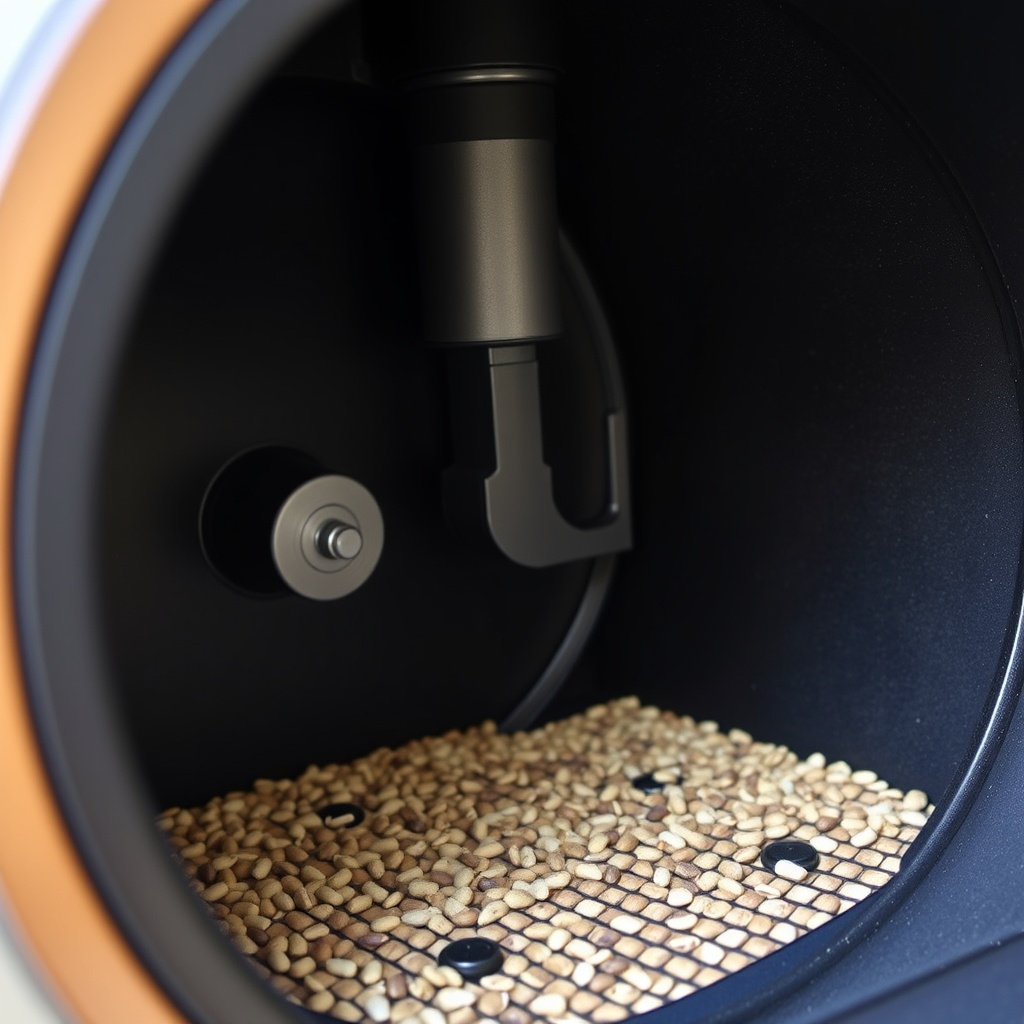
Checking the Auger for Blockages
The auger is responsible for feeding pellets from the hopper into the firepot, where combustion occurs. If the auger is jammed or stuck, pellets won't reach the fire and the smoker won't heat.
Inspect the auger for any pellet dust buildup, broken pellets, or debris causing a blockage. Sometimes pellets swell due to moisture, causing them to lock up inside the auger tube.
- Remove hopper and clean any pellet dust
- Use a stick or tool to clear the auger
- Test auger motor operation by running smoker on start cycle
Examining the Hopper Condition
A poorly sealed or moist hopper can affect pellet flow. Moist pellets tend to clump or degrade, causing feeding problems. Additionally, a damaged hopper lid may let water in, ruining pellets.
Keep the hopper dry and clean. Store pellets in sealed bags and only fill the hopper just before use for best results.
- Use a moisture meter on pellets
- Keep hopper dry and clean
- Store pellets in airtight containers
Ignition and Electrical Issues
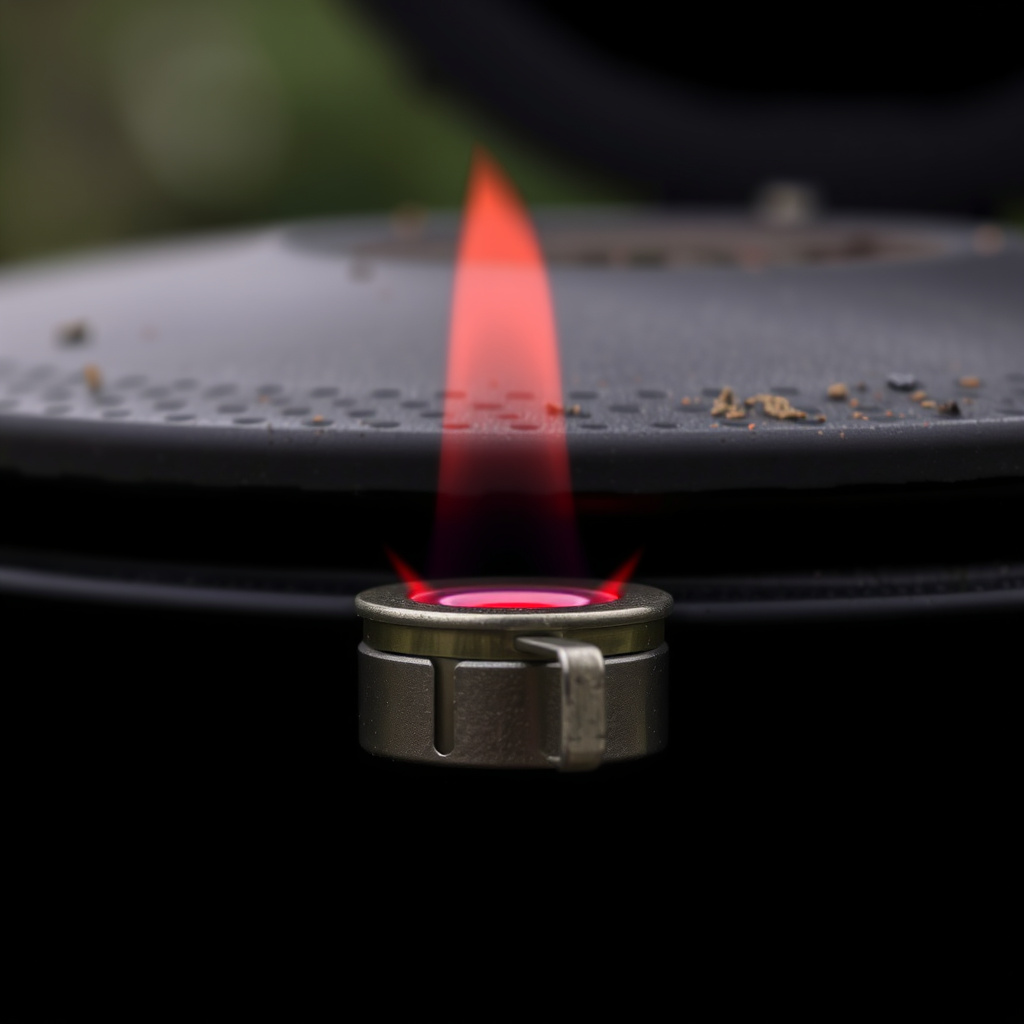
Testing the Igniter Element
The igniter heats the pellets to start combustion. If it fails, the pellets won’t light. Use a multimeter to test continuity or visually inspect if the igniter heats up and glows during startup.
Burnt-out igniters are a common failure point and usually need replacement.
- Check igniter glow during startup
- Use multimeter continuity test
- Replace igniter if faulty
For more on this, see our related guide: How Do Pellet Grills Work? A Clear Guide for BBQ Enthusiasts.
Inspecting Electrical Connections
Loose or corroded wiring can prevent the smoker’s control board from functioning properly, leading to no heat. Check wiring, connectors, and fuses for damage or poor contact.
Make sure the power source and outlet are working correctly by testing with other devices.
- Verify power supply voltage
- Inspect and tighten wiring connections
- Test fuses and replace if blown
Combustion Airflow and Fan Problems
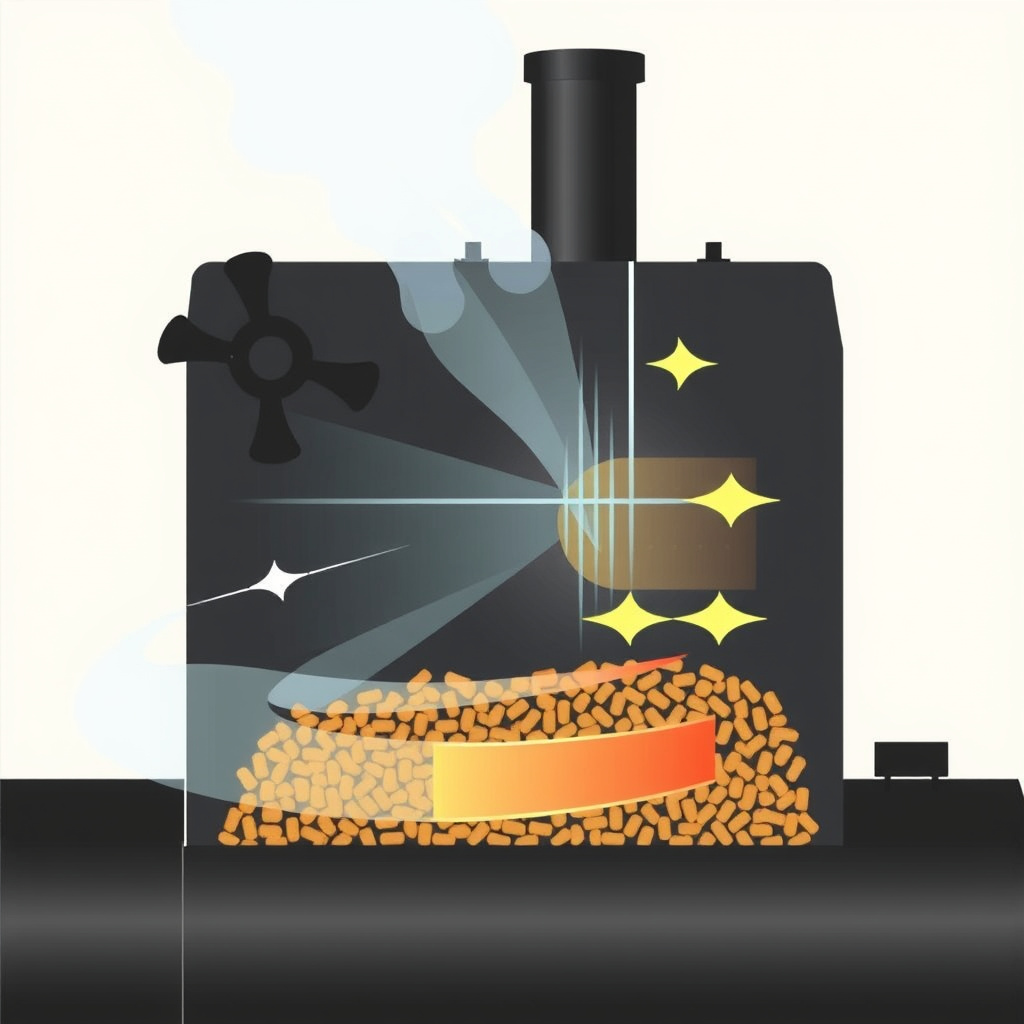
Assessing the Exhaust and Intake Fans
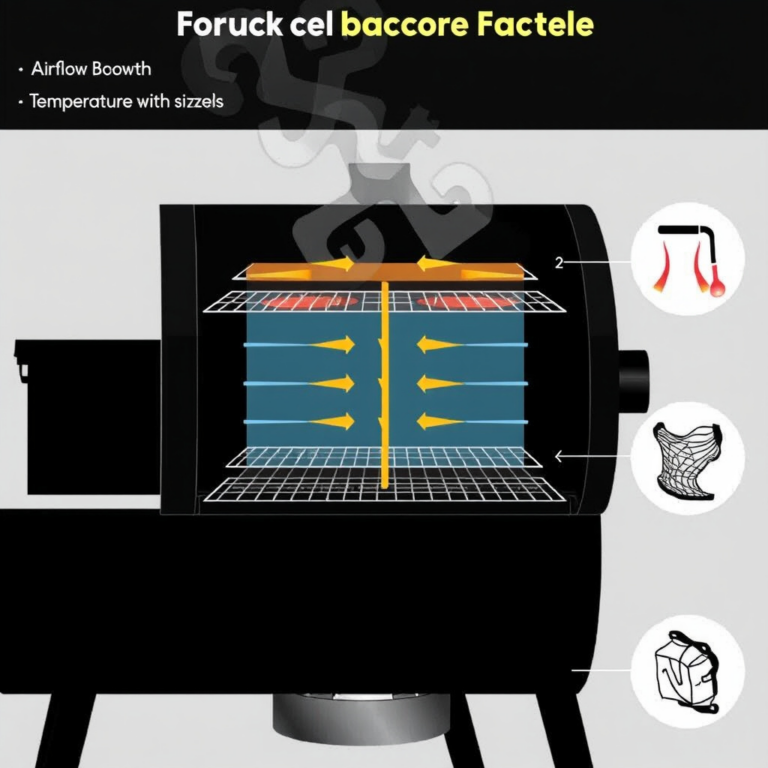
Both exhaust and intake fans are critical to maintaining airflow that supports combustion. If either fan fails to run or is blocked, combustion will be weak or non-existent.
Listen for fan noise during startup and inspect blades for dirt or obstructions.
- Clean fan blades and motor area
- Test fan operation electrically
- Replace malfunctioning fans
Checking Air Leaks and Seals
Air leaks in the smoker body can reduce combustion efficiency and prevent sustained heat. Check door seals, gaskets, and any joints for cracks or breaks.
Proper airtight seals maintain stable temperature and smoke.
- Inspect door gaskets and replace if worn
- Seal gaps with high-temperature silicone
- Avoid opening smoker door unnecessarily
Control Board and Sensor Malfunctions
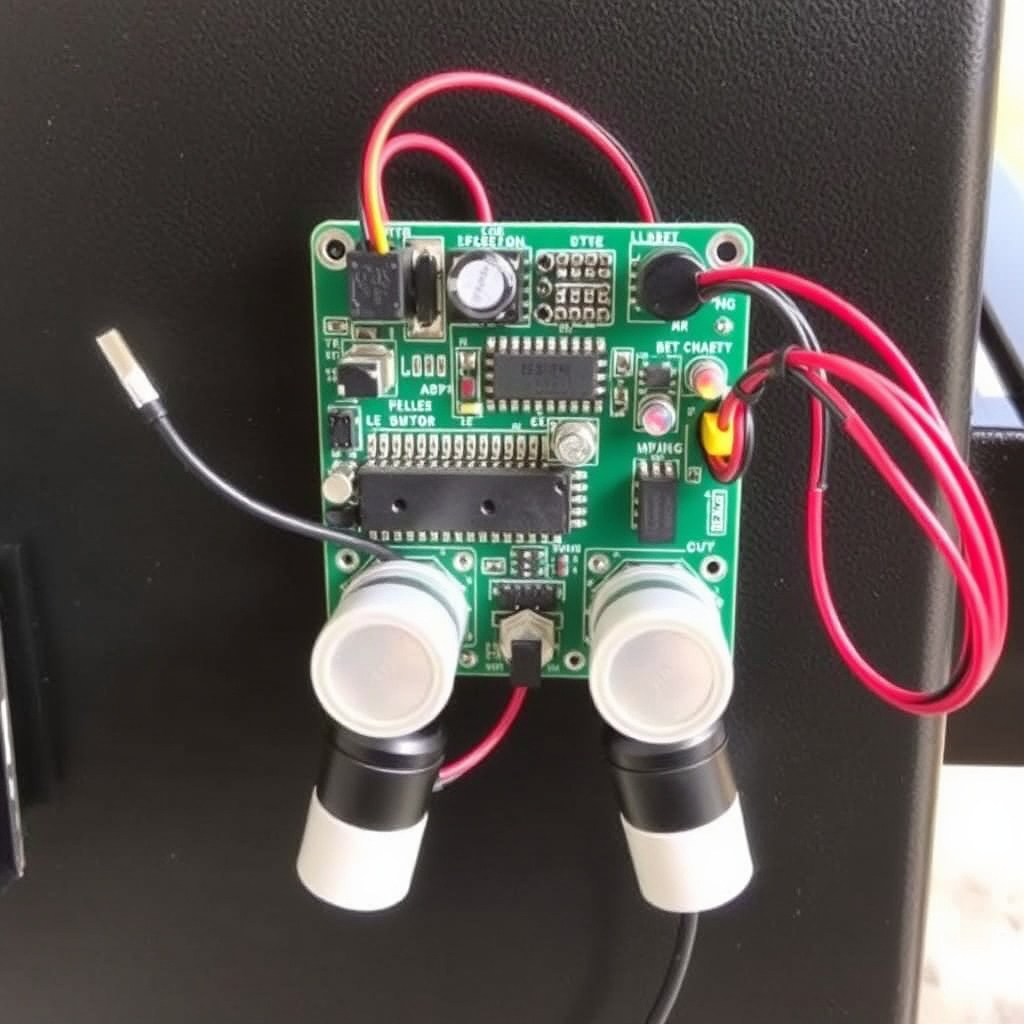
Diagnosing Control Board Issues
The control board governs pellet feed, ignition timing, and temperature control. A faulty board can stop the ignition or pellet feeding process completely.
Look for error codes on the display if available and consult the manufacturer’s troubleshooting section. Sometimes resetting the board helps.
- Reset or power cycle control board
- Refer to error codes manual
- Replace board if diagnostics fail
For more on this, see our related guide: Why Is My Traeger Not Heating Up? Quick Fixes and Troubleshooting Tips.
Testing Temperature Sensors
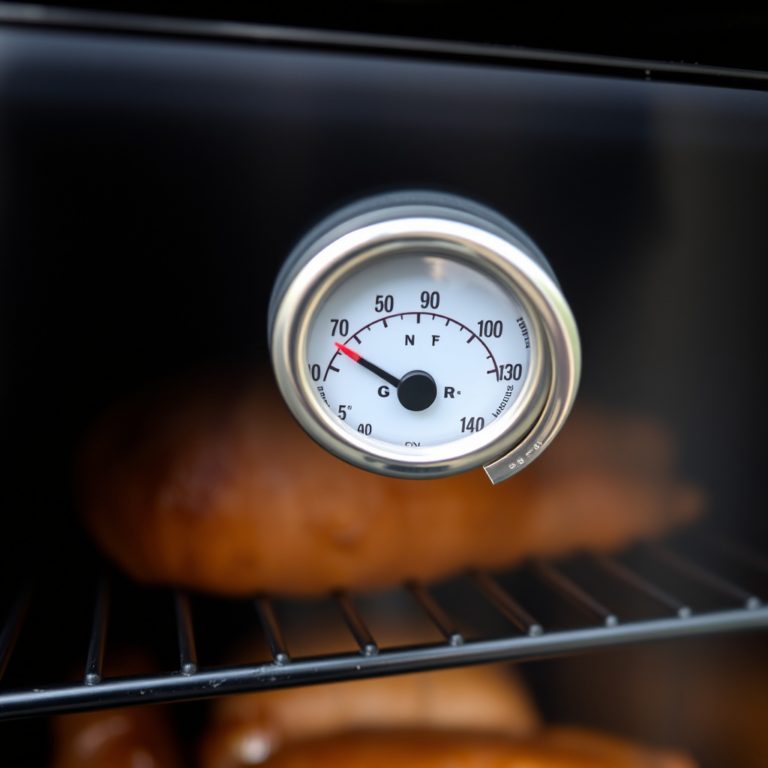
Temperature sensors feed data to the controller so it can regulate heat. A failed sensor might falsely indicate current temperature, preventing heating cycles.
Check sensor resistance with a multimeter and replace if readings are out of spec.
- Locate and test temperature probe resistance
- Replace sensor if defective
- Ensure sensor is securely positioned inside smoker
Fuel Quality and Maintenance
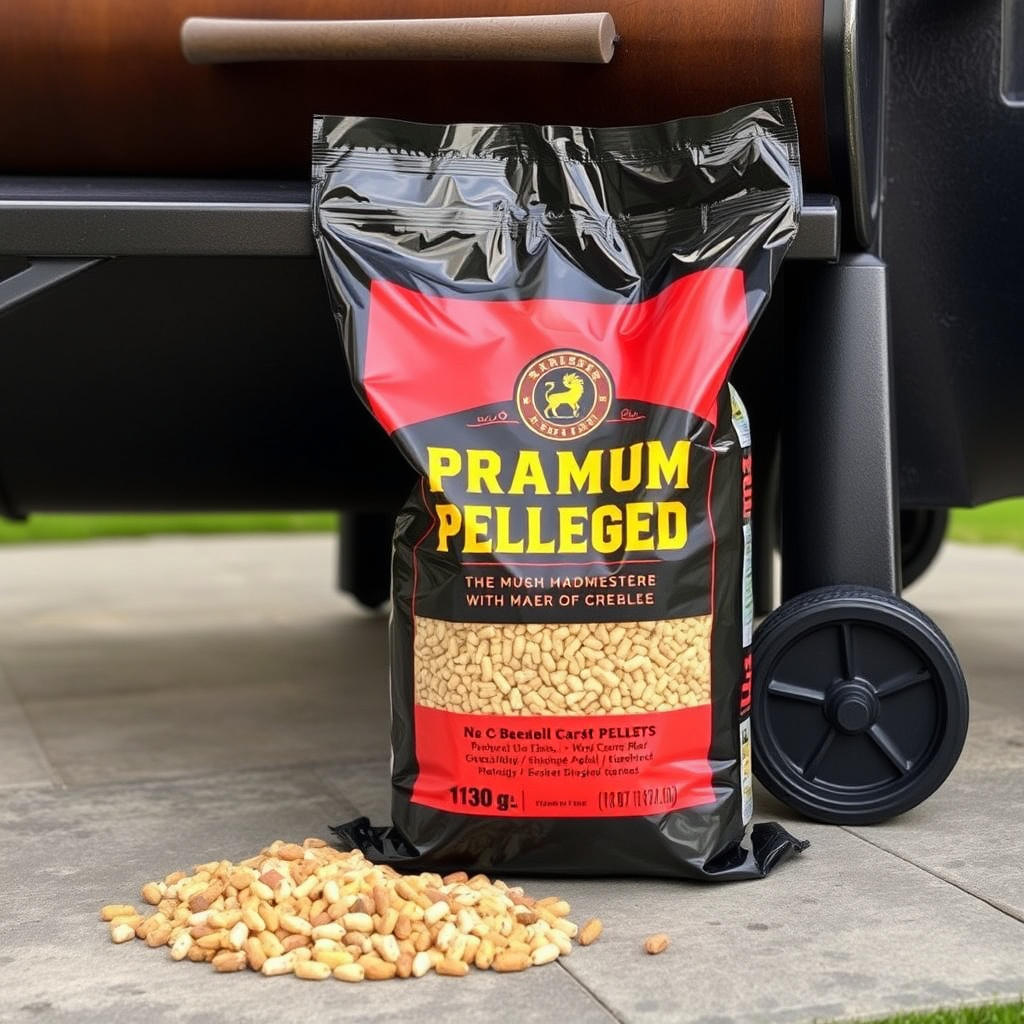
Using Quality Hardwood Pellets
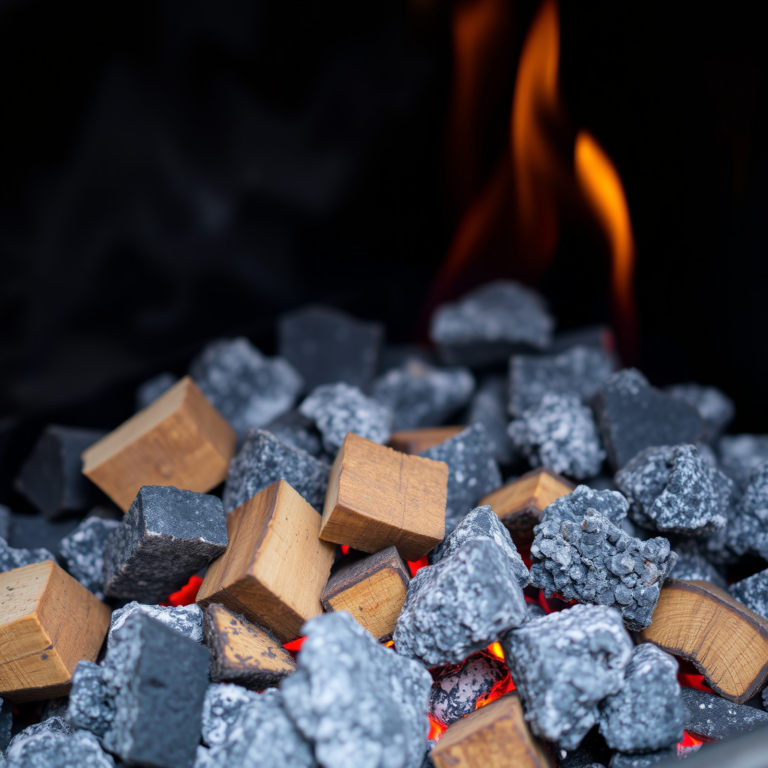
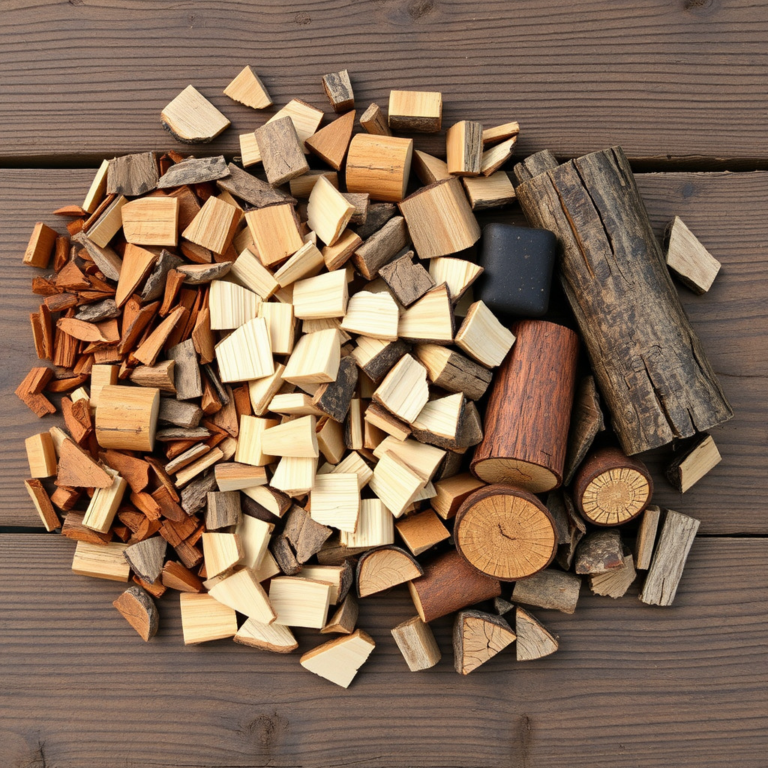
Low-quality pellets that contain fillers or excess dust can cause blockages and poor combustion. Hardwood pellets with consistent size and moisture content produce better heat and smoke.
Avoid pellets that look crumbly or have a musty smell.
- Choose pellets certified for grilling
- Store pellets in cool, dry place
- Discard pellets exposed to moisture
For further reading on how pellet smokers work, see the detailed overview at Pellet smoker information on Wikipedia. Pellet smoker information on Wikipedia.
Routine Smoker Maintenance
Regular cleaning of the burn pot, ash removal, and inspecting moving parts keeps the smoker functioning properly. Ash buildup can smother combustion and cause heating failures.
Monthly deep cleaning and seasonal inspections extend the life of your pellet smoker.
- Empty ash pan after each use
- Clean burn pot and fire pot regularly
- Check moving parts and lubricate when needed
Pellet Smoker Heating Issue Causes Comparison
Understanding the key differences between common pellet smoker heating issues helps you pinpoint the right fix faster.
| Issue Category | Common Symptoms | Diagnostic Tips | Typical Fix |
|---|---|---|---|
| Pellet Delivery | No pellets feeding, auger motor silent | Inspect auger and hopper condition | Clear blockage or replace auger motor |
| Ignition | No smoke or heat, igniter doesn’t glow | Test igniter continuity and glow | Replace igniter element |
| Electrical | No power to control board, error codes | Check wiring and fuses | Repair wiring or replace fuses |
| Airflow | Weak heat, fan noise absent or irregular | Listen for fan operation | Clean or replace fans |
| Control Board/Sensor | Inconsistent heat, error display | Reset board, test temp sensor | Replace board or sensors |
| Fuel Quality/Maintenance | Irregular heat, pellet jamming | Check pellet quality and ash buildup | Use quality pellets, clean ash |
Frequently Asked Questions
What should I do if my pellet smoker doesn’t ignite at all?
First, check whether the igniter glows during startup. If not, test or replace the igniter. Also verify the auger feeds pellets and the control board is powered.
Can moisture in pellets cause heating problems?
Yes. Moist pellets often swell and jam the auger, preventing pellets from reaching the firepot, resulting in no or low heat.
How often should I clean my pellet smoker to prevent heating issues?
Empty ashes and clean the burn pot after each use. Perform deeper cleanings of fans and the auger monthly or every 20-30 uses.
Why does my pellet smoker heat inconsistently?
Inconsistent heating often results from sensor issues, airflow problems, or poor pellet quality. Check sensors and fans and try fresh pellets.
Is it safe to replace the igniter element myself?
Yes, provided you disconnect power before working on the smoker and follow the manufacturer’s instructions carefully.
Key Takeaways
- Pellet feeding problems and auger jams commonly cause no heat.
- Igniter failures prevent pellets from catching fire during startup.
- Electrical and airflow issues can also block proper heating.
- Regular cleaning and quality pellets help maintain smoker performance.
Conclusion
Determining why a pellet smoker is not heating involves checking mechanical and electrical systems systematically. Starting with the pellet delivery system, inspecting the auger for blockages or jams saves efforts before moving on to the igniter or electrical components. Airflow and sensor issues can be subtler but still affect combustion heat significantly. A practical diagnostic approach includes observing symptoms, testing parts with simple tools like a multimeter, and eliminating causes step-by-step.
For those facing no ignition, the igniter element is often the culprit, followed by pellet jams or moisture-damaged fuel disrupting feed. Electrical faults or a faulty control board can also prevent heating cycles. Checking fans and gaskets for proper airflow will help stabilize temperatures. Users who keep pellets dry and perform routine ash and burn pot cleanings enjoy more reliable heating performance and fewer malfunctions. Pellet smoker troubleshooting tips emphasize thorough maintenance and careful inspection of key components.
If your pellet smoker is not heating, begin by inspecting the auger and pellet quality, then test the igniter’s glow. Clean and check electrical connections and fans while looking out for error codes on the control board. Replacing worn parts like igniters, sensors, or boards might be necessary but straightforward. With careful troubleshooting guided by this article, you can restore heat and enjoy consistently flavorful smoked meals.