Vertical smokers work by using a vertical chamber to create and circulate smoke and heat around the food, usually positioned on grates above a fire source. Heat and smoke rise from the bottom, enveloping meats with intense, slow-cooked flavor. This vertical design allows for controlled cooking temperatures and efficient smoke flow that results in tender, flavorful barbecue.
Understanding the mechanics of vertical smokers matters because their layout influences cooking consistency and smoke penetration, making them a favorite among both hobbyists and professional pitmasters. Unlike horizontal smokers, vertical models stack heat and smoke beneath the food, optimizing space and offering versatile smoking options from cold smoke to hot smoke.
This article explains how vertical smokers operate, including their key components, temperature regulation, fuel choices, and maintenance tips. We'll also compare popular vertical smoker types and recommend suitable styles and models for different users and skill levels.
Core Components of a Vertical Smoker
Firebox and Fuel Source
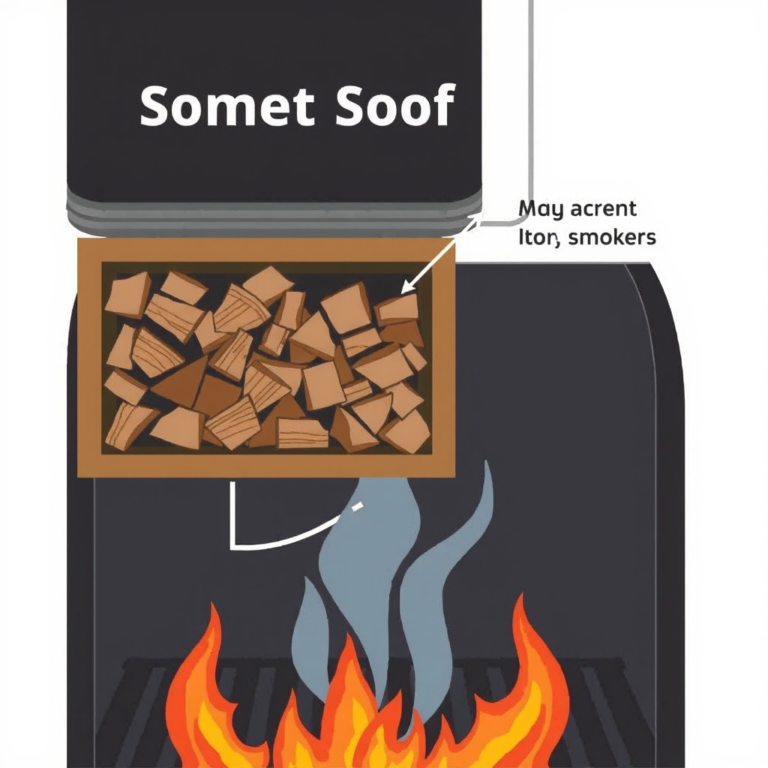
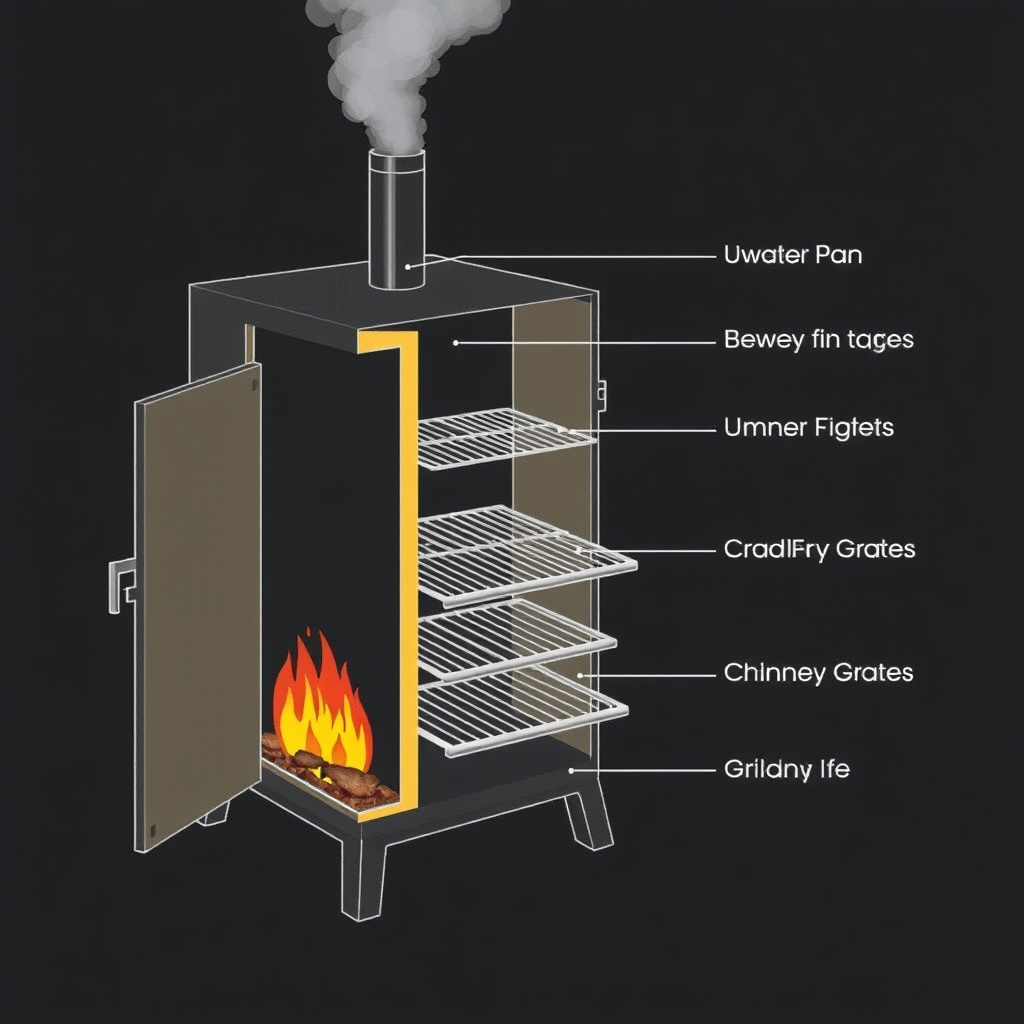
The firebox at the bottom of a vertical smoker holds the charcoal or wood that produces heat and smoke. This firebox is crucial as it generates both the temperature and flavorful smoke that cook the food. Many vertical smokers allow for adjustable vents here to control airflow and fuel burn rate.
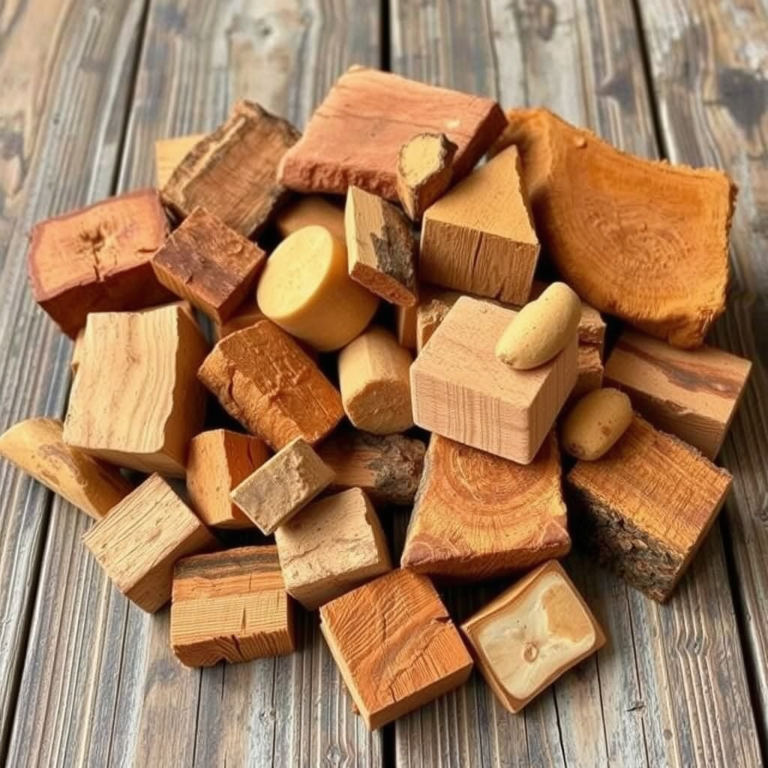
Different fuels like lump charcoal, briquettes, or hardwood chunks offer varying heat outputs and aromatic qualities. Wood chips soaked in water or added on top of coals create additional smoke for flavor. Choosing your fuel impacts the cooking experience and final taste.
- Charcoal: steady, easy to control heat
- Wood chunks: richer smoke flavor
- Combination fuels: balance heat and smoke
Water Pan and Cooking Chamber
A water pan sits between the firebox and cooking grates to maintain moisture and stabilize temperature within the cooking chamber. This prevents the meat from drying out during the long smoking process and also helps evenly distribute heat.
The vertical orientation places cooking grates above the firebox and water pan, allowing smoke and heat to rise naturally around the food. Multiple grates are common, increasing cooking capacity without compromising smoke circulation.
- Water pans reduce temperature spikes
- Add herbs or juice to water for aroma
- Vertical space allows multiple racks for smoking
Temperature Control and Smoke Circulation in Vertical Smokers
Adjusting the Air Vents
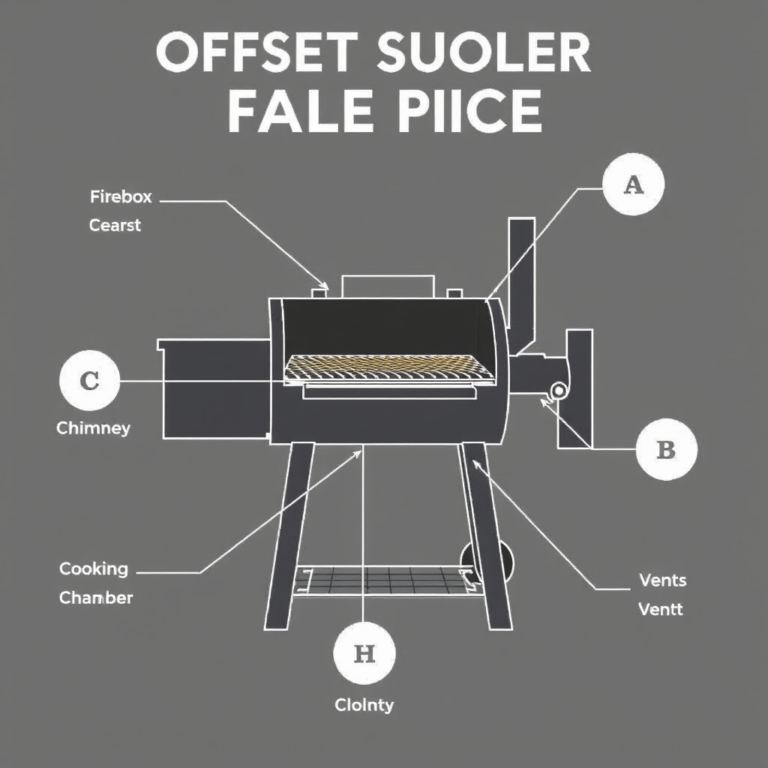
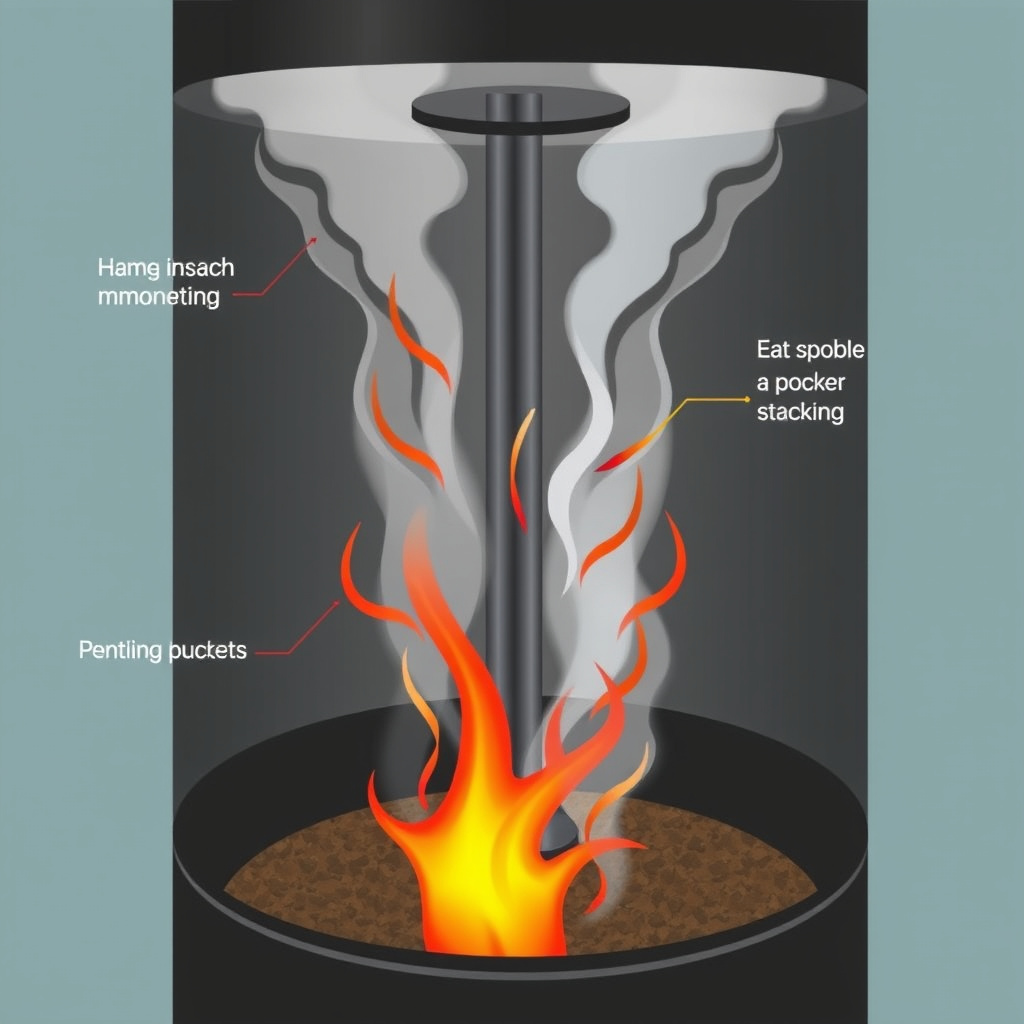
Vertical smokers rely on adjustable vents at both the bottom near the firebox and at the top chimney to regulate airflow. Opening the lower vents allows more oxygen in, increasing heat and smoke production, while the top vent controls exhaust and smoke exit speed.
Carefully managing these vents lets you maintain steady cooking temperatures, usually between 225°F and 275°F, which is ideal for low and slow smoking. Small vent adjustments may need frequent monitoring early in the cooking process.
- Lower vents control oxygen intake
- Upper vents manage smoke and heat outlet
- Incremental vent adjustments for fine temperature tuning
For more on this, see our related guide: The Difference Between a Pellet Grill and a Smoker: Which One Suits Your BBQ Style?.
Smoke Flow Dynamics
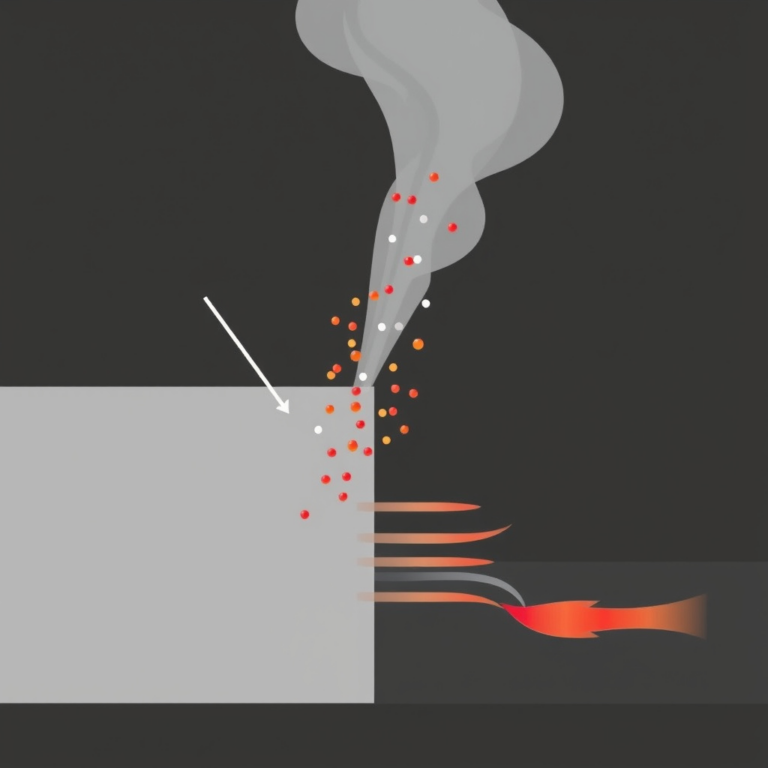
In vertical smokers, smoke rises naturally within the tall chamber, passing over the water pan and circulating around the food before exiting through the chimney. This upward smoke flow maximizes smoke contact with the meat, enhancing flavor and bark formation.
Because smoke travels a relatively direct path vertically, buildup is minimized compared to horizontal smokers, leading to cleaner smoke with less risk of bitter taste. This efficient circulation makes vertical smokers especially suited for extended cooking sessions.
- Vertical flow enhances smoke flavor absorption
- Water pan filters and cools smoke
- Chimney height affects draft and smoke quality
Fuel Types and Their Impact on Vertical Smoker Operation
Charcoal vs. Wood Fuel Choices
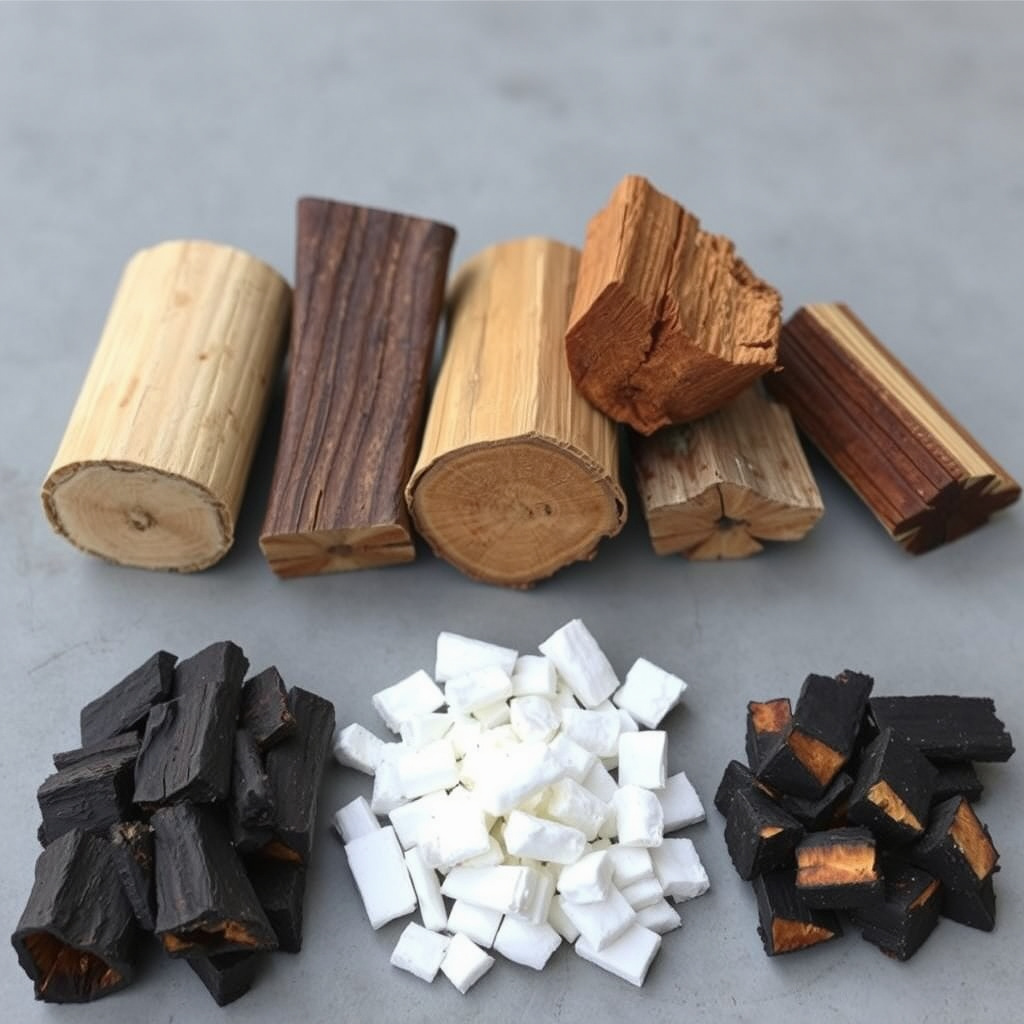
Charcoal is a popular fuel for vertical smokers due to its consistent heat output and ease of control. It burns hotter and longer than wood alone, providing steady temperature maintenance during long smoke sessions.
Wood, especially hardwood varieties like hickory, apple, or mesquite, adds distinct flavor profiles through smoke particles. Many pitmasters combine charcoal for heat and wood chunks or chips to impart customized smoke flavor, balancing cooking efficiency and aroma.
- Charcoal: stable heat, moderate smoke flavor
- Wood: stronger flavor variations, less predictable heat
- Combination offers flexibility
Using Wood Chips and Pellets
Wood chips, often soaked before use, create quick bursts of smoke but burn out faster, making them suitable for shorter cooks or flavor boosts during longer smoking. Pellets are generally used in pellet vertical smokers, providing automated, regulated smoking with precise temperature control.
Inserting pellets or chips into an existing charcoal fire can intensify smoke density without changing the overall heat much, allowing for flavor adjustments mid-cook without extinguishing the fire.
- Chips: quick, intense smoke bursts
- Pellets: consistent, automated fuel
- Soaking chips can extend smoking duration
Cleaning and Maintenance of Vertical Smokers
Ash Removal and Firebox Care
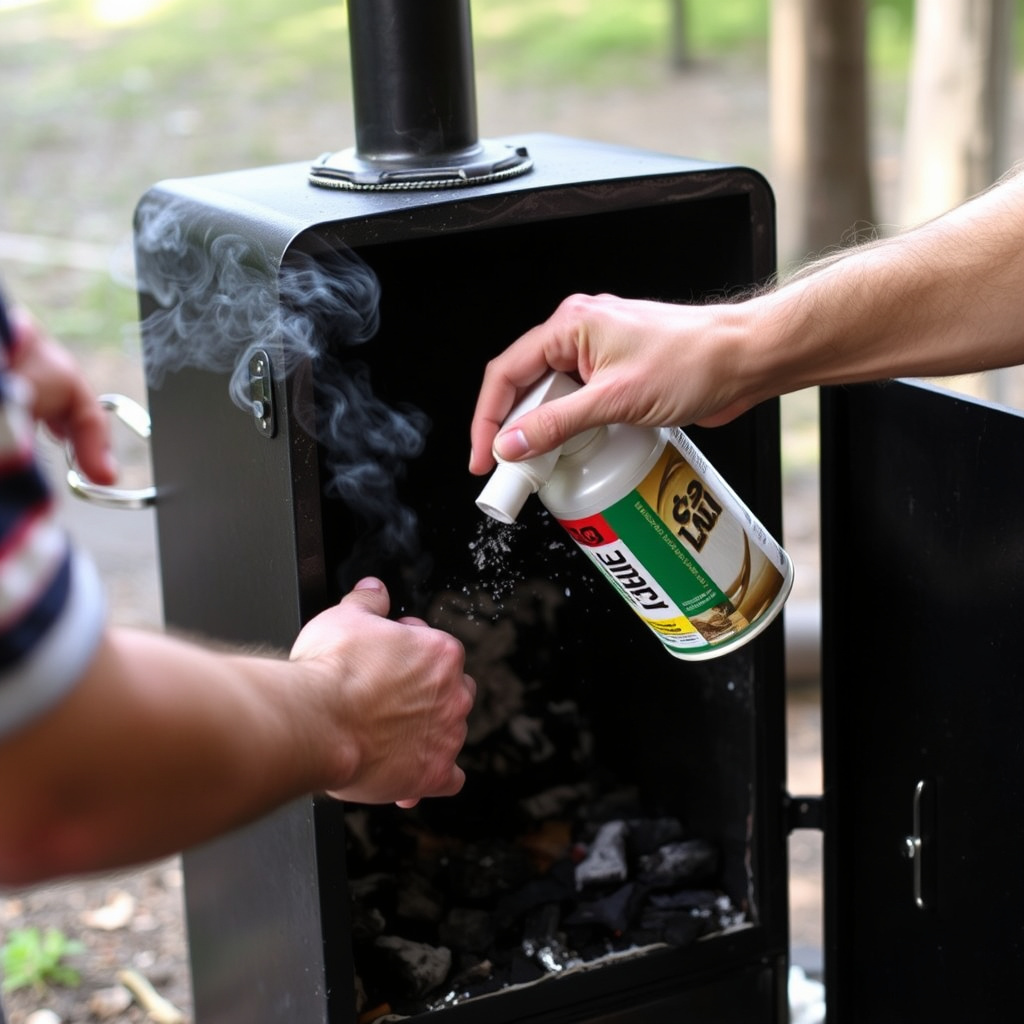
Regular ash removal after each smoking session prevents airflow blockage and maintains optimal combustion in the firebox. Scraping and disposing of cooled ashes help maintain proper oxygen flow.
Inspecting the firebox for rust or damage ensures safe operation. Applying heat-resistant paint can protect metal surfaces and prolong the smoker’s lifespan.
- Empty ashes after cooling
- Check for corrosion or cracks
- Clean vents to avoid clogging
For more on this, see our related guide: Understanding the Difference Between a Grill and a Smoker.
Cooking Chamber and Water Pan Upkeep
Cleaning the cooking grates and water pan after each use prevents grease buildup and reduces flare-ups. Washing the water pan with mild detergent removes residue that could affect smoke flavor.
Wiping down the inner chamber and inspecting seals and gaskets minimize smoke leaks, keeping the smoker efficient and consistent.
- Scrub grates and pans after use
- Check seals for tight fit
- Prevent rust with proper drying
Choosing the Best Vertical Smoker for Your Needs
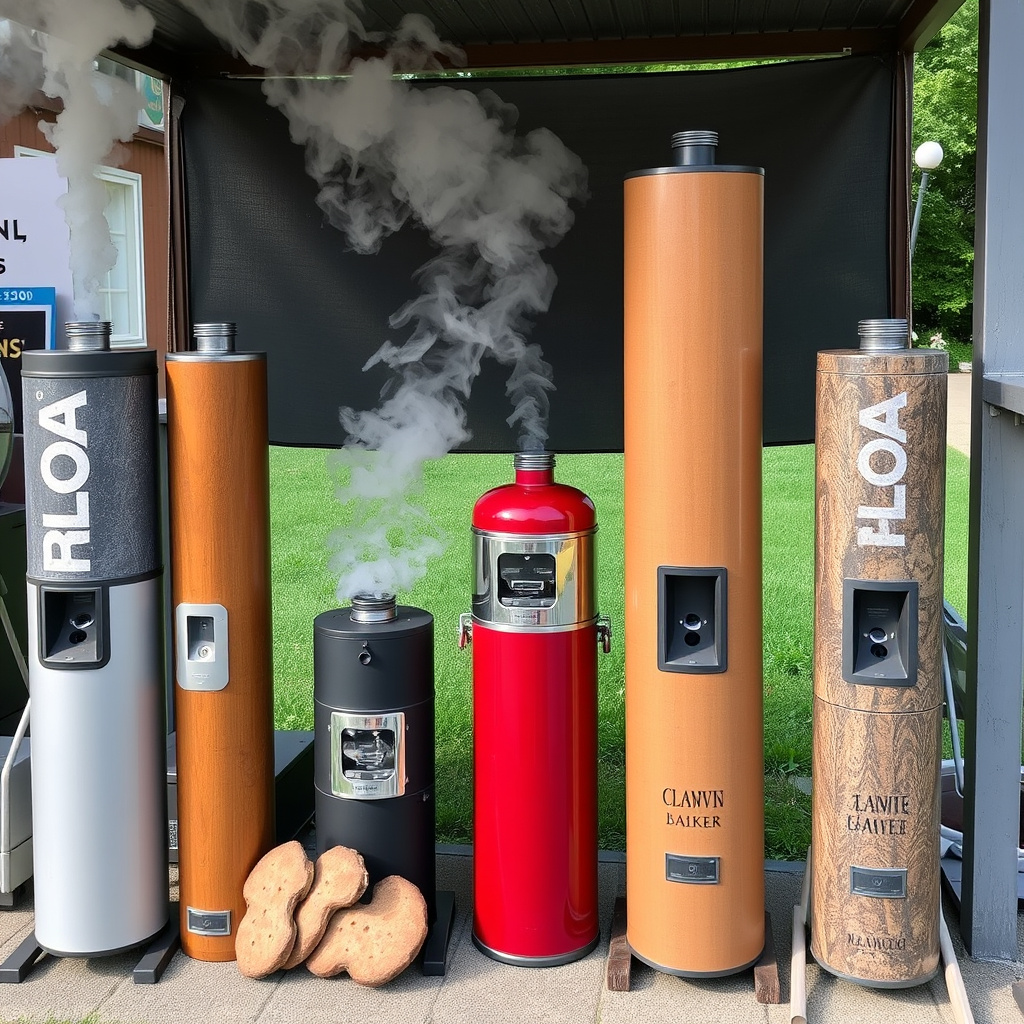
Budget and Size Considerations
Vertical smokers range from compact units ideal for beginners or limited spaces to large, commercial-grade smokers built for serious smokers or events. Budget plays a key role since prices vary widely based on materials, features, and brand.
Smaller vertical smokers offer portability and convenience but come with limited cooking capacity, whereas larger models provide multiple racks and more fuel storage for extended sessions.
- Small smokers suit beginners and small gatherings
- Larger smokers cater to bigger groups and events
- Investment correlates with materials and control features
For additional information on smoking methods and smoker types, the Vertical smoker overview on Wikipedia provides a solid resource. Vertical smoker overview on Wikipedia.
Features and Build Quality
Consider features like adjustable vents, built-in thermometers, multiple cooking grates, and water pan capacity when evaluating vertical smokers. Durable construction with heavy-gauge steel coated in heat-resistant finish improves heat retention and longevity.
Brands specializing in vertical smokers offer models with temperature gauge accuracy, ash cleanup systems, and flexible fuel options, which enhance ease of use and cooking consistency.
- Look for solid steel construction
- Thermometer accuracy is critical
- Vents should allow fine airflow adjustments
Vertical Smoker Types Comparison
Here’s a comparison of common vertical smoker types highlighting material, fuel, capacity, and typical user suitability.
| Type | Material | Fuel | Cooking Capacity | Price Range | Best For |
|---|---|---|---|---|---|
| Bullet Smoker | Heavy-gauge steel | Charcoal/Wood | 20-30 lbs | $100-$300 | Beginners, small families |
| Upright Charcoal Smoker | Steel with porcelain coating | Charcoal/Wood | 25-40 lbs | $200-$500 | Hobbyists, occasional use |
| Electric Vertical Smoker | Steel with non-stick interior | Electric with wood chips | 15-25 lbs | $150-$400 | Indoor/outdoor, convenience |
| Pellet Vertical Smoker | Insulated steel | Wood pellets | 30-50 lbs | $500-$1500 | Serious smokers, precision control |
| Propane Vertical Smoker | Steel with heat-resistant paint | Propane gas | 20-35 lbs | $250-$600 | Quick heating, outdoor use |
Frequently Asked Questions
Can I use a vertical smoker in cold or windy weather?
Yes, vertical smokers can be used in cold or windy conditions, but it may take longer to maintain steady temperatures. Using windbreaks and keeping vents adjusted carefully helps sustain proper airflow and heat.
How often should I clean my vertical smoker?
Cleaning after each use, especially ash removal and water pan washing, maintains performance. Thorough cleaning every few months prevents buildup inside the cooking chamber and prolongs the smoker’s life.
Is a water pan necessary for smoking with a vertical smoker?
While not mandatory, a water pan adds moisture to the cooking environment, stabilizes heat, and improves smoke flavor. Many users find it beneficial for longer smoking sessions to keep meat tender.
What is the ideal temperature range for smoking in a vertical smoker?
Most smoking in a vertical smoker happens at 225°F to 275°F. This low and slow temperature range ensures food cooks evenly, absorbs smoke flavor, and stays moist.
Can vertical smokers be used for grilling as well as smoking?
Some vertical smokers allow direct grilling by adjusting racks closer to the heat source and increasing airflow. However, their main design focuses on indirect smoking, so performance as a grill may be limited.
Key Takeaways
- Vertical smokers use a vertical chamber to circulate smoke and heat upward around food.
- Controlling vents and fuel type is essential for maintaining consistent temperature and smoke quality.
- Water pans aid moisture retention and heat stabilization during smoking.
- Choosing the right vertical smoker depends on size, fuel preference, and cooking needs.
Conclusion
Understanding how vertical smokers work involves recognizing the interplay of heat, smoke, airflow, and moisture in a tall cooking chamber. Their design capitalizes on convection and controlled venting to provide consistent low-temperature cooking, ideal for barbecue styles focused on tenderness and flavor. When selecting a vertical smoker, consider your typical cooking volume, preferred fuel, and desired control over temperature and smoke intensity.
For beginners or those on a budget, a bullet smoker or standard upright charcoal model offers simplicity with reliable results. If you value convenience and precise temperature control, electric or pellet vertical smokers bring automation while maintaining classic smoke flavor. Propane models fit situations where rapid heating is preferable, although pure charcoal and wood fuel smokers produce more authentic smoky aroma and bark.
Whatever type of vertical smoker you choose, maintain it by cleaning ashes, water pans, and vents regularly to promote longevity and cooking consistency. Experimenting with different fuels and vent settings will help refine your technique. Start with tried-and-true setups and adjust based on your taste preferences to truly unlock the potential of vertical smoking.