Whether or not you should wrap ribs when smoking depends on the texture and flavor you want to achieve. Wrapping ribs partway through the smoke—using foil or butcher paper—can speed up cooking and help retain moisture, often producing tender, juicy meat. However, leaving ribs unwrapped promotes a smoky bark and firmer texture. There’s no one right answer; it hinges on personal preference and the smoking style you favor.
Smoking ribs is a popular method that transforms the tough cuts into tender, flavorful dishes. Wrapping has become a standard technique among pitmasters, known as the 'Texas Crutch,' primarily to stall drying and push ribs through the stall—a phase where the internal temperature plateaus during cooking. This technique balances tenderness and bark formation, but whether to wrap or not can spark lively debates among barbecue enthusiasts.
This article will clarify how wrapping affects smoked ribs by exploring benefits and drawbacks, different wrapping materials, timing strategies, and comparisons to unwrapped ribs. You’ll also find tips for achieving your ideal rib texture and flavor using both wrapped and unwrapped methods, enabling you to make an informed choice next time you fire up the smoker.
Benefits of Wrapping Ribs When Smoking
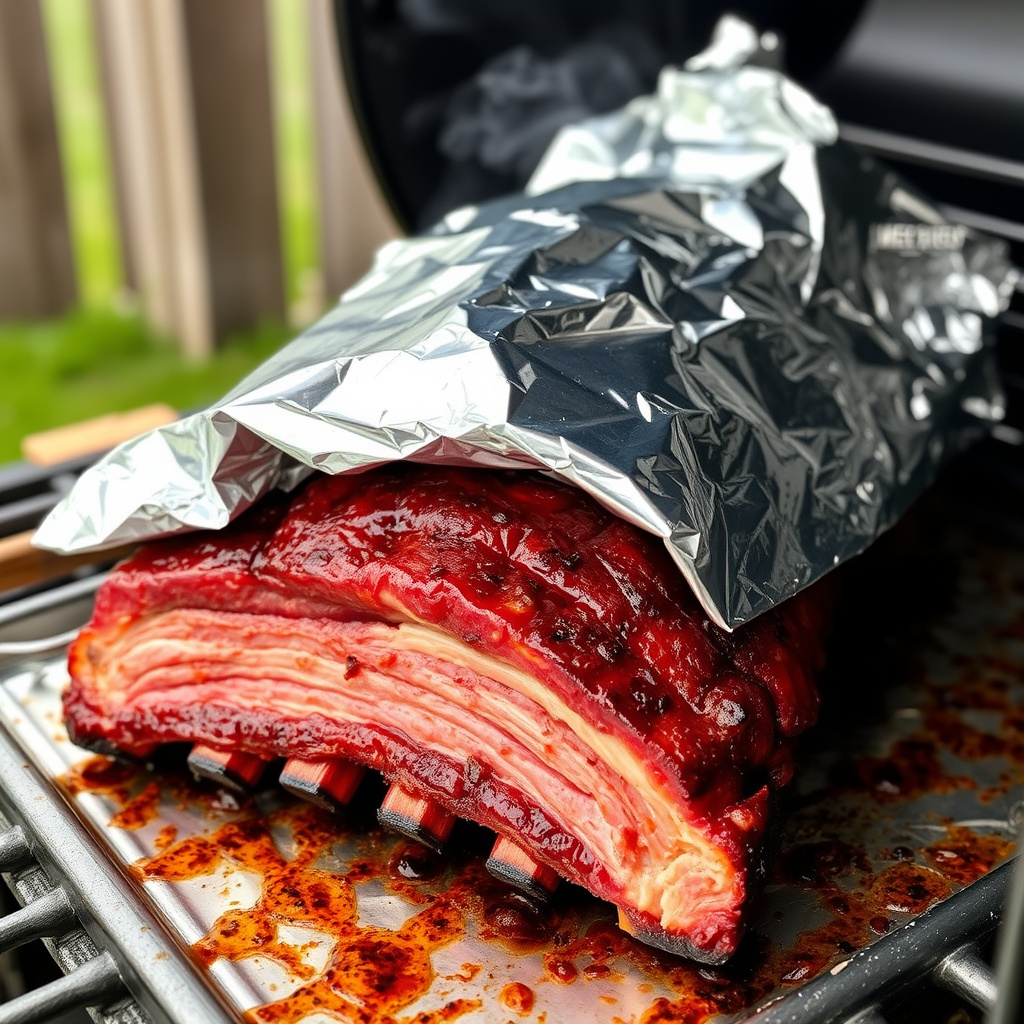
Maintains Moisture and Reduces Cooking Time
Wrapping ribs traps steam and moisture close to the meat, which limits moisture loss during the slow cooking process. This helps the ribs stay juicy and tender through the latter stages of smoking.
Additionally, wrapping accelerates the cooking process by creating a mini-oven effect inside the wrap, often reducing total cooking time by 30 minutes to an hour depending on smoker temperature and rib thickness.
- Prevents drying out
- Speeds up cooking
- Helps render fat faster
Helps with Tenderness by Softening the Meat
The trapped steam softens collagen and connective tissues in the ribs more effectively, producing a melt-in-your-mouth texture that many barbecue fans crave.
Wrapping is especially helpful for tougher rib cuts like spare ribs or country-style ribs, allowing the smoke flavors to penetrate without drying the surface.
Drawbacks of Wrapping Ribs During Smoking
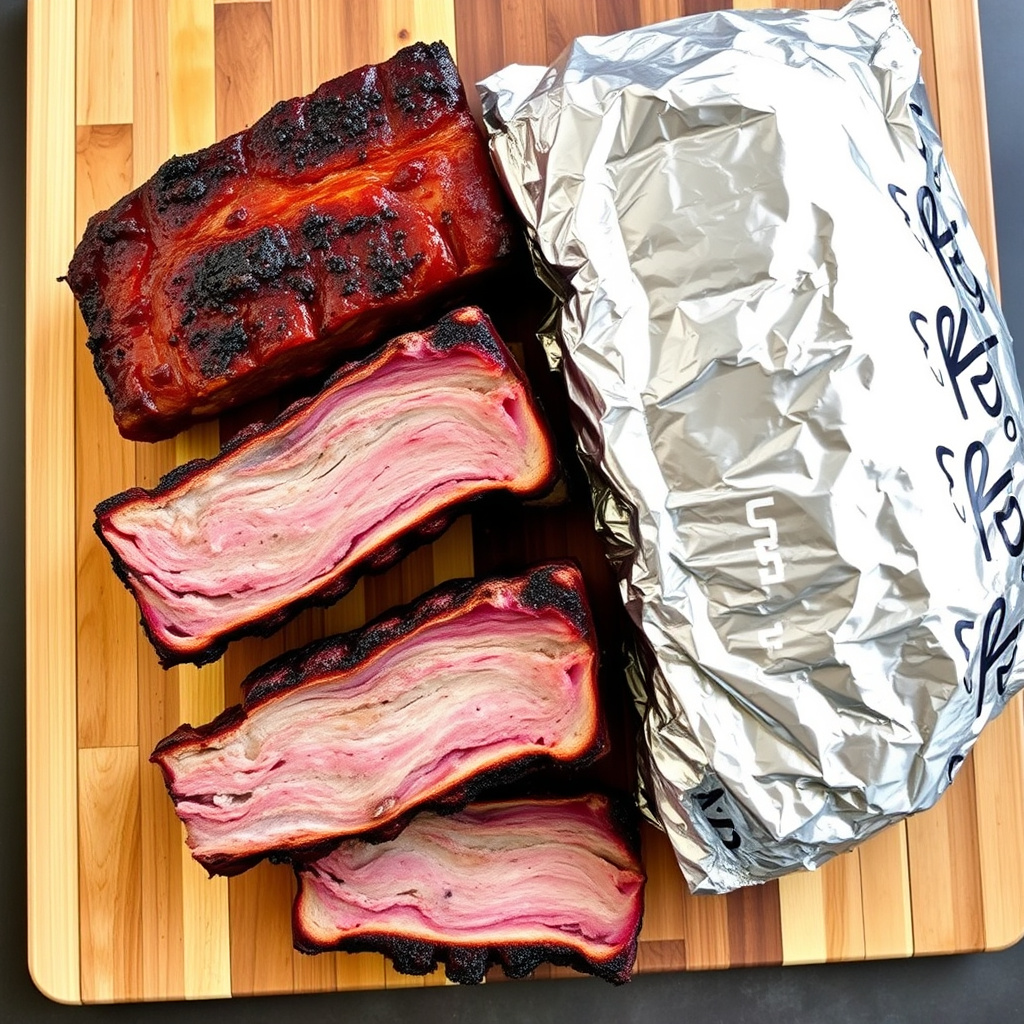
Reduced Bark Formation and Smoky Flavor
Wrapping the ribs can soften the bark—the flavorful, crispy crust that forms through smoke exposure and dry heat. The trapped moisture under foil creates a steamy environment that tends to inhibit bark development.
Since bark contributes heavily to the classic smoky BBQ taste and texture, wrapping may result in ribs that lack that signature crispy, smoky exterior.
Risk of Overcooking and Soggy Texture
If ribs are wrapped too early or for too long, they can effectively boil in their own juices, causing a mushy texture that some find undesirable.
Overwrapping might also cause loss of some smoke flavor as the paper or foil can limit smoke exposure during the final stages of cooking.
- Avoid wrapping too soon
- Limit wrapping time to balance tenderness and bark
Types of Wrapping Materials and Their Effects
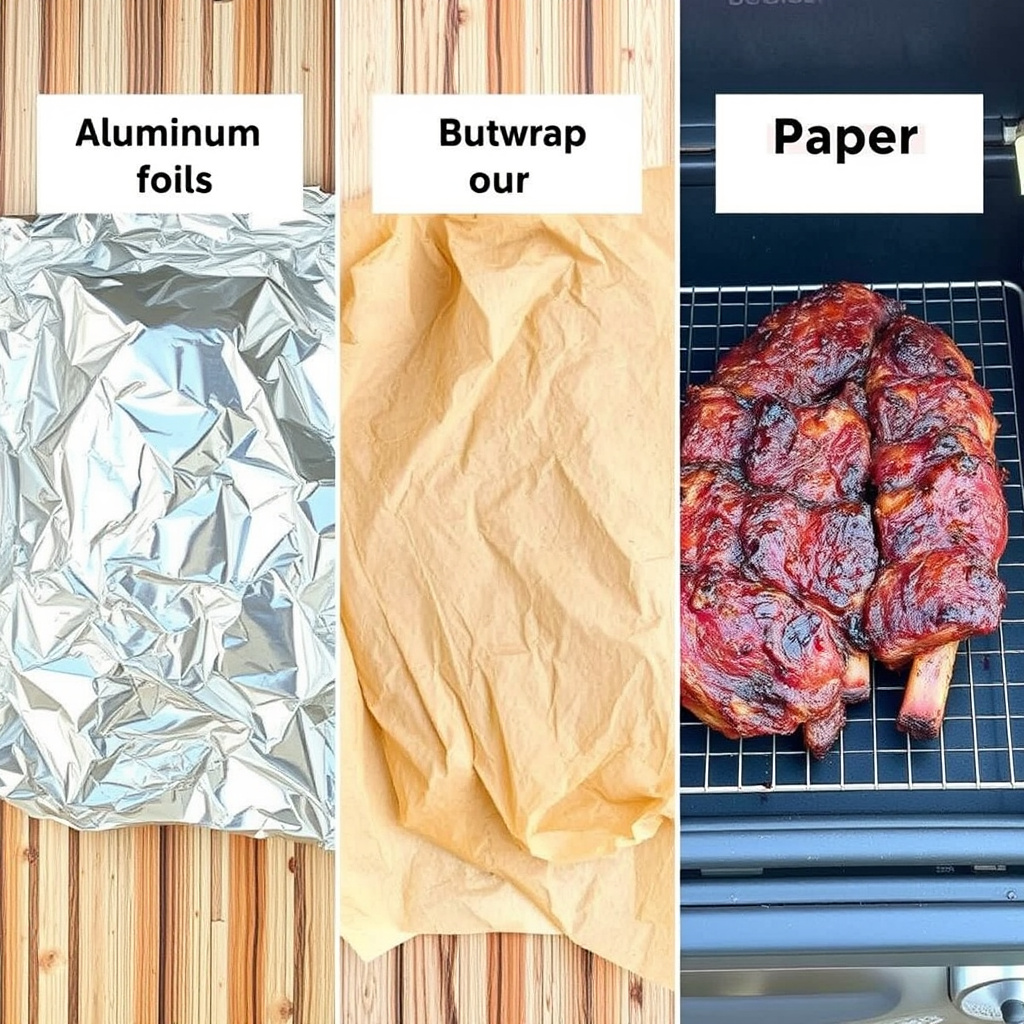
Aluminum Foil: Classic Wrapping Material
Foil is the most popular wrapping material because it creates a tight seal and locks in moisture effectively. It is ideal for quicker cooking and maximum tenderness but softens the bark more than other options.
Foil can also be shaped to create a pouch or wrap ribs tightly, and it conducts heat efficiently for even cooking during the wrap phase.
- Creates airtight seal
- Softens bark
- Speeds cooking
For more on this, see our related guide: Can You Use Wood in a Charcoal Grill? Tips and Safety Advice.
Butcher Paper: Alternative for Better Bark
Butcher paper is more breathable than foil, allowing some smoke and moisture exchange, which helps preserve bark texture while still retaining some moisture and cutting cooking time.
Pitmasters often choose butcher paper for a balance between tenderness and bark quality, especially in competition-level barbecue where texture is judged closely.
- Allows smoke penetration
- Preserves bark better than foil
- Retains moisture moderately
When and How to Wrap Ribs for Best Results
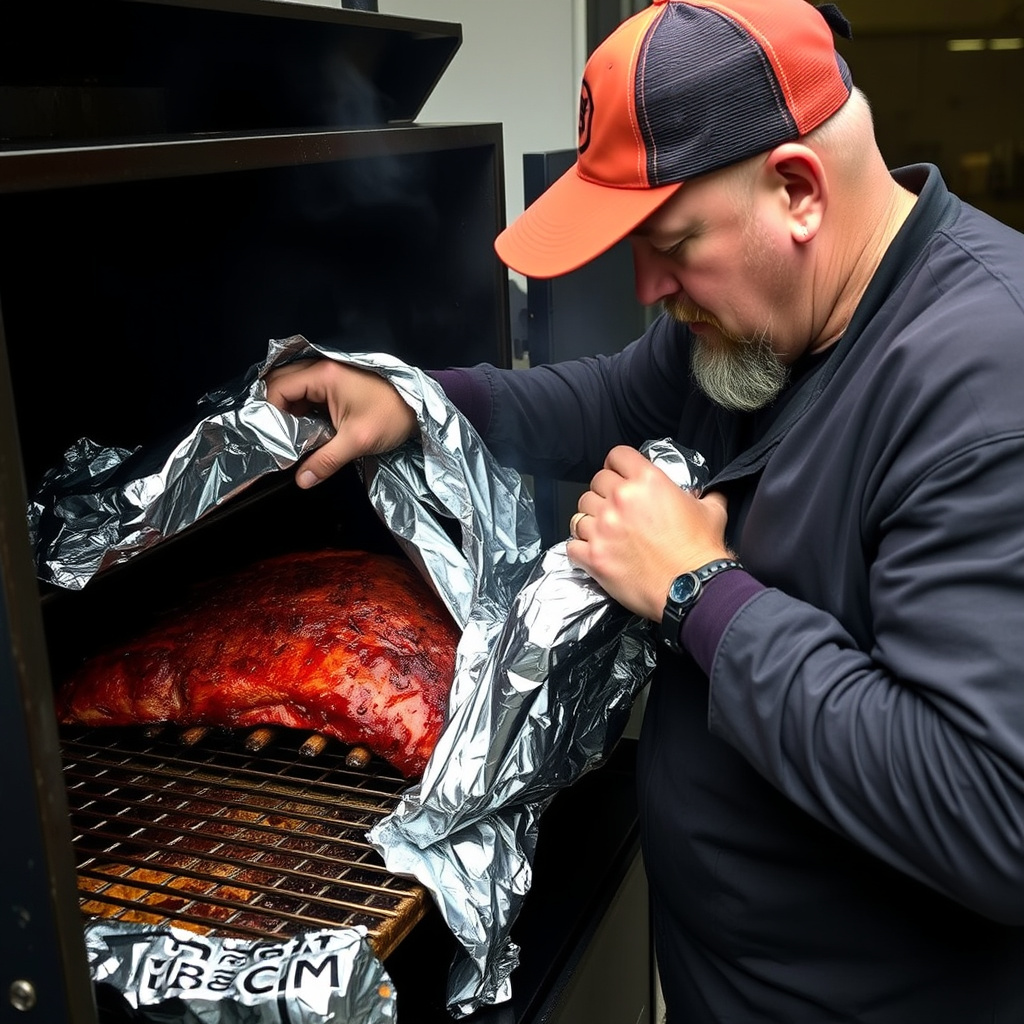
Timing the Wrap to Stall the Cooking Process
Wrapping ribs is usually done when the internal temperature hits about 150–160°F, which corresponds with the stall—when the temperature plateaus due to evaporative cooling.
This timing helps push the ribs through the stall faster and allows the connective tissues to break down while preventing the meat from drying out.
- Wrap at 150-160°F internal temp
- Use a probe thermometer to monitor
- Do not wrap too early or late
How Long to Wrap Ribs
Most recipes suggest wrapping ribs for 1 to 2 hours in the foil or butcher paper, depending on rib size and smoker temperature.
After the wrap, ribs are usually unwrapped for a final 30–60 minutes to firm up the bark and finish cooking.
- Wrap for 1-2 hours
- Unwrap before final cooking stage
- Use foil for quicker tenderness
Unwrapped Ribs: When to Skip Wrapping
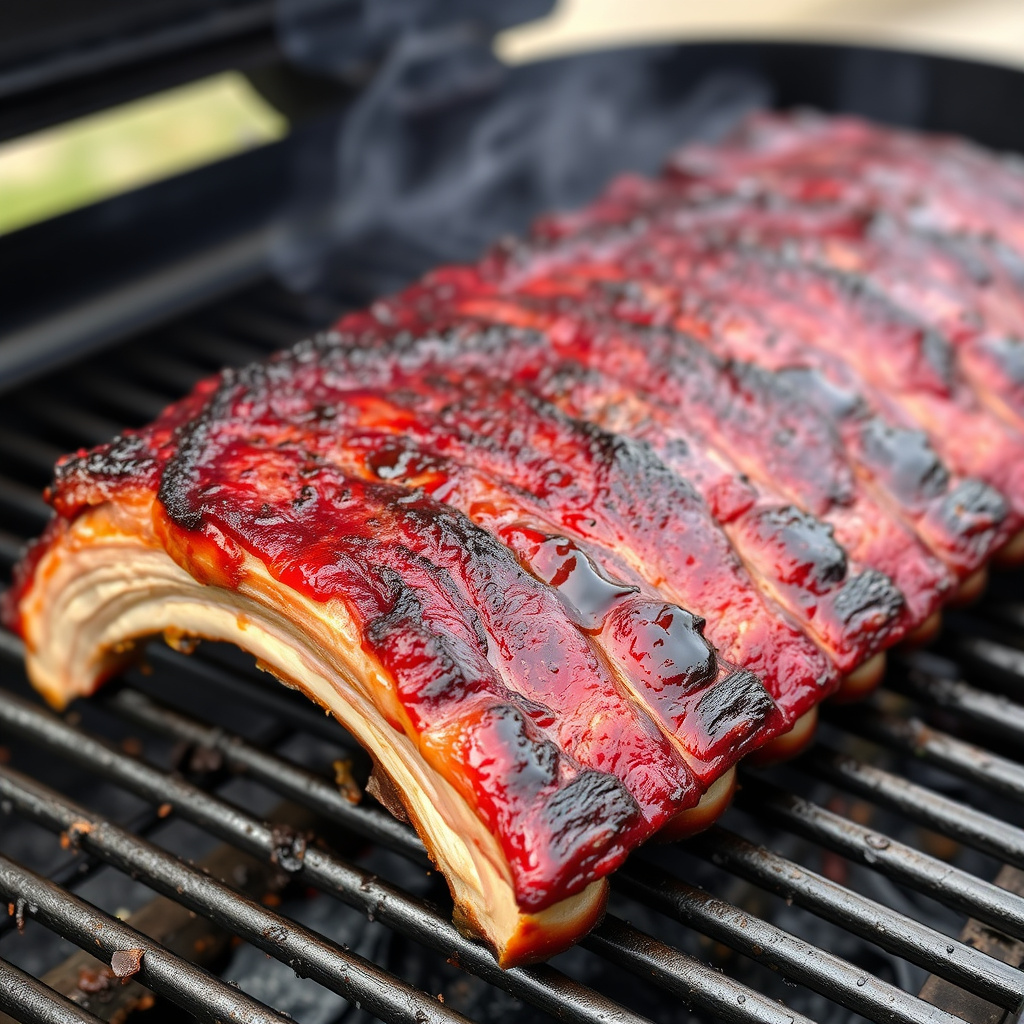
Advantages of Smoking Ribs Unwrapped
Unwrapped ribs develop a robust bark with a deep smoky flavor that’s often preferred by traditional barbecue purists. This method also displays the classic texture contrasts between crusty exterior and juicy interior.
Avoiding wrapping can enhance smoke ring formation and provide a longer smoke exposure, which intensifies barbecue flavors.
For more on this, see our related guide: What Temperature to Grill Ribs for Tender, Juicy Results.
Challenges and When Unwrapped Might Not Work
Unwrapped ribs require more vigilance to prevent drying out, and the cook time is often longer. They may not be ideal for tougher cuts or when needing to speed up cooking.
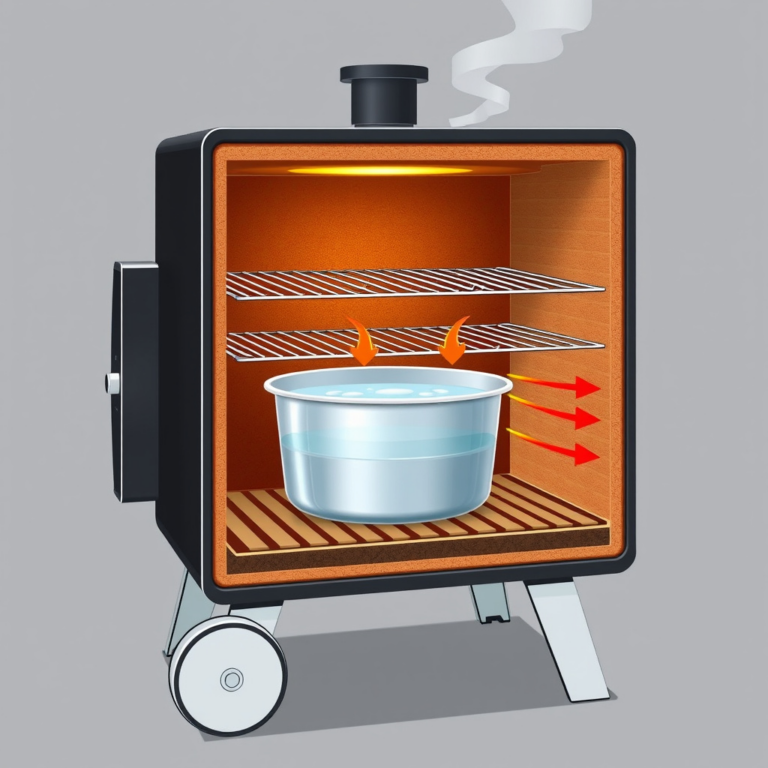
Maintaining proper humidification and smoke temperature is vital when skipping the wrap step to prevent drying or burning.
- Risk of dry ribs
- Longer cook times
- Requires careful heat control
Finishing Techniques for Wrapped and Unwrapped Ribs
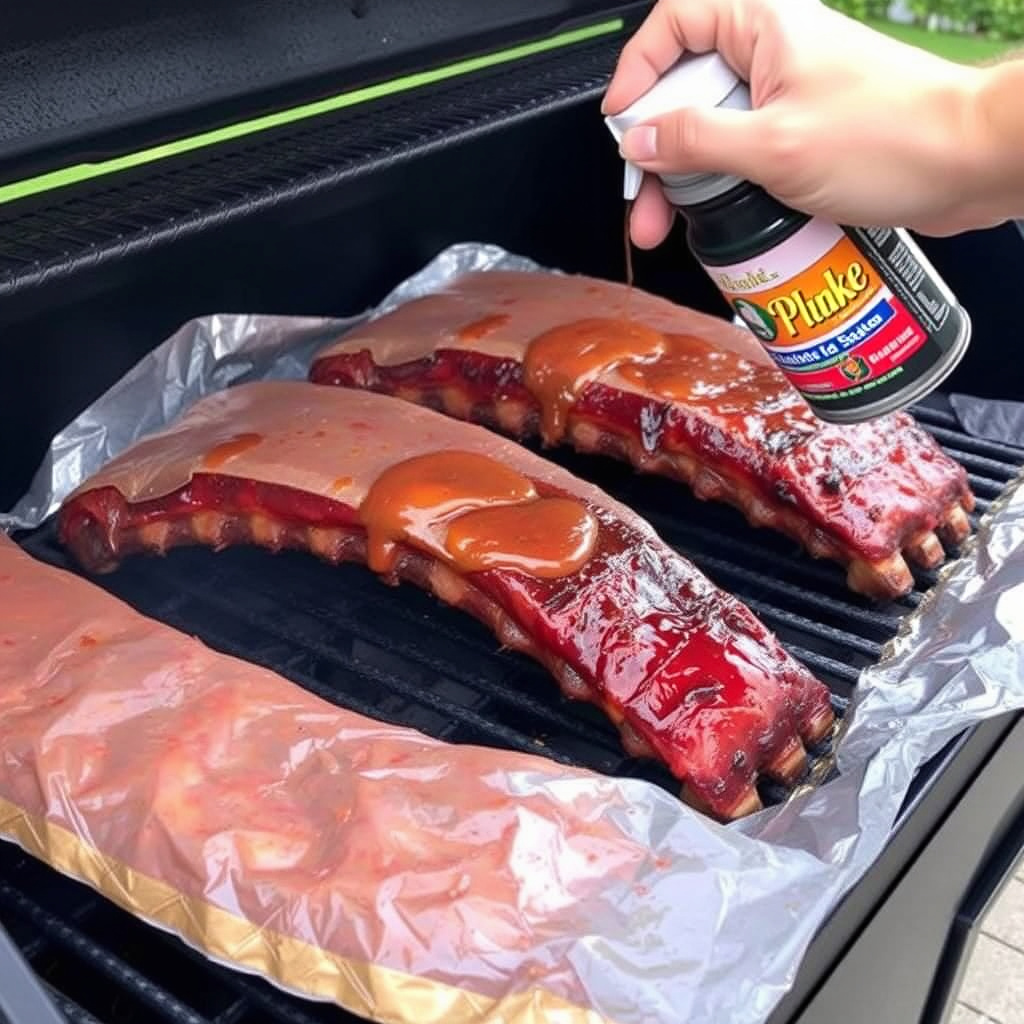
Post-Wrap Sauce Application and Smoking
After unwrapping ribs, many pitmasters apply a barbecue sauce or glaze to add flavor and moisture before allowing the ribs to cook uncovered for the final stage.
This finishing step caramelizes the sauce and firms up the bark while maintaining a juicy bite.
- Apply sauce after unwrapping
- Smoke uncovered for 30-60 minutes
- Enhances bark texture
For more detailed insights on smoking meat techniques, you can consult this comprehensive resource. smoking meat techniques.
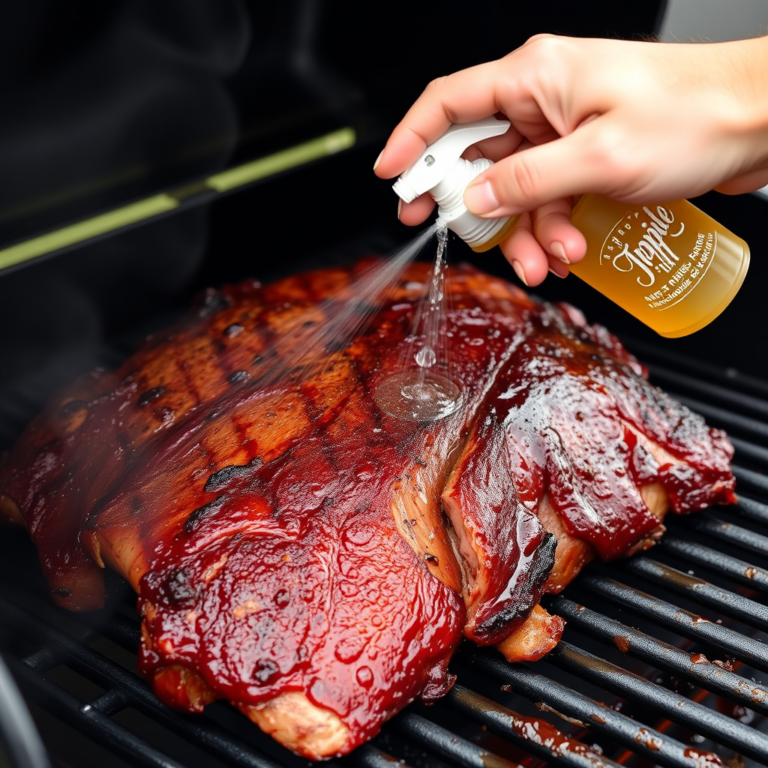
Finishing Unwrapped Ribs with Spray Misters
For unwrapped ribs, using spray misters with apple juice or vinegar during cooking helps maintain moisture without softening the bark.
This technique adds subtle flavor and prevents drying, supporting a balance of tenderness and a chewy bark.
- Mist every 30-45 minutes
- Use acid-based sprays for flavor
- Avoid over-saturating
Wrapped vs. Unwrapped Ribs Smoking Comparison
Here’s a breakdown of key differences between wrapped and unwrapped smoked ribs to help inform your technique choice.
| Aspect | Wrapped Ribs | Unwrapped Ribs |
|---|---|---|
| Moisture Retention | High due to steam seal | Moderate, risk of drying |
| Cooking Time | Reduced by up to 1 hour | Longer, slower cooking |
| Bark Texture | Softened, less crispy | Firm, crispy bark |
| Smoke Flavor Intensity | Milder, some loss during wrap | Stronger, prolonged exposure |
| Tenderness | Very tender, almost fall-off-the-bone | Firm with bite, less tender |
| Ease of Cooking | Requires timing wrap/unwrapping | Needs heat and moisture control vigilance |
Frequently Asked Questions
Can I wrap ribs in plastic wrap instead of foil or butcher paper?
Plastic wrap is not heat-resistant and will melt or release harmful chemicals when exposed to smoker temperatures, so it should never be used to wrap ribs during smoking.
Does wrapping ribs affect the smoky flavor?
Yes, wrapping ribs reduces their exposure to smoke in later stages, which can lessen the intensity of smoky flavor compared to unwrapped ribs.
What’s the best temperature to smoke ribs wrapped in foil?
A smoker temperature around 225-250°F works well for wrapped ribs, allowing them to cook slowly while retaining moisture and becoming tender.
How do I know when to unwrap ribs during smoking?
Typically, ribs are wrapped after they hit approximately 150-160°F internal temperature and unwrapped about 30-60 minutes before finishing to develop the bark.
Can I use butcher paper if I don’t want ribs too soft?
Yes, butcher paper provides moderate moisture retention with better bark preservation than foil, making it ideal if you want a balance between tenderness and texture.
Key Takeaways
- Wrapping ribs retains moisture and speeds cooking by creating a steam environment.
- Foil wrapping softens bark more than butcher paper, which allows more smoke through.
- Unwrapped ribs develop firmer bark and stronger smoky flavors but require more attention to prevent drying.
- Wrap ribs around 150-160°F internal temperature and unwrap before the final stage to balance tenderness and texture.
Conclusion
Deciding whether to wrap ribs when smoking ultimately comes down to your taste and texture preferences. Wrapping retains moisture, shortens cooking time, and produces extremely tender meat by harnessing steam and heat. On the other hand, smoking ribs unwrapped preserves a firmer bark and intensifies smoky flavors but requires careful heat and humidity management to avoid drying out. Understanding how wrapping interrupts smoke exposure and affects bark formation helps you select the right approach based on your barbecue goals.
For those who favor fall-off-the-bone tenderness or need to manage tighter cooking schedules, wrapping ribs with foil or butcher paper after the stall around 150–160°F internal temperature is advantageous. Foil creates the juiciest, softest results but softens crust, while butcher paper balances bark texture and moisture retention. Alternatively, if you prefer robust bark and maximum smoke flavor intensity, smoking ribs unwrapped but maintaining smoker humidity is ideal. Both methods can produce excellent results when executed thoughtfully.
Start by considering your preferred rib texture—soft and tender or smoky with crust—and the time you can allocate for cooking. Experiment with wrapping timing and materials, monitoring internal temperature carefully to avoid overwrapping. Whether you wrap or not, mastering the timing and technique allows you to tailor smoked ribs perfectly for your palate and occasion.