Yes, putting water in a smoker can influence the cooking process by adding moisture to the environment and stabilizing cooking temperatures. Many smokers feature a water pan designed to hold water during cooking to help maintain consistent heat and humidity. This added moisture can prevent meat from drying out during long smoking sessions, especially in charcoal or electric smokers.
Moisture plays a significant role in the overall texture and juiciness of smoked meats. However, whether or not to use water depends on the type of smoker and the food being prepared. Some smokers, like offset smokers, often benefit more visibly from water pans, while others, such as pellet smokers, rely less on water due to their precise temperature controls.
This article will explain the function of water in smokers, differences based on smoker types, pros and cons of adding water, and tips for managing moisture levels. You'll learn how to set up your smoker for ideal results whether you’re a beginner or looking to refine your smoking technique.
How Water Affects Smoking Temperature and Moisture
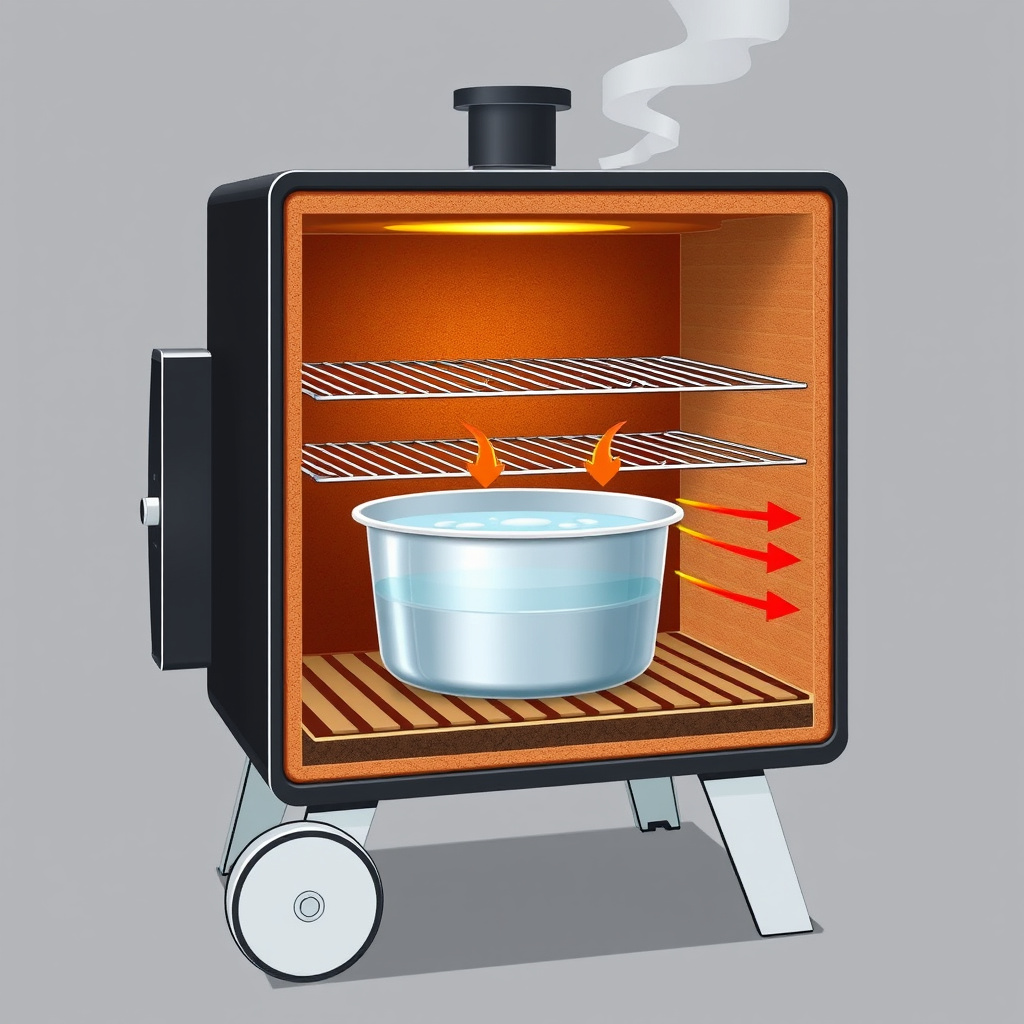
Temperature Stabilization with Water Pans
Water pans inside smokers absorb and release heat, acting as a heat buffer that reduces temperature swings. This helps maintain steady low-and-slow cooking temperatures, essential for tender barbecue.
This effect is most noticeable in charcoal smokers where airflow and temperature can fluctuate. The water absorbs radiant heat and ensures the heat distributes evenly around the cooking chamber.
Humidity's Role in Food Texture
Adding water increases humidity inside the smoker, which can prevent the meat's surface from drying out. This holds moisture in the meat, leading to juicier results.
Higher humidity also affects the smoke ring formation and bark texture, sometimes resulting in a softer bark. Controlling moisture levels is key depending on the desired bark firmness.
Types of Smokers and Water Usage
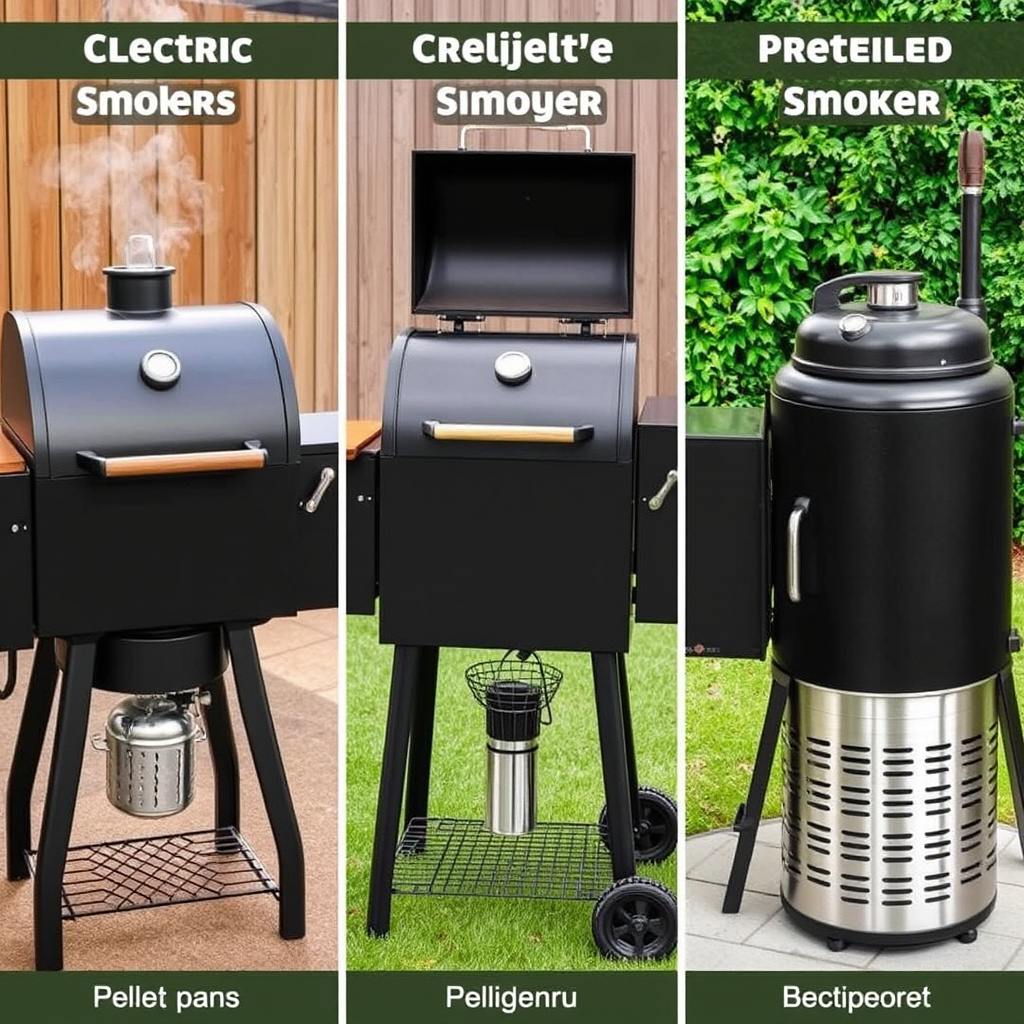
Charcoal Smokers and Water Pans
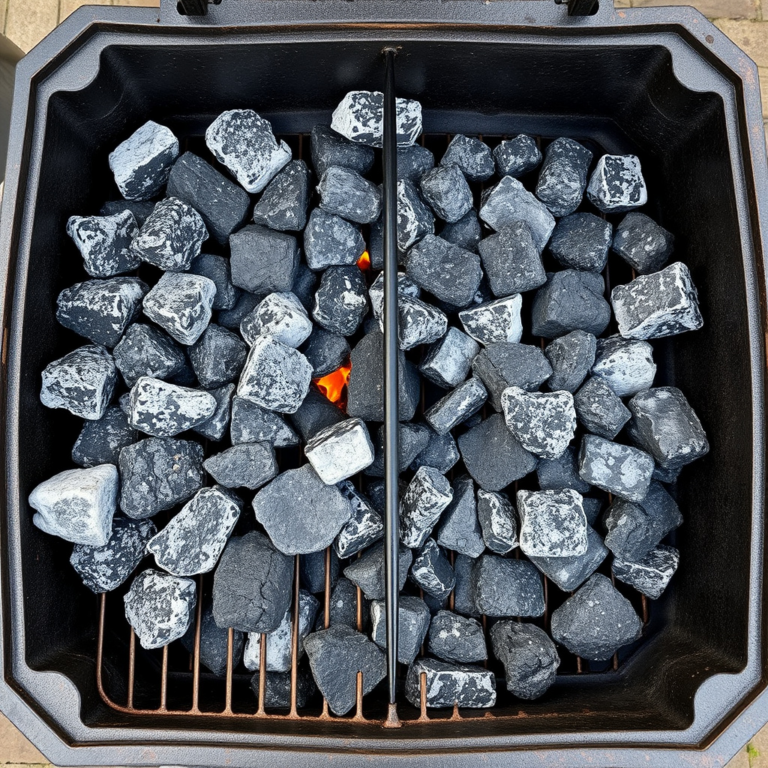
Charcoal smokers benefit the most from water pans due to their less precise temperature control. Water acts as a natural stabilizer, smoothing out temperature spikes and ensuring even cooking.
Moreover, water pans catch drippings, reducing flare-ups and adding moisture to the smoke chamber, which supports longer, consistent smoking sessions.
Electric and Pellet Smokers
Electric smokers often include a water pan to provide moisture, though their stable heating elements reduce the necessity compared to charcoal smokers.
Pellet smokers feature controlled pellet feed and fans for consistent temperature regulation; many pitmasters skip water pans here altogether or use them more for flavor than temperature control.
Pros and Cons of Adding Water in a Smoker
Advantages of Using Water
Adding water provides a moist environment that reduces meat drying, improves smoke flavor penetration, and keeps temperatures stable throughout long cooks.
It also simplifies temperature management in less controlled smokers and can prevent burning or uneven cooking.
- Improves meat juiciness
- Stabilizes cooking temperature
- Reduces flare-ups from dripping fat
- Enhances smoke distribution
For more on this, see our related guide: Understanding the Difference Between a Grill and a Smoker.
Possible Drawbacks and When to Avoid Water
Using water can result in a softer bark, which some barbecue enthusiasts find less desirable. Overly moist conditions might also reduce smoke flavor absorption if not managed properly.
In high-tech pellet smokers or hot smoking, water is less necessary and may even slow cooking times or lower peak temperatures.
- Can soften bark texture
- Might dilute smoke flavor if excessive
- Less needed in pellet smokers
Setting Up Water Pans for Effective Smoking
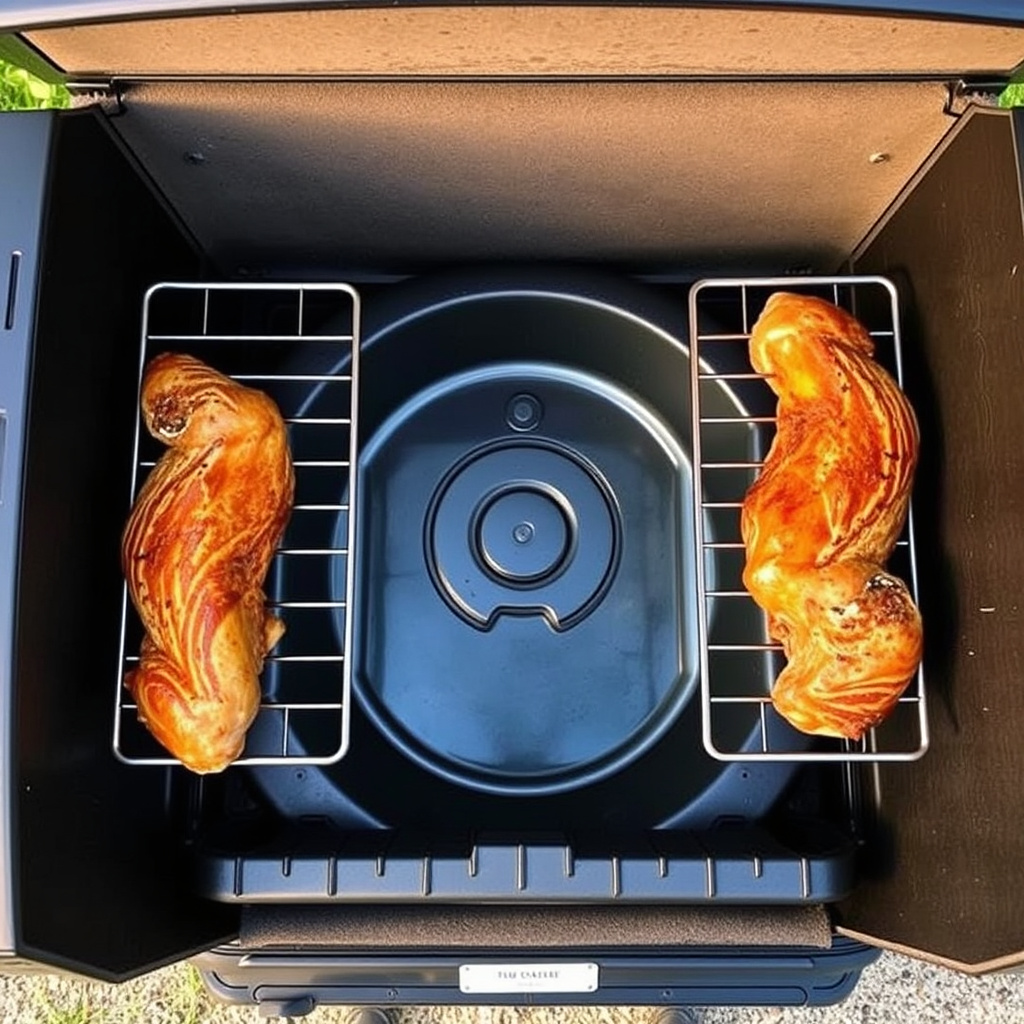
Choosing and Filling Your Water Pan
Select a shallow metal pan that fits well inside your smoker without obstructing airflow. Filling it with hot water speeds up heating and maintains consistent temperature.
Maintaining water levels during long cooks is important; check periodically and refill as needed to keep moisture consistent.
- Use metal pans for even heating
- Fill with hot water at start
- Monitor water levels regularly
Placement and Maintenance Tips
Position the water pan between the heat source and cooking grate to maximize heat buffering and moisture release.
Clean the water pan between cooks to avoid buildup from drippings, which can cause unpleasant odors and affect smoke quality.
Alternatives to Adding Water for Moisture Control
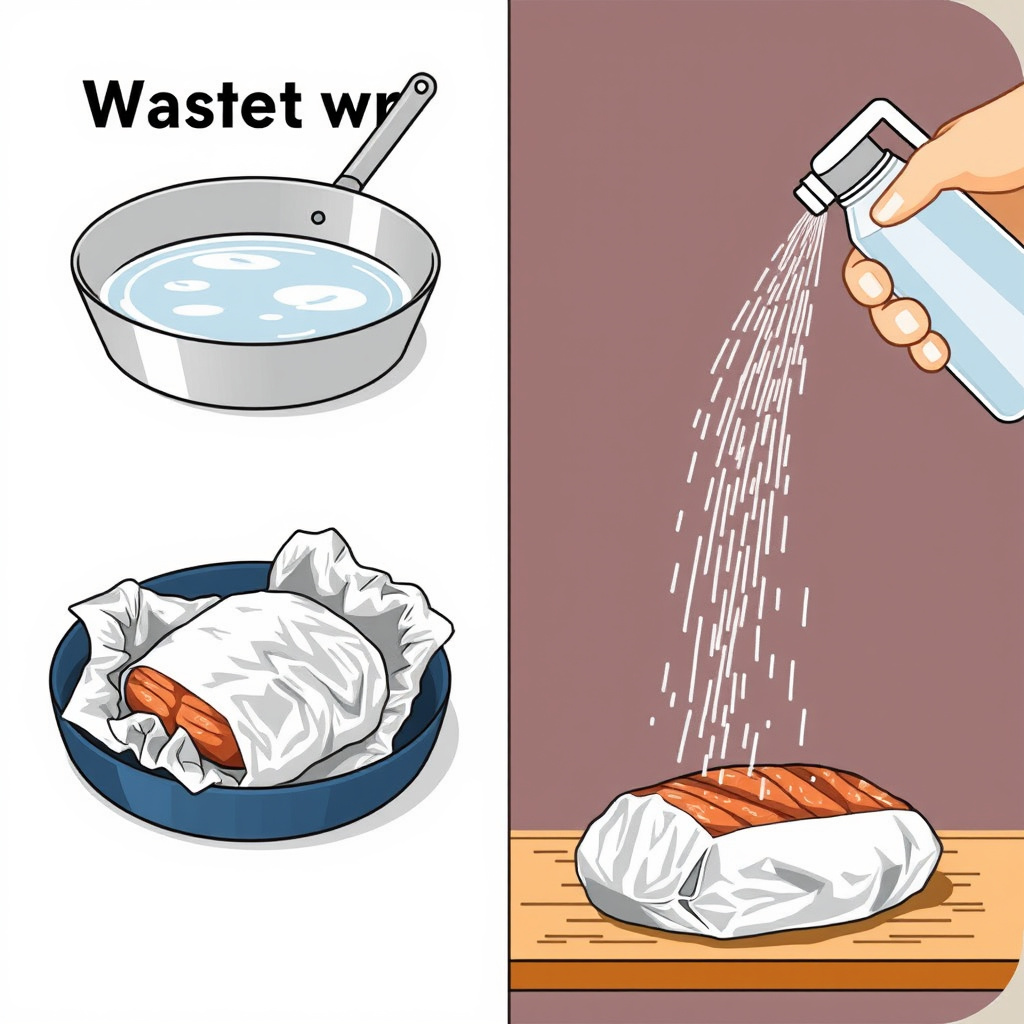
Using Spray Bottles for Surface Moisture
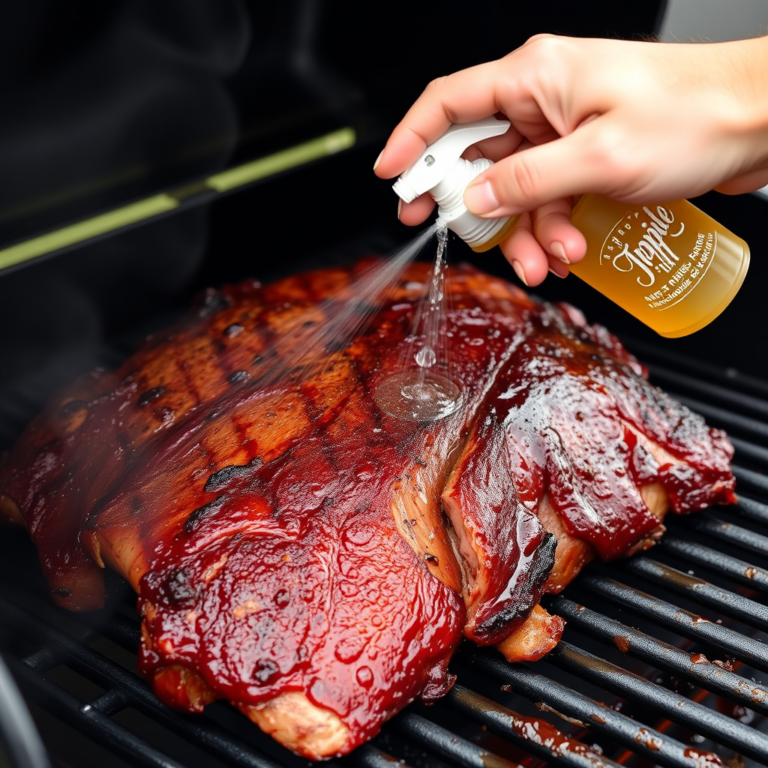
Misting meat periodically with water or apple juice helps maintain surface moisture without raising humidity inside the whole smoker. This is useful for controlling bark texture while preventing drying.
Be careful not to spray too often as this can cool the smoker and extend cooking time.
- Mist every 30-60 minutes
- Use diluted juices for flavor
- Avoid overspraying to maintain heat
For more on this, see our related guide: How to Use a Smoker Box on a Gas Grill for Perfectly Smoked Flavors.
Foil Packs and Wrapping for Moisture Retention
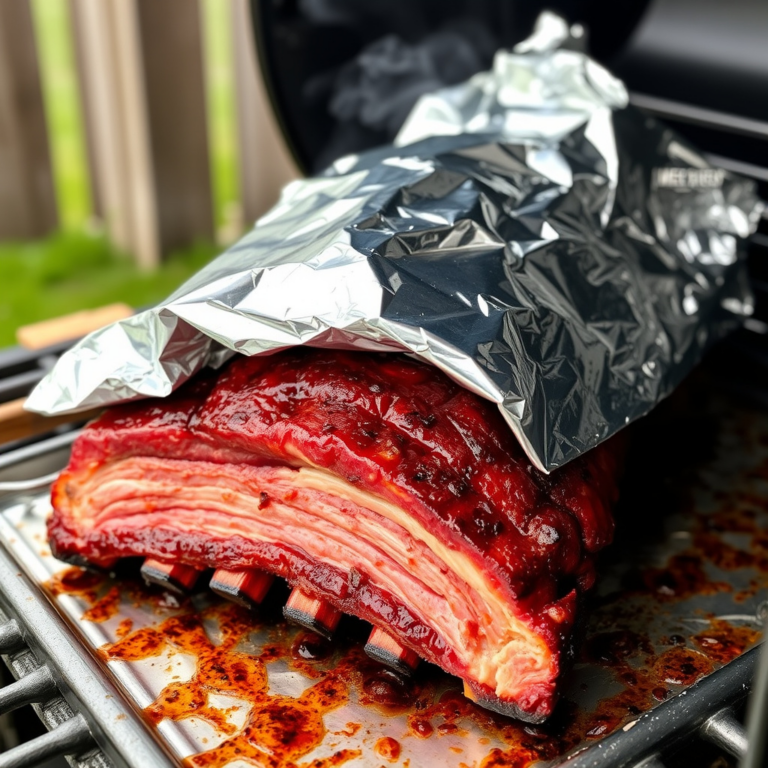
Wrapping meat in foil or butcher paper midway through the cook traps internal moisture while still allowing smoke to flavor food. This is a favored method in brisket and ribs smoking.
This technique reduces the need for high humidity inside the smoker and creates tender, juicy results without a water pan.
- Use foil for moist smoke finish
- Wrap when bark forms
- Monitor cooking times for doneness
Choosing the Best Smoker Setup for Beginners
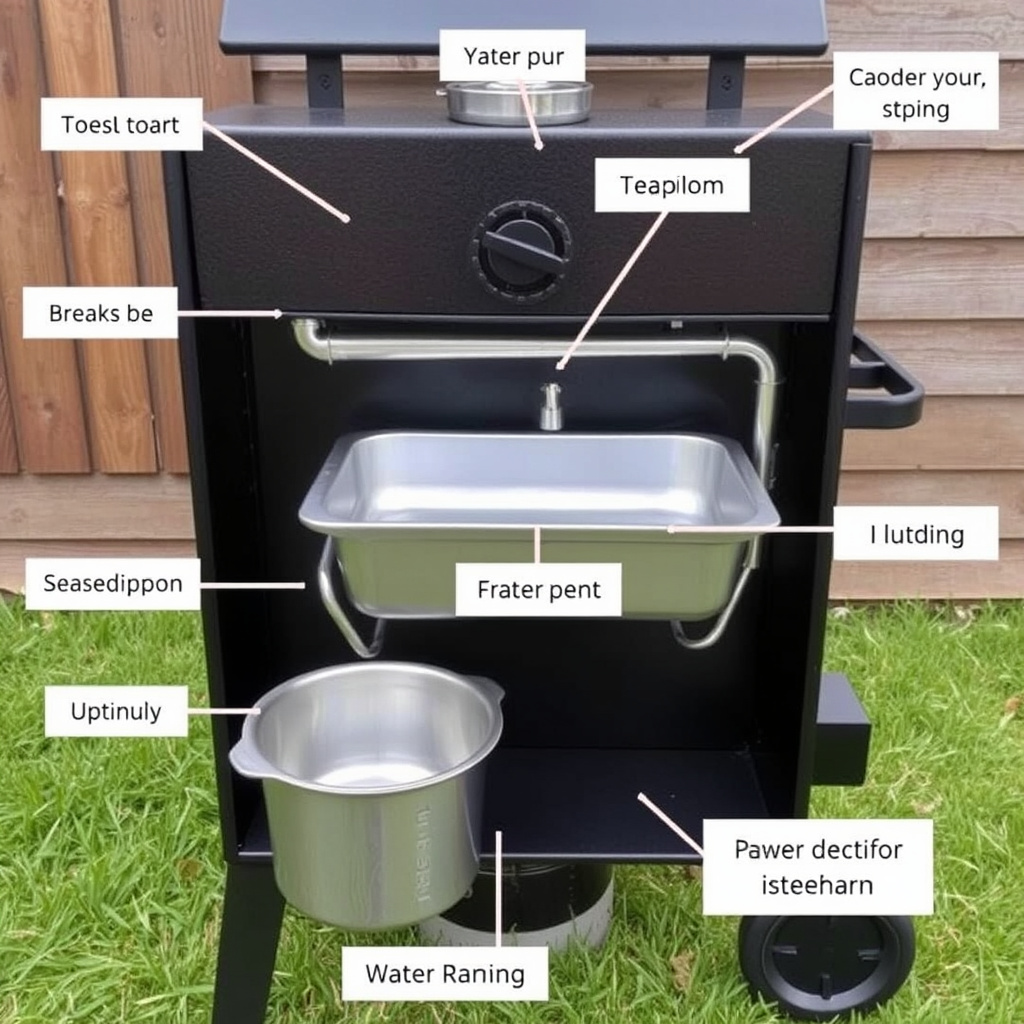
Water Pan Benefits for New Smokers
For beginners, including a water pan can simplify temperature control and reduce the risk of dry, unevenly cooked meat. It offers a forgiving climate inside the smoker that helps novices learn more effectively.
Water pans also help prevent flare-ups and reduce maintenance interruptions during long cooks.
For more background on the science and methods of smoking food, see Smoking food techniques on Wikipedia. Smoking food techniques on Wikipedia.
Starter Smoker Suggestions
Charcoal smokers with built-in water pans are recommended for beginners to learn foundational techniques. Electric smokers with water trays offer simplified, automated cooking with moisture control.
Starting with a water pan setup builds confidence and sets a baseline for experimenting with more advanced methods.
- Charcoal kettle smoker with pan
- Electric smoker with water tray
- Avoid complex setups initially
Water Pan Usage Across Smoker Types: A Quick Comparison
This table highlights how various smoker types utilize water pans for temperature and moisture management.
| Smoker Type | Water Pan Usage | Temperature Control | Moisture Benefits | Typical Cooking Duration |
|---|---|---|---|---|
| Charcoal Smoker | Highly Recommended | Moderate to Low Precision | Moisture Stabilizes and Prevents Drying | 6-12 hours typical |
| Electric Smoker | Optional but Beneficial | Good Precision | Adds Humidity for Juiciness | 5-10 hours typical |
| Pellet Smoker | Mostly Optional | High Precision | Minimal Impact, Mostly Flavor | 4-8 hours typical |
| Offset Smoker | Often Essential | Low Precision | Improves Stability and Moisture | 8-14 hours typical |
Frequently Asked Questions
Does adding water really affect the smoke flavor?
Yes, water increases humidity which can mellow smoke intensity and help smoke flavors penetrate evenly. Too much moisture, however, might dilute strong smoke flavor if the environment gets overly wet.
Can I use other liquids besides water in the smoker pan?
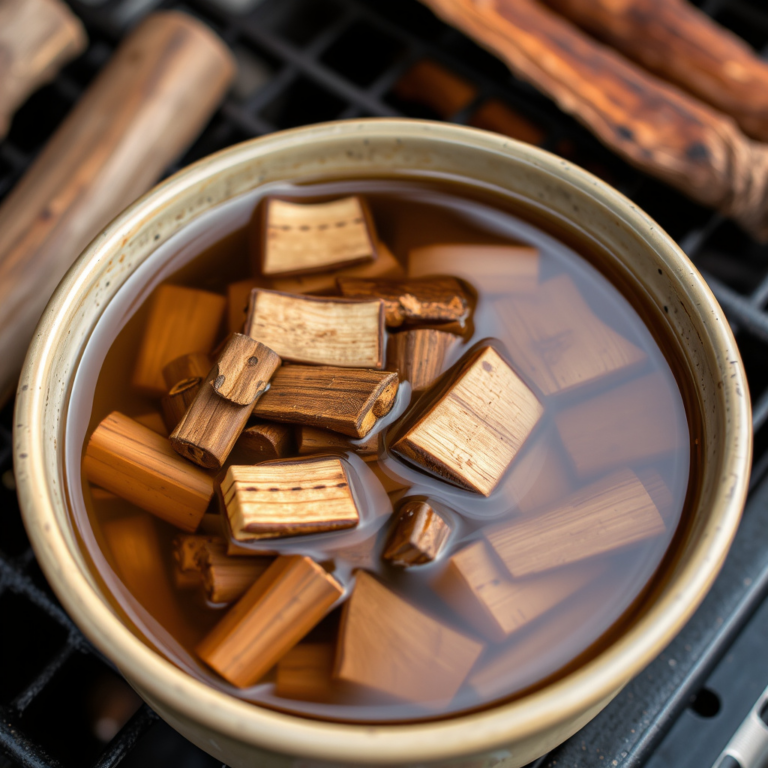
Many cooks use apple juice, beer, or vinegar mixtures in the water pan to add subtle flavor. Using flavored liquids can enhance the smoke profile but avoid sugary or sticky liquids that burn.
How often should I refill the water pan during smoking?
Refill the water pan every 1-2 hours depending on the smoker and cooking time. Use hot water to avoid temperature drops and check levels periodically to maintain consistent moisture.
What happens if I don’t use a water pan in my smoker?
Without water, smokers may run hotter and drier, increasing the risk of meat surface drying out and larger temperature fluctuations. This can lead to tougher meat and less even cooking.
Does using a water pan lengthen the cooking time?
Adding water can slightly lengthen cooking times due to the heat absorbed by the water, which buffers the heat around the food. However, the moisture benefits often outweigh the small increase in time.
Key Takeaways
- Water pans help stabilize temperature and add moisture during smoking.
- Charcoal smokers benefit most from water usage, while pellet smokers may not need it.
- Excess moisture can soften the bark and slightly dilute smoke flavor.
- Beginners can use water pans to make temperature control easier.
Conclusion
Deciding whether to add water in a smoker largely depends on your smoker type, cooking style, and personal preference for bark texture and smoke flavor intensity. Water pans function as a practical tool that moderates heat fluctuations and injects humidity, which can enhance juiciness but may also soften the bark. Considering this, approach water usage as a balancing act between flavor, texture, and temperature control to match the characteristics you want in your barbecue.
For those new to smoking or users of charcoal and offset smokers, including a water pan is almost always beneficial. It buffers tricky temperature swings and keeps meat moist during extended cooking times, making it easier to produce consistently good results. On the other hand, experienced pitmasters working with pellet or electric smokers might select when and how much water to use—or skip it—to fine-tune the smoke and bark properties of their meats.
Start by trying a water pan in your smoker to observe how it affects your cooking process and taste preferences. Experiment with hot water and flavored liquids, monitor temperature stability, and adjust your smoking times accordingly. Ultimately, mastering your personal smoker setup, potentially by using water for moisture control, will lead to more enjoyable, flavorful barbecue.