Spritzing meat while smoking involves lightly spraying it with liquid, usually an aqueous solution like apple juice, vinegar, or water, to help maintain moisture and enhance flavor during the long cooking process. This technique can prevent your meat’s surface from drying out and encourage a better bark formation by adding moisture and acidity.
Many pitmasters swear by spritzing because it helps avoid overly dry smoked meat, particularly during extended smokes on larger cuts like brisket or pork shoulder. It also can introduce subtle layers of flavor depending on the spritzing liquid used. However, opinions vary, and improper use might disrupt the cooking temperature or prolong cook time if done excessively.
This article explores the pros and cons of spritzing meat while smoking, the best types of spritz liquids, timing and frequency recommendations, and alternative techniques to keep your smoked meat moist and flavorful.
Understanding the Role of Spritzing in Meat Smoking
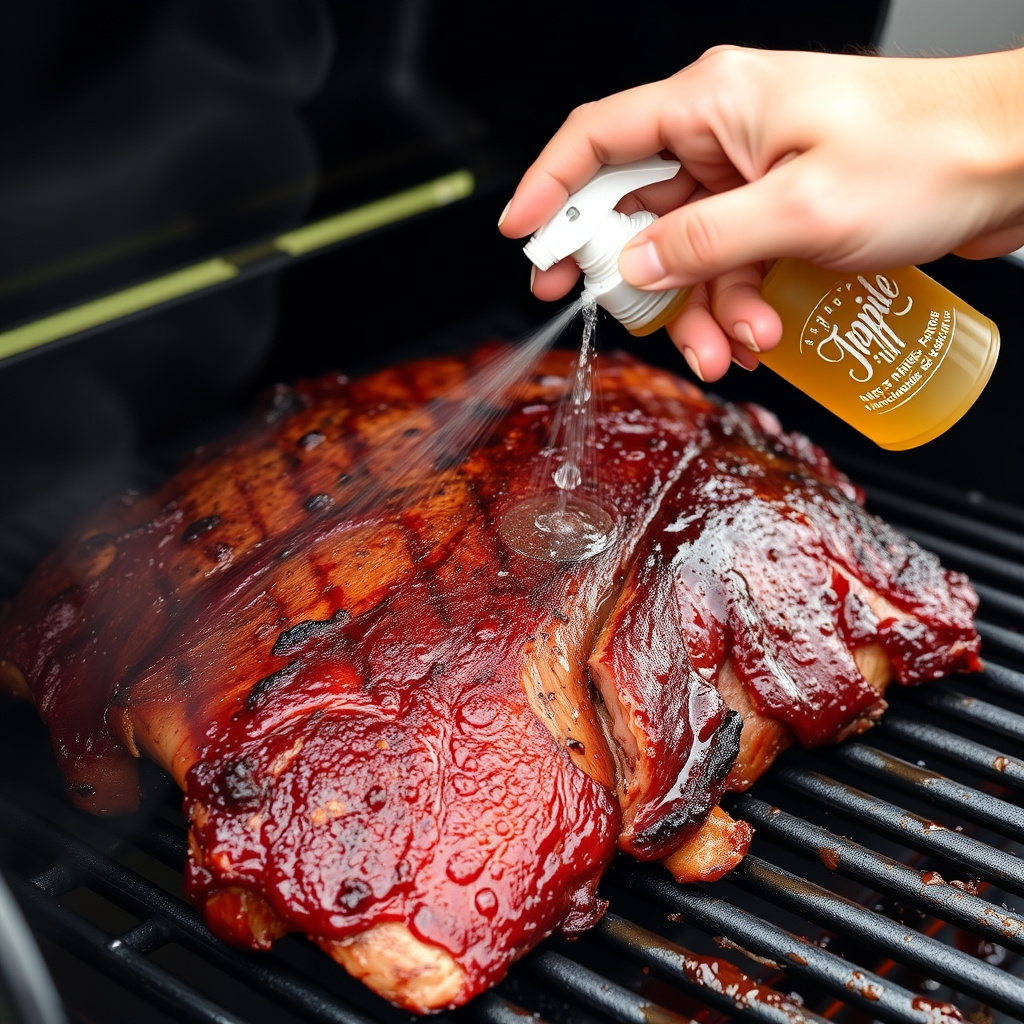
How Spritzing Affects Moisture Retention
Spritzing adds moisture to the surface of the meat, counteracting the drying effects of low-and-slow heat over several hours. This surface moisture helps maintain a juicier bark and prevents the upper layer of meat from becoming too tough or cracked.
While spritzing impacts surface moisture, it doesn’t penetrate deeply, so it mainly helps the outer layers. Internal juiciness depends more on proper fat rendering and smoke duration.
Spritzing’s Influence on Bark and Flavor Development
Applying a spritz during smoking can subtly influence bark texture and taste. The added moisture can aid smoke particle adhesion, resulting in a more flavorful crust or bark depending on the compounds in the spritzing liquid.
Using acidic liquids like apple cider vinegar can also help break down proteins on the meat's surface, enhancing tenderness and contributing to the evolving flavor complexity of your smoked meats.
Choosing the Best Spritz for Smoked Meat
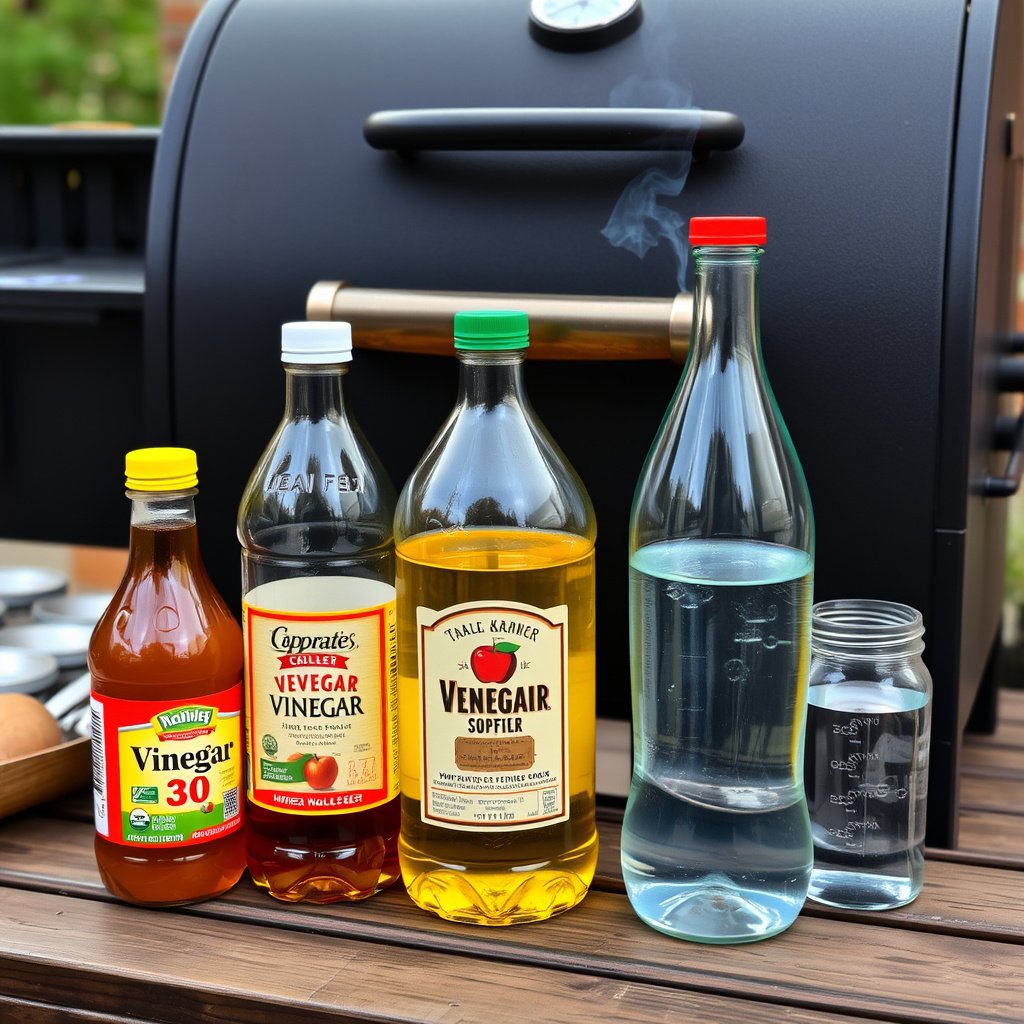
Popular Spritz Liquids and Their Characteristics
Apple juice is a classic spritz liquid, valued for its mild sweetness that complements pork and brisket well, balancing smoke with fruity undertones. Water is a neutral choice that prevents drying without altering flavor.
Apple cider vinegar introduces acidity that tenderizes meat and enhances smoky notes, but overuse can produce a sour tang. Other mixers include diluted beer, bourbon, or even tea, each adding unique flavor nuances.
- Apple juice: sweet, mild flavor
- Water: neutral, moisture maintenance
- Apple cider vinegar: acidic, tenderizing effect
- Other: beer, bourbon, tea for specialty flavors
Homemade Spritz Recipes for Enhanced Flavor
Crafting custom spritz blends lets you control sweetness, acidity, and herbaceous notes. Common DIY recipes mix apple juice with vinegar at ratios like 3:1 or 2:1, sometimes adding spices such as crushed garlic or chili flakes for complexity.
Experimenting with homemade blends allows personalization according to what meat you’re smoking and your taste preferences, making the spritz more than just moisture but a flavor enhancer.
- Apple juice and apple cider vinegar mixture
- Add garlic powder or chili flakes
- Dilute concentrated juices with water
When and How Often to Spritz Meat During Smoking
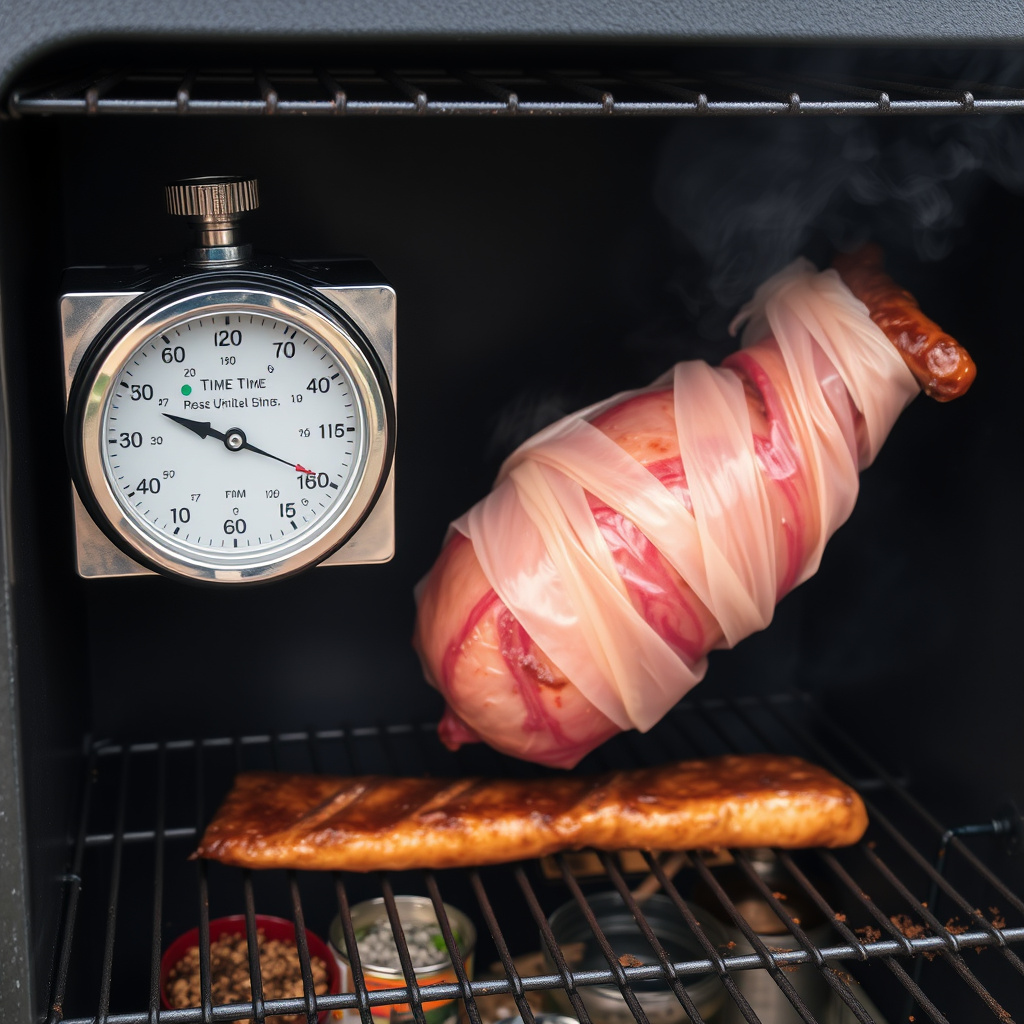
Optimal Timing for Spritzing
Most BBQ experts recommend spritzing starting 1.5 to 2 hours into the smoke once a crust has formed but the bark hasn’t hardened excessively. This timing helps maintain moisture without washing away rubs or smoke flavor.
Care should be taken to spritz infrequently—usually every 30 to 60 minutes—to avoid extending cook time or lowering smoker temperature frequently.
For more on this, see our related guide: How Long to Grill Ribs: Timing for Tender, Juicy Results.
Techniques for Effective Spritzing
Use a fine mist spray bottle to evenly coat the meat without saturating it. Spritz from a distance of about 6 to 12 inches to distribute the liquid lightly on the surface.
Avoid spraying inside the smoker’s firebox or directly onto the charcoal to prevent flare-ups or sudden temperature drops that can affect cooking.
Opening the smoker briefly allows smoke to disperse and prevents soggy bark.
- Use a fine mist spray bottle
- Spritz from 6-12 inches away
- Avoid spraying fire sources
- Open smoker briefly when spritzing
Alternatives to Spritzing for Moist Smoked Meat
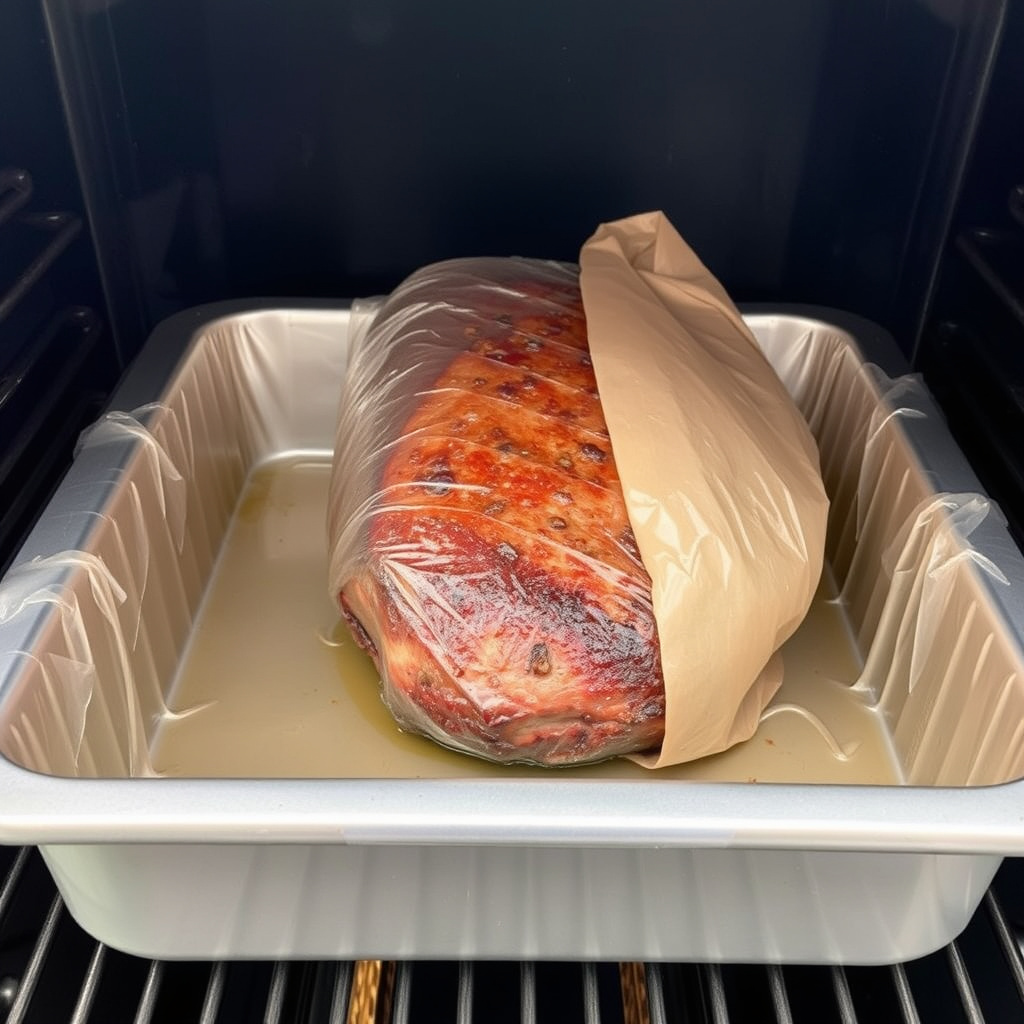
Using Water Pans to Maintain Humidity
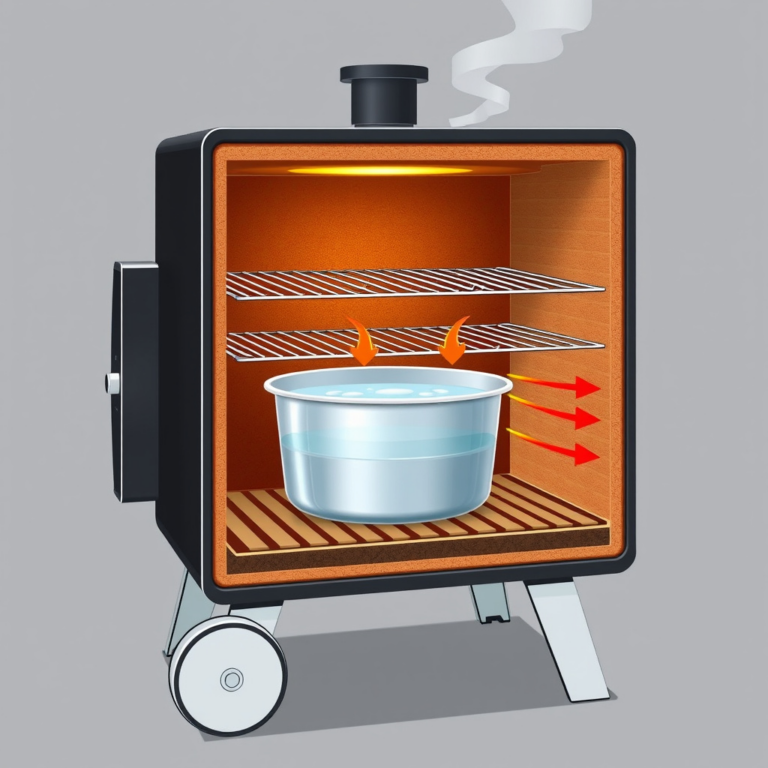
Water pans inside the smoker add humidity to the cooking environment, which helps keep the air moist and slows down meat drying without needing to spritz constantly.
This method creates a gentler humid heat that can enhance smoke absorption and improve bark without direct liquid contact on the meat surface.
Wrapping Meat to Retain Juices
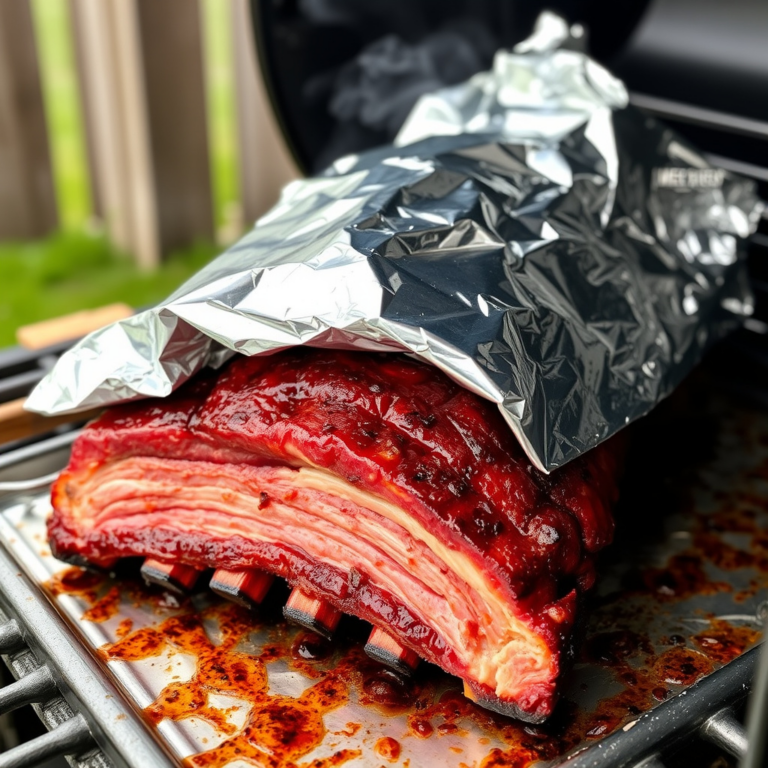
Wrapping meat in foil or butcher paper after a few hours of smoking traps moisture and steam around the meat, drastically reducing evaporation and helping the meat remain tender and juicy.
Known as the Texas crutch, this technique reduces smoke exposure but locks in natural juices, offering an alternative if you prefer not to spritz.
- Foil wrap: creates tight seal, faster cooking
- Butcher paper: breathable barrier, better bark retention
Common Mistakes When Spritzing Meat
Over-Spritzing and Its Effects
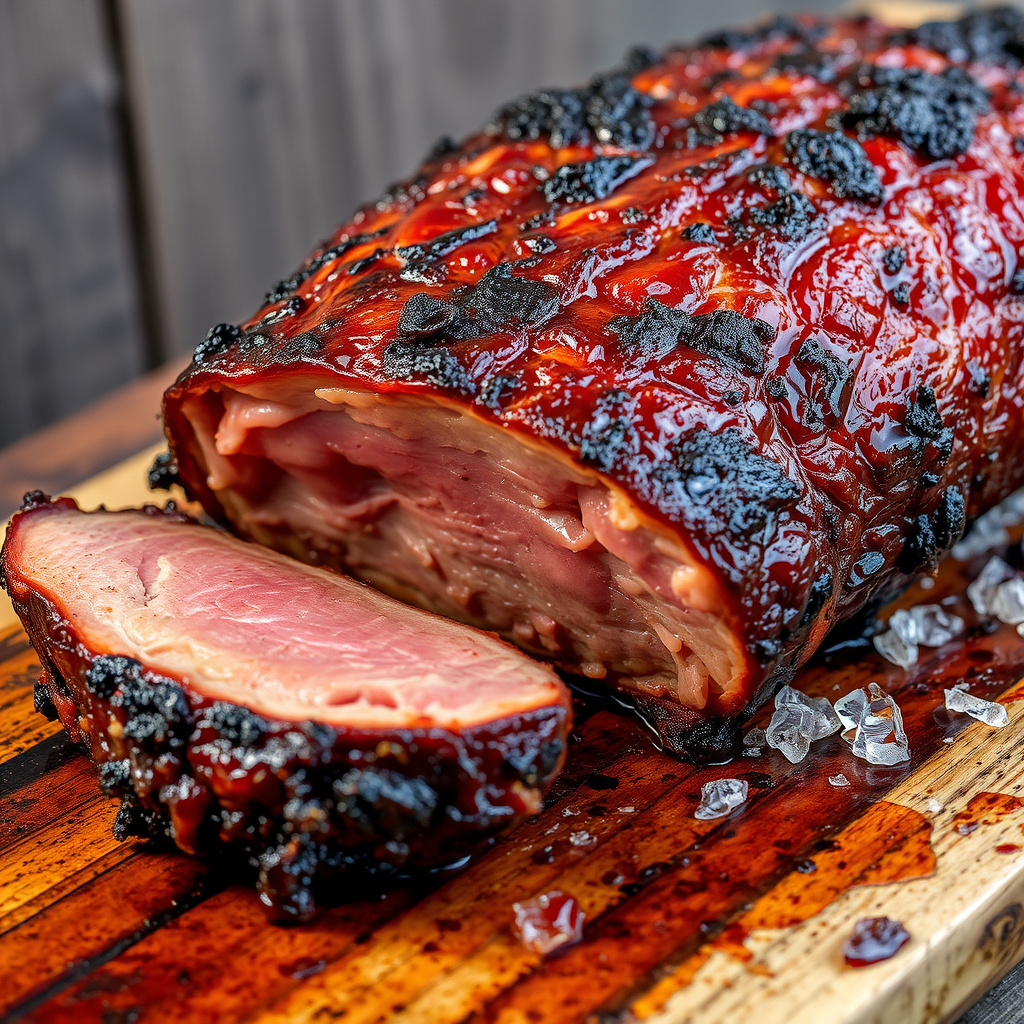
Applying too much spritz liquid or spritzing too often can lead to a soggy bark, reduced smoke ring formation, and longer cooking times due to heat loss from frequent smoker openings.
Balanced spritzing helps maintain moisture, but excessive moisture interferes with the traditional dry rub texture and flavor development.
Spritzing at the Wrong Temperature or Stage
Early spritzing before the bark sets washes away seasoning and smoke particles, compromising flavor. Spritzing too late won't help moisture retention significantly as the crust will have hardened.
Properly timed spritzing enhances moisture without disrupting the smoke chemistry; poorly timed spritzing does more harm than good.
Cleaning and Maintaining Your Spritzing Equipment
Selecting the Right Spray Bottle
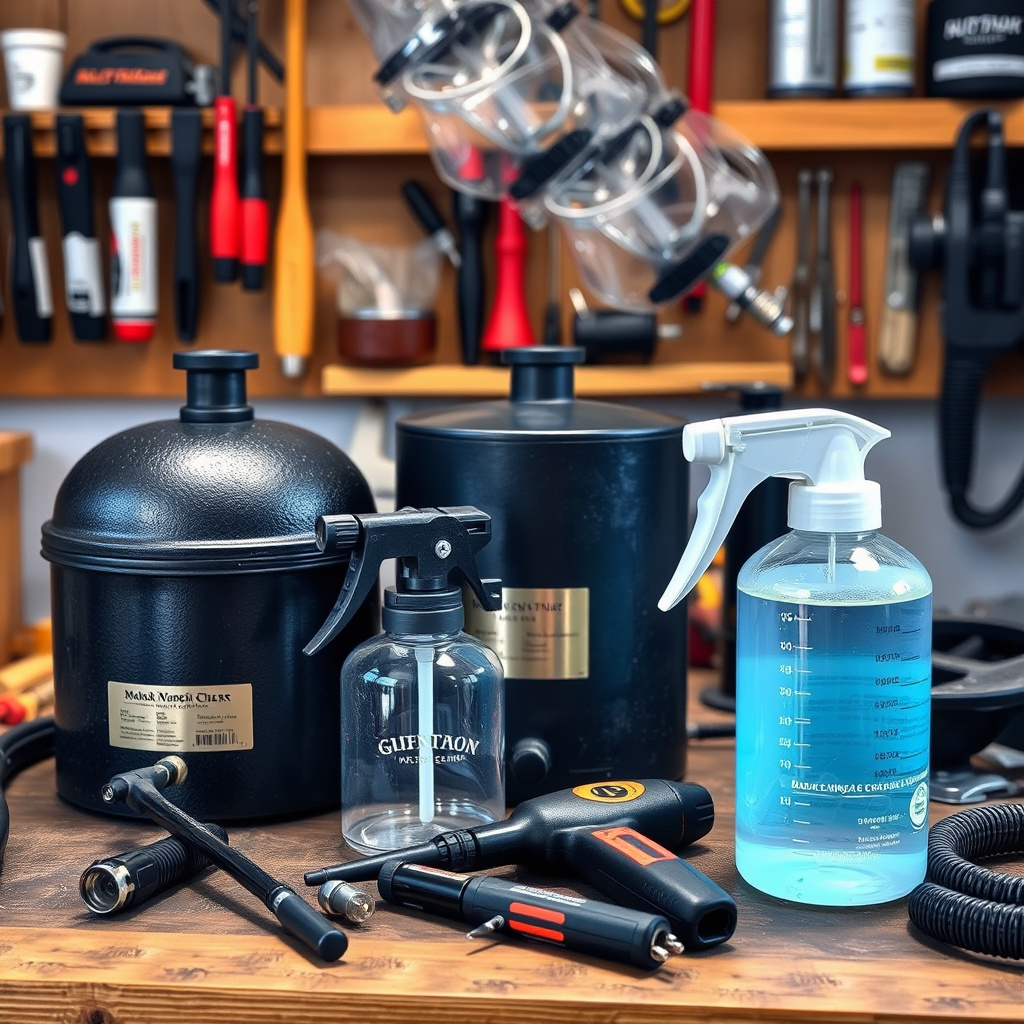
Choose a spray bottle that delivers a fine mist rather than a heavy spray to avoid saturating the meat. Bottles with adjustable nozzles let you control spray intensity and coverage.
Food-safe materials and easy disassembly for cleaning are essential for hygiene, especially when using sugary or acidic spritz liquids that can clog or degrade the sprayer.
For more insights into smoking techniques, check out this comprehensive spritzing meat smoking guide. spritzing meat smoking guide.
Regular Cleaning Tips to Prevent Clogging
Rinse the spray bottle thoroughly after each use to prevent residue buildup from sticky liquids like apple juice or sugary mixes. Periodically soak the sprayer nozzle in warm water with vinegar to dissolve deposits.
Proper cleaning ensures consistent spray patterns and prolongs the life of your spritzing equipment, maintaining even application during smoking.
- Rinse after every use
- Soak nozzle in warm vinegar solution
- Disassemble and clean parts monthly
Spritz Liquids for Smoking Meat: A Side-by-Side Category Comparison
Here’s a clear comparison of popular spritz liquids to help you decide which suits your smoking style and meat selection.
| Spritz Liquid | Flavor Profile | Effect on Bark | Best For |
|---|---|---|---|
| Apple Juice | Sweet, mild fruity | Enhances sticky bark | Pork shoulder, brisket |
| Water | Neutral, no added flavor | Maintains moisture, neutral bark | All meats, beginner-friendly |
| Apple Cider Vinegar | Tangy, acidic | Tenderizes, may soften bark | Brisket, ribs |
| Beer | Malty, slight bitterness | Adds complexity, moderate bark effect | Pork, sausages |
| Bourbon | Smoky, mild sweetness | Rich bark, couples with smoke | Special occasions, brisket |
| Tea | Earthy, mild tannins | Unique subtle flavor, bark retention | Chicken, fish, light meats |
Frequently Asked Questions
Does spritzing really make smoked meat juicier?
Spritzing helps keep the meat’s surface moist, which can reduce drying and improve bark texture. It doesn’t add internal juiciness but can enhance overall mouthfeel and flavor.
Can I spritz meat too often while smoking?
Yes, spritzing too frequently can cool the smoker, extend cooking time, and cause a soggy bark, negatively affecting texture and smoke absorption.
What liquids are best for spritzing meat?
Apple juice, apple cider vinegar, and water are popular due to their flavor and moisture properties. Specialty liquids like beer or tea also add unique tastes.
Is spritzing necessary for all smoked meats?
No, spritzing is more beneficial for long cooks like brisket or pork shoulder. Shorter smokes or tender cuts may not need it.
Will spritzing affect the smoking temperature?
Opening the smoker to spritz can cause minor temperature fluctuations, so it’s best to spritz quickly and not too often to maintain steady heat.
Key Takeaways
- Spritzing adds surface moisture to keep smoked meat juicy and improve bark.
- Apple juice and apple cider vinegar are common effective spritz choices.
- Spritz every 30-60 minutes starting after the bark forms, avoid overuse.
- Alternatives like water pans and wrapping help retain moisture without spritzing.
Conclusion
Deciding whether you should spritz meat while smoking hinges on your cooking goals, the cut of meat, and how much control you want over moisture retention and flavor layering. Spritzing can maintain surface moisture and encourage a rich bark, but it requires precise timing and moderation. Too much spritzing risks a soggy, less flavorful crust and temperature drops. Using spritzing thoughtfully in conjunction with a quality rub and consistent smoker temperature will often deliver more satisfying results.
If you’re smoking tougher cuts like brisket or pork shoulder for many hours, spritzing with a blend of apple juice and vinegar every 30 to 60 minutes after the bark sets can keep your meat tender and flavorful. For those preferring minimal intervention, setting up a water pan or wrapping the meat during the latter stages offers an effective alternative to maintain juiciness. Experimenting with different spritz recipes tailored to your taste can also add signature notes to your barbecue.
Ultimately, whether you spritz or not, focus on managing temperature, patience, and seasoning to produce excellent smoked meat. Start by testing spritzing on a smaller cook to observe its effects firsthand. This personal experience will guide your approach moving forward, enhancing your smoking technique and the texture and flavor of your barbecue.