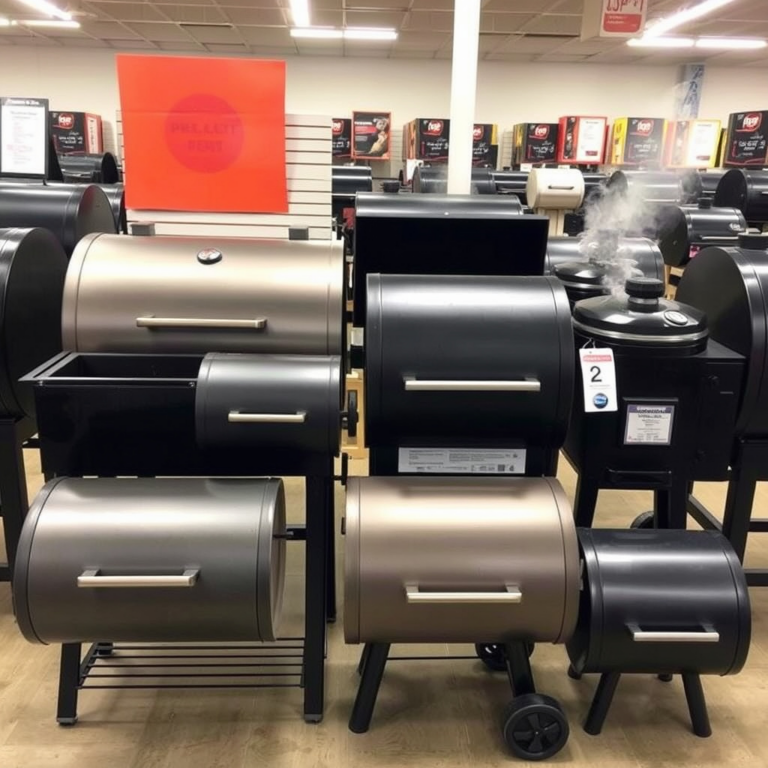
A smoker typically costs between $50 and $2,500, depending on the type, size, and materials used. Basic electric and charcoal smokers start around $50 to $200, while high-end pellets, offset, and cabinet smokers can reach up to $2,500 or more.
Understanding smoker cost matters because it reflects the build quality, heat control features, fuel type, and overall cooking capacity. Some smokers are designed for casual backyard use, while others cater to competition-level barbecue enthusiasts requiring precision and durability.
This article breaks down the cost differences among popular smoker types, factors influencing pricing, and what you should expect at different price points. We’ll also compare smoker categories and provide tips for choosing the best smoker within your budget.
Types of Smokers and How Much They Cost
Electric Smokers Pricing and Features
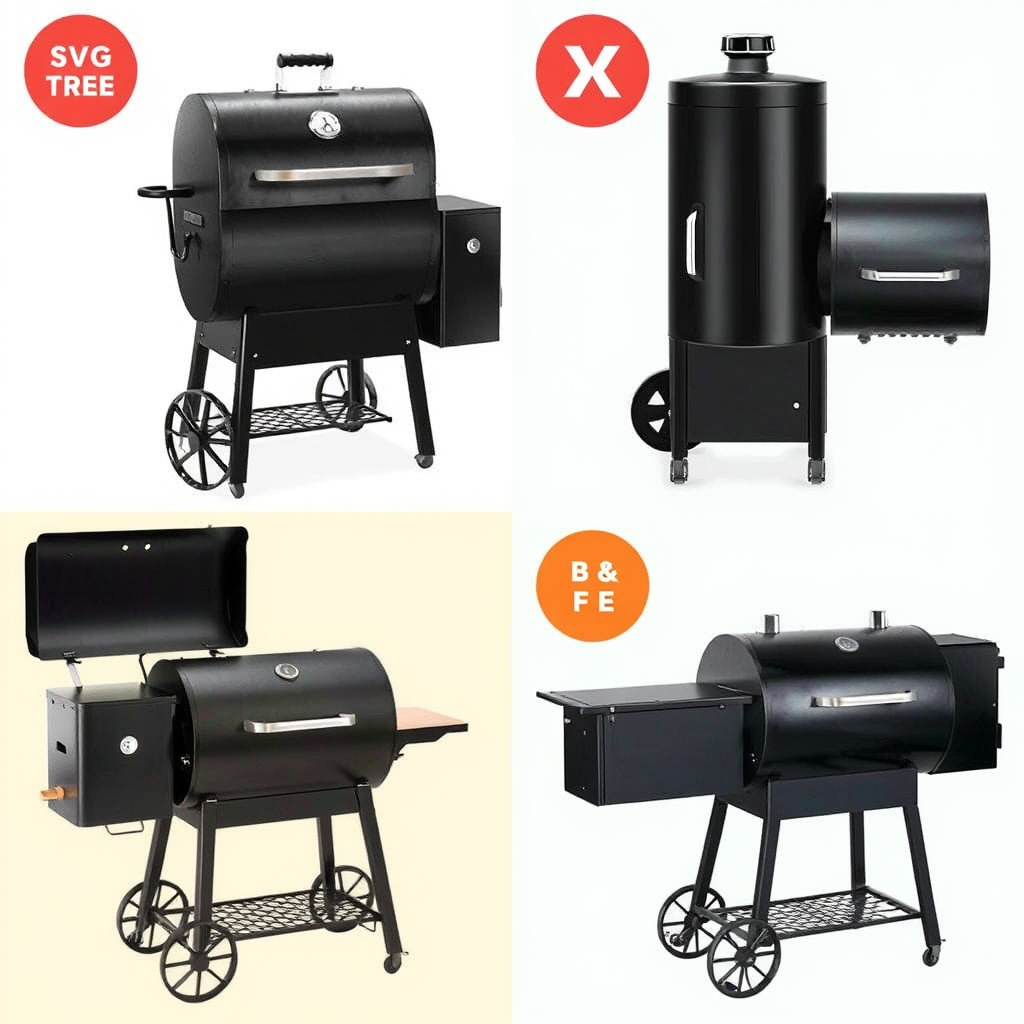
Electric smokers usually range from $100 to $500. They are popular for beginners due to easy temperature control and minimal maintenance. Basic models costing around $100 offer small cooking space and simple temperature settings.
Higher-end electric smokers with digital controls, larger cooking areas, and better insulation generally cost between $300 and $500. These are perfect for users wanting consistent low and slow smoking with less hands-on work.
- Prices: $100-$500
- Best for beginners and convenience
- Low maintenance and easy to use
Charcoal Smokers: Affordability and Tradition
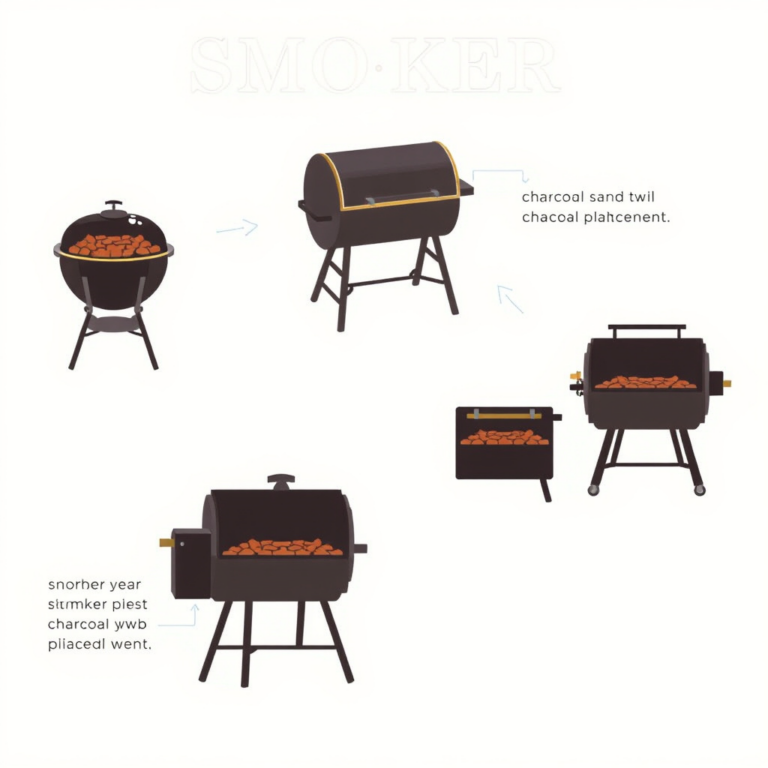
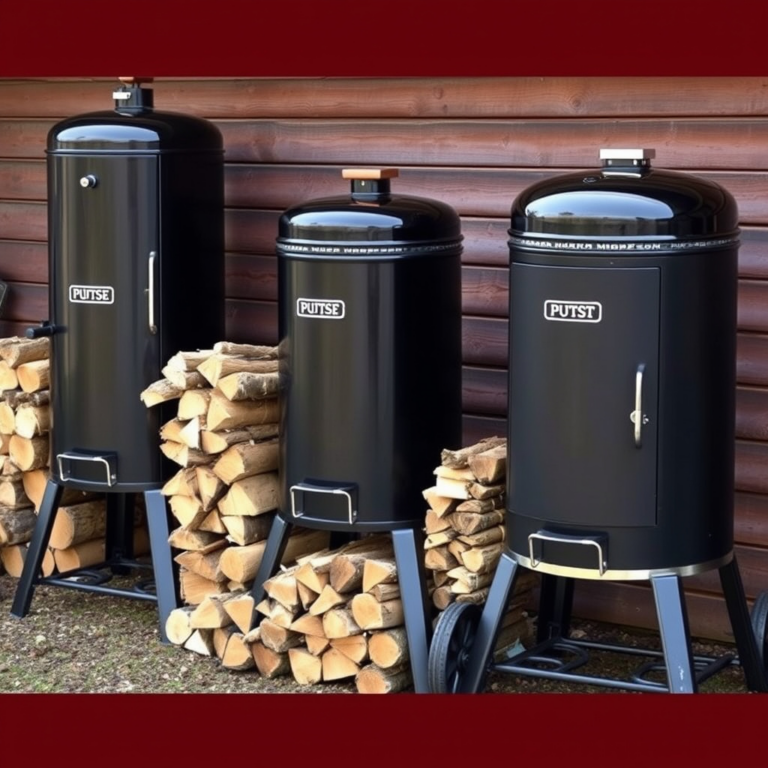
Charcoal smokers fall into the $50 to $400 range. Entry-level models like drum or bullet smokers can cost as little as $50 to $150, offering authentic smoky flavors but requiring more skill to manage temperature.
Mid-range charcoal smokers feature thicker steel, larger cooking chambers, and improved airflow control costing $200 to $400. These models appeal to enthusiasts who prefer classic fire-based smoking with budget flexibility.
- Prices: $50-$400
- Offers traditional smoky flavor
- Requires more hands-on temperature control
Pellet Smokers and Their Price Points
Entry-Level Pellet Smokers
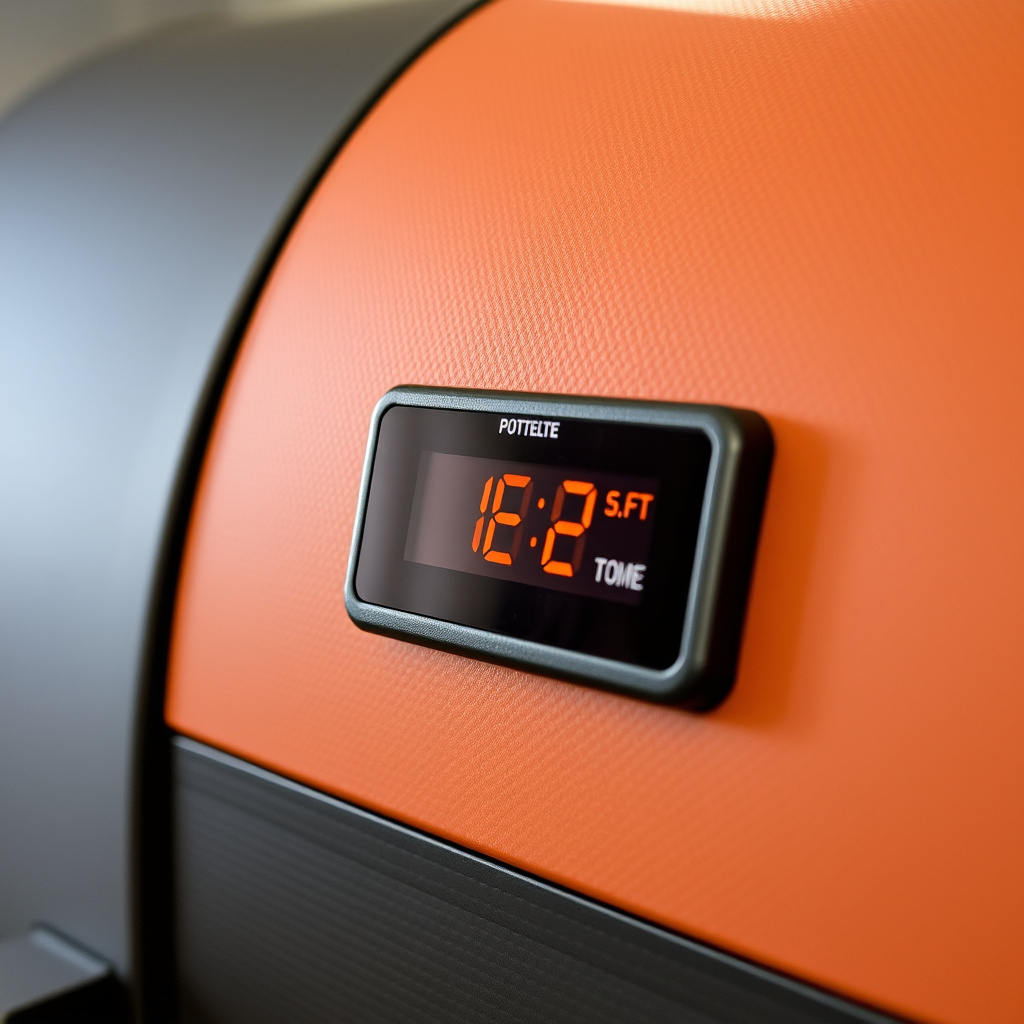
Entry-level pellet smokers start around $600 and go up to approximately $1,200. These offer automated pellet feeding and steady temperature control, making them convenient alternatives to charcoal while still imparting wood-smoke flavor.
Lower-priced models often come with smaller cooking spaces and fewer features but still serve well for small family cookouts or beginners eager to try the best smoker under 500 alternatives.
- Prices: $600-$1,200
- Automated pellet feeding system
- Consistent temperature control
Premium Pellet Smokers
Premium models can cost between $1,200 and $2,500. These feature larger cooking surfaces, Wi-Fi connectivity, dual temperature probes, and robust construction. They appeal to serious BBQ enthusiasts wanting precision and versatility.
Such smokers provide hassle-free smoking and grilling with the advantage of adjusting wood pellet mixes, making them ideal for advanced users demanding flexibility and quality.
- Prices: $1,200-$2,500
- High-tech controls and connectivity
- Larger capacity and durability
Offset Smokers: Cost and Performance
Budget Offset Smokers
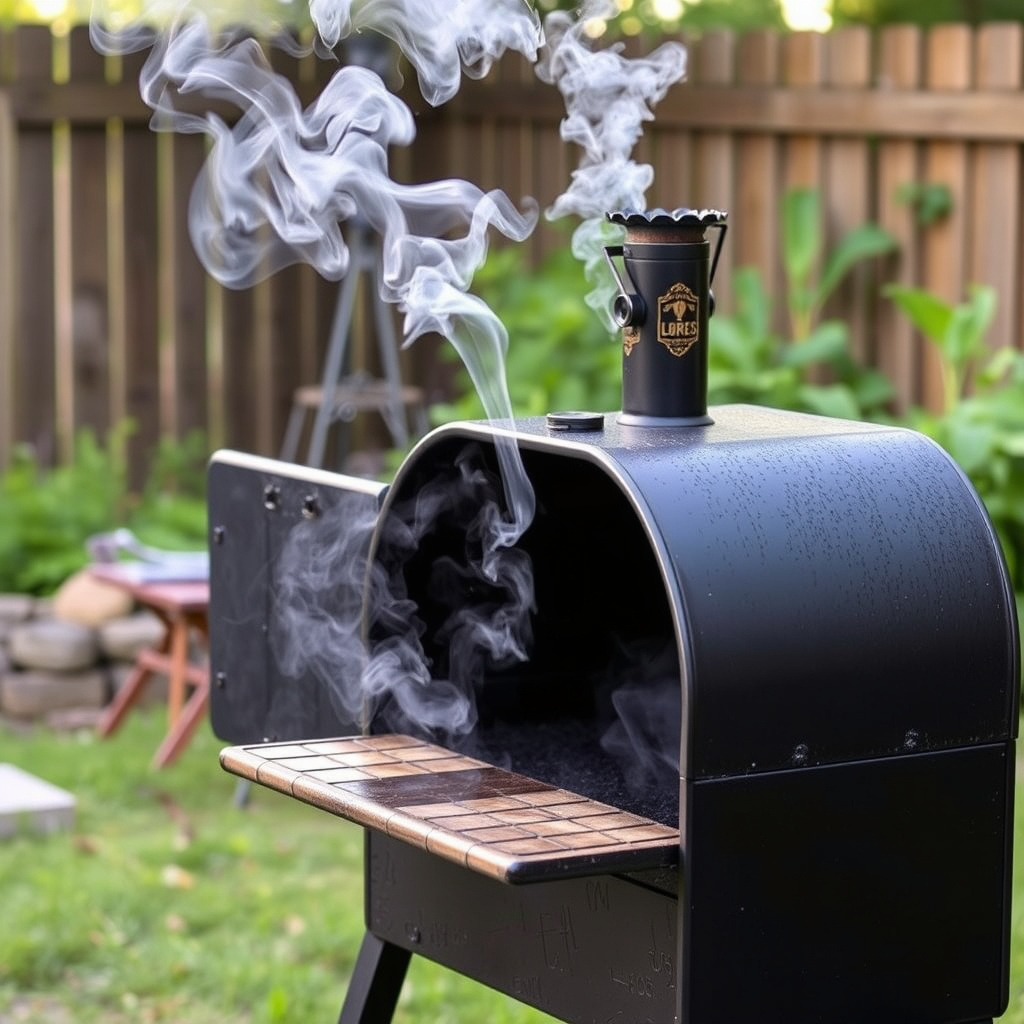
Budget offset smokers range from $200 to $600. These include smaller barrel styles with basic steel construction. They require good fire management skills as the heat source is detached from the cooking chamber.
While less automated, these smokers offer excellent smoky flavors and are favored by traditionalists who enjoy managing their fires manually.
- Prices: $200-$600
- Traditional firebox design
- Requires skillful temperature control
For more on this, see our related guide: How Much Propane Does a Grill Use? A Practical Guide to Fuel Consumption.
High-End Offset Smokers
High-end offset smokers cost $600 to $2,000. These models boast thicker steel, large cooking areas, custom features like side shelves, and improved airflow systems to maintain steady heat over hours.
They are suited for enthusiasts looking for authentic pit-style smoking with maximum control, durability, and capacity.
- Prices: $600-$2,000
- Heavy-duty build and features
- Large cooking chamber
Factors Affecting Smoker Cost
Material Quality and Build
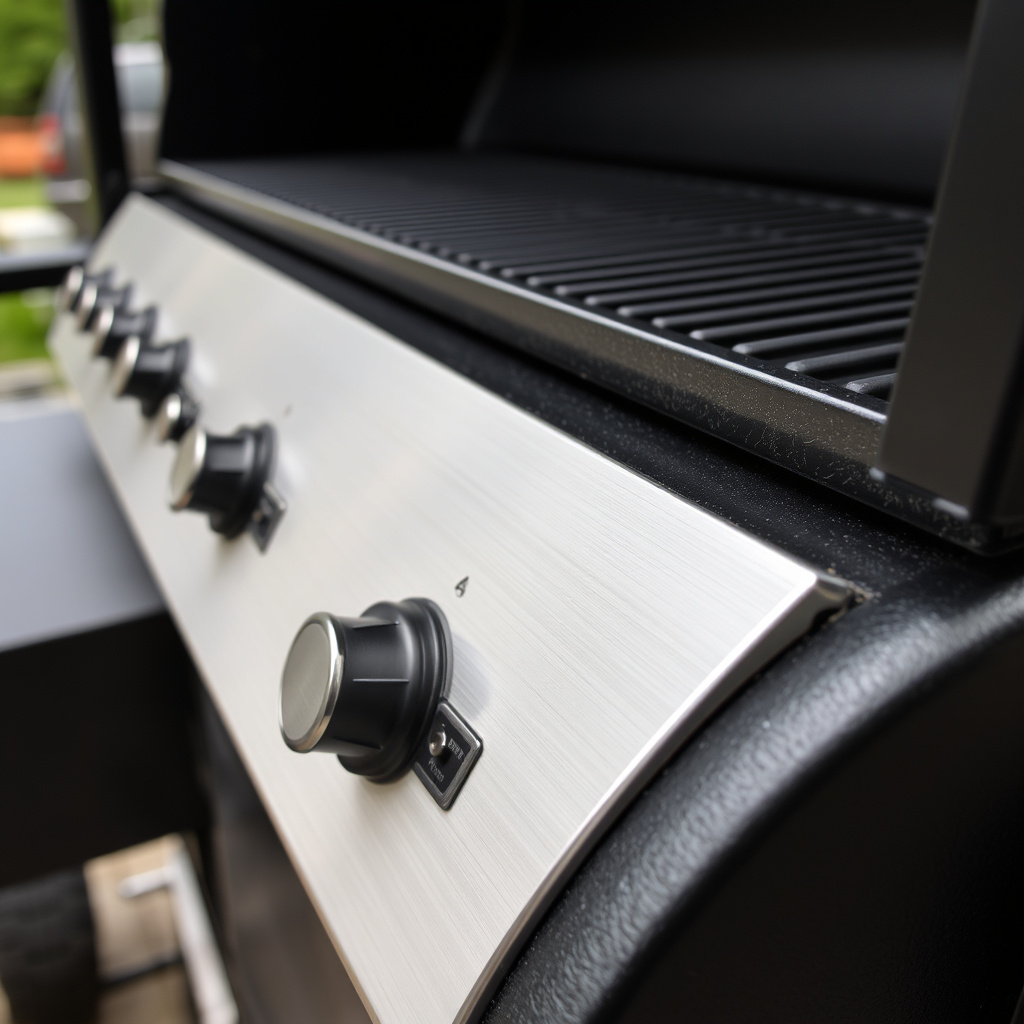
The thickness and type of steel directly affect smoker cost because thicker steel retains heat and lasts longer. Higher-end smokers use stainless steel or heavy-gauge steel, while cheaper models may use thinner, less durable metal.
Build quality includes welds, seals, and insulation which influence both cooking performance and expenses; premium insulation leads to better temperature stability but higher price tags.
Control Features and Technology
Advanced control features such as digital temperature displays, automated pellet feeders, Wi-Fi connectivity, and smart probes increase cost. These make smoking easier and more precise but add to the overall price.
Manual control smokers cost less but need more attention; technological enhancements cater to users wanting convenience and reproducibility in their smoking process.
Size and Cooking Capacity Impact on Price
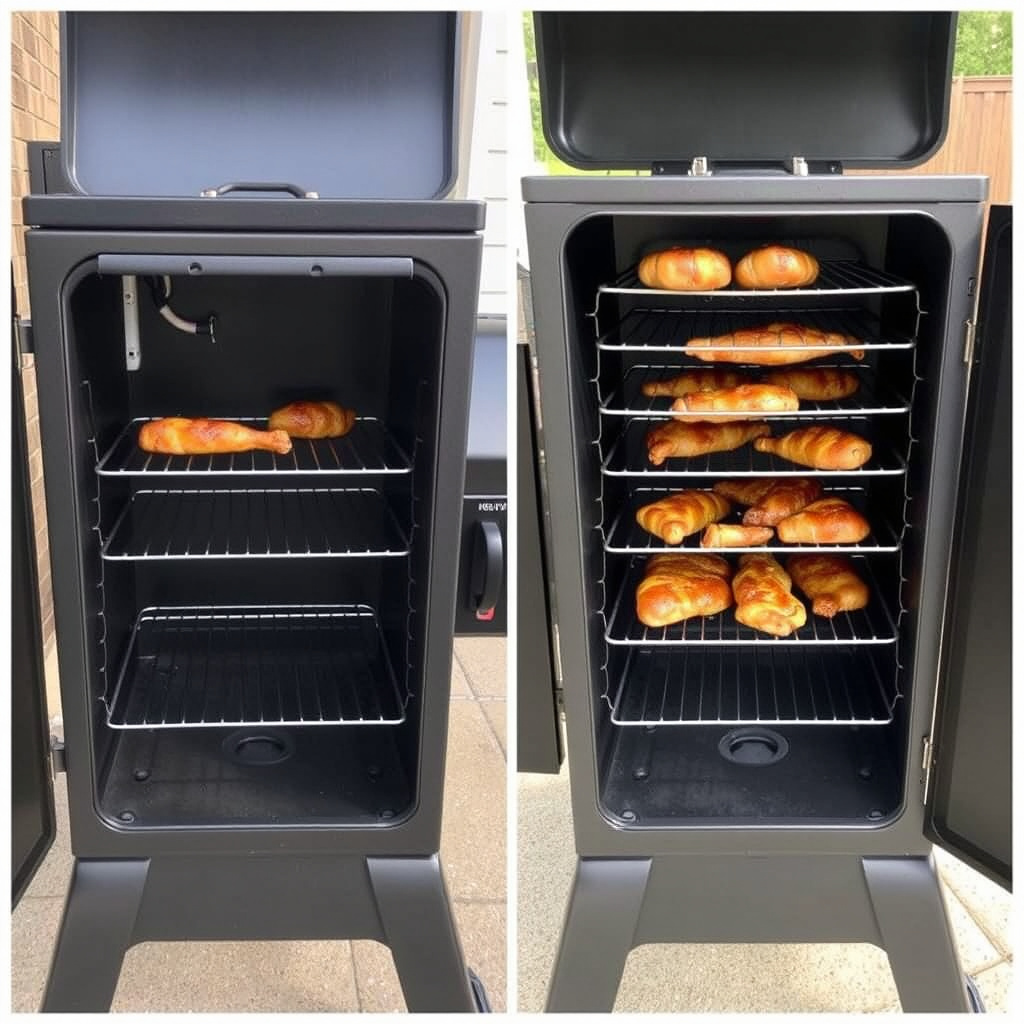
Compact Smokers for Small Groups
Small smokers typically start around $50 to $300 and have cooking areas under 500 square inches. These are ideal for casual users or those with limited space, offering portability but less capacity.
Lower capacity smokers often lack advanced features but deliver satisfying flavor for small family meals or weekend cooking sessions.
For more on this, see our related guide: How Much Does a Weber Grill Cost? A Complete Price Guide.
Large Capacity Smokers for Entertaining
Large smokers designed for parties or competitions have cooking areas exceeding 1,000 square inches and cost $400 to $2,500. Increased size requires more steel, bigger fuel capacity, and enhanced heat distribution systems.
These smokers serve multiple racks simultaneously, making them best for serious BBQ hosts or professional use.
Additional Costs to Consider
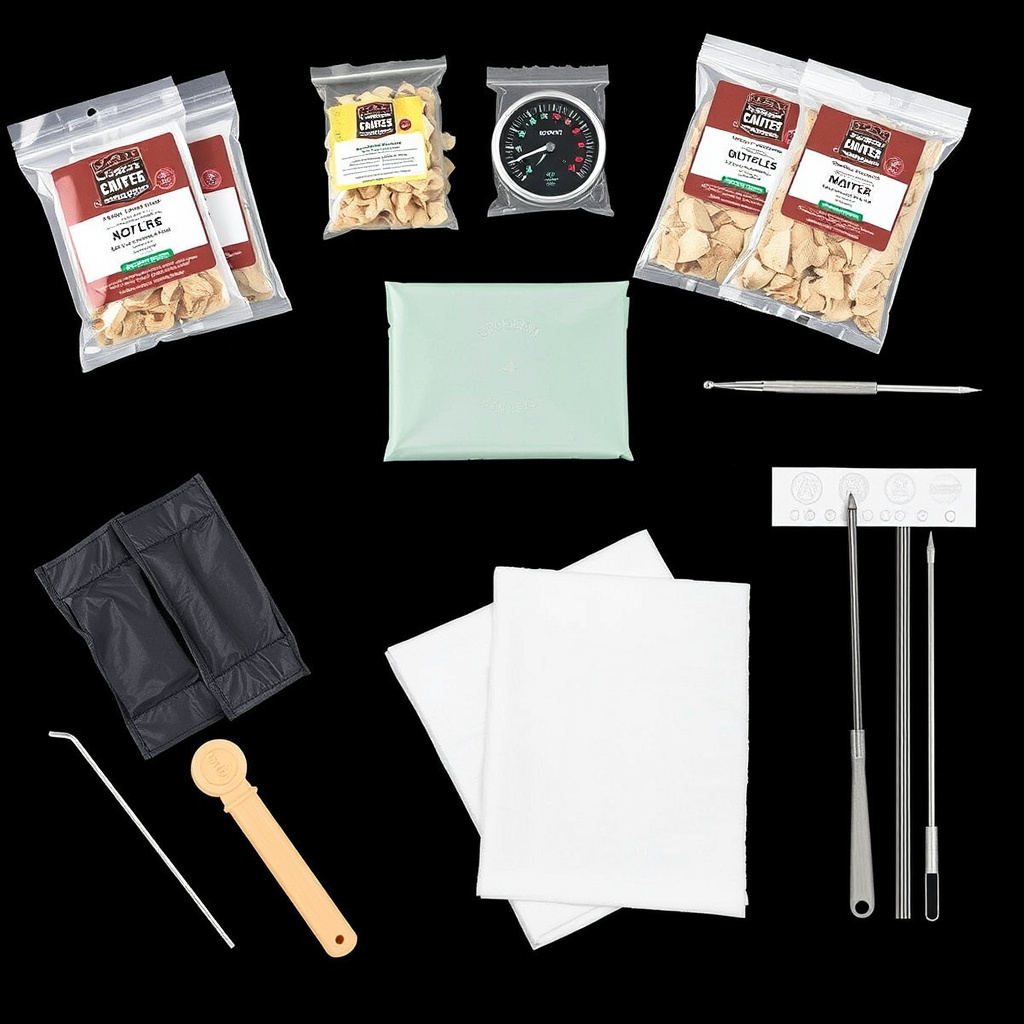
Smoker Accessories and Maintenance
Purchasing a smoker involves extra costs for accessories like covers, racks, fire starters, wood chips or pellets, and cleaning tools. These can add $50 to $200 annually depending on usage.
Regular maintenance such as cleaning rust, replacing seals, and coating with protective sprays may also incur small ongoing expenses.
For a broader understanding of smoker types and history, the Smoker overview on Wikipedia provides detailed background and technical insights. Smoker overview on Wikipedia.
Fuel and Operating Costs
Fuel costs depend on smoker type: charcoal, wood, pellets, or electricity. Charcoal and wood can vary widely, sometimes $10-$30 per session, while electric models just consume electricity with minimal cost.
Pellet smokers require bags of wood pellets costing around $15-$25 each, making operating expenses something to factor into your overall smoker cost.
Smoker Types Cost and Features Comparison
Here's a quick comparison of the major smoker types, outlining typical price ranges and key characteristics to help decide which fits your needs.
| Smoker Type | Price Range | Ease of Use | Maintenance | Flavor Quality |
|---|---|---|---|---|
| Electric | $100-$500 | High | Low | Moderate |
| Charcoal | $50-$400 | Medium | Medium | High |
| Pellet | $600-$2,500 | High | Low | High |
| Offset | $200-$2,000 | Low | High | Very High |
| Compact Portable | $50-$300 | High | Low | Moderate |
| Large Capacity | $400-$2,500 | Medium | Medium | Very High |
Frequently Asked Questions
What is the cheapest type of smoker?
Charcoal smokers usually offer the cheapest entry point, with some models starting around $50, making them accessible for those on a tight budget.
Are pellet smokers worth the higher cost?
Pellet smokers provide easy temperature control and consistent results, justifying their higher purchase and operating costs for users valuing convenience and versatility.
How much does it cost to maintain a smoker yearly?
Annual maintenance and accessories for a smoker typically cost between $50 and $200 depending on usage frequency and type of smoker.
Can I get a good smoker under $500?
Yes, many electric, charcoal, and smaller offset smokers perform well under $500, offering solid smoking performance for casual and beginner users.
Do bigger smokers always cost more?
Generally, larger capacity smokers cost more due to increased materials and design complexity, but exact price depends on brand and features.
Key Takeaways
- Smoker cost varies widely by type, size, and features, typically between $50 and $2,500.
- Electric and charcoal smokers offer affordable options ideal for beginners.
- Pellet and offset smokers provide advanced features and superior flavor at higher prices.
- Additional costs like fuel and accessories factor into overall smoker expenses.
Conclusion
Deciding how much a smoker cost depends on your cooking style, frequency, and desired features. Budget-conscious buyers might lean toward charcoal or basic electric models, which deliver good flavor and ease of use. Those seeking more control and convenience often choose pellet smokers, which automate many cooking processes but come with a higher initial investment.
If you entertain often or have large groups, consider larger capacity offset or premium pellet smokers, which can handle extended cook times and volume with consistent results. On the other hand, casual grillers who want simplicity and occasional use can find excellent value in compact electric or charcoal smokers priced well under $500.
Before purchasing, assess your space, skill level, and how hands-on you want the experience to be. Start by exploring options that fit your budget and offer the smoking features you want. Checking detailed reviews and comparing models will help you find the best smoker suited to your needs and budget.