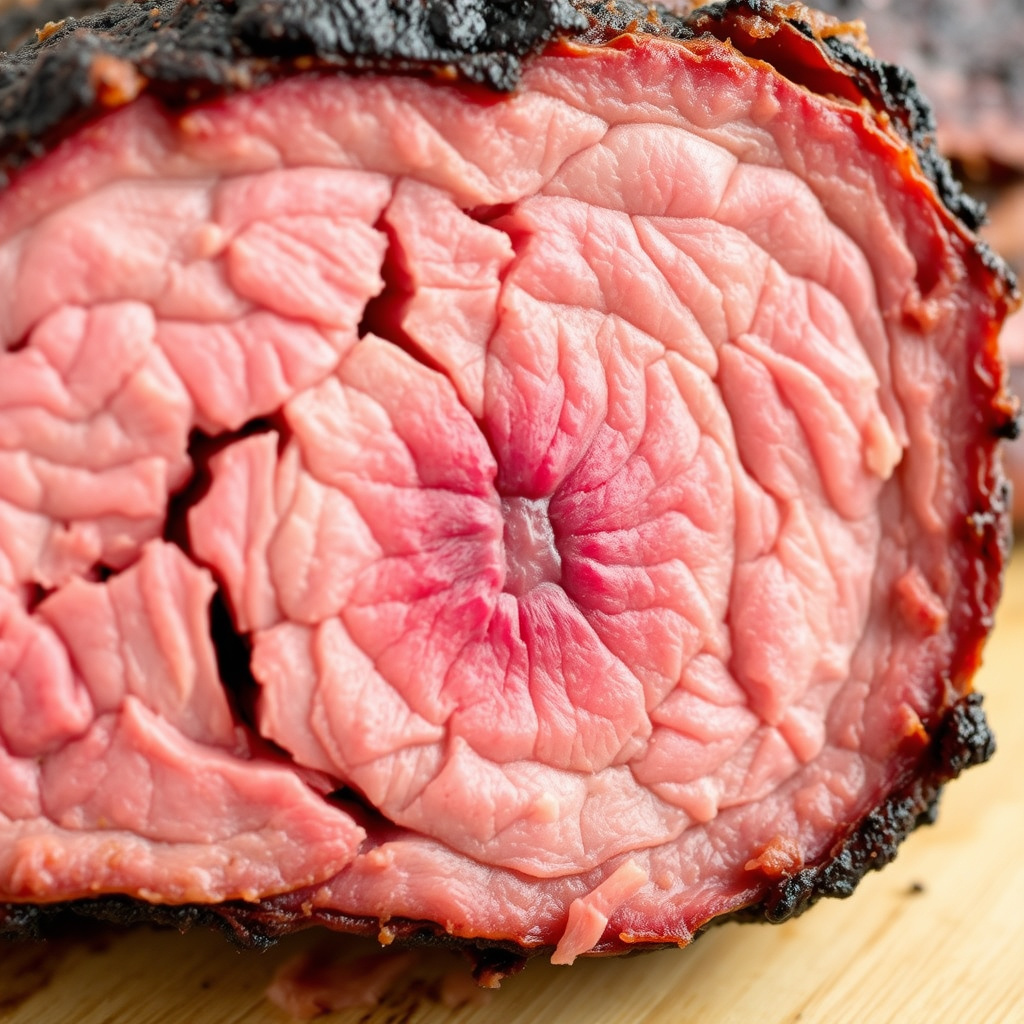
A smoke ring is the pinkish layer that appears just beneath the surface of smoked meat, prized by barbecue enthusiasts as a sign of well-smoked food. To make a smoke ring, you need to create a chemical reaction between the meat's myoglobin and nitrogen dioxide from the wood smoke, typically achieved by maintaining low temperatures and using certain types of wood smoke.
This reaction happens during the early stages of smoking when the meat is still cool and the nitrogen dioxide in the smoke reacts with the myoglobin in the meat to form that signature pink ring. Understanding how to produce this effect is key, as it not only affects the appearance but can also influence the flavor profile of your smoked meats.
In this guide, we'll explain the science behind the smoke ring, techniques to produce it consistently, the equipment choices that matter, and tips to troubleshoot common problems. Whether you're new to smoking or aiming to perfect your BBQ presentation, mastering the smoke ring will add visual and flavor appeal to your cooking.
Understanding the Science Behind the Smoke Ring
What Causes the Smoke Ring?
The smoke ring forms when nitrogen dioxide and nitric oxide from burning wood react with the myoglobin in the meat before heat coagulates the proteins. This reaction creates a stable pink compound that remains visible after cooking. This phenomenon occurs only at temperatures below 140°F, which is why prolonged low-and-slow smoking is essential.
Without this chemical interaction, the pink ring won't form, even if the meat is smoked and flavorful. Charcoal or gas grills without wood smoke usually lack the nitrogen compounds necessary to create this ring. The type of wood and its combustion quality significantly affect nitrogen compound production.
Why the Smoke Ring Matters
Besides being visually appealing and indicative of authentic smoking, the smoke ring is often linked to quality cooking techniques in barbecue communities. It signals that the meat was cooked correctly over low heat with real wood smoke.
Though the ring itself doesn't add flavor, the conditions that create it tend to coincide with better smoke penetration and juicier, more tender meat. Understanding this helps smokers replicate successful barbecue results.
Techniques for Creating a Smoke Ring
Choosing the Right Wood and Smoke Conditions
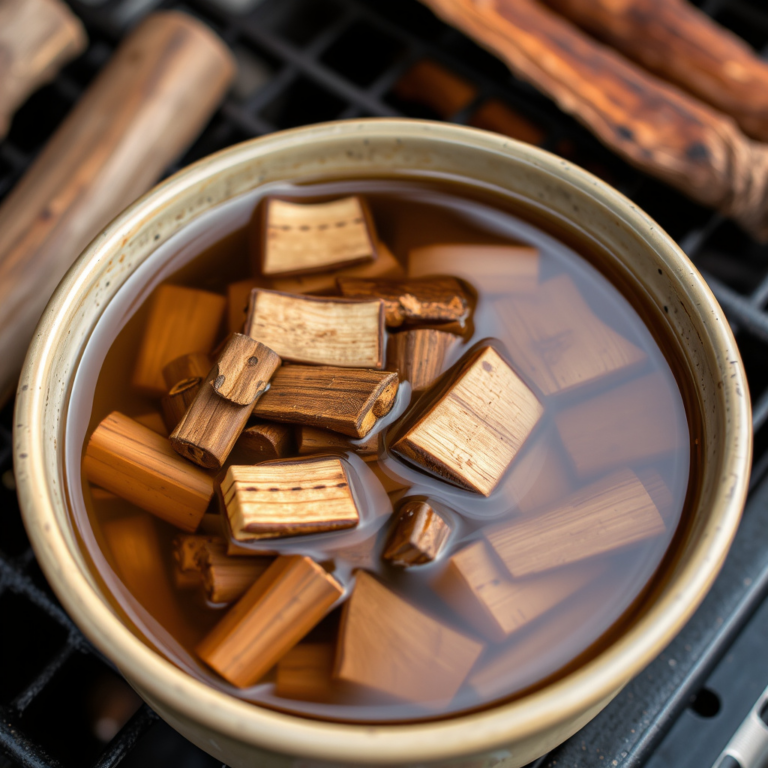
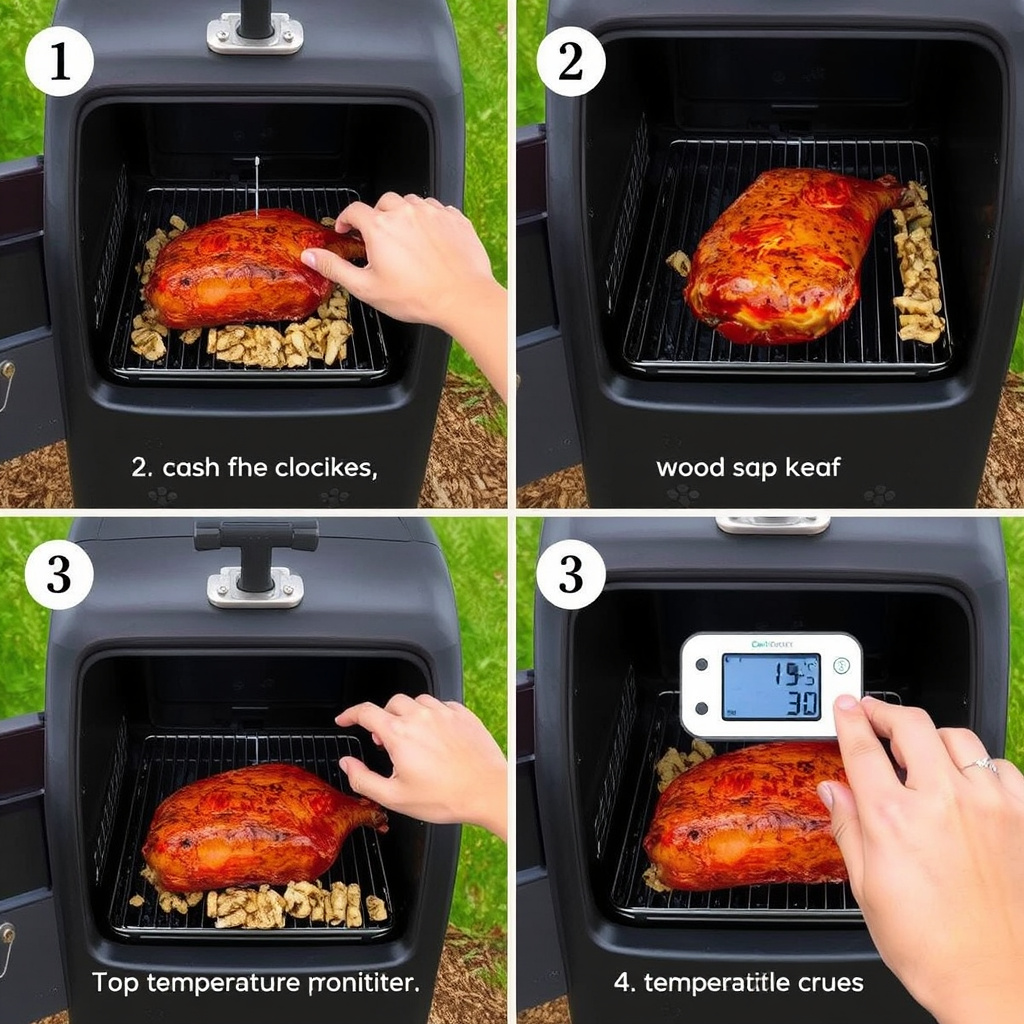
Hardwoods like oak, hickory, and fruitwoods produce sufficient nitrogen dioxide for smoke rings. Softwoods or heavily resinous woods should be avoided as they produce less consistent smoke chemicals and can impart unwanted flavors.
Maintain low temperatures around 225-275°F to preserve surface moisture and allow nitrogen compounds to react with the meat before proteins seal off. Dry heat or overly hot temperatures prevent smoke ring formation by quickly cooking the outer layer.
- Use hardwoods like hickory or oak
- Avoid soft or resinous woods
- Keep smoker temperature between 225-275°F
- Maintain meat surface moisture
Preparing the Meat for a Smoke Ring
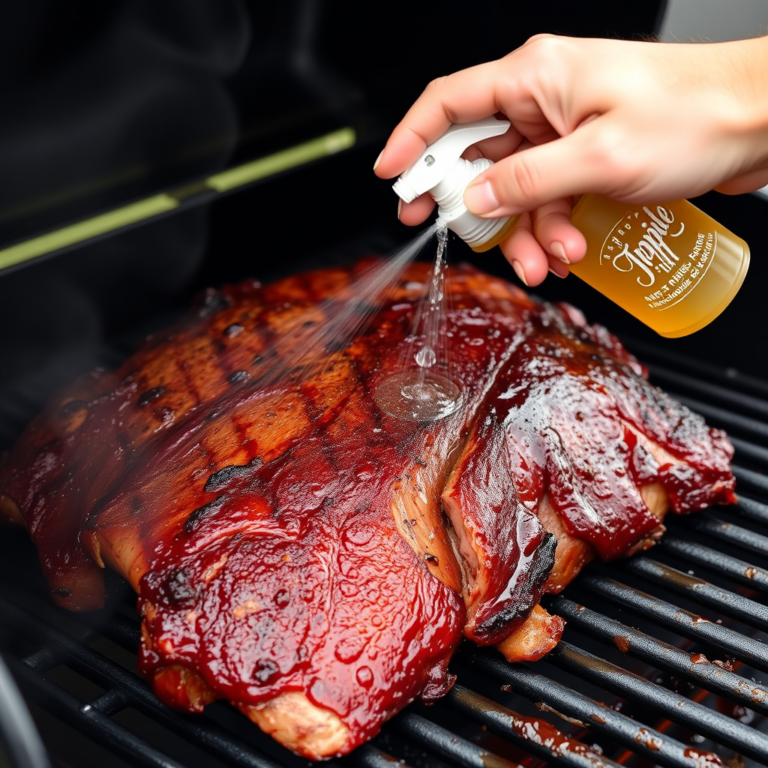
Some pitmasters apply a light water spritz or a curing salt (pink salt) to increase nitrate availability, which can enhance smoke ring development. However, using curing salt changes the meat's properties and should be done carefully.
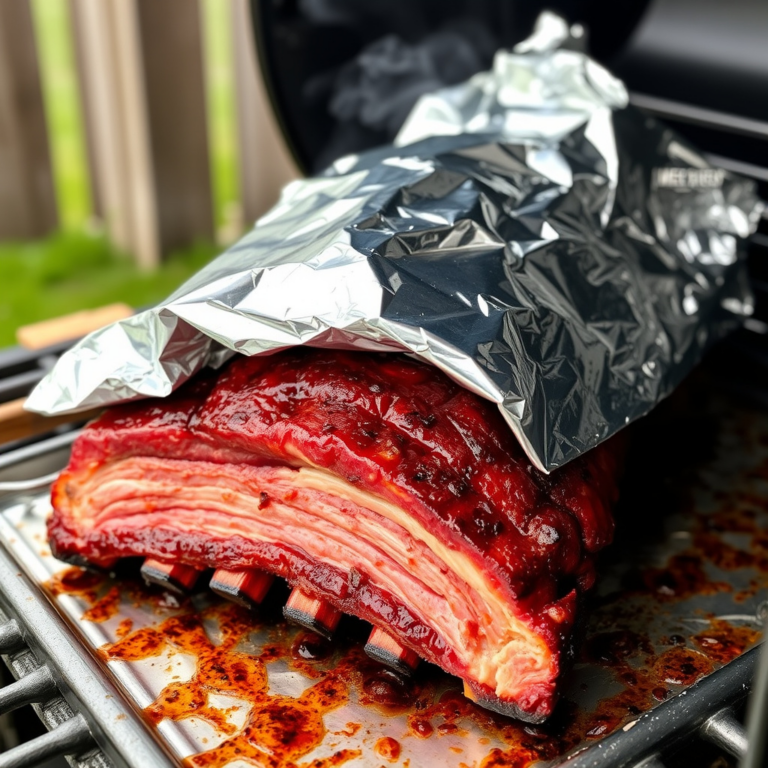
Keeping the meat cold and moist when placing it in the smoker slows protein coagulation and increases smoke ring thickness. Avoid wrapping meat too early, which seals the crust and stops smoke contact.
- Spritz meat surface with water periodically
- Optional: use curing salt cautiously
- Start with cold meat
- Delay foil wrapping as long as possible
Essential Equipment and Setup for Smoke Ring Success
Choosing the Best Smoker Type
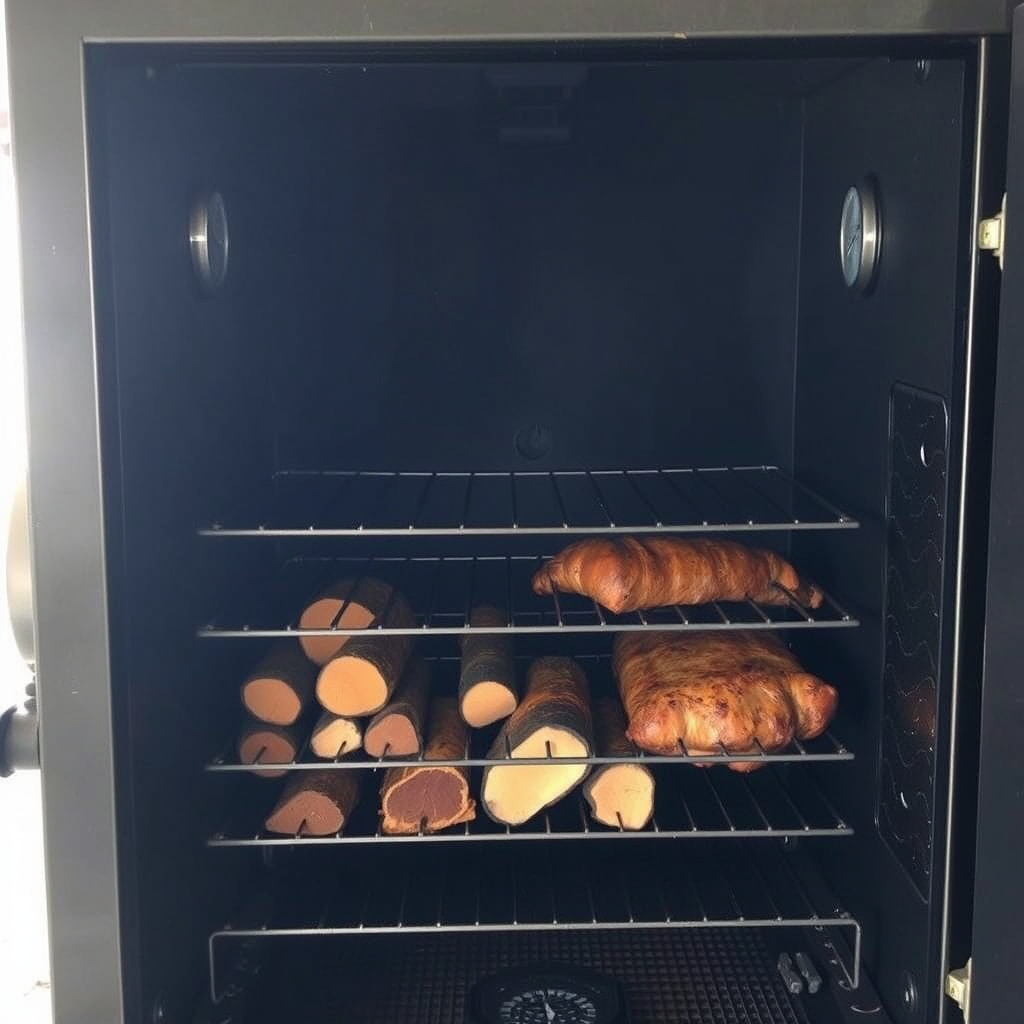
Stick burners, offset smokers, and pellet smokers with wood pellets all generate real wood smoke essential for producing a smoke ring. Electric or gas smokers alone often do not produce enough nitrogen dioxide unless supplemented with wood chunks.
Consistent temperature control and good airflow are important to create the right smoke quality and ensure meat stays moist enough for the smoke ring chemical reaction.
- Stick burner or offset smoker for traditional smoke flavor
- Pellet smoker using hardwood pellets
- Avoid 100% electric or gas smokers without wood
For more on this, see our related guide: How to Make Grill Marks Like a Pro on Your Food.
Monitoring Smoke and Temperature
Use reliable smoker thermometers to maintain steady temperatures in the 225-275°F range. Too hot will shorten the smoke ring window; too cool may increase cook time too much.
Smoke should be thin, bluish-white, and steady. Thick, black smoke indicates incomplete combustion and can leave bitter flavors without contributing to the smoke ring.
- Use dual-probe digital thermometers
- Aim for thin, blue smoke
- Adjust air vents for steady combustion
Advanced Tips and Tricks for Enhancing Your Smoke Ring
Using Water Pans and Spritzing
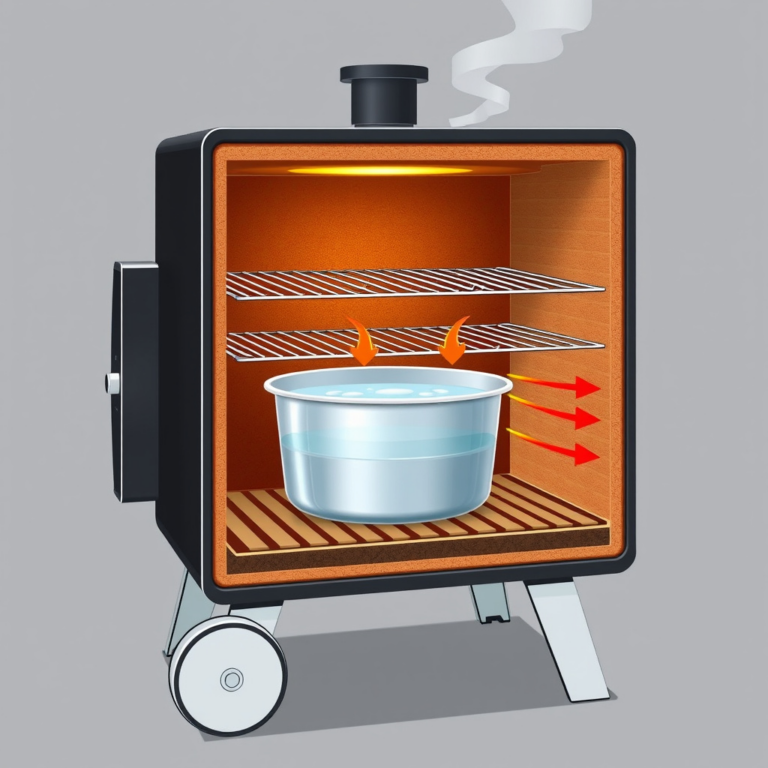
Water pans inside the smoker increase humidity, preventing the meat surface from drying out and allowing nitrogen compounds more time to react with the myoglobin. Periodic spritzing with apple juice or water has a similar effect.
This moisture maintenance extends the time the meat surface stays permeable to smoke and helps develop a thicker smoke ring.
- Place water pan near heat source
- Spritz meat every 45-60 minutes
- Use apple juice or vinegar water for flavor
Prepping Meat With a Salt Rub
Applying a salt-based dry rub adds flavor and can slightly modify the surface chemistry to aid smoke ring formation. Salt helps maintain moisture through osmosis and improves smoke adhesion.
Avoid sugars or heavy spices early in the cook as they can caramelize too quickly and block smoke absorption.
- Apply salt-focused rub before smoking
- Avoid sugar-based rubs at start
- Rub lightly for balanced chemical reaction
Common Pitfalls and How to Avoid Them When Making a Smoke Ring
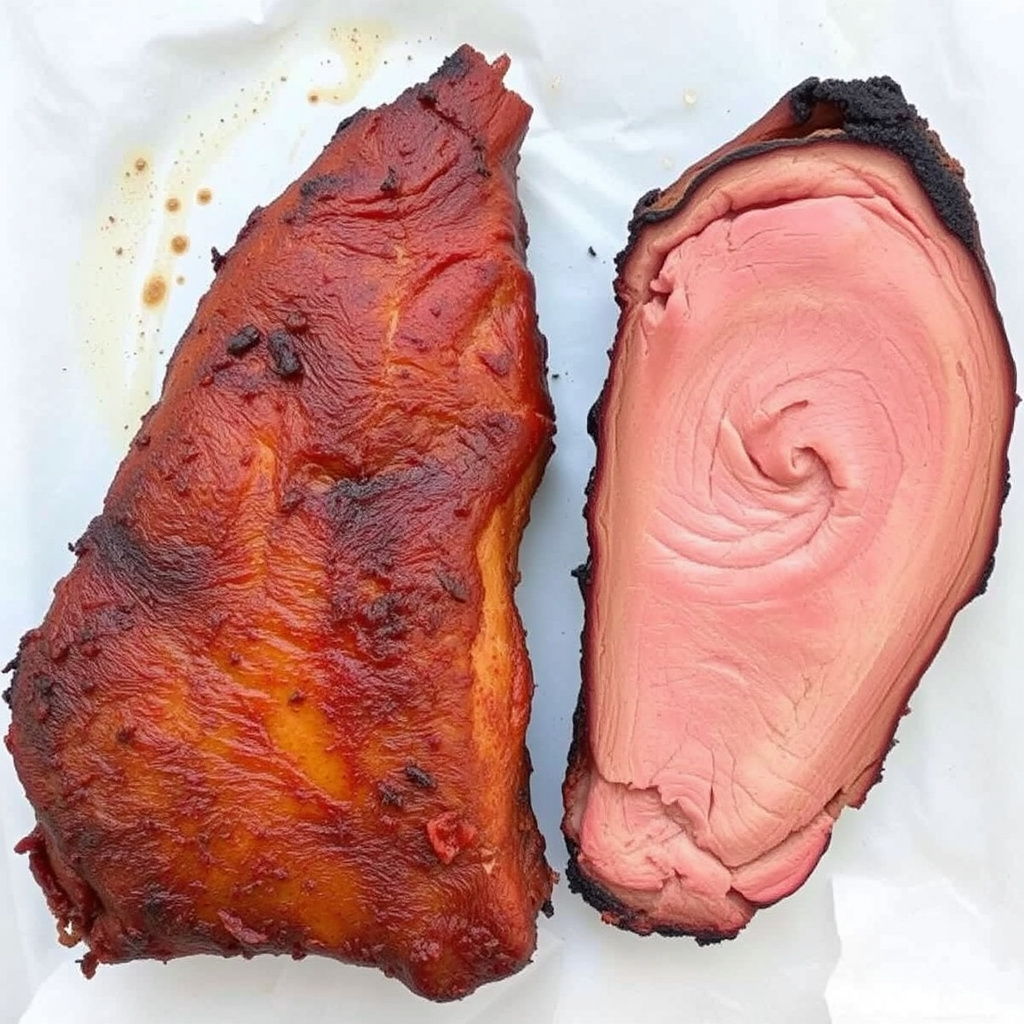
Why Am I Not Getting a Smoke Ring?
A lack of a smoke ring is usually caused by cooking at too high a temperature too quickly or using non-wood heat sources. Quick searing or wrapping meat too soon traps smoke out.
Poor wood selection or insufficient smoke production also reduce the availability of nitrogen dioxide needed for the chemical reaction.
- Avoid temperatures above 275°F early on
- Ensure you use hardwood smoke sources
- Delay foil wrapping until bark forms
For more on this, see our related guide: How to Smoke Meat on a Charcoal Grill: A Step-by-Step Guide.
Avoiding Bad Smoke Flavor While Getting a Ring
Burning wet or green wood produces thick, sooty smoke that can spoil flavor though the smoke ring may appear. Properly seasoned wood and controlled airflow mitigate this.
Over-smoking creates bitterness and excessive bark thickness, so balance smoke duration with flavor development.
- Use well-seasoned hardwoods only
- Control airflow vents carefully
- Keep smoke thin and steady
How to Get a Smoke Ring on Different Meats
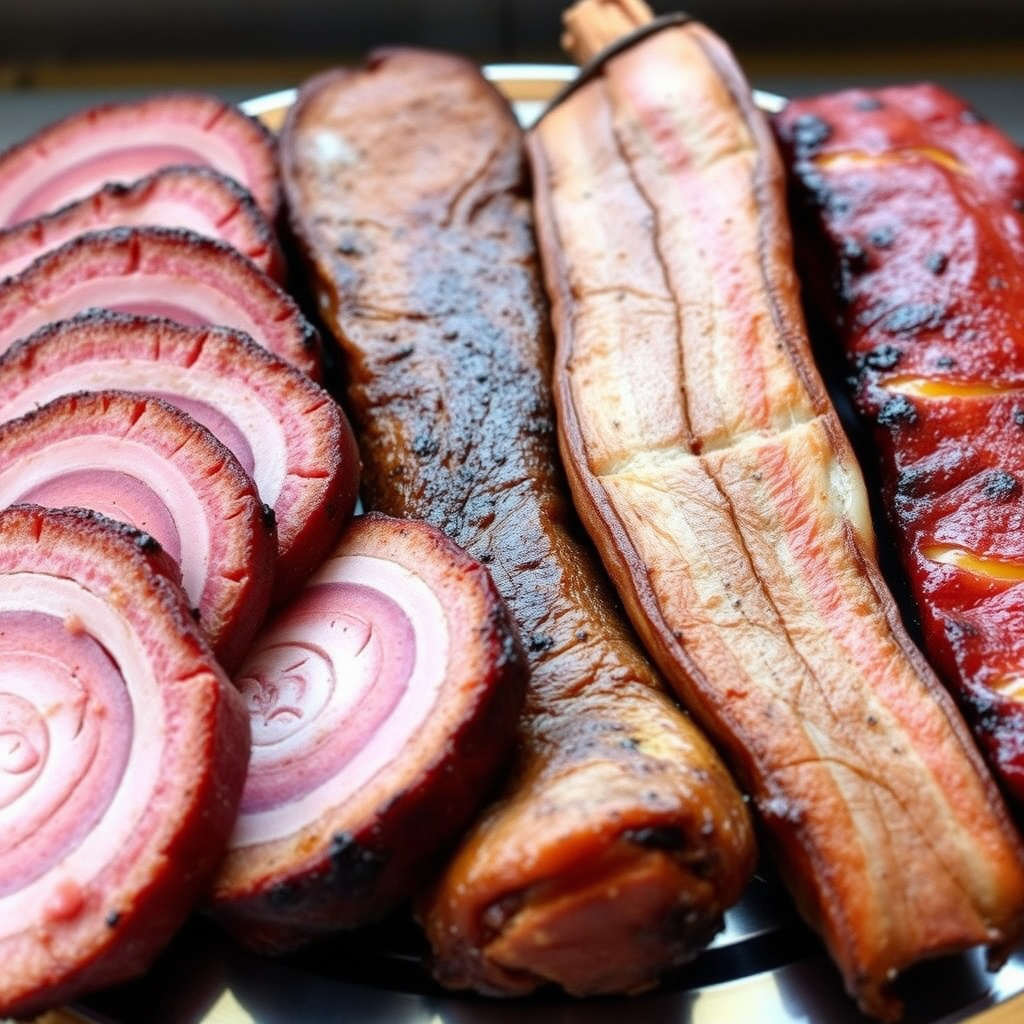
Smoke Ring on Beef Cuts
Thick cuts like brisket develop the most pronounced smoke ring due to extended smoke exposure. Maintaining steady low heat over many hours maximizes reaction depth.
For steaks, quicker cooking means a thinner or less visible ring, but using wood smoke still adds flavor nuances.
- Keep brisket temperatures low and steady
- Use longer smoke times for thick beef cuts
- Expect thinner ring on steaks or roasts
For a deeper look at the science of smoke rings, check out the detailed explanation available on smoke ring chemistry on Wikipedia. smoke ring chemistry on Wikipedia.
Smoke Ring on Pork and Poultry
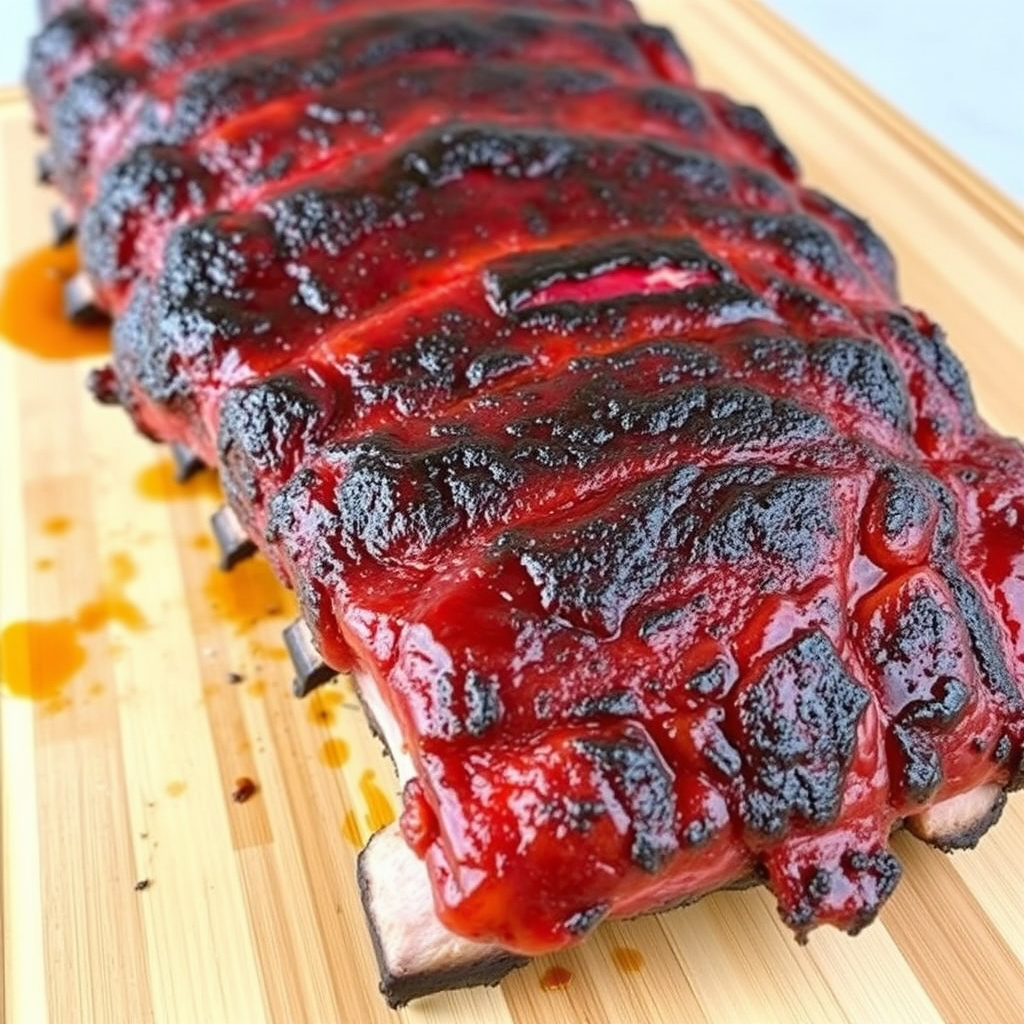
Pork shoulders and ribs respond well to traditional smoke ring techniques but tend to have thinner rings than beef. Maintaining surface moisture is critical.
Poultry develops a subtle smoke ring, often harder to see, but wood smoke still improves flavor and appearance when cooked carefully.
- Spritz pork regularly to keep moist
- Maintain steady low temperatures
- Cook poultry gently for best smoke penetration
Smoke Ring Techniques Category Comparison
The following table compares popular methods and setups used to create a smoke ring, highlighting their benefits and limitations.
| Technique | Smoke Ring Quality | Ease of Use | Flavor Impact | Best For |
|---|---|---|---|---|
| Traditional Stick Burner | Excellent | Moderate | Rich wood flavor | Beef brisket, pork shoulder |
| Pellet Smoker with Hardwood Pellets | Good to Excellent | Easy | Consistent smoky flavor | Home BBQ, quick setups |
| Electric Smoker with Wood Chips | Moderate | Easy | Mild smoke flavor | Small cuts, beginners |
| Gas Grill with Smoker Box | Low to Moderate | Easy | Subtle smoke flavor | Casual smokers, ribs |
| Cold Smoking Setup | Excellent (visual) | Difficult | Intense smoke flavor | Cheese, fish, specialty items |
Frequently Asked Questions
Does the smoke ring affect the flavor of smoked meat?
The smoke ring itself doesn't change flavor, but the conditions that produce it, such as low temperature and real wood smoke, contribute to the overall smoky taste of the meat.
Can I create a smoke ring with a gas grill?
Gas grills alone rarely produce enough nitrogen dioxide for a prominent smoke ring, but using a smoker box filled with hardwood chips can improve the chance somewhat.
How long should I smoke meat to get a good smoke ring?
Typically, the smoke ring forms during the first few hours of cooking at low temperatures between 225-275°F before the surface heats beyond 140°F.
Is it safe to use curing salt to enhance smoke rings?
Curing salts can help create a smoke ring but also cure the meat, changing flavor and texture. Use caution and proper recipes when applying curing salts.
Why does my smoked meat sometimes have no smoke ring?
Common reasons include cooking at too high temperatures early on, lack of real wood smoke, or wrapping meat too soon which blocks smoke contact.
Key Takeaways
- The smoke ring forms through a chemical reaction between nitrogen dioxide in wood smoke and myoglobin in meat.
- Use hardwoods at low temperatures (225-275°F) with plenty of real wood smoke to develop a smoke ring.
- Maintaining moisture by spritzing or using water pans enhances smoke bond and ring formation.
- Avoid high heat, premature wrapping, and non-wood fuel sources to successfully create a smoke ring.
Conclusion
Crafting a smoke ring is as much about understanding the balance of chemistry and technique as it is about patience and attention during cooking. By controlling temperature and humidity, selecting the right wood, and allowing smoke to penetrate the meat early on, you foster the exact conditions needed for the chemical reaction that produces the smoke ring. This ring is a small badge that reflects your focused approach to smoking and respect for barbecue craft.
For those searching for a reliable way to get a visually impressive smoke ring, traditional stick burners and pellet smokers with hardwood pellets often offer the best control and consistent results. Applying water pans and regular spritzing further promotes moisture retention and smoke pattern, helping thicker beef cuts like brisket display the classic pink ring. Pork enthusiasts can also find success with these techniques on shoulders and ribs, while poultry may need tender handling to develop subtle but appealing rings.
Ultimately, experimenting with smoke types, temperature management, and timing while avoiding pitfalls like premature meat wrapping or excessive heat will hone your ability to create standout smoked dishes. Try starting slow and low using hardwood smoke, keep an eye on moisture, and enjoy the process as you enhance your barbecue style with this iconic hallmark of smoked meat excellence.