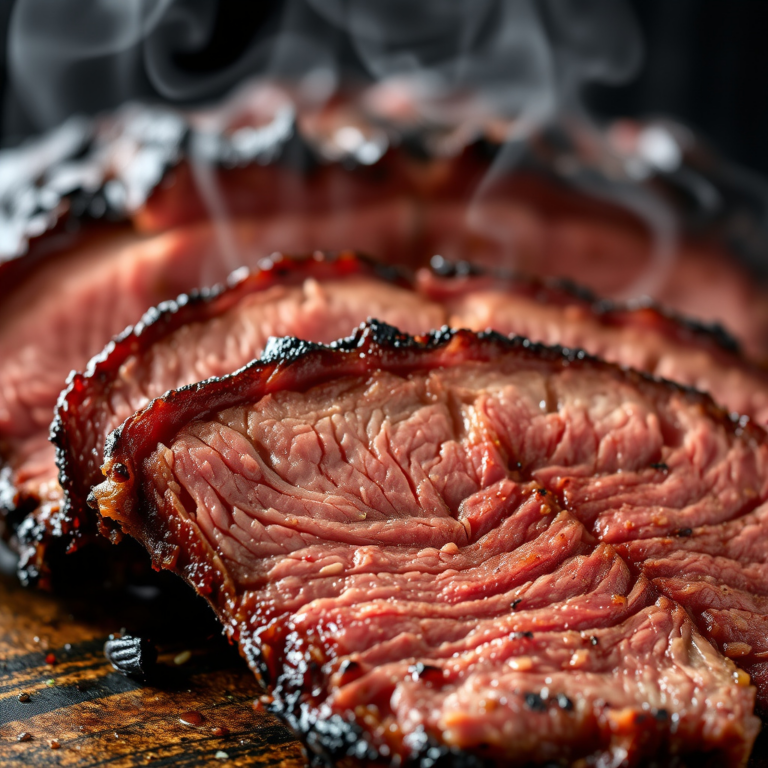
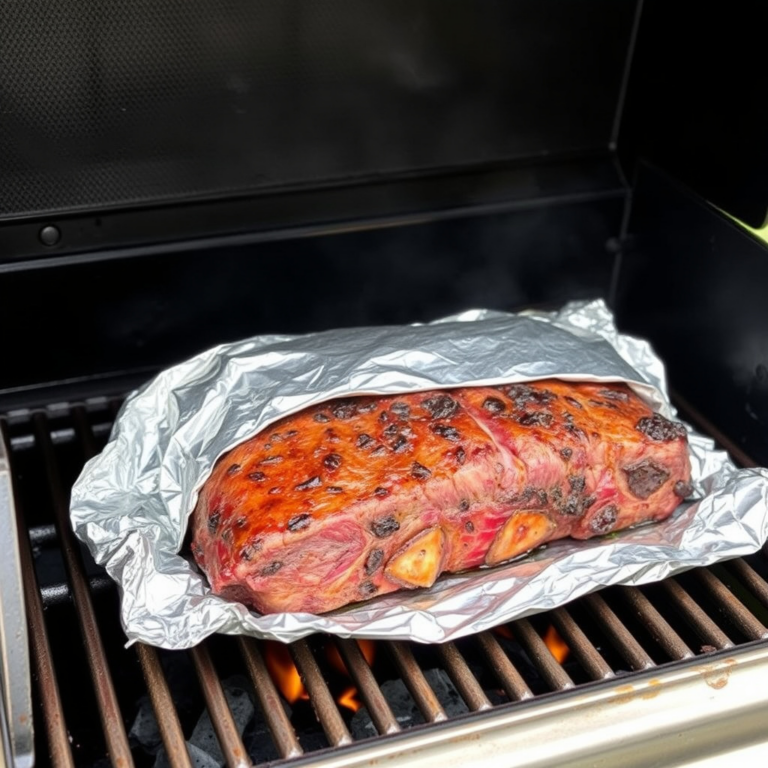
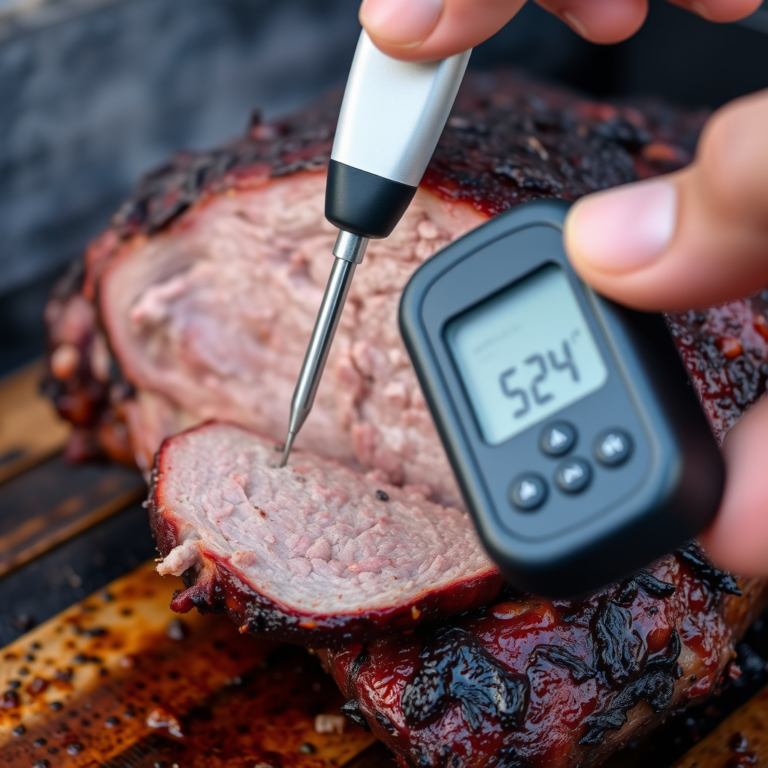
To store smoked meat effectively, promptly cool it after smoking and keep it refrigerated or frozen depending on how soon you plan to consume it. Use airtight containers or vacuum seal bags to minimize air exposure and maintain flavor and moisture. Proper storage involves keeping smoked meat at or below 40°F in the fridge for up to a week, or freezing it for longer periods.
Smoked meat relies on low temperatures and controlled humidity to prevent spoilage and bacterial growth. Because smoking partially cooks and dries the meat, moisture and air control are vital to avoid mold or off-flavors. Understanding how to store smoked meat carefully lets you enjoy its unique smoky taste safely over days or even months.
This article covers the key methods for storing smoked meat, including refrigeration best practices, freezing techniques, packaging tips, thawing advice, and common mistakes to avoid. Whether you’re handling brisket, ribs, sausages, or jerky, these guidelines help keep your smoked meat delicious and safe.
Refrigeration Techniques for Storing Smoked Meat
Cooling Smoked Meat Before Refrigeration
After smoking, allow the meat to cool at room temperature for no longer than two hours to avoid bacteria growth. Cooling too slowly risks condensation, which can cause sogginess or mold. A good way is to place the smoked meat on wire racks in a well-ventilated area to allow air circulation.
Avoid covering the meat while it cools, as trapped steam can affect texture. Once the meat is cooled to near room temperature, promptly wrap or seal it before putting it in the fridge to lock in flavor and moisture.
Proper Wrapping and Container Choices
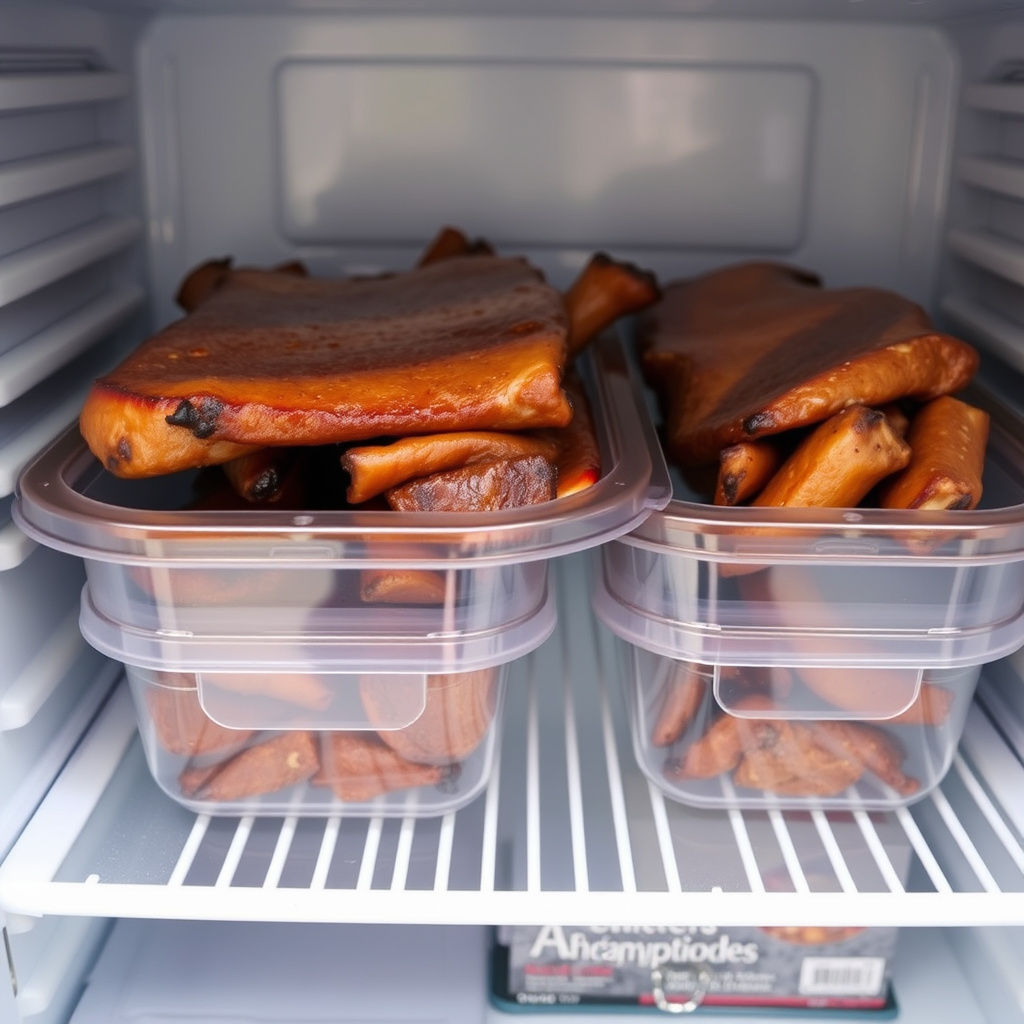
Use airtight containers or heavy-duty aluminum foil to store smoked meat in the fridge. Vacuum sealing is ideal for minimizing air exposure and shelf life extension. Avoid plastic wrap alone, as it can allow air and odors to penetrate.
If storing slices or chunks, layer parchment paper between pieces to prevent sticking and drying out. Keep smoked meat containers on middle or lower shelves where temperature is most consistent.
- Vacuum seal pouches
- Glass or BPA-free plastic airtight containers
- Heavy-duty aluminum foil
- Parchment paper for layering
Freezing Methods for Long-Term Smoked Meat Storage
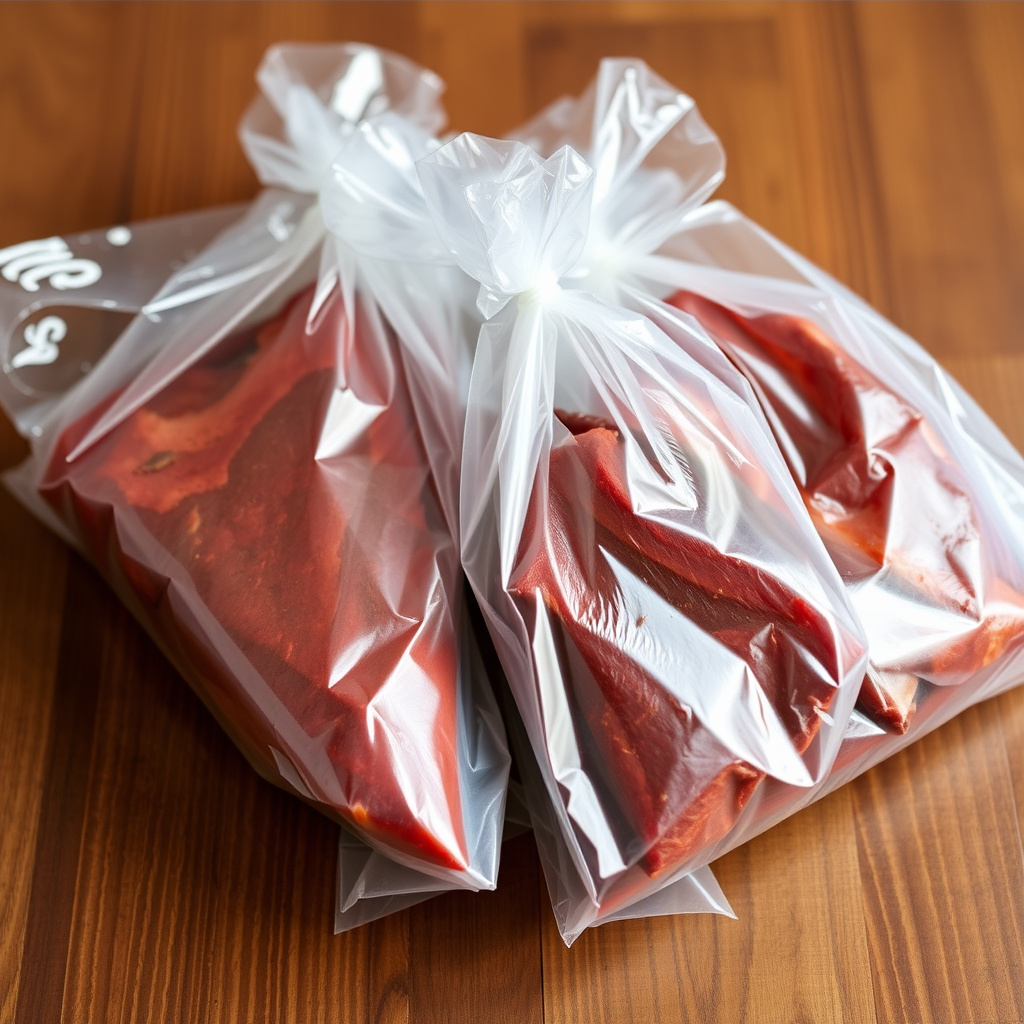
Preparing Smoked Meat for Freezing
To keep smoked meat at peak quality, slice or portion it before freezing. Remove excess fat that can go rancid in the freezer. Wrap each portion tightly using a vacuum sealer or at least double wrap with plastic wrap plus foil to prevent freezer burn.
Label each package with the date and type of meat to keep track. Freeze as soon as possible after cooling and wrapping to retain flavor and texture.
Freezer Storage Duration and Best Practices
Typically, smoked meat can be kept frozen for 2 to 3 months without significant quality loss. Beyond this, texture and flavor may degrade. Keep your freezer at 0°F or below to maintain safety and freshness.
Avoid frequent thawing and refreezing since this damages the meat’s fibers and moisture content, reducing its taste and tenderness.
- Maintain freezer temperature at 0°F or below
- Avoid refreezing thawed meat
- Use airtight packaging to prevent freezer burn
Packaging Techniques to Preserve Smoked Meat
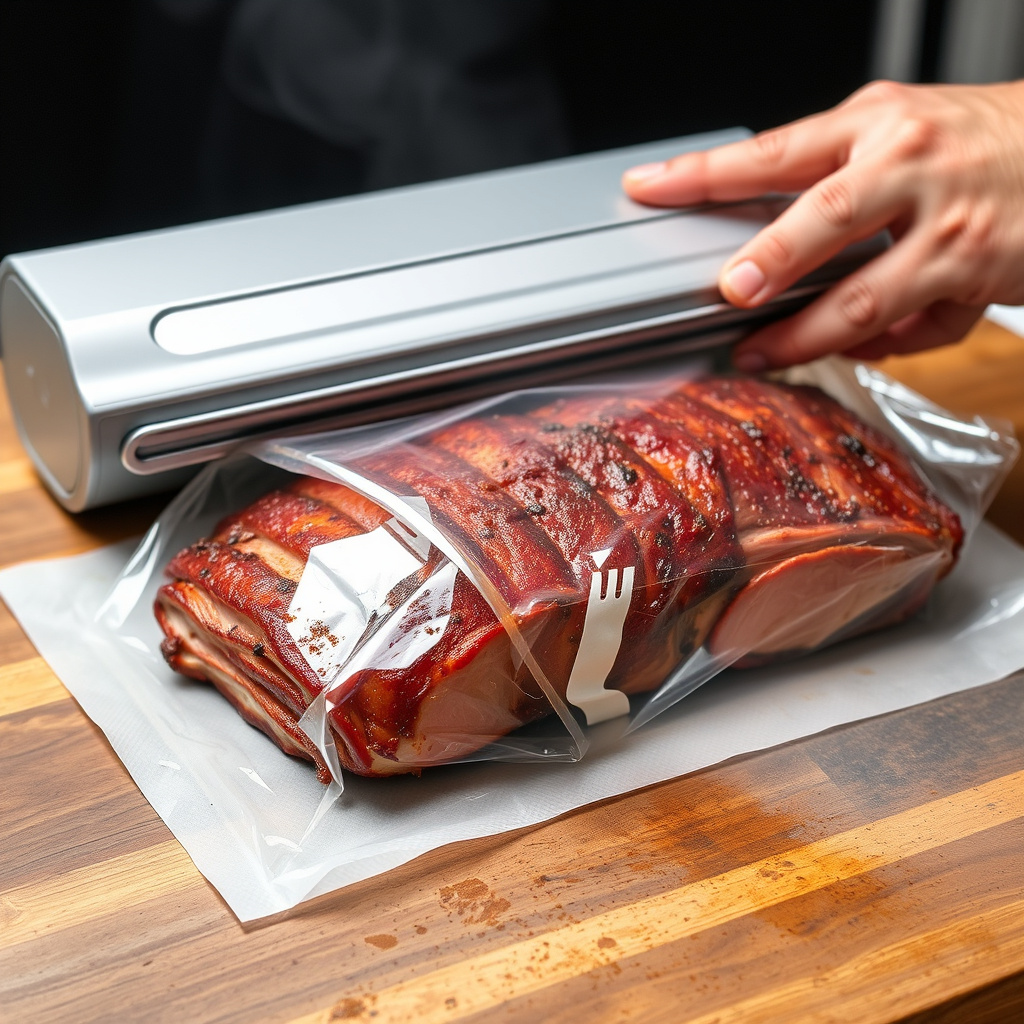
Advantages of Vacuum Sealing Smoked Meat
Vacuum sealing removes air, significantly slowing oxidation and microbial growth that can spoil smoked meat. It also prevents freezer burn and locks in aroma and moisture, preserving delicate smoky flavors much longer than ordinary wraps.
This packaging method works well both for refrigerated storage lasting about a week and for extended freezing. Vacuum-sealed smoke meat tends to stay moist, tender, and flavorful.
For more on this, see our related guide: How to Smoke Meat on a Charcoal Grill: A Step-by-Step Guide.
Alternative Packaging Options
If vacuum sealing is unavailable, wrapping smoked meat tightly with plastic wrap followed by a layer of heavy-duty aluminum foil can help preserve it. Airtight glass or BPA-free plastic containers with tight-fitting lids also work but may not fully prevent air exposure.
Using parchment paper between slices or chunks can prevent sticking and tearing, maintaining appearance and handling ease as you store multiple portions.
- Double wrapping with plastic wrap and foil
- Airtight food storage containers
- Parchment paper separators
Thawing and Reheating Stored Smoked Meat
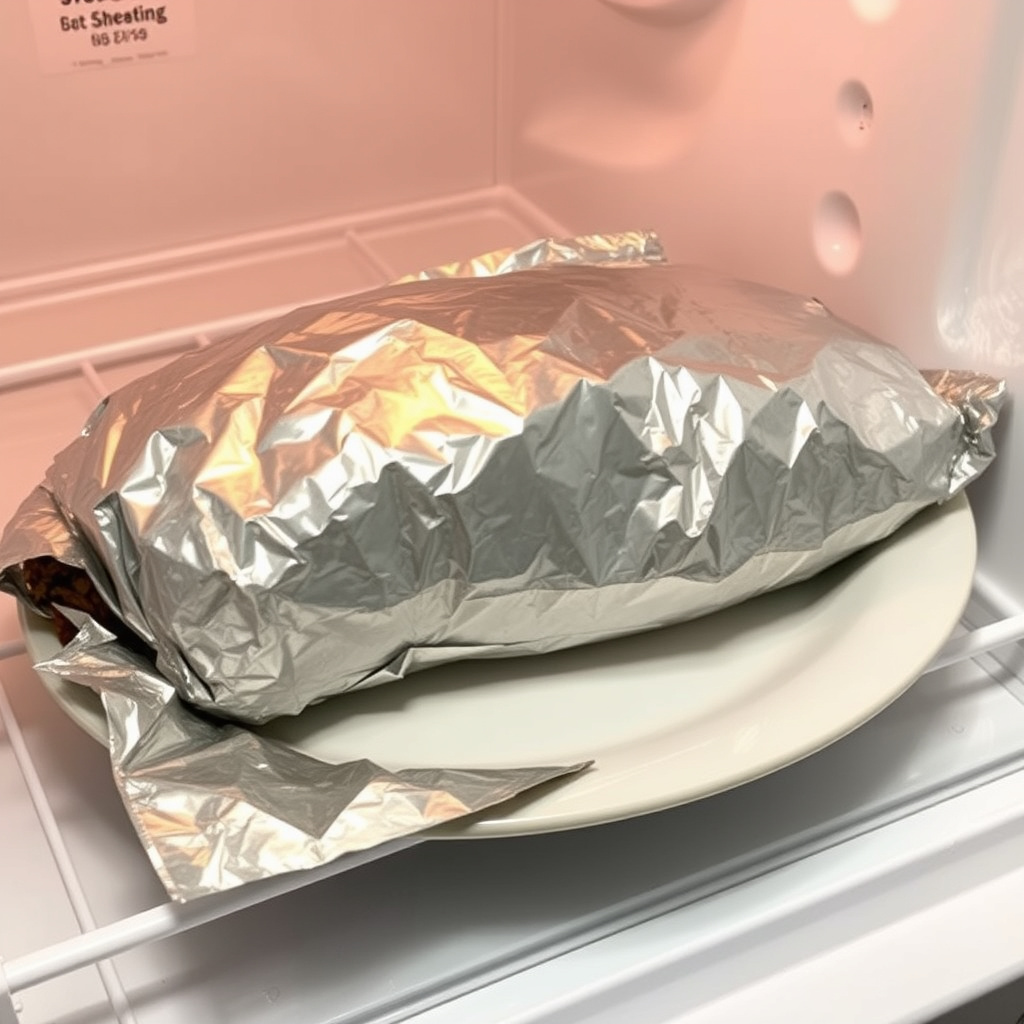
Safe Thawing Methods for Smoked Meat
For best results and safety, thaw smoked meat slowly in the refrigerator overnight. This maintains a safe temperature and keeps texture intact. Avoid thawing on countertops which risks bacterial growth.
If short on time, use a cold water bath sealed in waterproof packaging, changing water frequently until thawed. Never thaw smoked meat at room temperature for extended periods.
- Refrigerator thawing (preferred)
- Cold water bath in sealed bags
- Avoid room temperature thawing
Reheating Tips to Retain Moisture and Flavor
Reheat smoked meat gently to avoid drying it out. Use a low oven temperature covered with foil or a slow cooker. Adding a bit of broth or water with the meat helps maintain moisture during reheating.
Microwaves can be used but often cause uneven heating and dryness. Rest meat a few minutes after warming to allow juices to redistribute for better eating quality.
Common Mistakes to Avoid When Storing Smoked Meat

Ignoring Cooling Times
Placing hot smoked meat directly into the refrigerator can raise the fridge’s temperature, risking spoilage of other foods. Conversely, letting meat sit too long at room temperature encourages bacteria growth. Cooling smoked meat for up to two hours before storage strikes the right balance.
Many underestimate this window, leading to unsafe or poor-quality meat later.
For more on this, see our related guide: How to Use a Smoker Box on a Gas Grill for Perfectly Smoked Flavors.
Using Inadequate Packaging
Thin plastic wrap or loosely covered containers allow air and odors to penetrate, drying out smoked meat and causing off-flavors. Also, skipping vacuum sealing or double wrapping increases the risk of freezer burn.
Investing in proper packaging ensures flavor retention and safe storage.
Best Practices for Storing Different Types of Smoked Meat
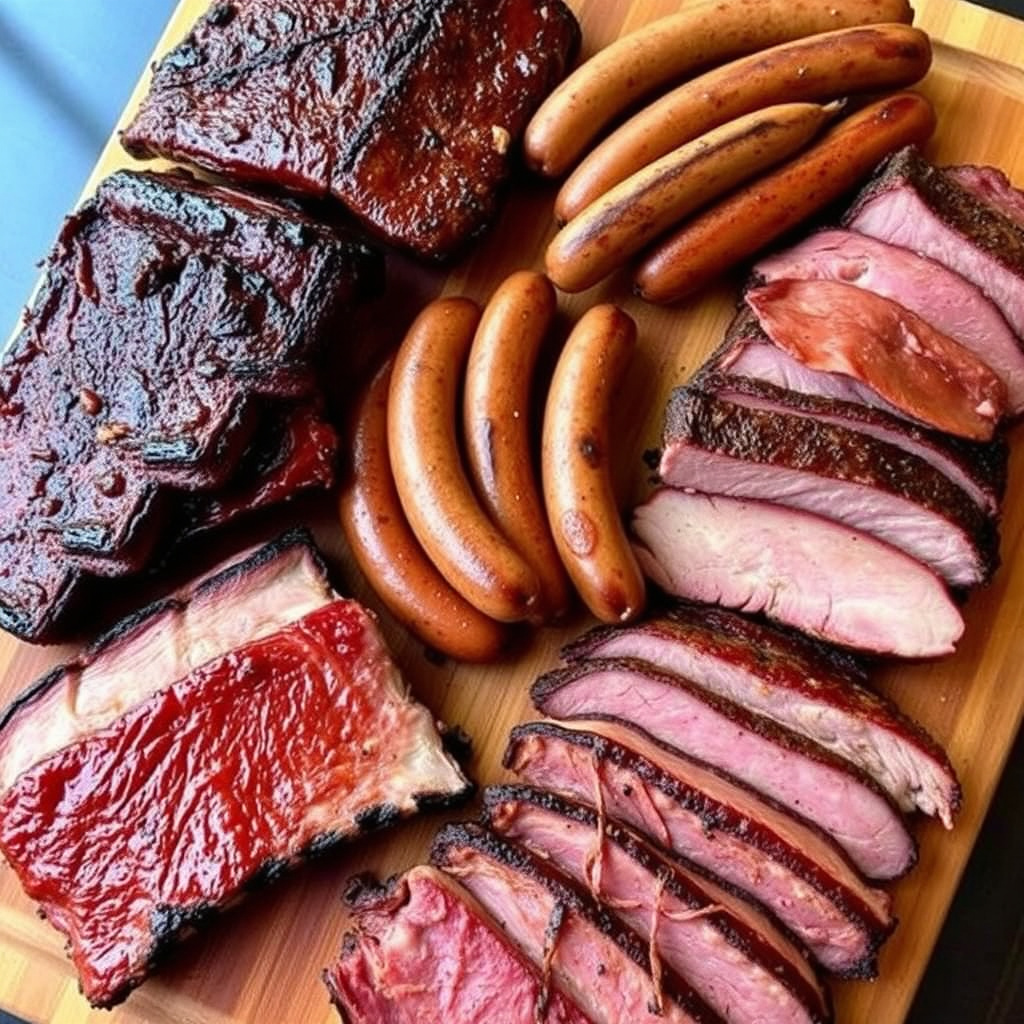
Storing Smoked Sausages and Cured Meats
Sausages and cured meats benefit from refrigeration in breathable paper or lightly wrapped to keep casing crisp. Vacuum sealing extends shelf life, but be careful with fresh sausages as they spoil faster than fully cured varieties.
Keep these meats away from strong odors to prevent flavor contamination.
For official safety recommendations on smoking and storing meat, see the USDA’s smoking meat storage guidelines. smoking meat storage guidelines.
Handling Smoked Brisket and Larger Cuts
Large cuts like brisket should be sliced before storing to improve cooling times and make portion control easier. Wrap leftover portions tightly and refrigerate or freeze based on plans for consumption within a few days or longer.
Because brisket is dense, proper wrapping to prevent drying out is essential.
Comparison of Smoked Meat Storage Methods
Here’s a comparison of different storage methods showing their pros, cons, and ideal use cases for smoked meat preservation.
| Storage Method | Duration | Flavor Retention | Convenience | Cost |
|---|---|---|---|---|
| Refrigeration (Airtight containers) | Up to 7 days | Good | Easy | Low |
| Vacuum Sealing + Refrigeration | Up to 10 days | Excellent | Moderate | Medium |
| Freezing (Double wrapped) | 2-3 months | Good to Fair | Moderate | Low |
| Vacuum Sealing + Freezing | 6+ months | Excellent | Moderate | Medium |
| Plastic wrap only (Fridge) | 2-3 days | Poor | Easy | Low |
Frequently Asked Questions
Can I store smoked meat at room temperature?
Storing smoked meat at room temperature is unsafe beyond two hours because it promotes bacterial growth and spoilage. Always refrigerate or freeze smoked meat soon after cooling for safety.
How long does smoked meat last in the refrigerator?
When stored properly in airtight packaging, smoked meat typically lasts up to seven days in the refrigerator without losing flavor or safety.
Is vacuum sealing necessary for storing smoked meat?
Vacuum sealing is not mandatory but highly recommended as it significantly extends shelf life by preventing air exposure and moisture loss.
What is the best way to thaw frozen smoked meat?
The best way to thaw frozen smoked meat is to do so slowly in the refrigerator overnight, which preserves texture and prevents bacteria growth.
Can I refreeze smoked meat after thawing?
Refreezing smoked meat after thawing is generally discouraged since it reduces quality by drying the meat and breaking down fibers.
Key Takeaways
- Cool smoked meat promptly and store within two hours for safety.
- Use airtight or vacuum-sealed packaging to maintain flavor and moisture.
- Refrigerate smoked meat for up to a week or freeze for longer storage.
- Thaw smoked meat slowly in the fridge to preserve quality.
Conclusion
Deciding how to store smoked meat hinges on timing and storage goals. If you plan to consume the meat within a week, refrigeration with airtight containers or vacuum sealing offers convenience without sacrificing flavor. For longer preservation, freezing with vacuum sealing is the better option to hold moisture, aroma, and texture. Understanding your intended consumption timeline and selecting proper packaging methods will help you enjoy smoked meats safely and deliciously.
Different types of smoked meat require nuances in storage. Sausages and cured products often tolerate refrigeration better and benefit from breathable wrapping or vacuum sealing. Larger cuts like brisket or ribs should be sliced and tightly sealed to prevent drying when refrigerated or frozen. The best way to store smoked meat always balances preventing bacteria growth, minimizing moisture loss, and protecting the distinctive smoky flavor.
To start, promptly cool your smoked meat, then wrap it tightly or vacuum seal depending on how soon you’re eating it. Refrigerate for short-term storage or freeze for longer periods, taking care to label packages with dates. When you're ready to eat, thaw slowly in the refrigerator and reheat gently to retain juiciness. Following these straightforward steps gives you reliable results and keeps your smoked meat tasting at its best.