How to choose a smoker depends largely on what type of smoking experience you want and the flavor profiles you prefer. Whether you're after low-and-slow BBQ or quick smoked dishes, picking the right smoker is key to successful results. There are several smoker types, fuel sources, and sizes to consider, which can make this choice feel overwhelming at first.
This decision matters because smokers vary widely in how they handle heat, maintain smoke, and influence the taste and texture of your meats. A smoker suited to your needs will save you time, avoid frustration, and enhance the flavor of your smoked foods. Understanding the differences among models and fuels will help you select a smoker that fits your skill level and backyard setup.
This article explains the main smoker types, analyzes fuel options, and covers size and material considerations. You'll also find detailed comparisons, practical tips, and answers to common questions to help you confidently pick the best smoker for your needs.
Understanding Different Types of Smokers
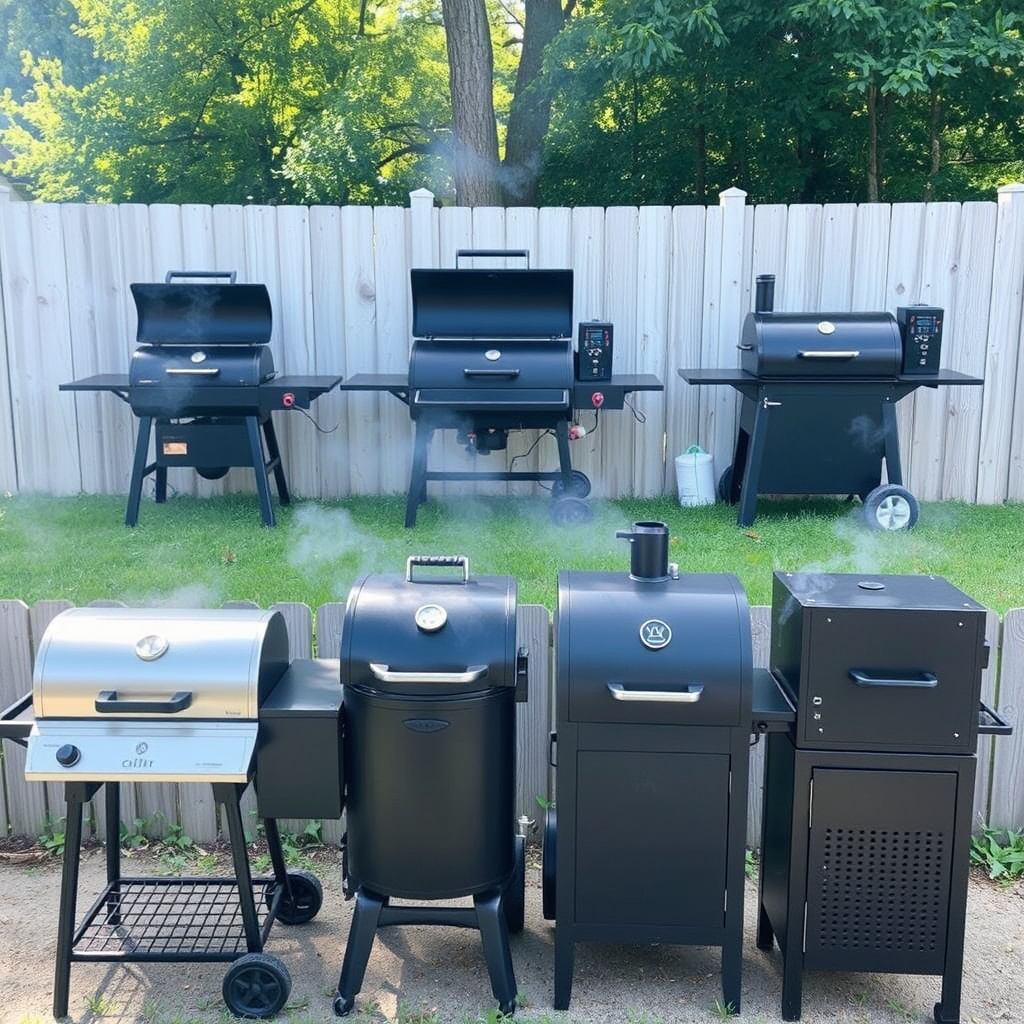
Charcoal Smokers
Charcoal smokers are popular among BBQ purists because they provide authentic smoky flavor through natural wood and charcoal combustion. They require more hands-on control of airflow and temperature, which appeals to those who enjoy the craft of smoking.
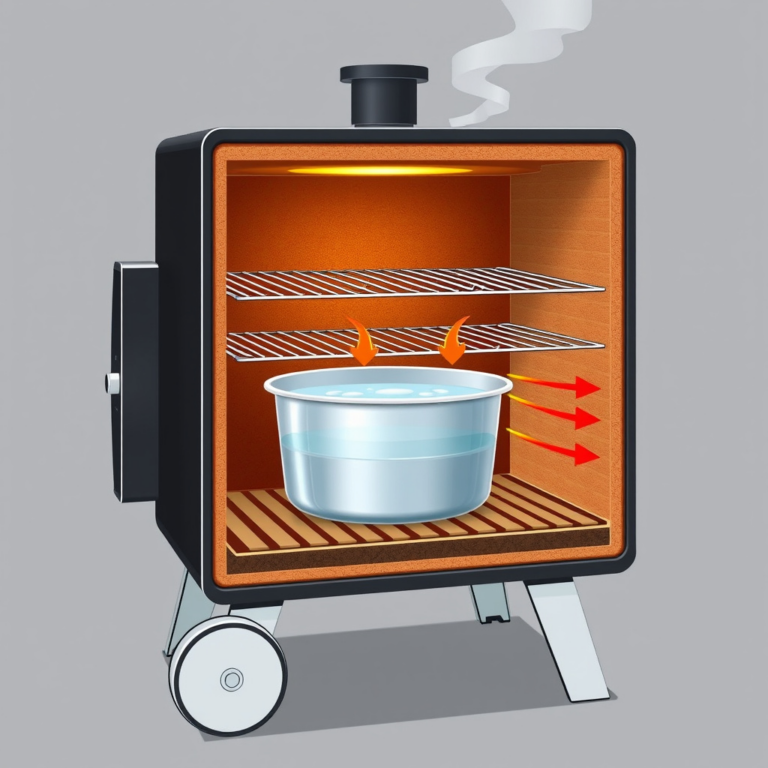
These smokers typically involve a water pan to stabilize heat and add moisture, and their simple design makes them affordable and durable. However, they demand attention, experience, and patience to maintain consistent smoke and temperature.
- Rich, authentic smoke flavor
- Low cost and durable construction
- Requires frequent monitoring
- Learning curve for temperature control
Electric Smokers
Electric smokers are designed for convenience, using an electric heating element to produce steady temperatures with minimal monitoring. Wood chips or pellets add smoke, but the heat source is electric, which eliminates charcoal or gas usage.
They are ideal for beginners or those with limited time who want consistent results. Though easier to use, they often lack the deep smoke flavor achieved by charcoal or pellet smokers.
- Easy temperature control
- Requires electricity
- Less intense smoke flavor
- Low maintenance during smoking
Comparing Fuel Options for Smokers
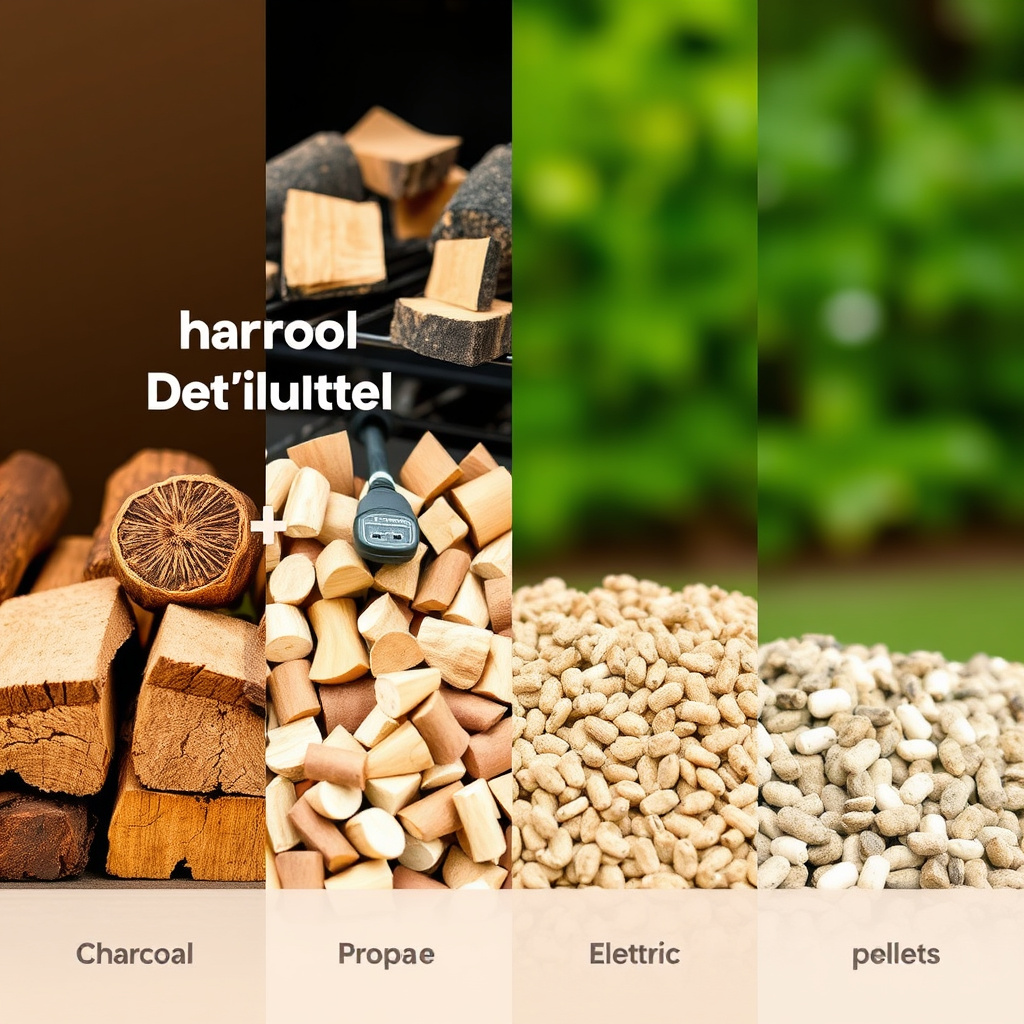
Wood and Charcoal Fuel
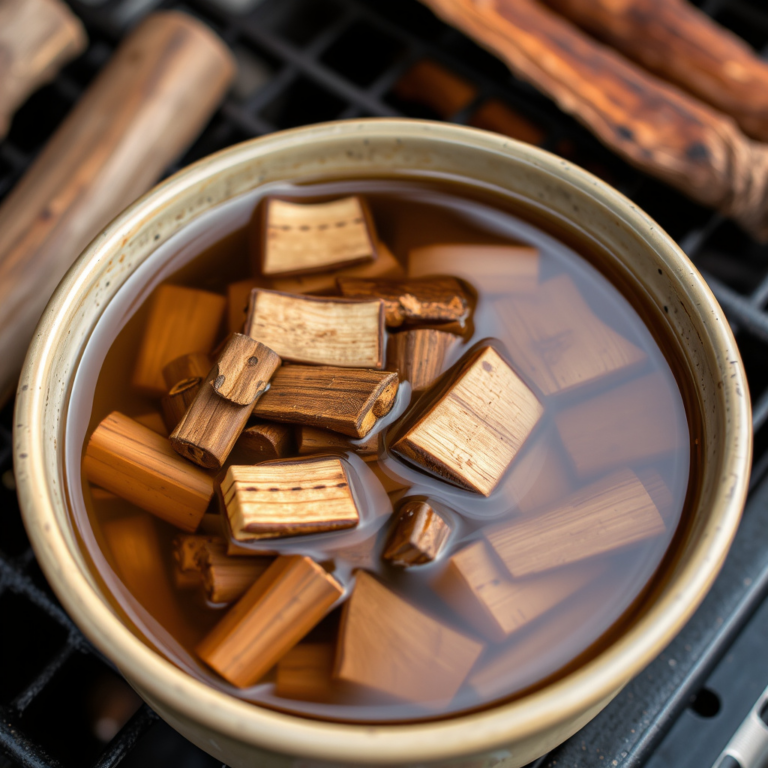
Wood and charcoal provide the purest traditional smoke flavor. Different woods like hickory, mesquite, and apple influence the aroma and taste imparted to your food. Managing the fire requires experience and attention to keep temperatures steady.
Charcoal briquettes offer long-lasting heat and are often combined with wood chunks to add flavor. This fuel choice suits those who enjoy hands-on smoking and experimenting with flavor blends.
- Classic, rich smoky flavor
- Requires fire management skills
- Variety of wood types for flavor nuances
- More preparation and cleanup
Propane and Electric Fuel
Propane smokers use gas burners for easy ignition and constant heat delivery, offering more control than charcoal but less smoke flavor. They heat quickly and are simple to operate but depend on fuel tanks.
Electric smokers use a heating element powered by electricity, requiring wood chips for smoke flavor. They provide consistent heat with the easiest operation of all, making them excellent for casual or beginner smokers.
- Fast heating and stable temperatures
- Less smoky flavor compared to wood
- Convenient and low-maintenance
- Fuel supply dependency
Selecting the Right Size and Capacity
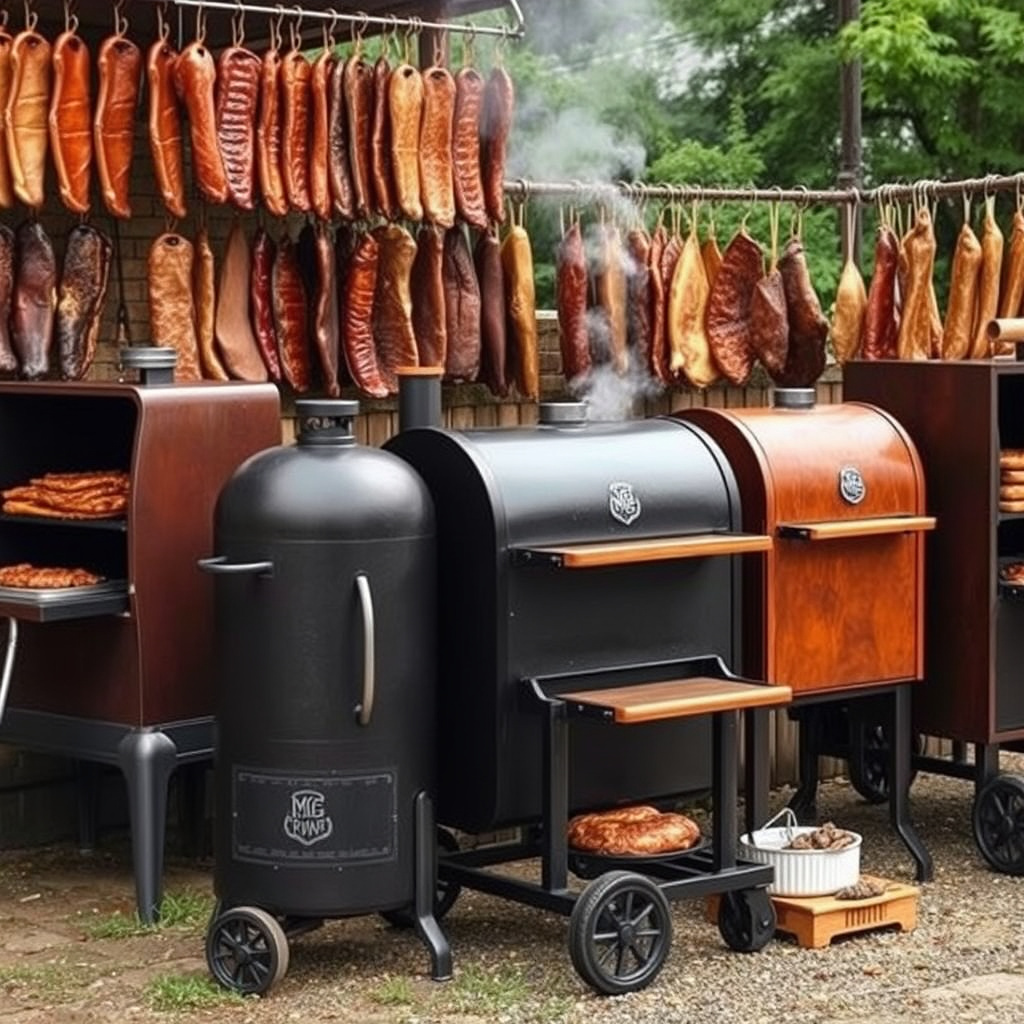
Small to Medium Smokers
Small smokers are perfect for individuals or couples, usually offering 100 to 300 square inches of cooking space. They are more portable, use less fuel, and heat up faster but limit the amount you can smoke at once.
Medium smokers increase capacity to about 300 to 600 square inches, suitable for families or occasional gatherings. They typically balance fuel efficiency with enough space to cook several racks or multiple types of meat simultaneously.
- Easy to store and transport
- Suitable for small to moderate batches
- Lower fuel consumption
- Quicker heat-up times
For more on this, see our related guide: How to Choose a Pellet Grill: A Detailed Buyer’s Guide.
Large and Commercial-Size Smokers
Large smokers offer 600+ square inches of cooking space, perfect for frequent entertaining or commercial use. These models handle larger cuts or multiple racks but require more fuel, space, and careful temperature management.
Their bulk can be a challenge for small backyards, but for those who smoke regularly or for larger groups, the cooking capacity outweighs the downsides.
- Can smoke large quantities at once
- Requires ample outdoor space
- Higher fuel consumption
- Often more complex temperature control
Material and Build Quality Considerations
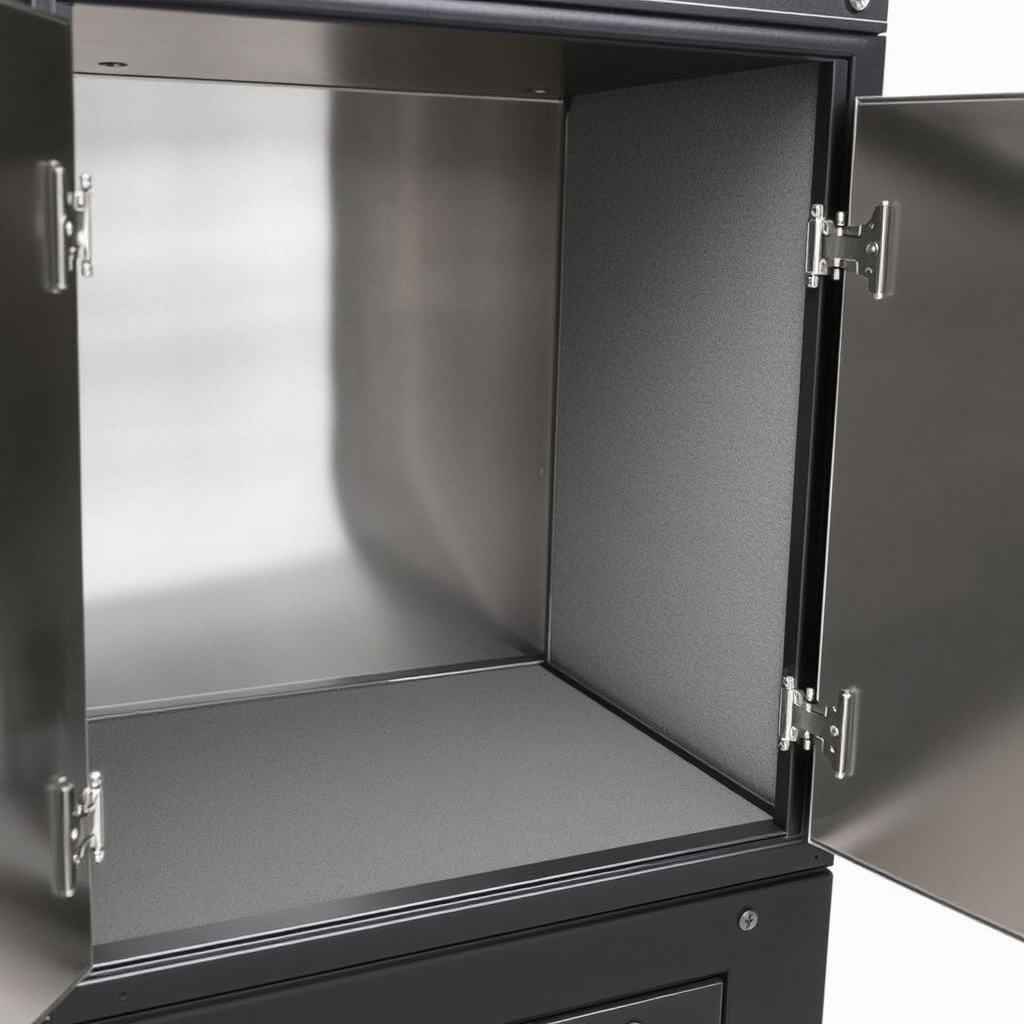
Steel vs. Aluminum Construction
Most smokers are made from steel due to its excellent heat retention and durability. Thick steel walls help maintain consistent temperatures and resist warping under heat stress.
Aluminum smokers are lighter and may be more affordable but struggle to hold heat as well. For serious smoking, steel construction is preferred for its robustness and thermal performance.
- Steel: durable, good heat retention
- Aluminum: lightweight, less heat efficient
- Steel requires rust prevention
- Aluminum easier to transport
Insulation and Sealing
Insulated smokers offer better temperature control and fuel efficiency by reducing heat loss, especially in colder climates. Quality seals around doors prevent smoke and heat from escaping, crucial for maintaining steady cooking.
Look for smokers with gasket-sealed doors and insulated walls if you plan long smoking sessions or if you live in an area with variable weather.
- Insulation improves heat retention
- Sealing prevents smoke leaks
- Enhances fuel efficiency
- Adds to overall cost
Ease of Use and Maintenance
Temperature Control Features
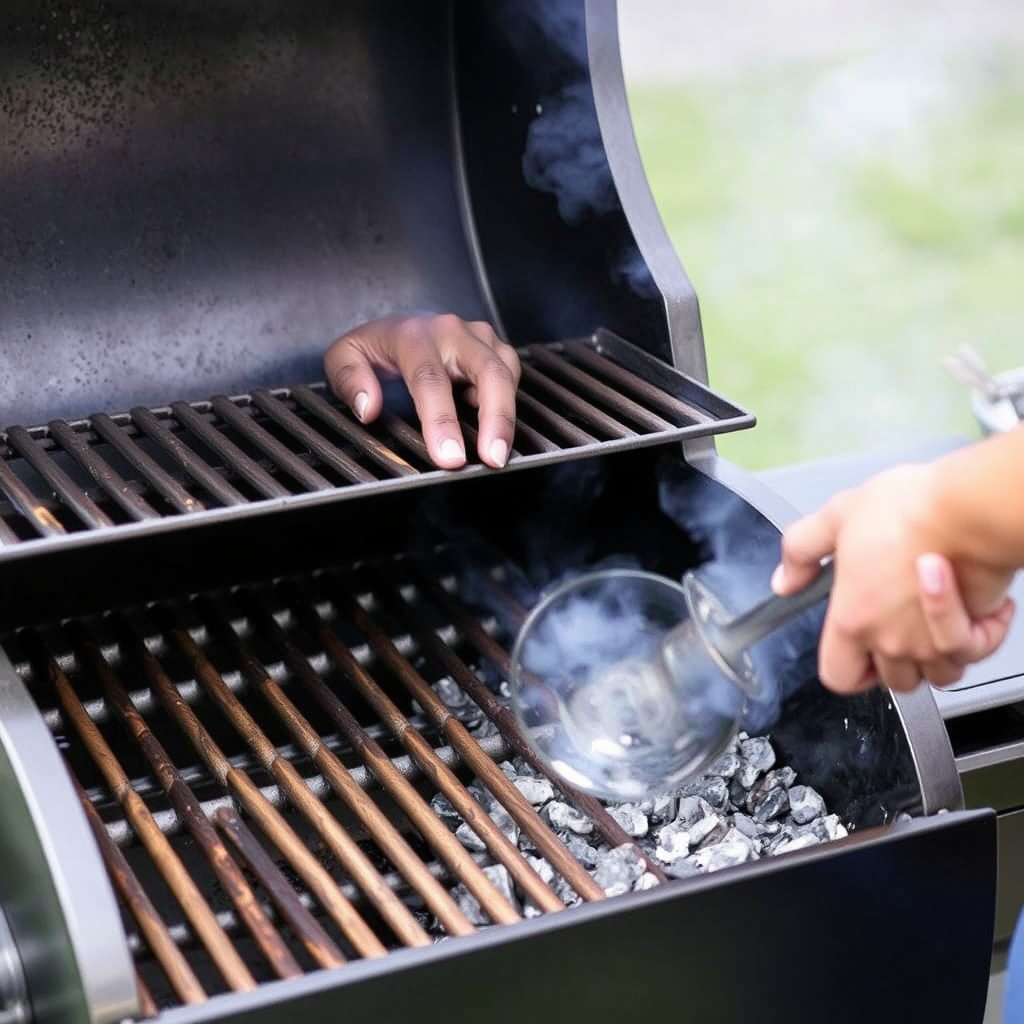
Modern smokers may include built-in thermostats, adjustable vents, or digital controllers to maintain precise temperatures. These features simplify smoking and help avoid common pitfalls like temperature spikes or smoke starvation.
If you are a beginner, models with electronic temperature control are valuable, while experienced users may prefer manual vent setups for greater control.
- Thermostats for consistent heat
- Manual vents allow custom airflow
- Digital controllers ease use
- Essential for long smoke sessions
For more on this, see our related guide: How to Choose a Gas Grill: A Practical Guide for Every Backyard Cook.
Cleaning and Ash Management
Easy cleanup is important to keep your smoker in top condition. Features like removable ash pans, accessible grills, and smooth interior surfaces reduce post-cookdown effort.
Some models have grease management systems to prevent flare-ups and simplify maintenance. Regular cleaning extends smoker life and improves performance.
- Removable ash trays simplify disposal
- Grease pans reduce flare-ups
- Accessible interiors for cleaning
- Regular cleaning preserves durability
How to Choose a Smoker Based on Your Cooking Style
Low-and-Slow BBQ Enthusiasts
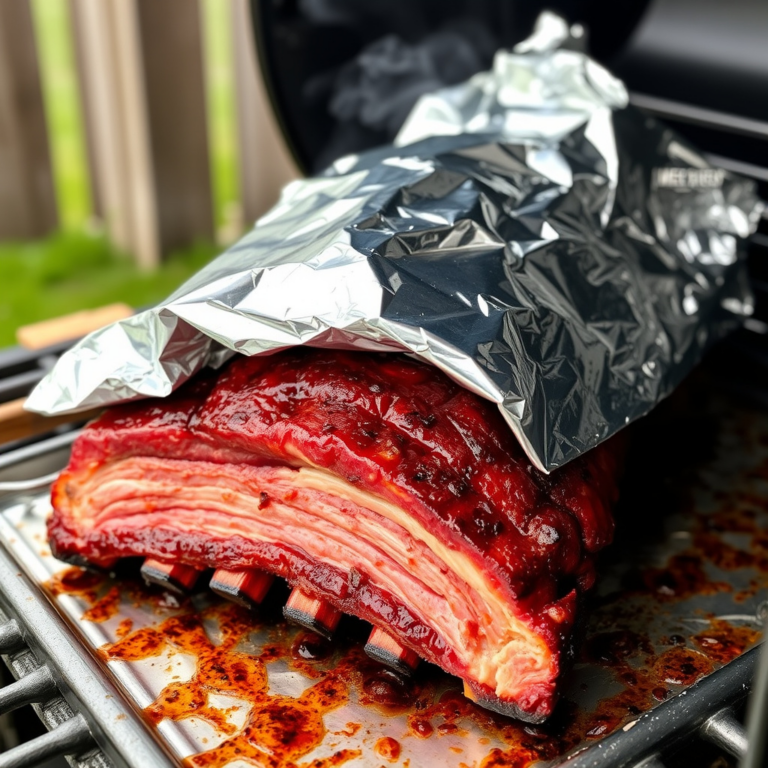
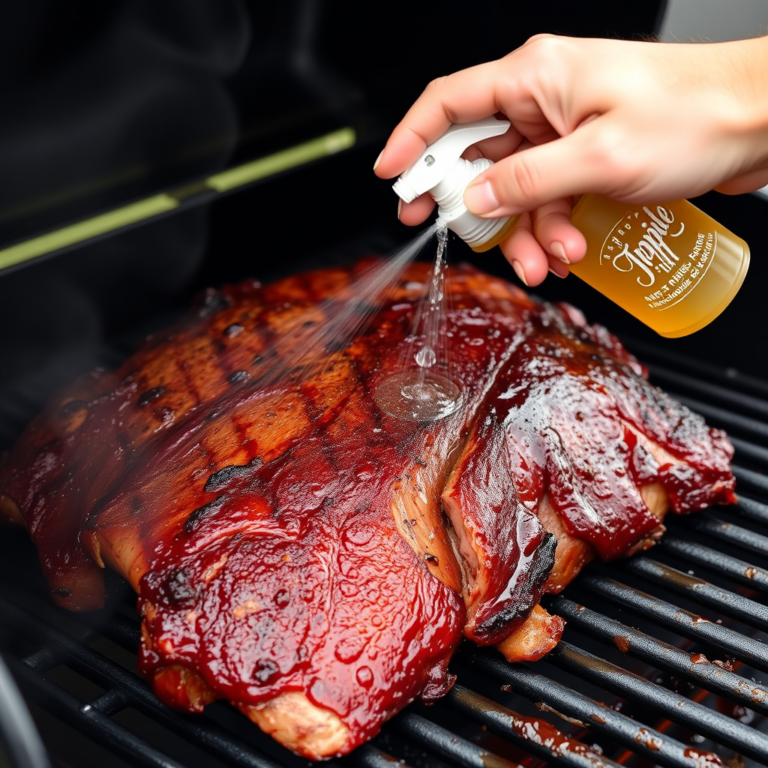
If you favor classic low-and-slow smoked meats like brisket or ribs, a charcoal or pellet smoker is usually best. They maintain low temperatures and impart complex smoke flavors essential for traditional BBQ.
These smokers require patience and some skill but reward with deeply flavored, tender barbecue that electric or gas smokers rarely match.
- Choose charcoal or pellet smokers
- Focus on temperature stability
- Expect longer cooking times
- Ideal for authentic smoke flavor
For more background on smoking meat techniques and smoker types, you can visit this comprehensive Wikipedia article. smoking meat techniques and smoker types.
Casual or Beginner Smokers
For smokers new to the craft or those who want ease and convenience, electric or propane smokers are excellent choices. They heat up quickly and offer reliable temperature control without constant adjustment.
Though the smoke flavor is milder, these models allow users to focus on learning basics and enjoying the smoking process with less effort.
- Electric or gas smokers recommended
- Simplified temperature management
- Quicker cook times
- Less complex cleanup
Smoker Types Category Comparison
This comparison highlights key features of different smoker types to help match your preferences with the right model.
| Smoker Type | Fuel Source | Ease of Use | Flavor Quality | Price Range | Maintenance |
|---|---|---|---|---|---|
| Charcoal Smoker | Charcoal & Wood | Moderate (requires attention) | High (rich, authentic) | $100-$500 | Regular ash cleanup |
| Electric Smoker | Electric & Wood Chips | Easy (automatic temp control) | Moderate (lighter smoke) | $150-$600 | Minimal cleaning |
| Propane Smoker | Propane Gas | Easy | Moderate | $200-$700 | Requires fuel tank handling |
| Pellet Smoker | Wood Pellets | Moderate (digital controls) | High (consistent smoke) | $400-$1,200 | Clean hopper & ash pan |
| Offset Smoker | Charcoal & Wood | Hard (manual fire management) | Very High (traditional smoke) | $300-$1,000 | Frequent ash cleaning |
Frequently Asked Questions
What is the best smoker for beginners?
Electric smokers are often best for beginners due to their automatic temperature controls and straightforward operation, helping new users focus on learning to smoke without complex fire management.
Can I use a charcoal smoker in cold weather?
Yes, but maintaining stable heat is harder in cold weather. Using thicker insulation, a wind shield, or a water pan can help retain heat and improve smoking results during colder seasons.
How important is smoker size?
Smoker size influences capacity and cooking times. Small smokers suit individuals or small groups, while larger smokers handle big gatherings but require more space and fuel.
Do electric smokers provide good smoky flavor?
Electric smokers provide mild smoke flavor, which can be enhanced by using quality wood chips. However, they are generally less flavorful than charcoal or pellet smokers.
What maintenance does a smoker need?
Regular cleaning of ash pans, grease trays, and cooking grates is essential. Inspecting seals and removing residue after each use prolongs the smoker’s life and ensures consistent performance.
Key Takeaways
- Choose smoker type based on your flavor and convenience preferences.
- Fuel source impacts smoke flavor and control complexity.
- Size affects cooking capacity and suitability for your space.
- Material quality and insulation influence durability and efficiency.
Conclusion
Selecting a smoker requires balancing your desired flavor profile, time commitment, skill level, and space. Understanding the differences in smoker types, fuel sources, and build materials helps you align your choice with how you prefer to cook and enjoy smoked foods. A good smoker suits your lifestyle as much as your palate, offering consistent results with manageable effort.
For low-and-slow BBQ lovers aiming for authentic flavor, charcoal and pellet smokers are outstanding options, though they demand more involvement. Casual users or beginners often find electric or propane smokers more approachable, making it easier to get started without a steep learning curve. Medium-sized smokers are versatile for families and hobbyists, while large smokers serve avid pitmasters or caterers with extensive cooking needs.
After determining your ideal smoker features, seek out models with reliable temperature control and manageable maintenance. Testing various smokers or reading user reviews can further inform your decision. Ultimately, starting with a smoker that matches your current needs and growing skills ensures an enjoyable smoking experience that leads to delicious meals and rewarding practice.