
Indirect heat grilling is a cooking method where food is placed away from the direct flames or heat source, allowing it to cook more slowly and evenly. This technique is ideal for larger cuts of meat, such as roasts, whole chickens, or ribs, which require longer cooking times without burning on the outside.
Unlike direct heat grilling, which exposes food directly to the flames or hot coals, indirect heat grilling creates a gentler cooking environment. This helps prevent flare-ups and charring while promoting thorough cooking and tender, juicy results. Many grillers use this approach to achieve barbecue-style flavors without overcooking the exterior.
This article will explain how indirect heat grilling works, explore key methods and equipment choices, provide tips for temperature control, and outline which foods benefit most. By the end, you'll be ready to use indirect heat grilling effectively to expand your outdoor cooking skills.
Understanding Indirect Heat Grilling Basics
How Indirect Heat Differs from Direct Heat
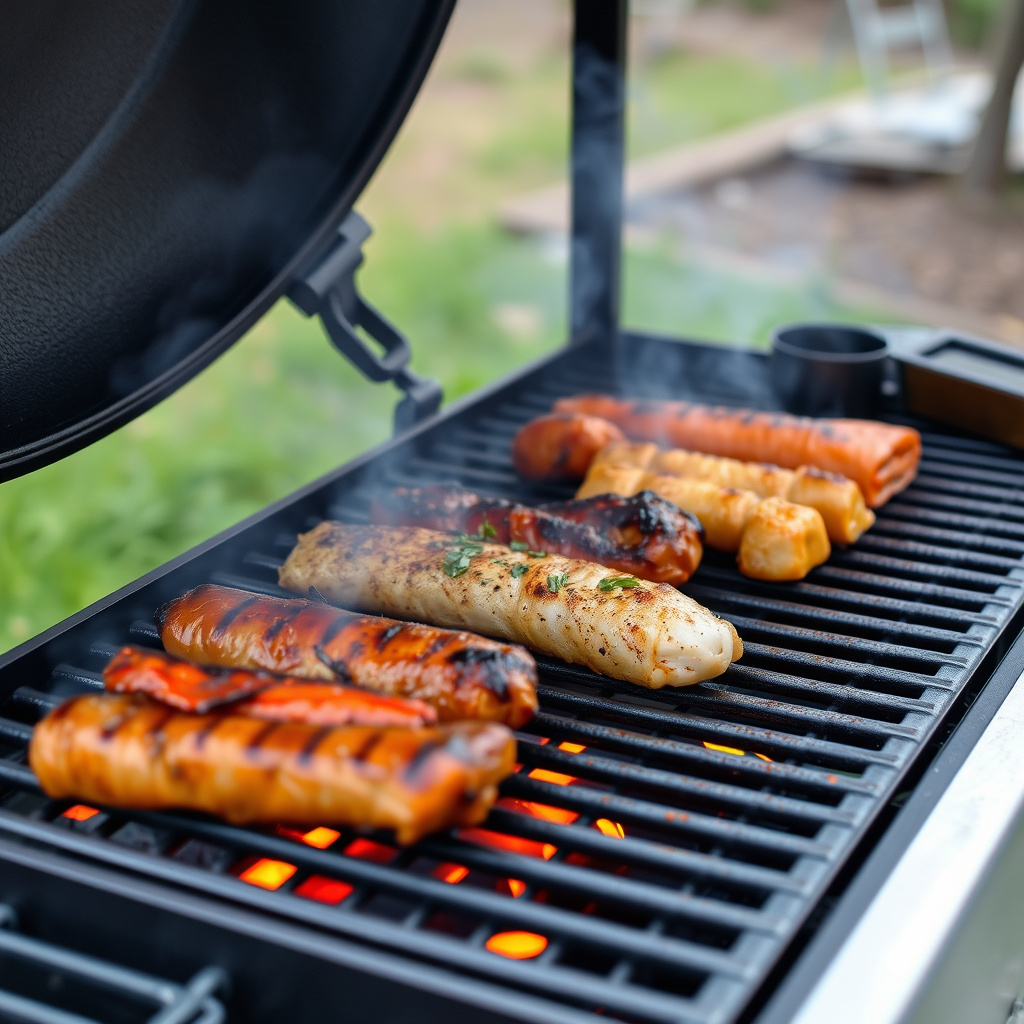
Indirect heat grilling places food beside, rather than directly over, the heat source. The grill acts like an oven, cooking food with surrounding hot air and radiant heat instead of direct flame.
This prevents burning or charring and enables slow, even cooking. Direct heat is usually used for quick-cooking items, whereas indirect suits thicker cuts requiring patience.
Common Grill Setups for Indirect Heat
Gas grills often have burners on one side turned off to create cooler zones. Charcoal grills arrange coals to one side or around the perimeter with a drip pan in the center.
This design gives a controlled, indirect heating area, allowing safe placement of food without flare-ups.
- Two-zone setup on gas grill (one side lit, one side off)
- Charcoal arranged in a ring around drip pan
- Using a deflector plate on pellet grills
Temperature Control in Indirect Heat Grilling
Maintaining Consistent Temperatures
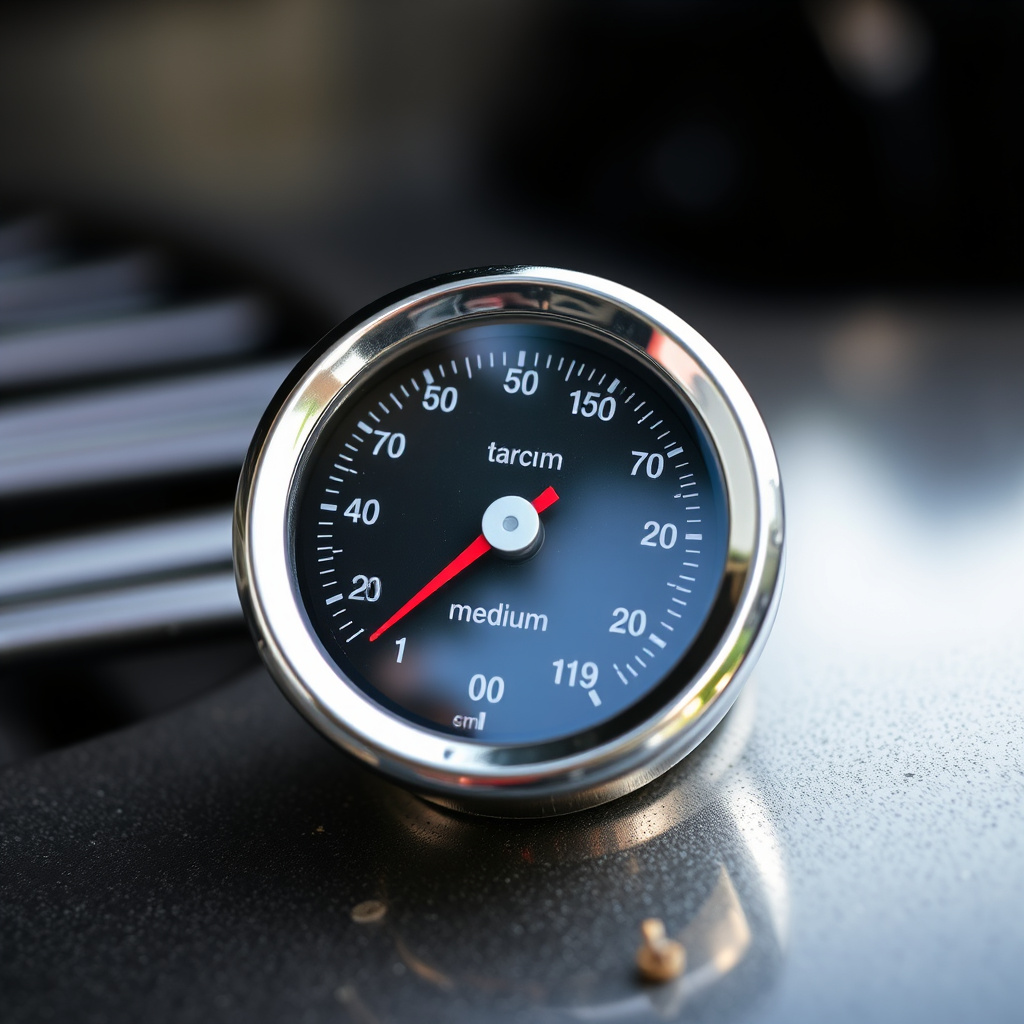
One challenge with indirect heat grilling is keeping the temperature steady between 225°F and 300°F, perfect for slow cooking meats without drying them out.
Adjust ventilation on charcoal grills or burner heat levels on gas grills to moderate heat. Using a reliable grill thermometer helps monitor true cooking temperatures.
Avoiding Flare-Ups and Hot Spots
Because food is not directly exposed to flames, flare-ups are less common but can still happen if dripping fat contacts coals or burners. Position drip pans to catch juices and prevent flare-ups.
Know your grill’s hot spots by testing with heat-sensitive paper or infrared thermometers, then arrange food to cook evenly.
Best Foods for Indirect Heat Grilling
Large Cuts and Bone-In Meats
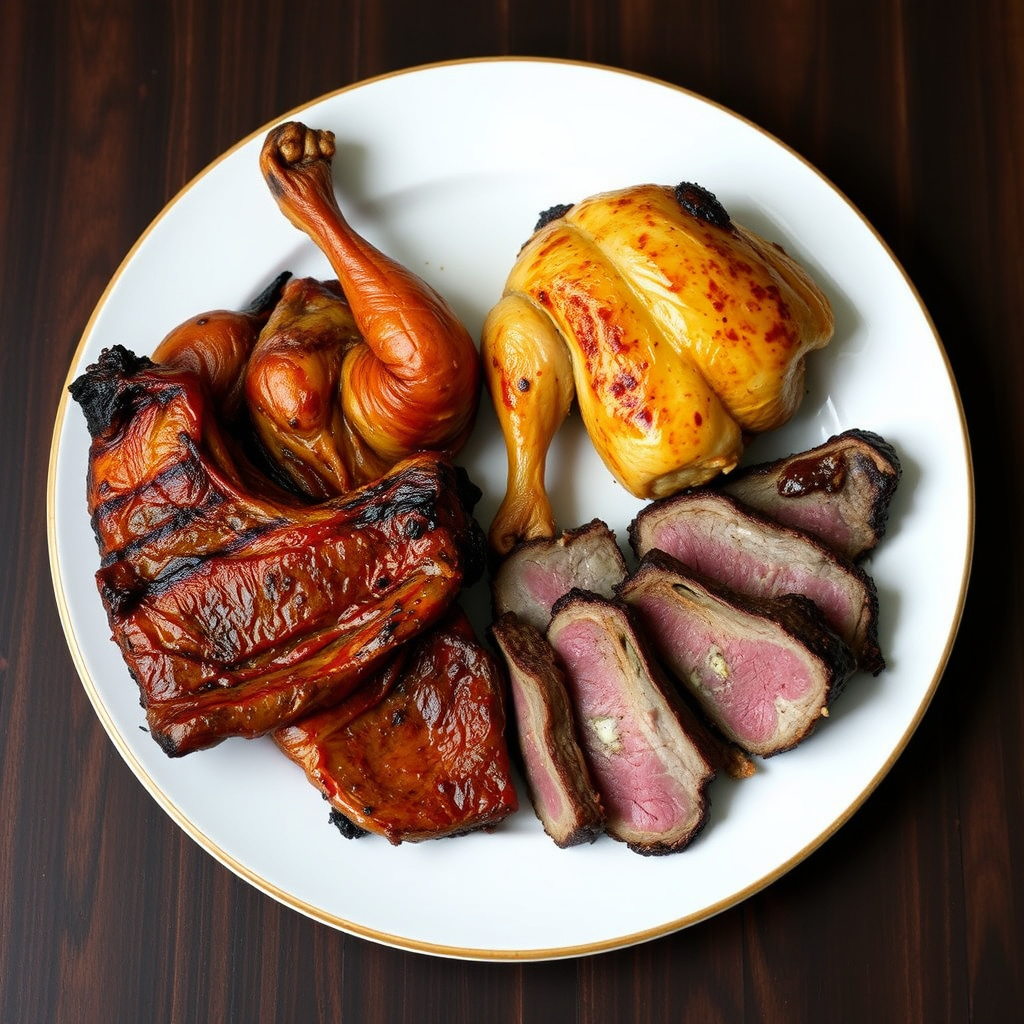
Roasts, whole chickens, ribs, pork shoulders, and briskets benefit from indirect heat grilling. The method cooks these thicker pieces gently over long times, allowing connective tissues to break down and flesh to stay moist.
Indirect heat minimizes the risk of burning the exterior before the inside is cooked through.
For more on this, see our related guide: What Is Direct Heat Grilling? A Clear Guide to Mastering the Technique.
Vegetables and Delicate Proteins
Vegetables like potatoes, corn, or whole peppers cook evenly using indirect heat without scorching. Delicate fish or seafood can also benefit when slower, gentler heat is needed.
Indirect heat grilling allows for multi-stage cooking techniques that separate searing and finishing textures.
Equipment and Accessories for Indirect Heat
Using Heat Deflectors and Drip Pans
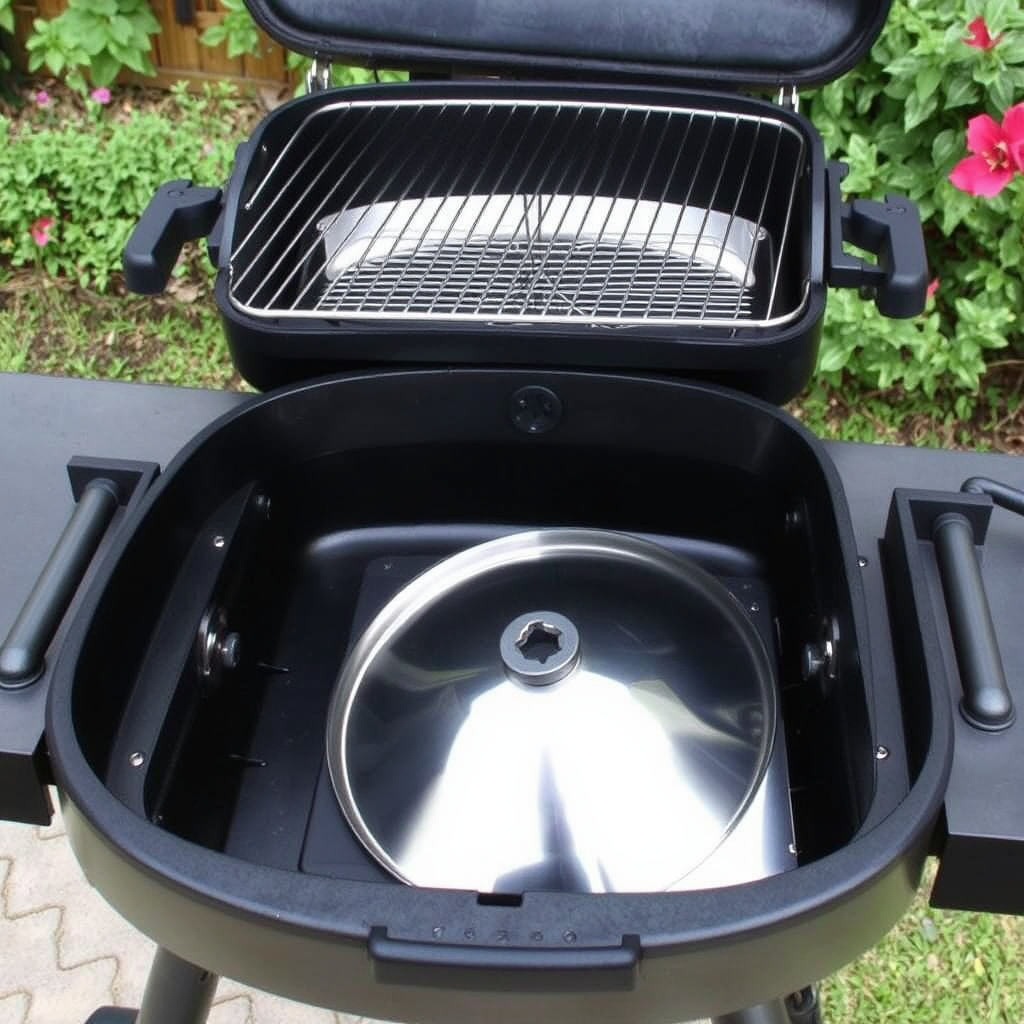
Heat deflectors are designed to shield food from direct flame while distributing heat evenly. They’re common in ceramic kamado grills but also useful in other setups.
Drip pans placed under food catch fat and can hold liquids for added moisture and flavor, making cooking cleaner and safer.
- Ceramic heat deflectors
- Disposable aluminum drip pans
- Water pans for humidity control
Thermometer Types for Monitoring
A good grill thermometer is essential for indirect heat grilling to check ambient grill temperature and internal food temps.
Digital probe thermometers, instant-read models, and built-in grill thermometers all have pros and cons depending on precision required and budget.
- Dual-probe digital thermometers
- Instant-read meat thermometers
- Built-in grill lid thermometers
Techniques for Mastering Indirect Heat Grilling
Preparing and Positioning Food
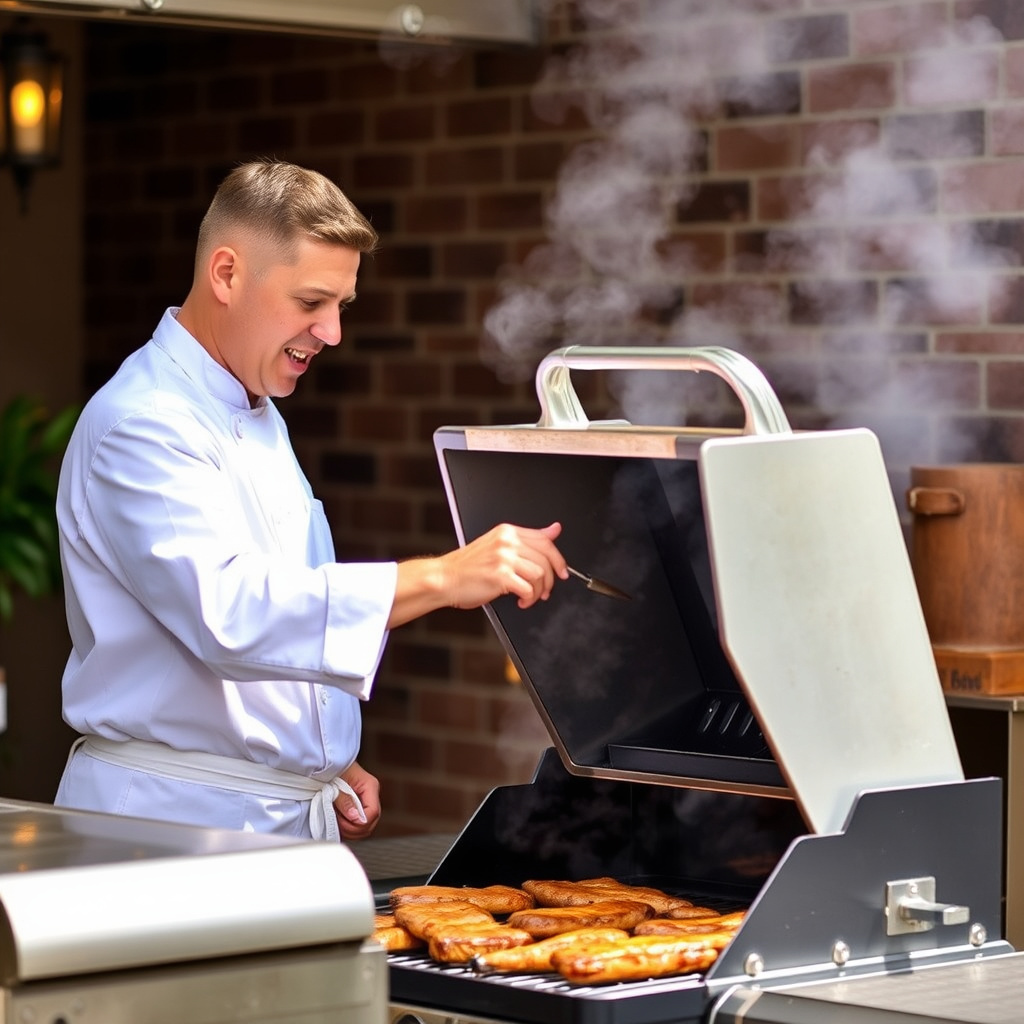
Start food at room temperature for even cooking. Place large meat pieces on the cooler side of the grill away from flames, ideally above a drip pan.
Avoid moving food frequently to maintain a steady cooking environment and achieve consistent grill marks.
For more on this, see our related guide: What Is High Heat on a Gas Grill? Understanding Temperature for Perfect Grilling.
Managing Lid and Ventilation
Keeping the lid closed traps heat and smoke, essential for indirect heat grilling. Adjust intake and exhaust vents to fine-tune temperature and smoke flow.
Opening the lid too often causes heat fluctuations and longer cooking times.
Troubleshooting Common Indirect Heat Grilling Issues
Dealing with Uneven Cooking
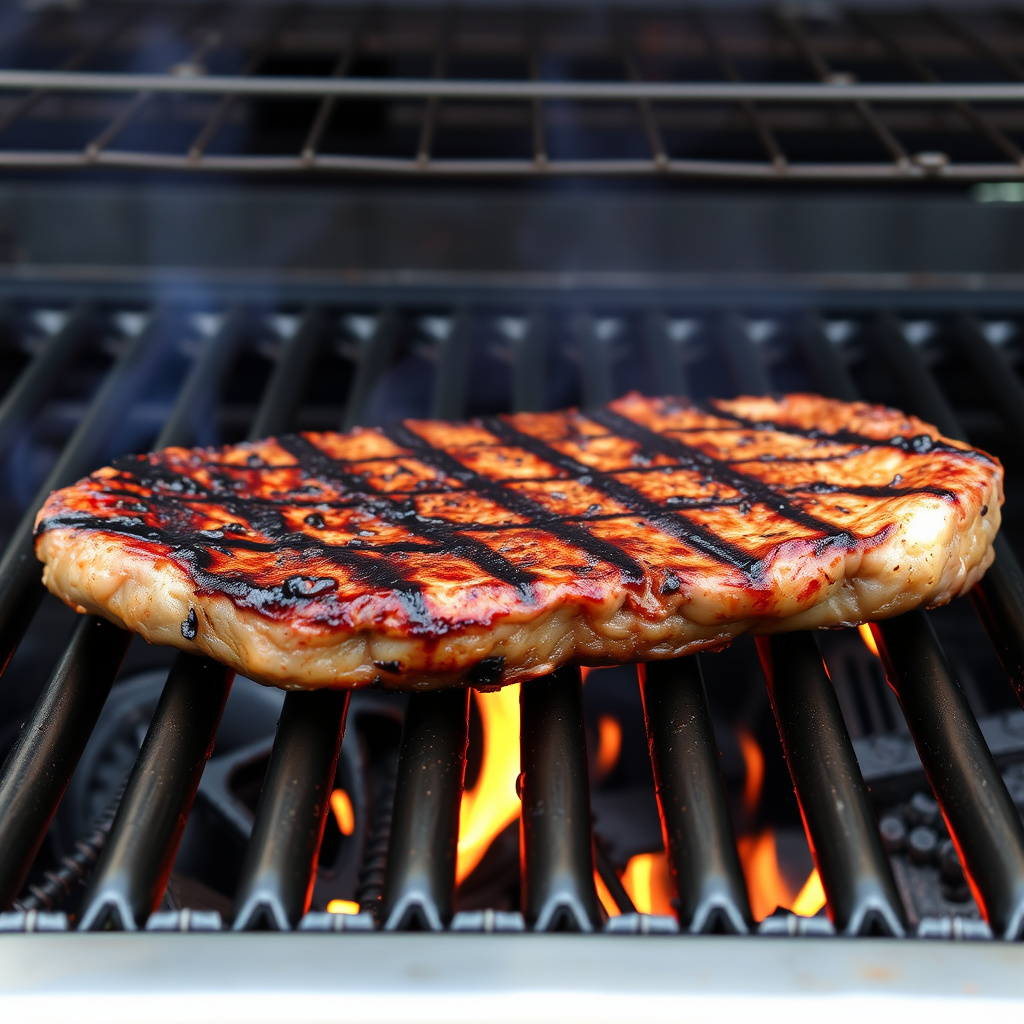
If food cooks unevenly, reposition it sometimes or rotate grill racks. Know where the grill runs hotter and adjust food placement to balance cooking.
Use a reliable thermometer to check multiple spots on the meat’s interior.
For a detailed technical overview, you can consult the Indirect heat grilling Wikipedia page. Indirect heat grilling Wikipedia page.
Preventing Dry or Overcooked Results
Slow cooking can dry out meats if overcooked. Use a marinade or brine, cook at moderate indirect heat temps, and remove food promptly when done.
Wrapping items in foil partway through cooking can help retain moisture for juicier results.
- Use marinades or injections
- Cook at moderate 225-300°F temperatures
- Wrap with foil in the last half of cooking
Indirect vs. Direct Heat Grilling: Key Differences
Below is a comparison of indirect and direct heat grilling methods to help you choose the best for your cooking needs.
| Grilling Method | Heat Source Position | Ideal Food Types | Typical Cooking Time | Flavor Impact |
|---|---|---|---|---|
| Indirect Heat | Food placed away from direct flame | Large cuts, whole poultry, vegetables | Long (1-6 hours) | Smoky, tender, evenly cooked |
| Direct Heat | Food placed directly over flame or coals | Steaks, burgers, thin cuts | Short (minutes) | Charred, crispy exterior |
| Combination | Start direct for sear, then indirect to finish | Thicker cuts needing crust and interior done | Medium (30-90 minutes) | Best of both methods |
Frequently Asked Questions
Can I use indirect heat grilling on a gas grill?
Yes. On gas grills, simply turn on one or two burners and leave others off, creating zones for indirect heat where the food can cook away from flames.
Is indirect heat grilling healthier than direct grilling?
Indirect heat grilling reduces flare-ups and burnt food, which can lower harmful compounds. It also allows fat to drip off safely, making it a healthier choice for certain recipes.
How do I know when food is done with indirect grilling?
Use a reliable meat thermometer to check internal temperatures, as cooking times vary widely. Checking doneness by temperature is safer and more precise than timing alone.
Can I add smoke flavor when using indirect heat grilling?
Absolutely. Adding wood chips to coals or smokers enhances smoky flavors. Indirect heat grilling combined with smoking produces rich barbecue tastes.
Why does indirect heat grilling take longer?
Indirect heat avoids high direct flame exposure, so food cooks more gently and slowly, allowing thorough cooking without burning outside.
Key Takeaways
- Indirect heat grilling cooks food away from flames for slower, even results.
- Ideal for large cuts, poultry, and vegetables needing gentle heat.
- Maintaining steady temperatures and using drip pans prevents flare-ups.
- Using thermometers is vital to monitor doneness during slow cooking.
Conclusion
Choosing to grill with indirect heat is a practical approach that lets you cook larger, thicker cuts evenly without burning the exterior. This method requires patience and attention to controlling temperature zones but rewards with juicy, tender results. By shifting focus from fast searing to slow, ambient heat, you expand your outdoor cooking possibilities.
If you mainly grill quick meals like steaks or burgers, direct heat may suffice. But to master ribs, whole chickens, or roasts, indirect heat grilling shines. Setting up two-zone cooking on a gas grill or arranging charcoal strategically gives you control. Combine this with tools like drip pans and built-in thermometers, and you can confidently tackle more complex recipes.
Start by practicing indirect heat grilling on smaller cuts and vegetables to get the hang of temperature management. Gradually try longer cooks and consider adding smoke for flavor. Remember to monitor internal temperatures for perfect doneness. With these steps, indirect heat grilling will become a powerful technique in your grilling toolkit.



