
Two zone grilling is a technique where your grill is divided into two separate heat zones: one for direct, high-heat cooking and another for indirect, lower-heat cooking. This setup lets you sear food over the hot side and finish cooking it gently on the cooler side, preventing burning while achieving ideal doneness. Using two zone grilling, you can cook a variety of foods perfectly, from quick steaks to slow-cooked chicken or vegetables.
This method matters because it offers greater control over the cooking process outdoors. By managing two different temperature zones simultaneously, you can adapt your cooking to each ingredient’s needs without constant attention or risk of overcooking. It’s especially useful for thicker cuts of meat or recipes that require a sear followed by a slow finish, preventing under or overcooking.
In this guide, we'll explain how to set up your grill for two zone grilling, discuss the benefits this technique brings, offer tips for using it efficiently, and compare it with other grilling methods. Whether you're a beginner or aiming to refine your BBQ skills, understanding two zone grilling will help elevate your outdoor cooking.
Setting Up Two Zone Grilling
Preparing Your Grill for Two Zones
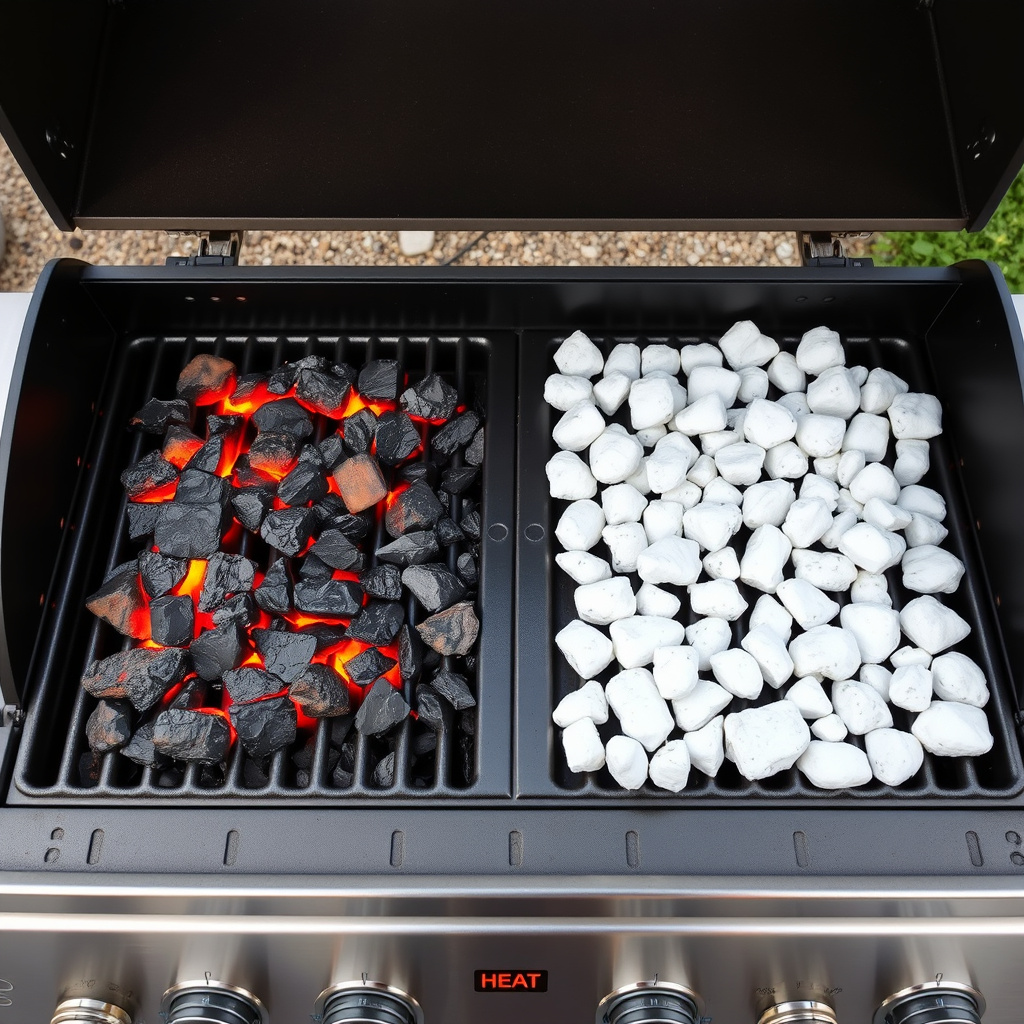
To create two zones, arrange your charcoal or gas burners so that one side is heated and the other is left unlit or with fewer coals. For charcoal grills, bank the coals on one side for direct heat, leaving the other side bare for indirect cooking. Gas grills achieve this by turning on burners on one side only. This separation creates two distinct temperature zones on the cooking grate.
This setup lets you sear foods directly over the hot zone and then move them to the cooler zone for slower cooking. You avoid burning or flare-ups while having control to adjust timing and temperature throughout your grilling session.
- Bank coals on one side for charcoal grills
- Use burners on one side only for gas grills
- Preheat grill for 10-15 minutes before cooking
- Keep a thermometer to monitor zone temperatures
Ideal Temperatures for Each Zone
The direct heat side should generally reach 450°F to 600°F (232°C to 316°C), perfect for searing steaks, burgers, or vegetables to develop flavorful crusts. The indirect side should be maintained around 225°F to 300°F (107°C to 149°C) to allow foods to cook through gently without charring or drying out.
Monitoring these grilling temperature zones helps you perform tasks like slow roasting chicken or thick ribs on the indirect side while finishing them off with a quick sear on the direct side.
- Direct zone: 450°F to 600°F for searing
- Indirect zone: 225°F to 300°F for slow cooking
- Use grill lid to control air flow and heat
- Adjust airflow or burner settings to fine-tune temps
Benefits of Two Zone Grilling
Enhanced Cooking Control
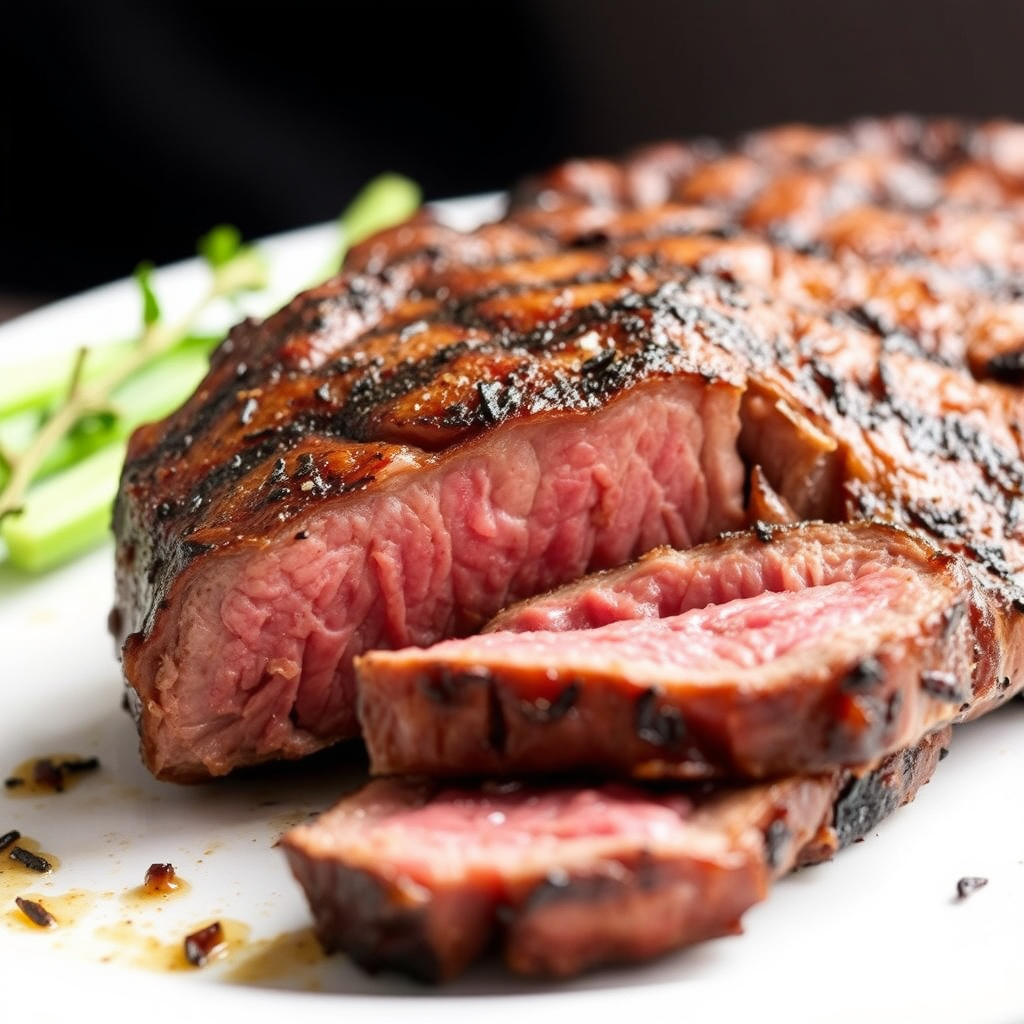
Two zone grilling provides flexibility by allowing quick temperature adjustments mid-cook. You can start high to sear and caramelize, then move food to low heat to finish cooking thoroughly without constant flipping or burning risks.
This flexibility means better texture and flavor retention for a variety of foods such as thick cuts, seafood, or mixed vegetable platters that need different cooking intensities.
Reduced Risk of Overcooking
With separate heat zones, you avoid scorching your food or drying it out. Foods that need gentle cooking can stay safe on the cooler side, and faster-cooking items can be finished on the hot side for crispness.
This method also minimizes flare-ups, the abrupt flames caused by dripping fat, which often char food when cooking only over direct heat.
Common Two Zone Grilling Techniques
Sear and Slow Cook Method
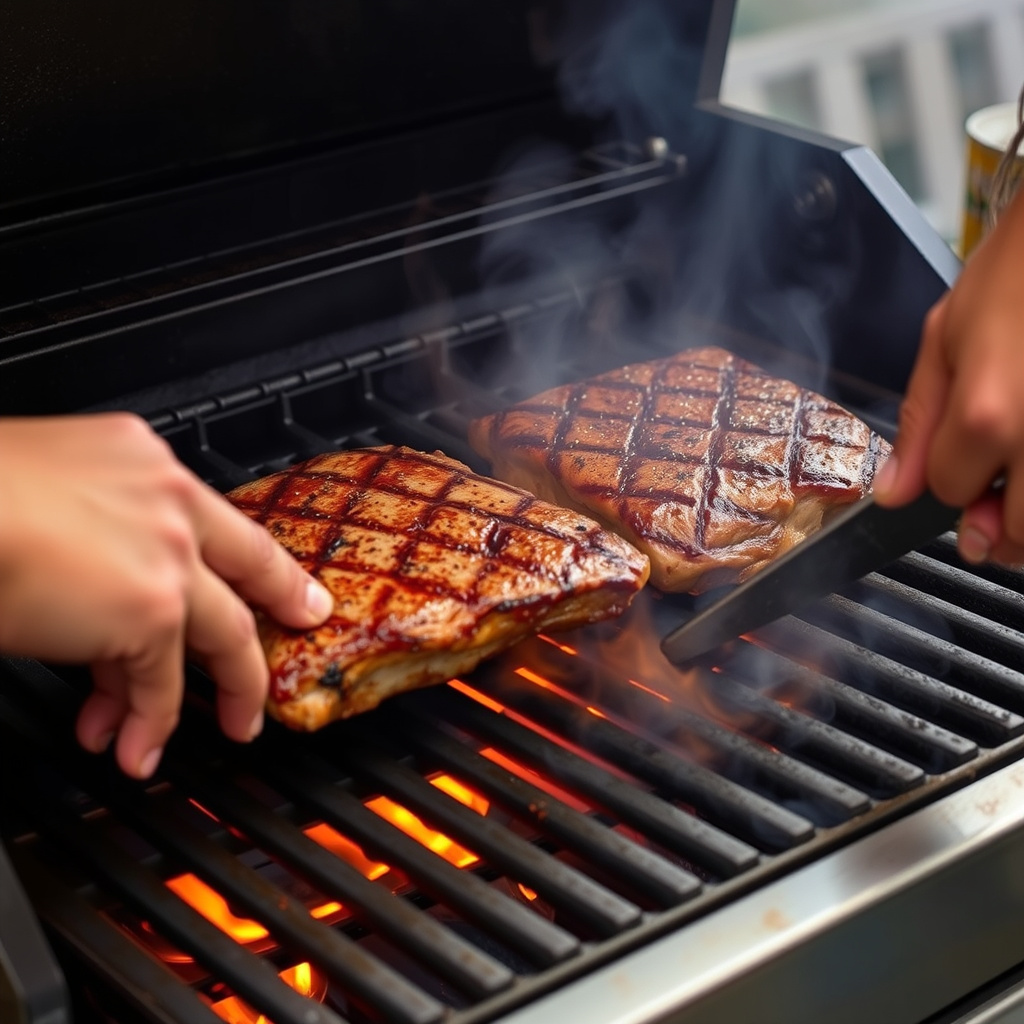
Start your meat by searing it over the direct heat to create a flavor-packed crust. Then transfer it to the indirect zone to cook gently until it reaches the desired internal temperature. This technique is popular for cuts like briskets, pork shoulders, and thick steaks.
By using two zone grilling this way, you get tender, juicy meat with a beautifully caramelized outside, without burning or undercooking either.
For more on this, see our related guide: What Is Indirect Heat Grilling and How to Master It.
Vegetables and Mixed Grilling
Vegetables can be charred quickly over direct heat for smoky flavor, then moved to the indirect side to finish softening without turning mushy or burnt. This approach helps when grilling mixed trays where ingredients cook at varying speeds.
You can also use the indirect zone to keep finished foods warm while you grill remaining items on the direct zone.
Tools and Accessories for Two Zone Grilling
Grill Thermometers and Heat Management
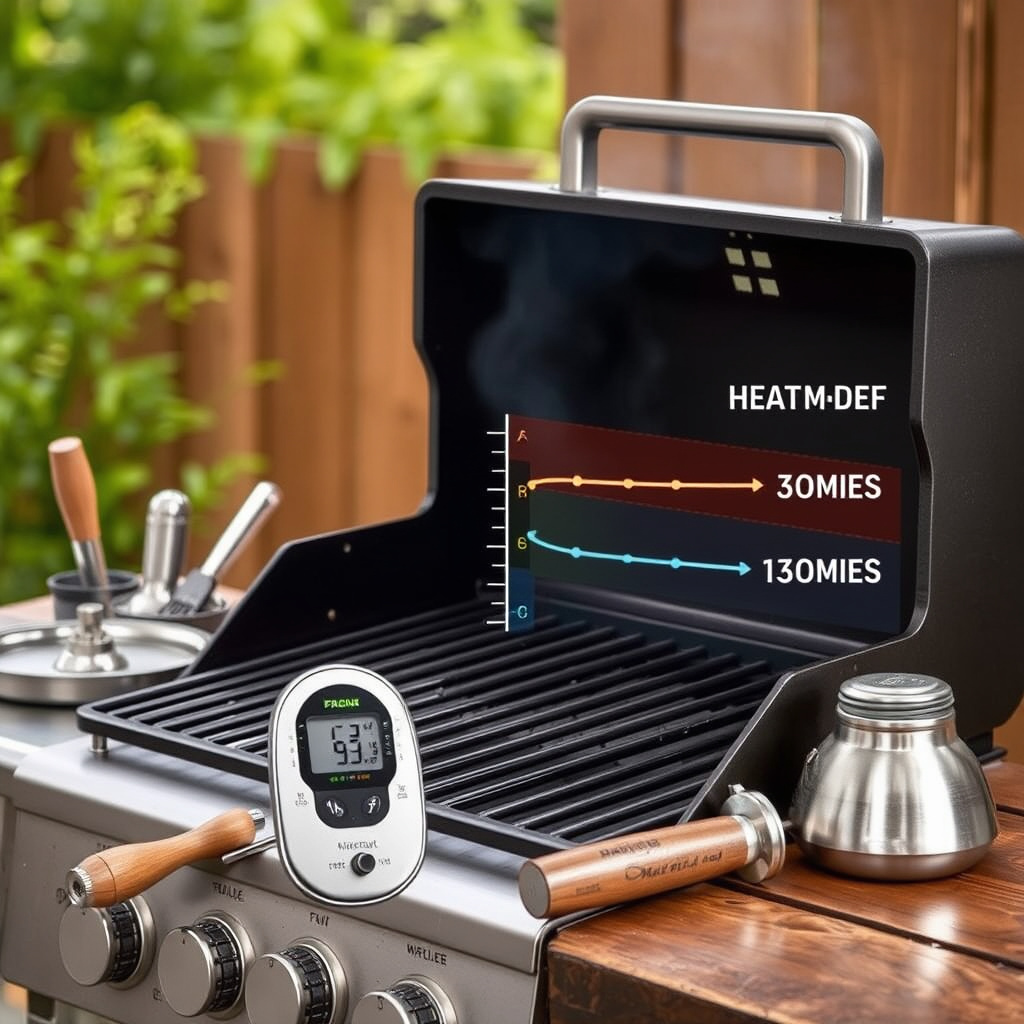
A reliable grill thermometer is essential to maintain the grilling temperature zones accurately. Built-in thermometers help monitor lid temperature, but an instant-read probe thermometer lets you check the internal food temperature, preventing over or undercooking.
Additional heat management tools like charcoal baskets or heat deflectors for gas grills can improve zone stability and consistency while cooking.
- Instant-read food thermometer
- Grill grate thermometer
- Charcoal baskets or heat deflectors
- Fire-resistant gloves for safety
Using Grill Accessories to Enhance Zones
A water pan placed on the indirect side can help regulate heat and add moisture for low-and-slow cooking, preventing the food from drying out. Grill racks or multi-level grates extend cooking space, allowing better use of two zones for larger meals.
Cast iron griddles or pizza stones placed on one zone can direct heat differently, providing even more cooking options in your two zone setup.
- Water pans for moisture
- Multi-level grill racks
- Cast iron griddles
- Pizza stones for indirect baking
Common Mistakes to Avoid
Overcrowding and Poor Airflow
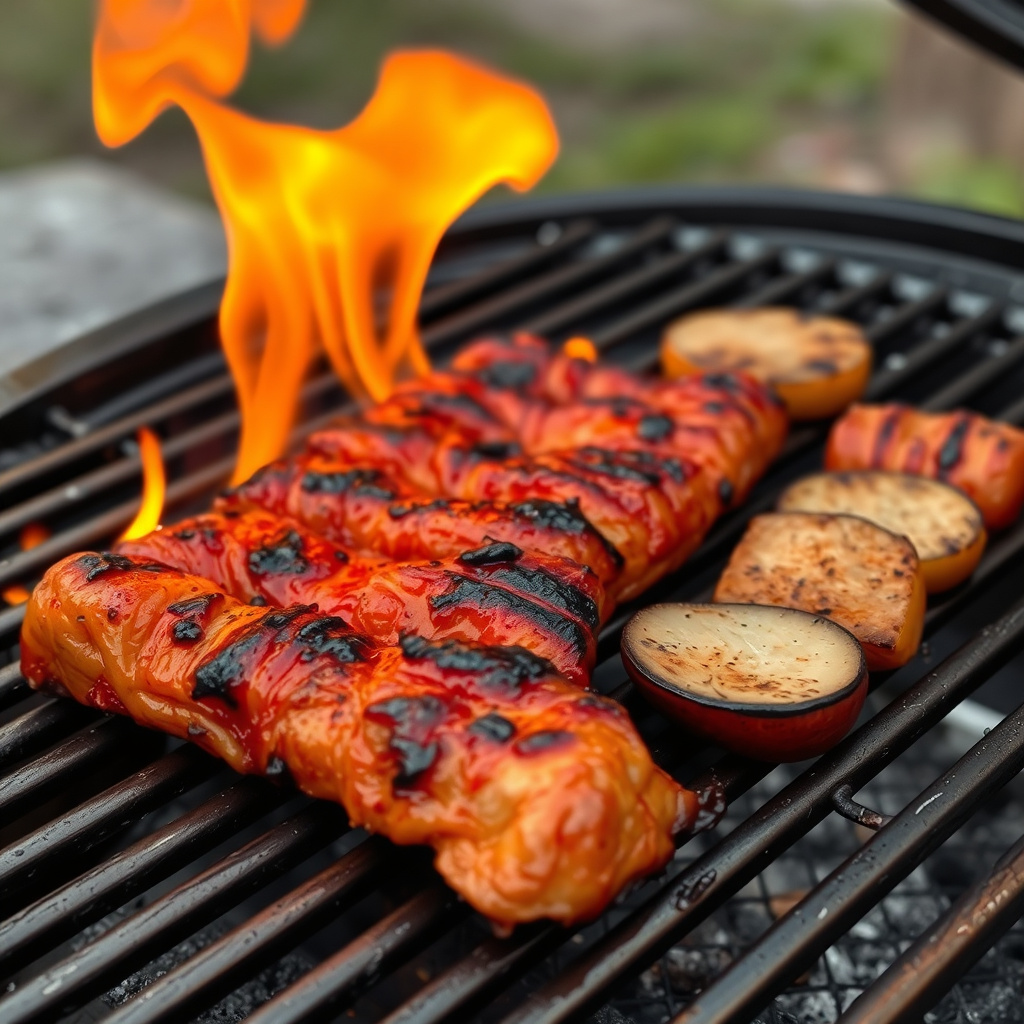
Placing too much food on the grill can choke airflow and drastically affect your temperature zones, causing inconsistent cooking. Crowding also increases the chance of flare-ups by dripping fat igniting.
Maintain space between items and manage airflow vents on your grill to stabilize temperature differences between the two zones.
For more on this, see our related guide: What Is High Heat on a Gas Grill? Understanding Temperature for Perfect Grilling.
Ignoring Temperature Monitoring
Without periodically checking your grilling temperature zones, you might cook at the wrong heat levels, leading to burned exteriors or raw interiors. Constant temperature awareness is crucial when using two zone grilling to maximize its benefits.
Use reliable thermometers and adjust your vents, fuel, or burners regularly to keep proper heat zones active during cooking.
Two Zone Grilling vs Other Grilling Methods
Direct Grilling
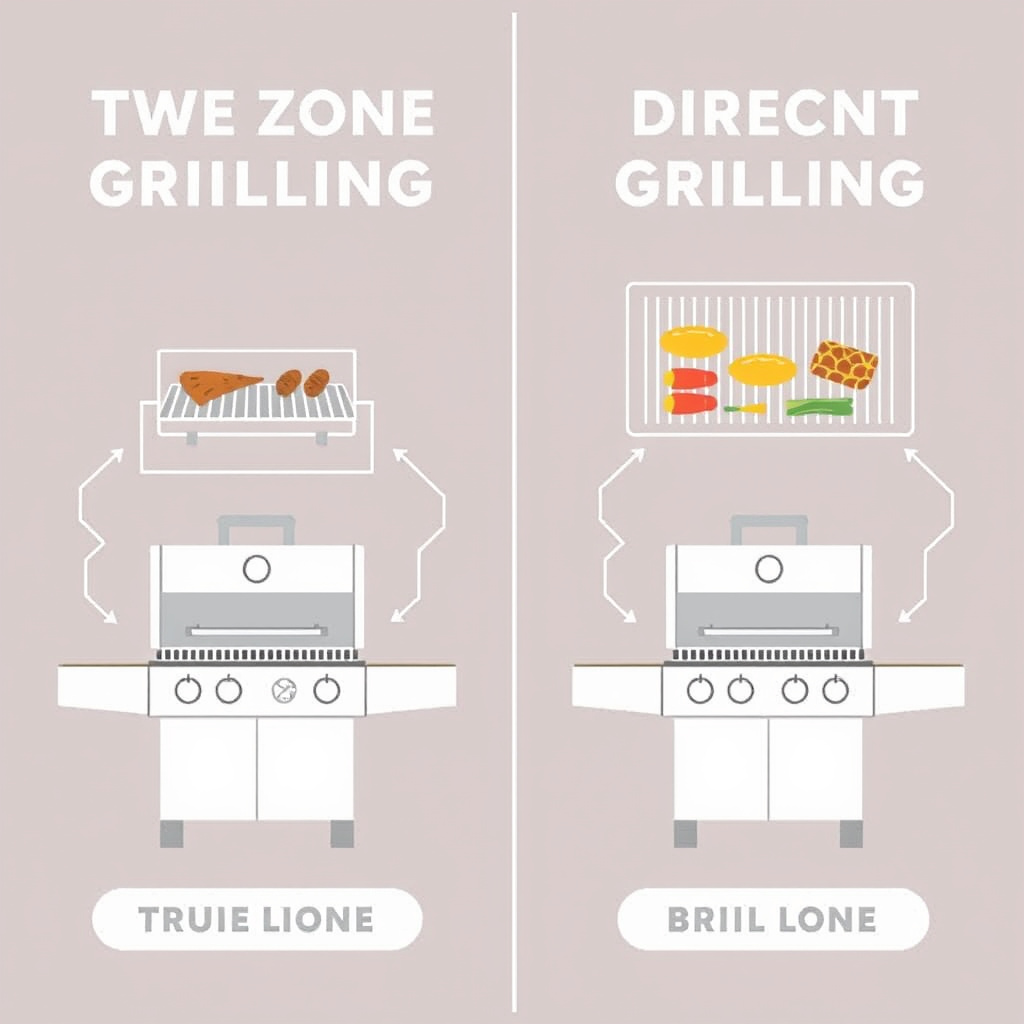
Direct grilling cooks food immediately over high heat, ideal for small or thin items like burgers, thin steaks, or vegetables. It lacks the ability to slow cook or finish thicker cuts without burning the outside.
In contrast, two zone grilling offers more temperature control by combining direct searing with indirect cooking for thicker or more delicate foods.
Learn more about the fundamentals of grilling techniques on the Wikipedia page on Grilling. Wikipedia page on Grilling.
Indirect Grilling
Indirect grilling uses only low heat positioned away from the food, perfect for slow roasting or smoking larger cuts. It doesn’t allow searing, which means food lacks the flavorful crust developed over high heat.
Two zone grilling combines both indirect and direct heat zones, maximizing sear and slow cook benefits in one grilling session.
Two Zone Grilling Category Comparison
Here's a comparison of popular grilling fuel types used for two zone grilling, highlighting setup complexity, heat control, and flavor.
| Fuel Type | Setup Complexity | Heat Control | Flavor Impact | Cost |
|---|---|---|---|---|
| Charcoal | Medium | High | Rich smoky flavor | Moderate |
| Gas | Low | Easy and precise | Cleaner taste | Higher initial cost |
| Electric | Low | Good but limited heat range | Less traditional flavor | Moderate |
| Pellet | High | Automated precise control | Distinct wood-fired flavor | High |
Frequently Asked Questions
What foods benefit most from two zone grilling?
Thicker cuts like brisket, pork shoulder, or bone-in chicken benefit most, as they need searing and slow indirect cooking. Vegetables and mixed grills also do well with two zone setups.
Can two zone grilling be done on any grill?
Most grills can accommodate two zone grilling by adjusting fuel placement or burner usage. Charcoal, gas, pellet, and electric grills all support this technique with slight setup changes.
How do I know when to move food between zones?
Use a meat thermometer to track internal temperature and visual cues like crust color. Generally, sear over direct heat until desired crust forms, then move to indirect heat to finish cooking slowly.
Does two zone grilling require a lid?
Using the lid helps maintain stable temperatures and controls airflow, which improves heat distribution between zones and speeds up cooking times.
Is two zone grilling better than only direct grilling?
Two zone grilling is more versatile, allowing you to cook a wider range of foods perfectly by combining searing and slow cooking in one session. Direct grilling is simpler but less controlled.
Key Takeaways
- Two zone grilling splits your grill into high and low heat zones for better cooking control.
- It prevents burning by letting you sear then slow-cook foods in one session.
- Most grill types can be set up for two zone grilling with simple adjustments.
- Using thermometers and managing airflow are essential for maintaining heat zones.
Conclusion
Understanding two zone grilling helps you manage your outdoor cooking with precision and versatility. By dividing your grill into separate heat areas, you can sear food to develop flavor and texture, then move it to a gentler heat zone to finish cooking properly without risk of burning. This hands-on approach gives you more control, allowing varied foods and cuts to reach their best possible results in a single cooking session.
If you frequently cook thicker meats or mixed food trays, setting up two zone grilling offers a practical way to expand your barbecue menu. Charcoal grills provide rich smoky flavors with moderate setup effort while gas grills offer easier heat adjustments. Electric and pellet grills add convenience but differ in flavor. Tools like thermometers and water pans enhance management of grilling temperature zones, further improving outcomes. Experiment with searing on direct heat and finishing on indirect heat to identify the perfect rhythm for your favorites.
For anyone seeking to elevate their grilling technique, the next step is to practice setting distinct heat zones on your grill, monitoring temperatures closely, and using thermometers to gauge doneness. Whether your goal is juicy steaks, tender slow-cooked ribs, or perfectly grilled vegetables, mastering two zone grilling provides the foundation for consistently impressive barbecue. Invest in accessories and regularly adjust airflow and fuel, and you’ll find this method an indispensable part of your grilling routine.



