Using a pellet grill involves loading wood pellets into the hopper, setting your desired cooking temperature, and allowing the grill’s auger to feed pellets into a firepot where they ignite to produce smoke and heat. This process allows for precise temperature control and infuses your food with rich, smoky flavor.
Pellet grills have become popular because they combine the convenience of gas grills with the authentic wood-fired taste of traditional smokers. Unlike charcoal or gas grills, pellet grills maintain a consistent temperature automatically, making them ideal for low-and-slow smoking or high-heat grilling with minimal supervision.
In this article, you will learn the essential steps for operating a pellet grill, how to control temperature for different cooking styles, and maintenance tips to keep your grill working smoothly. We’ll also cover the differences between various pellet grill types and suggest how to choose pellets for optimal flavor.
Getting Started with Your Pellet Grill
Setting Up Your Pellet Grill Safely
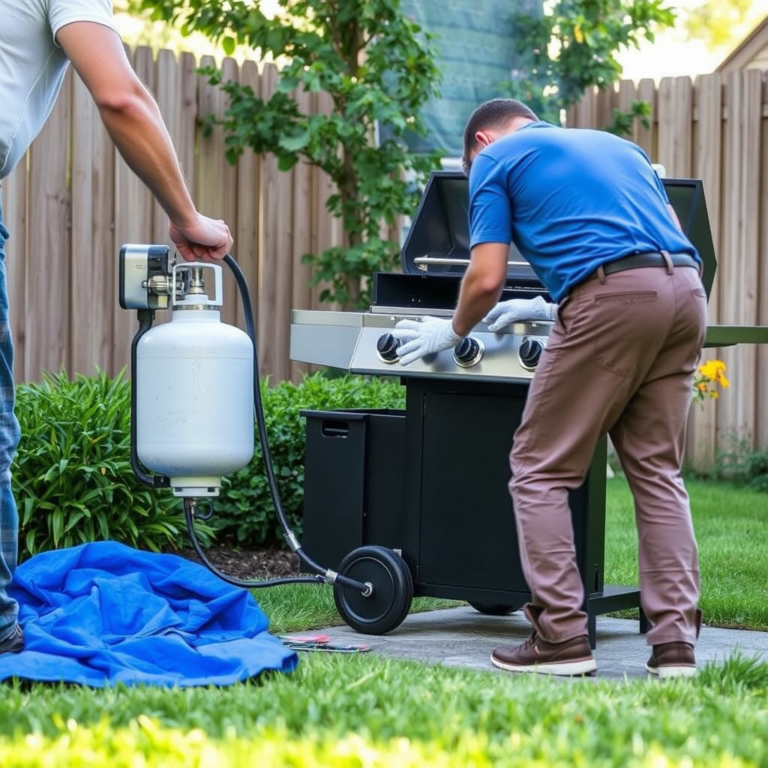
Before using your pellet grill, place it on a stable, non-flammable surface outdoors, away from walls or overhangs. Connect any necessary power source for the digital controls to work correctly. Make sure the hopper and firepot are clean and free of old ashes or wood dust, as buildup can affect ignition and temperature accuracy.
Familiarize yourself with the manufacturer’s instructions regarding assembly and parts. Use only food-grade wood pellets designed for pellet grills to avoid harmful chemicals or additives. Proper setup lays the groundwork for consistent and safe grilling sessions.
- Place grill on level, stable ground outdoors
- Connect to electrical outlet or battery if required
- Clean hopper and firepot before first use
- Use manufacturer-recommended pellets
Loading Pellets and Igniting the Grill
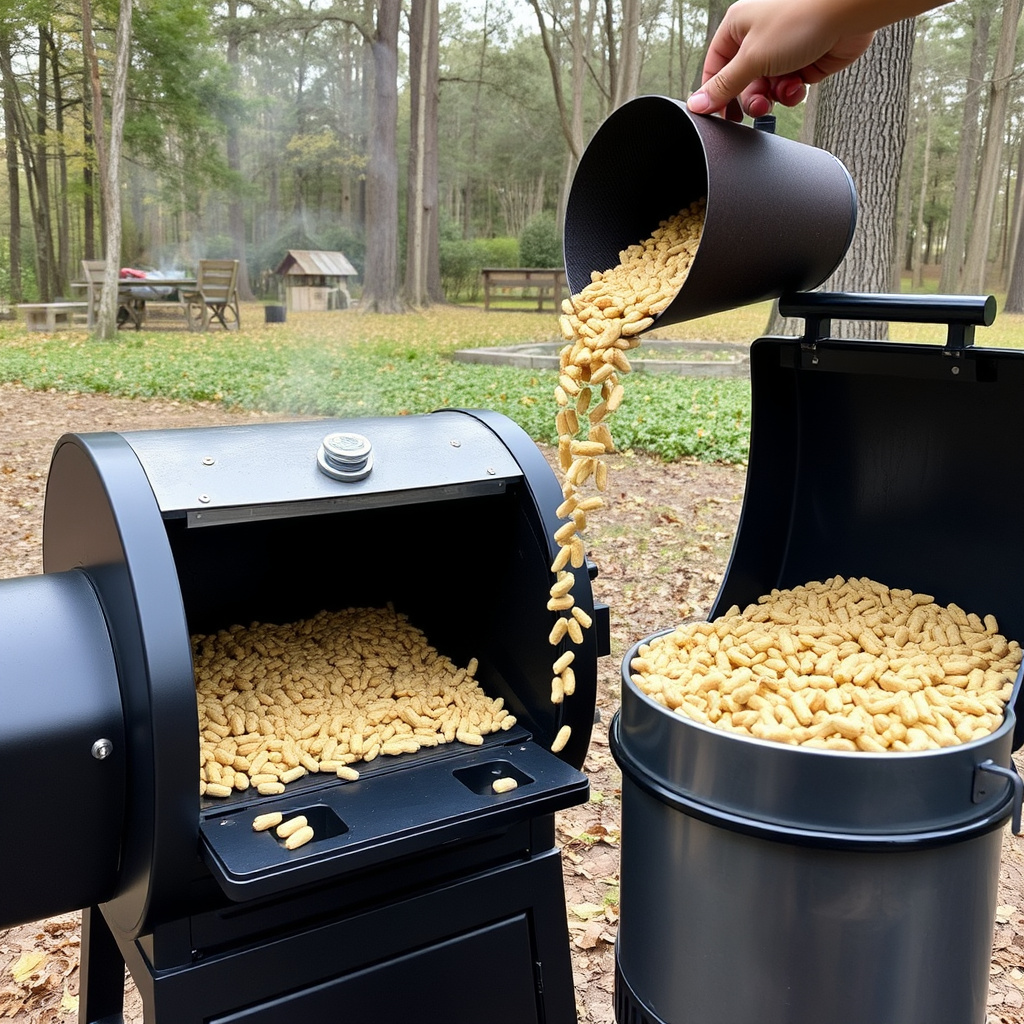
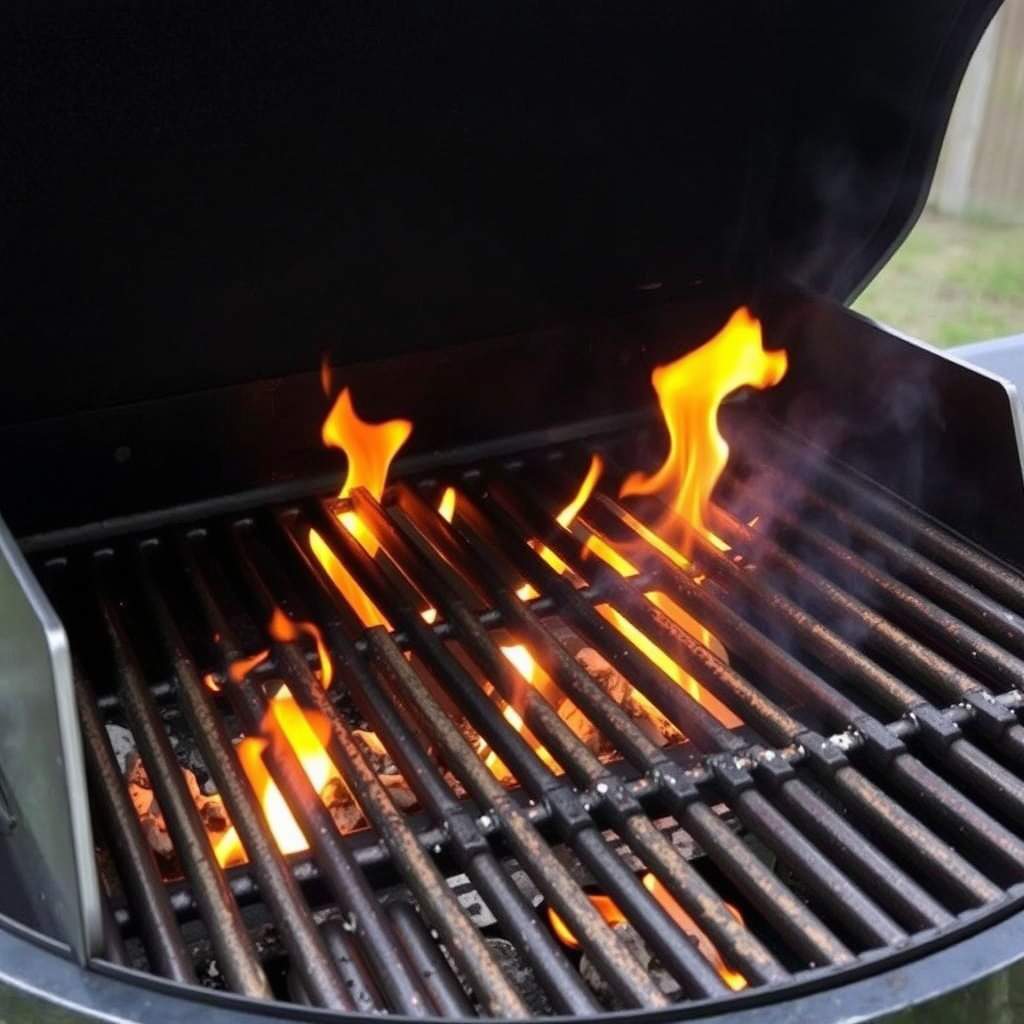
Fill the hopper with wood pellets until full but avoid overpacking, which can interfere with pellet feeding. Turn on the grill and set your preferred cooking temperature using the digital control panel. The auger motor feeds pellets into a firepot where they ignite using an electric starter rod.
Once pellets ignite, the grill begins reaching the set temperature. Many pellet grills have a startup mode lasting 5 to 10 minutes. Wait for the grill to stabilize at the target temperature before placing food inside for cooking.
Temperature Control for Excellent Results
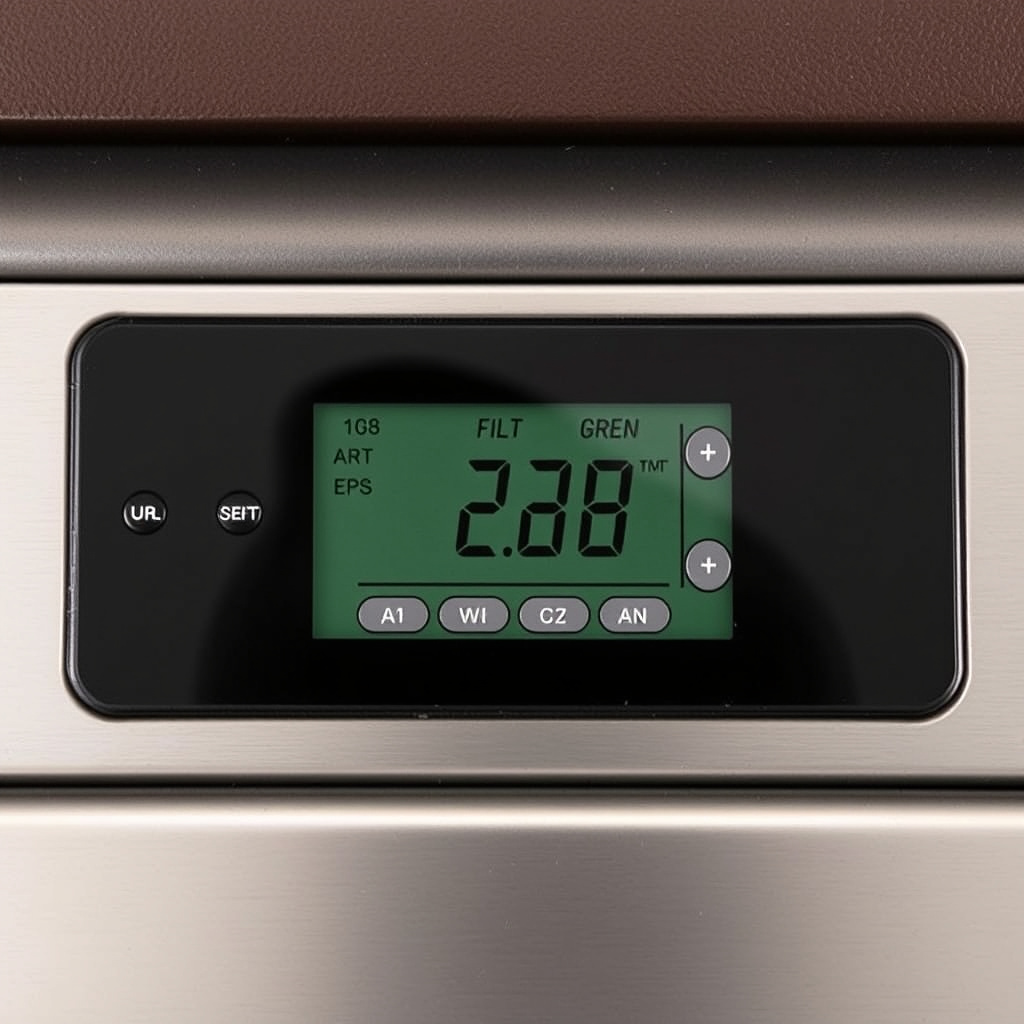
Adjusting and Maintaining Temperature
Pellet grills maintain temperature by automatically feeding pellets based on feedback from an internal thermostat. You select a temperature range, often between 180°F and 500°F depending on your grill model and cooking goals. During cooking, the grill’s fan and auger work together to keep the temperature within a few degrees of the set point.
If you need a higher temperature for direct grilling, increase the target temperature accordingly. For low-and-slow smoking, choose a lower setting to gently cook food over several hours. Avoid opening the lid frequently, as this lets heat and smoke escape, causing temperature fluctuations.
- Set target temperature with control panel
- Avoid frequent lid openings to maintain heat
- Use meat probes to monitor internal food temperature
Using Meat Probes and Timers
Most pellet grills come equipped with meat probes that allow you to track internal food temperatures without opening the grill. Setting target food temperatures helps prevent overcooking or undercooking, especially during long smoke sessions.
Timers can assist with scheduling grill startup or reminding you to check or adjust food. Combining temperature controls with probes and timers makes it easier to cook foods such as ribs, brisket, or poultry perfectly every time.
Exploring Pellet Grill Cooking Techniques
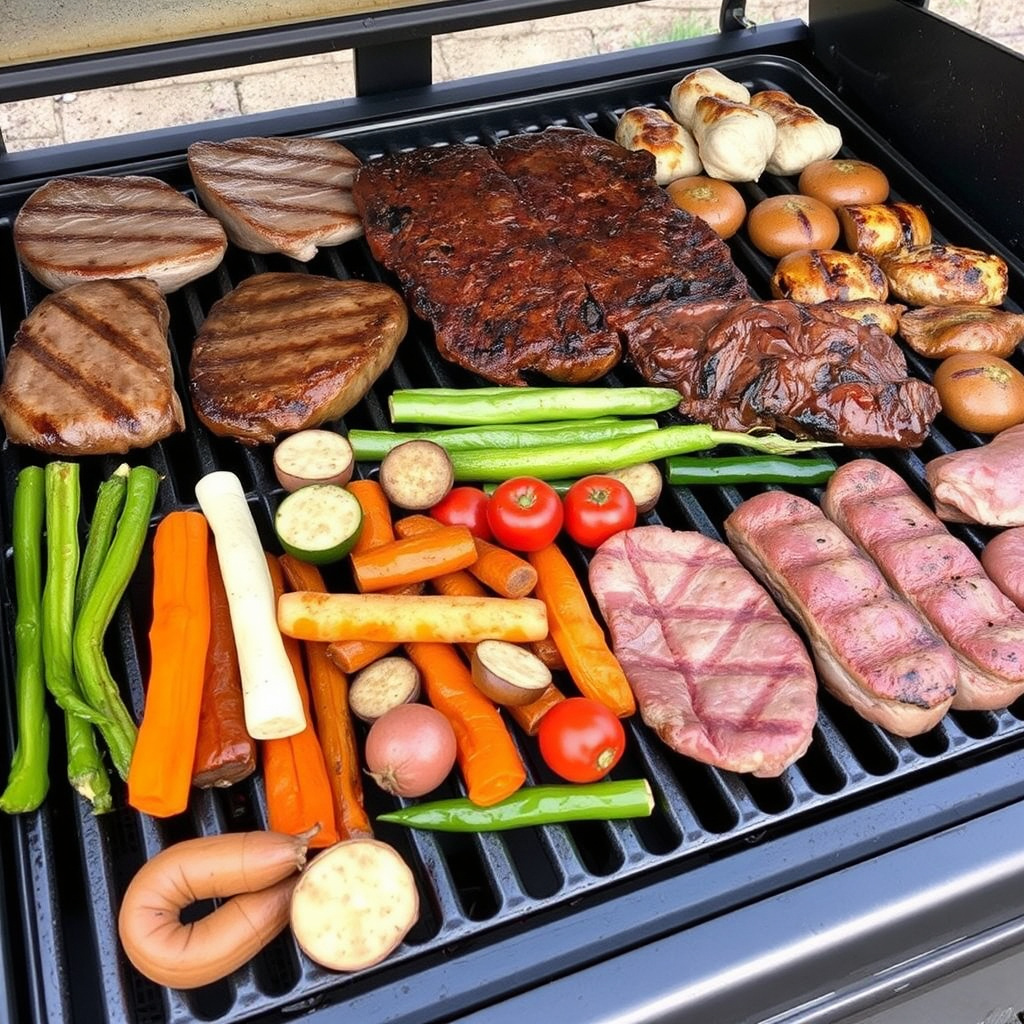
Smoking Meat on a Pellet Grill
Smoking is the signature technique for pellet grills that leverages low, steady heat combined with flavorful wood smoke. Set your grill between 180°F and 225°F to slowly infuse your meat with smoke, allowing connective tissues to tenderize fully over extended cooking times.
Choose wood pellet flavors like hickory, mesquite, or apple to complement different meats. Use water pans or spray bottles to maintain moisture during long smokes. Patience is key; smoking often takes several hours but rewards you with tender, smoky flavors.
- Use wood pellets suited for smoking
- Maintain grill temperature between 180°F and 225°F
- Consider adding a water pan for moisture
For more on this, see our related guide: How to Start a Traeger Grill: A Step-by-Step Guide.
Grilling and Roasting with a Pellet Grill
Pellet grills also excel at grilling and roasting thanks to their ability to reach higher temperatures quickly. Increase the temperature to 350°F to 500°F for direct grilling or roasting, which gives food a crispy exterior while sealing in juices.
Rotate food periodically for even cooking. Use the grill for steaks, burgers, vegetables, or whole chickens. Some pellet grills come with direct flame or searing options for char marks and enhanced texture.
Cleaning and Maintaining Your Pellet Grill
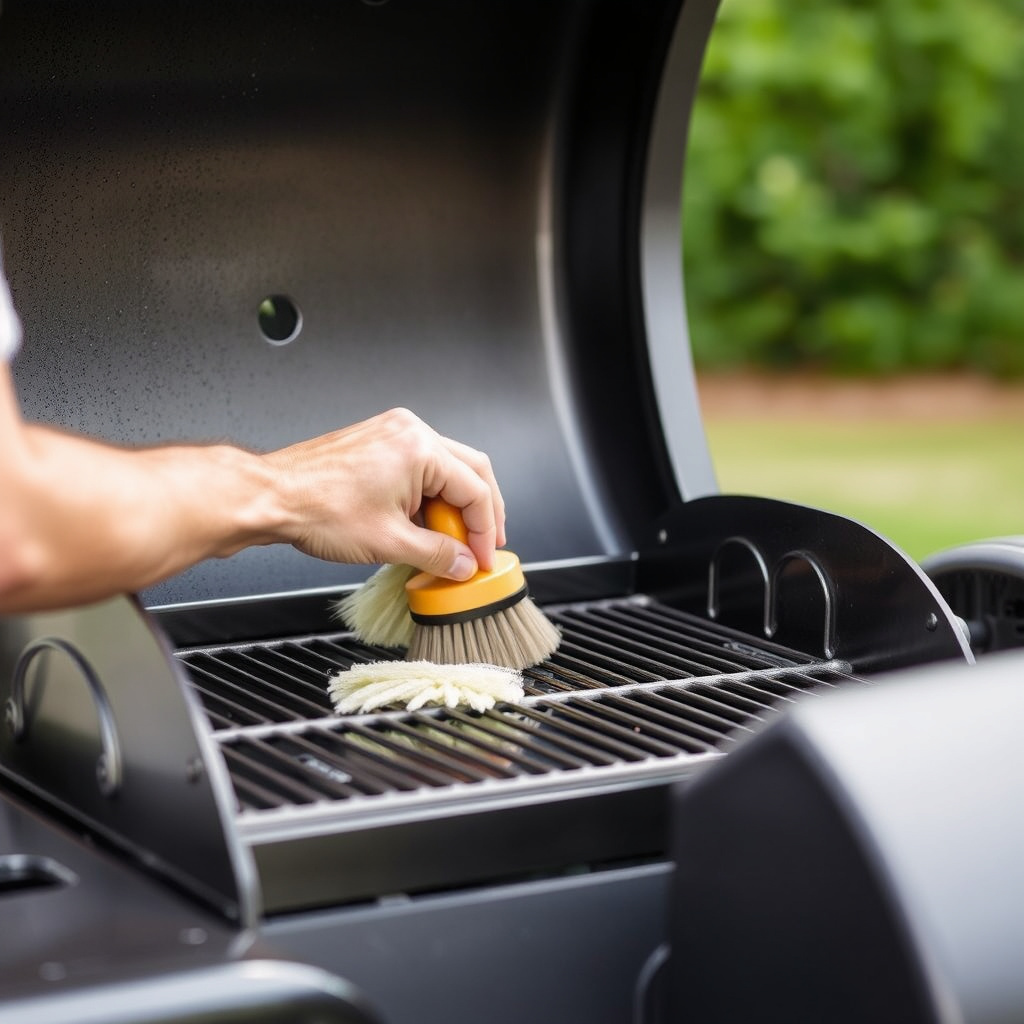
Routine Cleaning After Each Use
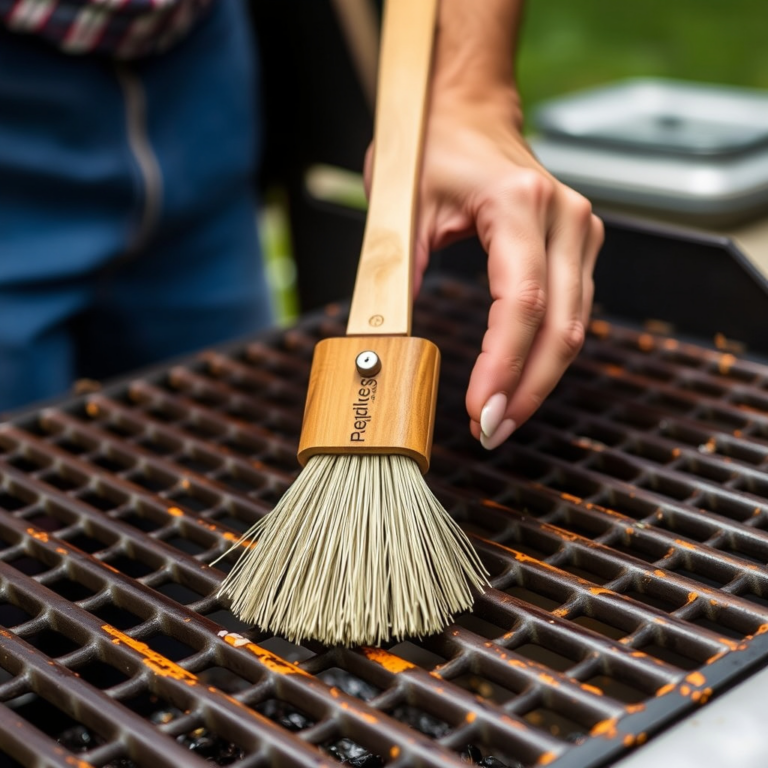
After cooking, turn off the grill and allow it to cool. Remove food residue from grates using a grill brush or scraper. Empty the drip tray and wipe down the interior surfaces to prevent buildup. Clean out ashes and unburned pellets from the firepot to maintain airflow and consistent ignite cycles.
Regular cleaning helps extend the lifespan of your pellet grill and keeps food flavors pure by avoiding leftover smoke or grease buildup.
- Brush cooking grates
- Empty drip tray
- Remove ash from firepot
- Wipe down interior surfaces
Seasonal Maintenance and Troubleshooting
Occasionally, check the auger motor, starter rod, and fan for wear or blockages. Lubricate any moving parts if recommended by the manufacturer. Inspect seals and wiring. If you notice inconsistent temperatures or pellet feed jams, cleaning these components usually resolves issues.
Store pellets in a dry place to prevent moisture absorption, which can cause feeding problems. Performing seasonal maintenance ensures your pellet grill stays reliable and ready for every cookout.
Choosing the Right Pellets and Accessories
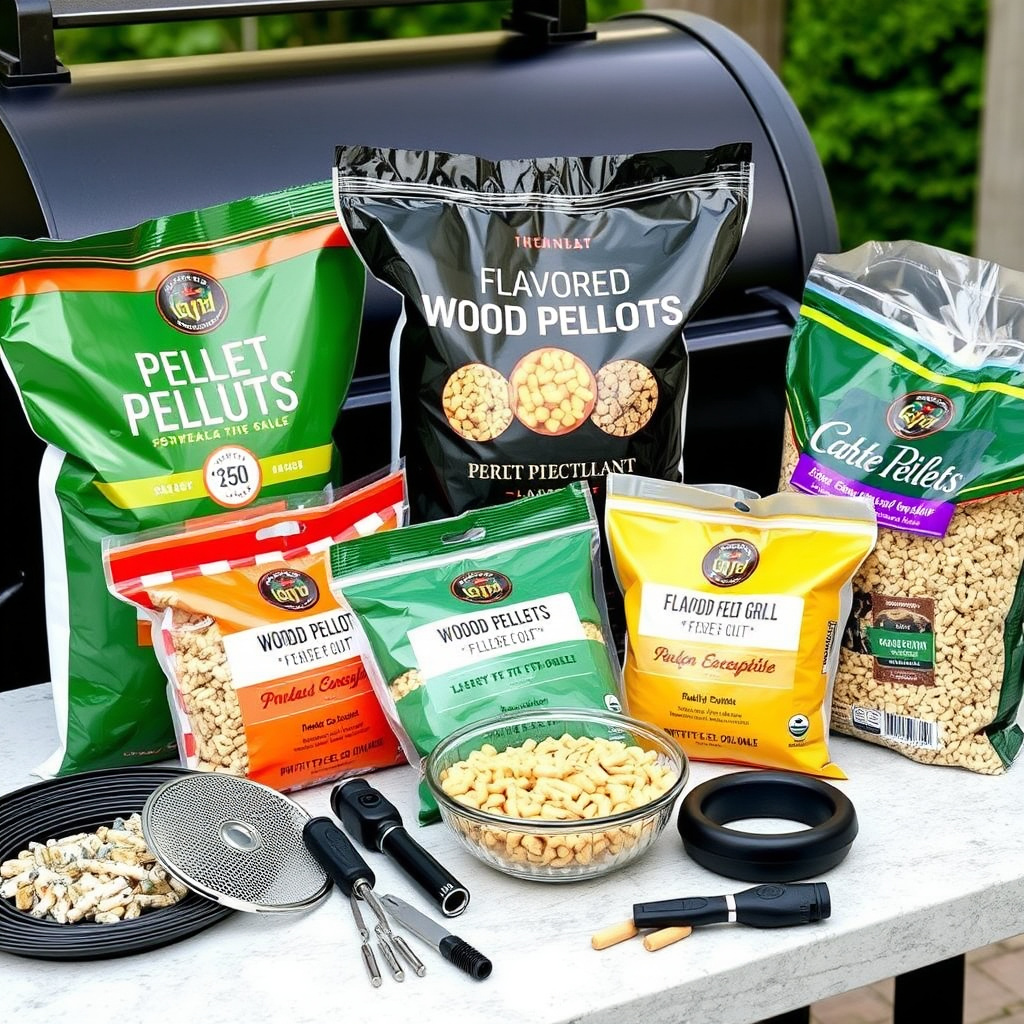
Types of Wood Pellets and Flavor Profiles
Wood pellets come in various flavors such as hickory, mesquite, cherry, apple, and maple, each imparting distinctive smoke flavors to your food. Mild woods like apple and cherry are great for poultry or pork, while stronger woods like mesquite pair well with beef or game.
Look for pellets labeled food-grade and free from additives to avoid unpleasant taste or harmful fumes. Experimenting with blends can help you find preferred flavor combinations.
- Hickory: bold, smoky flavor
- Mesquite: strong, intense smoke
- Apple/Cherry: sweet, mild smoke
- Maple: smooth, subtle aroma
For more on this, see our related guide: How to Light a Pellet Grill: Step-by-Step Guide for Perfect BBQ.
Helpful Pellet Grill Accessories
Accessories like grill covers, thermal blankets, meat probes, and pellet storage containers enhance the grilling experience. Covers protect against weather, while thermal blankets can improve temperature stability in colder climates.
Meat probes integrated with the grill’s control system enable precise cooking. Keeping pellets dry with airtight containers prevents jams and pellet spoilage.
Advanced Tips for Experienced Pellet Grill Users
Creating Smoke Rings and Enhancing Flavor
Smoke rings appear when carbon monoxide from burning pellets reacts with myoglobin in meat, producing a pink edge around the surface. To encourage smoke rings, keep the grill temperature low initially and avoid opening the lid for prolonged periods.
Adding wood chunks or experimenting with pellet types can intensify smoke flavor. Combine dry rubs and marinades with your pellet grill’s smoke output for layered taste.
For a detailed overview of pellet grill history and technology, see the pellet grill information on Wikipedia. Pellet grill information on Wikipedia.
Using Pellet Grills for Baking and Other Techniques
Due to their precise temperature controls, pellet grills are suitable for baking items like pizzas, breads, or desserts. Use indirect heat zones and pizza stones to replicate oven conditions outdoors.
Some pitmasters use pellet grills for sous vide finishing or slow roasting large cuts. Experimenting beyond traditional smoking and grilling broadens your cooking possibilities.
Pellet Grill Type Comparison
Here is a comparison of common pellet grill types categorized by size, features, and price to help you select the right model.
| Type | Cooking Area (sq. in.) | Typical Price Range | Best For |
|---|---|---|---|
| Compact Portable | 250-400 | $300-$600 | Small gatherings, tailgating |
| Mid-Size Standard | 500-700 | $700-$1,200 | Family cookouts, versatile use |
| Large Capacity | 700-1,200 | $1,200-$2,500 | Large parties, serious smoking |
| High-End Smart Grills | 600-900 | $1,500-$3,000+ | Remote monitoring, app control |
Frequently Asked Questions
Can I use my pellet grill in rainy weather?
Pellet grills are designed for outdoor use and can withstand light rain due to their metal construction and covers, but heavy rain or moisture may damage electronics or pellets. Using a grill cover and shelter helps protect your grill during wet weather.
How often should I clean my pellet grill?
Cleaning the cooking grates and emptying the drip tray after each use are recommended. More thorough cleaning, including firepot and hopper maintenance, should be done monthly or after about 20-30 cooking sessions.
What type of pellets is best for smoking ribs?
For ribs, many prefer hickory or apple wood pellets. Hickory provides a strong smoky flavor, while apple offers sweeter, milder smoke that complements pork without overwhelming it.
Can pellet grills reach temperatures high enough for searing steaks?
Many pellet grills can reach temperatures between 450°F and 500°F, suitable for searing steaks, though some models include dedicated sear burners or flame broilers for better high-heat performance.
Is it safe to leave a pellet grill unattended during cooking?
Pellet grills have automatic temperature controls and safety features, allowing for longer unattended cooking compared to charcoal. However, it’s wise to check periodically and never leave it near flammable materials.
Key Takeaways
- Load food-grade wood pellets and set your desired temperature to start cooking.
- Pellet grills provide precise temperature control ideal for smoking, grilling, and roasting.
- Regular cleaning and maintenance ensure consistent performance and safety.
- Choosing the right pellets and accessories enhances flavor and convenience.
Conclusion
Deciding how to use a pellet grill effectively involves understanding its auto-feed pellet system, temperature controls, and how these features combine to deliver flavorful food with ease. The grill’s ability to maintain steady heat automatically sets it apart from other outdoor cooking methods, making it approachable for beginners and versatile enough for experienced cooks.
For those wanting low-and-slow smoked meats, maintaining temperatures between 180°F and 225°F with suitable wood pellets like hickory or apple yields excellent results. Grill enthusiasts seeking faster cooking or searing should opt for models that reach higher temperatures or incorporate sear zones. Accessories such as meat probes and covers further improve cooking precision and device longevity.
Starting with a clear understanding of pellet grill operation and temperature management will empower you to create delicious smoked and grilled dishes confidently. Experiment with pellet flavors and cooking styles, keep your grill well-maintained, and enjoy the unique combination of convenience and taste that pellet grilling offers.