
Direct heat grilling is a cooking method where food is placed directly over the heat source, such as gas flames or hot charcoal. This approach cooks food quickly at high temperatures, producing a distinctive sear and smoky flavor. It's ideal for foods that benefit from fast cooking like steaks, burgers, and vegetables.
Using direct heat grilling allows you to achieve a crispy outside and a juicy inside because the intense heat quickly caramelizes the surface, locking in juices. It’s different from indirect grilling, where food cooks slower and away from the flame, so understanding this difference helps you decide which technique matches your desired meal.
This article will explain the specifics of direct heat grilling, including how to control temperature, which foods work best with it, the advantages and disadvantages, and tips for beginners. You’ll also find a comparison between direct and indirect grilling and answers to common grilling questions.
What Is Direct Heat Grilling and How It Works
The Fundamentals of Direct Heat Grilling
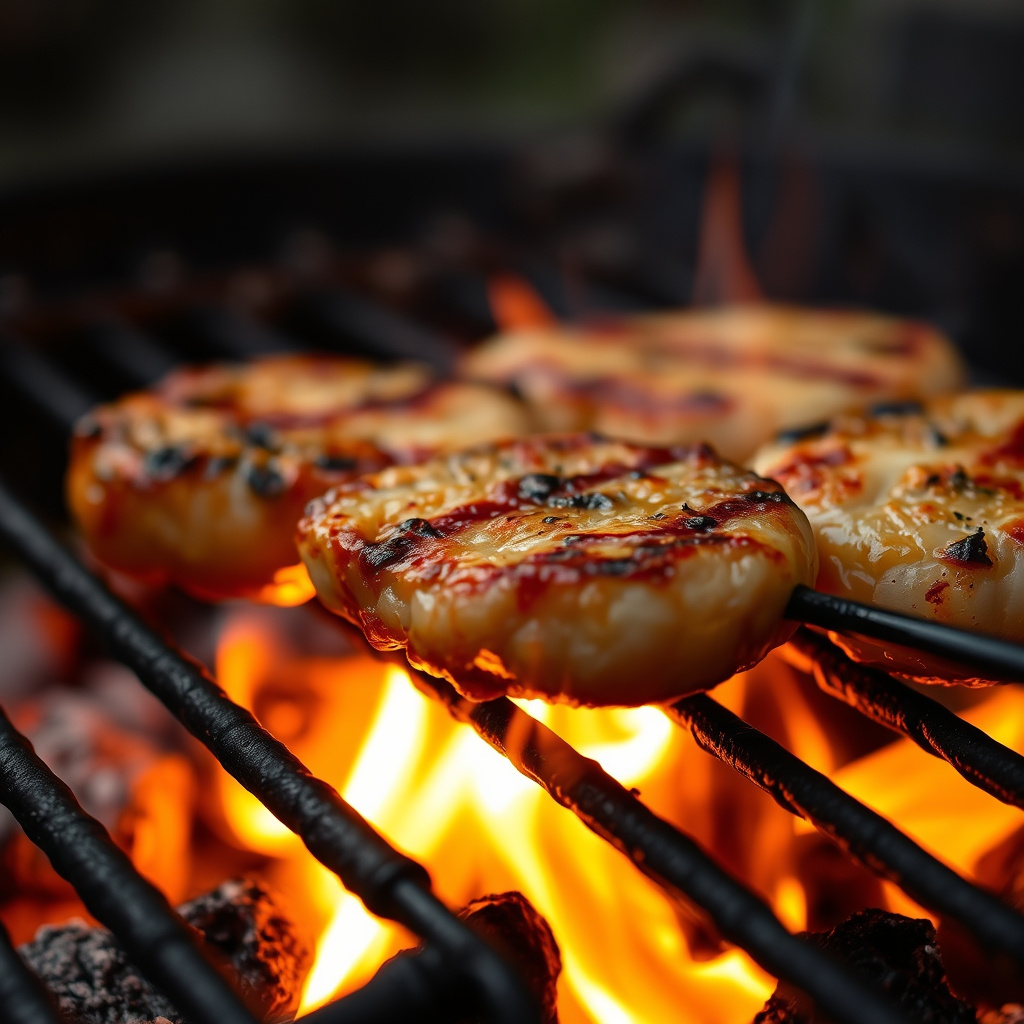
Direct heat grilling involves placing food directly above the heat source on a grill surface. This can be from gas burners, charcoal, or wood flames. The intense heat rapidly cooks the exterior of the food, creating seared grill marks and enhancing flavor through the Maillard reaction.
The heat levels in direct grilling usually range from 450 to 650°F (232 to 343°C), making it perfect for foods that don’t require long cooking times. This method emphasizes quick cooking, so timing and temperature control are key.
Differences from Indirect Heat Grilling
Indirect heat grilling places food away from direct flame—either to the side or on an elevated rack—allowing it to cook more slowly and evenly, much like roasting. In this method, the grill acts like an oven.
Direct heat grilling, by contrast, results in faster cooking and a more intense sear, ideal for thin or small cuts of meat and vegetables that benefit from high heat exposure.
Choosing the Right Foods for Direct Heat Grilling
Best Meats for Direct Heat Grilling
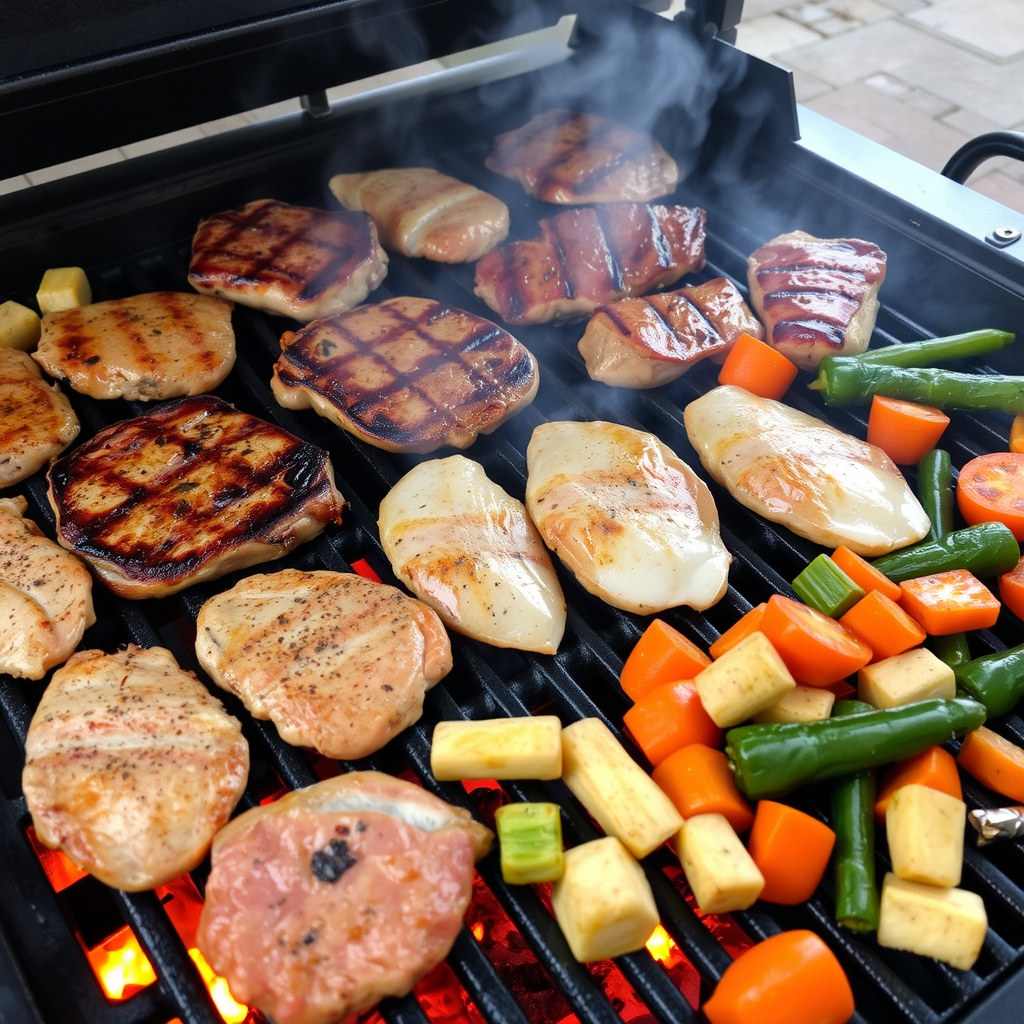
Cuts like steaks, hamburgers, hot dogs, pork chops, and seafood fillets are prime candidates for direct heat grilling because they cook relatively fast. The high heat quickly sears their surface, retaining moisture inside.
Thin cuts and smaller portions benefit most. For thicker or tougher cuts, direct heat alone may result in burning before thoroughly cooking the inside, so indirect methods or a combination are better for those.
Vegetables and Other Items Suited to Direct Heat
Vegetables with lower moisture content or those cut into smaller pieces, such as bell peppers, mushrooms, asparagus, and corn, grill well over direct heat. They develop caramelized edges while cooking through swiftly.
Delicate items like fish or thin-skinned vegetables need attentive grilling to avoid flare-ups and burning, requiring close supervision when using direct heat.
Controlling Temperature and Managing Flare-Ups
Maintaining the Right Temperature for Direct Heat
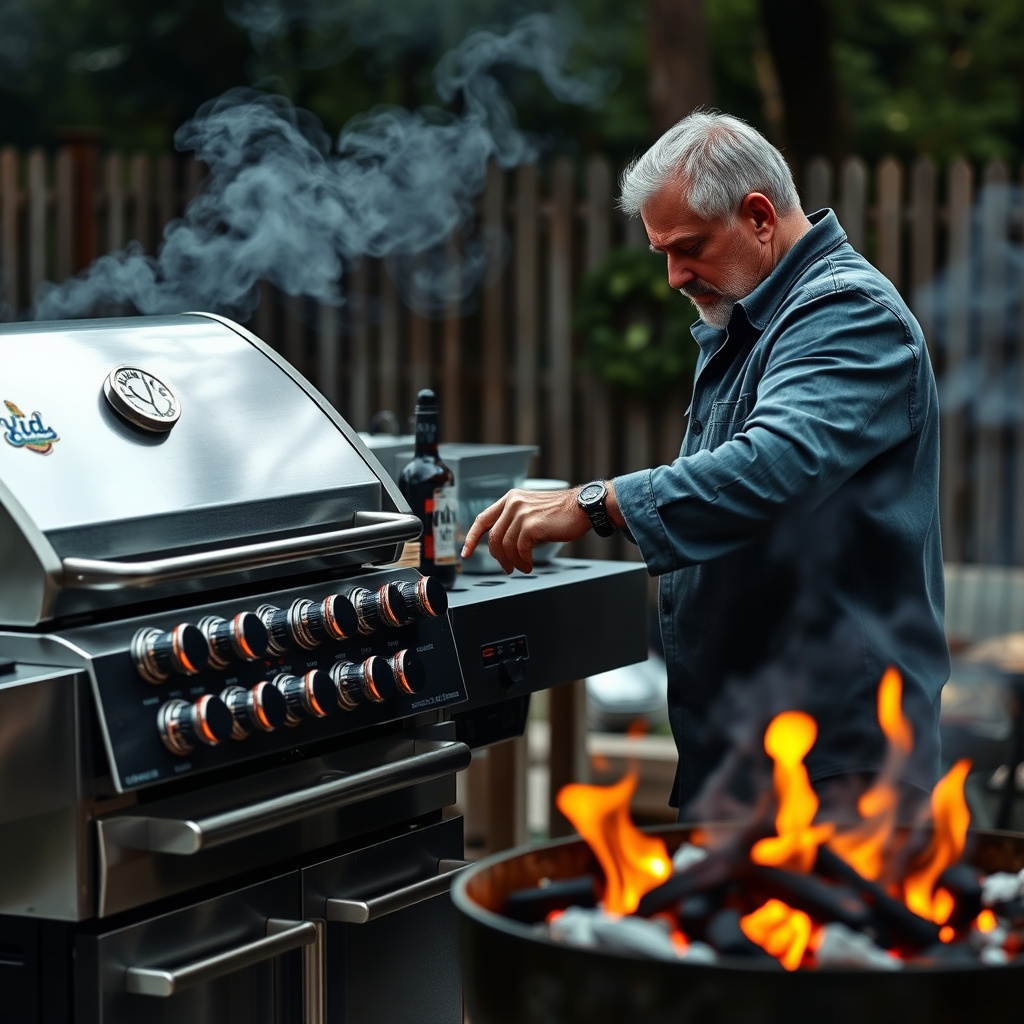
Consistent high heat is crucial for direct heat grilling. Gas grills offer precise temperature control via adjustable knobs, while charcoal requires managing airflow and coal arrangement to maintain steady heat.
Using a grill thermometer gives accurate measurements, helping the cook avoid under- or over-heating the grill surface.
For more on this, see our related guide: What Is High Heat on a Gas Grill? Understanding Temperature for Perfect Grilling.
Dealing with Flare-Ups
Flare-ups happen when dripping fat ignites on the flames, potentially charring food. Keeping a spray bottle of water nearby helps quickly douse flames during direct grilling.
Trimming excess fat from meats and grilling leaner cuts reduce flare-ups. Maintaining a clean grill also minimizes grease build-up that causes sudden flames.
- Use spray bottle to control flames
- Trim excess fat before grilling
- Keep grill grates clean to prevent grease fires
Advantages and Disadvantages of Direct Heat Grilling
Key Benefits of Direct Heat Grilling
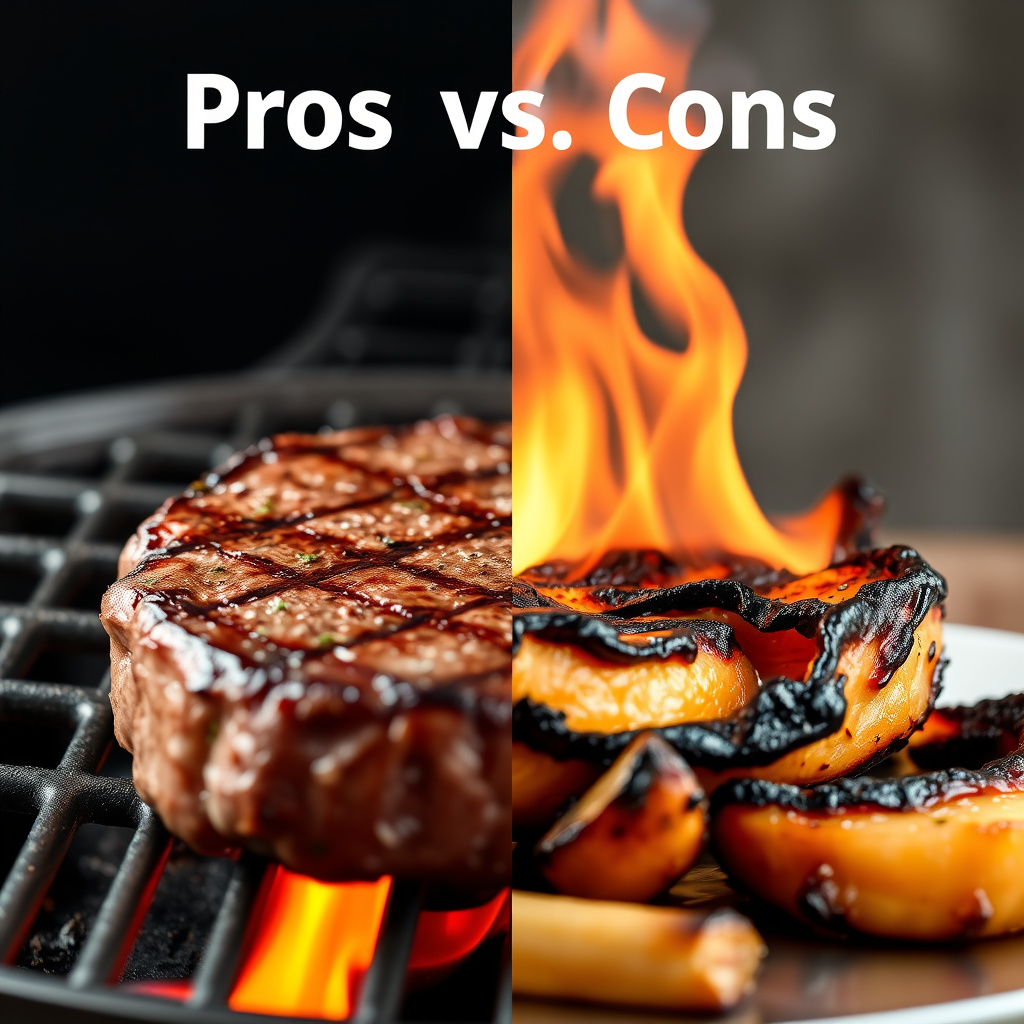
Direct heat grilling cooks food quickly while imparting authentic smoky flavors and crisp textures. The method allows for attractive grill marks and caramelization seldom achieved through other cooking styles.
It’s also straightforward, appealing to those who want fast meal preparation and enjoy the sensory experience of cooking over an open flame.
- Fast cooking times
- Enhanced flavor via searing and smoke
- Visually appealing grill marks
Common Drawbacks and Limitations
Since direct heat grills with intense heat, it can easily burn or dry out food if neglected. It requires careful timing and attention, especially with delicate items.
This method isn’t suitable for thicker or tougher cuts that need slow cooking to become tender, limiting its use for certain recipes.
- Risk of burning or charring
- Not ideal for thick or tough cuts
- Requires close attention while grilling
Tips for Beginners on Direct Heat Grilling
Starting with the Right Tools and Setup
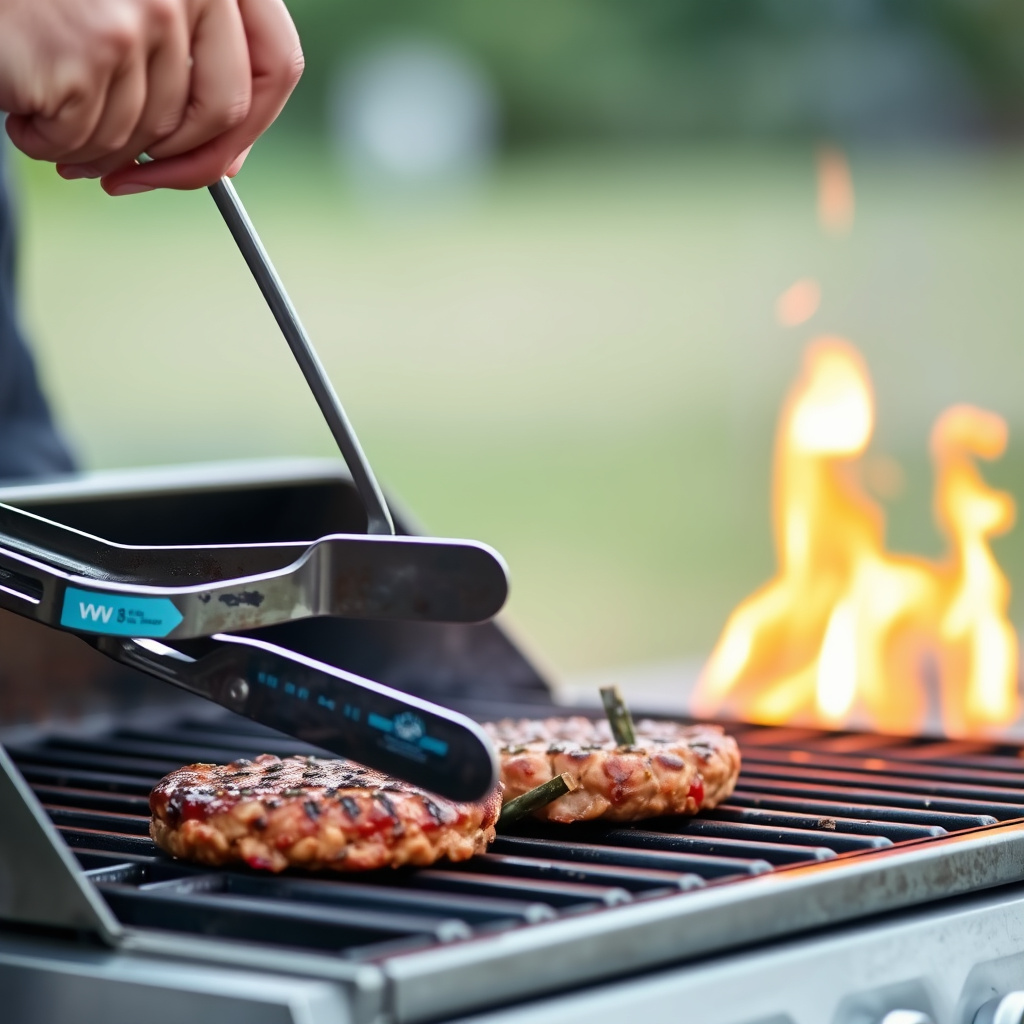
Begin by seasoning food and preheating the grill for about 10-15 minutes to reach proper direct heat temperatures. Use long-handled tools to manage food safely and avoid burns.
Have your grill cleaned of old debris to prevent flavor contamination and flare-ups. Using a good-quality grill grate helps distribute heat evenly across the surface.
- Preheat grill adequately
- Use long-handled tongs and spatulas
- Keep grill clean before use
For more on this, see our related guide: Understanding What Medium Heat on a Grill Means for Perfect Cooking.
Mastering Cooking Times and Techniques
Learn approximate cooking times for common foods and adjust as needed based on thickness and heat intensity. Resist flipping food too often to allow proper searing.
Use a meat thermometer when possible to avoid overcooking, checking internal temperatures to gauge doneness.
- Avoid frequent flipping to enhance grill marks
- Use a meat thermometer for accuracy
- Adjust cooking time to thickness and heat
Direct Heat Grilling Safety Precautions
Handling Heat and Flames Safely
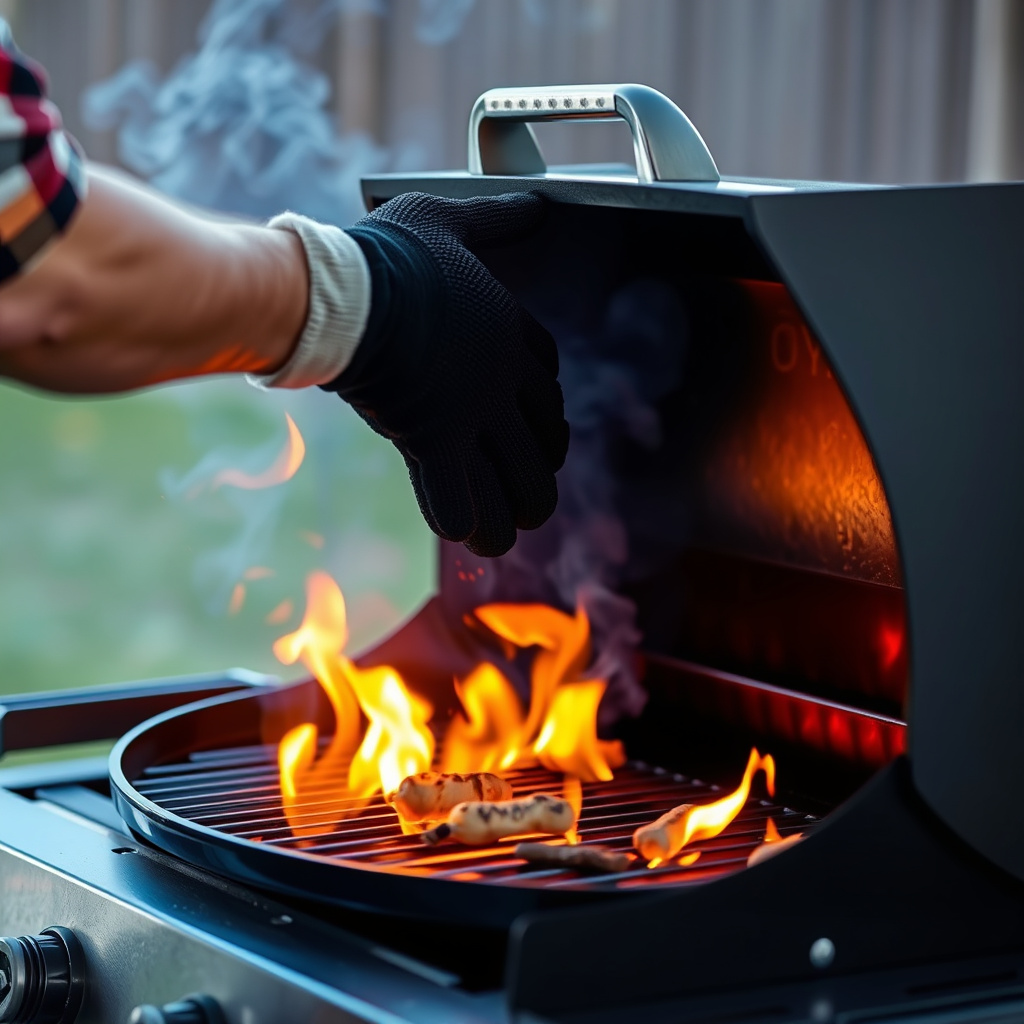
Wear heat-resistant gloves and use proper grilling tools to protect yourself from burns. Avoid loose clothing that could catch fire.
Open and close the grill lid carefully, ensuring you don’t expose yourself to sudden flames or smoke bursts.
- Wear heat-resistant gloves
- Use proper grill tools
- Be cautious when handling grill lid
For more general details about grilling techniques, the Grilling article on Wikipedia provides helpful background. Grilling techniques explanation on Wikipedia.
Location and Ventilation
Set up your grill in a well-ventilated outdoor area, away from structures, trees, or flammable materials. Never use a grill inside enclosed spaces, as carbon monoxide buildup can be deadly.
Keep a fire extinguisher or water source nearby in case of emergencies to quickly control accidental fires.
- Grill outdoors in a ventilated space
- Keep away from flammable objects
- Have fire control equipment close by
Direct Heat Grilling vs. Indirect Heat Grilling
Here’s a straightforward comparison of direct and indirect heat grilling, highlighting their key differences and best uses.
| Aspect | Direct Heat Grilling | Indirect Heat Grilling |
|---|---|---|
| Heat Source Location | Food placed directly over flame or coals | Food placed beside or above heat source, not directly over flame |
| Cooking Speed | Fast, typically under 20 minutes | Slower, can take 30-60 minutes or more |
| Best For | Thin cuts, quick-cooking foods | Thicker cuts, roasts, and delicate items |
| Flavor Characteristics | Strong sear, smoky flavor | Gentle cooking, less charring |
| Temperature Range | High heat (450-650°F) | Lower heat (225-350°F) |
| Risk of Burning | Higher if unattended | Lower due to indirect heat |
Frequently Asked Questions
Can I use direct heat grilling for chicken?
Yes, boneless chicken breasts or thighs work well with direct heat grilling because they cook relatively quickly. Whole chickens or bone-in pieces usually need indirect heat to cook thoroughly without burning outside.
Do I need to flip food frequently on a direct heat grill?
Frequent flipping can interfere with proper searing. It’s better to flip food only once or twice to develop distinct grill marks and avoid drying out the meat.
How do I prevent flare-ups when using direct heat?
Trim excess fat from meats, keep a spray bottle of water handy to douse sudden flames, and maintain a clean grill surface to reduce grease buildup that causes flare-ups.
Is direct heat grilling suitable for vegetables?
Absolutely. Vegetables like peppers, mushrooms, and asparagus grill well directly over heat if cut appropriately and watched carefully to prevent burning.
Can I combine direct and indirect heat grilling?
Yes, many grillers start with direct heat for searing and then move food to indirect heat to finish cooking slower and more evenly.
Key Takeaways
- Direct heat grilling cooks food directly over the heat source for fast searing.
- Best for thin cuts of meat, seafood, and many vegetables.
- Requires close attention to manage flare-ups and avoid burning.
- Combining direct and indirect grilling expands your cooking options.
Conclusion
Understanding direct heat grilling is essential for anyone wanting to bring out distinct flavors and textures in their grilled food. Recognizing that this technique involves placing food directly over a high-heat source clarifies when and how to use it effectively. Careful timing and temperature control prevent burning, making the difference between ordinary and delicious grilled meals.
For quick-cooking foods like steaks, burgers, and certain vegetables, direct heat grilling offers an unmatched sear and smoky aroma. Meanwhile, thicker cuts or delicate items benefit from indirect heat or a combined approach. Beginners should start with simple cuts and gradually learn to control flare-ups and heat zones to maximize results. Studying these techniques transforms backyard grilling into a satisfying culinary experience.
If you’re ready to try direct heat grilling, preheat your grill, choose appropriate foods, and monitor cooking closely. Using tools like meat thermometers and spray bottles can help you handle challenges confidently. With practice, you’ll master creating perfectly grilled dishes characterized by beautiful sear marks and savory flavors that others will envy.



