
Medium heat on a grill generally refers to cooking temperatures between 325°F and 375°F. This level of heat allows you to cook foods evenly without burning the exterior quickly, making it ideal for a wide variety of meats, vegetables, and even fruits.
Knowing how to identify and maintain medium heat is essential for achieving balanced cooking results. At this temperature range, the grill provides enough heat to brown and caramelize foods while keeping them juicy inside, helping you avoid both undercooked centers and over-charred surfaces.
This article will cover different methods to measure medium heat on a grill, typical foods best suited for this heat level, grill setup tips, and safety considerations. Understanding these details helps you confidently cook delicious meals outdoors.
What Defines Medium Heat on a Grill
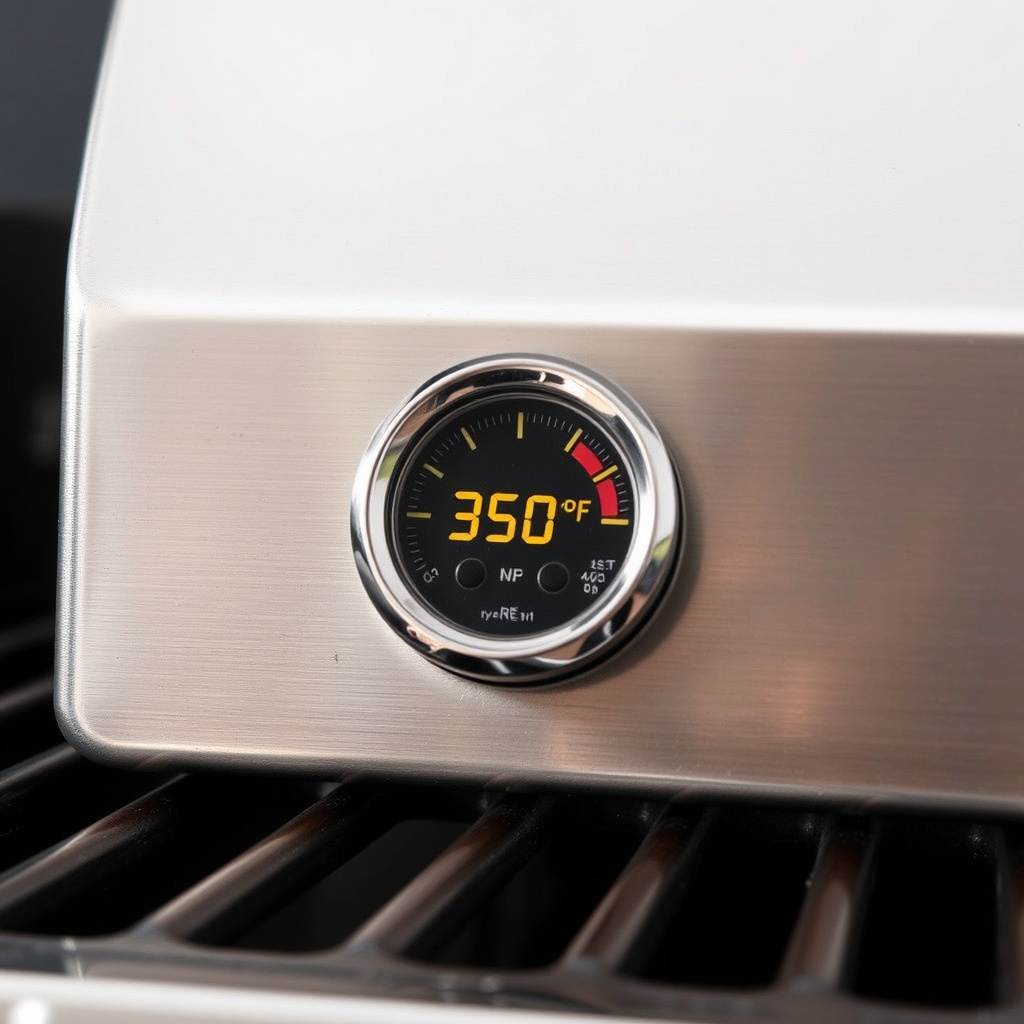
Temperature Range of Medium Heat
Medium heat on a grill is commonly defined as a temperature range between 325°F and 375°F. This range provides enough consistent warmth to cook foods through without excessive charring.
Many grills have built-in thermometers or separate grill thermometers can be used to monitor this range. Achieving medium heat ensures foods cook evenly and helps retain moisture.
How to Measure Medium Heat Without a Thermometer
If you don’t have a temperature gauge, the hand test is a good way to judge medium heat. Hold your hand about 5 inches above the grill grate; if you can keep it there for about 4 to 5 seconds, the heat level is medium.
This method requires practice but gives a quick estimate that’s useful when thermometers aren’t available or the built-in gauge is unreliable.
- Hand test duration: 4-5 seconds for medium heat
- Distance from grill grate: about 5 inches
Common Foods Cooked at Medium Heat
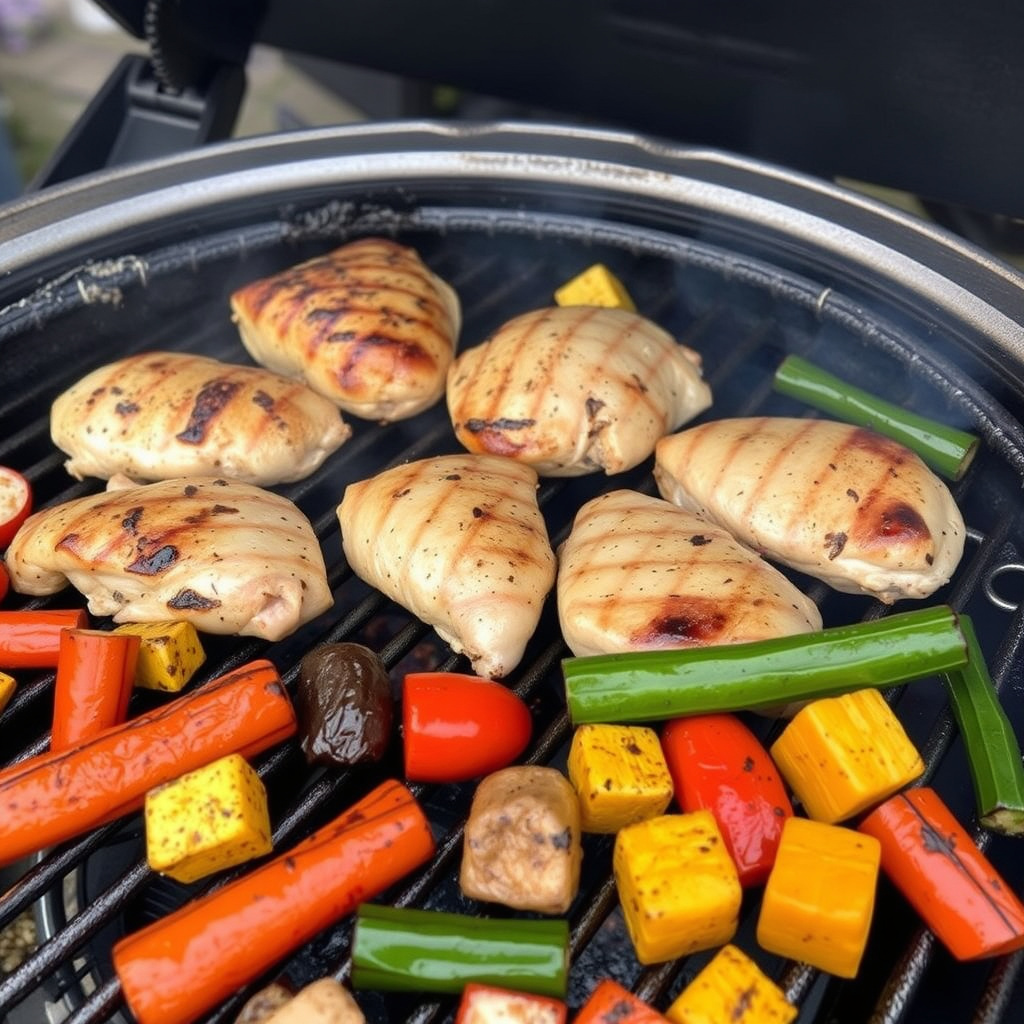
Meat Cuts Suited for Medium Heat
Medium heat works well for cooking thicker cuts like bone-in chicken breasts, pork chops, and medium steaks such as sirloin or ribeye that benefit from slower cooking to prevent burning.
It allows the inside to reach a safe temperature while developing a flavorful crust without excess flare-ups or charring that high heat can cause.
- Bone-in chicken breasts
- Pork chops
- Sirloin and ribeye steaks
Vegetables and Other Items for Medium Heat
Vegetables like bell peppers, zucchini, and corn benefit from medium heat because it avoids quick scorching while softening them nicely. Fruits such as pineapple and peaches also grill well at this temperature range to caramelize natural sugars evenly.
The gradual heat ensures tenderness without losing moisture or creating bitter burnt spots.
- Bell peppers
- Zucchini
- Pineapple slices
- Peach halves
Setting Up Your Grill for Medium Heat
Gas Grill Adjustments
On a gas grill, setting medium heat typically involves turning burners to medium settings or about half power. Allow the grill to preheat fully with the lid closed for 10–15 minutes to stabilize the temperature.
Some models have temperature indicators making this easier; if not, a dedicated grill thermometer will help maintain the correct heat during cooking.
- Set burners to medium or half power
- Preheat with lid closed for 10–15 minutes
- Use a thermometer for best accuracy
For more on this, see our related guide: What Is the Best Temperature for Grilling: A Practical Guide.
Charcoal Grill Techniques
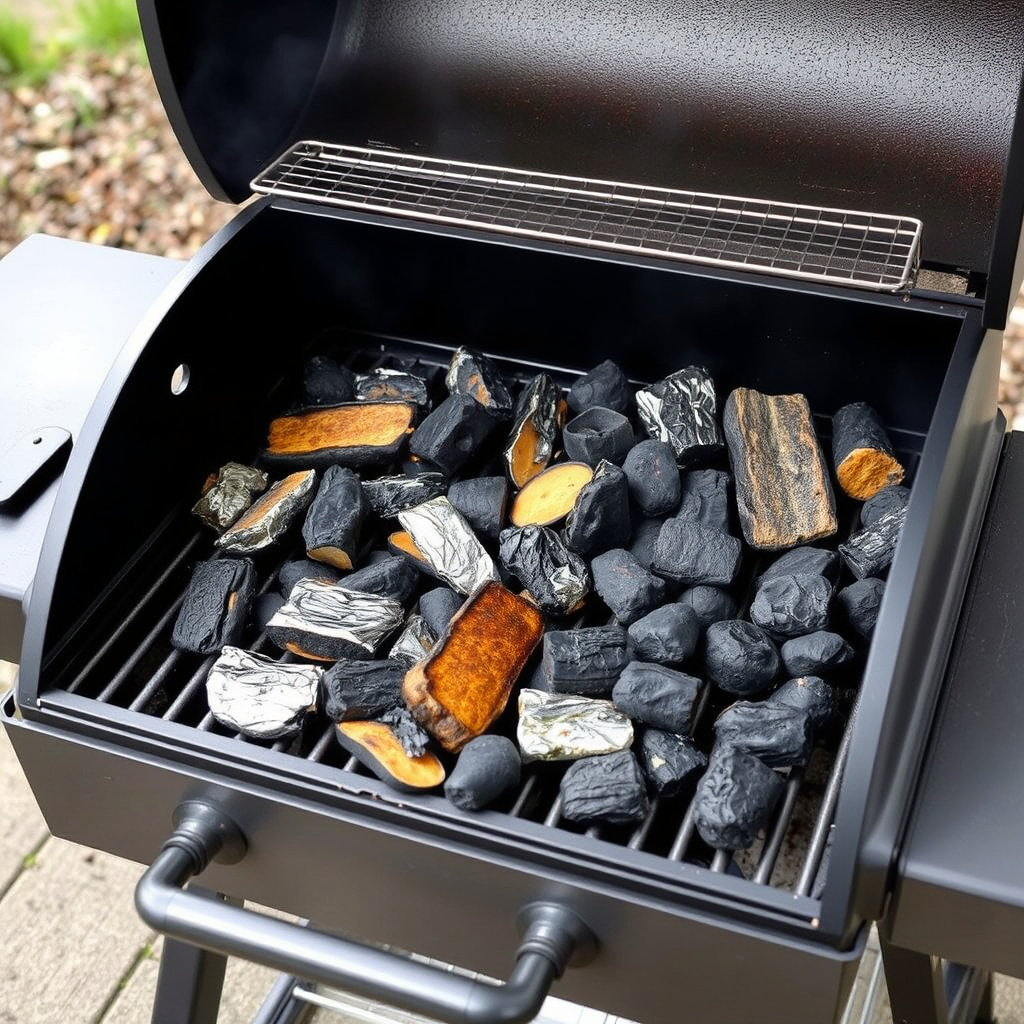
To achieve medium heat on a charcoal grill, arrange coals evenly in a single layer for direct medium heat or bank them on one side for two zones: medium direct heat and low indirect heat.
Let the coals ash over and stabilize before cooking, and use the grill vents to control airflow and temperature. Adjust vents to reduce oxygen flow if heat climbs too high.
- Even coal layer or two-zone setup
- Wait for ash coating on coals
- Adjust vents to control airflow
Maintaining Medium Heat During Grilling
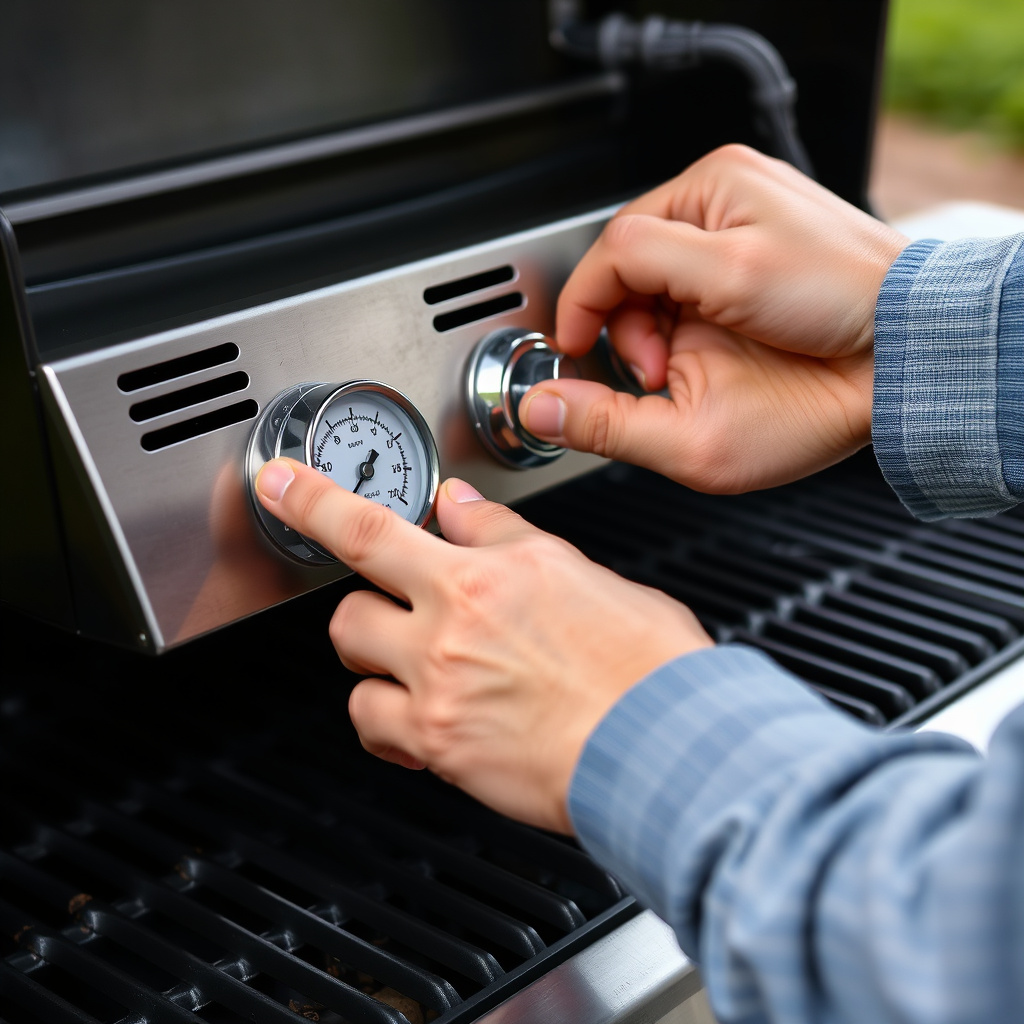
Temperature Monitoring Tips
Regularly check your grill’s temperature using a reliable thermometer to keep it within the medium heat range. Built-in gauges can be inaccurate, so consider an external grill thermometer probe.
Open the lid only when necessary to avoid heat loss and fluctuations that make control more difficult.
- Use an external grill thermometer
- Limit opening the grill lid
- Check temperature every 10-15 minutes
Adjusting for Weather Conditions
Wind, outdoor temperature, and humidity can all influence your grill’s temperature. On windy days, your fire may burn hotter, so adjust vents accordingly to reduce oxygen flow.
Cold weather might require more fuel or keeping the lid closed longer to maintain medium heat during cooking.
- Reduce airflow on windy days
- Add more fuel in cold weather
- Keep lid closed to maintain temperature
Safety and Temperature Guidelines for Medium Heat
Ensuring Food Safety at Medium Heat
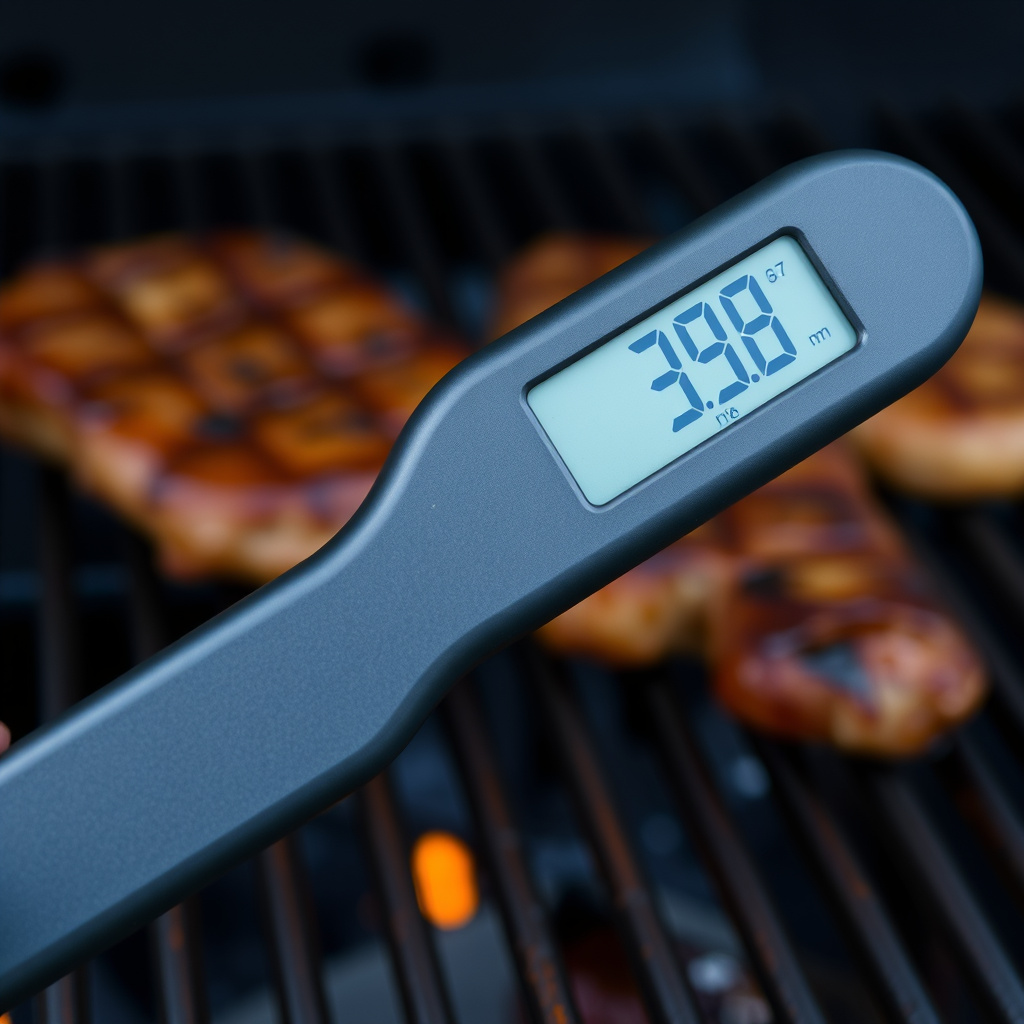
While medium heat allows for effective cooking, always use a food thermometer to check internal temperatures rather than relying solely on grill heat.
For example, chicken should reach an internal temperature of 165°F, and pork should reach at least 145°F with a rest period, regardless of grill settings.
- Check internal meat temperatures
- Use a reliable meat thermometer
- Follow USDA guidelines for safe temperatures
For more on this, see our related guide: What Temperature to Grill Vegetables for Perfect Results Every Time.
Preventing Flare-Ups and Burns
Medium heat helps minimize flare-ups caused by dripping fat but keep a spray bottle of water handy just in case. Avoid excessive oiling of foods or grills, which can ignite unexpectedly.
Grill in a well-ventilated area and monitor flames throughout the cooking process for safety.
- Keep spray bottle nearby for flare-ups
- Limit use of excess oil
- Grill in well-ventilated outdoor spaces
Using the Grill Temperature Guide to Improve Results
How a Grill Temperature Guide Helps
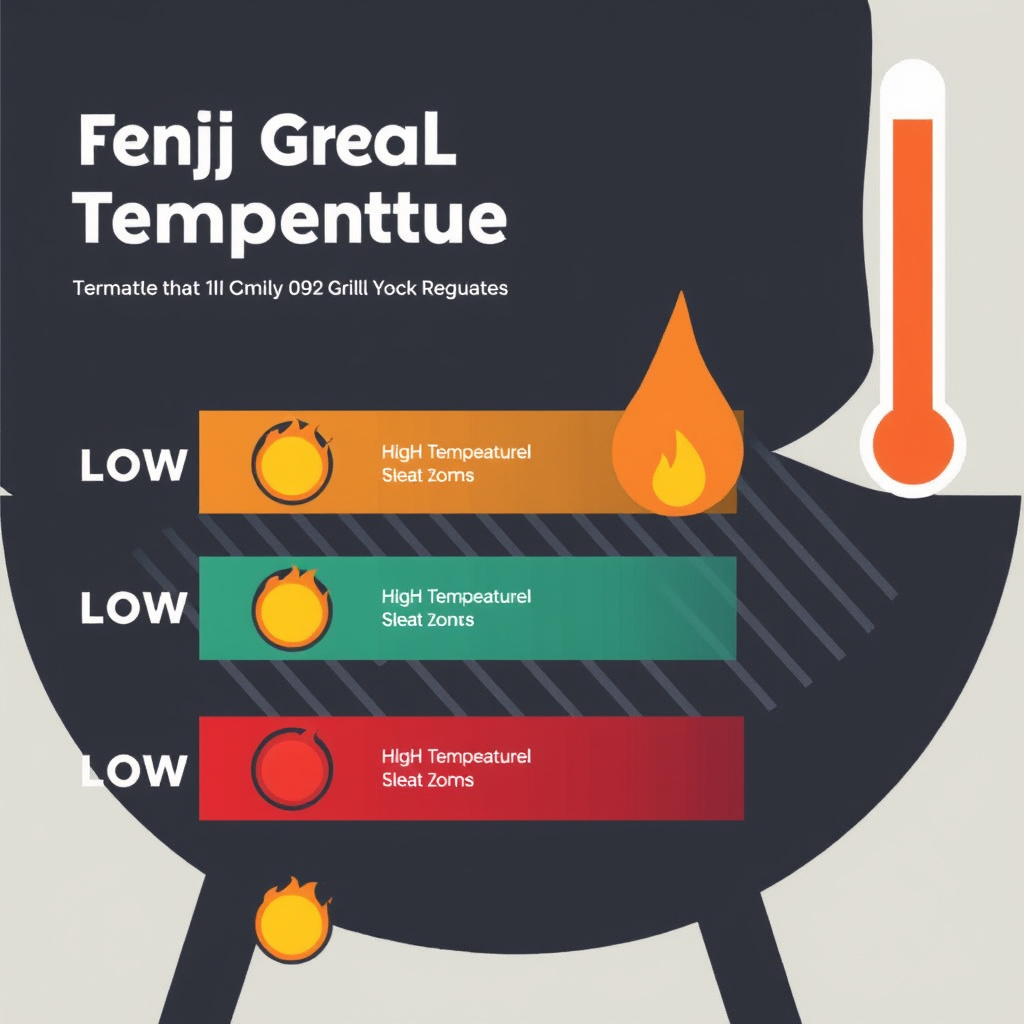
A grill temperature guide provides a useful visual for understanding what low, medium, and high heat settings correspond to in degrees Fahrenheit or Celsius, helping you select the right cooking zone.
This knowledge makes grilling more precise and consistent, taking guesswork out of cooking times and temperature management.
For more detailed information on temperature ranges and grilling techniques, visit this comprehensive resource on barbecue cooking. grill temperature guidelines.
Implementing a Guide in Your Grill Setup
Many outdoor cooking resources and manufacturers offer printable or digital grill temperature guides that map burner settings or charcoal placements to approximate temperatures.
Using one can enhance your skill by making medium heat easier to achieve and maintain for a variety of meals.
Types of Grill Heat Zones Compared
This table compares low, medium, and high heat zones commonly found on grills and their best uses for cooking different foods.
| Heat Zone | Temperature Range (°F) | Typical Cooking Time | Best Food Types |
|---|---|---|---|
| Low Heat | 225-300 | Long (20-60+ mins) | Slow-cooked meats, delicate fish, vegetables |
| Medium Heat | 325-375 | Medium (10-30 mins) | Chicken breasts, pork chops, vegetables |
| High Heat | 400-550+ | Short (5-15 mins) | Steaks, burgers, quick sears |
Frequently Asked Questions
How can I tell if my grill is at medium heat without a thermometer?
Try the hand test by holding your hand about 5 inches above the grill. If you can keep it there for 4 to 5 seconds before it feels too hot, that indicates medium heat.
What kinds of foods should I avoid cooking on medium heat?
Thin or delicate foods like fish fillets or very tender vegetables often cook better on lower heat to avoid drying out or burning quickly.
Does medium heat on a charcoal grill differ from a gas grill?
The temperature range is similar, but how you achieve medium heat differs. Charcoal requires careful coal placement and vent adjustment, whereas gas grills use burner controls.
Why is it important to let the grill preheat before cooking at medium heat?
Preheating stabilizes the cooking temperature, allowing for even heat distribution and better searing, which results in more consistent cooking.
Can I use medium heat for smoking meats?
Medium heat is generally too hot for traditional smoking, which requires lower and slower temperatures around 225°F to 275°F to infuse smoke flavor effectively.
Key Takeaways
- Medium heat on a grill is 325°F to 375°F, ideal for even cooking without excessive burning.
- Use a hand test or thermometer to gauge medium heat accurately on your grill.
- Medium heat suits a variety of meats like chicken breasts and pork chops, plus vegetables and fruits.
- Controlling airflow and preheating help maintain consistent medium heat for best grilling results.
Conclusion
Understanding what medium heat means on a grill is foundational for grilling success. It’s the temperature range that balances efficient cooking time with thorough heat penetration, allowing food to brown nicely on the outside while staying juicy inside. By relying on temperature ranges between 325°F and 375°F, and using tools like thermometers or the hand test, grillers can confidently control their cooktop environment. This knowledge empowers you to match heat zones with the foods you’re preparing, resulting in tastier, reliably cooked meals without guesswork or constant monitoring.
If you typically cook thicker cuts like bone-in chicken breasts, pork chops, or medium steaks, medium heat is your best choice because these cuts need slower, steady cooking to reach safe internal temperatures without burning prematurely. Vegetables such as bell peppers and zucchini, as well as grilling fruit slices like pineapple, also respond well to medium heat, softening and caramelizing evenly. For gas grills, adjusting burners to half power and preheating ensures a stable medium heat zone. With charcoal grills, using two-zone setups with coals banked on one side makes medium and indirect cooking more manageable, helping prevent flare-ups and burnt spots.
To start putting this into practice, try using an external grill thermometer to consistently hit and maintain medium heat, and experiment with the hand test to develop your feel for it. Adjust your burner settings or charcoal layout accordingly, and always rely on food thermometers to confirm when meats are safely cooked. With experience, grilling at medium heat will become intuitive and enhance the flavor and texture of your dishes. Taking these practical steps will elevate your outdoor cooking and enjoy consistently delicious results every time you fire up the grill.



