
The ideal grilling time for salmon depends primarily on the thickness of the fillet but generally ranges from 6 to 10 minutes total, usually around 4-5 minutes per side. Proper timing ensures the fish is cooked through but remains moist and flaky without overcooking. For a salmon fillet about 1 inch thick, grilling on medium-high heat for about 8 minutes total is an effective rule of thumb.
Grilling salmon properly matters because overcooking can dry the delicate flesh, while undercooking may leave it too raw or unsafe. Salmon’s rich fat content helps it stay moist during grilling, but understanding the right duration and heat level is key to highlighting its natural flavors. Achieving a perfect grilled salmon elevates both casual and special meals with its appealing texture and taste.
In this article, we’ll explore how long to grill salmon with detailed timing based on thickness and heat, tips on controlling temperature, marinating options that complement grilled salmon, choosing the right grill setup, and how to check doneness. We will also compare grilling methods and answer common questions about grilling salmon for both beginners and seasoned cooks.
Understanding How Long to Grill Salmon for Best Results
Timing Based on Thickness
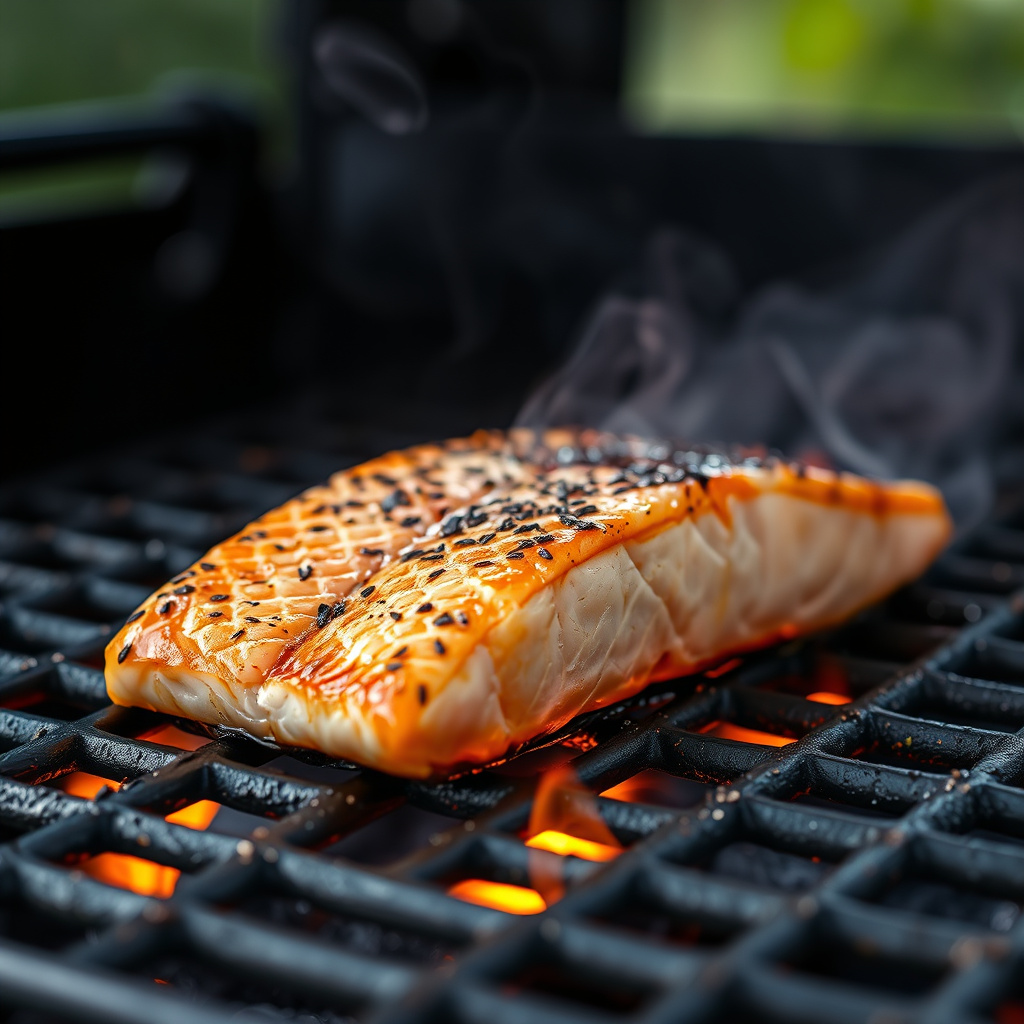
Salmon thickness significantly influences grilling time. For fillets under 1 inch thick, a total grilling time of 6 minutes is usually adequate, flipping halfway through. Thicker cuts between 1 to 1.5 inches require about 8 to 10 minutes. It’s important to flip the fish gently to prevent breakage and grill evenly on both sides.
Using a timer and paying attention to visual cues—like the fish becoming opaque and flakes starting to separate—can help guide when the salmon is done. Over time, the flesh will firm up and turn lighter pink, signaling readiness without tasting every piece.
- Less than 1 inch thick: 3 min per side
- 1 inch to 1.5 inch thick: 4-5 min per side
- Thicker than 1.5 inch: consider indirect grilling for longer
Impact of Grill Heat on Cooking Time
The cooking temperature of the grill shapes how quickly the salmon cooks. Medium to medium-high heat, around 375-400°F (190-205°C), provides a balance where the outside crisps without burning while the interior cooks through gently.
Grilling salmon over too high a heat risks charring the surface before the center cooks, whereas low heat forces prolonged cooking that can dry out the fish. Monitoring the grill's temperature with a reliable thermometer helps maintain the best heat for proper timing.
- Medium-high heat: 375-400°F
- Avoid flare-ups to prevent burning
- Use grill thermometer for accuracy
Techniques for Perfectly Grilled Salmon
Using Direct vs. Indirect Heat
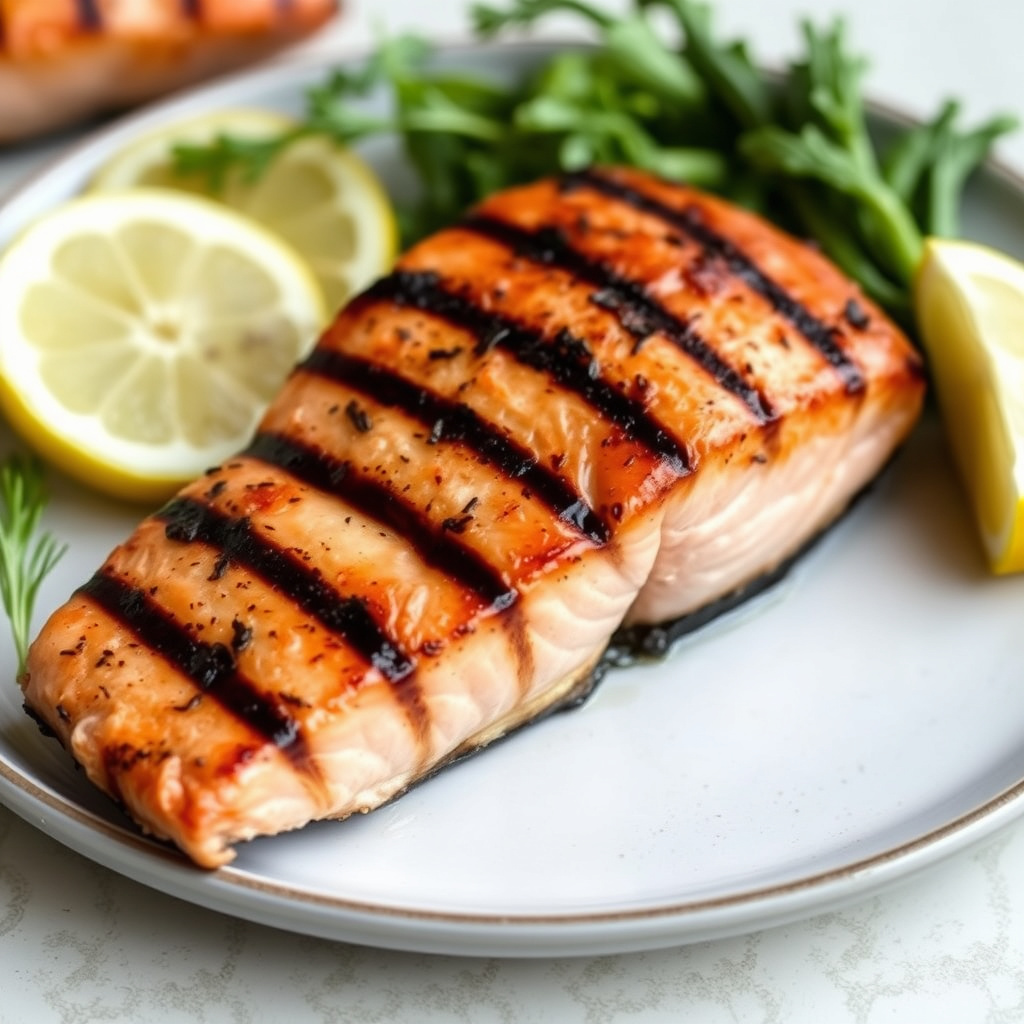
Direct heat means cooking salmon directly over the coals or flames and is ideal for thinner cuts that cook quickly. Indirect heat involves placing the salmon next to, not above, the heat source, useful for thicker fillets requiring extended cooking without burning.
A combined method often works best: start salmon skin-side down over direct medium heat to sear and get grill marks, then move to indirect heat to finish cooking through evenly without flare-ups or overcooking.
- Direct heat for thinner fillets
- Indirect heat for thick or whole sides
- Combination for balanced cooking
For more on this, see our related guide: How to Grill Kabobs Perfectly Every Time: A Step-by-Step Guide.
Proper Resting After Grilling
Allowing grilled salmon to rest for 3-5 minutes after pulling it off the grill helps redistribute juices, preventing a dry texture. Resting also finalizes the cooking process as carryover heat cooks the fillet slightly more.
Covering the salmon loosely with foil during resting keeps it warm while avoiding stewing or sogginess. This small step elevates the texture and flavor for a more satisfying result.
- Rest salmon 3-5 minutes
- Cover loosely with foil
- Enhances juiciness and flavor
Preparing Salmon for Grilling
Marinating Salmon Before Grilling
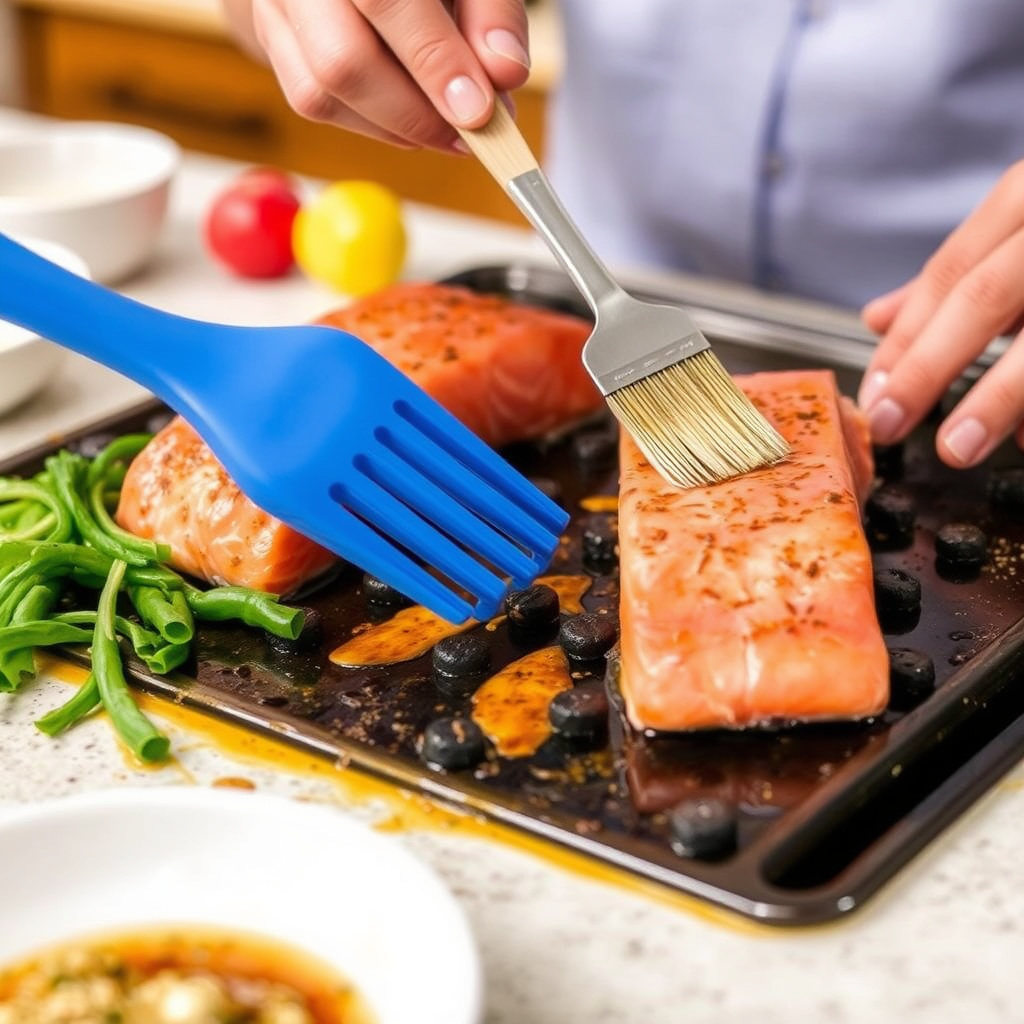
Marinades add flavor and moistness but should be used with care so they don’t overpower the salmon’s natural taste. A simple marinade with olive oil, lemon juice, garlic, and herbs brightens the flavor while helping protect the flesh during grilling.
Limit marinating time to 15-30 minutes. Longer marinades, especially those with acid like lemon or vinegar, can begin to cure the flesh and change texture. Always pat dry before placing salmon on the grill to reduce flare-ups.
- Use mild oil-based marinade
- Marinate 15-30 minutes max
- Pat dry before grilling
Choosing the Right Salmon Cut
Fillets and steaks are the two main cuts for grilling. Fillets are boneless and cook evenly, perfect for quick cook times, while steaks, which include bone, take a bit longer and offer firmer textures.
Select fresh, firm, bright pink salmon with skin on to hold the fish together and provide added flavor when grilled. Skin also helps keep the fish moist during the grilling process.
- Fillet: boneless, cooks quicker
- Steak: bone-in, firmer texture
- Skin-on preferred for grilling
Checking Doneness and Avoiding Overcooking
Visual and Tactile Cues for Doneness
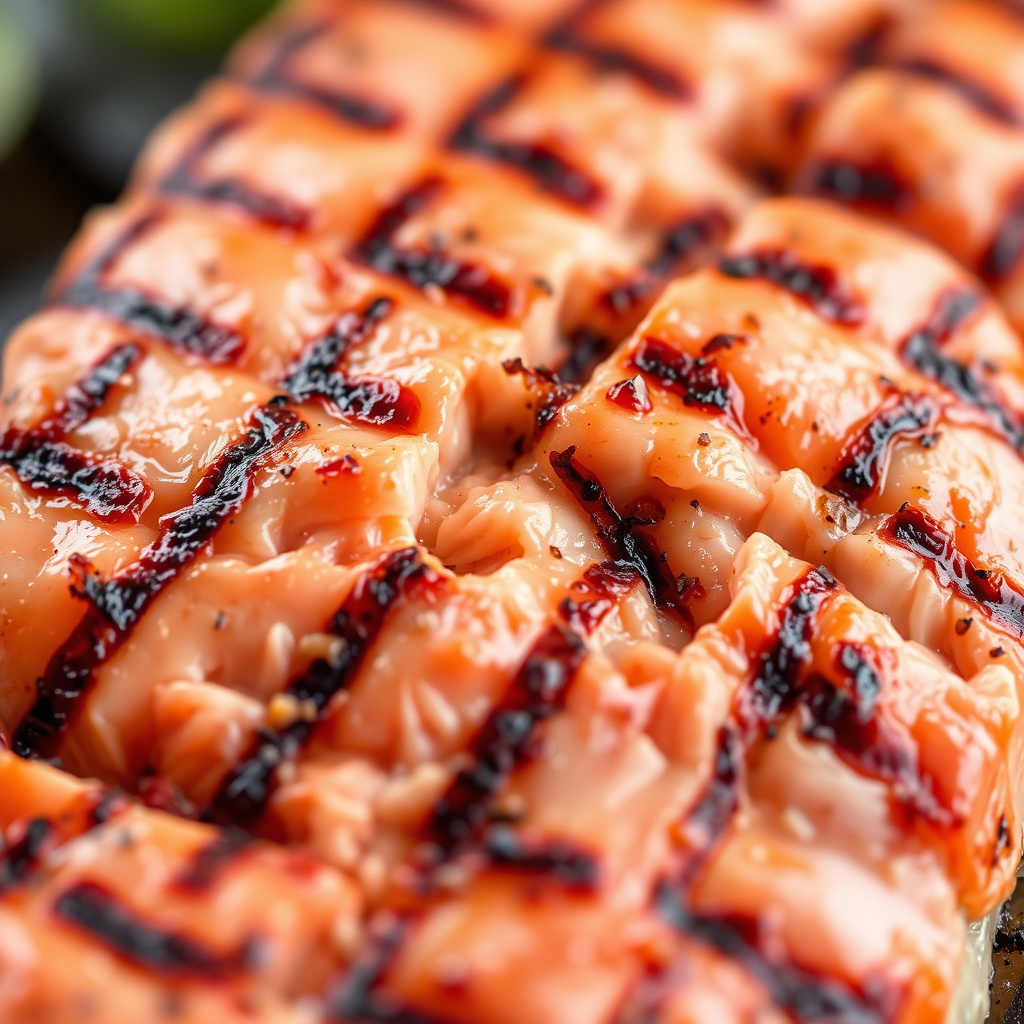
A perfectly grilled salmon fillet will have opaque flesh that flakes easily with a fork but remains moist. The center might appear slightly translucent but should no longer look raw.
Press the thickest part gently; if it feels firm but springs back, the salmon is likely done. Using these cues instead of relying only on time helps prevent overcooking that dries out the flesh.
- Flesh looks opaque and flaky
- Slightly springy texture
- No raw or translucent spots
For more on this, see our related guide: How to Grill Fish Perfectly: Tips for Juicy, Flaky Results Every Time.
Using a Thermometer for Precision
A food thermometer offers the most reliable way to judge salmon doneness. Aim for an internal temperature of 125-130°F (52-54°C) for medium doneness, which retains moisture and silky texture.
Higher temperatures around 140°F (60°C) result in firmer, more flaky salmon but risk drying. Instant-read digital thermometers provide quick readings and are recommended for consistent grilling success.
- Target 125-130°F internal temperature
- Use instant-read thermometer
- Avoid exceeding 140°F to keep moist
Additional Tips for Grilling Salmon Successfully
Preventing Sticking to the Grill
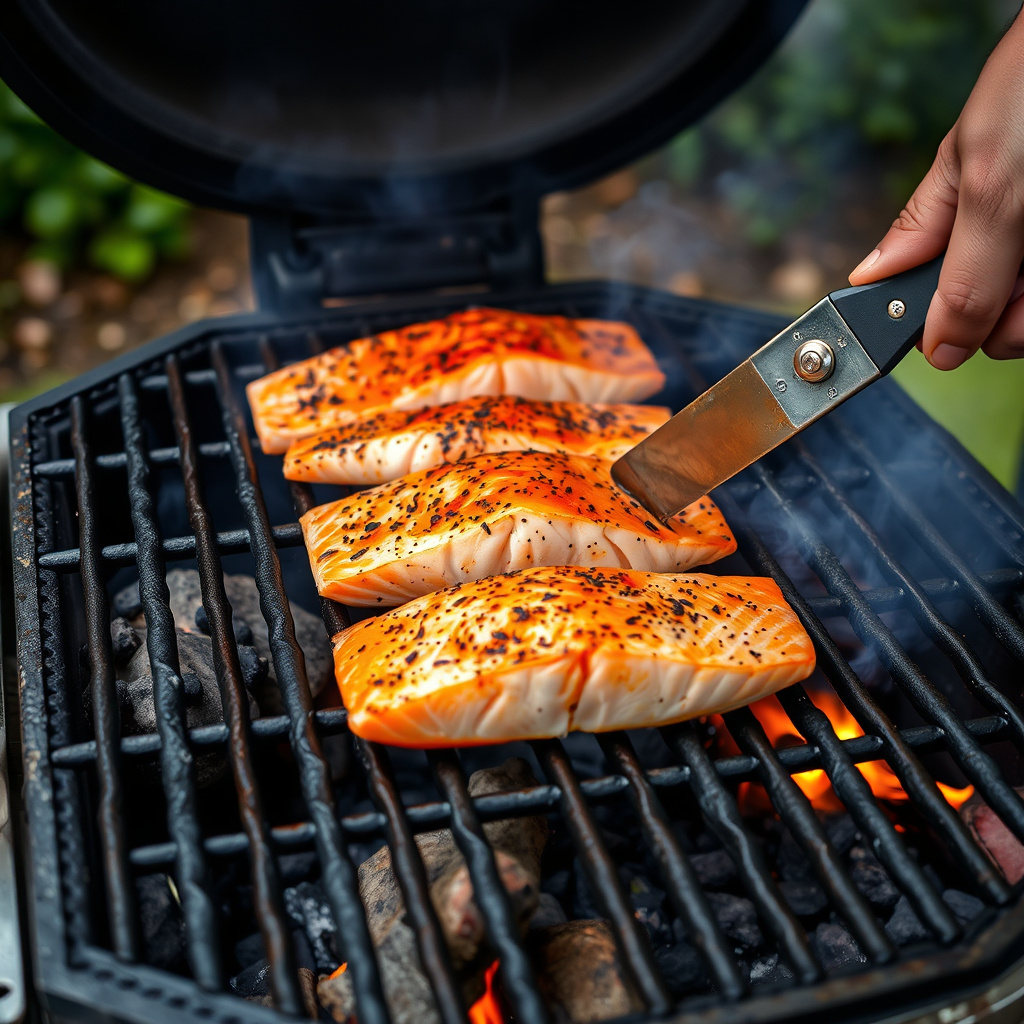
To avoid salmon sticking, preheat the grill well and oil the grates or brush the fish with oil before grilling. Starting with skin-on salmon also helps protect the flesh from sticking.
Use a wide spatula to gently flip the fish and resist moving it prematurely; letting it form a crust before turning reduces breakage and sticking.
- Preheat grill thoroughly
- Oil grates or fish surface
- Flip gently with wide spatula
For more detailed insights on the culinary preparation of salmon, including grilling techniques, you can explore this comprehensive resource. Grilling salmon techniques.
Flavor Enhancements While Grilling
Adding wood chips to a charcoal grill or using a smoker box on a gas grill infuses salmon with smoky nuances that elevate the flavor. Citrus slices or fresh herbs placed on the fish during grilling impart subtle aromas.
Avoid heavy sauces applied too early; save glazes or finishing sauces for after grilling to maintain texture and highlight salmon’s natural taste.
- Use wood chips or smoker box
- Add citrus or herbs on grill
- Apply sauces after cooking
Grilling Salmon Methods Comparison
Here’s a comparison of common grilling methods for salmon highlighting cooking time, flavor, and texture outcomes.
| Method | Heat Type | Timing (for 1-inch thick) | Flavor Profile | Texture |
|---|---|---|---|---|
| Direct Heat | Direct flame or coals | 6-8 mins total | Charred, smoky | Crispy exterior, moist inside |
| Indirect Heat | Heat adjacent to flames | 10-15 mins total | Milder smoky | Evenly cooked, tender |
| Combination | Start direct, finish indirect | 8-12 mins total | Balanced char and smoke | Seared outside, flaky inside |
| Plank Grilling | Indirect with wood plank | 12-15 mins total | Wood-infused, rich aroma | Juicy, firm texture |
Frequently Asked Questions
How do I know when salmon is done on the grill?
Salmon is done when it flakes easily with a fork, looks opaque throughout, and reaches an internal temperature of 125-130°F. It should feel firm but springy to the touch without being dry.
Can I grill salmon skinless?
You can grill salmon skinless, but the skin helps hold the fillet together, prevents sticking, and adds flavor. If grilling skinless, oil the fish and grill grates well to reduce sticking.
Should I marinate salmon before grilling?
Marinating salmon enhances flavor and helps with moisture retention if done briefly (15-30 minutes). Avoid long marination to prevent curing the flesh, especially with acidic ingredients.
What’s the best temperature for grilling salmon?
Medium-high heat around 375-400°F is ideal for grilling salmon, offering a balance of even cooking and flavor development without burning the exterior.
How can I prevent salmon from sticking to the grill?
Preheat your grill fully and brush the grates or salmon with oil before cooking. Use skin-on fillets and flip the fish carefully and only when it’s ready to release from the grill.
Key Takeaways
- Grill salmon 6-10 minutes depending on thickness, flipping halfway.
- Maintain medium-high heat (375-400°F) for balanced cooking.
- Use skin-on fillets and proper oiling to prevent sticking.
- Check doneness by opaque flaky flesh and internal temperature of 125-130°F.
Conclusion
Determining how long to grill salmon centers on balancing time and temperature, guided by the fish’s thickness and your grill’s heat. The delicate nature of salmon demands precision to preserve moisture and texture while achieving appealing grill marks and flavor. Cooking too long or too hot risks drying the fish, while insufficient heat leaves it underdone. Using a thermometer or visual cues like flakiness helps confirm doneness reliably.
For everyday grilling, medium-thick fillets cooked 4-5 minutes per side over medium-high heat delivers consistent, tasty results. Thicker pieces benefit from starting on direct heat for a sear and finishing with indirect heat to cook through gently. Incorporating skin-on cuts and brief marinades elevates flavor and minimizes sticking issues. Plank grilling or adding wood chips can provide flavor variations and extended cooking styles based on preference.
Next time you prepare salmon for the grill, measure your fillet thickness and set your grill temperature accordingly. Use the timing guidelines here as a reference but watch for visual signs of readiness. Rest your salmon briefly after grilling for juiciness, and consider experimenting with light marinades or wood flavors to find your favorite style. Perfectly grilled salmon is approachable with practice and attention to these details.



