Lighting a gas grill is a straightforward process that starts with ensuring the propane or natural gas supply is turned on, followed by igniting the burners using the built-in ignition system or a match. The key to safely lighting a gas grill is to open the lid before turning on the gas, then ignite the burners promptly to avoid gas buildup. This approach prevents flare-ups and creates an even flame ready for cooking.
Understanding how to properly light your gas grill matters because improper ignition can lead to dangerous gas accumulation, flare-ups, or uneven heating. Knowing the exact steps and safety precautions can make grilling a safe, enjoyable activity and extend the life of your grill by avoiding damage from repeated improper ignition attempts.
This article covers the step-by-step method to light your gas grill, safety precautions to keep in mind, troubleshooting common ignition problems, and maintenance tips to keep your grill reliable. We'll also discuss ignition tool options and how to manage different types of gas grills.
Preparing Your Gas Grill for Lighting
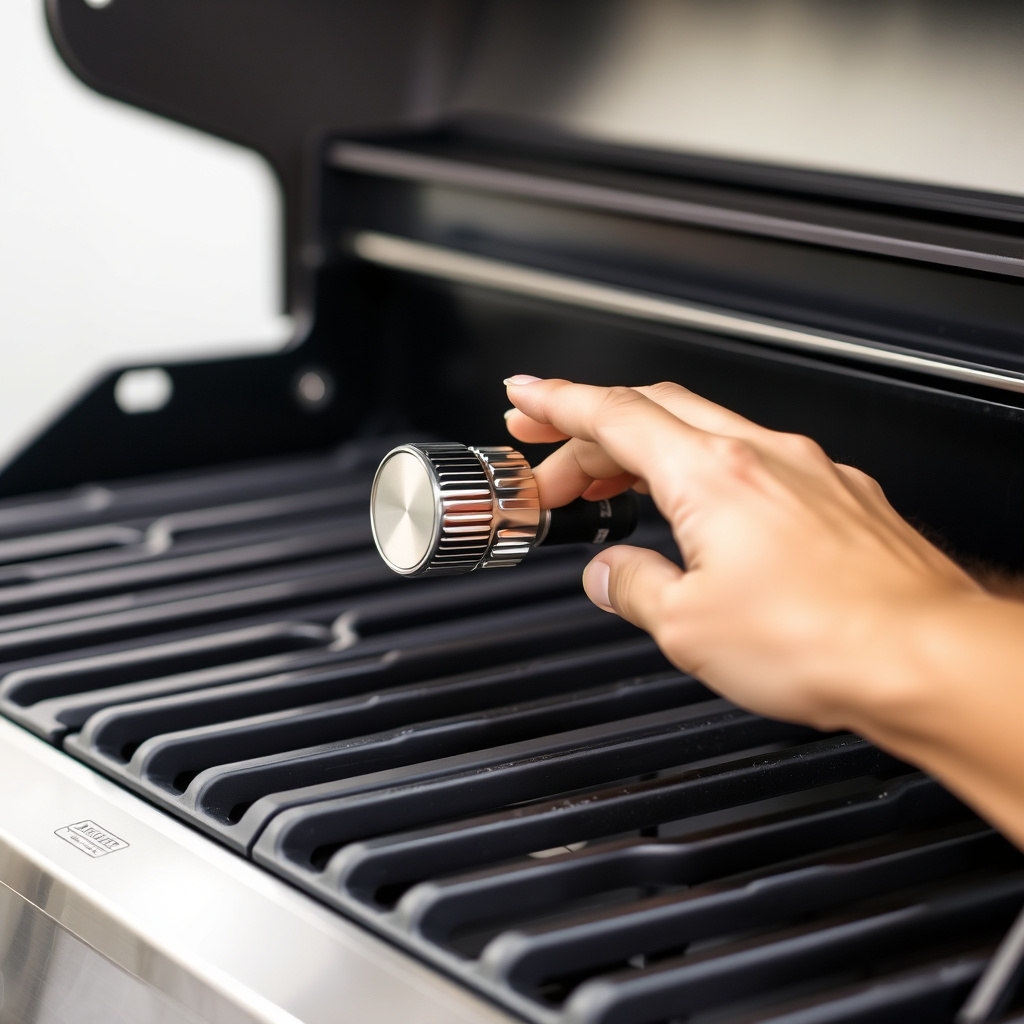
Checking the Gas Supply
Before lighting your gas grill, verify that the propane tank or natural gas line is securely connected and contains sufficient fuel. For propane tanks, check that the valve is fully closed before opening it slowly to prevent sudden gas bursts. For natural gas grills, ensure the gas line connection is tight and leak-free by applying soapy water to fittings and watching for bubbles.
Confirming the integrity of your gas supply helps prevent leaks and hazards while grilling. Visual inspection combined with a leak test is essential, particularly for grills stored unused over seasons. Never skip this step to maintain safe operation.
- Ensure propane tank valve is closed before connection
- Perform leak testing with soapy water
- Use only manufacturer-approved regulators and hoses
Positioning the Grill Lid and Controls
Always open the grill lid fully before turning on the gas. This prevents gas from accumulating under the lid, which could cause an unexpected flare or small explosion when ignited. The open lid also allows immediate heat venting to stabilize burner flames early on.
Locate the control knobs and ensure they are in the off position before starting. Familiarize yourself with the ignition method available, whether it is a built-in spark igniter or manual lighting, to handle the controls confidently.
Step-by-Step Process for Lighting a Gas Grill
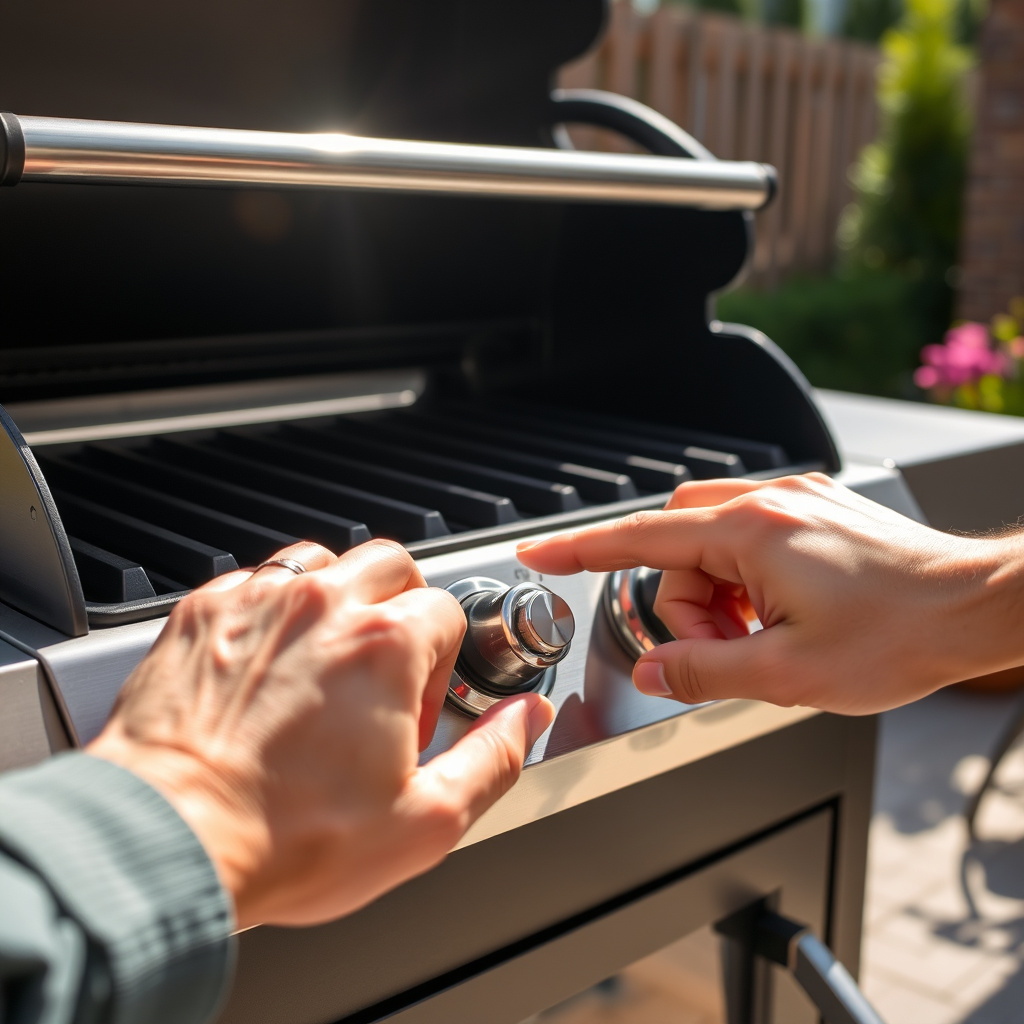
Using the Built-in Ignition System
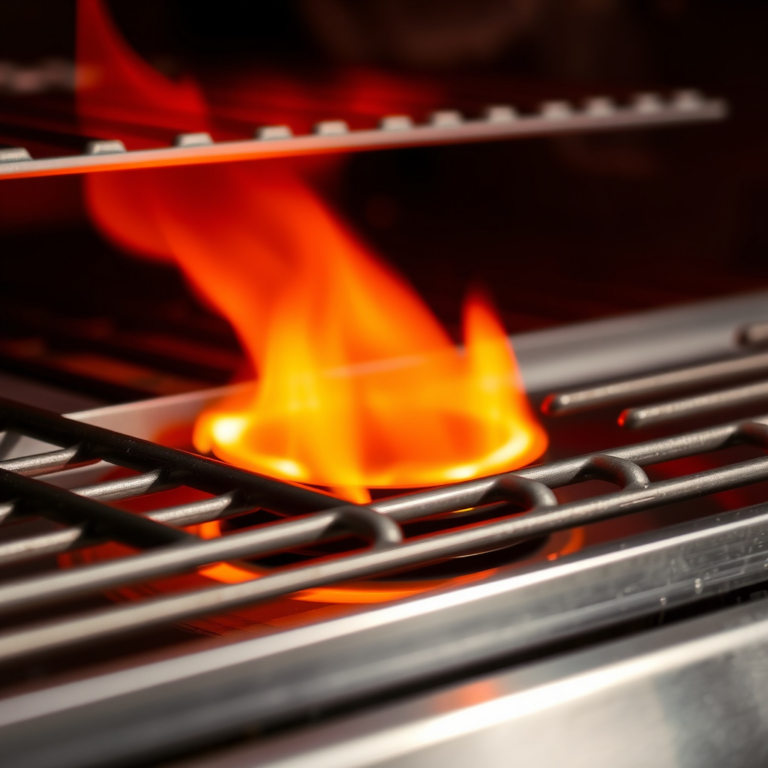
Turn the propane tank valve fully open or ensure your natural gas supply is active. Then, rotate the burner control knob to the ignite position, usually marked or at partway rotation. Press the ignition button to generate a spark that lights the burner. You may need to hold the ignition button for a few seconds until the flame stabilizes.
If your grill has multiple burners, light them in sequence from left to right to promote even heating. After ignition, adjust the flame height to your desired cooking temperature.
- Open propane tank valve
- Turn burner control knob to ignite
- Press ignition button until flame appears
Lighting with a Match or Lighter
If the built-in igniter fails, use a long match or grill lighter. First, open the lid and turn the control knob to the ignite position. Hold the lit match near the burner ports through the ignition hole or side burner once available. The flame should catch instantly. Remove the match carefully and adjust burner flame as needed.
Use extreme caution when lighting manually to avoid sudden gas bursts or flare-ups. Never try to light the grill if you smell strong gas odor—close the valve and ventilate before inspecting.
- Open the lid fully
- Light a long match or lighter before turning on gas
- Hold flame near burner ports carefully
Safety Precautions for Lighting a Gas Grill
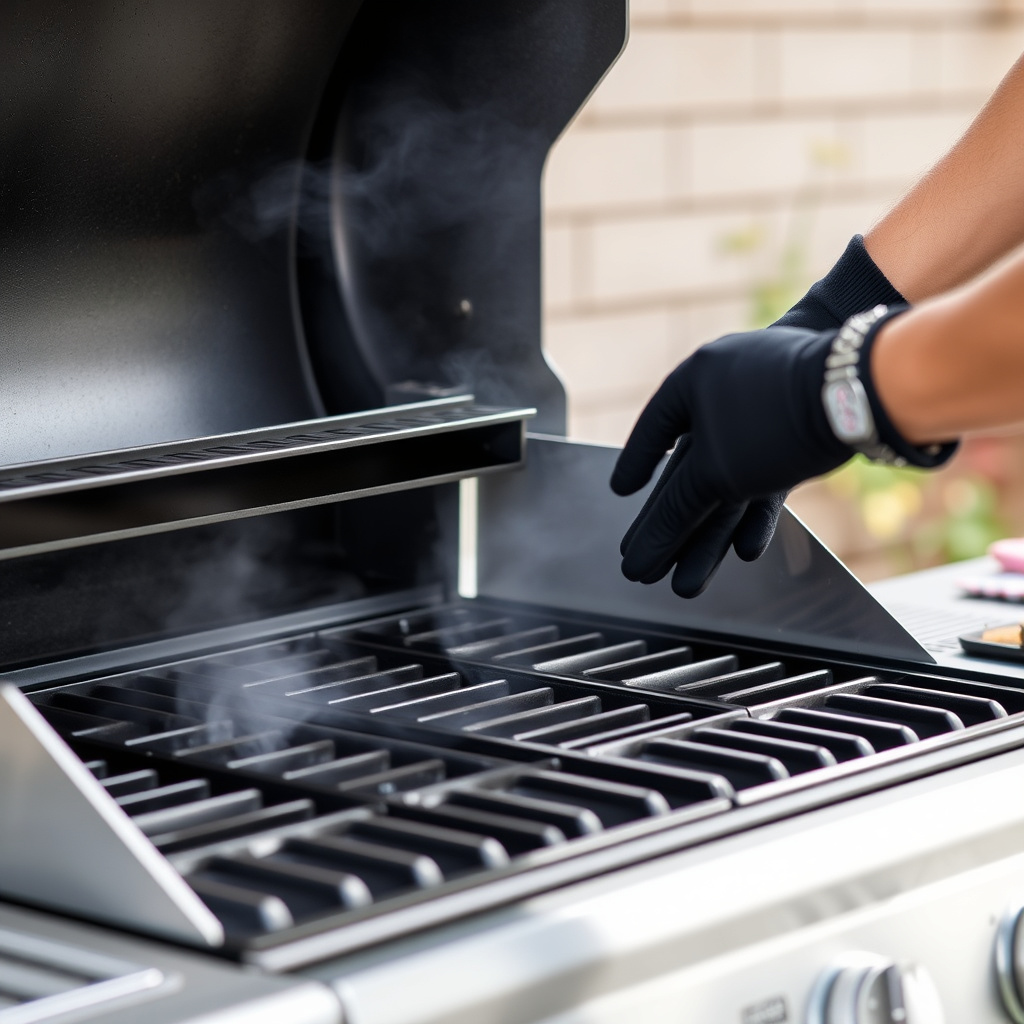
Avoiding Gas Buildup and Flare-Ups
Opening the grill lid before lighting vents any accumulated gas, reducing the risk of flare-ups or small explosions. Always ensure proper ventilation by grilling outdoors away from enclosed spaces or overhangs.
If flames flare unexpectedly, shut off the gas immediately and wait for the grill to cool down before investigating or relighting. Never try to poke or force flames.
- Open lid before lighting
- Grill in open, well-ventilated areas
- Shut off gas at the first sign of flare-ups
For more on this, see our related guide: How to Season a Grill for Long-Lasting Performance.
Regular Inspection and Maintenance
Regularly check hoses, connectors, and valves for cracks, brittleness, or leaks. Replace damaged parts promptly. Clean burner tubes to prevent blockages that cause uneven flames or delayed ignition.
A well-maintained grill not only lasts longer but minimizes risks associated with fuel leaks or malfunctioning ignition systems. Keep a professional inspection yearly if using natural gas connections.
- Inspect hoses and valves routinely
- Clean burner tubes to ensure clear gas flow
- Replace faulty parts immediately
Troubleshooting Common Gas Grill Ignition Issues
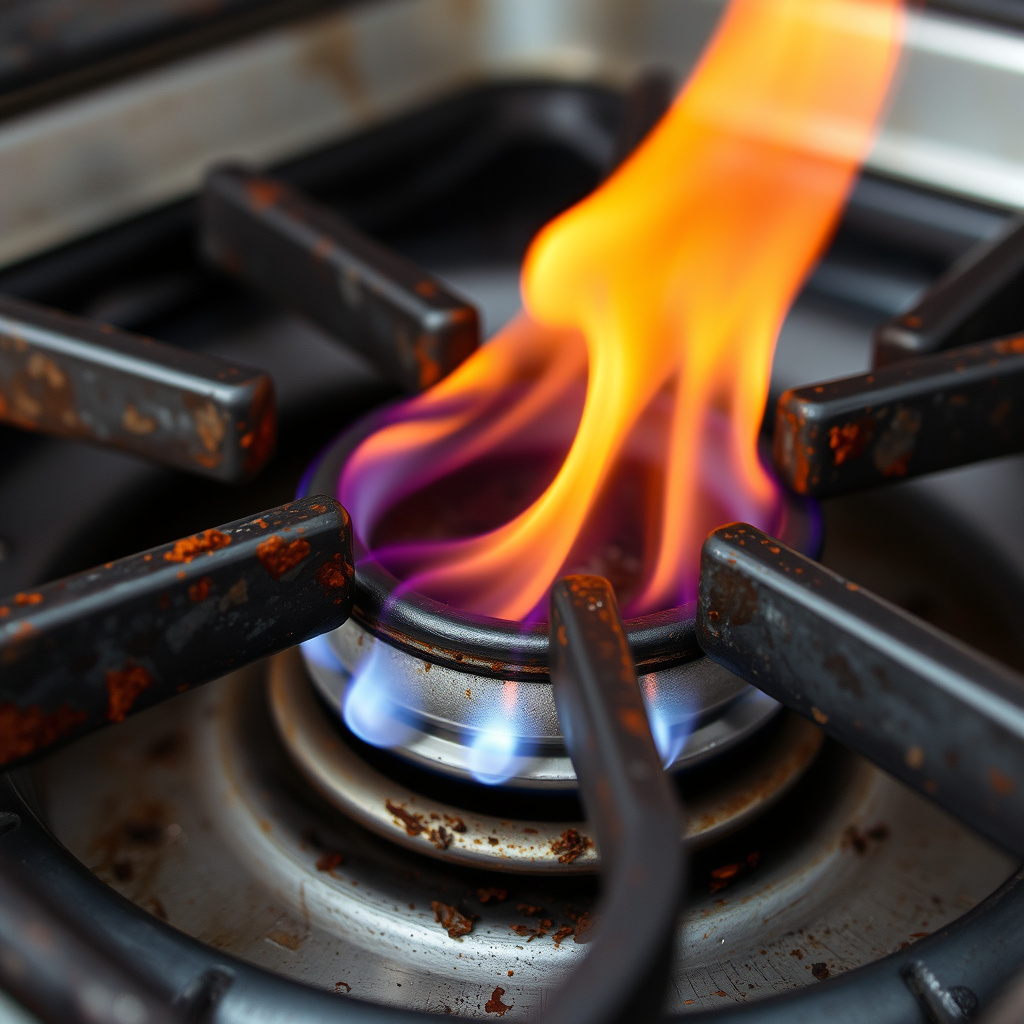
No Ignition or Clicking Without Flame
If the ignition system clicks but the burner does not light, the gas supply might be off or insufficient. Confirm propane tank level or natural gas flow. Replace the ignition battery if applicable or clean igniter electrodes to remove grease buildup.
Sometimes, clogged burner ports prevent gas from reaching the ignition spot, causing ignition failure. Remove and clean burner tubes periodically to avoid this.
- Check fuel supply levels
- Clean ignition electrodes
- Clear clogged burner ports
Uneven or Weak Flames
Uneven flames often result from debris clogging burner holes or a faulty regulator that limits gas flow. Inspect burners for rust or blockages and clean with a stiff brush. Check the regulator for damage and listen for hissing sounds indicating leaks.
Low flames may also be caused by low fuel in the tank or partially closed valves. Fully open valves and replace propane tanks if nearly empty.
- Clean clogged burner holes
- Check regulator condition
- Confirm full gas tank
Types of Gas Grill Ignition Systems
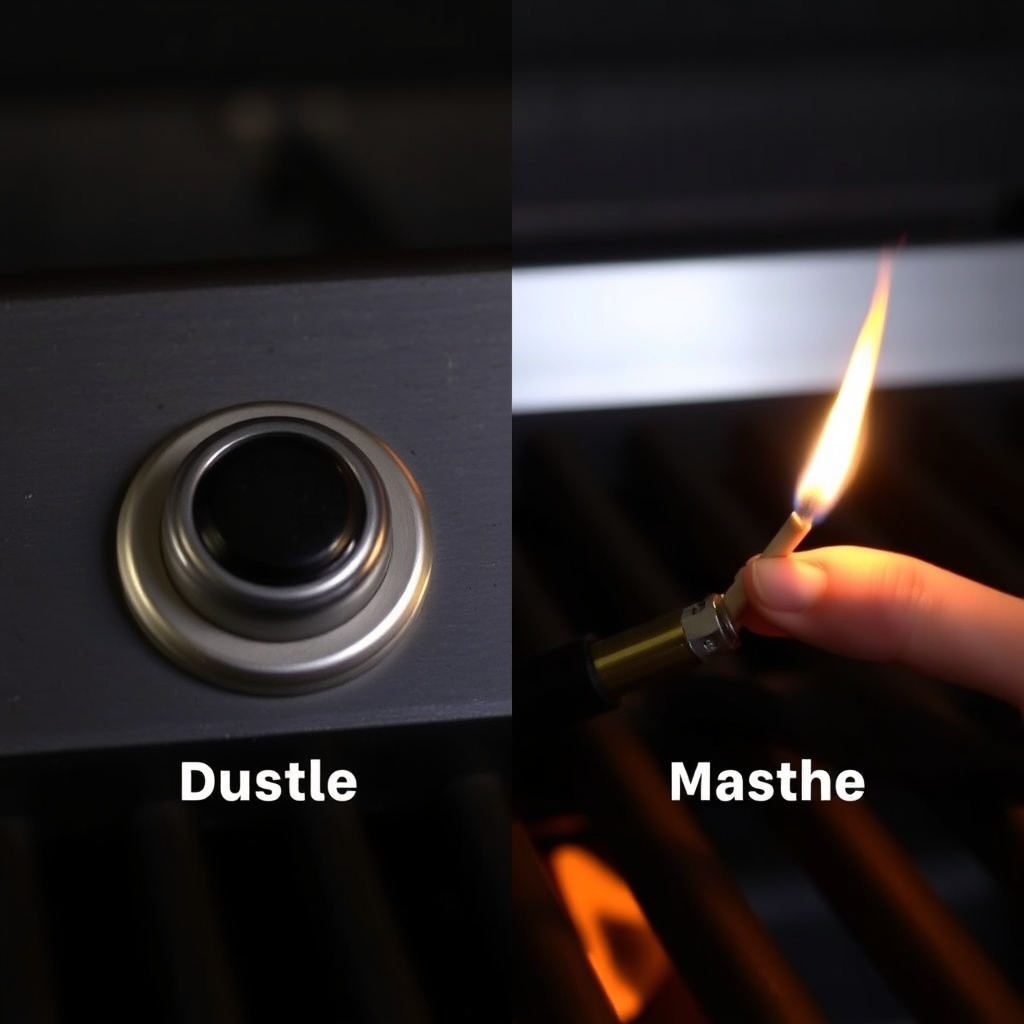
Electronic Spark Ignition
Electronic ignition uses a battery or piezoelectric spark to light burners instantly when pushing a button. This system offers quick, reliable starts without matches and is common on modern gas grills.
Batteries may need replacing occasionally, and igniter electrodes should be cleaned to maintain spark strength. Electronic igniters reduce ignition time and improve convenience.
For more on this, see our related guide: How to Clean Grill Burners for Safe and Efficient Cooking.
Manual Match Lighting
Older or budget grills often require manual lighting using a match or lighter. This method depends on user skill and caution but is effective when ignition systems fail.
Manual lighting demands careful adherence to safety steps to avoid hazards. It's crucial to light matches before turning the gas on, and never leave the grill unattended during ignition.
Maintaining and Caring for Your Gas Grill's Ignition System
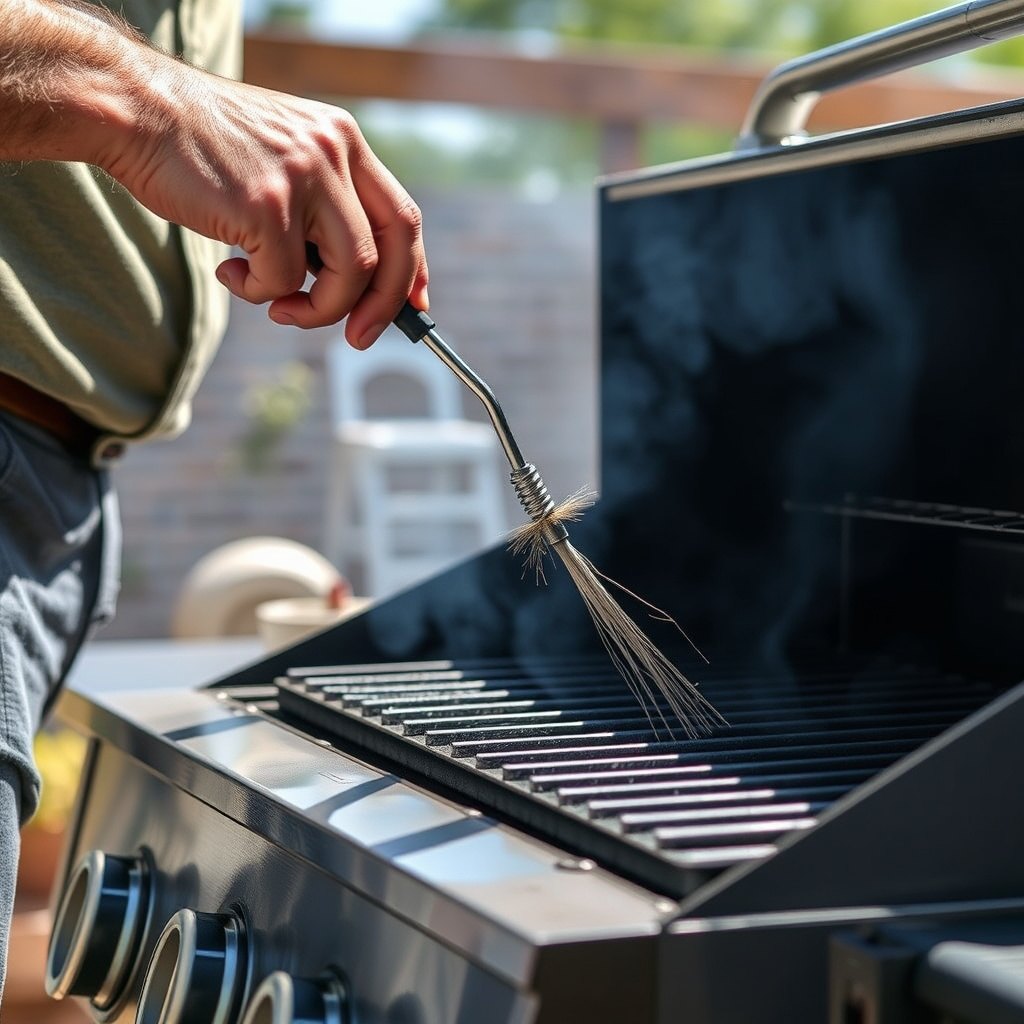
Routine Cleaning of Burner Tubes and Igniters
Grime, grease, and insect nests can block burner tubes and igniter electrodes, leading to ignition troubles. Clean tubes gently with a wire brush and remove debris from spark electrodes once per grilling season or more often if heavily used.
Regular cleaning promotes steady gas flow and reliable sparks, contributing to consistent grill performance and longer ignition system lifespan.
- Use wire brush on burner tubes
- Clear debris near spark electrodes
- Clean after each grilling season
For additional safety tips and official recommendations on gas grill ignition, refer to these gas grill ignition safety guidelines. gas grill ignition safety guidelines.
Protecting Components from Weather
Exposure to moisture and debris can corrode ignition components and cause rust. Use grill covers when the grill is not in use and store it in a sheltered area during rainy or snowy seasons.
Applying silicone lubricant to control knobs and igniter buttons occasionally can help maintain smooth operation. Avoid harsh chemicals that may damage sensitive parts.
- Use grill covers outdoors
- Apply silicone lubricant sparingly
- Store grill in protected spaces when possible
Gas Grill Ignition System Comparison
Here’s a comparison of common gas grill ignition systems and their key characteristics to help you understand options available.
| Ignition Type | Ease of Use | Reliability | Maintenance | Cost |
|---|---|---|---|---|
| Electronic Spark Ignition | Very easy | High | Low – requires occasional electrode cleaning and battery replacement | Moderate to high |
| Piezoelectric Ignition | Easy | High | Low – sparking element cleaning occasionally | Moderate |
| Manual Match Lighting | Moderate – needs care and skill | Moderate | Minimal but dependent on user | Low |
| Battery-Powered Push Button | Very easy | High if battery fresh | Battery replacement needed | Moderate |
Frequently Asked Questions
Why won’t my gas grill light even after pressing the ignition button?
This usually indicates an empty propane tank, blocked burner holes, or a dirty igniter. Check fuel supply, clean burners and igniter tips, and replace batteries if applicable.
Is it safe to light a gas grill with a match?
Yes, but only if you open the lid, turn the gas on briefly, and bring the lit match close carefully without leaning over the grill. Never light a grill with the lid closed.
How often should I clean the burner tubes?
For consistent ignition and even flames, clean burner tubes at least once per grilling season or after heavy use, removing grease and debris that block gas flow.
What do I do if I smell gas before lighting the grill?
Immediately close the gas valve, avoid sparks or flames, ventilate the area, and inspect or repair leaks before attempting to light the grill.
Can I replace my grill’s igniter system if it malfunctions?
Yes, most grills allow you to replace ignition components or switch to manual lighting if the built-in system fails. Refer to the manufacturer’s guide for compatibility.
Key Takeaways
- Always open the grill lid before turning on the gas to avoid gas buildup.
- Use the built-in ignition system or a long match carefully to light burners quickly.
- Perform regular cleaning and leak checks to maintain safe, reliable ignition.
- Understand your grill’s ignition type to troubleshoot effectively when needed.
Conclusion
Mastering how to light a gas grill blends simple safety practices with familiarization of your specific grill model’s ignition system. Prioritizing steps like opening the grill lid, verifying gas supply integrity, and promptly igniting burners can prevent accidents and produce consistent cooking results. A methodical approach reduces the risk of flare-ups and ensures a longer lifespan for your grill’s ignition components.
For casual grillers using propane setups, the built-in electronic spark igniter provides ease of use with occasional battery and electrode maintenance. Those with older or budget grills may rely on manual match lighting but must exercise extra care with flame placement and ventilation. Regularly cleaning burner tubes and inspecting hoses shields against ignition trouble, making routine upkeep a worthwhile effort for every grill owner, regardless of ignition type.
If you’re uncertain about any step or encounter persistent ignition problems, consult your grill’s manual and consider professional inspections, especially for natural gas models. Start each grilling session with a quick safety check and enjoy the confidence that comes with proper ignition practice—your grill will be ready to deliver delicious meals safely and efficiently every time.