
Grilling chicken breast typically takes about 6 to 8 minutes per side over medium-high heat, totaling 12 to 16 minutes, depending on thickness. Using a meat thermometer, the internal temperature should reach 165°F (74°C) to ensure safety and juiciness. Proper timing and heat settings make the difference between dry and tender bird.
Achieving perfectly grilled chicken breast is important because chicken dried out on the grill often results in a less enjoyable meal. Chicken breasts are lean and cook faster than other cuts, making timing crucial. The thickness of the breast also impacts grilling duration, so knowing how long to grill chicken breast helps maintain its moisture balance and flavor.
This article breaks down key factors influencing grilling time, including thickness and temperature. It also covers preparation tips, ideal grill temperatures, cooking methods, how to avoid dryness, and finishing techniques to get the best taste from your grilled chicken breast.
Understanding Chicken Breast Thickness and Its Impact on Grilling Time
How Thickness Affects Cooking Duration
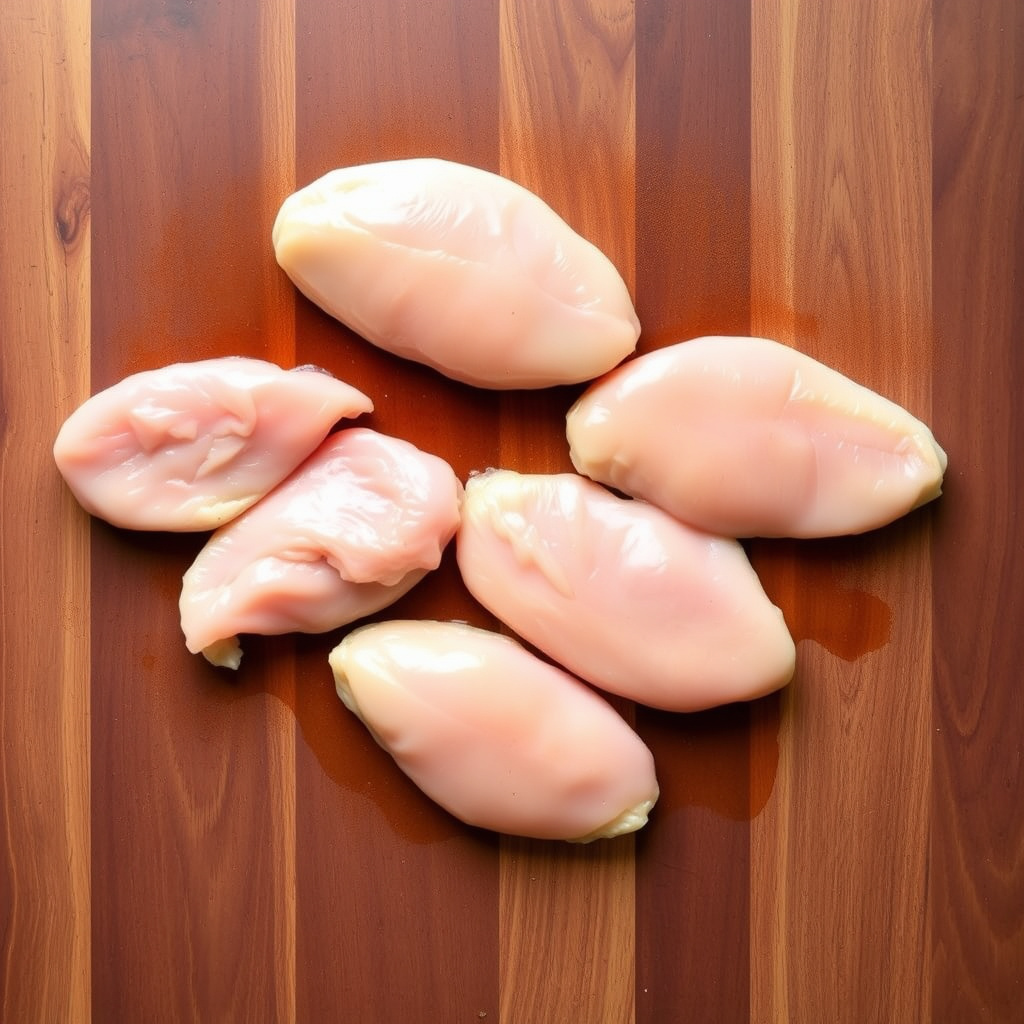
Thicker chicken breasts require longer grilling times to cook thoroughly, while thinner pieces cook faster and risk drying out. Knowing the exact thickness helps estimate the right grilling time accurately.
Pounding chicken breasts to an even thickness ensures uniform cooking, preventing some parts from overcooking while others are underdone. For uneven breasts, trimming or butterflying can reduce grilling time variability.
- 1/2 inch thick: grill about 4-6 minutes per side
- 3/4 inch thick: grill 6-8 minutes per side
- 1 inch thick: grill 8-10 minutes per side
Using a Meat Thermometer for Precision
The only reliable way to ensure chicken breast is fully cooked without being overdone is by checking internal temperature. Meat thermometers provide accurate readings, eliminating guesswork.
Insert the thermometer in the thickest part of the breast; the target temperature is 165°F (74°C). Once it hits this mark, remove from grill immediately to avoid carryover cooking that leads to dryness.
Setting the Best Grill Temperature for Chicken
Ideal Heat Levels for Juicy Chicken Breast
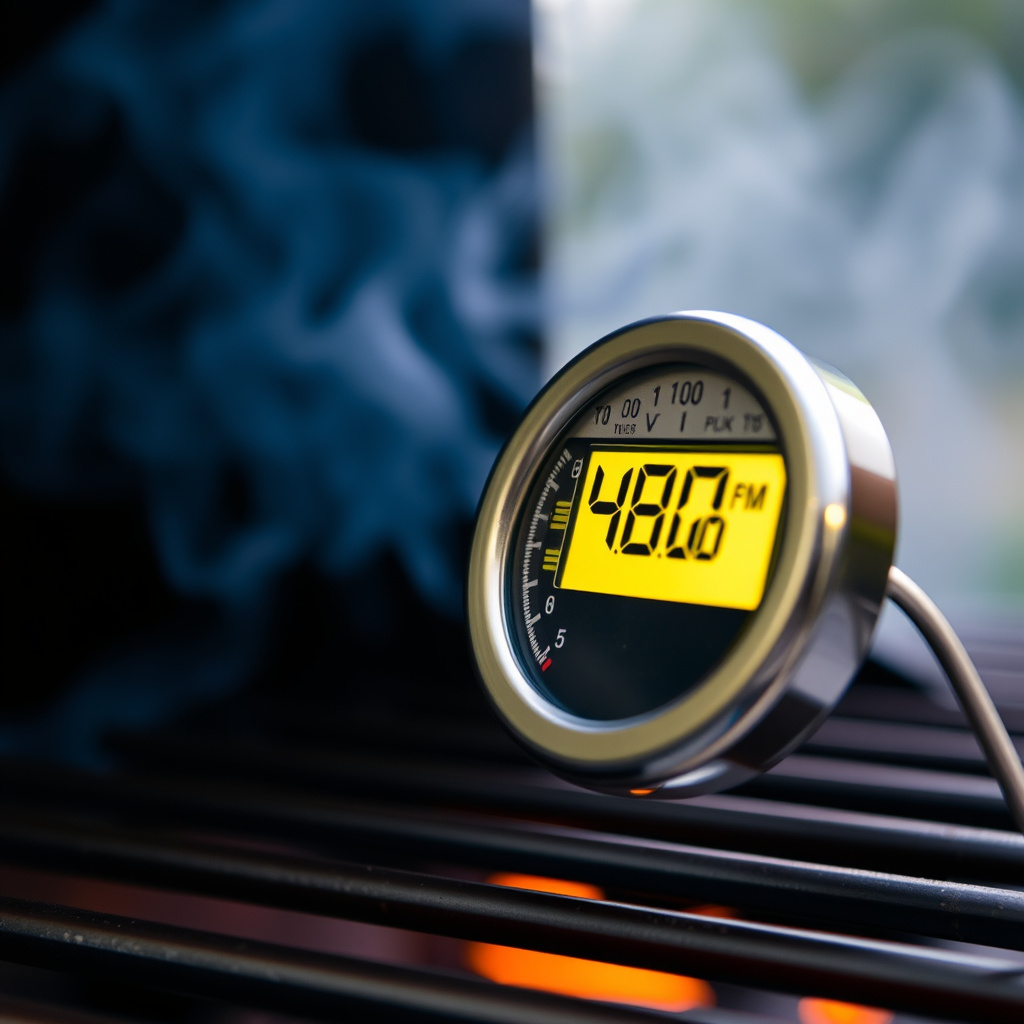
Grilling chicken breast over medium-high heat, about 375°F to 450°F, promotes caramelization and grill marks without burning the exterior before the interior cooks through.
Avoid extremely high heat which can char the outside but leave the center raw, as well as low heat which prolongs cooking and dries the meat. Controlling grill temperature ensures balanced cooking.
- Medium-high heat range: 375°F to 450°F
- Preheat grill for at least 10 minutes before cooking
How to Control and Monitor Grill Temperature
Use built-in grill thermometers or separate handheld thermometers to maintain consistent heat throughout the cooking process. Adjust vents or burners to regulate temperature if needed.
For charcoal grills, spread coals evenly and use a two-zone setup to move chicken if flare-ups occur. Gas grills often provide precise temperature controls, aiding grill time management.
Preparation Techniques to Reduce Grilling Time and Enhance Flavor
Marinating and Brining Benefits
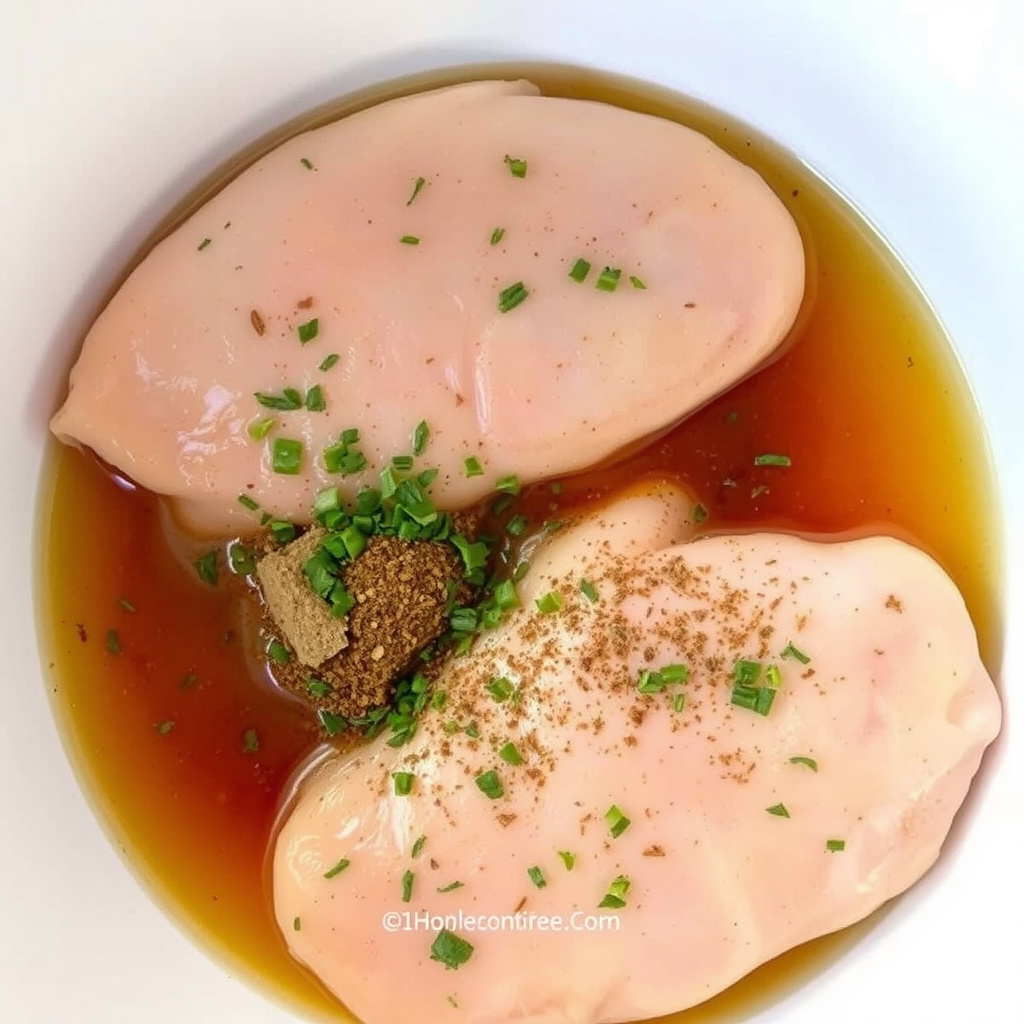
Marinating chicken breast adds flavor and moisture, which can help keep the meat juicy even if grilling time varies slightly. Ingredients like oil, acid, and seasonings tenderize the flesh.
Brining in a saltwater solution before grilling increases moisture retention, allowing the chicken to withstand direct heat longer without drying out. Both methods enhance taste and texture.
- Marinate for 30 minutes to 4 hours
- Brine in 1/4 cup salt per quart water for 1-2 hours
For more on this, see our related guide: How to Grill Kabobs Perfectly Every Time: A Step-by-Step Guide.
Pounding and Butterflying for Even Cooking
Flattening chicken breasts to a uniform thickness using a meat mallet ensures consistent grilling times and prevents uneven cooking. Butterflying thicker breasts can reduce grilling duration without sacrificing juiciness.
These preparation steps reduce guesswork and help achieve a tender final product that’s cooked properly all the way through.
Grilling Methods and Timing Strategies
Direct vs. Indirect Heat Cooking
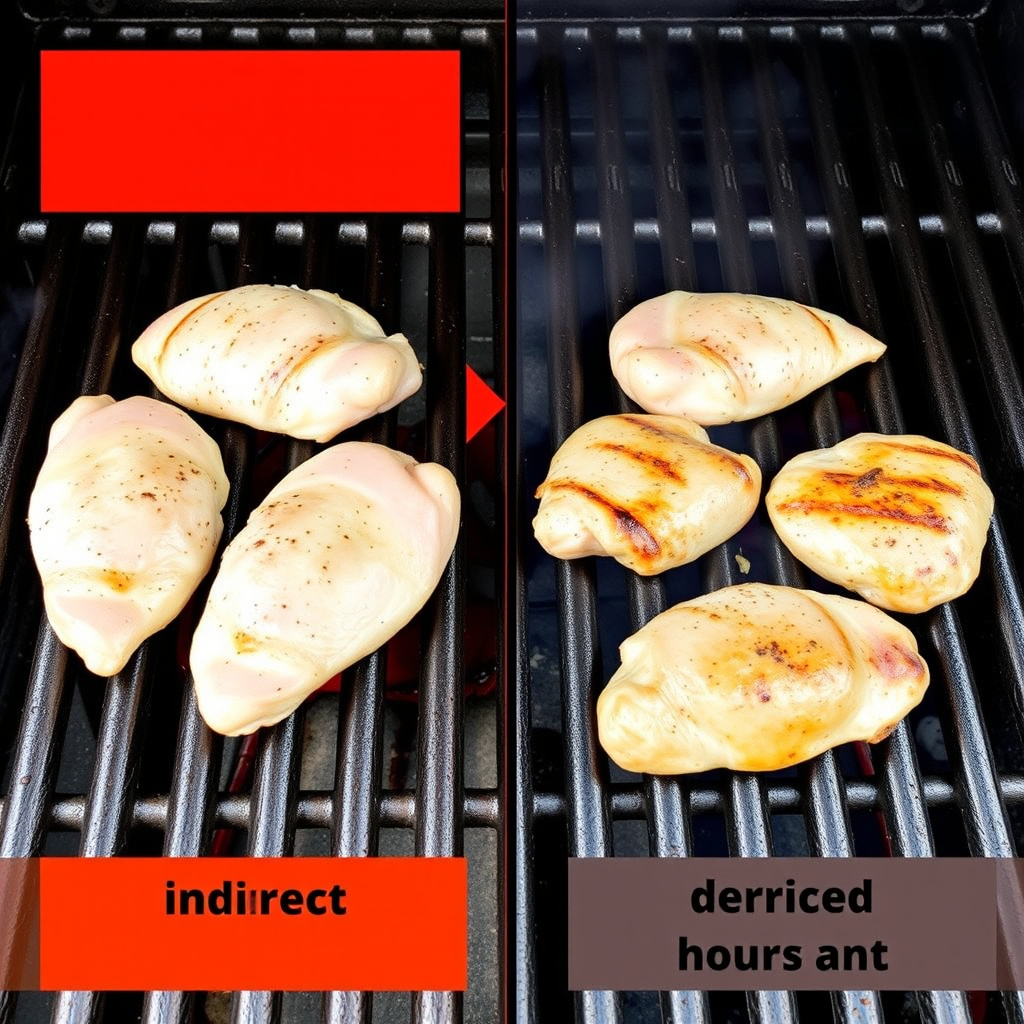
Direct grilling places chicken breasts right above the flame for quick searing and grill marks, typically cooked 6-8 minutes per side depending on thickness.
Indirect grilling involves placing chicken to the side of flame, allowing slower, more even cooking for very thick breasts or bone-in pieces to avoid burning outside before inside cooks.
- Direct heat: fast cooking, crisp exterior
- Indirect heat: slower cooking, tender inside
Using a Two-Zone Grill Setup
Arranging coals or burners to create one hot side and one cooler side allows starting chicken on direct heat to sear and then moving to indirect heat to finish cooking without charring.
The two-zone method helps manage timing precisely and suits varying breast thicknesses, minimizing dryness and overcooking.
Tips to Avoid Dryness and Achieve Juicy Chicken Breast
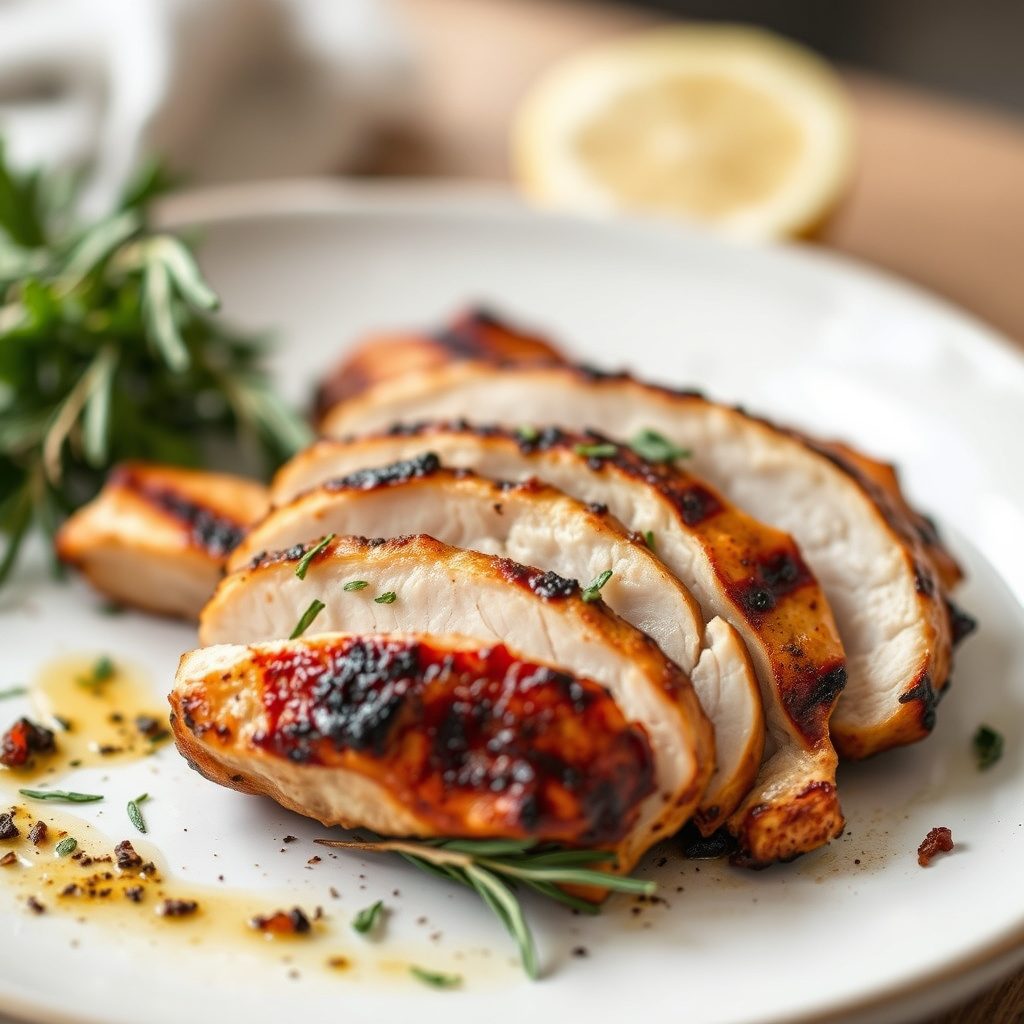
Resting Chicken After Grilling
Allowing grilled chicken breast to rest for 5 to 10 minutes after removing from grill lets juices redistribute evenly throughout the meat, maintaining moisture and tenderness.
Cutting the chicken immediately after grilling causes most juices to escape, resulting in drier texture and less flavor.
For more on this, see our related guide: How to Grill a Whole Chicken Perfectly Every Time.
Avoiding Overcooking and Using a Timer
Monitoring grilling time carefully with a timer prevents overcooking. It’s best to remove chicken slightly before target temperature as residual heat continues cooking to 165°F during resting.
Using a meat thermometer alongside timers provides the best safeguard against drying out chicken breast by accurately tracking readiness.
- Set timer based on breast thickness
- Check temperature early to prevent overcooking
Finishing and Serving Suggestions for Grilled Chicken Breast
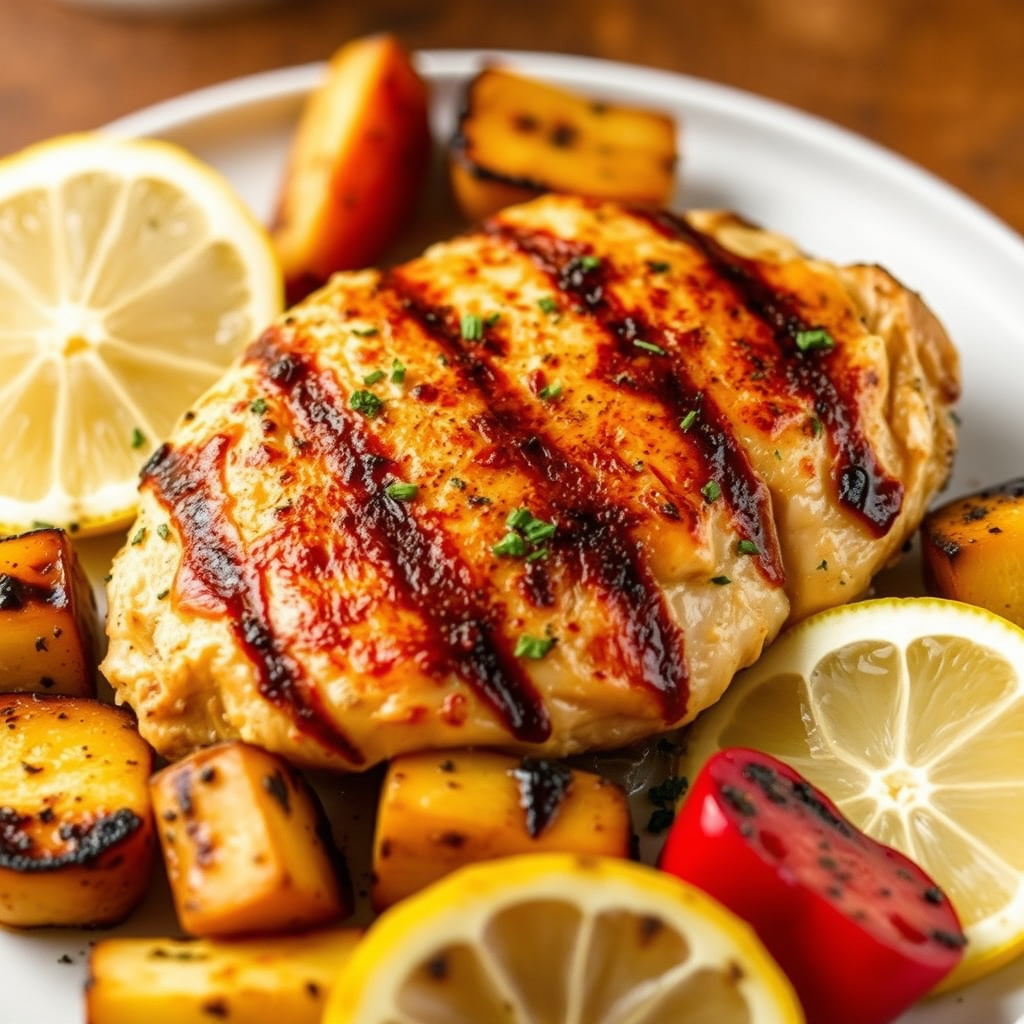
Adding Sauces and Glazes After Grilling
Applying barbecue sauce or glazes in the last few minutes of grilling helps caramelize flavors without burning sugars. Alternatively, serve sauces on the side to keep chicken tender and moist.
Avoid adding sugary sauces too early to prevent charring and bitterness that mask the grilled aroma.
For a deeper understanding of grilling techniques, you can visit the Grilling Chicken page on Wikipedia. Grilling Chicken on Wikipedia.
Best Sides to Accompany Grilled Chicken
Pair grilled chicken breast with fresh salads, grilled vegetables, or light starches like quinoa to balance the lean protein with complementary textures and flavors.
Serving with lemon wedges or fresh herbs adds brightness and enhances the grilled taste.
Grilled Chicken Breast Cooking Methods Comparison
Here’s a comparison of popular grilled chicken breast cooking approaches, highlighting key differences in time, texture, and complexity.
| Method | Grilling Time per Side | Texture Outcome | Ideal Thickness Range |
|---|---|---|---|
| Direct Heat | 6-8 minutes | Crispy outside, juicy inside | 1/2 to 3/4 inch |
| Indirect Heat | 8-12 minutes | Evenly cooked, tender | Thicker than 1 inch |
| Two-Zone Setup | 4-6 minutes direct + 4-6 indirect | Balanced sear and juiciness | All thicknesses |
| Butterflied Chicken | 4-6 minutes | Uniform cook, juicy | Any thickness cut in half |
Frequently Asked Questions
How do I know when grilled chicken breast is done?
Use a meat thermometer to check internal temperature. Chicken breast is safely cooked when it reaches 165°F (74°C) in the thickest part.
Can I grill frozen chicken breast?
It's best to thaw chicken breast fully before grilling to ensure even cooking and avoid charred outsides with raw insides.
Should I marinate chicken breast before grilling?
Marinating adds flavor and moisture, which helps the chicken stay juicy and tender when grilled.
What is the best way to grill thick chicken breasts?
Use a two-zone grill setup: sear over direct heat, then move to indirect heat to finish cooking without burning.
How long should I let grilled chicken rest?
Rest grilled chicken breasts for 5 to 10 minutes off the heat to allow juices to redistribute for better moisture retention.
Key Takeaways
- Grill chicken breast 6-8 minutes per side at medium-high heat (375°F-450°F) depending on thickness.
- Use a meat thermometer to ensure an internal temperature of 165°F for safe, juicy meat.
- Prepare chicken by pounding or butterflying for even grilling and try marinating or brining for moisture.
- Rest grilled chicken for 5-10 minutes before serving to maintain tenderness and flavor.
Conclusion
Determining how long to grill chicken breast hinges primarily on thickness and grill temperature. Achieving juicy, flavorful meat requires balancing these factors with proper preparation steps like pounding for even thickness and marinating for moisture retention. Regularly checking with a meat thermometer helps prevent both undercooking and overcooking, key issues when grilling lean poultry.
For those grilling thinner chicken breasts under 3/4 inch thick, direct grilling on medium-high heat for about 6 minutes per side usually produces the best results. Thicker breasts benefit from a two-zone grilling approach, searing first then moving to indirect heat to cook through without drying. Combining these methods with pre-grill brining or marinating enhances tenderness and taste. Such specific techniques tailor cook time accurately for a better dining experience.
Next time you prepare chicken breast on the grill, focus on controlling heat, using thermal measures, and allowing a proper resting period after cooking. These steps will make your grilling process more precise and consistently rewarding. Experiment with different marinades and side dishes to elevate your grilled chicken dishes further and enjoy perfectly timed grilling every season.



