
Grilling tri tip involves seasoning the meat well, searing it over high heat, and then cooking it over indirect heat until it reaches the desired doneness. This cut requires a two-zone grill setup to lock in flavors and ensure even cooking from start to finish.
Tri tip is a flavorful, relatively lean cut from the bottom sirloin that benefits from controlled grilling techniques. Properly grilled tri tip delivers a tender, juicy steak with a distinctive crust and smoky flavor, making it a favorite among barbecue enthusiasts.
This guide will cover how to prepare your tri tip for grilling, different grilling methods, tips for monitoring temperature, and resting techniques. You’ll also find recommendations on seasoning blends, cooking times, and slicing to maximize flavor and tenderness.
Preparing Tri Tip for Grilling
Selecting and Trimming the Tri Tip
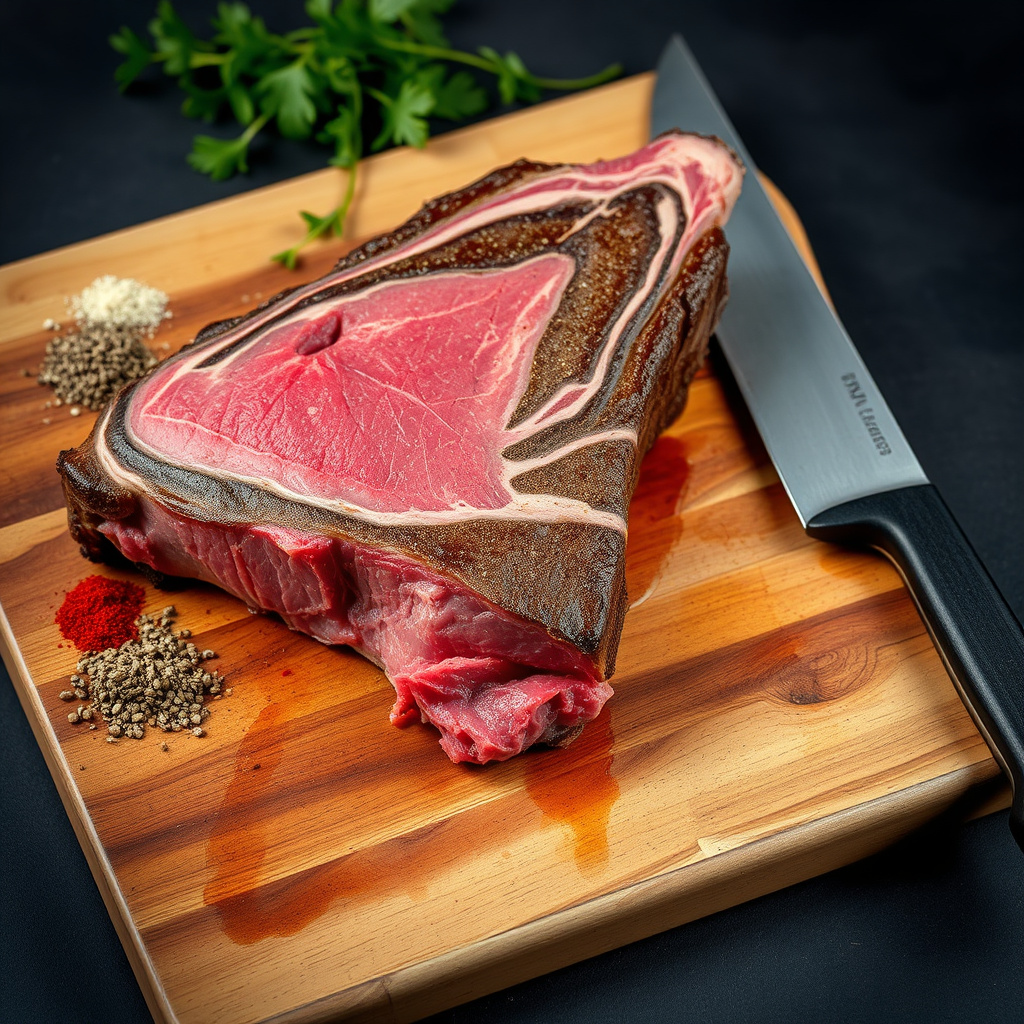
Choosing a tri tip with good marbling improves flavor and tenderness. Look for a roast that is firm with a bright red color and a uniform thickness for even cooking. Trimming excess fat and silver skin enhances seasoning penetration and helps the meat cook more consistently.
Some fat on the tri tip is beneficial for flavor, so trim to about 1/4 inch thickness. Removing the tough silver skin is important to avoid chewiness during grilling. Proper trimming sets the foundation for a successful grilling session.
Seasoning Techniques for Flavor
Applying a dry rub or marinade is vital to enhancing the tri tip’s natural beef flavor. Classic seasoning involves salt, pepper, garlic powder, and smoked paprika. For more complex profiles, add herbs such as rosemary or thyme to the rub.
Marinate for at least an hour or overnight to allow flavors to penetrate. Alternatively, simply season with kosher salt just before grilling to maintain the meat’s robust flavor and texture.
- Classic dry rub: salt, black pepper, garlic powder, smoked paprika
- Herb additions: rosemary, thyme, oregano
- Marinate options: soy sauce, Worcestershire, olive oil
Grilling Techniques for Tri Tip
Two-Zone Cooking Method
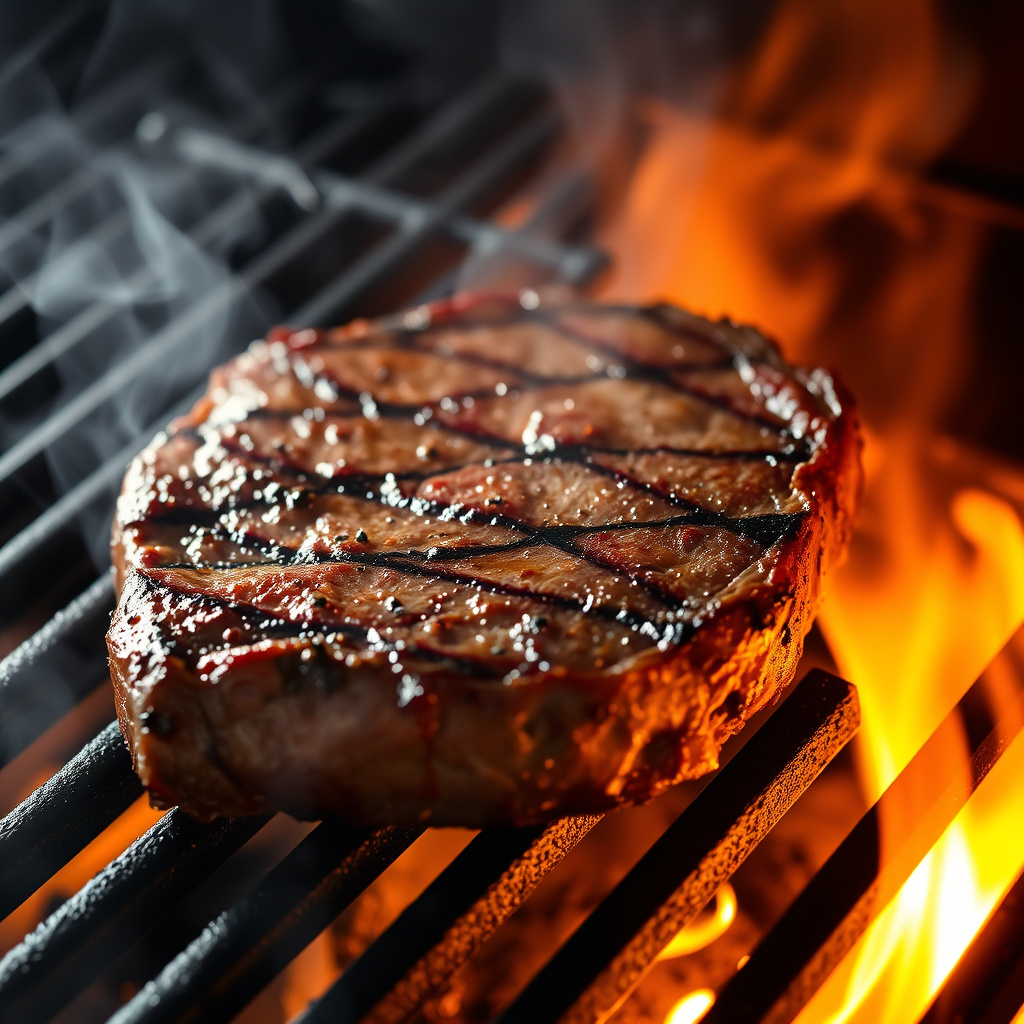
Set up your grill for two-zone cooking by arranging coals or burners so one side is hot for searing and the other has indirect, gentler heat. Begin by searing the tri tip for 4-5 minutes per side over high heat to build a brown crust.
After searing, move the meat to the cooler side to cook indirectly, closing the lid to allow even heat circulation. This method allows the tri tip to cook through without burning the exterior while preserving juiciness.
- High heat zone for searing (about 450-500°F)
- Low heat zone for indirect cooking (275-325°F)
- Use grill thermometer to monitor temperatures
Monitoring Internal Temperature
Using a meat thermometer is key to grilling tri tip properly. Target internal temperatures vary with desired doneness: 125°F for rare, 135°F for medium-rare, and 145°F for medium. Remove the tri tip from the grill about 5°F below your target because the temperature rises during resting.
Insert the probe into the thickest part of the roast to get an accurate reading. Avoid cutting into the meat early, as this releases juices and affects tenderness.
- Rare: 120-125°F
- Medium-rare: 130-135°F
- Medium: 140-145°F
- Rest meat for 10-15 minutes post grilling
Resting and Slicing Tri Tip
Resting for Juiciness
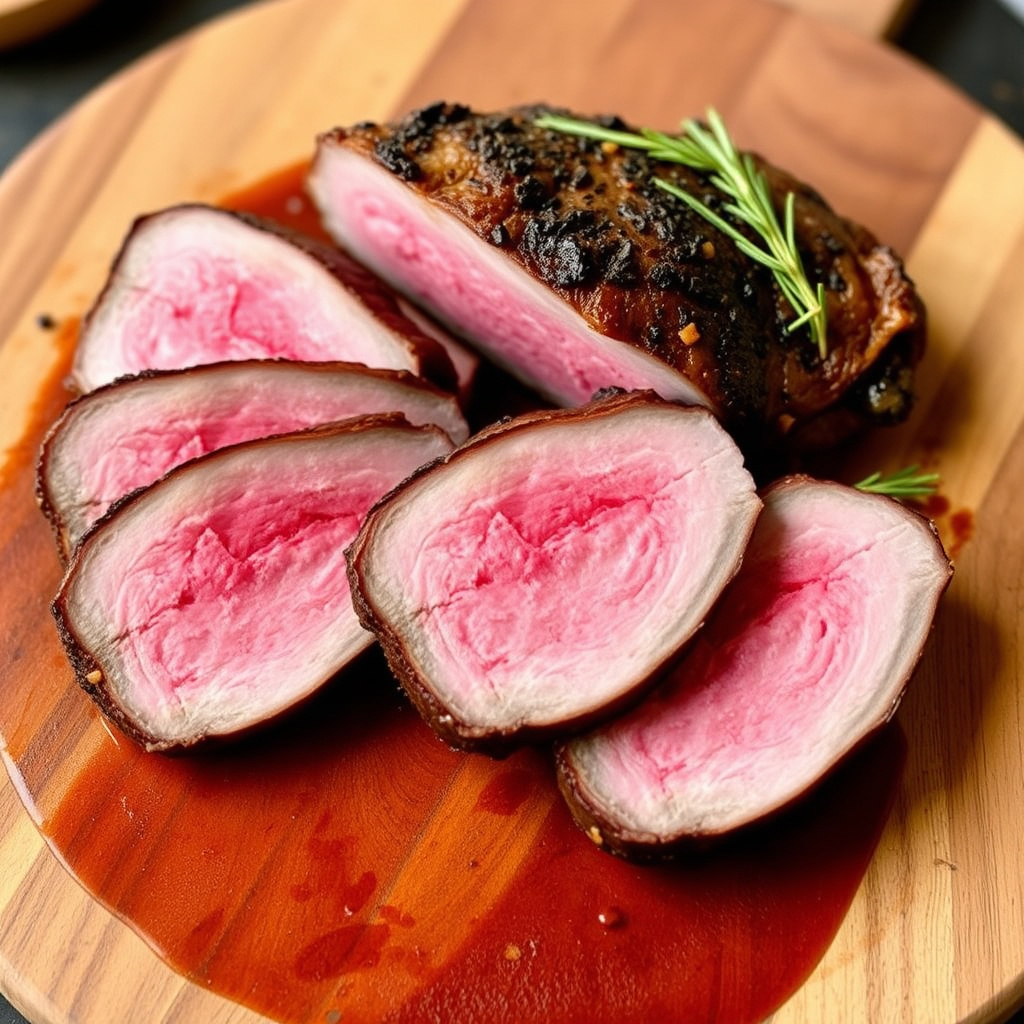
Resting the tri tip after grilling is essential to allow juices to redistribute through the meat. A rest period of 10 to 15 minutes wrapped loosely in foil prevents moisture loss and helps achieve a tender bite.
Skipping this step causes the juices to run out immediately upon slicing, making the steak dry. Resting also finalizes the internal temperature and enhances flavor.
For more on this, see our related guide: How to Grill Steak Medium Rare: A Simple, Precise Guide.
Proper Slicing to Maximize Tenderness
Always slice tri tip against the grain to break up muscle fibers and make each bite more tender. The grain changes direction mid-roast, so observe closely to adjust your slicing angle accordingly.
Thin, consistent slices approximately 1/4 inch thick are ideal to showcase the meat’s texture and juiciness.
- Identify grain direction carefully
- Cut perpendicular to grain
- Use a sharp carving knife
Seasoning Variations and Marinades
Dry Rub Alternatives
Beyond the classic rub, try spicy blends with cayenne pepper, cumin, and brown sugar for a sweet-heat profile. For a smoky twist, use smoked sea salt or chipotle powder. These rubs add complexity without overpowering the meat.
Experiment with international styles, such as a coffee and chili rub for a bold flavor or Mediterranean herbs for lighter notes. Applying rubs the night before enhances the depth of flavor.
Marinade Options
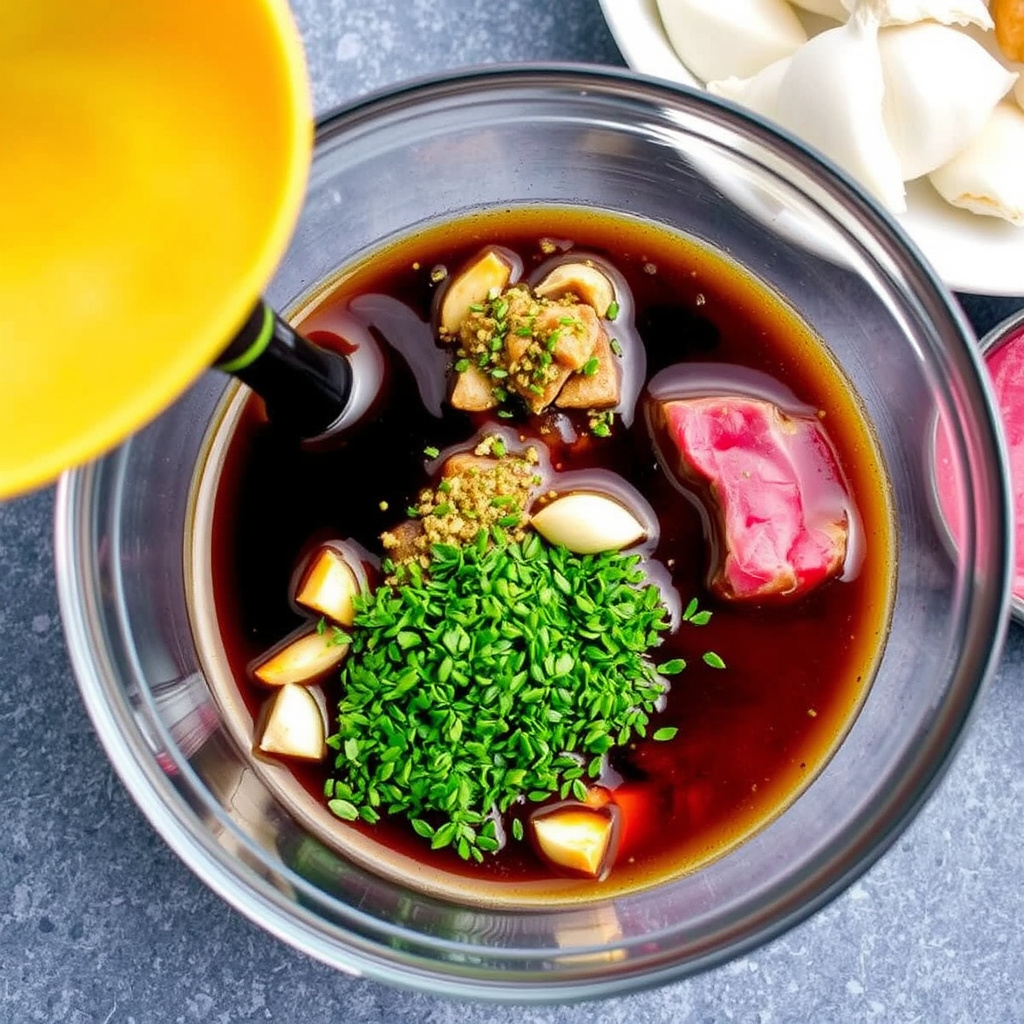
Traditional tri tip marinades include acidic bases like red wine vinegar or citrus juice combined with olive oil and aromatics. This tenderizes the meat while infusing brightness. Asian-style marinades with soy sauce, garlic, and ginger provide umami richness.
Marinate in the refrigerator for 4-12 hours depending on the intensity desired. Avoid overly acidic marinades past 24 hours which may break down the meat texture.
- Red wine vinegar + olive oil + herbs
- Soy sauce + garlic + ginger
- Citrus juice + honey + mustard
Best Tools and Accessories for Grilling Tri Tip
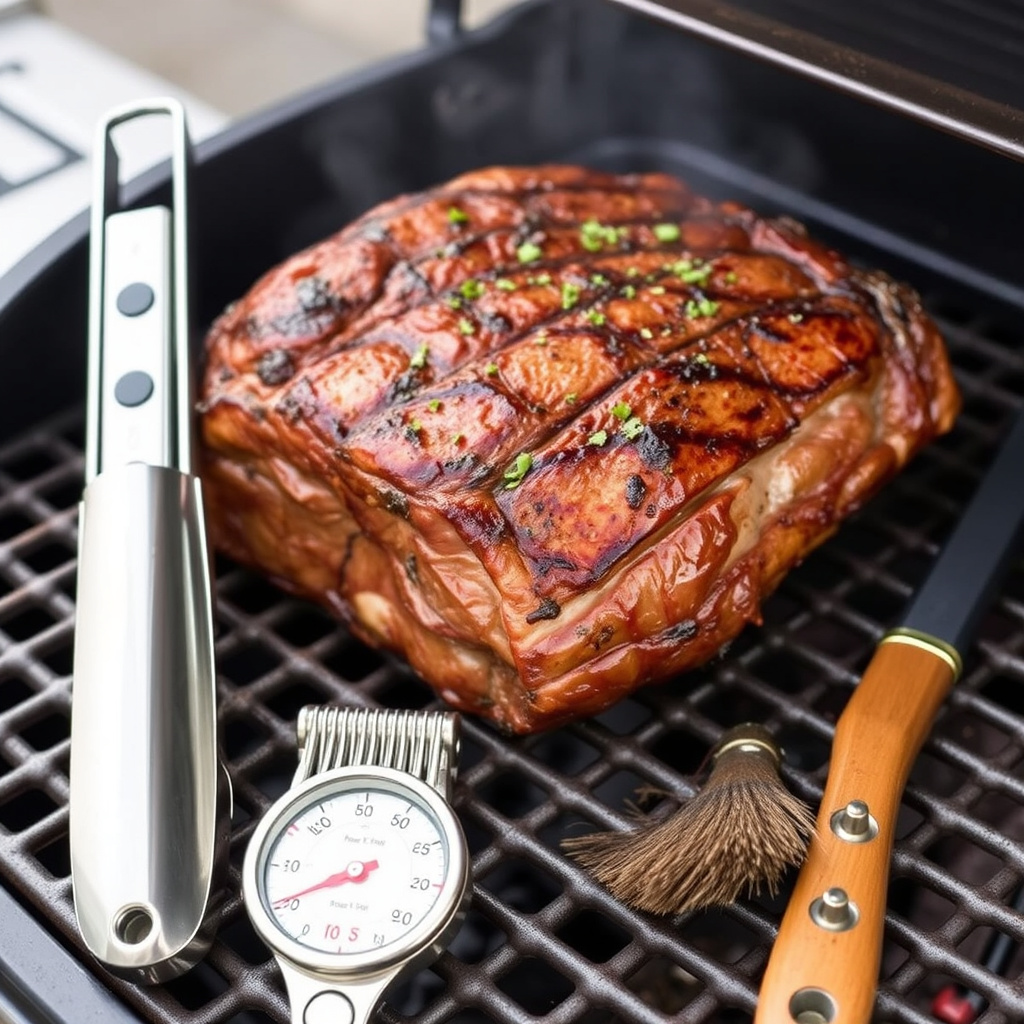
Essential Grilling Tools
A reliable meat thermometer is indispensable for perfectly cooked tri tip. Digital instant-read models provide quick, accurate readings. Heavy-duty grill tongs help maneuver the meat without piercing it, preserving juices.
A sturdy grill brush keeps clean grates, aiding in even searing. Optional accessories like a chimney starter simplify charcoal ignition when using a charcoal grill.
- Instant-read meat thermometer
- Long-handled grill tongs
- Grill brush
For more on this, see our related guide: How to Grill Steak on a Charcoal Grill: A Step-by-Step Guide.
Optional Enhancements
A drip pan placed under the tri tip absorbs drippings and reduces flare-ups. Wood chips can be added to charcoal for subtle smoky flavors. Basting brushes allow application of sauces or additional marinade during grilling.
An adjustable grill grate or rack can provide even heat distribution, especially useful for indirect cooking zones.
- Drip pan to catch juices
- Wood chips for smoke infusion
- Basting brush
Common Tri Tip Grilling Mistakes to Avoid
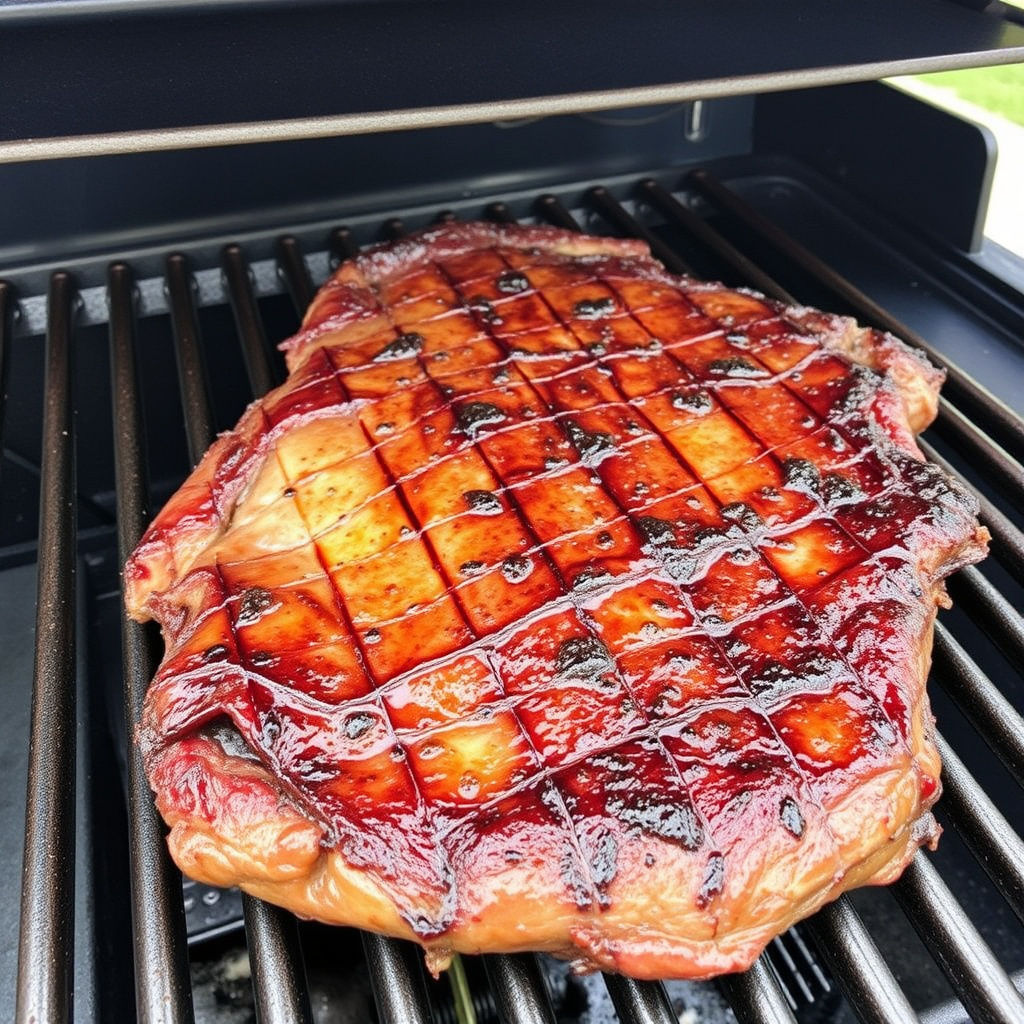
Overcooking and Dryness
Cooking tri tip at too high a temperature for too long can dry it out and toughen the meat. Avoid prolonged direct heat exposure beyond searing stages. Using a thermometer helps prevent guessing and overcooking.
Resting is also critical; slicing too soon causes juices to escape, resulting in dry slices.
For detailed background on the tri tip cut and its origins, you can visit the Tri-tip Wikipedia page. Tri-tip Wikipedia page.
Incorrect Slicing Direction
Failing to slice against the grain causes tough bites. Because tri tip’s grain shifts, slicing consistently against it prevents chewiness and maximizes tenderness.
Practice analyzing the muscle fiber direction before cutting to avoid this common issue.
Tri Tip Grilling Methods Comparison
Here's a quick comparison of popular tri tip grilling methods to help you choose the best approach based on your equipment and preferences.
| Method | Heat Setup | Flavor Impact | Cooking Time | Difficulty |
|---|---|---|---|---|
| Direct Grilling | Single high heat zone | Strong sear flavor, risk of dryness | 15-20 min | Easy |
| Two-Zone Grilling | High heat + indirect zone | Balanced crust and juiciness | 25-35 min | Medium |
| Reverse Sear | Low indirect heat then high sear | Even cooking, very tender | 40-50 min | Hard |
| Smoker Grill | Low and slow with smoke | Smoky rich flavor | 1-2 hours | Hard |
Frequently Asked Questions
What is the ideal internal temperature for medium-rare tri tip?
Medium-rare tri tip should be cooked to an internal temperature of around 130-135°F. Remove it from the grill slightly before reaching this temperature and let it rest to reach the target temperature.
Should I marinate tri tip before grilling?
Marinating tri tip is optional but can add flavor and tenderness. Acidic marinades should be used for 4-12 hours maximum to avoid breaking down the meat excessively.
How long should I rest tri tip after grilling?
Rest tri tip for 10 to 15 minutes, loosely tented with foil. This allows juices to redistribute, resulting in a juicy and tender steak.
Can I grill tri tip on a gas grill?
Yes, tri tip grills well on gas grills using a two-zone setup: high heat for searing and low for indirect cooking. Control temperature by adjusting burners.
Is it necessary to slice tri tip against the grain?
Absolutely. Slicing against the grain shortens muscle fibers, making the meat easier to chew and more tender.
Key Takeaways
- Use a two-zone grilling method for even cooking and a deep sear.
- Season tri tip well with dry rubs or marinades to enhance flavor.
- Monitor internal temperature closely for desired doneness.
- Always rest and slice against the grain to maintain juiciness and tenderness.
Conclusion
Knowing how to grill tri tip well centers on balancing temperature control, seasoning, and timing. Combining a high heat sear with indirect grilling allows the meat to develop a flavorful crust while cooking evenly inside. Being attentive to internal temperature with a thermometer takes the guesswork out of grilling, helping you hit the perfect level of doneness every time. Proper trimming and seasoning before grilling also set the foundation for a delicious result, while resting the meat preserves its juices. Slicing against the grain at the end completes the process to deliver tender, savory slices.
Different methods suit different preferences and setups, but the two-zone grilling approach remains the best tri tip grilling method for most home cooks due to its reliability and ease. Reverse sear techniques and smoking offer elevated flavor and texture but require more time and equipment. For quick weeknight meals, direct high heat grilling produces an enjoyable crust but demands care not to overcook. Incorporate seasoning variations and quality tools, including a good instant-read thermometer, to boost your grilling success.
Start your tri tip grilling journey by selecting a well-marbled cut, trimming and seasoning it thoughtfully, then mastering the two-zone grill method described. Practice resting and slicing to enhance tenderness and presentation. Each step builds confidence in preparing this flavorful beef cut that rewards attention. With these guidelines, you’ll be able to serve juicy, mouthwatering tri tip that impresses at any barbecue.



