
Grilling a steak medium rare means cooking it to an internal temperature of about 130°F to 135°F, resulting in a warm, red center and juicy tenderness. Achieving this requires controlling your grill’s heat and monitoring cook times carefully to avoid overcooking.
This method preserves the meat’s natural flavors and texture, striking a balance between raw and fully cooked—a preferred doneness for many steak lovers. Getting it just right can enhance your dining experience, making your steak juicy, tender, and perfectly pink inside.
This article will explain the key steps for grilling steak medium rare, including choosing the right cut, preparing your grill, timing your cooking, and resting your steak. You’ll also find tips on seasoning and how different thicknesses affect grilling time.
Selecting the Best Steak Cuts for Grilling Medium Rare
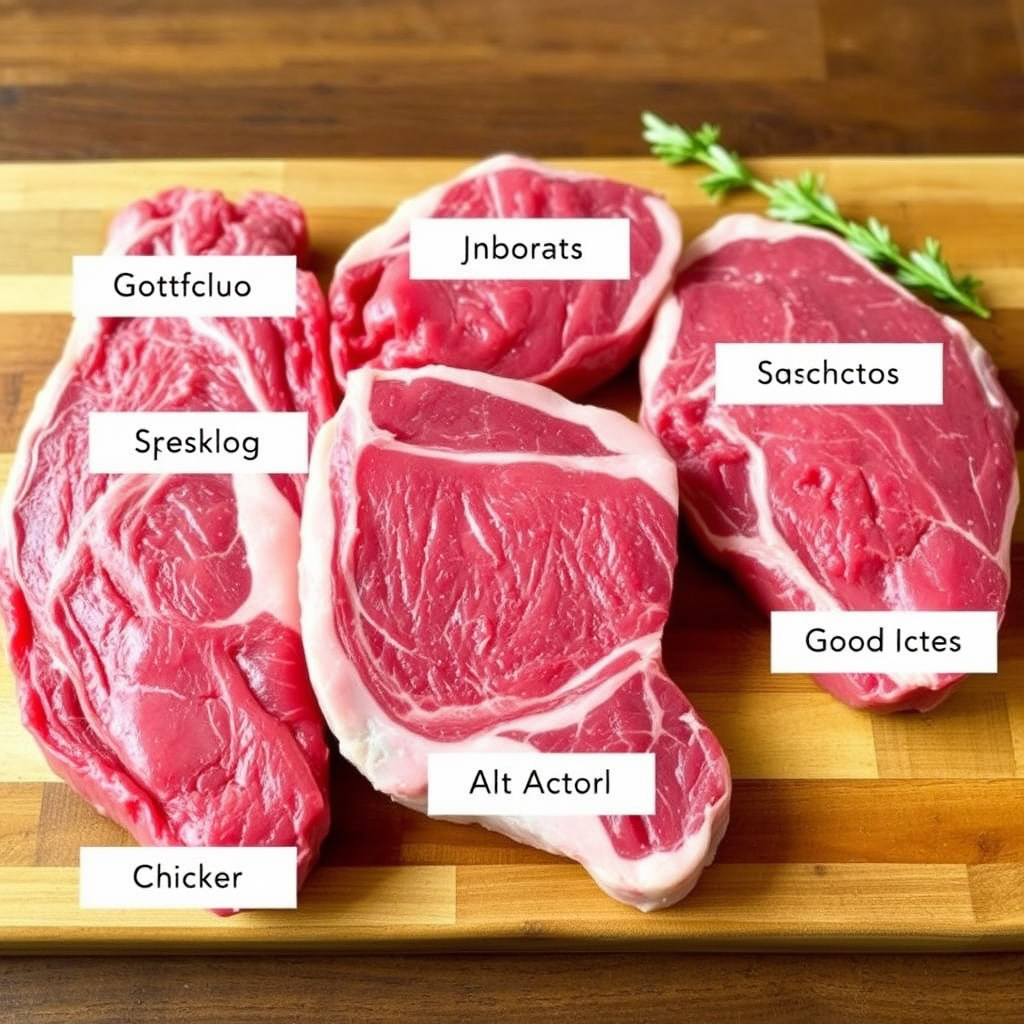
Types of Steak Ideal for Medium Rare Grilling
Certain cuts are better suited to grilling medium rare due to their fat content and tenderness. Ribeye, New York strip, and filet mignon are prime choices because they have marbling that melts during cooking, enriching flavor and juiciness.
These cuts respond well to high heat grilling and maintain a tender texture without becoming tough, which is crucial for achieving that perfect medium rare doneness.
- Ribeye: rich marbling, flavorful
- New York Strip: firm and tender
- Filet Mignon: very tender, lean
Steak Thickness and Its Impact on Cooking Time
Thickness plays a major role in grilling times for medium rare. Thicker steaks require more time on the grill at moderate heat to cook through without burning the outside.
A steak about 1 to 1.5 inches thick is ideal for grilling medium rare with good control. Thinner cuts cook too fast and can easily surpass medium rare if not watched closely.
- 1-inch thick: ~4-5 minutes per side
- 1.5-inch thick: ~6-7 minutes per side
Preparing Your Grill for Medium Rare Steak
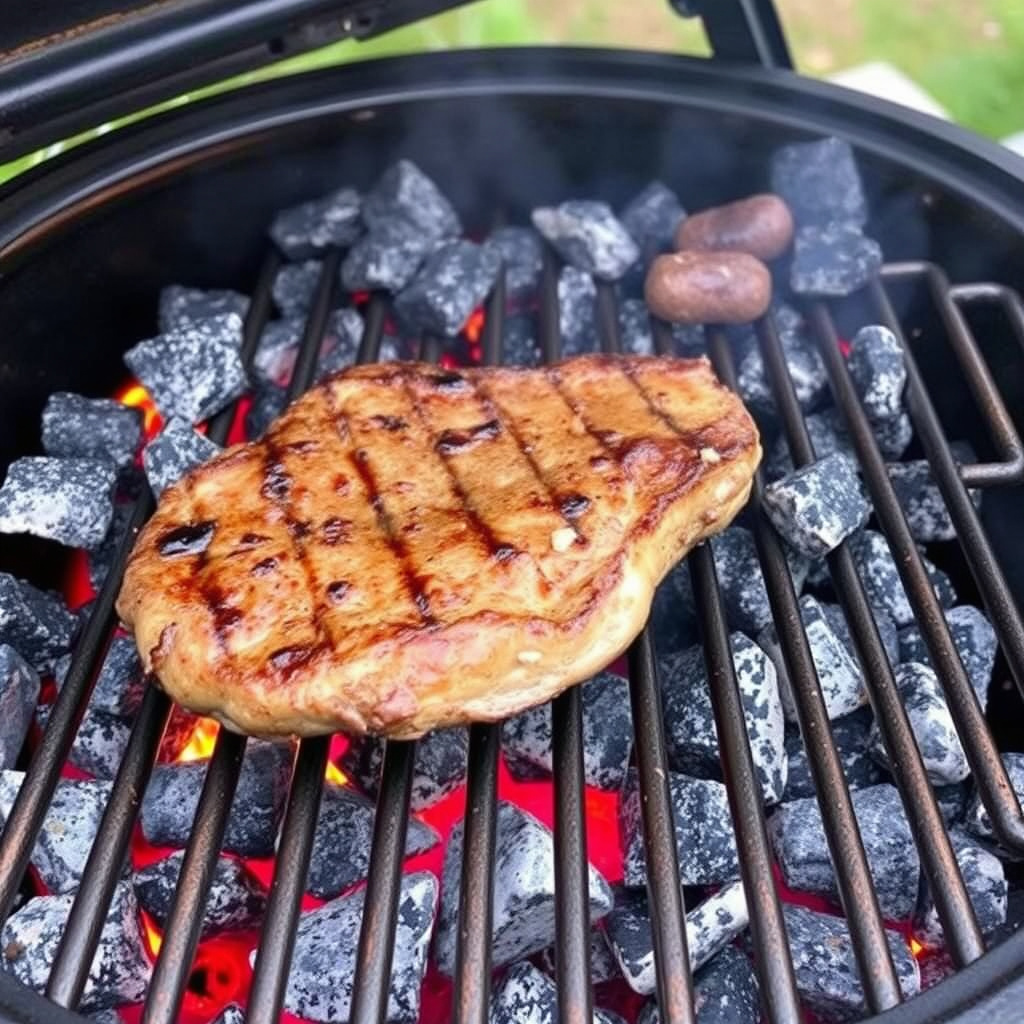
Setting Up the Grill for Direct and Indirect Heat
A two-zone fire is essential for grilling medium rare steak. Direct heat handles searing the outside; indirect heat finishes cooking gently.
For charcoal grills, pile coals on one side; for gas grills, leave one burner off. This setup lets you control doneness while preventing charring.
- Direct heat temperature around 450-500°F for searing
- Indirect heat zone at 300-350°F for finishing
Cleaning and Oiling the Grill Grates
Clean grates prevent sticking and ensure even grill marks. Use a wire brush before heating the grill.
Once hot, lightly oil the grates with an oil-soaked paper towel held by tongs to help the steak release easily and develop a crust.
- Preheat grill for at least 10 minutes
- Use high smoke point oils like canola or grapeseed
Seasoning and Preparing Your Steak for the Grill
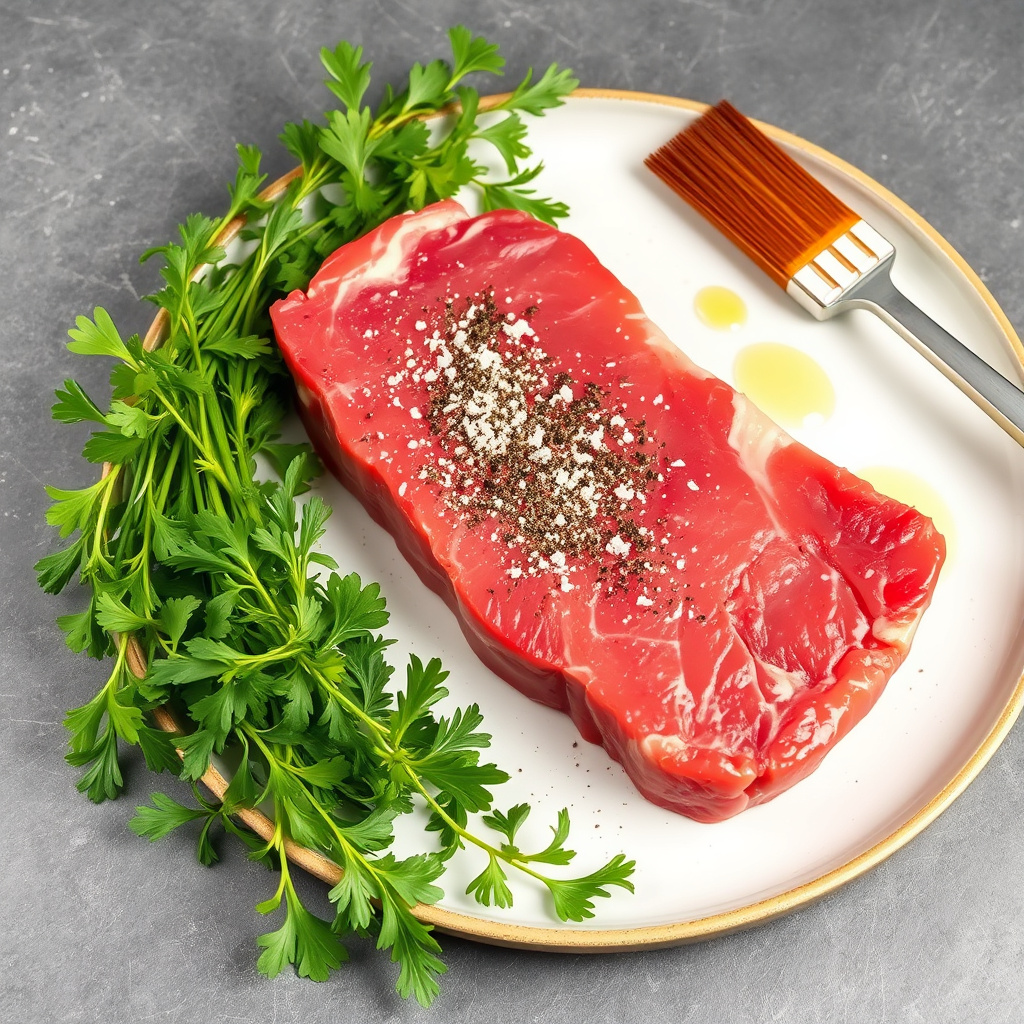
Classic Seasoning Techniques for Medium Rare Steak
Keep seasoning simple to highlight the steak’s quality. Generous salt and coarsely ground black pepper added just before grilling enhance natural flavor.
Avoid applying salt too early, as it can draw moisture out if left uncovered too long. Let the steak sit at room temperature for 30 minutes after seasoning.
- Use kosher salt or sea salt
- Freshly cracked black pepper
For more on this, see our related guide: How to Grill Steak on a Charcoal Grill: A Step-by-Step Guide.
Using Marinades and Oils to Enhance Flavor
While medium rare grilling often benefits from simple seasoning, marinades with acid and herbs can add subtle flavor, especially for lean cuts.
Lightly brushing olive oil on both sides helps prevent sticking and supports caramelized crust development during high-temp grilling.
- Marinate for 30 min to 2 hours max
- Avoid heavy sugar-based marinades before grilling
Grilling Techniques for Medium Rare Steak
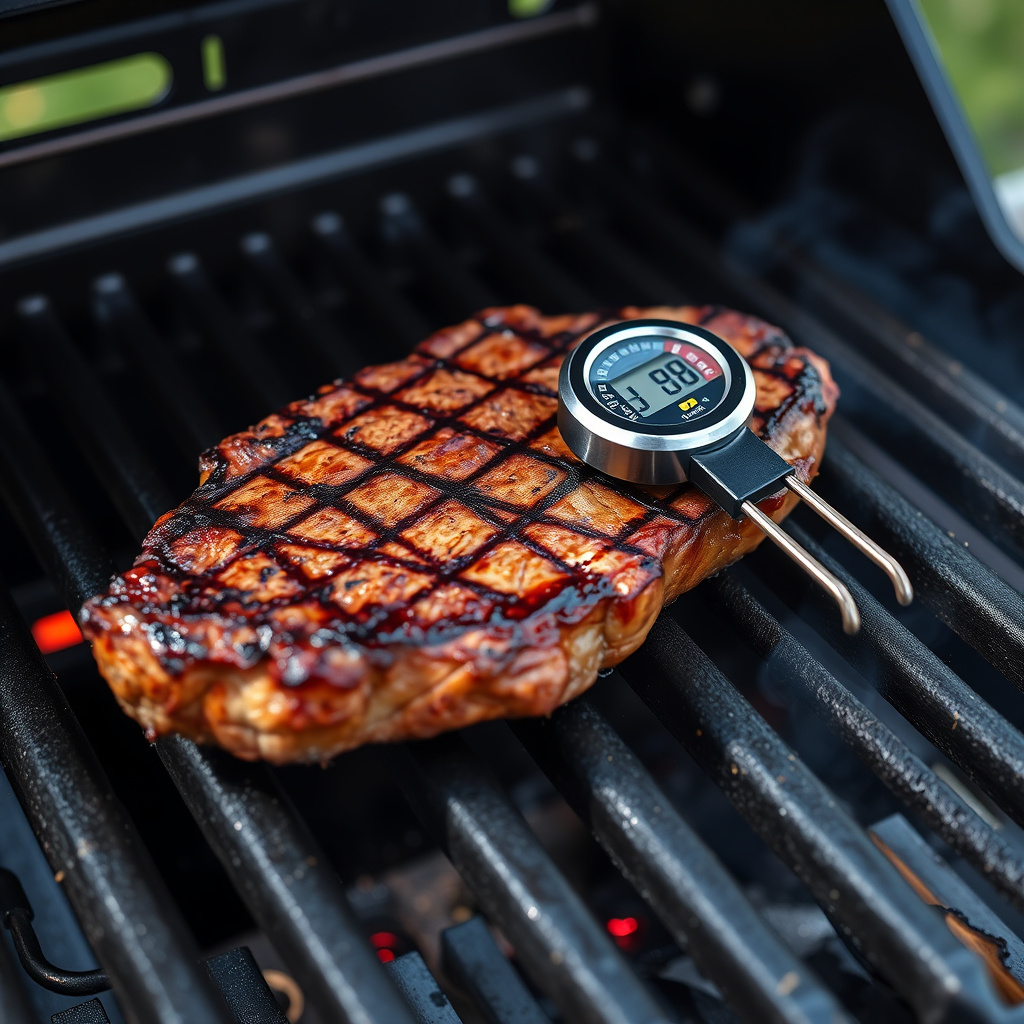
Searing and Timing to Achieve Medium Rare
Start by searing the steak over direct high heat for 2-3 minutes per side to form a crust. Avoid flipping repeatedly; one turn per side is ideal.
Then, move the steak to indirect heat until the internal temperature reaches 130-135°F, usually a few more minutes depending on thickness.
- Use tongs to flip, not a fork
- Check temperature with an instant-read thermometer
Using the Touch and Thermometer Methods
An instant-read meat thermometer is the most reliable way to confirm medium rare doneness. Insert it into the thickest part of the steak.
Alternatively, the touch method gauges firmness—medium rare feels like pressing the fleshy area below your thumb when making an 'OK' sign.
- Thermometer target: 130-135°F
- Touch method: soft but springy texture
Resting and Serving Your Medium Rare Steak
Why Resting Matters for Juicy Steak
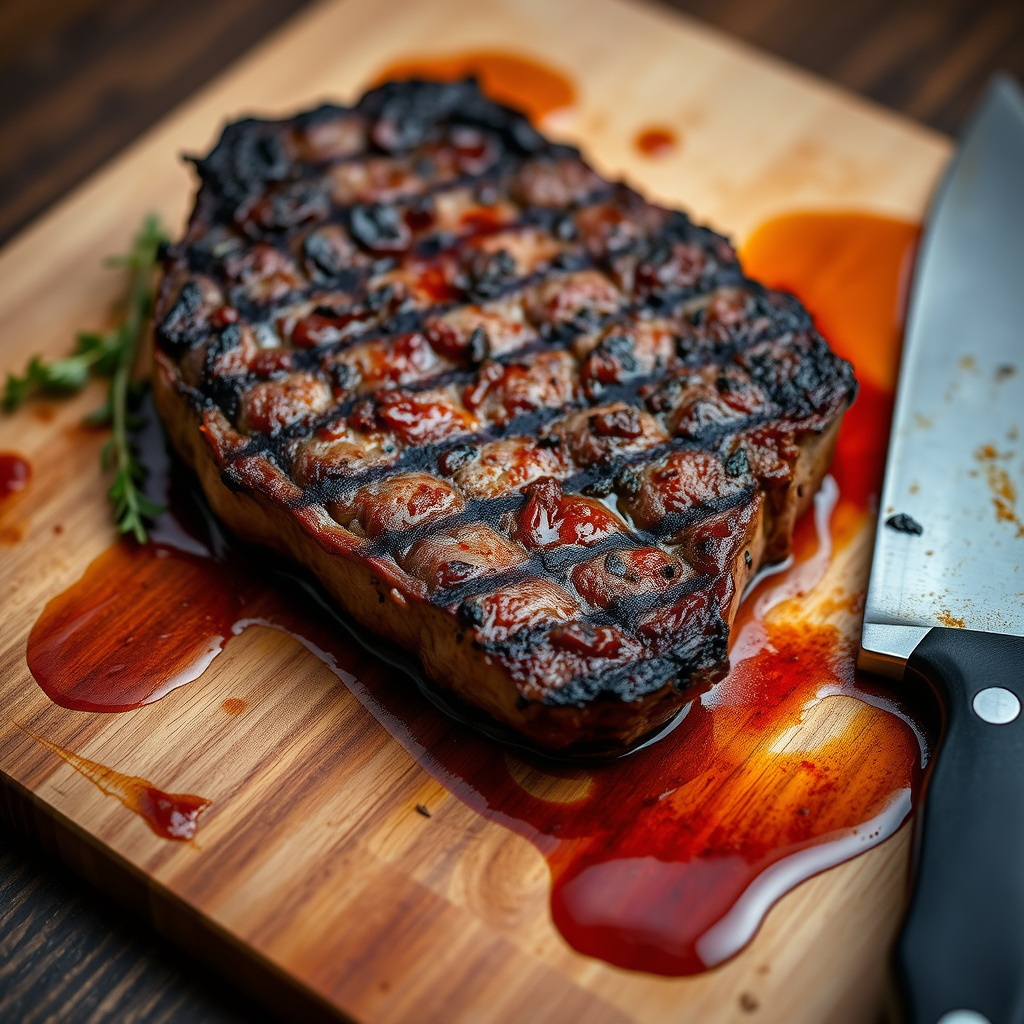
Resting allows juices to redistribute throughout the meat, preventing them from spilling out when you cut. This keeps the steak moist and flavorful.
A steak should rest for at least 5-10 minutes loosely tented with foil after grilling before slicing.
- Rest on a warm plate or board
- Tent with foil, avoid sealing tightly
For more on this, see our related guide: How to Grill Steak on a Gas Grill: A Step-by-Step Guide for Perfect Results.
Proper Slicing Techniques
Slice steak against the grain to shorten muscle fibers, which improves tenderness. Identify the grain direction visually before cutting.
Cut in even slices 1/4 to 1/2 inch thick depending on your serving preference.
- Use a sharp carving or chef’s knife
- Slice perpendicular to muscle fibers
Common Mistakes to Avoid When Grilling Medium Rare Steak
Avoiding Overcooking and Dryness
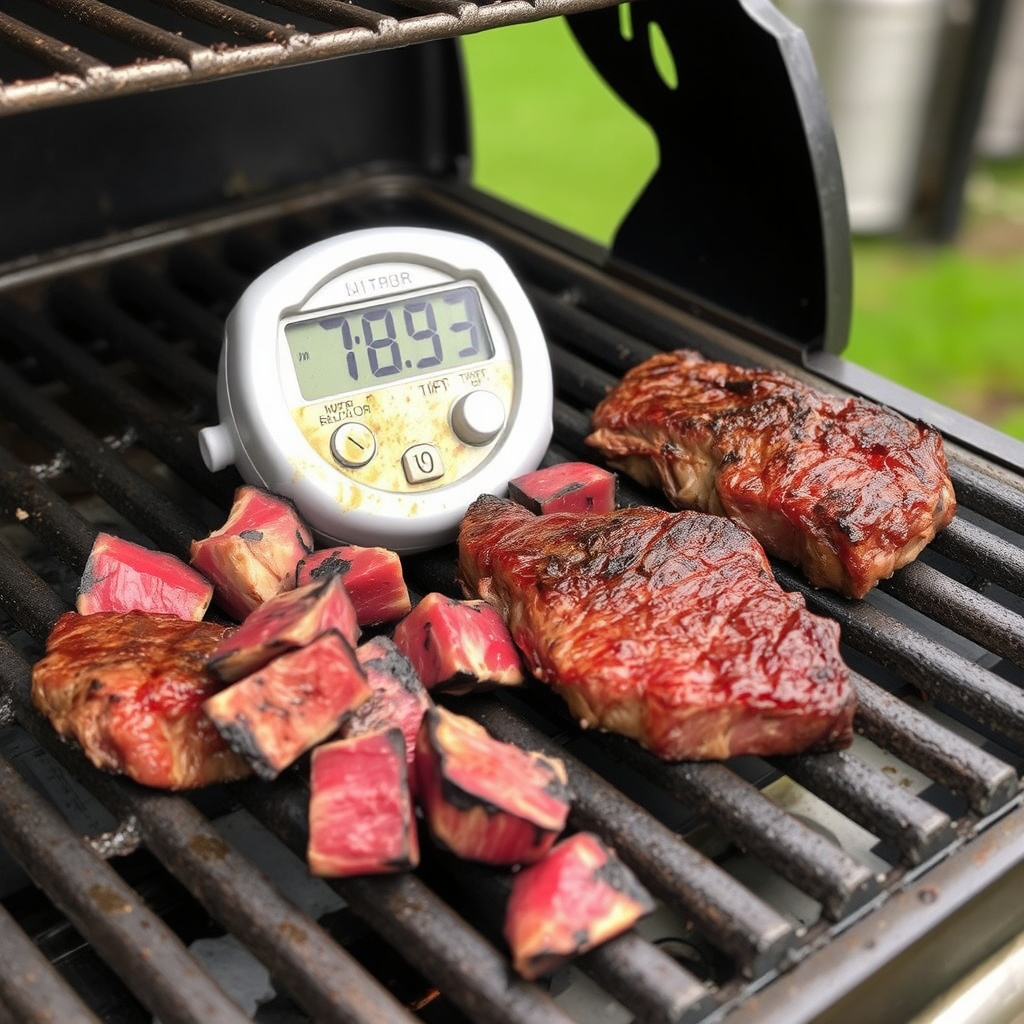
Leaving the steak too long on the grill is the top cause of overcooking. Use a thermometer to prevent guessing and pull the steak off a few degrees before your target, as it will continue cooking while resting.
Avoid high flames or flare-ups that burn the outside before the inside reaches medium rare.
- Pull steak at 125-130°F for carryover cooking
- Manage flare-ups by moving steak to cooler zones
For a detailed overview of grilling methods, you can visit the grilling section on Wikipedia. Grilling steak techniques – Wikipedia.
Not Letting Steak Reach Room Temperature
Grilling steak straight from the fridge can cause uneven cooking, tough texture, and longer grill times.
Allow steaks to rest uncovered at room temperature for 20-30 minutes before seasoning and grilling for even cooking throughout.
- Remove steak 30 minutes before grilling
- Pat dry with paper towels to reduce moisture
Grilling Medium Rare Steak: Cut and Thickness Comparison
This table compares popular steak cuts and thicknesses for grilling medium rare, along with recommended cook times and flavor profiles.
| Steak Cut | Thickness | Cook Time Per Side | Flavor Profile | Grilling Difficulty |
|---|---|---|---|---|
| Ribeye | 1.5 inches | 6-7 mins | Rich and buttery | Moderate |
| New York Strip | 1 inch | 4-5 mins | Beefy and firm | Easy |
| Filet Mignon | 1.5 inches | 5-6 mins | Tender and mild | Moderate |
| Sirloin | 1 inch | 3-4 mins | Lean and robust | Challenging |
| Flank Steak | 0.75 inch | 2-3 mins | Bold and fibrous | Challenging |
Frequently Asked Questions
How do I know when my steak is medium rare without a thermometer?
Use the touch test by comparing the firmness of the steak to the fleshy part under your thumb when making an OK sign; medium rare feels soft but springs back slightly.
Can I grill frozen steak to medium rare?
Grilling frozen steak is not recommended for medium rare results as it causes uneven cooking and difficulty reaching the right internal temperature without overcooking the exterior.
What is the best way to season steak before grilling medium rare?
A simple seasoning of kosher salt and freshly ground black pepper just before grilling yields the best flavor without overpowering the meat’s natural taste.
How long should I rest my steak after grilling medium rare?
Rest your steak for 5-10 minutes loosely covered with foil so the juices redistribute, ensuring a juicy and tender eating experience.
Does marinating affect the grilling time for medium rare steak?
Marinating can slightly change grilling times if it adds moisture or sugar. Generally, marinated steaks may cook a little faster due to surface caramelization.
Key Takeaways
- Grill steak to an internal temperature of 130-135°F for perfect medium rare.
- Choose well-marbled cuts like ribeye or strip for juicier results.
- Use a two-zone fire setup for searing and gentle cooking.
- Always rest the steak after grilling to retain juices.
Conclusion
Grilling steak medium rare involves careful attention to temperature, timing, and preparation techniques to create a tender and juicy result. Understanding the characteristics of your chosen cut and properly setting your grill provide the foundation for a great steak. Using an instant-read thermometer and following recommended cook times helps avoid overcooking, while resting the steak after heat brings the flavors beautifully together in every bite.
For those seeking consistent medium rare steaks, thicker cuts like ribeye or filet mignon offer the most forgiving experience, balancing rich flavor with desirable texture. Smaller or leaner cuts such as sirloin require more vigilance to prevent drying out. A two-zone fire setup ensures that you can achieve a perfect sear without burning, then finish the steak at a gentler temperature to reach medium rare exactly. Seasoning simply but well enhances the natural meat flavors without overwhelming them.
If you want to improve your grilling skills, start by selecting your preferred cut, prepare the grill as advised, and monitor temperatures closely rather than relying on guesswork. Investing in a reliable thermometer will pay off in every cook. Once familiar with timing and signals for doneness, grilling steaks medium rare will become an enjoyable and rewarding routine that impresses every time.



