
To grill steak on a gas grill effectively, start by preheating the grill to high heat, around 450-500°F, to sear the meat. Season the steak with salt and pepper or your preferred rub, then place it on the grill for 3-5 minutes per side depending on thickness and desired doneness. Use direct heat for searing and indirect heat for finishing thicker cuts to prevent overcooking.
Grilling steak on a gas grill is a favored method because it offers temperature control and quick heat-up times, making it ideal for both beginners and seasoned grillers. The technique differs from charcoal grilling in precision, which helps achieve consistent results. Understanding how gas grills distribute heat can significantly impact the texture and flavor of the steak.
This article covers essential preparation steps, grilling settings, timing guidelines for different steak cuts, how to check doneness, resting tips, and cleanup. Along with classic grilling methods, it includes advanced suggestions for marinade use and how to achieve grill marks that enhance both appearance and taste.
Preparing Your Steak and Gas Grill for Grilling
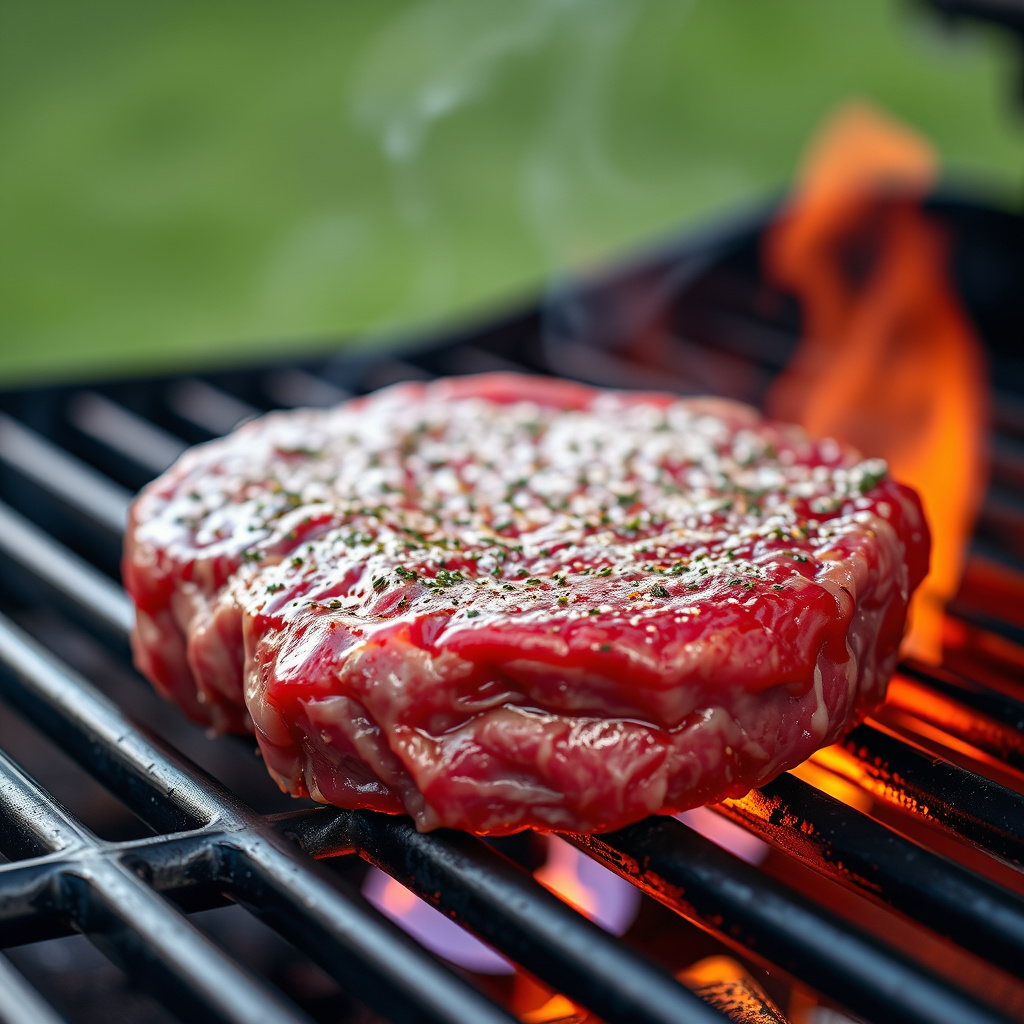
Choosing and Preparing the Steak
Select steaks that are at least 1 inch thick for best grilling results. Popular options include ribeye, New York strip, and filet mignon. Before grilling, let the steak come to room temperature and season it simply with salt and pepper. This enhances natural flavors and promotes an even cook.
If desired, marinate the steak for up to 2 hours using a combination of oils, acids like vinegar or lemon juice, herbs, and spices. Avoid over-marinating to prevent texture breakdown. Proper preparation ensures the meat cooks evenly and develops a rich crust during grilling.
Setting Up the Gas Grill
Preheat your gas grill on high for about 10-15 minutes to reach an ideal searing temperature between 450°F and 500°F. Clean the grill grates with a wire brush to remove residue for better grill marks and prevent sticking.
Adjust burners for a two-zone fire: one side on high for direct searing and the other side on low or off for indirect cooking. This allows you to start the steak over high heat and finish thicker cuts gently over indirect heat.
Grilling Techniques for Perfect Steak on a Gas Grill
Direct Heat Searing
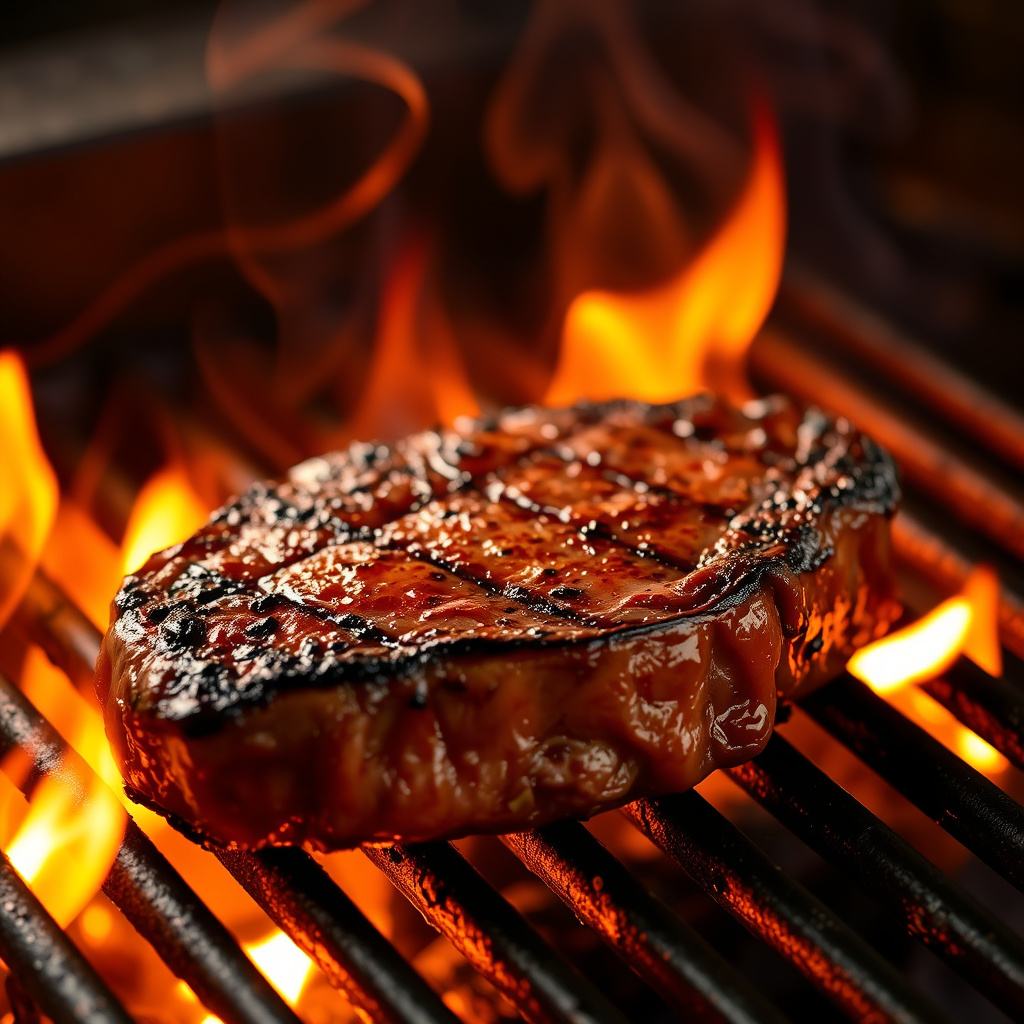
Place the steak directly over the hottest grill zone to rapidly sear the surface, locking in juices and creating a flavorful crust. Grill steaks for about 3-5 minutes on the first side without moving them, then flip once for another 3-5 minutes.
For precise grill marks, rotate the steak 45 degrees halfway through cooking each side to create a crosshatch pattern. Avoid flipping multiple times as this reduces crust formation and cooking control.
- Preheat grill to 450-500°F
- Sear steak 3-5 minutes per side
- Rotate halfway on each side for grill marks
For more on this, see our related guide: How to Grill Fish Perfectly: Tips for Juicy, Flaky Results Every Time.
Using Indirect Heat for Thicker Cuts
After searing, move steaks thicker than 1.5 inches to the cooler side of the grill to finish cooking without burning the exterior. Close the lid to maintain consistent heat and prevent flare-ups.
Use a meat thermometer during indirect cooking: aim for 130°F for medium rare, 140°F for medium, and 150°F for medium well. Indirect heat avoids overcharring while delivering tender doneness.
- Sear first, then shift to cooler zone
- Close lid to retain heat
- Use a thermometer to check doneness
Mastering Steak Doneness and Resting
Checking Steak Doneness
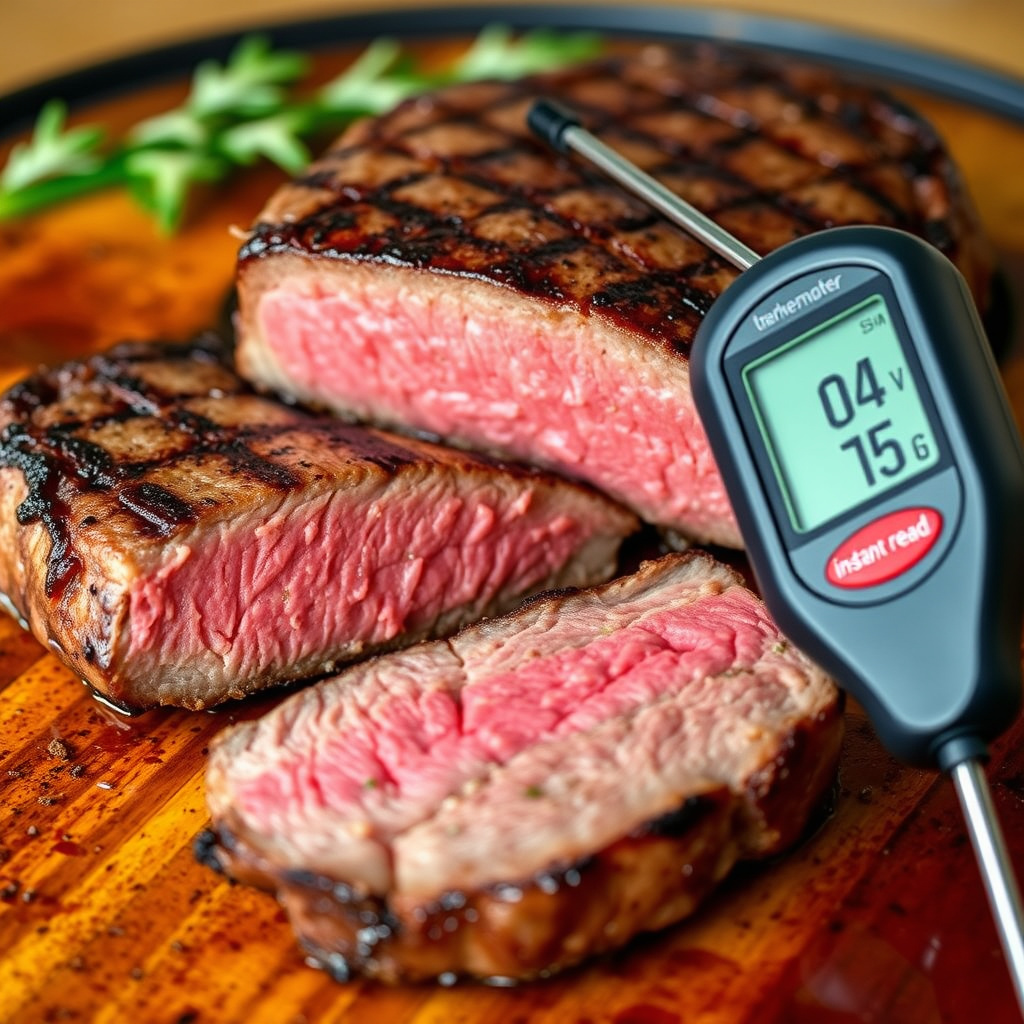
Use an instant-read meat thermometer to measure internal temperature accurately. Avoid cutting into the steak early; instead, probe the thickest part. Target specific temperature ranges for preferred doneness to avoid over or undercooking.
Additionally, the finger test method can help: press the steak and compare its firmness to different parts of your hand for a rough doneness estimate. However, thermometers are more reliable for consistent results.
- Rare: 120-125°F
- Medium Rare: 130-135°F
- Medium: 140-145°F
- Medium Well: 150-155°F
- Well Done: 160°F+
Resting Your Steak
After grilling, rest the steak for 5-10 minutes loosely covered with foil. This allows juices to redistribute, making the meat tender and flavorful when cut.
Skipping resting causes juice loss and a dry texture. Time your sides or salads to finish cooking simultaneously so the steak can rest uninterrupted.
Enhancing Flavor with Marinades and Rubs
Marinades for Gas Grilled Steak
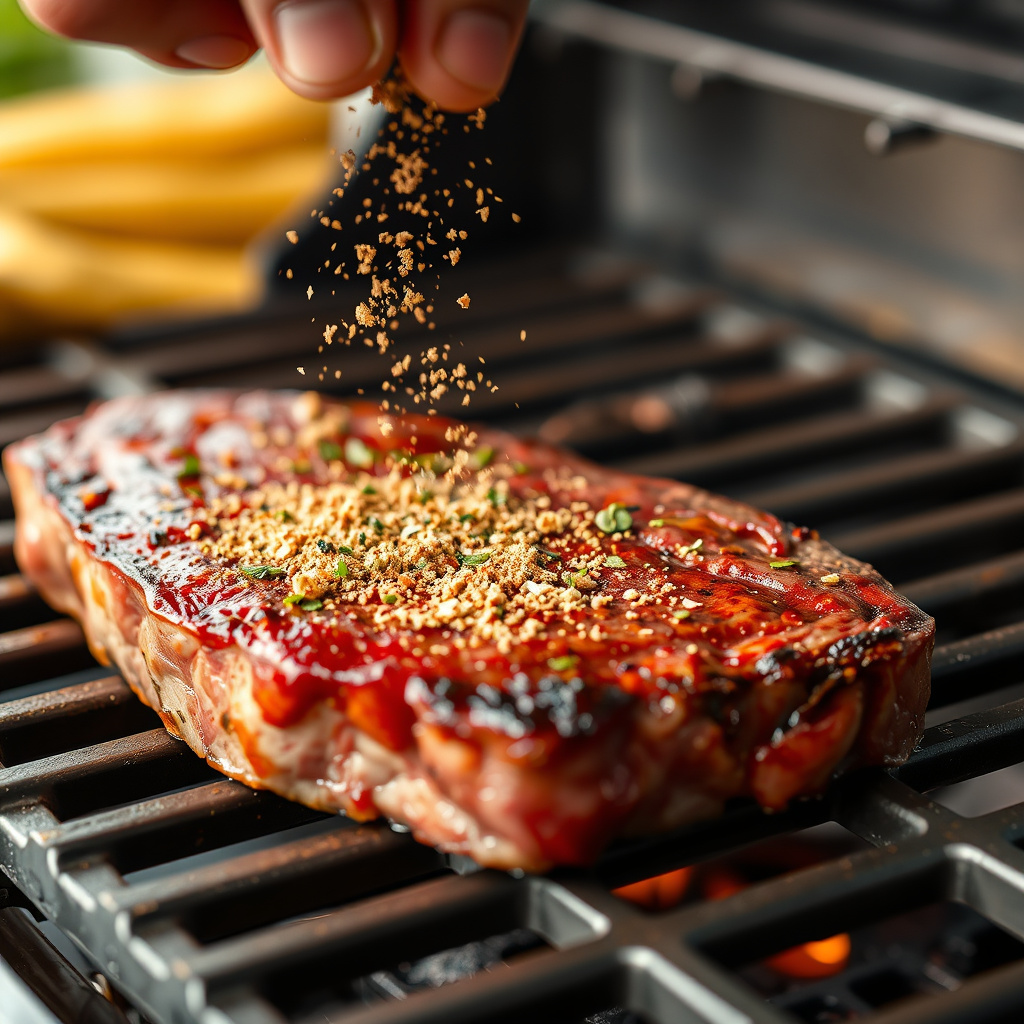
Marinades combine acids, oils, and seasonings to tenderize and add depth of flavor to steak. Popular acids include lemon juice, vinegar, or wine, which break down connective tissue gently.
Apply marinades for 30 minutes to 2 hours in the fridge. Avoid longer periods to maintain a natural texture. Marinating can complement the flavors achieved from grilling and add moisture.
For more on this, see our related guide: How to Grill Steak Perfectly Every Time: A Step-by-Step Guide.
Dry Rubs and Seasoning Blends
Dry rubs are mixtures of herbs, spices, and salt that form a crust when grilled. They add complexity and texture without altering steak’s natural taste.
Typical components include paprika, garlic powder, black pepper, and brown sugar. Apply rubs generously 30 minutes before grilling for maximum flavor absorption.
Grill Maintenance and Cleanup for Longer Gas Grill Life
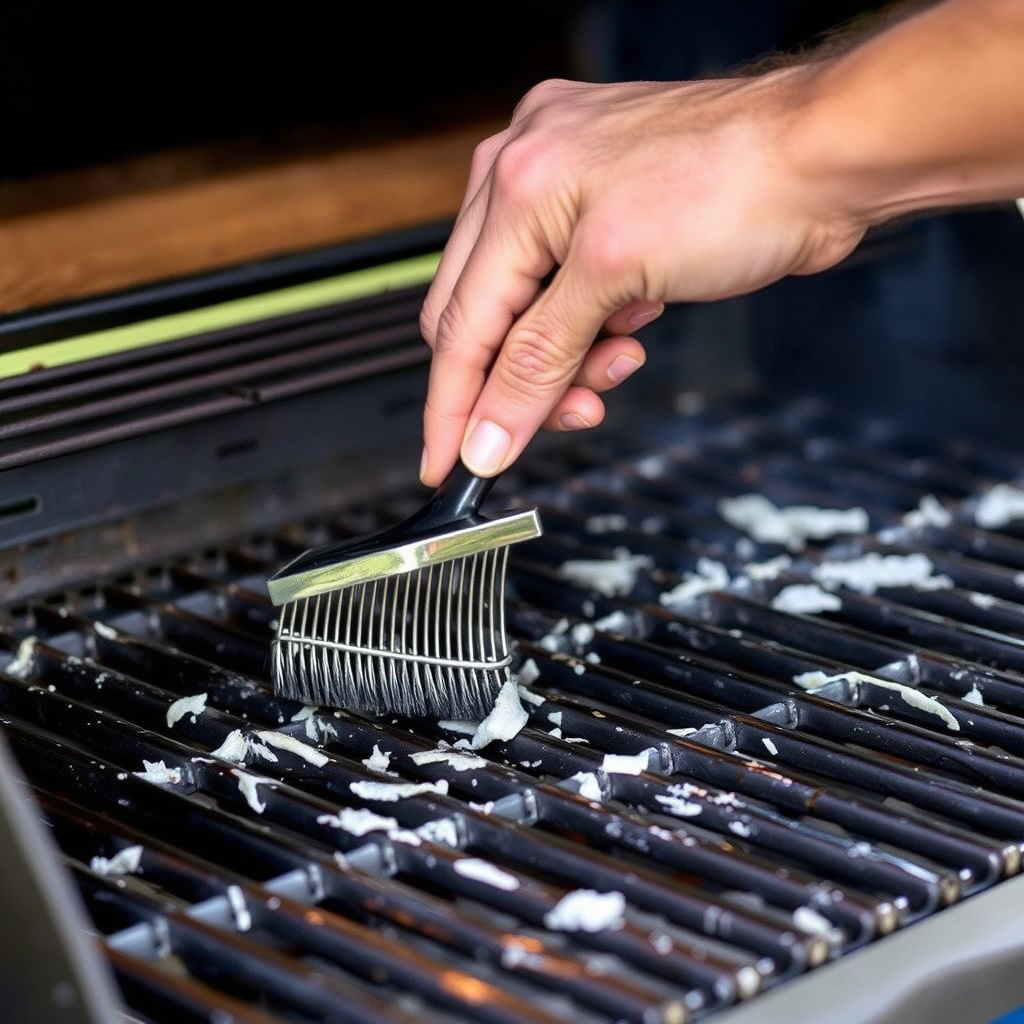
Cleaning Grill Grates
After cooking, while the grill is still warm, use a wire brush or grill scraper to remove any food residue. This prevents buildup that can cause sticking or flare-ups on future cooks.
For deeper cleaning, periodically remove grates and soak them in warm soapy water. Rinse and dry completely before reinstalling.
- Brush grates immediately after use
- Soak and scrub for periodic deep cleaning
For more background on grilling styles including gas grill grilling techniques, the Wikipedia article on barbecue provides useful insights. gas grill grilling techniques.
Gas Grill Care and Storage
Check propane tanks regularly for leaks and ensure connections are tight. Clean grease trays and empty drip pans to avoid fire hazards.
Cover your gas grill when not in use to protect from weather damage, and store it in a dry area during off-seasons to extend lifespan.
Grilling Steak on Gas Grill vs Charcoal and Electric Grills
This table compares gas grills with charcoal and electric grills focusing on heat control, flavor, ease of use, and cleanup.
| Grill Type | Heat Control | Flavor | Ease of Use | Cleanup |
|---|---|---|---|---|
| Gas Grill | Excellent with adjustable burners | Good with less smoke flavor | Very easy and quick to start | Moderate, requires brushing grates |
| Charcoal Grill | Moderate, requires skill | Strong smoky flavor | Harder, longer startup time | More intensive cleanup, ash disposal |
| Electric Grill | Good with dial control | Mild, lacks smoky flavor | Very easy, indoor friendly | Easy, usually removable plates |
Frequently Asked Questions
How long should I preheat my gas grill before grilling steak?
Preheat your gas grill for 10-15 minutes on high until it reaches about 450-500°F, which is perfect for searing steaks.
Can I grill frozen steak on a gas grill?
It's best to thaw steak before grilling for even cooking. Grilling frozen steak often results in uneven doneness and tougher texture.
How do I prevent steak from sticking to the gas grill?
Ensure your grill grates are clean and well-oiled before cooking. Also, letting the steak develop a crust before flipping reduces sticking.
What is the best way to check steak doneness on a gas grill?
Using an instant-read meat thermometer is the most accurate method, measuring the steak’s internal temperature according to desired doneness.
Should I keep the gas grill lid open or closed when grilling steak?
Keep the lid closed during indirect cooking to maintain stable heat, but during searing over direct heat, you can leave it open or closed depending on your grill.
Key Takeaways
- Preheat your gas grill to high (450-500°F) for proper searing.
- Use a two-zone fire by combining direct and indirect heat for thicker steaks.
- Check steak doneness with a meat thermometer for precision.
- Rest steak 5-10 minutes after grilling to retain juices.
Conclusion
When approaching how to grill steak on a gas grill, the key is balancing high-temperature searing with controlled indirect heat to achieve both a flavorful crust and your preferred internal doneness. The method begins with proper steak selection and prep, continues through deliberate temperature management, and ends with accurate doneness checks and resting. This stepwise approach helps avoid common mistakes like burning the outside while the inside remains undercooked, or losing valuable juices by cutting too soon.
Specific choices depend on steak thickness and personal taste. For thinner steaks under 1.5 inches, searing on direct high heat for 3-5 minutes per side generally suffices. Thicker cuts benefit from starting with direct heat searing followed by moving to indirect heat to finish gently. Marinating or applying dry rubs adds flavor complexity without interfering with grilling performance. Tools such as instant-read thermometers and grill brushes enhance both cooking precision and grill maintenance.
Finally, begin by preheating your gas grill properly, prepare your steak simply or with a light rub, and monitor cooking times closely. After grilling, allow steaks to rest before serving to maximize tenderness. This straightforward routine makes grilling steak on a gas grill achievable at home with restaurant-quality results and enjoyable flavor every time.



