
Grilling fish properly requires understanding the right techniques to achieve juicy, flaky results without sticking or drying out. The key to how to grill fish well lies in choosing the right fish, preparing it correctly, and controlling heat and timing during cooking.
Fish is delicate compared to other meats, so a gentle touch and some preparation make a huge difference. Using direct or indirect heat appropriately and knowing when to flip can prevent a frustrating grilling experience. With some practice and the right approach, you can serve perfectly grilled fish that rivals any restaurant.
This article covers everything from selecting the best fish for grilling, prepping it to prevent sticking, various cooking methods including foil grilling and basket use, to troubleshooting common challenges. Whether you prefer firm or flaky fish, you'll find solid guidance to get dependable results on the grill.
Selecting the Best Fish for Grilling
Advantages of Firm, Meaty Fish
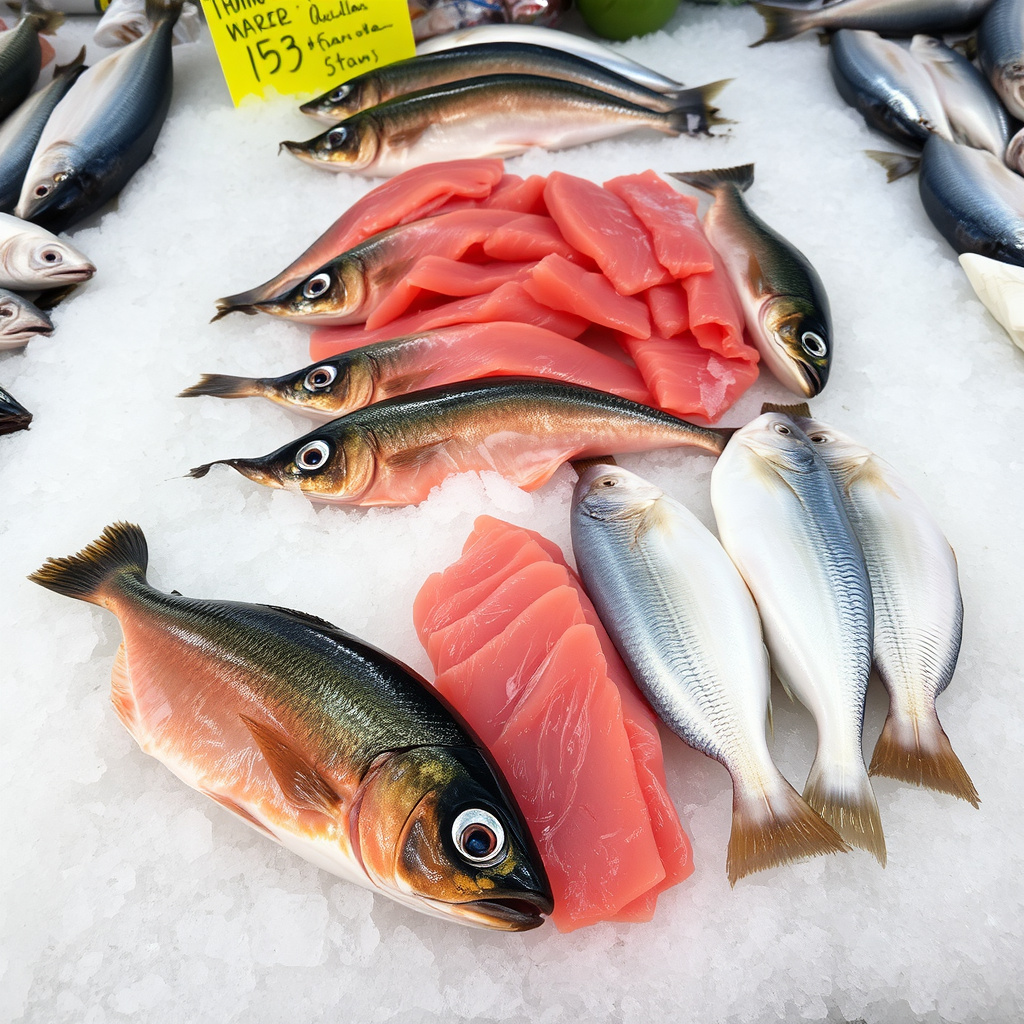
Firm, meaty fish like salmon, tuna, swordfish, and mahi-mahi hold up well on the grill without falling apart. These fish have substantial flesh that stands a better chance against direct heat and flipping.
Choosing fish with thick fillets or steaks helps prevent disintegration and provides a satisfying texture when grilled. They also typically require less finesse in timing compared to delicate fish varieties.
- Salmon fillets or steaks
- Tuna steaks
- Swordfish steaks
- Mahi-mahi fillets or steaks
Cooking Delicate Fish Safely
More fragile fish such as sole, flounder, or tilapia can be grilled but need extra care. Using foil packets or a fish basket prevents them from sticking and breaking apart during turning.
Delicate white fish fillets benefit from indirect heat and shorter cook times to keep them moist and intact.
- Use fish baskets or foil packets
- Apply gentle heat
- Cook thinner fillets quickly
Preparing Fish for the Grill
Cleaning and Filleting Basics
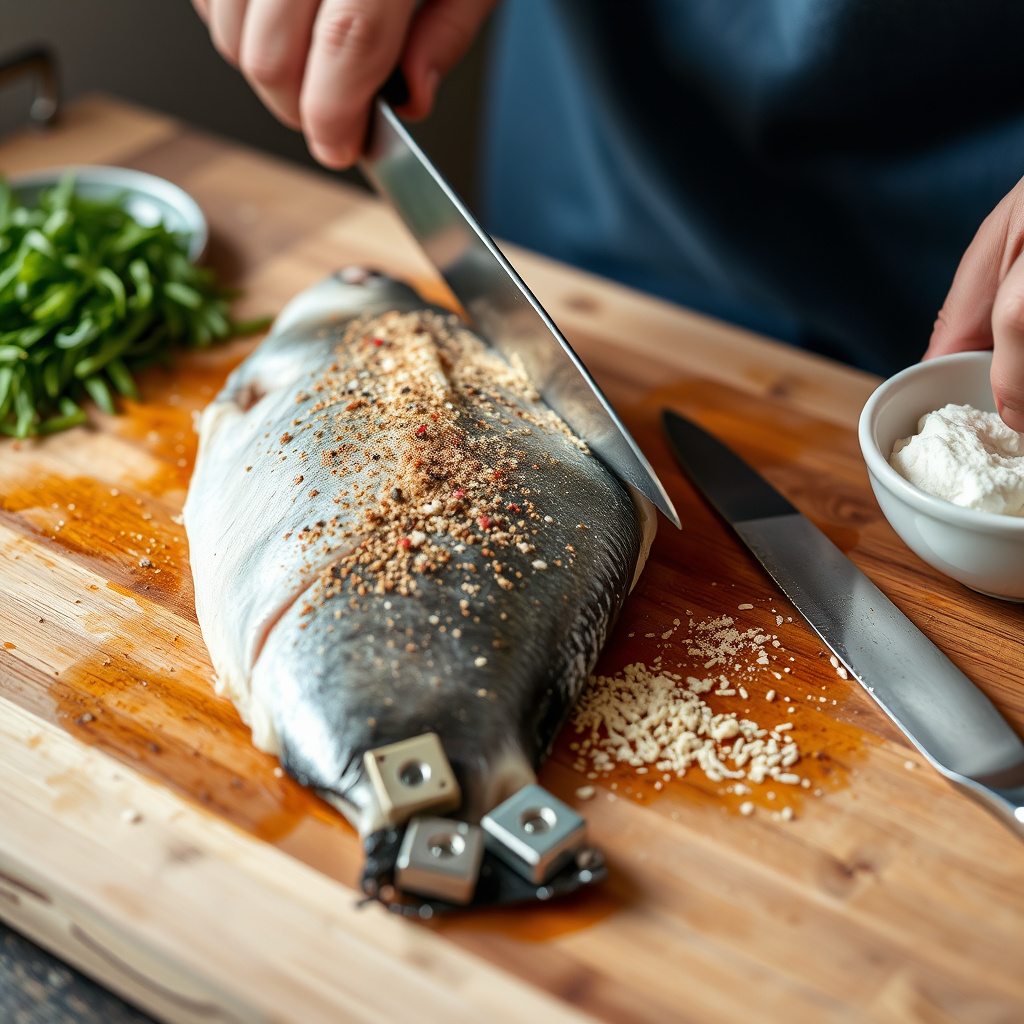
If buying whole fish, properly clean and fillet it before grilling. Removing bones and scales improves the eating experience and cooking consistency.
Even pre-filleted fish benefits from a gentle pat dry with paper towels to remove extra moisture, helping the seasoning adhere and preventing steaming on the grill.
For more on this, see our related guide: How to Grill Asparagus Perfectly Every Time.
Seasoning and Oiling
Apply a light coating of oil to the fish surface to minimize sticking. Use high-smoke-point oils like canola or grapeseed oil.
Season fish simply with salt and pepper or marinate briefly in herbs and citrus to enhance natural flavors without masking them.
- Use canola, grapeseed, or avocado oil
- Simple salt and pepper seasoning
- Marinate for 15-30 minutes max
Mastering Heat Control and Grill Setup
Direct vs. Indirect Heat Methods
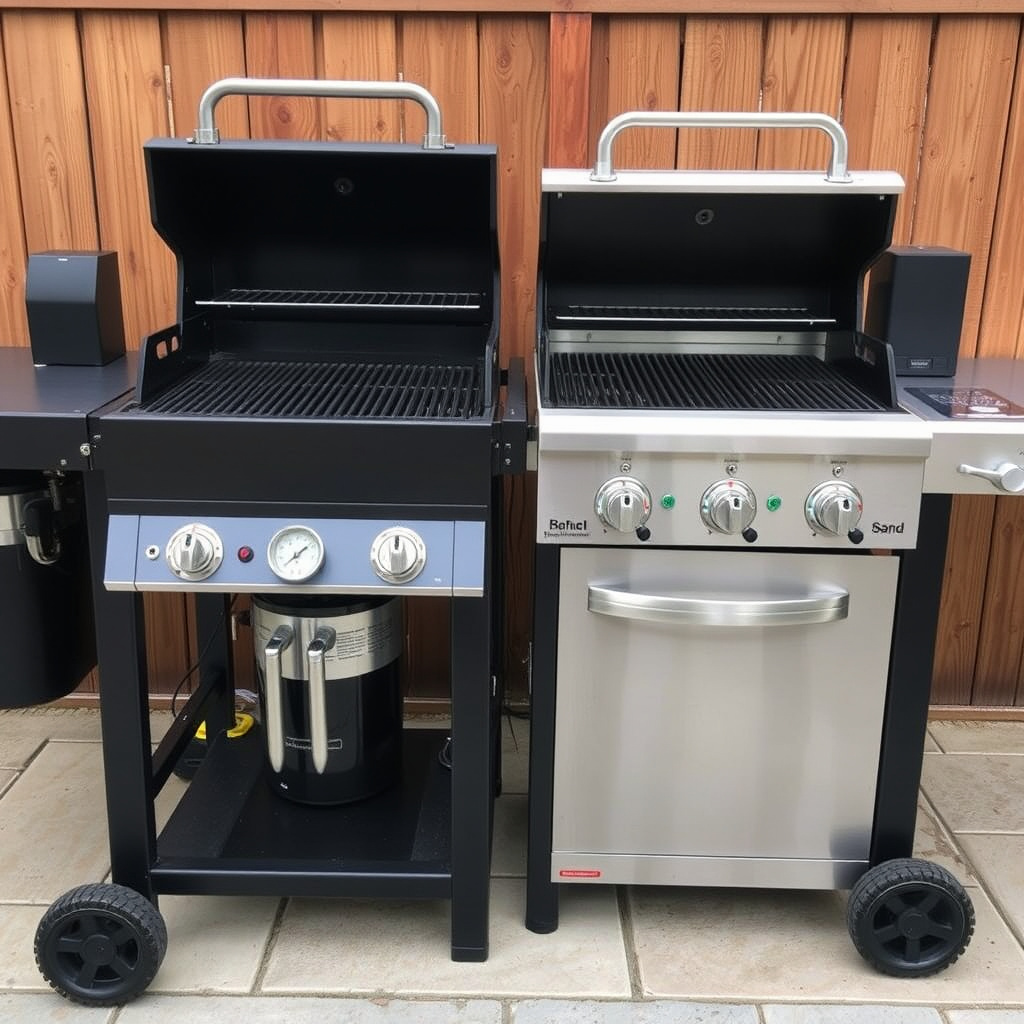
High, direct heat is perfect for firm, thicker fish to achieve a nice sear and crispy exterior while keeping the inside moist.
Indirect heat works better for thinner or delicate fish, allowing gentle, even cooking to prevent drying and sticking.
- Direct heat for thick steaks
- Indirect heat for delicate fillets
Preheating the Grill and Oil the Grates
Ensure the grill is clean and preheated to medium-high before adding the fish. Hot grates reduce sticking and help create grill marks.
Oil the grates lightly with a paper towel and tongs before placing the fish to keep it from tearing when flipped.
Grilling Techniques and Timing
Flipping and Monitoring Doneness
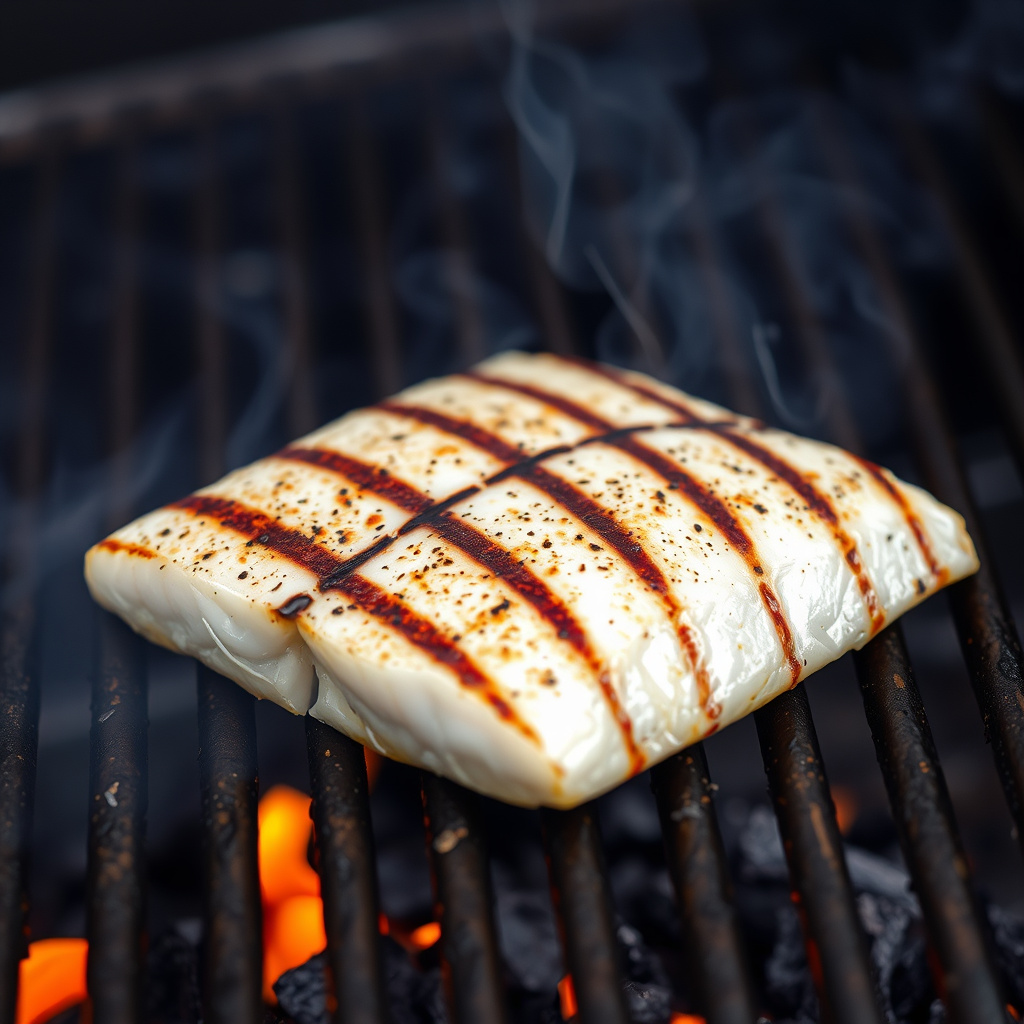
Flip fish only once halfway through cooking to avoid breaking it. Cook times vary with thickness but generally range from 3 to 6 minutes per side.
Use a spatula designed for fish to gently turn. The fish is done when it easily flakes with a fork and is opaque throughout.
- Flip fish once during grilling
- Cook 3-6 minutes per side depending on thickness
- Check for opaque, flaky texture
For more on this, see our related guide: How to Use a Smoker Box on a Gas Grill for Perfectly Smoked Flavors.
Using Foil Packets and Fish Baskets
Foil packets trap moisture and seasoning, excellent for delicate fish or mixed seafood. They simplify cleanup and reduce sticking worries.
Fish baskets hold fillets firmly, making flipping safer and more consistent. They work well for fillets prone to falling apart.
- Foil packets retain moisture
- Fish baskets prevent sticking
- Great for delicate fillets
Troubleshooting Common Grilling Issues
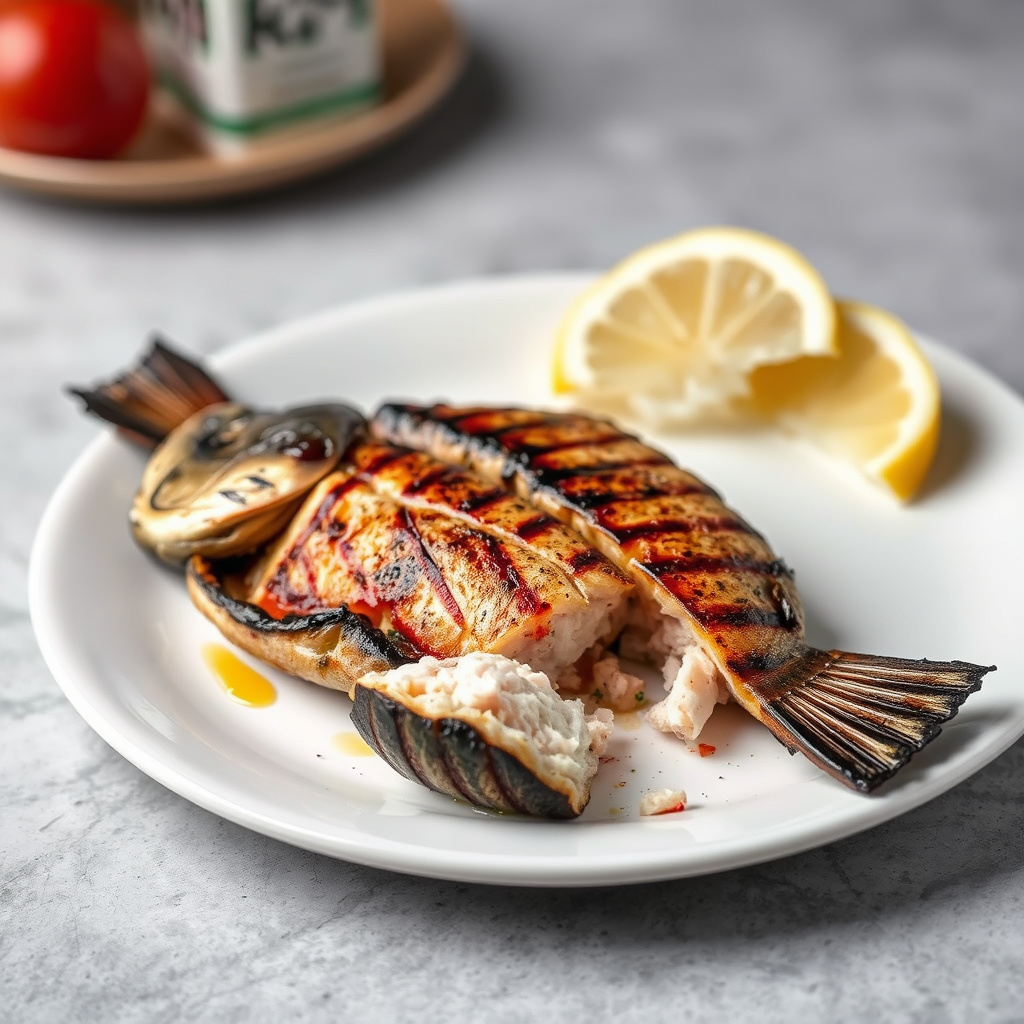
Avoiding Sticking and Tearing
Sticking often comes from insufficient grill temperature or a dry, un-oiled fish surface. Thoroughly oil both fish and grates, and preheat well.
Let fish form a crust before attempting to flip; premature flipping leads to tomes of shredded fish stuck to the grill.
- Preheat grill thoroughly
- Oil fish and grates
- Wait before flipping
For further reading on grilling fish techniques and best practices, this Wikipedia article offers detailed insights. grilling fish techniques.
Preventing Overcooking and Dryness
Fish overcooks quickly. Check often and remove from heat as soon as it flakes easily. Carryover heat will finish cooking.
Marinades with acidic components and basting help maintain moisture, but avoid long cooking times which cause dryness.
- Check fish regularly for doneness
- Use brief marinating
- Avoid prolonged high heat
Comparison of Grilling Methods for Fish
Here’s a quick comparison of popular fish grilling methods to help decide which suits your style and fish choice.
| Grilling Method | Best For | Pros | Cons |
|---|---|---|---|
| Direct grilling on grates | Firm steaks and fillets | Crisp texture, grill marks | Risk of sticking, requires care |
| Indirect grilling | Delicate and thin fillets | Gentle cooking, less sticking | Longer cooking time, no crisp crust |
| Foil packets | Delicate fish, mixed seafood | Retains moisture, easy cleanup | No grill marks, steamed texture |
| Fish baskets | Flaky fillets | Secures fish, easy flipping | Can limit direct contact with heat |
| Plank grilling | Salmon and fatty fish | Infuses smoky aroma, moist | Requires prep, longer cooking |
Frequently Asked Questions
What is the easiest fish to grill for beginners?
Salmon is a forgiving fish for novice grillers due to its firm texture and fat content, which helps it hold together during grilling.
How do I prevent fish from sticking to the grill?
Make sure the grill is hot and clean, oil the grates and the fish itself, then avoid flipping it too early before a crust forms.
Can I grill frozen fish directly?
It’s best to thaw fish completely before grilling for even cooking. Grilling frozen fish often results in unevenly cooked, dry spots.
How long should I grill fish fillets?
Generally, grill fish for about 3-6 minutes per side depending on thickness, or until it flakes easily with a fork and is opaque.
Are marinades necessary for grilling fish?
Marinades add flavor and can help retain moisture but are not mandatory. Even a simple oil and salt seasoning can yield great grilled fish.
Key Takeaways
- Firm, meaty fish are easiest for grilling directly on grates.
- Use oil on fish and grill grates to prevent sticking.
- Flip fish only once and monitor for flaky doneness.
- Foil packets and fish baskets help with delicate fillets.
Conclusion
Deciding how to grill fish comes down to selecting the right fish type and using appropriate heat and technique for its texture. Firm, meaty fish like salmon and tuna excel with direct grilling and give a satisfying crust. Delicate, thin fillets require gentler indirect heat or use of foil packets or baskets to avoid crumbling. Seasoning simply with oil, salt, and pepper keeps the natural flavors front and center while reducing sticking and dryness issues. Fine-tuning your approach by preheating the grill well, properly oiling, and flipping with care leads to beautifully cooked fish every time.
If you’re after straightforward results, start with salmon or swordfish steaks grilled directly on oiled grates to practice control of timing and flipping. For delicate fish like sole or tilapia, foil packets or fish baskets prevent breakage and ease flipping concerns. Plank grilling offers a flavorful alternative for salmon, infusing smoky aroma and retaining moisture for a richer taste. Matching fish choice and cooking method to your skill level and preferences helps avoid frustration at the grill and ensures you serve tender, juicy seafood.
When ready to start grilling, prep your fish by cleaning and drying it, season lightly, and set your grill up with a clean, hot surface. Commit to only one flip and watch closely for the telltale flaky texture signaling doneness. Armed with these practical guidelines, you’ll find grilling fish a rewarding experience that adds fresh, flavorful meals to your menu. Experiment with methods, fish types, and seasonings to develop your personal favorites.



