Yes, resting meat after grilling is essential for achieving juicy, flavorful results. When meat is taken off the heat, the internal juices redistribute throughout the cut instead of spilling out immediately when sliced. This resting period allows the meat fibers to relax and reabsorb moisture, preventing dry, tough bites.
Many home cooks skip this step or rest meat too briefly, which can undermine the effort spent on grilling. Resting isn’t just a traditional practice; it significantly impacts texture and taste by locking in the meat’s natural juices. Understanding why resting matters gives you more control over your grilling outcomes.
In this article, you’ll discover why resting meat after grilling is beneficial, how long to rest different cuts, the science behind juice redistribution, and tips for resting various types of grilled meat. We will also compare resting times and techniques to help you bring out the best in every grilled meal.
The Science Behind Resting Meat After Grilling
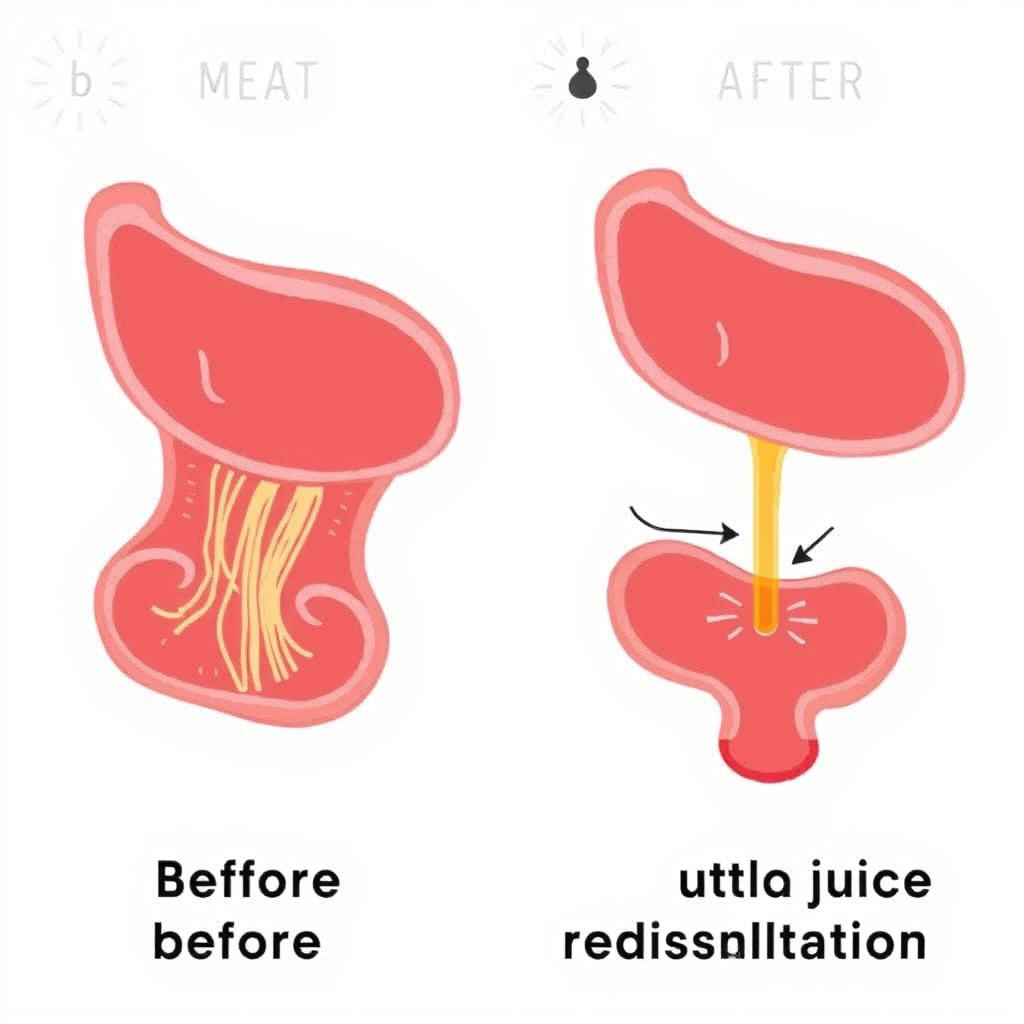
How Heat Affects Meat Juices
During grilling, heat causes the muscle fibers in meat to contract and squeeze out juices toward the surface. If you cut into the meat immediately after grilling, these concentrated juices spill out, leading to a drier texture.
Resting allows these juices to flow back into the muscles evenly, redistributing moisture to every bite. The temperature gradually lowers, and the fibers relax, which keeps the meat tender and juicy.
Muscle Fiber Relaxation and Juice Absorption
As meat rests, the contracted muscle fibers begin to unwind. This relaxation helps the meat retain higher moisture levels inside. Without this process, the juices gather at the surface, increasing dripping and dry mouthfeel.
The resting stage also balances the temperature internally, preventing the outer layer from overcooking while the center finishes resting, resulting in a more uniform doneness.
How Long to Rest Grilled Meat for Best Results
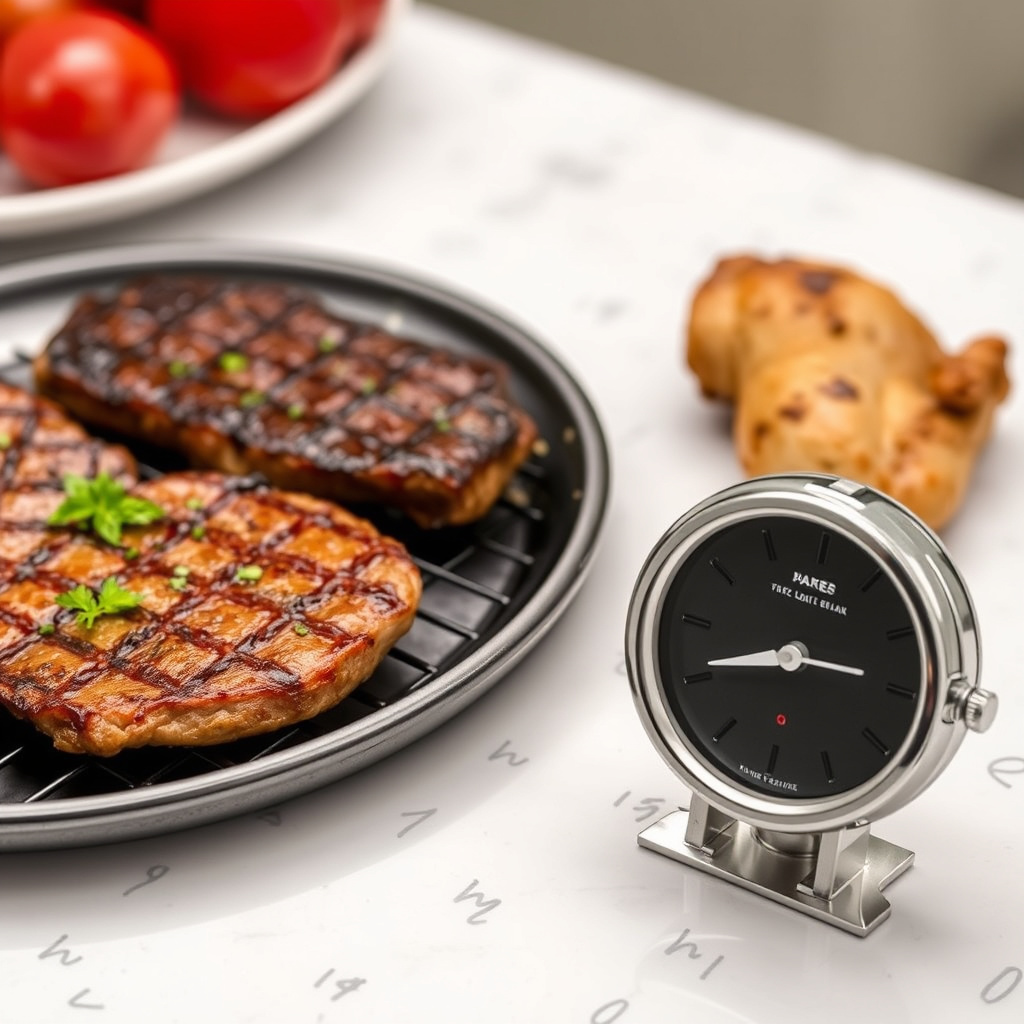
Resting Times for Different Cuts
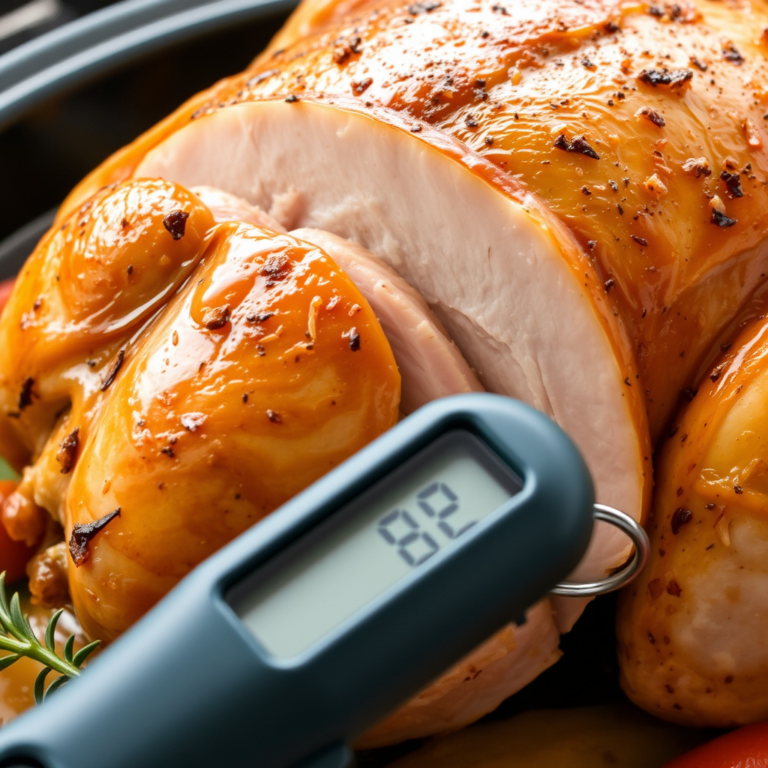
Resting times vary based on meat type and size. Thin cuts like steaks require shorter rests of 5 to 10 minutes, while larger roasts or whole chickens may benefit from 15 to 20 minutes or more.
For steaks up to 1 inch thick, 5 minutes is sufficient. Thick cuts around 2 inches generally need closer to 10 minutes. Larger cuts like brisket or pork shoulder require longer periods to allow heat to equalize and juices to fully redistribute.
- Steaks (1 inch thick): 5 minutes
- Thick cuts (2 inches+): 10 minutes
- Roasts and poultry: 15–20 minutes
Factors Influencing Resting Duration
Ambient temperature and resting method influence how quickly meat cooldowns during resting. Wrapping meat in foil helps retain heat, requiring slightly shorter resting times, whereas resting uncovered cools the meat faster.
Consider the final desired serving temperature. If meat has been grilled to a rare or medium-rare level, resting helps prevent overcooking from carryover heat. Conversely, well-done meats may benefit less from long rests.
Resting Meat After Grilling: Techniques and Tips
Foil Wrapping Versus Air Resting
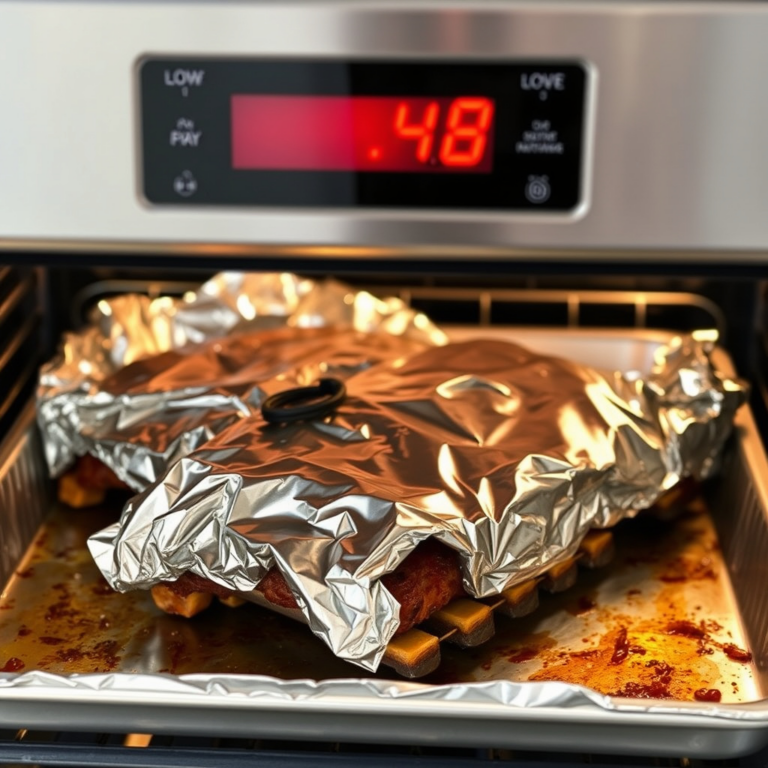
Resting meat wrapped loosely in aluminum foil traps heat and slows cooling but should not be sealed tightly to avoid sweating and soggy crusts. A light tent maintains the crust's integrity while retaining warmth.
Resting meat uncovered allows the surface to cool and may slightly firm up the outside, which some prefer. However, this causes quicker temperature drops and can reduce succulence in thinner cuts.
- Use loose foil tenting to trap warmth
- Avoid tight wrapping that traps moisture excessively
- Uncovered resting cools meat faster, suitable for thicker cuts
For more on this, see our related guide: Should You Salt Steak Ahead of Time? Expert Advice for Perfect Flavor.
Using a Warm Surface or Containers
Placing meat on a warm plate or inside an insulated container during resting can help maintain its heat without overcooking. This method works well particularly in cooler kitchen environments.
Specialized resting bins or warming trays offer controlled heat retention, useful in professional settings for larger quantities. Maintaining gentle warmth ensures even juice redistribution without further cooking.
Resting and Cutting: How to Maximize Juiciness
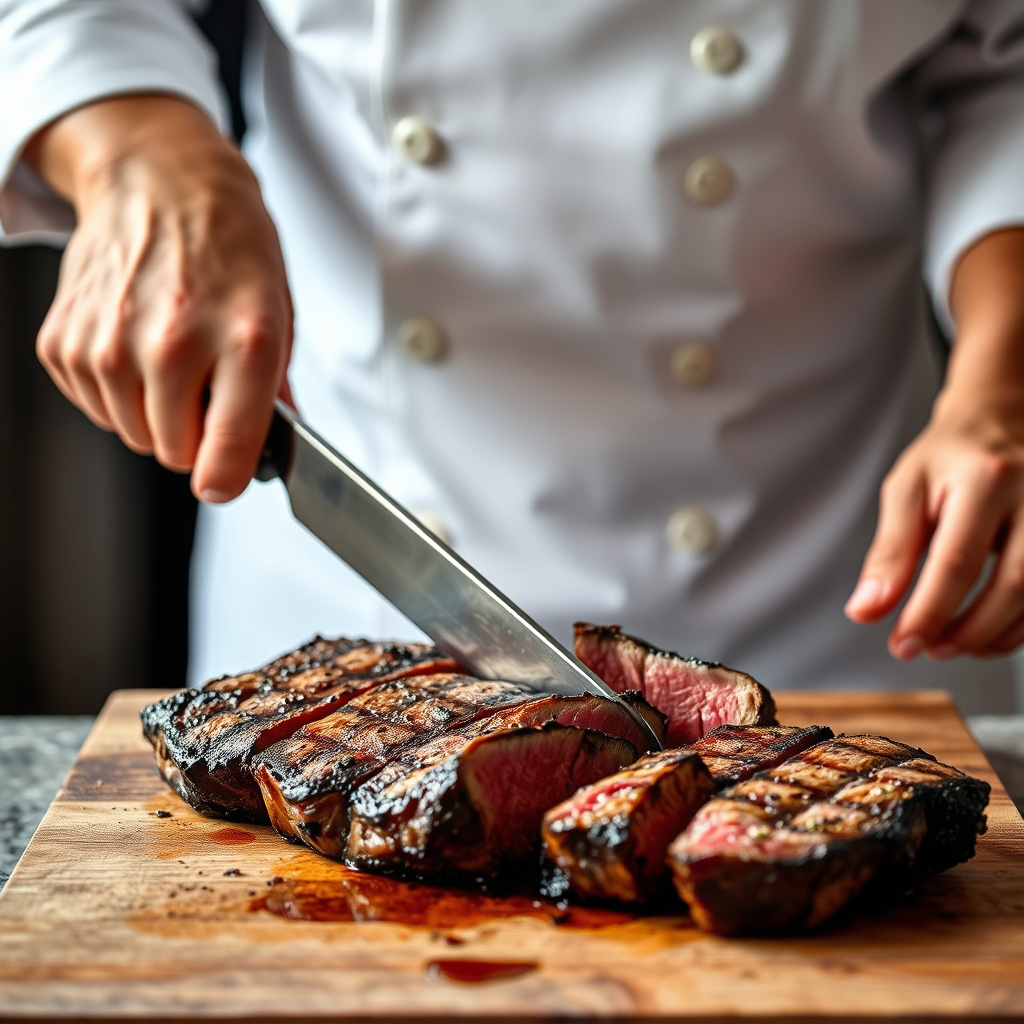
Why Cutting Immediately Causes Juice Loss
Slicing meat straight from the grill before resting disrupts the muscle fibers still contracting, forcing juices out onto the cutting board. This results in a dry eating experience, especially with leaner meats.
Proper resting allows fibers to relax and juices to settle internally, so when cut, the meat retains moisture and flavor. The effect is more noticeable in tender cuts like ribeye or sirloin.
Slicing Techniques After Resting
Always slice against the grain after meat has rested for maximum tenderness. Waiting lets the juices redistribute, and cutting against the grain shortens muscle fibers, creating a more tender bite.
Avoid using dull knives that can crush the meat and force juices out; a sharp knife preserves the integrity of the cut and retains juiciness.
- Slice against the grain
- Use a sharp knife to preserve juices
Resting Meat After Grilling Across Different Proteins
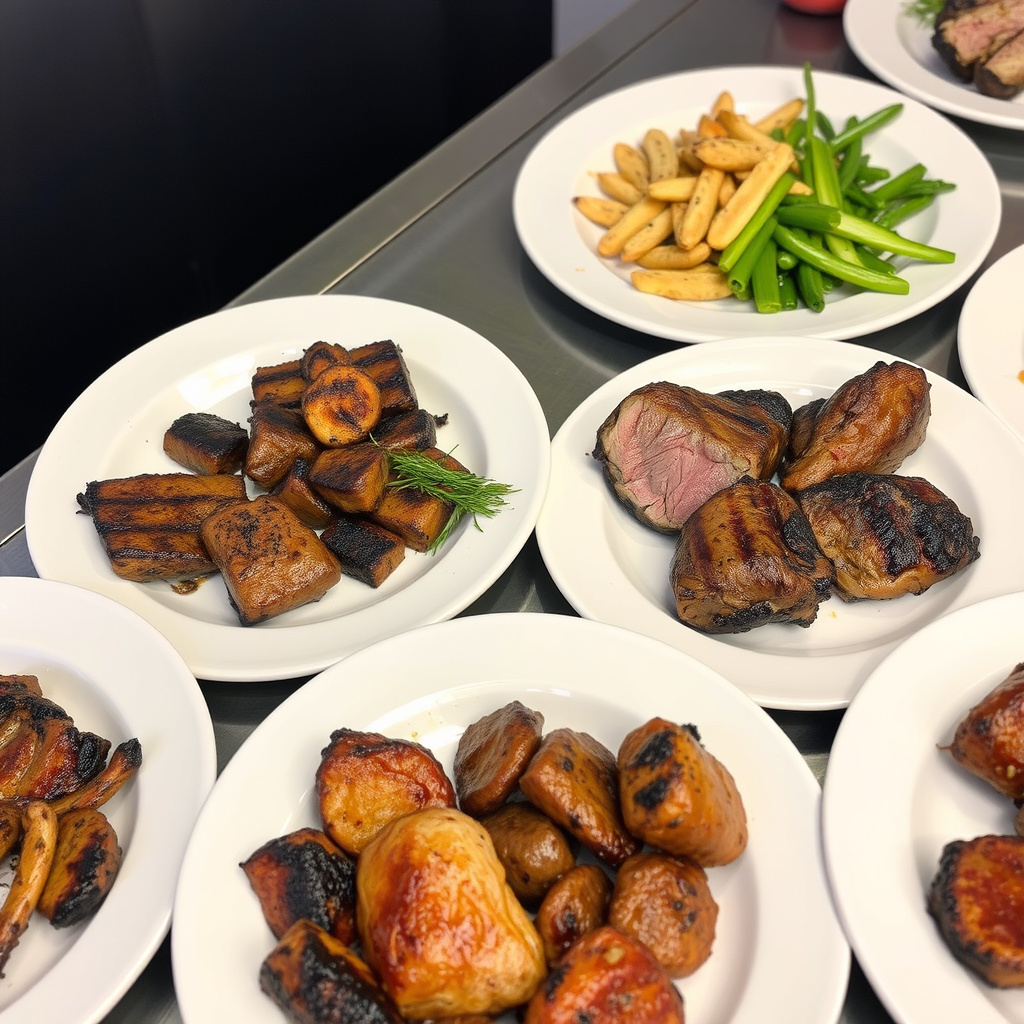
Beef and Lamb Resting Recommendations
For beef and lamb, resting is critical to lock in robust flavors and maintain tenderness. Steaks typically rest 5 to 10 minutes, while larger lamb roasts should rest 15 or more minutes to aid even temperature distribution.
For cuts like ribeye and filet mignon, resting preserves the marbled fat structure and juices, enhancing eating quality. Lamb benefits similarly when rested to relax muscle fibers.
For more on this, see our related guide: Should You Season Steak Before Grilling? Expert Tips for the Best Flavor.
Resting Poultry and Pork
Poultry and pork need longer rest periods compared to steaks due to larger size and thicker muscle mass. Whole chickens or pork shoulders should rest at least 15 minutes to allow internal juices to be reabsorbed thoroughly.
Resting helps poultry skin retain crispness while keeping meat moist. Pork chops resting for 5 to 10 minutes after grilling stay juicy and flavorful.
Common Mistakes When Resting Meat After Grilling
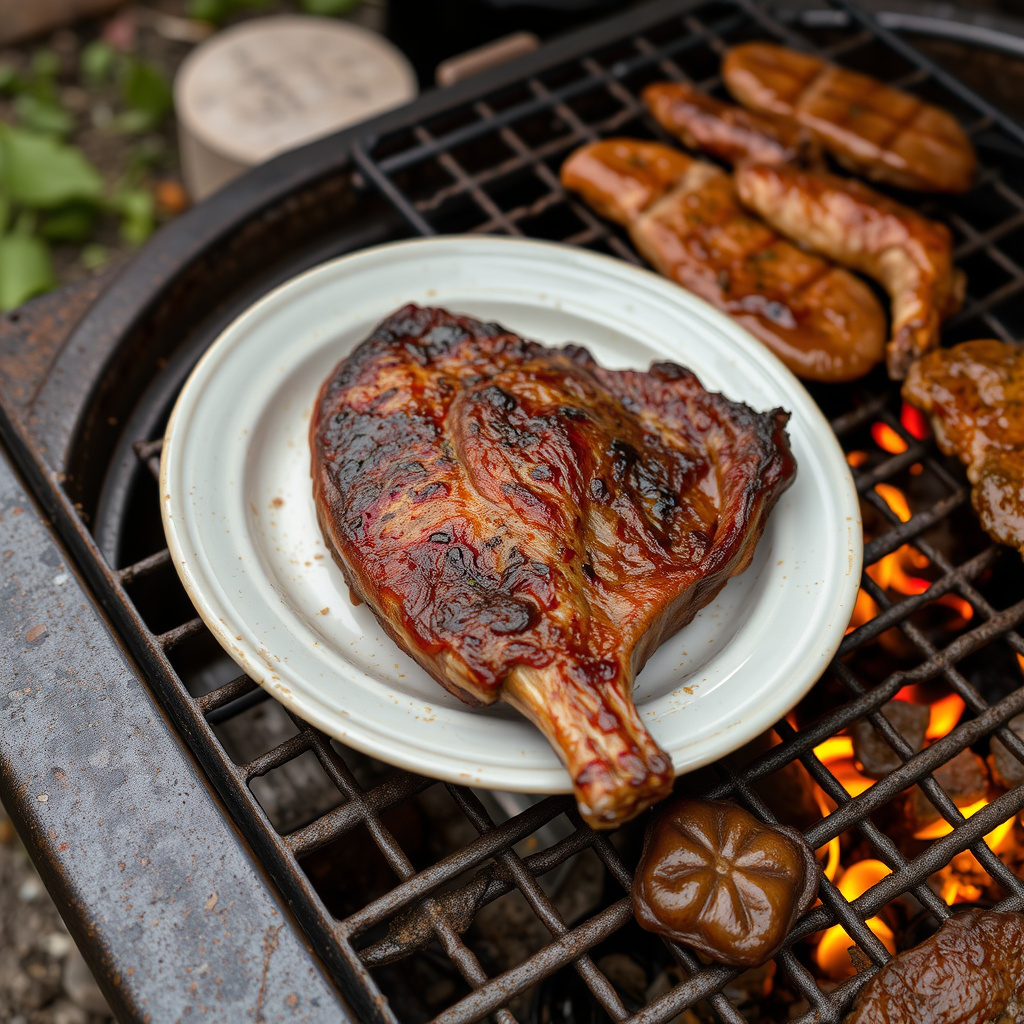
Resting Too Long or Too Short
Resting meat for too short a time doesn’t allow juices to redistribute, leading to dryness. Conversely, resting excessively can cause the meat to cool too much, impacting texture and eating temperature.
Finding the right balance depends on cut size and ambient temperature, but most cuts benefit from 5 to 20 minutes, never exceeding 30 minutes without cover.
For more details on the science behind resting meat after cooking, you can visit this meat resting overview on Wikipedia. meat resting overview on Wikipedia.
Resting Meat Incorrectly Wrapped
Wrapping meat too tightly with foil can trap steam and sog up the crust, lowering the appealing grilled texture. Meanwhile, leaving it entirely exposed in cold environments can cause premature cooling.
A loose foil tent or dedicated warmer often strikes the perfect balance between retaining heat and preserving surface texture.
Comparison of Resting Times by Meat Type
This table summarizes recommended resting times for different grilled meats to help you optimize juiciness and flavor.
| Meat Type | Typical Resting Time | Ideal Wrapping Method | Effect on Juiciness |
|---|---|---|---|
| Steaks (1 inch thick) | 5 minutes | Loose foil tent | High juice retention |
| Thick Steaks (2 inches+) | 10 minutes | Loose foil tent | Very juicy and tender |
| Whole Chicken | 15-20 minutes | Loose foil tent or warm plate | Balanced moisture and crisp skin |
| Pork Shoulder | 20 minutes | Covered resting container | Moist and evenly warm |
| Lamb Roast | 15 minutes | Loose foil tent | Flavorful and tender |
Frequently Asked Questions
Why does resting meat improve its juiciness?
Resting allows muscle fibers to relax, and internal juices redistribute evenly instead of leaking out when sliced, improving overall juiciness and tenderness.
How long should steaks be rested after grilling?
Most steaks 1 inch thick should be rested around 5 minutes, while thicker steaks need closer to 10 minutes for the best texture and moisture.
Can you rest meat too long after grilling?
Yes, resting meat too long can cause it to cool excessively and lose heat, making it less enjoyable to eat and potentially drying the surface.
Is it better to rest meat covered or uncovered?
Resting meat loosely covered with foil retains warmth without trapping too much moisture, which protects crust texture better than tight wrapping or leaving it fully uncovered.
Does resting matter for all types of grilled meat?
Resting benefits most meats but is especially important for thicker cuts of beef, lamb, pork, and whole poultry to maintain moisture and tenderness.
Key Takeaways
- Resting meat after grilling lets juices redistribute for juicier, more tender results.
- Recommended resting times differ by meat type and cut size, typically 5 to 20 minutes.
- Loosely tenting meat with foil retains warmth without sogging the crust.
- Slicing against the grain after resting maximizes tenderness and moisture retention.
Conclusion
Deciding whether to rest meat after grilling involves understanding how muscle fibers and internal juices behave when exposed to heat. Resting allows the concentrated juices forced to the surface during grilling to redistribute evenly, which enhances both moisture retention and the overall tenderness of the meat. Skipping this step or rushing it often leads to drier, less flavorful results that don't reflect the care put into grilling. Considering the cut's thickness and type will help you decide how long to let the meat rest for the best eating experience.
For everyday grilling, thinner steaks respond well to short rests of about 5 minutes, while larger cuts such as roasts or whole poultry perform best with longer resting times around 15 to 20 minutes. Employing a loose foil tent during this period keeps the meat warm without sacrificing the enticing grilled crust texture. Using these guidelines ensures different grilled meats—beef, pork, lamb, or chicken—reach their fullest potential in juiciness and tenderness.
To elevate your grilling results, integrate resting into your cooking routine and pay attention to resting durations matched to your specific cuts. After resting, slicing meat against the grain with a sharp knife further preserves juiciness and tenderness. With a bit of practice applying these techniques, your grilled meats will consistently impress with rich flavor and succulent textures, making resting an indispensable part of successful grilling.