You should not rinse chicken before cooking because doing so can spread harmful bacteria like salmonella around your kitchen, increasing the risk of foodborne illness. Cooking chicken to the correct temperature effectively kills any pathogens, making rinsing unnecessary.
Many people assume rinsing removes bacteria and cleans the chicken, but it actually causes water droplets to contaminate sinks, countertops, and utensils. This cross-contamination is a key reason why food safety experts advise against washing raw poultry.
This article will explain the dangers of rinsing chicken, outline proper safe chicken preparation techniques, discuss alternatives to rinsing, and provide tips to keep your kitchen hygienic while handling poultry.
Why You Should Avoid Rinsing Chicken Before Cooking
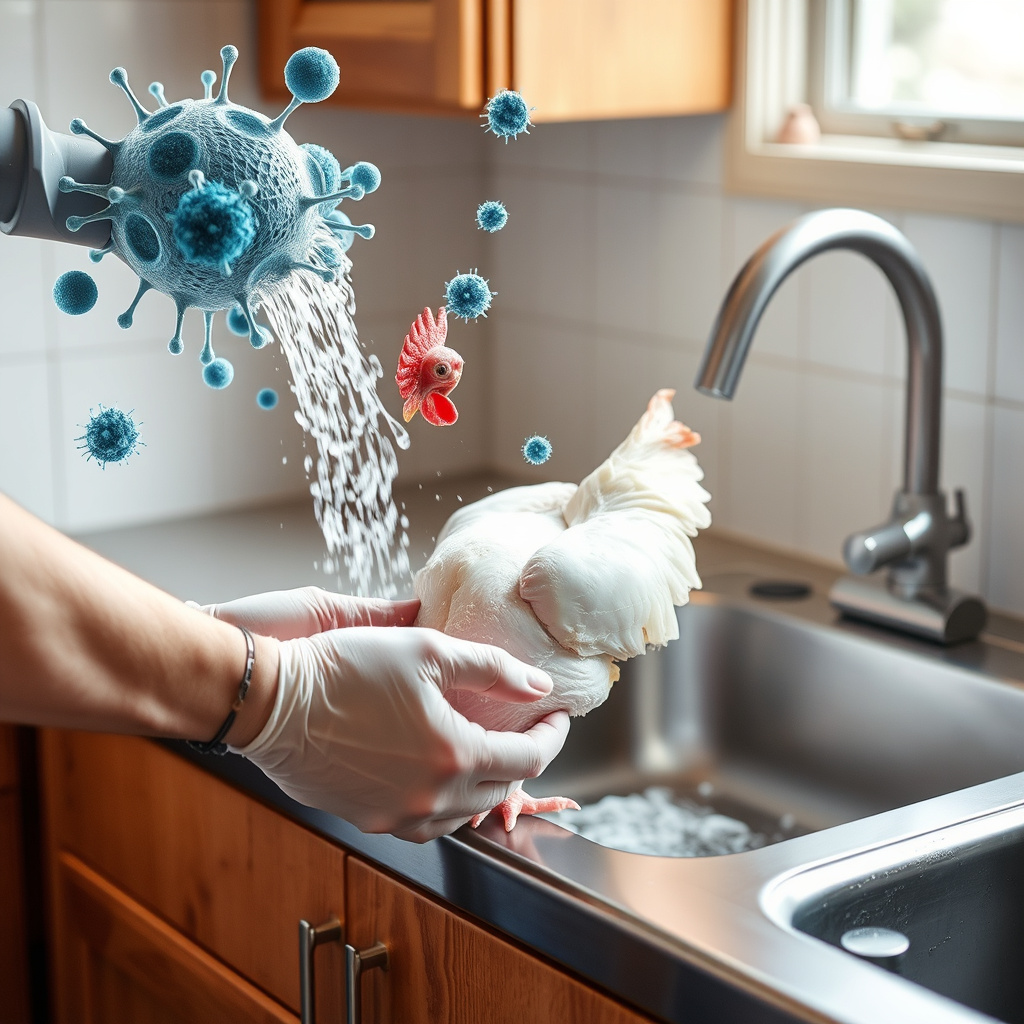
The Risk of Cross-Contamination
Rinsing chicken can splash bacteria-laden water droplets onto nearby surfaces like countertops, utensils, and even your clothing. These droplets are often invisible and can cause widespread contamination in your kitchen.
Since pathogens such as salmonella and campylobacter reside on raw chicken, washing it increases the likelihood of transferring these harmful bacteria, raising the chance of foodborne illness.
- Water splashes spread bacteria beyond the sink area
- Contaminated surfaces contact other foods
- Increased cleaning burden after preparation
Why Cooking Properly Is Safer Than Rinsing
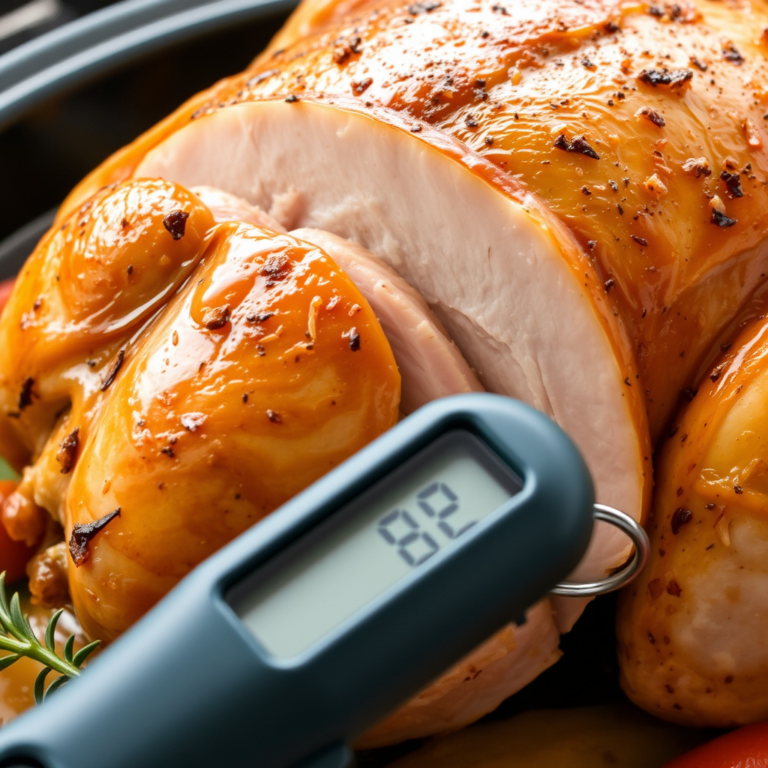
The most effective way to kill bacteria on chicken is cooking it to an internal temperature of 165°F (74°C). At this temperature, harmful microorganisms are destroyed and the risk of illness is minimized.
Relying on cooking rather than rinsing eliminates the risk of spreading bacteria during preparation and ensures the chicken is safe to eat.
- Use a meat thermometer to verify temperature
- Avoid partial cooking which risks survival of bacteria
Safe Chicken Preparation Practices for Home Cooks
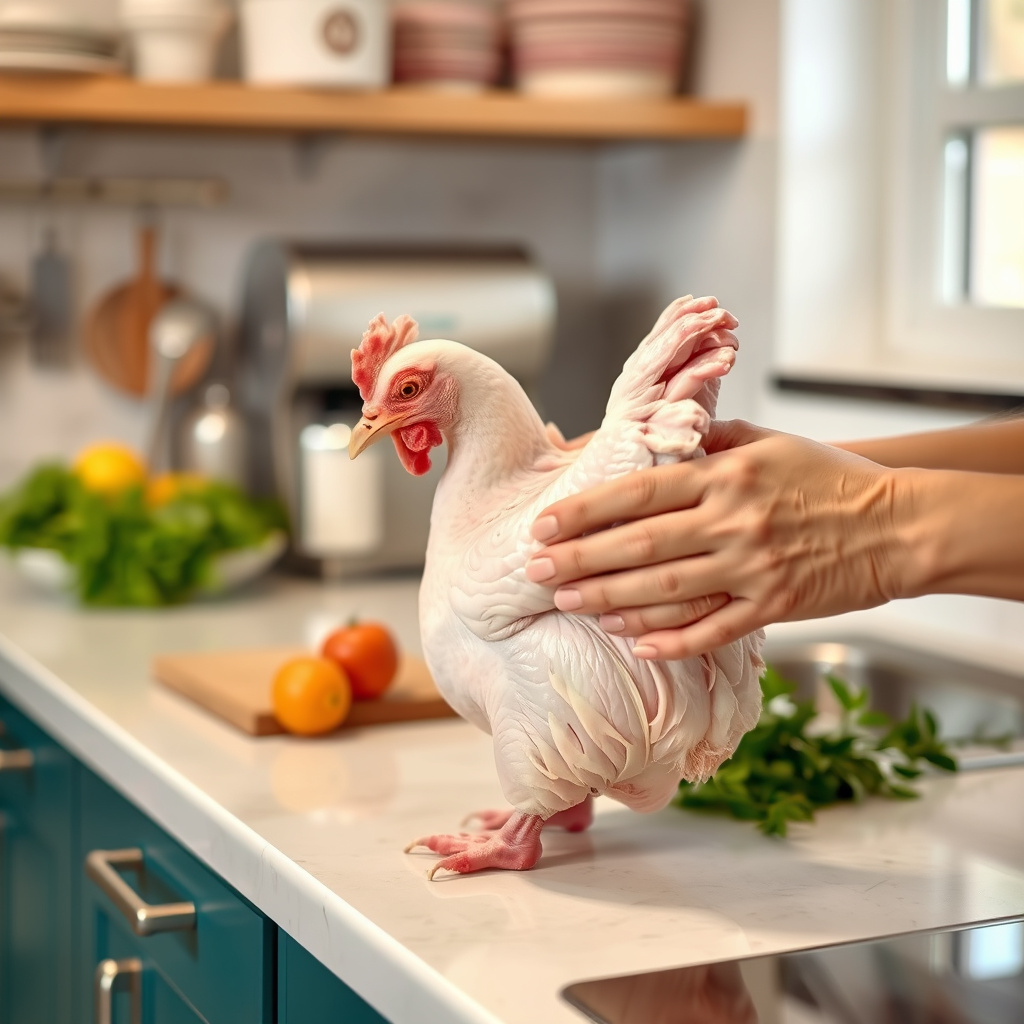
Handling Raw Chicken Without Rinsing
Instead of rinsing, pat your chicken dry with paper towels if needed, then dispose of them immediately to prevent spreading bacteria. Use separate cutting boards for raw poultry and wash hands thoroughly.
Limit chicken exposure to other raw ingredients and clean all surfaces and utensils with hot, soapy water after use. This approach reduces contamination risk substantially.
- Pat dry with disposable paper towels
- Use dedicated cutting boards for meat
- Wash hands for at least 20 seconds after contact
Cleaning and Sanitizing the Kitchen Post-Preparation
After handling chicken, sanitize cutting boards, knives, and counters with a solution of bleach and water or a commercial kitchen sanitizer. This prevents lingering bacteria from contaminating other foods.
Also wash sponges and dishcloths regularly, avoid using the same towels for hands and surfaces, and clean your sink area thoroughly after chicken preparation.
- Use hot water and detergent for cleaning
- Sanitize with bleach solution regularly
- Replace or sanitize sponges and dishcloths
Common Misconceptions About Rinsing Chicken
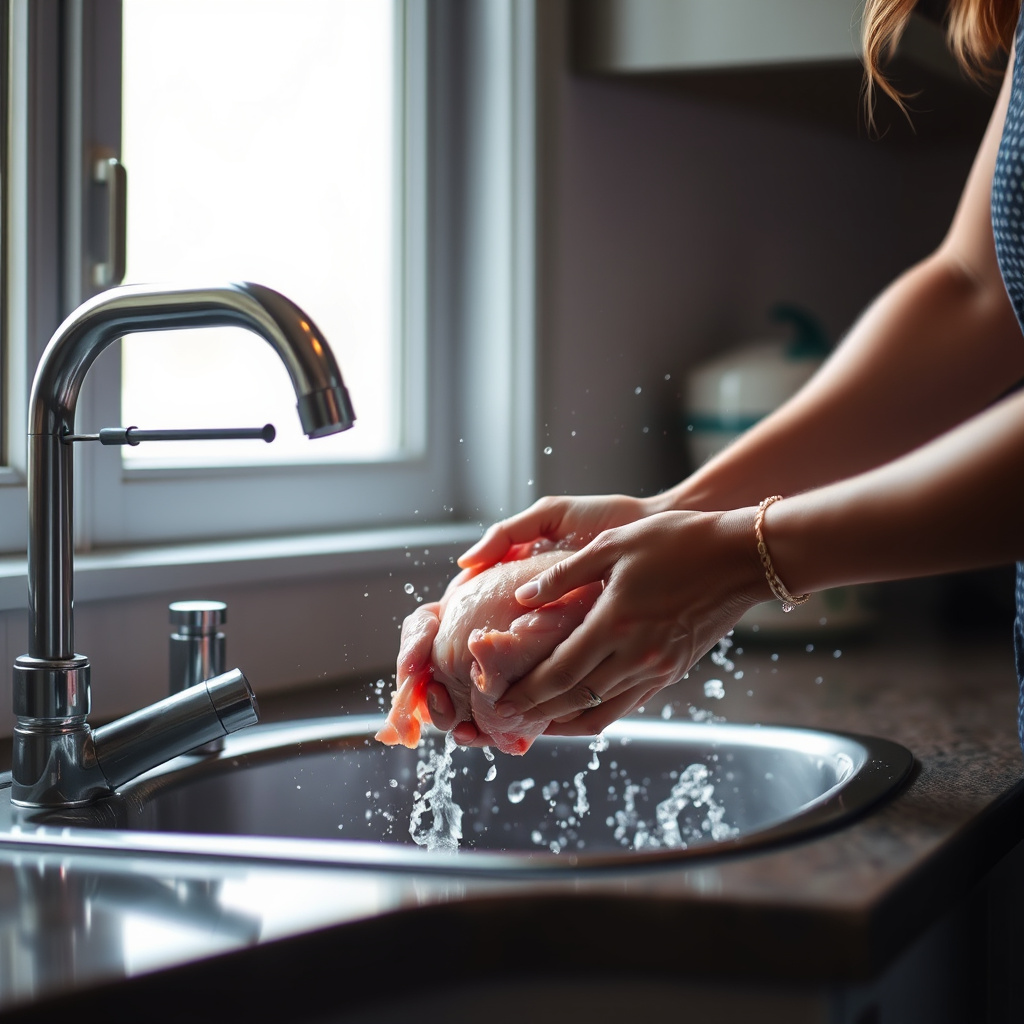
Does Rinsing Remove Bacteria from Chicken?
Rinsing chicken might remove some surface debris, but it does not effectively eliminate bacteria like salmonella. The bacteria cling tightly to the meat’s surface and are not easily washed off.
The risk of contaminating your kitchen outweighs any minimal cleaning effect rinsing might offer, making it an unsafe practice.
For more on this, see our related guide: How to Brine a Chicken for Juicy, Flavorful Results Every Time.
Is Rinsing Chicken a Common Regional Practice?
In some cultures, rinsing or soaking chicken before cooking is a traditional practice believed to clean the meat. However, public health agencies in the US, UK, and Canada advise against this due to contamination risks.
Understanding these safety guidelines helps shift habits toward modern, science-backed methods of chicken preparation.
Alternatives to Rinsing Chicken That Improve Safety
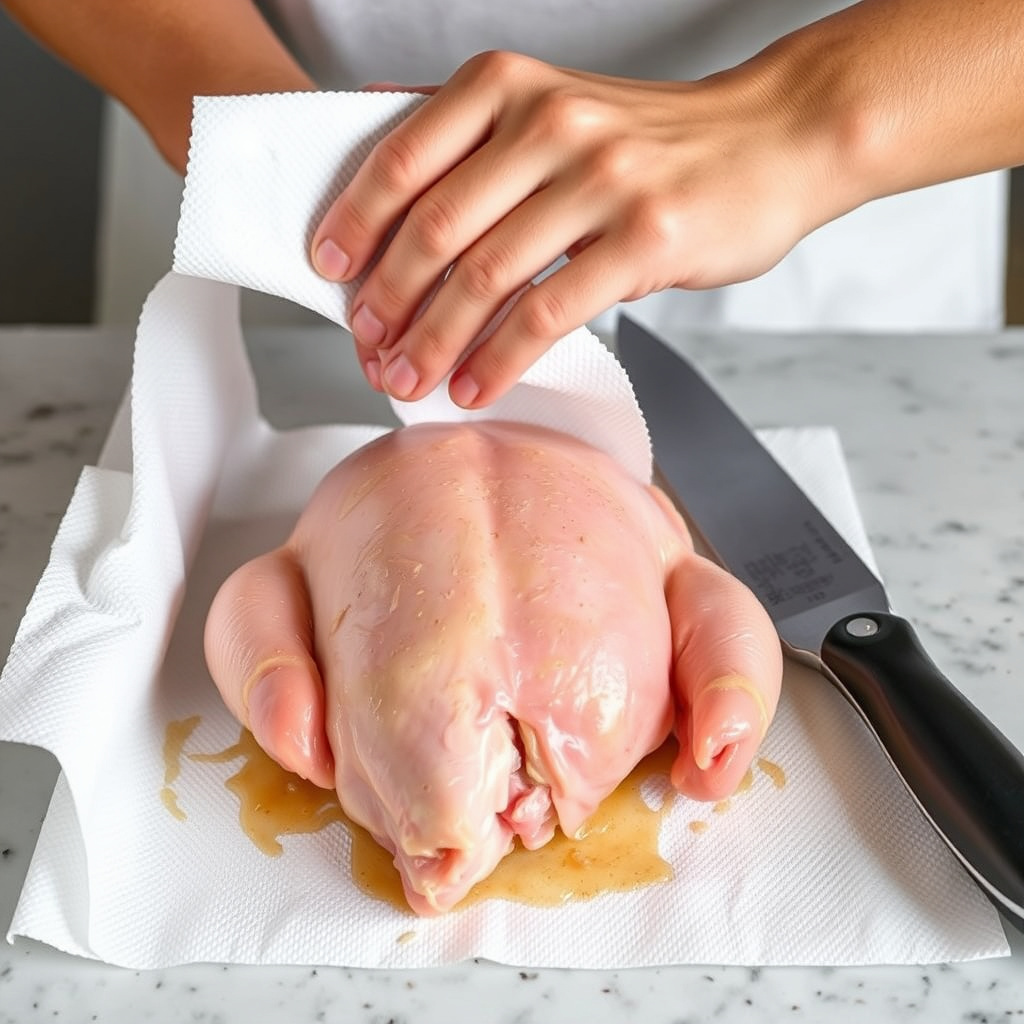
Patting Chicken Dry
Using paper towels to pat chicken dry removes excess moisture which helps in even cooking without spreading bacteria like rinsing would. This method minimizes water splash and cross-contamination.
Dispose of used towels immediately and wash hands after finishing. This simple step complements safe chicken preparation effectively.
Trimming and Inspecting Poultry
Inspect chicken for visible fat or cartilage that you may want to trim before cooking. Using a clean knife for trimming also prevents contamination compared to washing.
Trimming beforehand reduces the need for rinsing and improves cooking results by removing unwanted textures or residues.
Understanding Food Safety Guidelines for Poultry
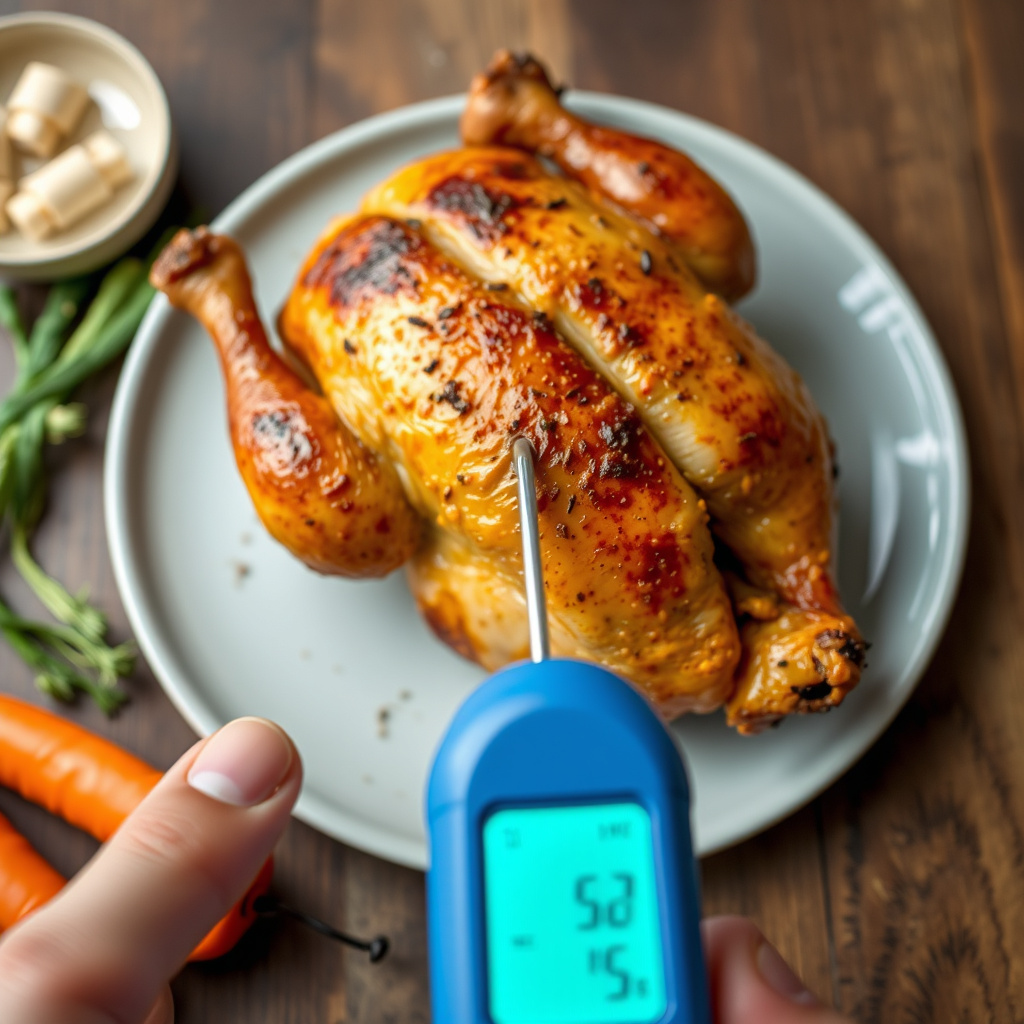
Internal Cooking Temperatures and Bacteria Elimination
The USDA recommends cooking poultry to an internal temperature of 165°F (74°C) to ensure all harmful bacteria are destroyed. Using a meat thermometer is the best way to confirm this.
Visual checks alone are unreliable since the color and juices of cooked chicken can be misleading.
For more on this, see our related guide: How to Make a Brine for Chicken: Simple Steps for Juicy, Flavorful Meat.
Safe Storage and Thawing Practices
Proper storage in the refrigerator or freezer prevents bacterial growth before cooking. Thaw frozen chicken in the fridge, cold water, or microwave to avoid the danger zone where bacteria multiply rapidly.
Adhering to these practices enhances safe chicken preparation beyond just cooking and handling.
- Refrigerate chicken at or below 40°F (4°C)
- Thaw in refrigerator for 24+ hours or quick thaw safely
- Avoid thawing at room temperature
Kitchen Equipment and Tools to Improve Chicken Preparation Safety
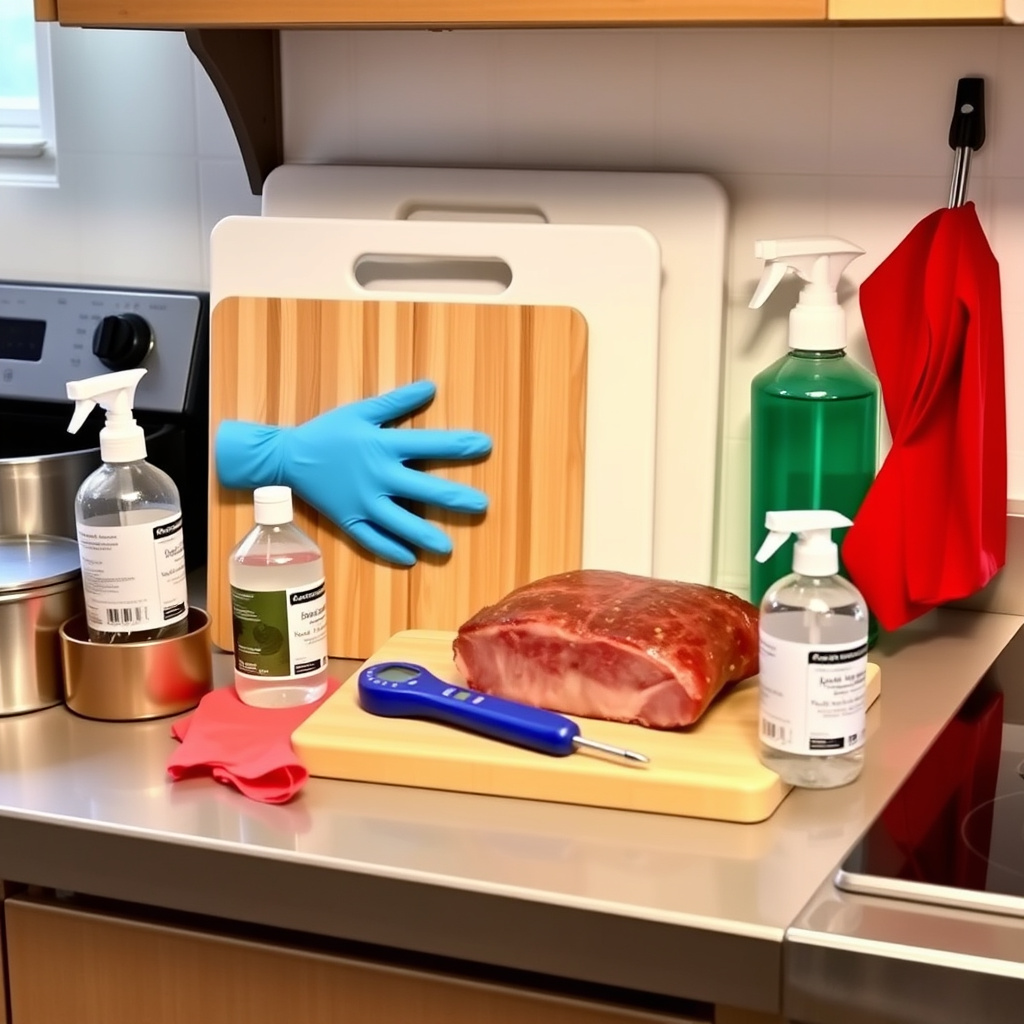
Choosing the Right Cutting Boards and Utensils
Use plastic or non-porous cutting boards for raw chicken since they are easier to sanitize than wood. Designate specific boards for raw meat to avoid cross-use with vegetables or ready-to-eat foods.
Sharp knives reduce tearing and minimize bacteria spread through jagged edges or uncleanable surfaces.
- Plastic boards preferred for easy cleaning
- Separate boards for meat and produce
- Regular knife sharpening
For detailed information on safe chicken preparation, consult the USDA guidelines on poultry safety. USDA guidelines on poultry safety.
Using Thermometers and Gloves
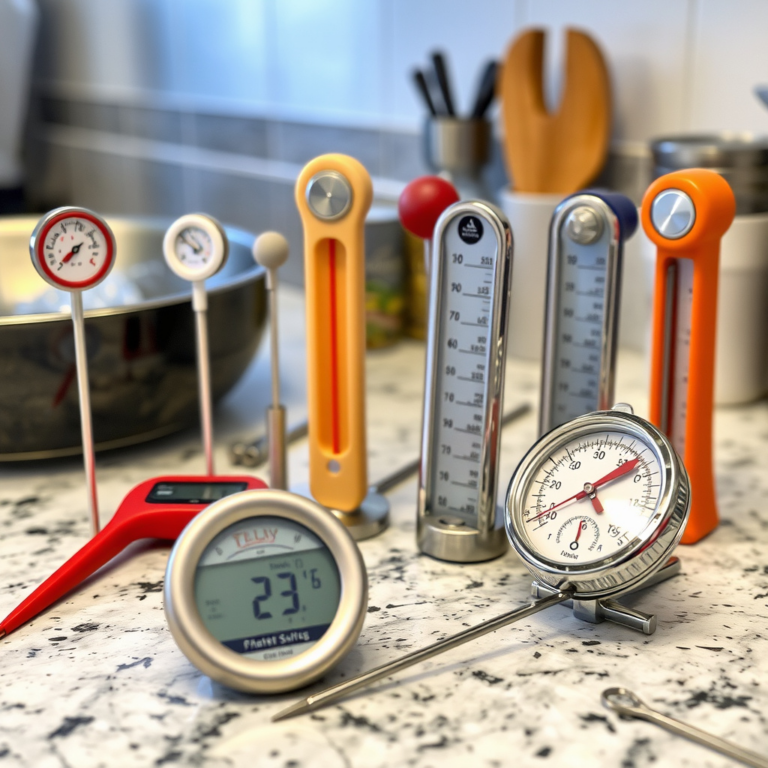
A food thermometer is vital for confirming safe cooking temperatures, and wearing disposable gloves can protect your hands and minimize bacterial transfer during preparation.
Change gloves after handling raw poultry and wash hands regularly, even when gloves are used, to maintain best hygiene practices.
- Use probe thermometer for accuracy
- Change gloves if torn or heavily soiled
- Handwashing remains essential
Chicken Preparation Methods Comparison
Here is a comparison of common chicken preparation methods focusing on safety and hygiene outcomes.
| Method | Bacteria Spread Risk | Effectiveness at Cleaning | Ease of Use |
|---|---|---|---|
| Rinsing Chicken with Water | High | Low | Easy but unsafe |
| Patting Dry with Paper Towels | Low | Moderate | Simple and effective |
| Trimming Before Cooking | Low | Moderate | Moderately time-consuming |
| Cooking Without Rinsing | None (if cooked properly) | N/A | Safe, requires thermometer |
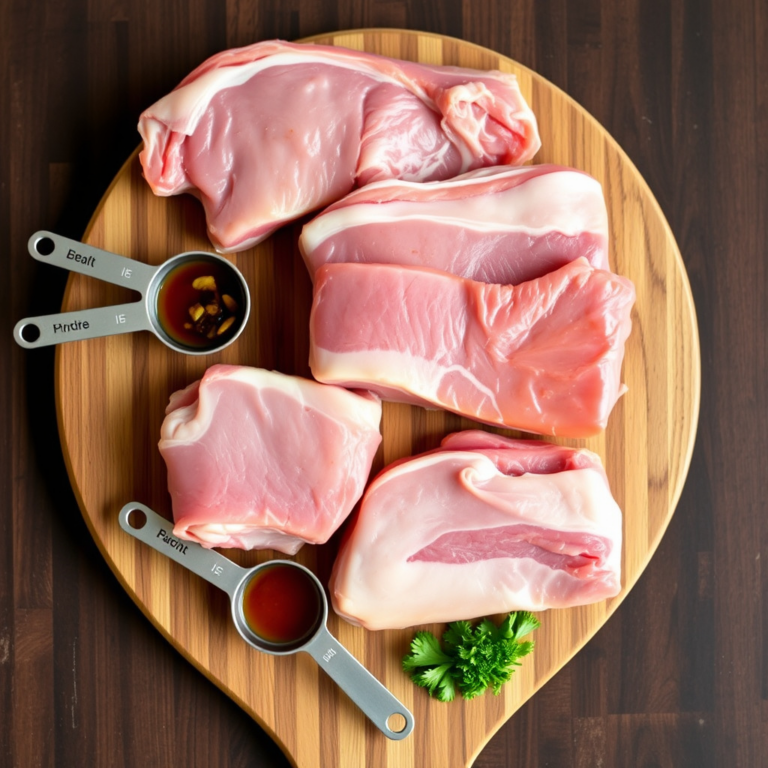
| Using Marinades Before Cooking | Low | Cleans surface partially | Moderate, flavor added |
Frequently Asked Questions
Is it harmful to rinse raw chicken?
Yes, rinsing raw chicken spreads bacteria through water splashes, contaminating your kitchen and increasing risk of illness.
What temperature should chicken be cooked to for safety?
Chicken should be cooked to an internal temperature of 165°F (74°C) to kill harmful bacteria effectively.
Can patting chicken dry replace rinsing?
Patting chicken dry with paper towels removes excess moisture without spreading bacteria, making it a safer alternative to rinsing.
Does marinating chicken kill bacteria?
Marinating does not kill bacteria but can reduce surface contamination; cooking remains necessary to ensure safety.
How should I clean the kitchen after handling raw chicken?
Clean all surfaces and utensils with hot soapy water and sanitize with a bleach solution or commercial sanitizer to prevent bacterial spread.
Key Takeaways
- Do not rinse chicken to avoid spreading bacteria in the kitchen.
- Cook chicken to 165°F to eliminate harmful pathogens safely.
- Patting chicken dry is a safer alternative to rinsing.
- Thorough cleaning and sanitizing prevents cross-contamination.
Conclusion
Deciding whether to rinse chicken before cooking often hinges on misconceptions about cleanliness and safety. The best approach prioritizes limiting bacteria spread over attempting to wash it away. Cooking chicken thoroughly is the only reliable method to eliminate pathogens, while rinsing increases contamination risks in your kitchen environment. Understanding this science-based perspective helps form safer food habits at home.
For cooks who want safer methods, avoid rinsing and instead opt for patting chicken dry with disposable towels to manage excess moisture. Use separate cutting boards for poultry to reduce cross-contamination. Always verify chicken reaches the safe internal temperature of 165°F using a food thermometer. These practices combine safe chicken preparation with minimal bacterial risks and manageable cleanup.
Next time you prepare chicken, skip the rinse and focus on hygiene—wash hands often, clean surfaces rigorously, and cook to the proper temperature. Taking these simple yet effective steps will protect you and your family from foodborne illnesses and allow you to prepare chicken dishes confidently. Following safe chicken preparation guides helps create a healthier kitchen for everyone.