Yes, you should season steak before grilling to enhance its natural flavors and create a delicious crust. Proper seasoning, especially with salt and sometimes pepper, helps tenderize the meat and improves its texture. Seasoning immediately before grilling or a few hours ahead can both yield excellent results depending on the method used.
The timing and type of seasoning matter because salt draws moisture out but also helps the meat retain juiciness if applied correctly. Seasoning too early or too late can affect the steak’s surface texture and its ability to brown properly. Understanding these details helps you get the best taste and grill marks every time.
This article will cover when and how to season your steak, the benefits of different seasoning times, the impact of salt versus dry rubs, and how seasoning interacts with heat. You'll also find tips for applying seasoning to various cut types and grilling styles.
Why Seasoning Steak Before Grilling Matters
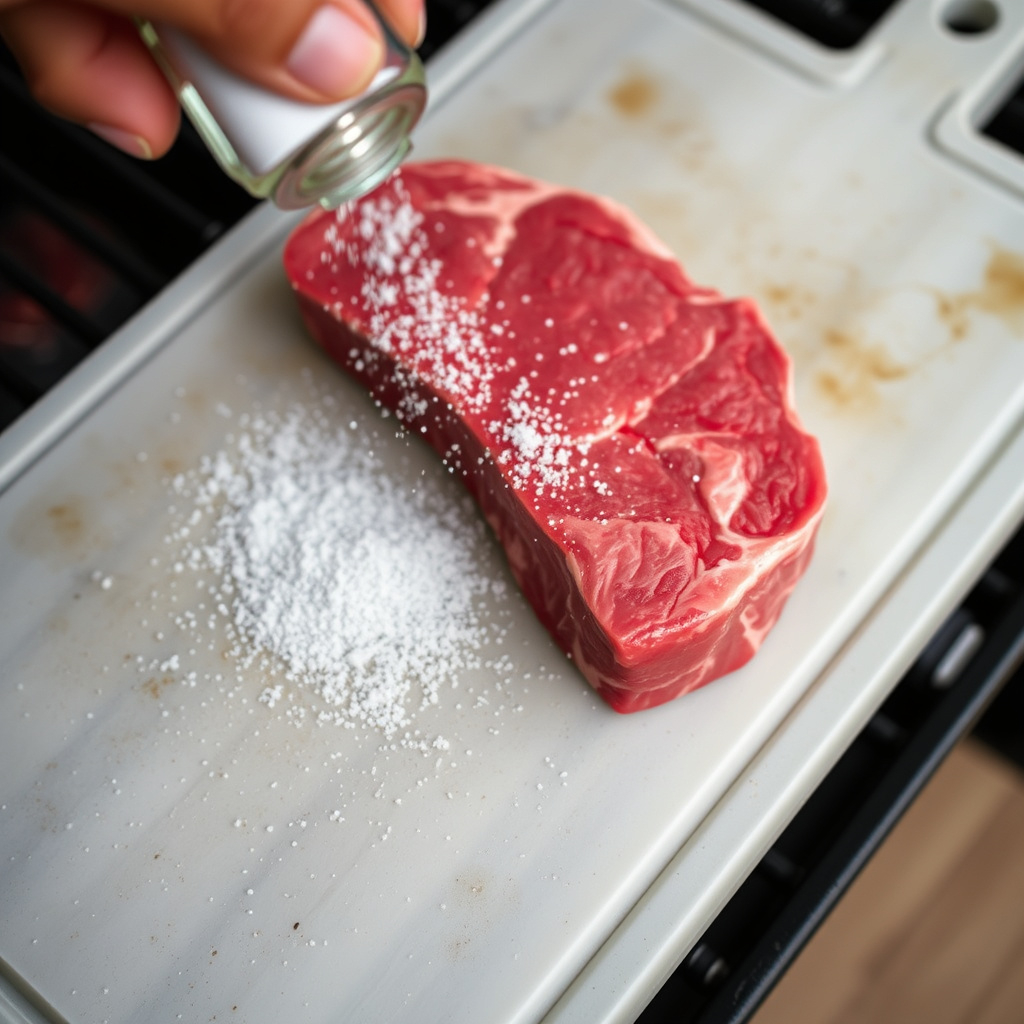
The Role of Salt in Tenderizing and Flavor
Salt is crucial in steak seasoning because it enhances flavor by breaking down muscle proteins and drawing moisture to the surface. This moisture dissolves the salt, then reabsorbs back into the meat, seasoning it deeply and tenderizing internal fibers.
Applying salt before grilling helps develop a flavorful crust known as the Maillard reaction, which adds complexity and a savory bite to your steak.
- Salt draws out surface moisture
- Reabsorbed moisture brings salt inside the meat
- Promotes a crusty sear through Maillard reaction
How Timing Affects Seasoning Impact
Seasoning a steak immediately before grilling allows the salt to season the surface without making the meat wet, which is ideal when grilling at high heat. On the other hand, salting a steak 40 minutes to one hour ahead results in a more evenly seasoned interior, as the salt has time to penetrate deeply.
If salting too early (more than an hour), the surface can get too wet and hinder browning, so timing is key depending on your grilling plan.
- Season immediately before grilling for dry surface
- Season 40–60 minutes ahead for deeper flavor
- Avoid seasoning too early (>1 hour) on wet surfaces
Choosing the Best Way to Season Steak
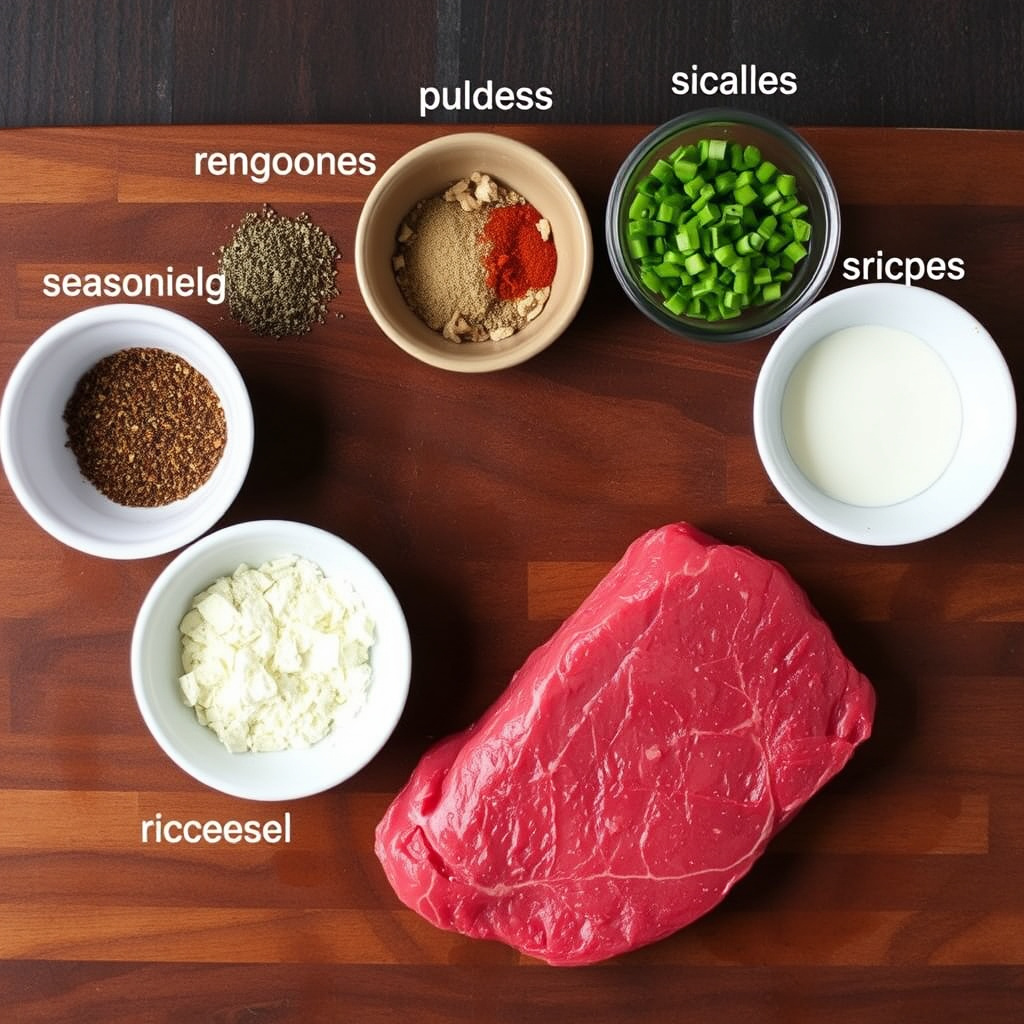
Simple Salt and Pepper Method
The classic seasoning for steak involves just coarse salt and freshly ground black pepper. This method highlights the natural beef flavor while providing a crisp, mouthwatering crust once grilled.
Applying salt liberally and adding pepper last helps balance the taste, especially if you prefer a straightforward, beef-forward flavor profile.
- Coarse kosher salt recommended
- Freshly ground black pepper for aroma
- Season just before grilling for best crust
Using Dry Rubs and Additional Spices
Dry rubs combine salt with herbs, spices, and sugar to enhance and add complexity to steak flavor. These blends suit those who want variety and hints of smokiness, heat, or herbal notes.
When using dry rubs, apply generously and at least 30 minutes before grilling to allow flavors to meld, but avoid too much sugar if grilling over direct high heat to prevent burning.
- Common spices: paprika, garlic powder, cayenne
- Apply 30+ minutes ahead
- Be cautious with sugar content for grill timing
Seasoning Different Cuts of Steak Before Grilling
Thicker Cuts vs. Thin Cuts
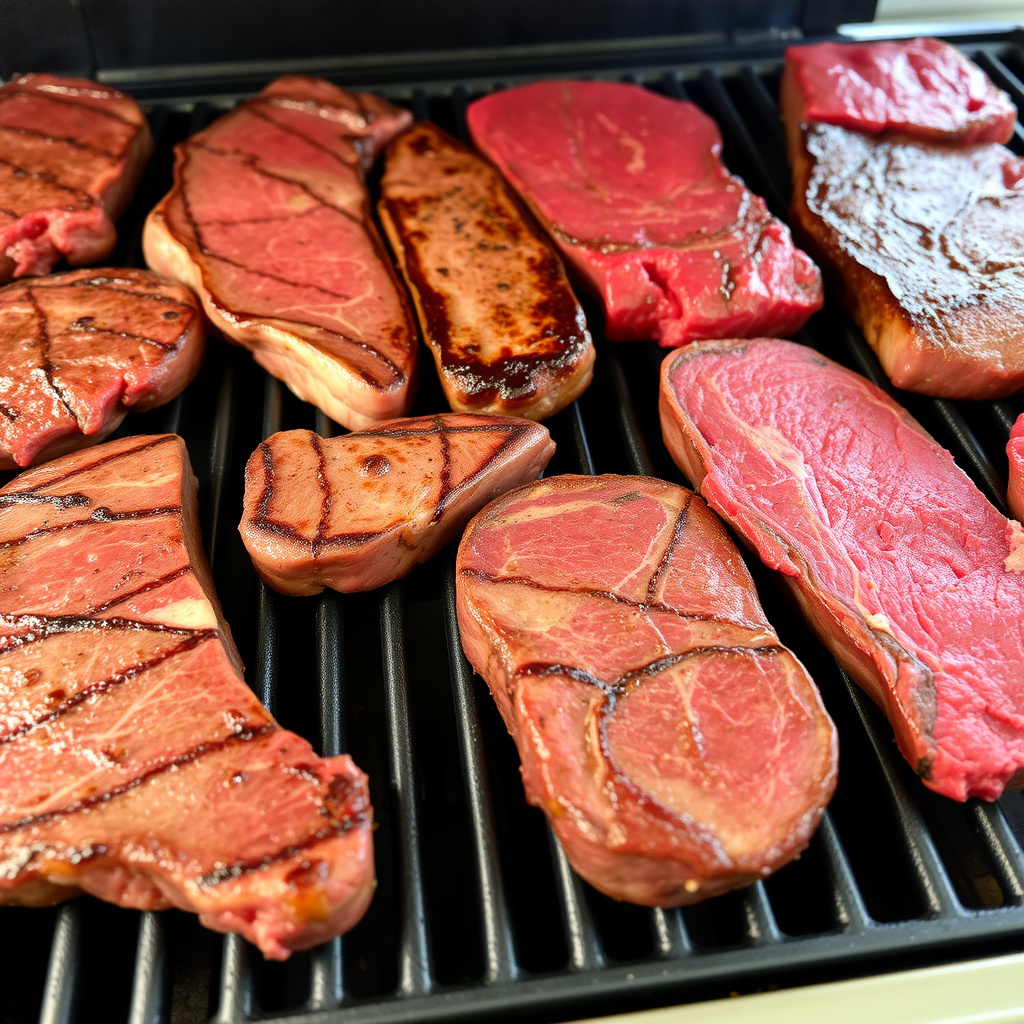
Thick steaks like ribeye or strip steak benefit from seasoning at least 30 minutes before grilling, giving salt enough time to penetrate deeper. This enhances tenderness and flavor throughout the steak.
Thin cuts, such as flank or skirt steak, should be seasoned just before grilling to keep the surface dry and ensure quick, even browning without drawing out excess moisture.
- Thick cuts: season 30–60 min ahead
- Thin cuts: season immediately before grilling
For more on this, see our related guide: What Is the Best Salt for Steak: Expert Tips for Perfect Flavor.
Tender vs. Tougher Cuts
Tender cuts with good marbling require less seasoning time and simpler seasoning to highlight their natural juices. Tougher cuts like chuck or round steak might benefit from longer seasoning or marination to soften fibers before grilling.
Using salt-based seasoning early can help break down some connective tissues, making these tougher cuts more enjoyable.
- Tender cuts: simple seasoning, short time
- Tough cuts: longer seasoning or marinades
How Seasoning Interacts with Grilling Techniques
Direct vs. Indirect Heat Grilling
When grilling over direct high heat, seasoning right before placing the steak on the grill prevents surface moisture buildup and helps achieve the best sear.
For indirect grilling or slower cooking methods, seasoning earlier suits better as the extended time allows flavors to infuse deeply without risking burning.
- Direct heat: season immediately before grilling
- Indirect heat: season 30+ minutes ahead
Effect of Seasoning on Grill Marks and Crust
Seasoning properly enhances the Maillard reaction, vital for creating those quintessential grill marks and a crusty, flavorful exterior.
Too much moisture from premature seasoning can steam the steak, preventing a crisp crust, which is why the right timing matters to grillers focused on aesthetics and texture.
- Dry surface promotes good crust
- Proper seasoning timing improves grill marks
Common Mistakes When Seasoning Steak Before Grilling
Seasoning Too Early or Too Late
Adding salt too early (over an hour) without drying the steak can create a wet surface that hinders browning and crust development. Too late seasoning, such as after grilling starts, misses the opportunity for flavors to develop fully.
Timing seasoning properly relative to grilling style prevents these errors and produces flavorful results.
- Avoid seasoning >1 hour before grilling without drying
- Do not season after grilling starts
For more on this, see our related guide: How to Choose the Best BBQ Sauce for Your Grilling Needs.
Using Excessive Salt or Over-Complex Rubs
Over-salting can dry out steak and mask its natural flavor, while overly complicated rubs can overpower the meat and produce burnt or bitter notes on a hot grill.
Balancing salt with other spices and adjusting quantity to cut thickness ensures a satisfying bite.
- Use salt in moderation relative to meat weight
- Avoid sugar-heavy rubs for high-heat grilling
Tips for Applying Seasoning to Steak for Maximum Flavor
Even Application and Patting Steak Dry
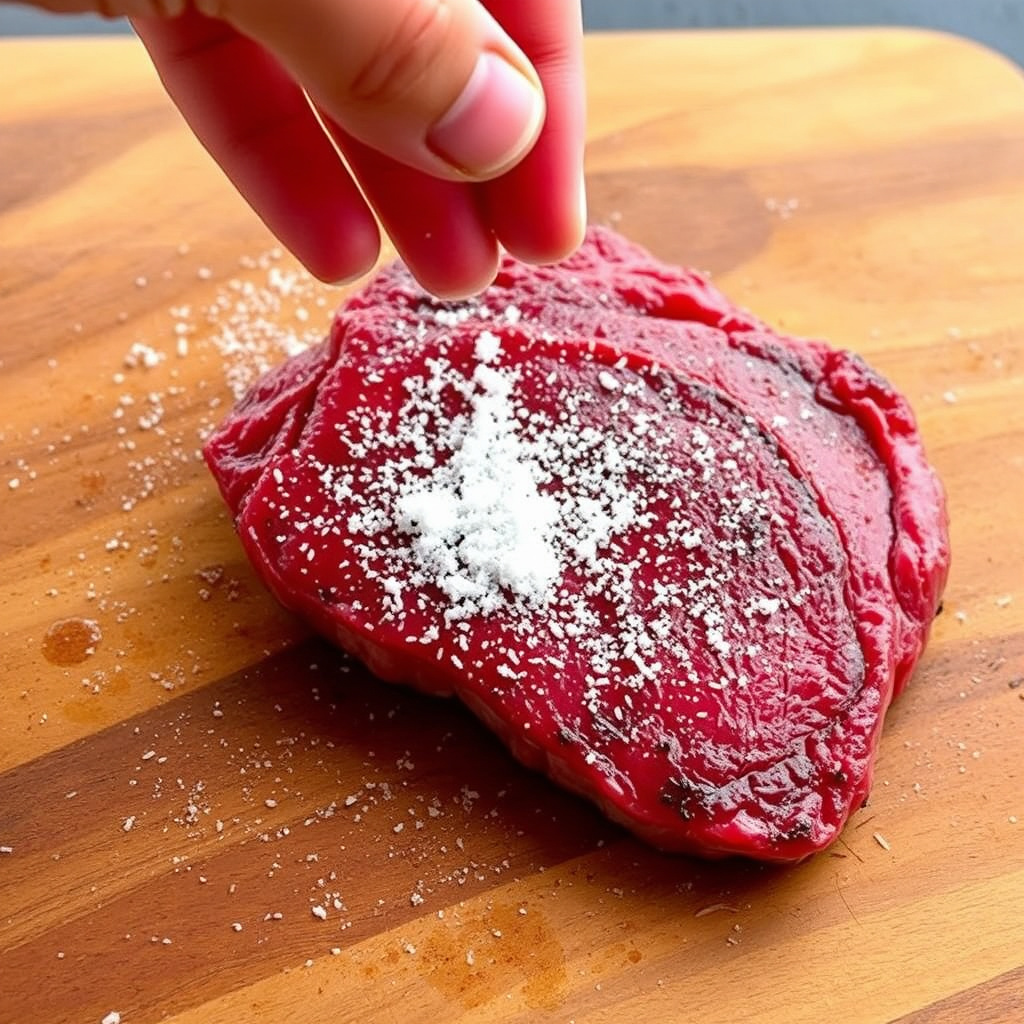
Evenly applying salt and seasoning helps avoid overly salty spots and uneven crust formation. Patting the steak dry before seasoning removes excess moisture, improving surface dryness and searing results.
Using coarse salt and distributing it lightly on both sides balances flavor and crust quality.
- Pat steak dry with paper towel
- Distribute salt evenly over entire surface
- Season both sides of steak
For detailed scientific insights on how seasoning affects steak, refer to the steak seasoning and salting details on Wikipedia. Steak seasoning and salting details on Wikipedia.
Resting Steak After Seasoning
Letting the steak rest for about 30 to 60 minutes after seasoning allows salt to penetrate evenly, especially if seasoning ahead of time. This enhances tenderness and flavor depth without compromising moisture retention.
Resting also helps the steak approach room temperature, promoting even cooking on the grill.
- Rest steak 30–60 min after seasoning if possible
- Helps salt absorption and cooking consistency
Steak Seasoning Timing Comparison
The timing of seasoning steak influences moisture, flavor penetration, and crust formation. Here's a comparison of common seasoning timings for grilling.
| Timing | Flavor Penetration | Surface Moisture | Grill Crust Quality | Recommended For |
|---|---|---|---|---|
| Immediately Before Grilling | Minimal penetration, mostly surface | Dry surface ideal for searing | Excellent crust and grill marks | Thin cuts, direct high heat grilling |
| 30-60 Minutes Before Grilling | Moderate penetration | Surface slightly moist then dry | Good crust with deeper flavor | Thick cuts, indirect heat grilling |
| More Than 1 Hour Before Grilling | Deep penetration but surface stays wet | Wet surface can hinder searing | Poor crust formation if not dried | Better for marination or slow roasting |
| Seasoning After Grilling Starts | Very minimal effect | Does not enhance crust or flavor | No improvement to crust | Not recommended |
Frequently Asked Questions
Can I season steak the night before grilling?
Yes, salting steak the night before can deeply flavor and tenderize meat, but you must dry the surface well before grilling to get a good crust.
Does seasoning steak with salt make it tough?
Proper salting tenderizes steak by breaking down proteins. Over-salting or leaving salt on too long without moisture control can dry it out and toughen texture.
Should I use oil with my steak seasoning before grilling?
Oil isn’t necessary before seasoning, but brushing a light oil coat after seasoning can prevent sticking and aid heat transfer during grilling.
Is pepper applied before or after grilling better?
Pepper applied before grilling adds flavor but may char quickly, so some prefer adding it after grilling to avoid bitterness.
Can seasoning affect how fast steak cooks on the grill?
Seasoning itself doesn’t significantly change cooking times, but moisture from early salting can slightly delay crust formation.
Key Takeaways
- Salt enhances flavor and tenderness when applied properly before grilling.
- Season thin steaks immediately before grilling; thicker ones benefit from earlier seasoning.
- Dry surface is crucial for a good grill crust and sear marks.
- Avoid over-salting or seasoning too early without drying to prevent moisture buildup.
Conclusion
Deciding whether to season steak before grilling hinges on understanding how salt interacts with the meat and the grilling environment. Using salt correctly helps develop flavor throughout the steak and a crispy, flavorful exterior. Timing your seasoning affects moisture levels on the surface, which directly impacts searing quality and texture. Knowing your cut type and grill method can guide when to season, helping you avoid common issues like wet surfaces or uneven flavor.
For thick, marbled cuts like ribeye or strip steak, seasoning 30 to 60 minutes before grilling provides a deeper flavor infusion and tenderizes the meat nicely. Thin cuts such as skirt or flank steak benefit from seasoning immediately before hitting the grill to keep the surface dry and sear well under high heat. Simple salt and pepper seasoning works well for most, but dry rubs with herbs and spices can add complexity if applied about 30 minutes ahead. Ultimately, the best way to season steak depends on your preferred flavor profile and cooking style.
To get those ideal grill marks and juicy results, start by patting your steak dry, then season according to your steak’s thickness and cooking method. Experiment with timing to find what flavor and texture combinations you prefer. Whether opting for classic salt and pepper or an herb-laced dry rub, mastering your seasoning routine elevates grilled steak from ordinary to memorable. Your next backyard cookout will benefit from these tips, delivering beautifully seared, flavorful steaks every time.