The internal temperature for turkey should reach 165°F (74°C) to be safe for consumption. This temperature ensures that harmful bacteria like salmonella are destroyed, reducing the risk of foodborne illness. Using a reliable meat thermometer, insert it into the thickest part of the breast or thigh without touching bone to get an accurate reading.
Cooking turkey to this precise temperature matters because undercooked poultry can harbor dangerous pathogens, while overcooking can dry out the meat. Achieving the right internal temperature guarantees both safety and taste, making your turkey moist, flavorful, and enjoyable.
This article covers the recommended internal temperature for turkey along with tips on how to measure it accurately, factors that influence cooking time, methods for different types of turkey preparation, and ways to avoid dryness. Whether you’re roasting a whole bird or cooking turkey parts, understanding these details will enhance your cooking results.
Understanding the Safe Internal Temperature for Turkey
Why 165°F Is the Recommended Temperature
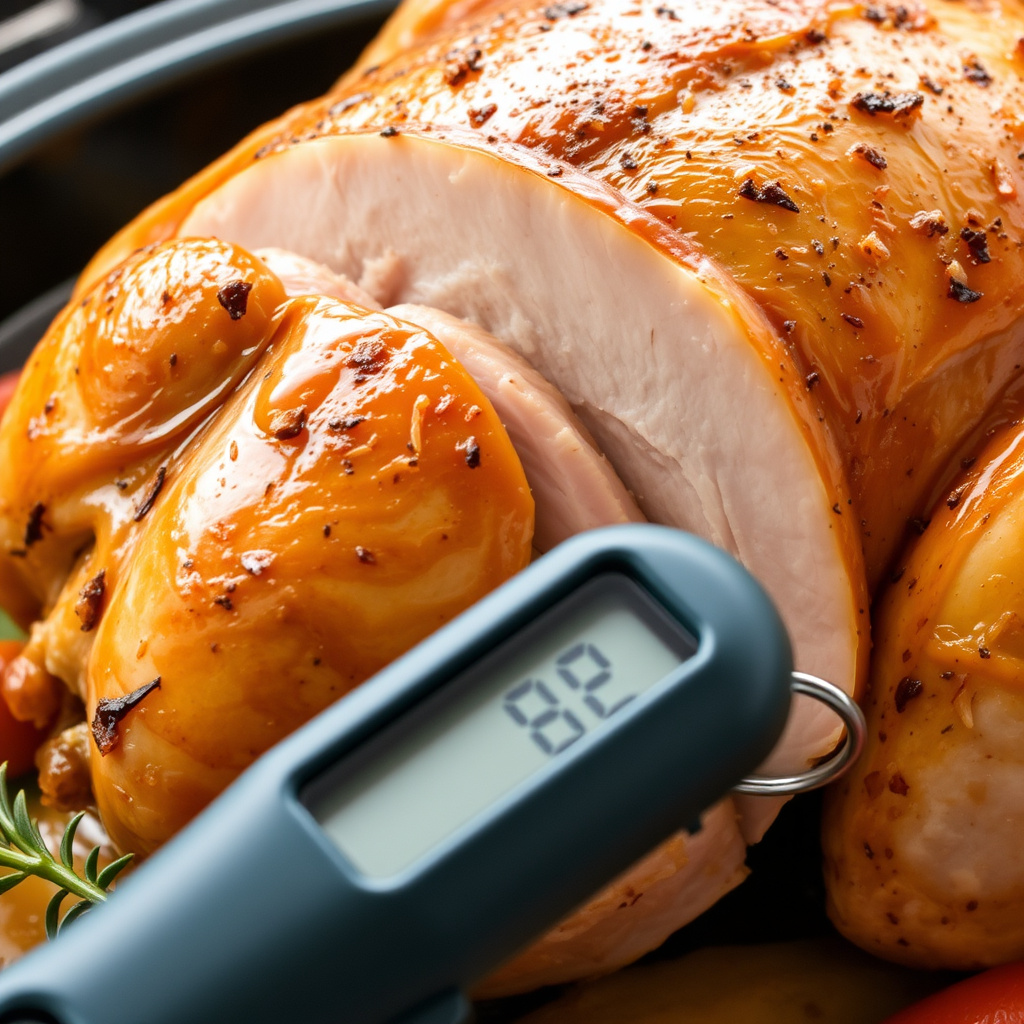
The USDA recommends cooking all poultry, including turkey, to an internal temperature of 165°F (74°C) to eliminate dangerous bacteria such as Salmonella and Campylobacter. At this temperature, the heat penetrates the meat thoroughly, neutralizing pathogens that can cause serious food poisoning.
This safety standard applies whether you are cooking a whole turkey, turkey breast, thighs, or ground turkey. Following this guideline helps prevent foodborne illness and ensures the turkey is safe to eat without guessing.
How Temperature Affects Turkey Texture and Juiciness
Cooking turkey to exactly 165°F prevents the meat from being undercooked and maintains its juiciness. If the temperature goes significantly beyond 165°F, the proteins tighten too much, squeezing out moisture and resulting in dry, stringy meat.
Balancing thorough cooking with moisture retention is why using a precise thermometer and monitoring temperature closely is key when roasting or grilling turkey.
How to Check Turkey Temperature Accurately
Choosing the Right Meat Thermometer
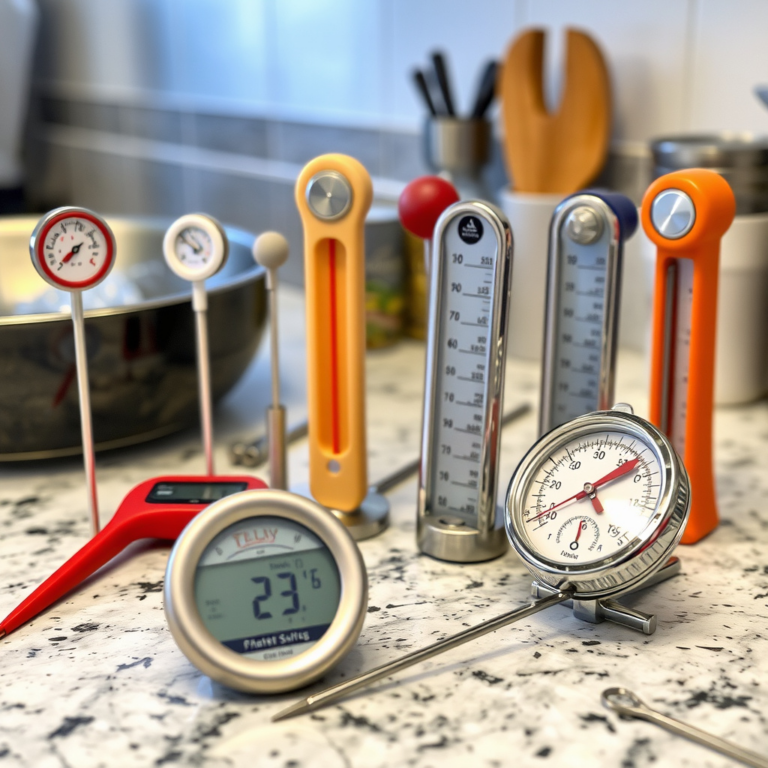
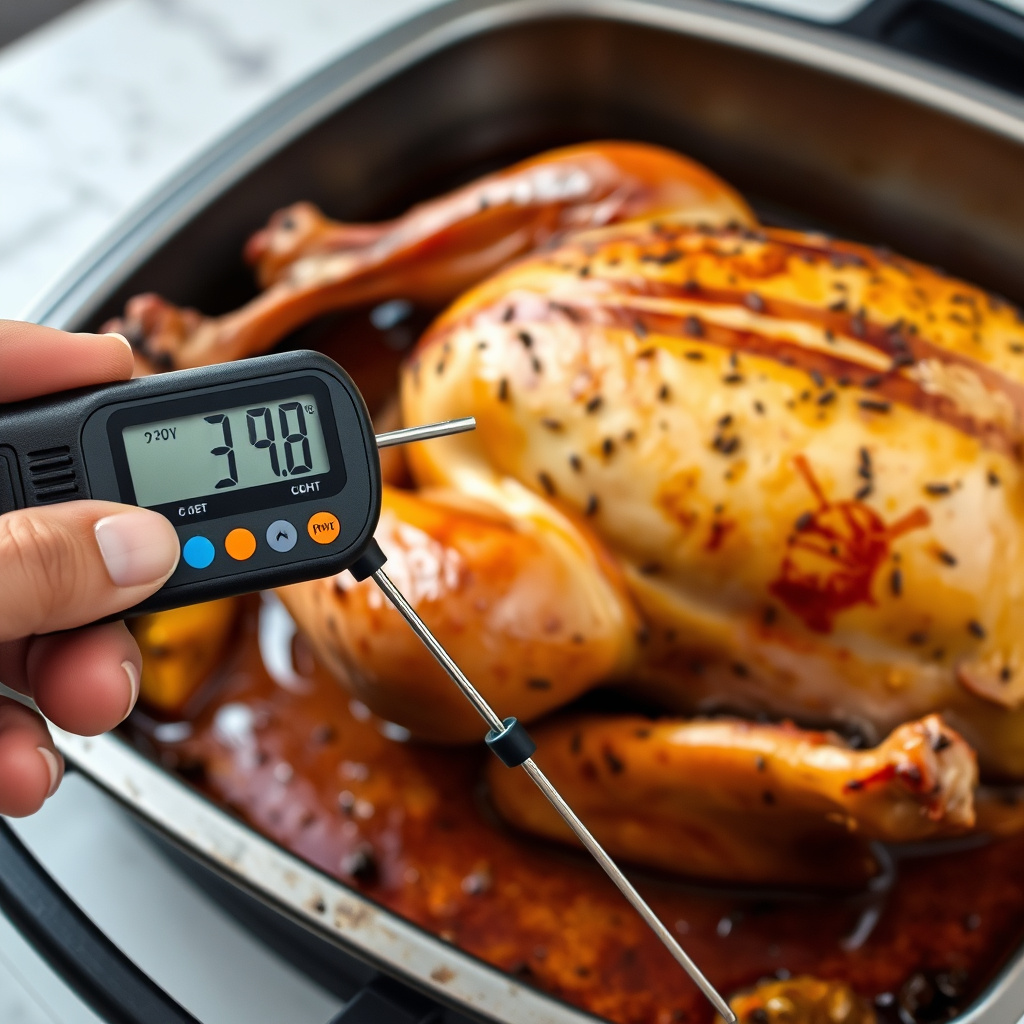
Digital instant-read thermometers offer fast, accurate readings and are ideal for measuring turkey temperature. Traditional dial thermometers work too but may require longer to stabilize, making them less convenient during cooking.
Some thermometers come with probes that can remain in the bird while it cooks, offering continuous temperature updates without opening the oven repeatedly and losing heat.
- Digital instant-read thermometer
- Dial dial thermometer
- Remote probe thermometer
Proper Thermometer Placement in Turkey
Insert the thermometer into the thickest part of the thigh without touching bone, as bones conduct heat differently and can give inaccurate readings. The breast’s thickest section is another good spot to check.
Take multiple readings in different parts of the bird to ensure consistent doneness since uneven cooking can leave some sections undercooked.
- Avoid touching bone with thermometer
- Check both thigh and breast for accuracy
Factors That Influence Turkey Cooking Temperature and Time
Impact of Turkey Size and Weight
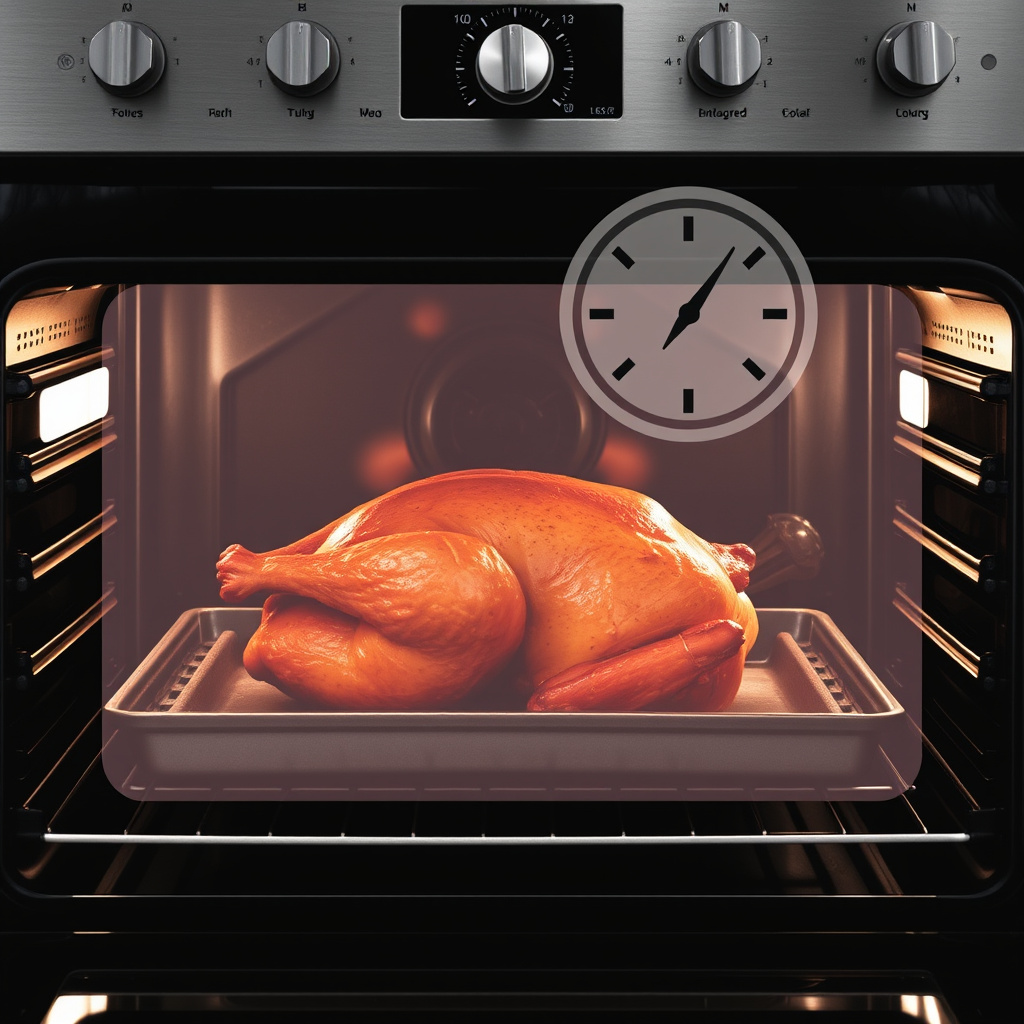
Larger turkeys require longer cooking times, though their safe internal temperature remains 165°F. Weight helps estimate approximate cooking duration but is no substitute for verifying temperature directly.
A 12-pound turkey takes about 3-3.5 hours in a 325°F oven, whereas a 20-pound bird could need up to 5 hours or more.
For more on this, see our related guide: How to Check Meat Temperature Accurately for Perfect Cooking.
Influence of Oven Type and Cooking Method
Conventional ovens, convection ovens, deep-frying, and smoking all can affect cooking time and where heat penetrates the bird. Convection ovens cook more evenly and often faster by circulating hot air, which can help reach the internal temperature quicker.
Different methods require you to monitor temperature closely because factors like fat content and surface area influence heat absorption.
Common Turkey Cooking Methods and Temperature Tips
Roasting Whole Turkey in Oven
Roasting is the most common method for cooking whole turkey. Preheat the oven to 325°F, and cook until the internal temperature reaches 165°F throughout the breast and thighs.
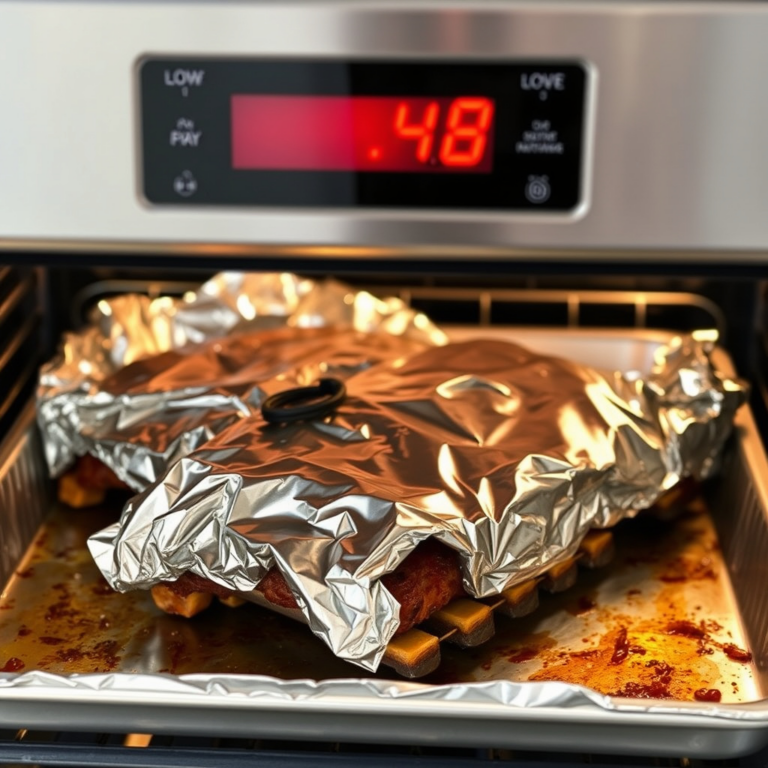
Tent the bird with foil if the skin browns too quickly. Use a probe thermometer for continuous monitoring to avoid overcooking.
- Oven temperature: 325°F
- Check temp at thigh and breast
Alternative Methods: Frying and Smoking
Deep-frying turkey requires heating oil to 350°F and cooking about 3-4 minutes per pound. Use a thermometer to check the internal temperature before removing the bird to prevent over or undercooking.
Smoking at low temperatures (225-250°F) takes longer but imparts rich flavor. Since the smoke can slow heating inside the meat, frequent temperature checks are important.
- Deep-fry temp: oil 350°F, meat 165°F
- Smoking temp: 225-250°F, multiple checks
How to Avoid Common Turkey Cooking Issues
Preventing Undercooked Turkey
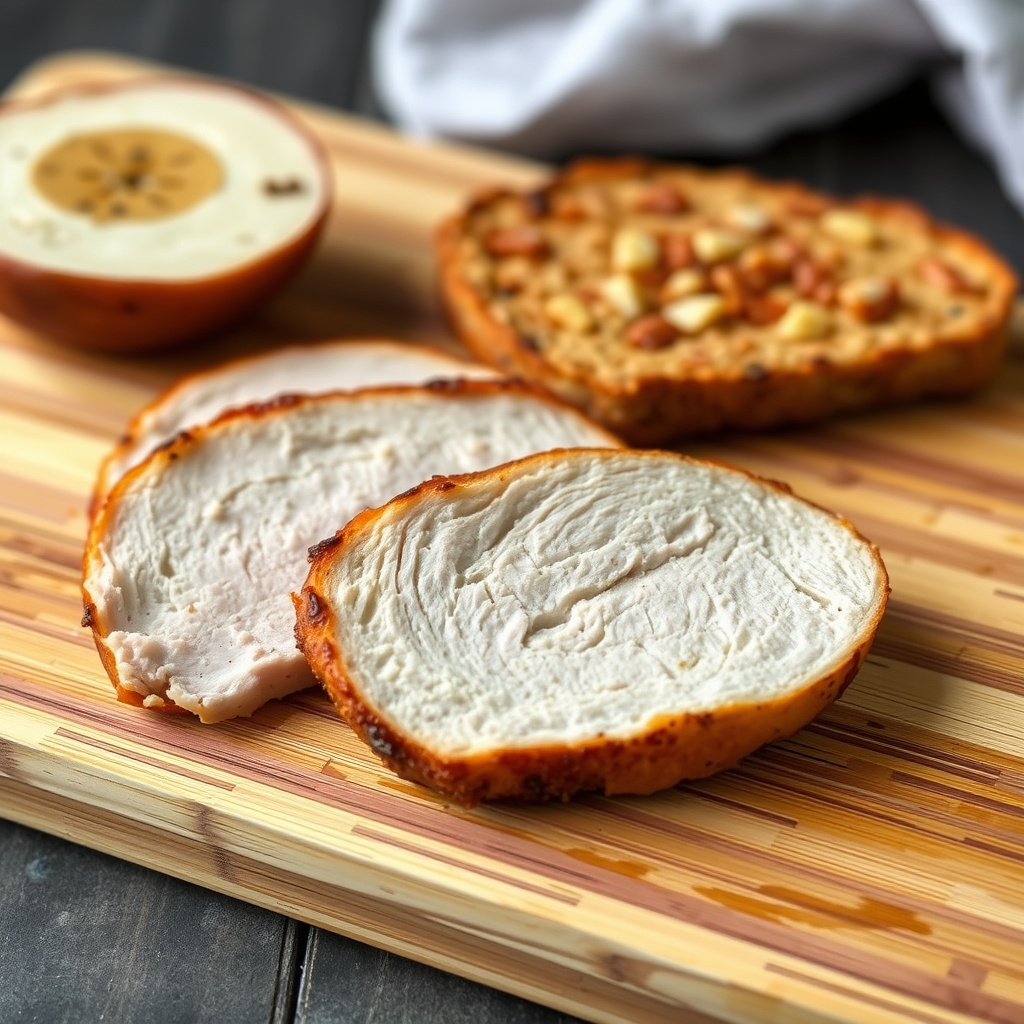
To avoid undercooked poultry, never rely on cooking time alone. Always verify with a thermometer that the internal temperature hits 165°F before serving.
If parts of the turkey remain under the target temperature, continue cooking and retest after 10-15 minutes.
For more on this, see our related guide: What Is the Internal Temperature for Burgers? A Food Safety Guide.
Minimizing Dryness While Cooking
Brining, basting, and careful temperature control help keep turkey juicy. Remove the bird from heat just as it hits 165°F because residual heat will raise the temperature slightly during resting.
Letting turkey rest about 20 minutes before carving redistributes juices, making it more moist.
- Brine the turkey before cooking
- Rest for 20 minutes after cooking
Using Tools and Technology to Perfect Turkey Temperature
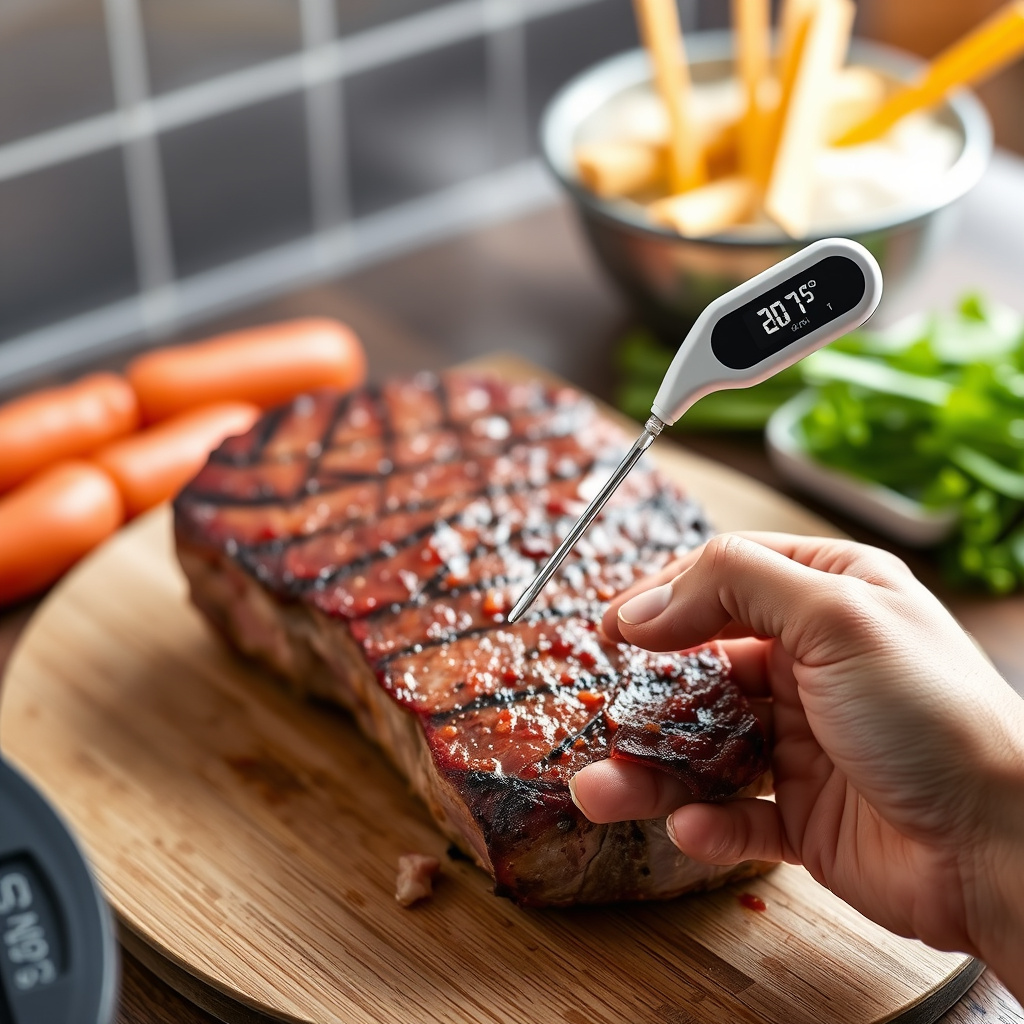
Digital Thermometers With Alerts
Smart thermometers connect to phones and alert when the turkey reaches the perfect internal temperature. These devices reduce guesswork and prevent overcooking.
Some models let you set custom temperature thresholds and track progress in real time, making them valuable tools for amateur and experienced cooks alike.
For detailed safety standards and guidelines about cooking turkey, refer to the USDA Turkey Safety Guidelines. USDA Turkey Safety Guidelines.
Manual Thermometers vs Continuous Probes
Manual instant-read thermometers require removing the bird periodically to test, while continuous probes can stay inserted, allowing less heat loss and steady monitoring.
Choosing between them depends on your cooking style and budget, but continuous monitoring offers more consistent control of final doneness.
- Manual requires periodic checking
- Probes allow continuous monitoring
Turkey Internal Temperature Methods Comparison
The following table compares different thermometer types and cooking methods for measuring and achieving the proper internal temperature for turkey.
| Method | Accuracy | Ease of Use | Best Use Case |
|---|---|---|---|
| Digital Instant-Read Thermometer | High | Easy | Quick checks during cooking |
| Dial Meat Thermometer | Moderate | Moderate | Traditional cooking with patience |
| Continuous Probe Thermometer | Very High | Very Easy | Monitoring throughout cooking |
| Deep-Frying with Oil Thermometer | High | Moderate | Frying safety and temperature control |
| Smoking with Remote Thermometer | High | Easy | Slow cooking with flavor monitoring |
Frequently Asked Questions
Can I rely on cooking time instead of temperature for turkey?
Cooking time varies based on oven type, turkey size, and method, so measuring internal temperature is the safest way to confirm doneness and prevent undercooking.
Is it safe to eat turkey slightly pink inside if temperature is 165°F?
Yes. Some turkey meat may show slight pink near the bones even at a safe 165°F internal temperature, especially in younger birds or specific cooking methods.
Should I let turkey rest before checking temperature?
Check the temperature right after cooking, then let the turkey rest for about 20 minutes to allow juices to redistribute, which enhances flavor and texture.
How often should I check the turkey’s internal temperature while roasting?
Check every 30 minutes as the turkey nears expected cooking time, and more frequently in the last 30 minutes to avoid overcooking or undercooking.
What parts of the turkey should I check with a thermometer?
Measure the thickest part of the breast and the innermost thigh to ensure the entire bird has reached 165°F for safe consumption.
Key Takeaways
- The safe internal temperature for turkey is 165°F (74°C) to kill harmful bacteria.
- Use a digital or probe thermometer for accurate temperature monitoring.
- Check both the thickest parts of breast and thigh for doneness.
- Rest the turkey after cooking to retain moisture and flavor.
Conclusion
Determining the right internal temperature for turkey is the most reliable way to guarantee a safe and delicious meal. Cooking turkey to 165°F ensures harmful pathogens are eliminated while keeping the meat moist and tender. Relying solely on cooking time or visual cues can put you at risk of undercooked or dried-out turkey, so using a quality thermometer is essential. Monitoring temperature through thick parts like the thigh and breast will confirm even cooking throughout the bird.
For home cooks roasting a whole bird, a continuous probe thermometer inside the thick thigh allows real-time temperature tracking without repeatedly opening the oven. Those frying turkey should use an oil thermometer paired with a meat thermometer to confirm safety. Smokers benefit from wireless thermometers with alert functions to handle the low-and-slow cook method. Regardless of technique, the main goal is checking that every part of the turkey reaches 165°F precisely for optimal texture and safety.
Next time you prepare turkey, invest in a dependable digital thermometer, familiarize yourself with proper placement, and practice patience by measuring accurately. Checking temperature accurately, along with resting your bird, will help you serve a perfectly cooked turkey that impresses family and guests. Remember that safety and taste go hand in hand with understanding how to achieve the correct internal temperature for turkey.