Marinating pork is a straightforward way to infuse it with flavor and ensure it stays juicy and tender during cooking. The key to successfully marinating pork lies in the balance of acidity, oil, and seasoning. A good marinade not only enhances flavor but also tenderizes the meat, making it perfect for grilling, roasting, or frying.
Pork benefits greatly from marinades that include ingredients such as citrus juice, vinegar, soy sauce, or wine, combined with herbs, spices, and oil. These components help break down the muscle fibers and add layers of taste that penetrate deeply. Marinating times can vary depending on the cut and desired intensity, often between 30 minutes to 24 hours.
This guide will cover the essential techniques for how to marinate pork, the best marinade ingredients, tips for marinating different pork cuts, and food safety practices. You’ll also find some popular marinade recipes and a comparison of methods to find the most suitable one for your cooking style.
Understanding the Basics of How to Marinate Pork
Why Marinate Pork?
Marinating pork helps tenderize the meat by breaking down proteins while simultaneously infusing it with a depth of flavor. The acidic components in marinades, such as lemon juice or vinegar, soften the muscle fibers, making cuts like shoulder or loin more tender. Additionally, marinades add moisture, preventing the pork from drying out during cooking.
Marinated pork also picks up subtle or bold flavors depending on the ingredients used, allowing cooks to customize the dish variety. This adds excitement to meals ranging from quick weeknight dinners to special occasions.
Key Components of a Pork Marinade
A successful pork marinade combines acid, oil, flavorings, and seasonings. The acid, such as vinegar, citrus juice, or wine, breaks down tough muscle tissues. The oil acts as a flavor carrier and helps seal moisture. Herbs, spices, garlic, and salt provide the seasoning balance that creates delicious profiles.
Salt or salty ingredients like soy sauce enhance meat’s natural flavors and help it absorb the other marinade elements more effectively. Sugar or sweeteners balance acidity and create appealing caramelization when cooked.
- Acid: vinegar, lemon/lime juice, wine
- Oil: olive, vegetable, sesame
- Seasonings: garlic, herbs, spices, salt
- Sweeteners: honey, brown sugar, maple syrup
Choosing the Right Pork Cuts for Marinating
Best Cuts for Quick Marinades
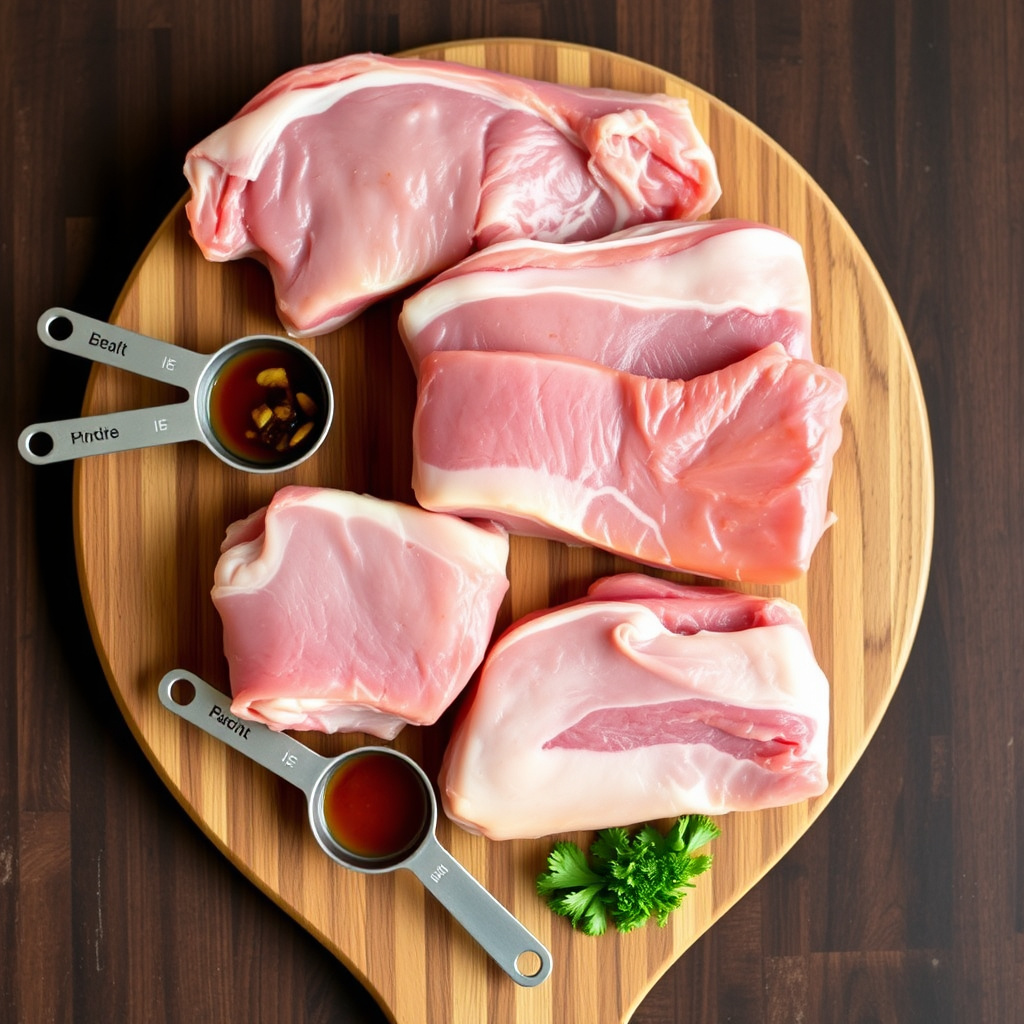
Tender cuts like pork tenderloin, chops, and loin steaks absorb marinades quickly and need only 30 minutes to 2 hours for flavor enhancement. These cuts cook fast, so a lighter, shorter marinade keeps the texture intact without creating mushiness.
Short marinades prevent delicate cuts from breaking down excessively and allow the surface to develop flavorful crusts when grilled or pan-seared.
Ideal Cuts for Long Marinating
Tougher cuts such as pork shoulder, picnic roast, or ribs benefit from longer marinating times, ranging from 4 to 24 hours. Slow absorption of the marinade helps soften connective tissue and infuse deeply into the meat’s fibrous structure.
These cuts are great for braising or slow grilling, and marinating enhances tenderness while infusing complex flavors that complement extended cooking methods.
Techniques for How to Marinate Pork Effectively
Proper Marinade Application
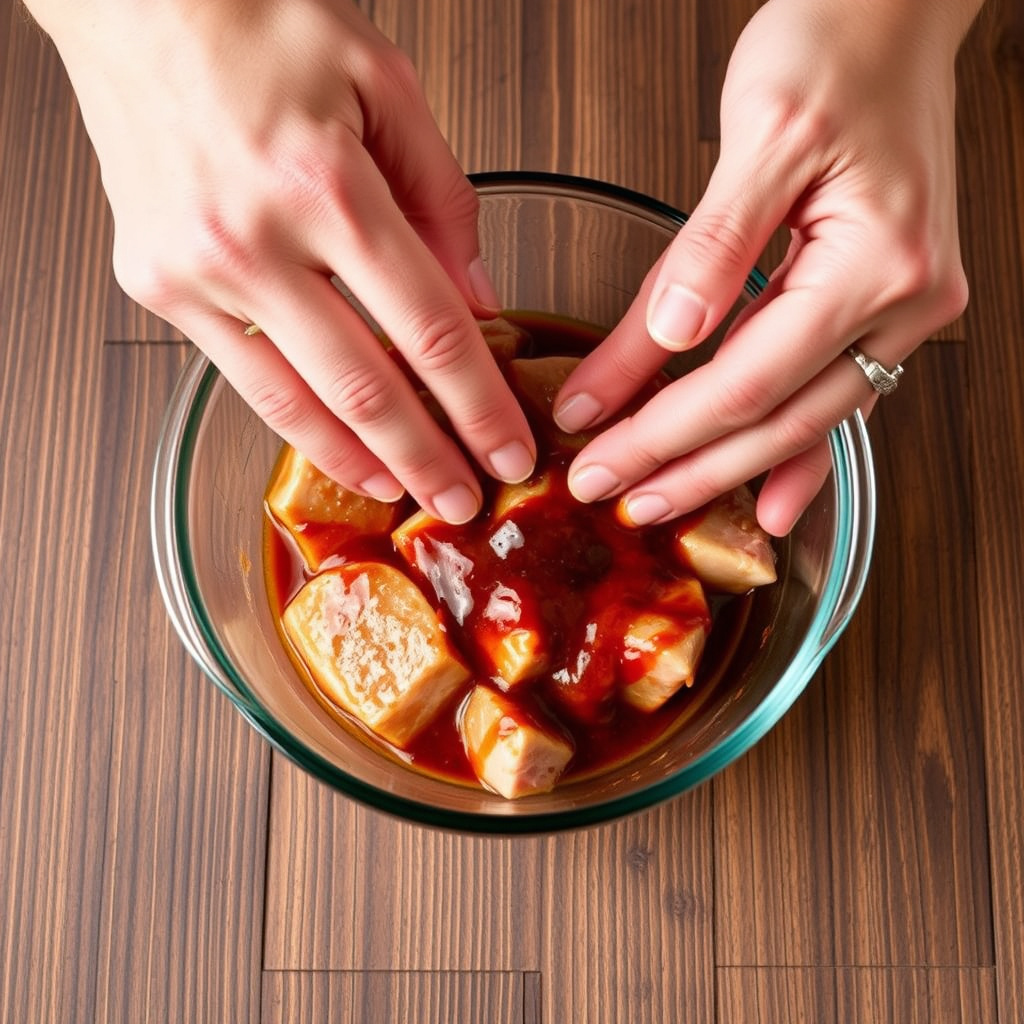
To maximize flavor penetration, coat the pork evenly with marinade and massage it gently into the meat. Using a zip-top bag allows the marinade to surround the pork completely and reduces air exposure. Turning the pork periodically during marinating ensures even absorption.
Avoid overcrowding; pork should sit in a single layer or be well separated in the container to allow the marinade to contact all surfaces.
- Use airtight containers or resealable plastic bags
- Massage marinade into pork gently
- Turn pork occasionally during marinating
For more on this, see our related guide: How Long to Marinate Pork Chops for Maximum Flavor and Tenderness.
Marinating Time and Temperature
Marinate pork in the refrigerator to prevent bacterial growth. Depending on the cut and acidity, marinating times range between 30 minutes and 24 hours. Over-marinating, especially with highly acidic mixtures, can make the meat mushy.
For thin cuts, limit marinating to under 2 hours, while thicker or tougher cuts benefit from longer times. Always discard any leftover marinade that has been in contact with raw meat.
- Keep marinating temperatures cold, below 40°F (4°C)
- Adjust times by cut thickness: 30 min to 24 hours
- Discard used marinade or cook it thoroughly
Popular Ingredients for the Best Pork Marinade Recipes
Acidic and Savory Marinade Staples
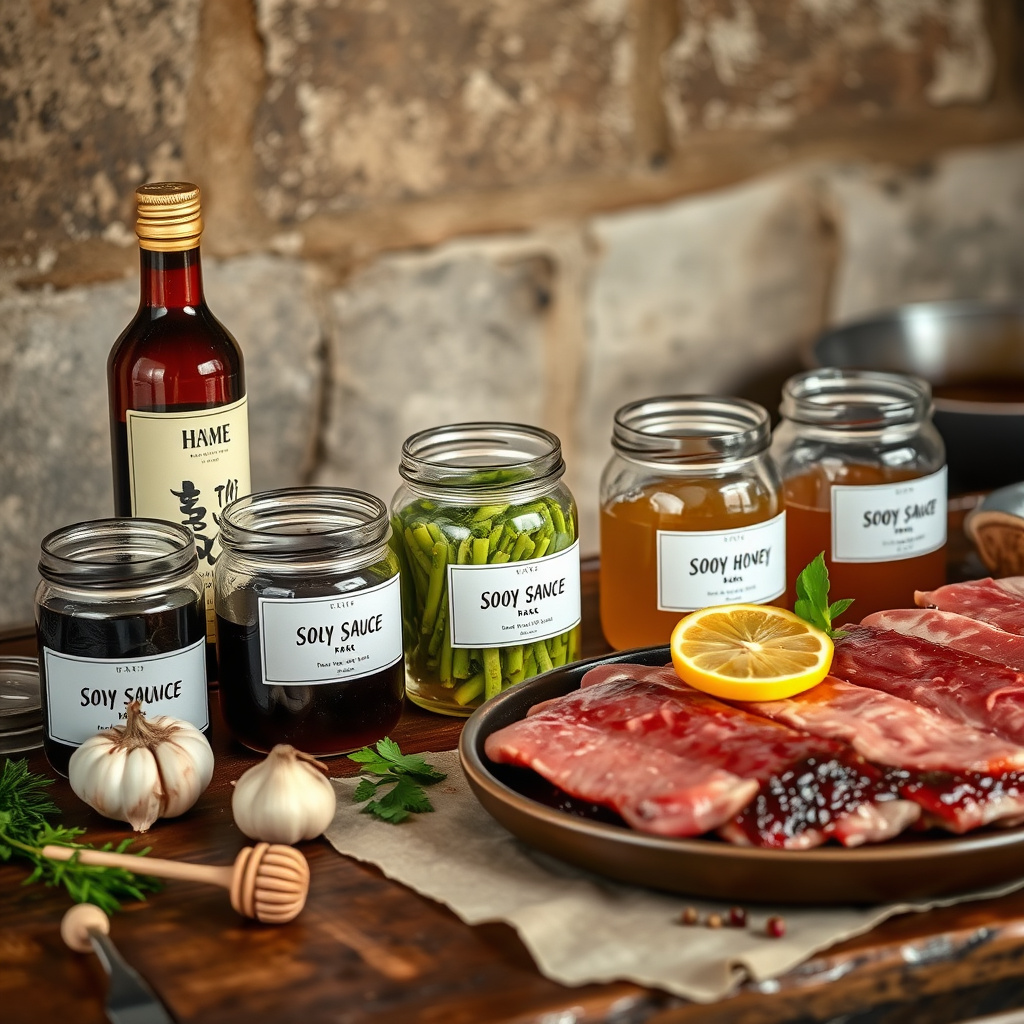
Soy sauce is a common base in pork marinades for its rich umami and salt content. Vinegars such as apple cider or balsamic add tang and break down the meat fibers. Citrus juices from lemons, limes, or oranges provide bright acidity and fragrant oils that enhance pork’s mild flavor.
Combining these acidic and savory elements creates well-rounded marinades that gently tenderize without overpowering the natural pork taste.
- Soy sauce or tamari
- Apple cider vinegar, balsamic vinegar
- Lemon, lime, orange juice
Herbs, Spices, and Sweeteners
Garlic, rosemary, thyme, and sage add aromatic depth and complement pork particularly well. Spices like black pepper, paprika, and cumin deliver warmth and complexity. Sweeteners such as honey, brown sugar, or maple syrup balance acidity and help create caramelized exteriors when cooking.
Simple combinations of these ingredients allow making versatile marinades suitable for grilling, roasting, or frying.
- Garlic, rosemary, thyme, sage
- Black pepper, paprika, cumin
- Honey, brown sugar, maple syrup
Safety Tips for Marinating Pork

Preventing Cross-Contamination
Always marinate pork in the refrigerator to keep the meat below 40°F (4°C) and inhibit bacterial growth. Use clean containers and surfaces, and never reuse marinade that touched raw pork unless it is boiled first.
Avoid placing marinated pork on surfaces that contact other ready-to-eat foods to prevent cross-contamination.
For more on this, see our related guide: What Is the Internal Temp for Pork? Safe Cooking Temperatures Explained.
Discarding and Reusing Marinade
If you wish to use marinade as a sauce, boil it thoroughly to kill any harmful bacteria from raw pork. Otherwise, discard leftover marinade after removing the meat. Do not reuse marinade directly to baste or coat cooked pork without cooking it first.
Plan marinade portions carefully to reduce waste and maintain food safety.
Marinade Application Methods and Cooking Techniques
Grilling and Roasting Marinated Pork
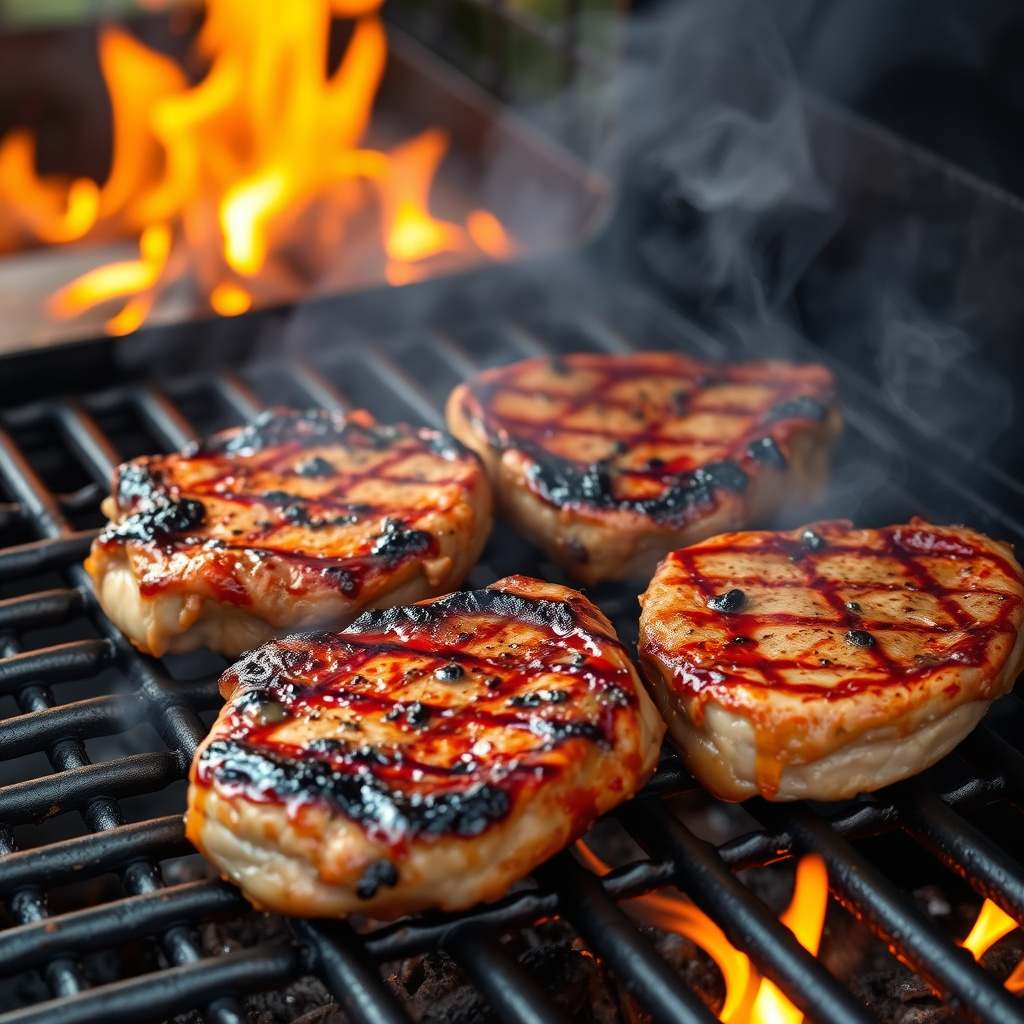
Grilling pork after marinating creates a flavorful crust while locking in juiciness. The sugars and seasonings in the marinade caramelize under high heat, enhancing taste and texture. For roasting, marinated pork cuts develop deep flavors and tender interiors when cooked at moderate temperatures.
Effective cooking depends on patting marinade excess off to avoid flare-ups on the grill and adjusting heat to allow even cooking without burning.
- Pat pork dry before cooking to reduce flare-ups
- Use medium heat for even cooking
- Allow meat to rest post-cooking for juicy results
For a deeper understanding, the Wikipedia article on marination explains the science and methods behind marinating meat. marinating meat basics.
Pan-Frying and Slow Cooking Options
Pan-frying marinated pork quickly sears the surface, locking in flavors. It suits thinner cuts with shorter marinating times. Slow cooking marinated pork, such as in a crockpot, benefits from long marinade times and gentle heat that further tenderizes tougher cuts over hours.
Each cooking method pairs well with particular marinades and cuts, giving versatility to how to marinate pork for different recipes.
Pork Marinade Methods Comparison
Here’s a comparison of common marinade types and their suitability for different pork cuts and cooking styles.
| Marinade Type | Best Pork Cuts | Marinating Time | Flavor Profile | Ideal Cooking Method |
|---|---|---|---|---|
| Acid-Based (Citrus, Vinegar) | Shoulder, Ribs | 4-24 hours | Tangy, tenderizing | Slow cooking, grilling |
| Soy Sauce-Based | Chops, Loin | 30 min – 3 hours | Savory, umami-rich | Grilling, roasting |
| Sweet & Spicy | Tenderloin, Chops | 1-4 hours | Sweet heat, caramelizes | Pan-frying, grilling |
| Herb & Oil-Based | Loin, Tenderloin | 30 min – 2 hours | Fresh, aromatic | Roasting, pan-frying |
| Dairy-Based (Yogurt, Buttermilk) | Shoulder, Ribs | 4-12 hours | Mild tang, tenderizing | Grilling, slow cooking |
Frequently Asked Questions
Can I marinate pork at room temperature?
It’s unsafe to marinate pork at room temperature because it promotes bacterial growth. Always marinate pork in the refrigerator to keep the meat cold and reduce foodborne illness risk.
How long should I marinate pork for the best flavor?
Marinating time depends on cut thickness and marinade acidity. Tender cuts need 30 minutes to 2 hours, while tougher cuts like shoulder benefit from 4 to 24 hours.
Can I reuse marinade to baste pork while cooking?
Only if the marinade has been boiled first to eliminate bacteria from raw pork. Otherwise, discard used marinade to avoid food safety issues.
Does marinating make pork more tender?
Yes, acidic ingredients in marinades help break down muscle fibers and connective tissues, making pork more tender, especially for tougher cuts.
What are some common mistakes when marinating pork?
Common mistakes include marinating too briefly, using overly acidic mixtures for too long, and marinating at unsafe temperatures.
Key Takeaways
- Balance acid, oil, and seasonings for effective pork marinades.
- Match marinating time to pork cut thickness and toughness.
- Marinate pork in the refrigerator to maintain food safety.
- Choose marinade ingredients based on desired flavor and cooking method.
Conclusion
How to marinate pork successfully requires understanding the interplay between the marinade’s acidic components, oils, and herbs to tenderize and flavor the meat properly. The process isn’t overly complicated but benefits from paying attention to the pork cut, marinating time, and temperature. By applying these principles, anyone can elevate their pork dishes with juiciness and flavor that hold through grilling, roasting, or pan-frying.
For quick meals, light soy sauce-based or herb and oil marinades work well with tenderloin and chops marinated under two hours. Tougher cuts like shoulder and ribs reward longer marinating times with acid-based or dairy-based marinades, softening the meat for slow cooking or barbecuing. Considering your cooking method alongside marinade choice guarantees a satisfying result.
To start, pick your favorite marinade from the recipes outlined or customize your own blend of acid, oil, seasonings, and sweeteners. Use recommended marinating times and keep pork refrigerated during marination to stay safe. With these simple steps, marinating pork can become your go-to way to add rich flavor and irresistible tenderness.