Marinades are definitely worth using when you want to boost the flavor and tenderness of your meats, vegetables, or tofu. They infuse ingredients with herbs, spices, and acids, which break down tough fibers and add depth to your dishes.
Beyond just flavor, marinades can improve texture and juiciness when used correctly. Skipping marinades means missing out on an accessible way to elevate simple proteins and veggies without extra effort or fancy equipment.
This article will cover what marinades do, which ingredients work best, how timing influences results, safety tips, and practical recipes. You’ll learn when to rely on marinades and when they may not make much difference so you can cook smarter.
How Marinades Work: Science Behind Flavor and Tenderness
Marinade Ingredients and Their Roles
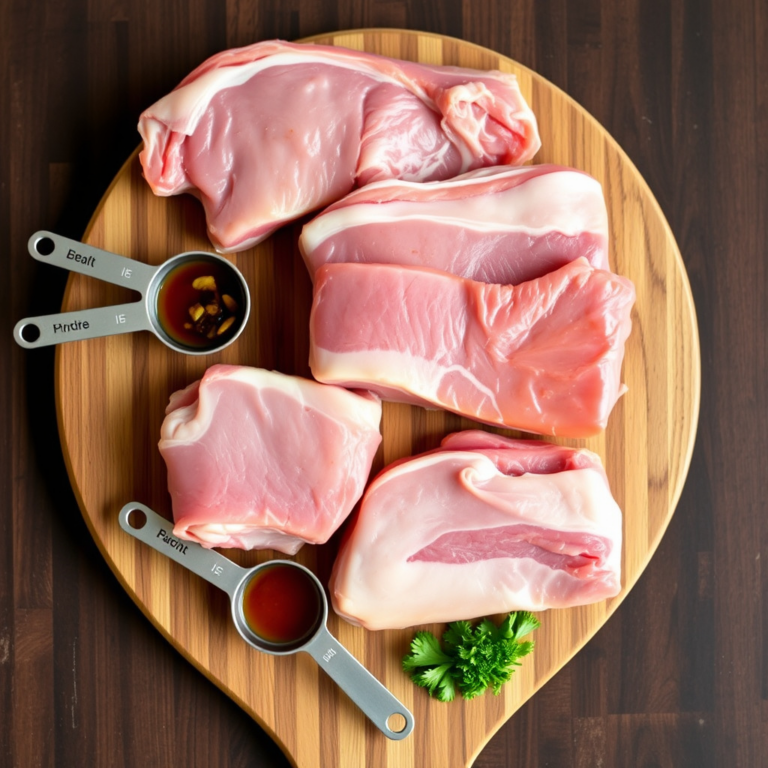
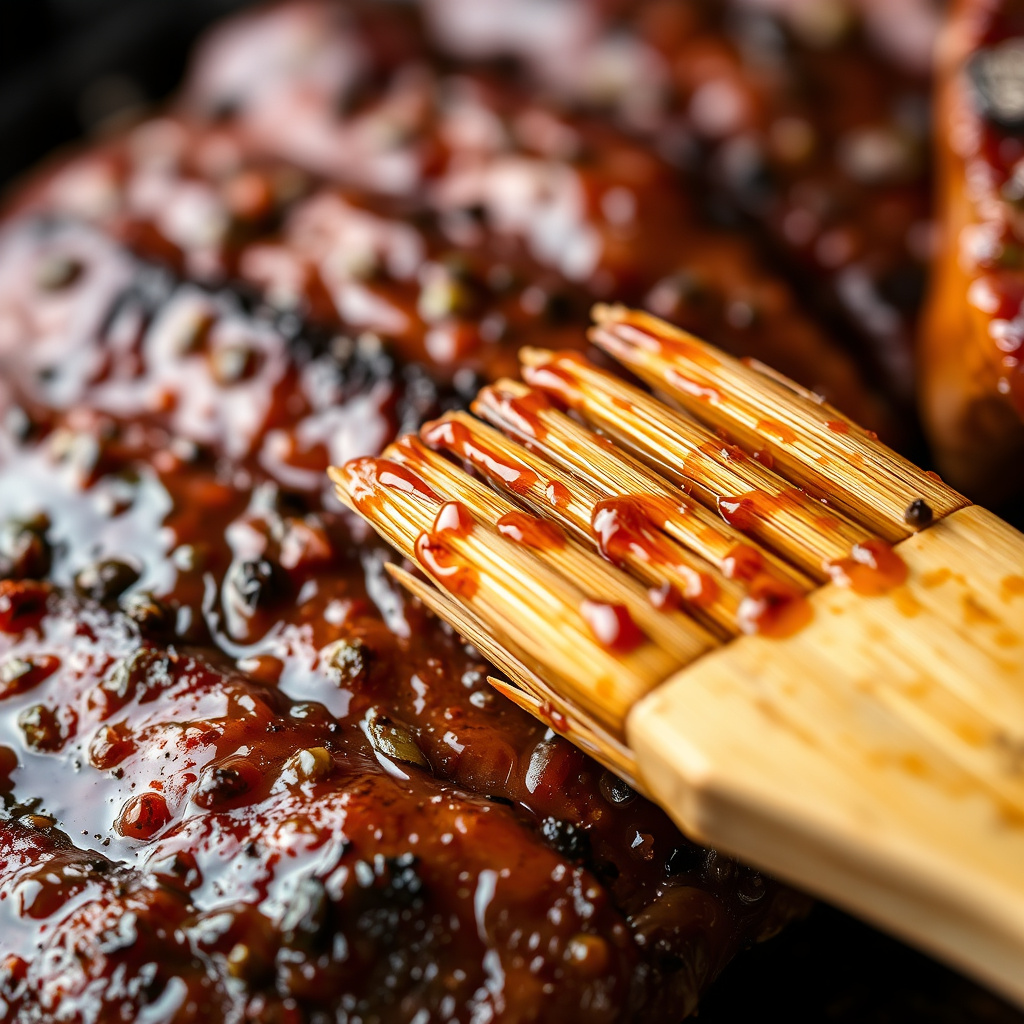
Marinades generally contain acids (like vinegar or citrus juice), oils, herbs, spices, and sometimes sweeteners. Acids help break down proteins and muscle fibers, making meat softer and easier to chew. Oils carry fat-soluble flavors and help retain moisture during cooking.
Herbs and spices provide the aromatic profile, from pungent garlic to fresh rosemary or spicy chili. Sweeteners can balance acidity and promote browning in grilled foods.
- Acids: vinegar, lemon juice, yogurt
- Oils: olive oil, sesame oil
- Flavorings: garlic, herbs, spices
- Sweeteners: honey, brown sugar
The Science of Tenderizing
Acids in marinades can partially denature proteins by breaking chemical bonds, softening the texture of tougher cuts. This helps transform less expensive or lean cuts into more palatable ones.
However, over-marinating, especially in strong acids, can make meat mushy. Timing and ingredient balance are key to tenderizing without ruining texture.
Choosing the Right Marinade for Your Dish
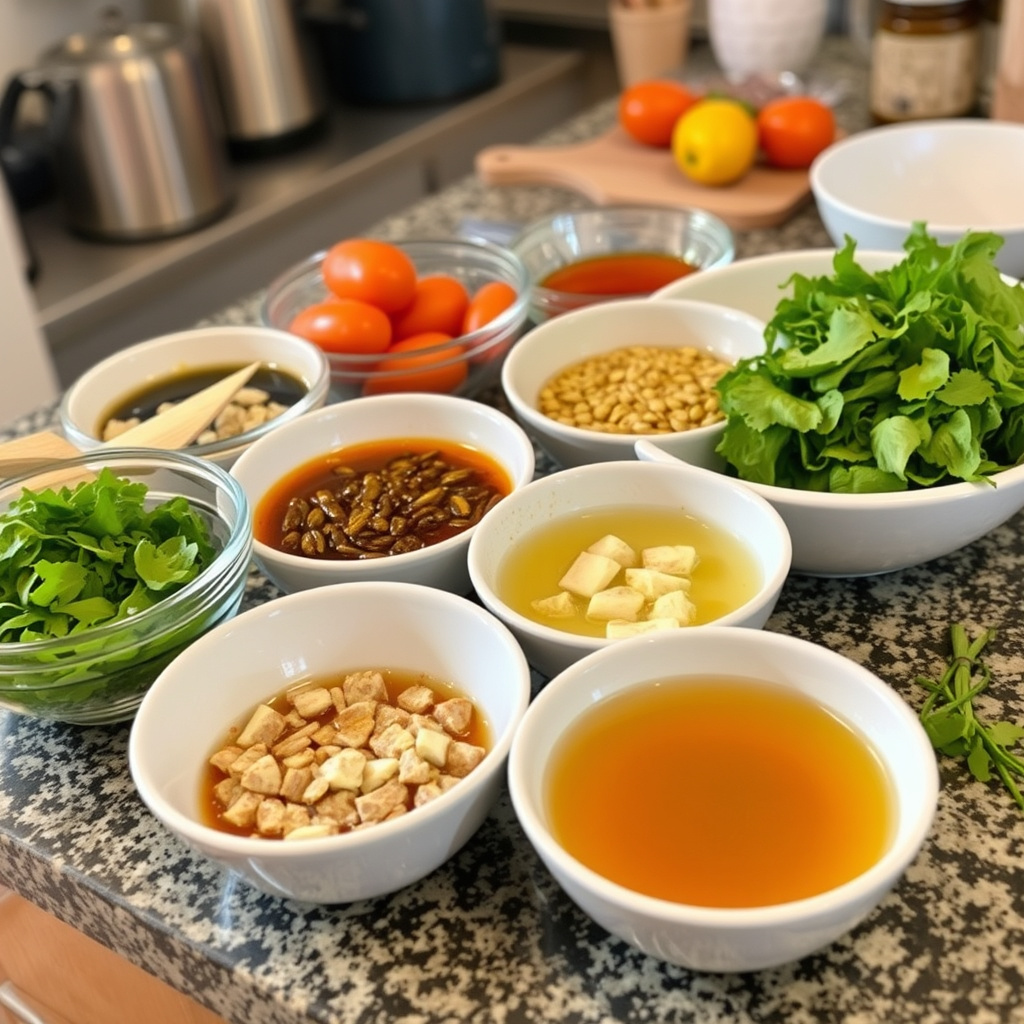
Matching Marinades to Proteins
Different proteins benefit from specific marinade components. For example, beef accepts robust acidic or spicy marinades well, while fish needs gentler, shorter marination to avoid breakdown.
Chicken pairs well with citrus or yogurt-based marinades which add flavor and moisture without overpowering. Tofu absorbs flavors quickly, so longer marination with bold spices can enhance blandness.
- Beef: wine, soy sauce, garlic
- Chicken: lemon, yogurt, herbs
- Fish: citrus, mild herbs, low acidity
- Tofu: soy, chili, sesame oil
Vegetable Marinades and Benefits
Vegetables can also be marinated to add flavor before grilling or roasting. Acidic ingredients brighten their earthiness and oils help with grilling.
Marinating vegetables is less about tenderizing and more about flavor infusion and preventing dryness during cooking, especially for items like mushrooms, zucchini, or bell peppers.
Proper Marinating Times and Techniques
How Long to Marinate Different Foods
Tender cuts of meat like fish require only 15-30 minutes of marinating, while tougher cuts benefit from several hours to overnight. Vegetables generally need 15-60 minutes for flavor to penetrate.
Over-marinating can cause protein breakdown leading to a mushy texture. Knowing recommended times for each ingredient helps achieve the ideal balance.
- Fish: 15-30 minutes
- Chicken: 1-4 hours
- Beef: 4-24 hours
- Vegetables: 15-60 minutes
For more on this, see our related guide: What Is the Best Cut of Steak for Grilling? A Guide to Perfect BBQ Steaks.
Tips for Effective Marinading
Use non-reactive containers like glass or plastic to avoid metallic flavors and chemical reactions. Refrigerate marinating foods to reduce bacteria growth.
Turn or stir food occasionally to evenly coat all surfaces. Pat food dry before cooking to promote browning rather than steaming.
- Use glass/plastic containers or resealable bags
- Keep marinating foods chilled
- Turn foods midway through marinating
- Dry food before cooking
Safety and Storage Considerations
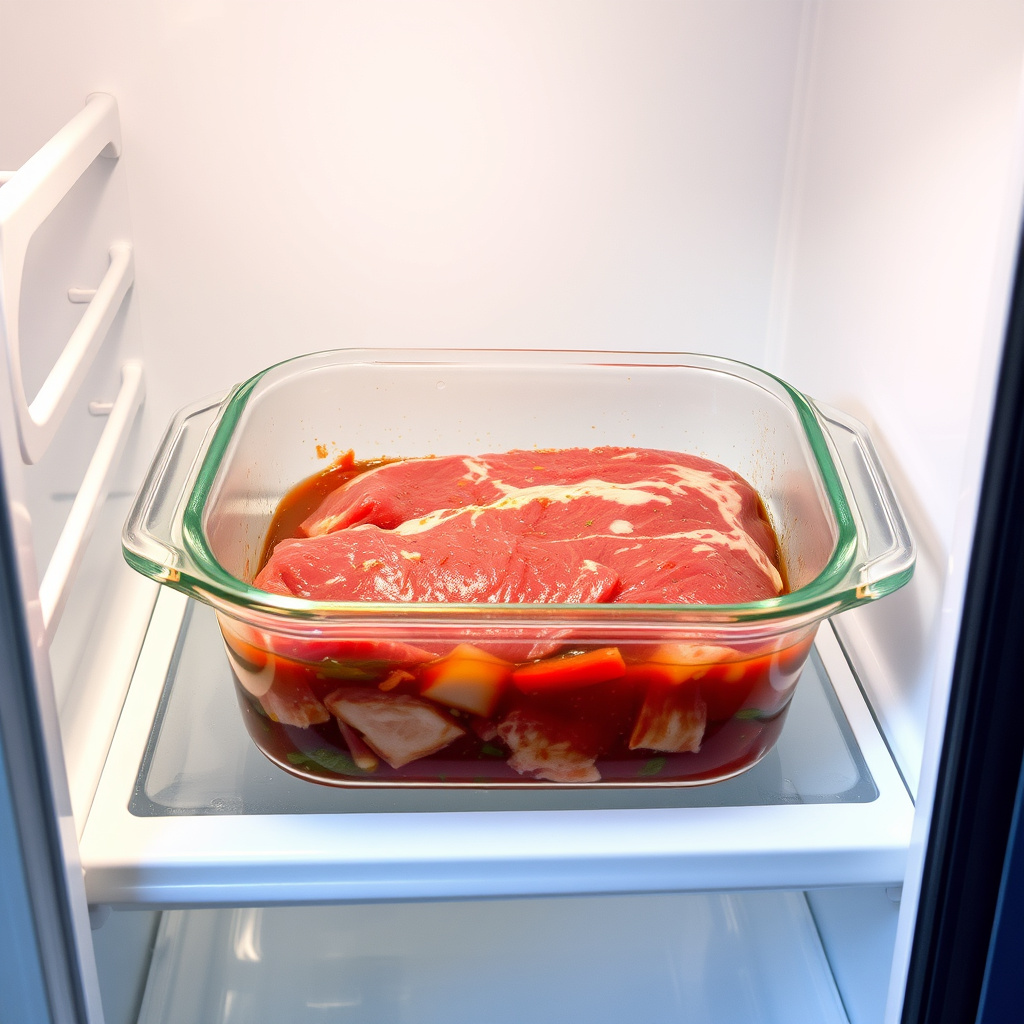
Preventing Contamination
Raw proteins should be marinated in the refrigerator to inhibit bacterial growth. Never reuse marinade that touched raw meat without boiling it first to kill pathogens.
Use separate utensils and containers to avoid cross contamination, especially when preparing foods for children, elderly, or immunocompromised individuals.
Storing and Disposing Marinades
Leftover uncooked marinade should be discarded or boiled before repurposing as a sauce. Cooked marinades can be cooled and refrigerated for up to a week or frozen for later use.
Labeling and dating containers helps track freshness and avoid spoilage risks.
- Discard or boil raw marinades after use
- Store cooked marinades in airtight containers
- Label with date to monitor freshness
Popular Marinade Styles and Flavor Profiles
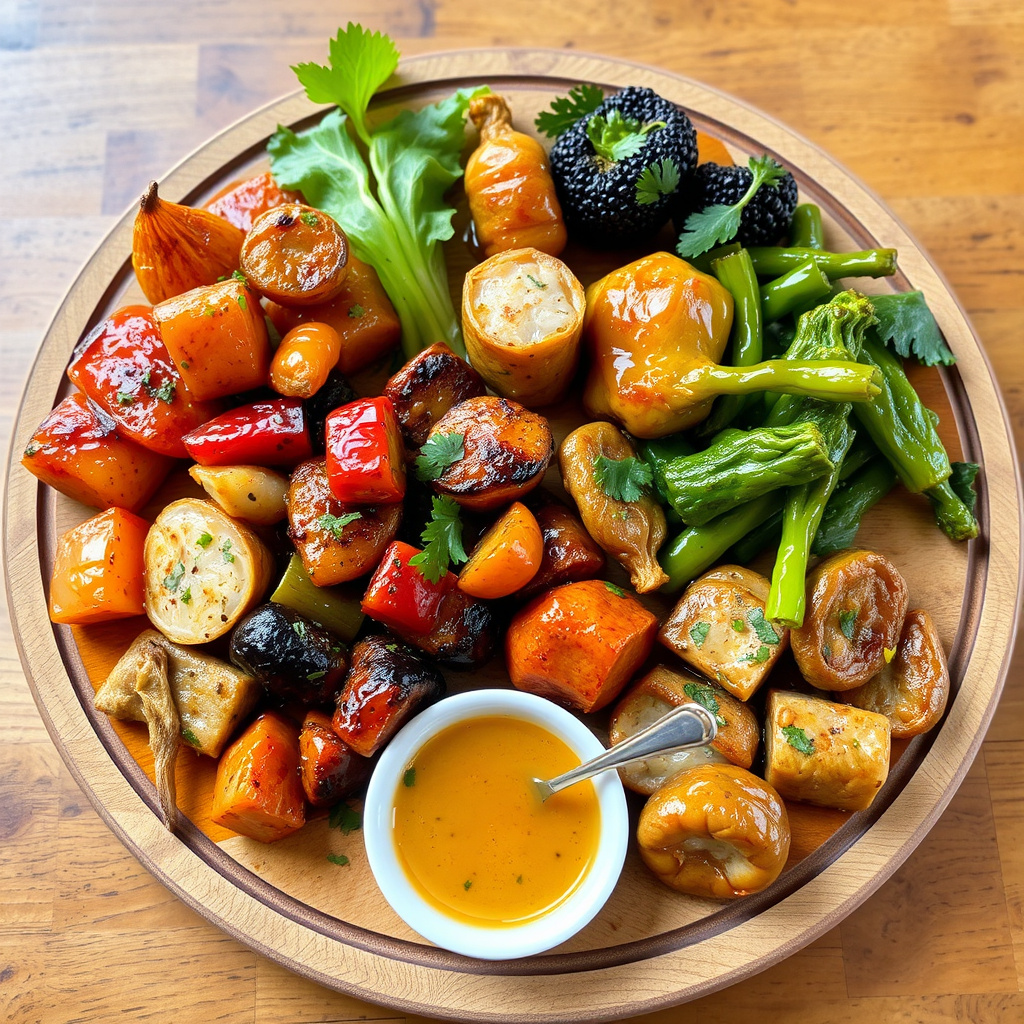
Classic Western Marinades
Western marinades often use combinations like olive oil, garlic, lemon juice, and herbs such as rosemary or thyme. Worcestershire sauce and mustard add depth for red meats.
These marinades focus on balancing acidity, savory, and aromatic notes to complement rather than overpower natural flavors.
For more on this, see our related guide: How to Get Smoky Flavor Without a Smoker: Simple Techniques for Home Cooking.
Global Marinade Inspirations
Asian-inspired marinades frequently incorporate soy sauce, ginger, sesame oil, and chili for umami and heat. Latin American versions use citrus juices, cilantro, and smoky chipotle peppers.
Exploring such diverse flavors can broaden your cooking repertoire and bring new excitement to everyday meals.
When Marinades May Not Make a Big Difference
Highly Tender Cuts and Quick Cooking Methods
Very tender cuts like filet mignon or fish fillets cooked quickly often gain little benefit from prolonged marinating. Their natural texture is already soft, and intense acids can detract.
Seasoning just before cooking can be sufficient for these delicate items.
For more detailed scientific and culinary background, check out the marinade entry on Wikipedia. marinade entry on Wikipedia.
Relying on Dry Rubs or Brines
Sometimes dry rubs or brines offer better flavor or texture enhancements, especially for barbecue or smoking techniques. These methods penetrate differently, focusing on salt absorption or dry spice coating.
Marinades are one tool among many, so knowing alternatives helps diversify cooking.
Types of Marinades Compared
This table compares common marinade types based on key attributes to help you pick the right one for your needs.
| Marinade Type | Primary Acid | Flavor Profile | Best For | Marinating Time |
|---|---|---|---|---|
| Citrus-Based | Lemon or lime juice | Bright, tangy | Chicken, seafood, vegetables | 15-60 minutes |
| Vinegar-Based | Balsamic or apple cider | Sharp, slightly sweet | Beef, pork, tofu | 2-24 hours |
| Yogurt-Based | Yogurt or buttermilk | Creamy, mild tang | Chicken, lamb | 4-12 hours |
| Soy Sauce-Based | Soy sauce | Salty, umami | Beef, pork, tofu | 1-8 hours |
Frequently Asked Questions
Does marinating always make meat more tender?
Marinating can tenderize tougher cuts if acidic ingredients are used properly. However, for tender cuts, it mainly adds flavor rather than changing texture.
Can I marinate food at room temperature?
It’s best to marinate foods in the refrigerator to prevent bacterial growth. Room temperature marinating increases risk of foodborne illness.
How long should I marinate chicken safely?
Chicken benefits from 1 to 4 hours of marination. Over 24 hours can cause texture breakdown or off flavors.
Is it safe to reuse marinade as a sauce?
Only reuse marinade if it’s boiled after touching raw meat to kill harmful bacteria. Otherwise, discard it.
Do marinades work on vegetables too?
Yes, marinades add flavor and help maintain moisture in vegetables during cooking, though they don’t tenderize like with meat.
Key Takeaways
- Marinades enhance flavor and can tenderize tougher proteins with proper acids.
- Different foods require specific marinade ingredients and timing for best results.
- Safety rules like refrigerating and not reusing raw marinade are essential.
- Marinades work well on vegetables and tofu to add taste and moisture.
Conclusion
To decide if marinades are worth it, consider your main goals: building flavor, improving texture, or both. If you often cook tougher cuts of meat or want bright, layered tastes, marinades provide a simple, effective way to boost dishes without complicated steps or equipment. Understanding the role of acids, oils, and spices helps avoid common pitfalls like over-marinating or off texture. With careful selection of ingredients and timing, marinades can turn everyday meals into something noticeably better.
For example, if you often grill chicken or fish, experimenting with citrus-based or yogurt-based marinades can add juiciness and freshness without lengthy marination time. Conversely, for beef or pork roasts, vinegar or soy sauce-based marinades work well given longer soak times. Vegetables and tofu likewise respond well to marinades to enhance natural flavors before a quick roast or grill. Alternatively, if your cooking often uses quick searing of tender cuts, a dry rub or seasoned finish may be more practical than a marinade.
As a next step, try out a few simple marinade recipes tailored to your favorite dishes and note how the flavor and texture change. Start with recommended marinating durations and ingredients to build confidence. Over time, customizing marinades to match your spice preferences and cooking styles can become an enjoyable, rewarding habit that elevates your meals with minimal fuss.