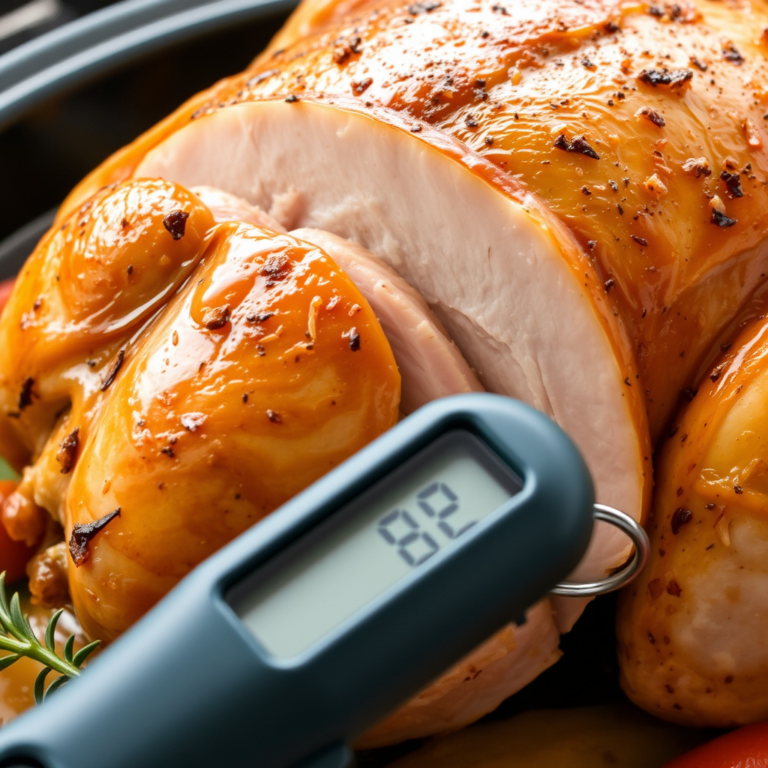
Cooking ribs in the oven is a reliable way to get tender, juicy meat without needing a grill or smoker. Start by selecting your ribs, seasoning them with a dry rub or marinade, then bake them low and slow, typically around 275°F (135°C), covered tightly to lock in moisture. This method breaks down the connective tissues, resulting in soft, flavorful ribs.
Using the oven for ribs matters because it offers consistent temperature control, making it easier to achieve that fall-off-the-bone texture that’s harder to get with quick high-heat methods. It also allows for more hands-off cooking, freeing you up to prepare sides or relax while the ribs cook.
This article will walk you through preparing your ribs, choosing the right temperature and cooking time, applying sauces, and finishing techniques like broiling for caramelized edges. You'll also find tips on selecting rib types and troubleshooting common issues.
Choosing the Right Ribs for Oven Cooking
Types of Ribs Suitable for Oven Cooking
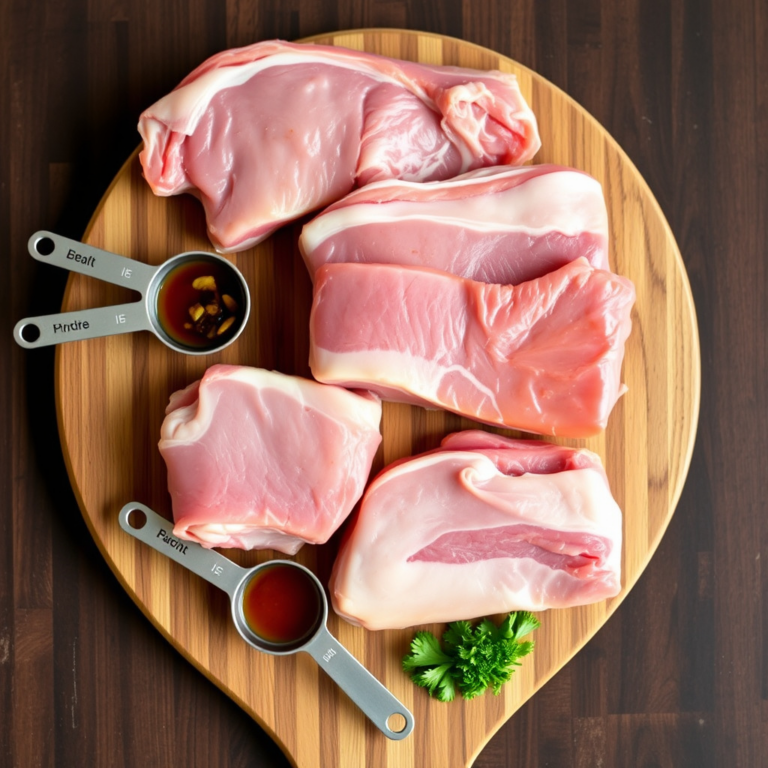
The most popular rib types for oven cooking are baby back ribs, spare ribs, and St. Louis-style ribs. Baby back ribs are smaller, leaner, and cook faster, usually taking about two to two and a half hours in the oven. Spare ribs are larger with more fat and connective tissue, requiring longer cooking for tenderness.
St. Louis-style ribs are spare ribs trimmed to a rectangular shape, removing the rib tips for a more uniform presentation. They cook similarly to spare ribs and benefit from slow, low oven temperatures to break down tougher fibers while retaining juiciness.
- Baby Back Ribs: tender and quick cooking
- Spare Ribs: meatier, more fat, longer cooking
- St. Louis Cut: trimmed spare ribs with uniform shape
Preparing Ribs Before Cooking
Before cooking, remove the silver skin membrane on the bone side of the ribs for better flavor absorption and texture. Use a paper towel to grip and gently peel it off. This step is crucial for oven ribs as it allows seasoning and smoke flavors to penetrate the meat.
Next, apply a dry rub or marinade evenly on both sides. Dry rubs with paprika, brown sugar, salt, and spices work well. Let the ribs rest in the refrigerator for at least an hour or overnight to deepen flavor before cooking.
- Remove silver skin membrane
- Apply dry rub or marinade
- Rest ribs for enhanced flavor
Setting the Oven Temperature and Cooking Time
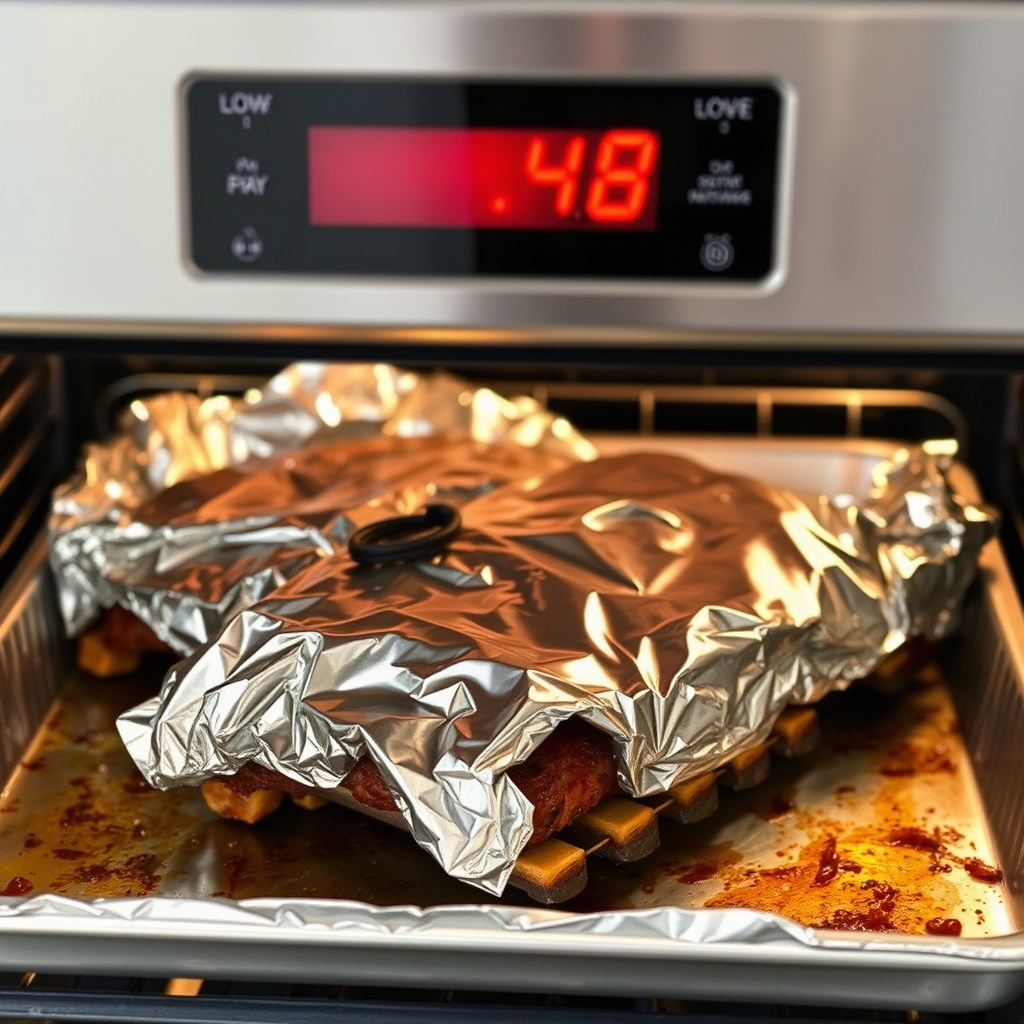
Best Oven Temperature for Ribs
The best oven temperature for ribs is generally around 275°F (135°C). This low temperature allows collagen in the meat to slowly convert to gelatin, making the ribs tender without drying them out. Some cooks prefer 300°F (149°C) for a slightly quicker cook with a balance of tenderness and texture.
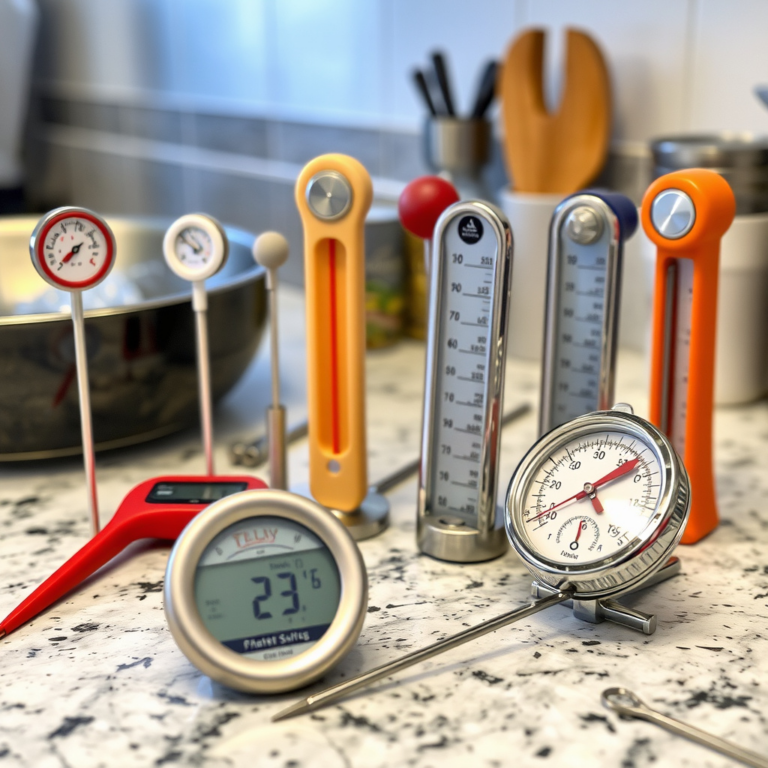
Maintaining consistent heat is key. Use a reliable oven thermometer if your oven's built-in gauge isn’t accurate. This steady heat mimics the slow smoking process but in a controlled indoor environment.
- Typical temperature: 275°F (135°C)
- Optionally 300°F for faster cooking
- Use oven thermometer for accuracy
For more on this, see our related guide: What Goes with BBQ Ribs: Perfect Side Dishes and Pairings.
Recommended Cooking Times by Rib Type
Baby back ribs typically require two to two and a half hours at 275°F to become tender. Spare and St. Louis ribs need two and a half to three hours due to their larger size and connective tissue content. Wrapping ribs in foil traps steam and accelerates tenderizing.
Checking doneness is more about texture than time. Ribs should bend easily but not fall apart completely. You can do a toothpick test or look for meat pulling away from the bone ends as signs the ribs are done.
- Baby Back Ribs: 2-2.5 hours
- Spare/St. Louis Ribs: 2.5-3 hours
- Wrap in foil to retain moisture
Seasoning and Saucing for Oven Ribs
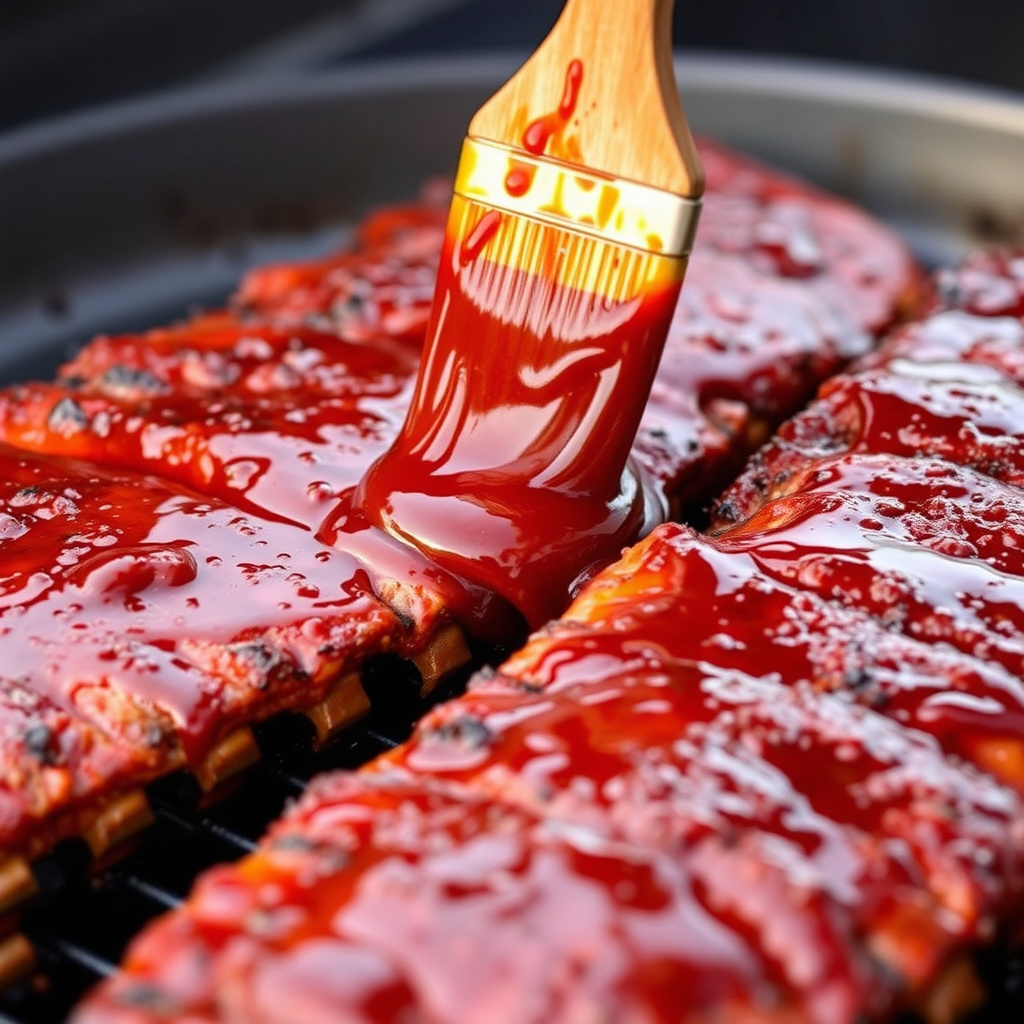
Dry Rubs vs. Marinades
Dry rubs are preferred for oven ribs because they create a flavorful crust while cooking slowly. Typical ingredients include paprika, chili powder, garlic powder, brown sugar, salt, and black pepper. The sugar caramelizes during cooking, enhancing color and taste.
Marinades add moisture and flavor penetration but can make ribs less crispy in the oven. If using a marinade, pat the ribs dry before wrapping in foil to promote browning. Marine also usually requires longer resting times prior to cooking.
- Dry rubs for crust and flavor
- Marinades for moisture, less crisp
- Pat dry before cooking if marinated
Applying Sauce and Final Finishing
Apply barbecue sauce during the last 20–30 minutes of cooking to prevent burning. Once ribs are tender, increase oven heat to 375°F and brush on sauce, then bake uncovered to let it thicken and caramelize.
Alternatively, broiling ribs for 3-5 minutes after saucing creates a sticky, flavorful glaze. Keep a close watch to avoid charring. Let ribs rest a few minutes before serving to allow juices to redistribute.
- Sauce last 20-30 minutes at 375°F
- Use broiler for caramelized glaze
- Rest ribs after cooking
Techniques to Enhance Oven Rib Flavor and Texture
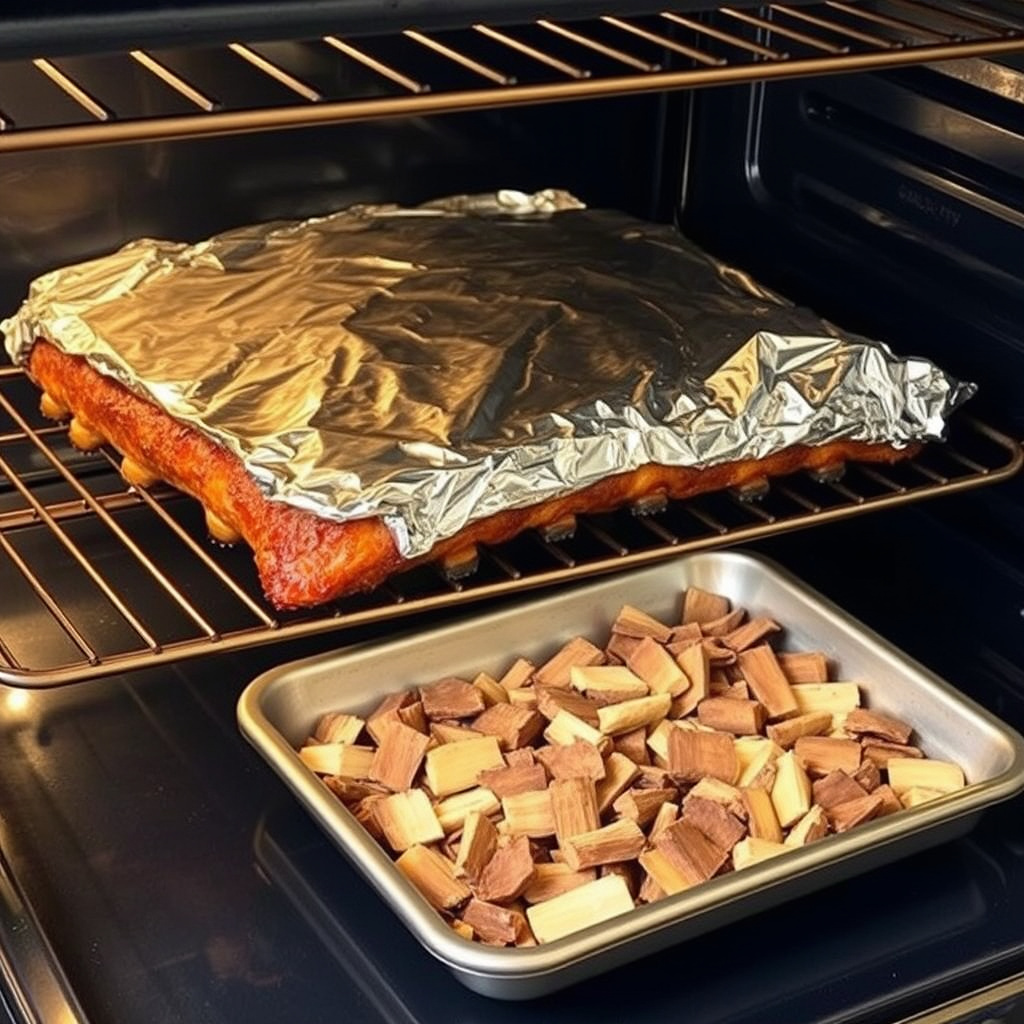
Using Foil for Moisture Retention
Wrapping ribs foil, often called the 'Texas Crutch', traps steam and accelerates tenderization while preventing drying. Seal the foil tightly so heat circulates and the meat cooks evenly.
You can add liquids like apple juice or beer inside the foil packet for extra moisture and flavor. This method also reduces cooking time slightly and results in juicy ribs consistently.
- Seal ribs tightly in foil
- Add liquid for moisture
- Speeds cooking and improves juiciness
For more on this, see our related guide: Understanding the Difference Between Baby Back and Spare Ribs.
Simulating Smoke Flavor in the Oven
Since the oven doesn't produce smoke, you can mimic smoky flavor with smoked paprika or liquid smoke in your rub or marinade. Adding a small pan of soaked wood chips in the oven is another technique but requires careful monitoring to prevent fire hazards.
Combining these flavors gives a more authentic barbecue taste without outdoor grilling. Balance is key as liquid smoke is potent and can overpower if overused.
- Use smoked paprika or liquid smoke
- Soaked wood chips in oven pan cautiously
- Balance smoky flavor carefully
Serving and Storing Oven-Cooked Ribs
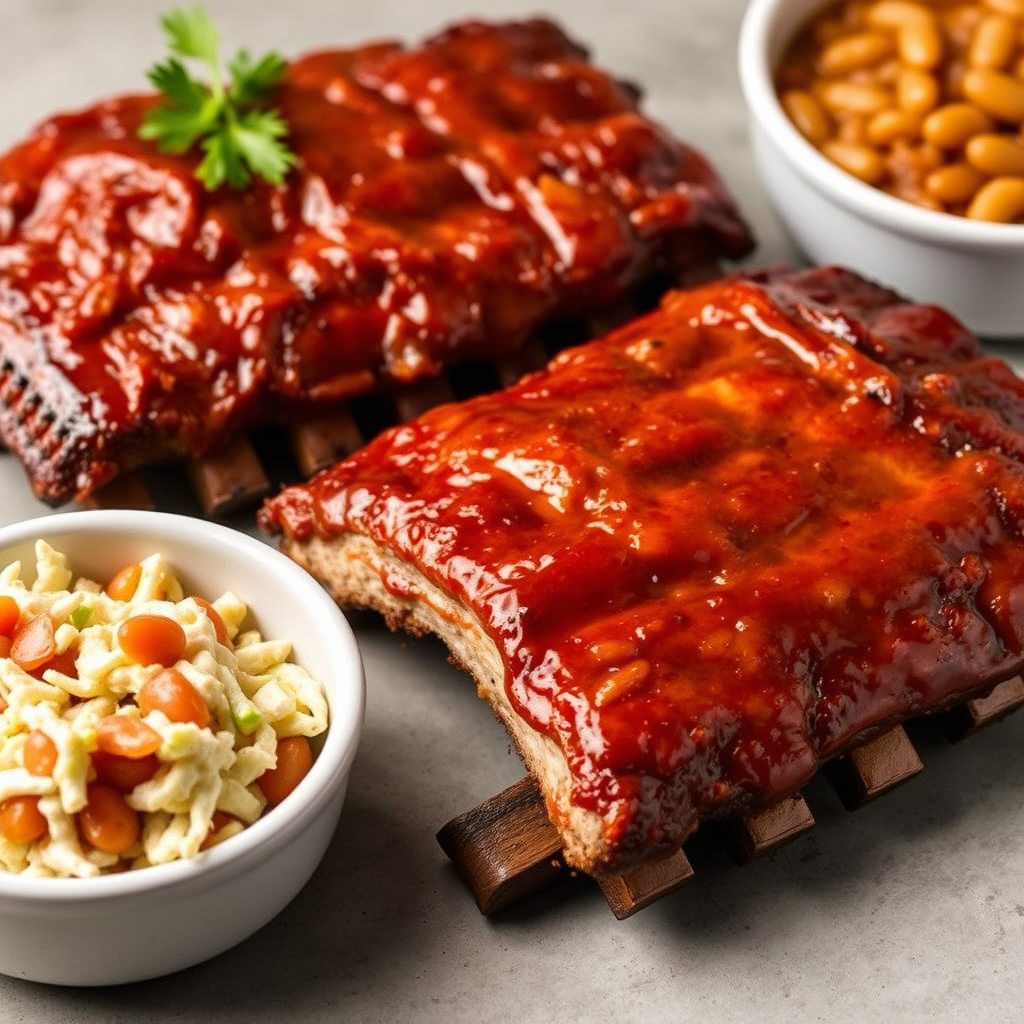
Best Sides to Pair with Oven Ribs
Classic sides like coleslaw, baked beans, corn on the cob, and potato salad complement oven-cooked ribs perfectly. These dishes provide texture contrast and balance the richness of the ribs.
Simple sides like roasted vegetables or a green salad can also brighten the meal. Consider sauces like extra barbecue or mustard-based batters for additional flavor complexity.
- Coleslaw and baked beans
- Corn on the cob, potato salad
- Roasted vegetables or fresh salad
For more detailed background on rib cuts and cooking methods, visit the Oven-cooked ribs information on Wikipedia. Oven-cooked ribs information on Wikipedia.
Storing Leftover Ribs Properly
Store leftovers in an airtight container in the refrigerator for up to 3-4 days. Reheat gently in the oven at 275°F wrapped in foil to keep moisture. Avoid microwave reheating as it can dry the meat.
For longer storage, freeze ribs tightly wrapped in plastic wrap and foil. Thaw overnight in the fridge before reheating slowly to maintain texture and flavor.
- Refrigerate in airtight container 3-4 days
- Reheat wrapped at 275°F
- Freeze wrapped for longer storage
Oven Ribs: Rib Types and Cooking Time Comparison
Here’s a table comparing common rib types based on size, ideal cooking time, and typical oven temperature to help you pick the best option for your oven ribs.
| Rib Type | Size | Ideal Oven Temperature | Cooking Time | Flavor Profile |
|---|---|---|---|---|
| Baby Back Ribs | Smaller, leaner | 275°F (135°C) | 2-2.5 hours | Tender, mildly sweet |
| Spare Ribs | Larger, more fat | 275°F (135°C) | 2.5-3 hours | Rich, meaty |
| St. Louis Style Ribs | Trimmed spare ribs | 275°F (135°C) | 2.5-3 hours | Balanced tenderness and flavor |
| Country Style Ribs | Meaty, from shoulder | 300°F (149°C) | 1.5-2 hours | Tender, less bone |
| Beef Back Ribs | Large, beefier | 300°F (149°C) | 3-4 hours | Robust, hearty |
Frequently Asked Questions
Can I cook ribs in the oven without foil?
You can cook ribs in the oven without foil, but wrapping them helps retain moisture and speeds cooking. Without foil, ribs may dry out or take longer to become tender.
How do I know when ribs are done cooking in the oven?
Ribs are done when they bend easily and the meat starts pulling away from the bone ends. You can also test tenderness by inserting a toothpick between the bones.
Should I apply barbecue sauce before or after cooking ribs in the oven?
Apply barbecue sauce during the last 20 to 30 minutes of cooking or broil after cooking to prevent burning and achieve a caramelized glaze.
Is it better to season ribs with a dry rub or marinade for oven cooking?
Dry rubs are better for oven-cooked ribs since they create a flavorful crust and caramelize nicely. Marinades add moisture but can reduce crispiness.
Can I cook frozen ribs in the oven?
It’s best to thaw ribs before cooking for even cooking and better texture. Frozen ribs take longer and may cook unevenly in the oven.
Key Takeaways
- Low and slow cooking at 275°F yields tender oven ribs.
- Removing the silver membrane improves seasoning absorption.
- Apply barbecue sauce near the end to avoid burning.
- Wrapping in foil helps retain moisture and speeds cooking.
Conclusion
Deciding how to cook ribs in the oven boils down to patience and attention to preparation details. Starting with well-chosen ribs—whether baby back, spare, or St. Louis style—and properly removing the silver membrane, you lay the foundation for flavorful results. Maintaining a steady low oven temperature around 275°F encourages slow melting of connective tissue, creating tender meat. Using foil wraps traps moisture, accelerating tenderizing without drying out the ribs. Seasonal dry rubs add depth of flavor while allowing the natural meat taste to shine through. Finishing ribs with carefully timed sauce application and optional broiling gives a pleasing balance between tenderness and a sticky, flavorful crust.
For home cooks wanting quick but delicious ribs, baby back ribs cooked for two to two and a half hours are ideal. Those seeking richer, meatier ribs benefit from spare or St. Louis styles that need slightly longer cooking times. If pressed for time, country style ribs at a higher oven temperature offer a good alternative with less bone and faster cooking. Planning your cooking method around the type of ribs and desired flavor profile ensures you achieve reliably delicious oven ribs every time.
Next time you want ribs without firing up a grill or smoker, try this straightforward oven method. Prepare your ribs with a robust dry rub, wrap tightly in foil, then bake low and slow. Add sauce toward the end and consider a quick broil for a tasty crust. Serve with classic sides like coleslaw or baked beans for a classic barbecue meal right from your oven.