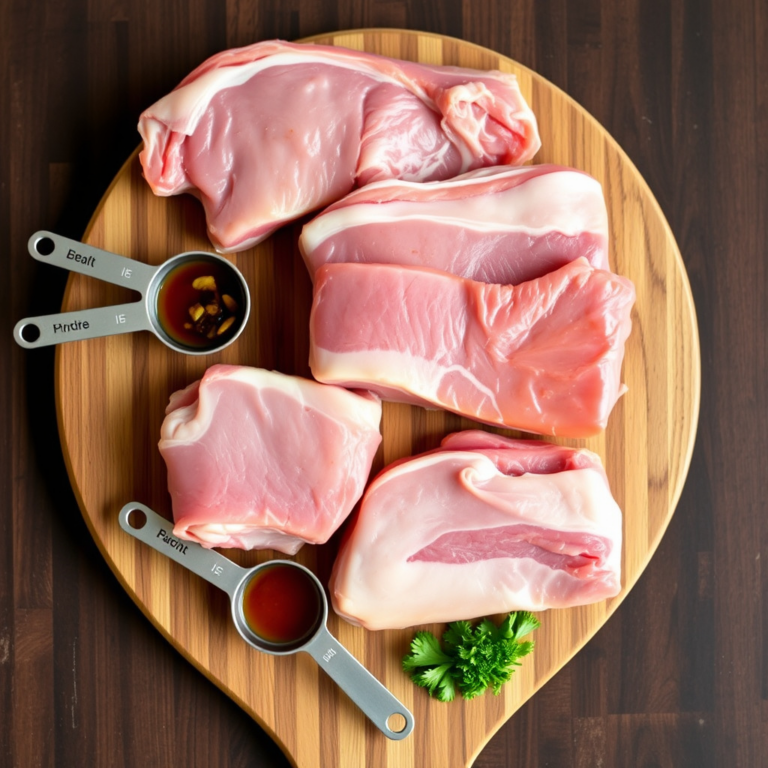
Salting steak ahead of time can dramatically improve its flavor and juiciness if done correctly. Applying salt 40 minutes to an hour before cooking allows the salt to penetrate the meat, enhancing natural flavors and tenderizing the cut. This process, called dry brining, draws out moisture initially but then reabsorbs it along with the salt, making the steak more flavorful and tender.
Many home cooks wonder if salting right before cooking or well ahead is better. Salting too early (like several hours before cooking) might risk a drier texture unless refrigerated uncovered. On the other hand, salting immediately before cooking often results in a less developed crust and milder seasoning. Understanding when to salt your steak matters because it directly influences the eating experience.
This article will cover the science behind salting steak ahead of time, the benefits of dry brining, how different timings impact flavor and texture, plus tips for seasoning various steak cuts. We'll also compare seasoning trade-offs and provide actionable advice to help you get the most from your steak.
The Science of Salting Steak Ahead of Time
How Salt Affects Meat Fibers
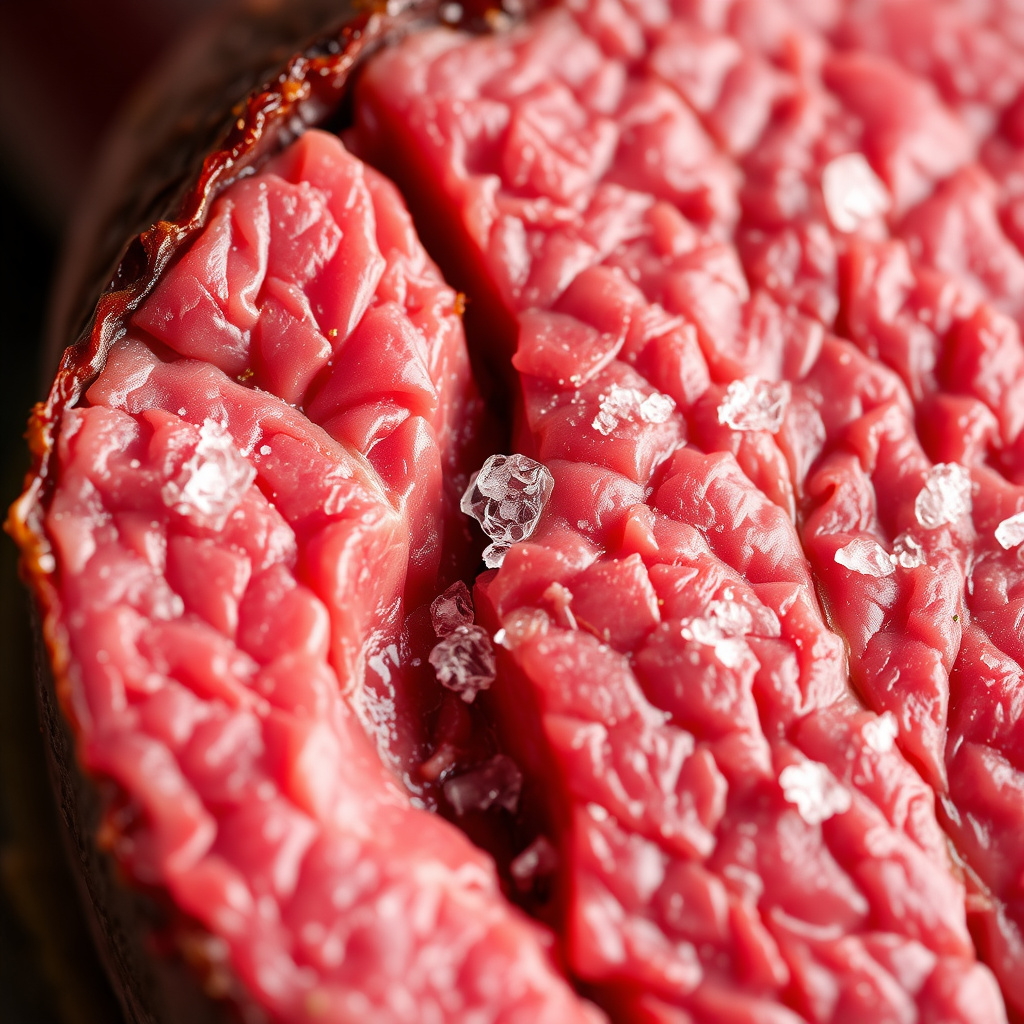
Salt initially draws moisture from the steak's surface via osmosis. Over time, this extracted juice dissolves the salt, creating a concentrated brine that reabsorbs into the meat. This interaction helps break down muscle proteins, resulting in a more tender texture.
The salt's role is twofold: it intensifies natural flavors by seasoning deeply and it enhances the steak’s ability to retain moisture, which is critical for a juicy bite. Understanding this mechanism clarifies why timing your salting correctly is key.
Dry Brining Versus Immediate Salting
Dry brining is the act of salting steak and letting it rest, typically refrigerated, for at least 40 minutes to several hours before cooking. This technique allows the meat to absorb the salt fully, improving flavor development beyond surface seasoning.
Salted immediately before cooking mainly seasons the outer layer, which can lead to uneven flavor and less crust formation. Dry brining provides a balanced seasoning throughout, especially noticeable with thicker cuts.
- Dry brining enhances tenderness
- Deep season penetration
- Better crust formation during cooking
- More consistent flavor
Timing Your Salt Application for Best Results
Salting 40 Minutes to 1 Hour Before Cooking
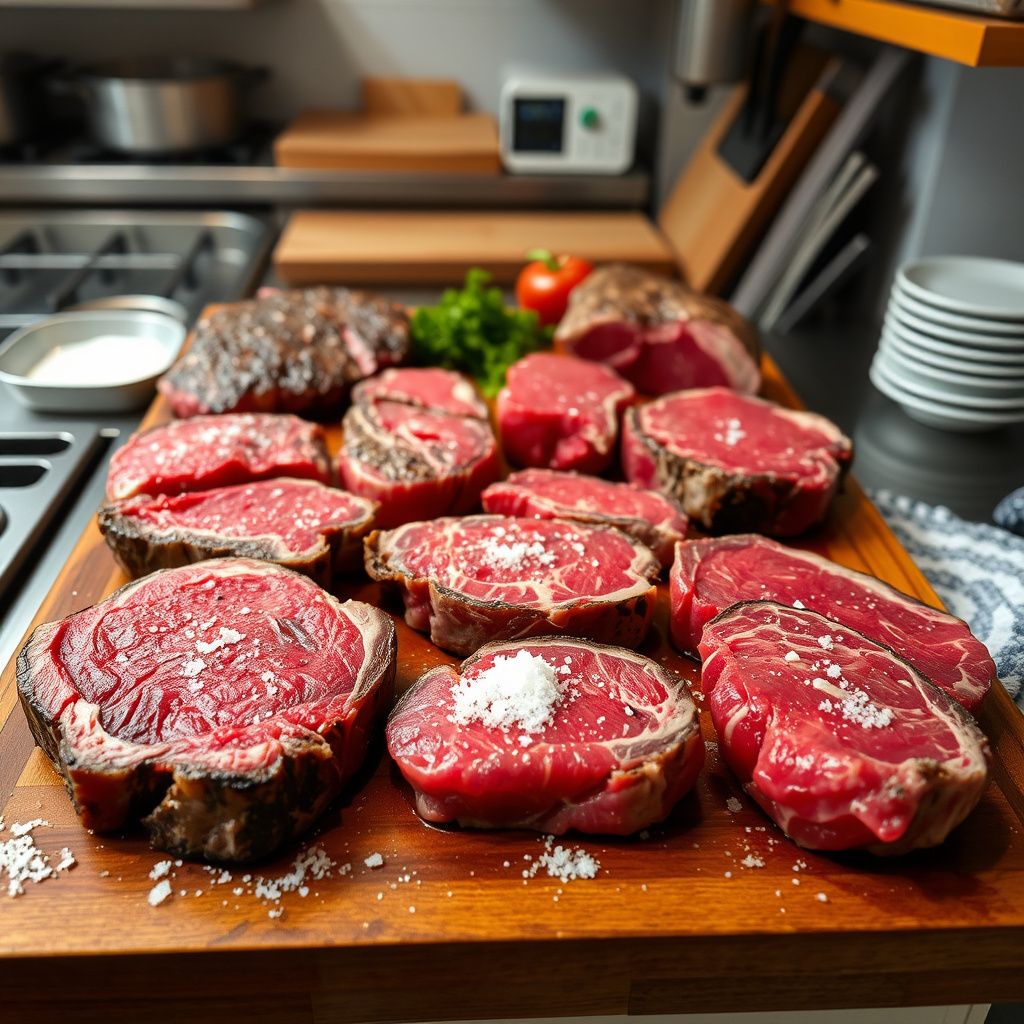
This window is ideal for most steaks because it allows salt to penetrate without excessive moisture loss. After about 40 minutes, the salt pulls juices to the surface, creating a natural brine, which the steak reabsorbs before cooking.
Resting the salted steak uncovered in the fridge during this time also helps dry the surface, promoting a better sear and crust formation once it hits the pan or grill.
- Enhances juiciness
- Improves crust and texture
- Balanced seasoning throughout
For more on this, see our related guide: Should You Season Steak Before Grilling? Expert Tips for the Best Flavor.
Salting Immediately Before Cooking
Salt applied seconds before cooking only flavors the steak’s exterior; it doesn't have time to penetrate. This is a common practice in some kitchens for a quick seasoning boost but results in less flavorful meat overall.
The steak may also release more surface moisture during cooking, which can hinder crust formation and slightly diminish juiciness.
- Quick seasoning
- Less penetration
- Potentially weaker crust
Alternative Salting Windows and Their Effects
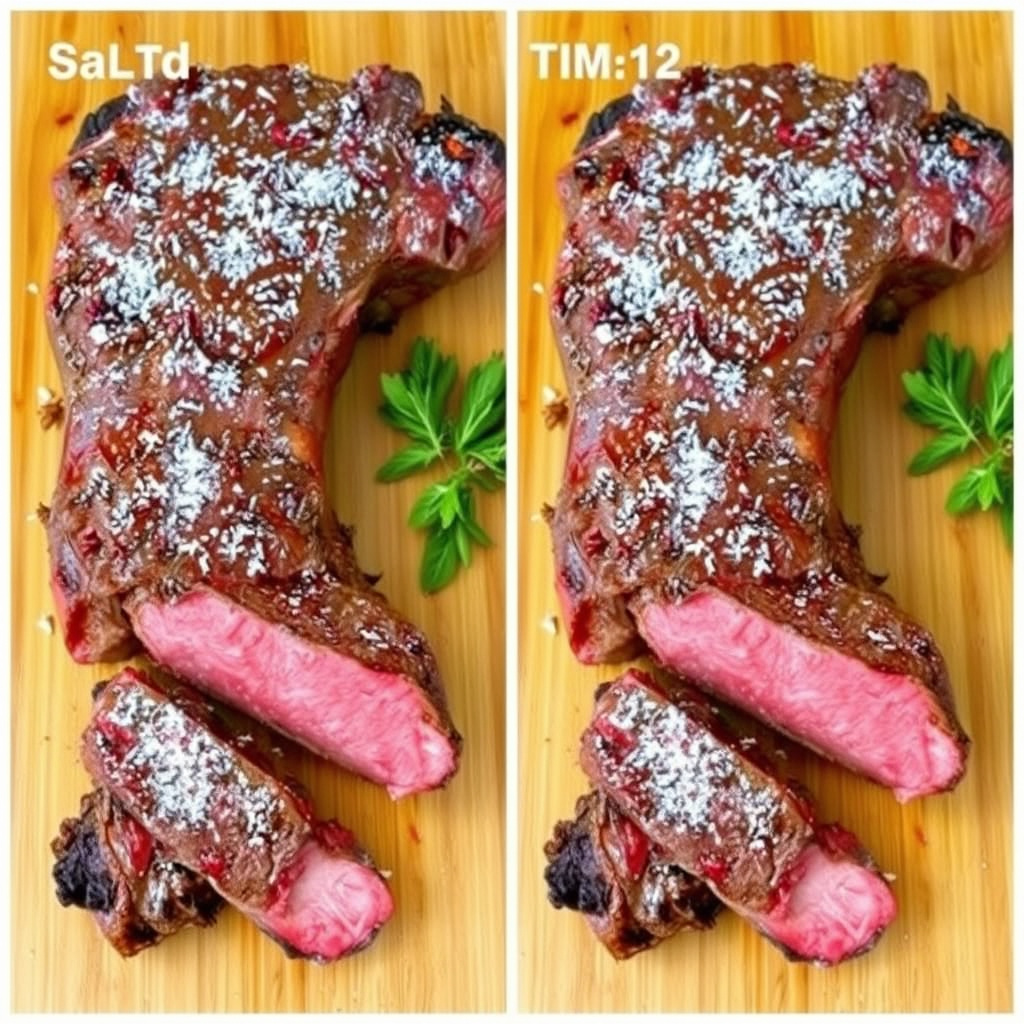
Salting More Than 2 Hours Before Cooking
Salting steaks several hours or even overnight can work but usually requires the steak to rest uncovered in the fridge to prevent excess moisture accumulation and sogginess.
This longer dry brine results in very tender meat with deeply developed flavor. However, this method is best with thicker cuts, as thinner steaks may dry out prematurely.
- Long flavor development
- Better tenderness
- Requires careful refrigeration
Salting After Cooking
Some cooks briefly salt steak after removing it from heat for a final salt burst. While this boosts immediate saltiness, it doesn't affect texture or flavor depth since salt doesn’t penetrate at this stage.
This method is best as a finishing touch rather than the sole seasoning step.
- Instant salt flavor
- No tenderizing effects
- Ideal for finishing
Choosing Salt Types for Salting Steak Ahead of Time
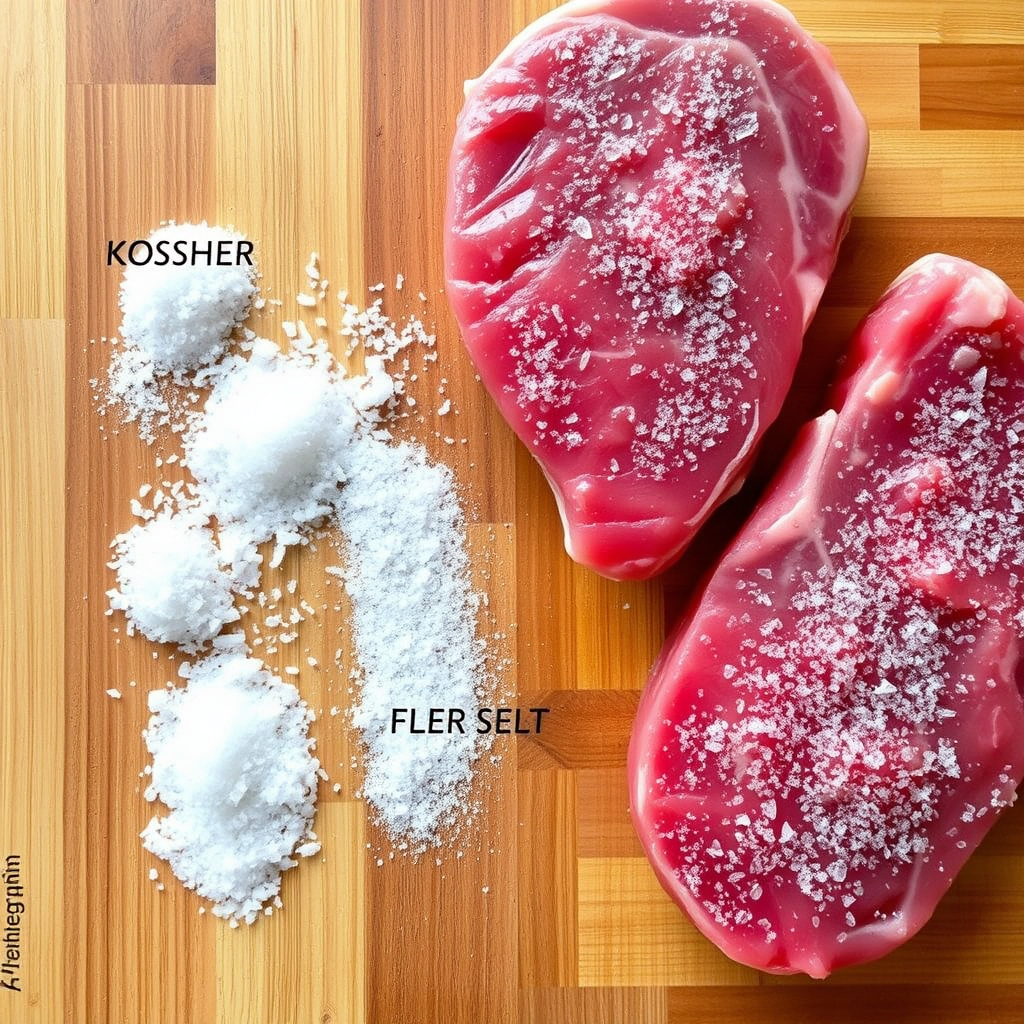
Kosher Salt Benefits
Kosher salt is favored for salting steaks because of its coarse texture, which distributes evenly without dissolving too quickly. It aids in drawing moisture effectively during dry brining without over-salting.
Its clean flavor complements the meat naturally, making it the most popular choice among chefs for salting ahead.
- Coarse grains ideal for dry brine
- Even seasoning
- Widely available and affordable
For more on this, see our related guide: What Is the Best Salt for Steak: Expert Tips for Perfect Flavor.
Sea Salt and Specialty Salts
Sea salt and finishing salts like fleur de sel add unique mineral notes but tend to dissolve faster, making them better suited for last-minute seasoning.
Using these salts when salting steak ahead of time requires care to avoid overly salty results, as their finer crystals absorb quickly.
- Finer texture
- Strong mineral flavors
- Best as finishing salts
How Salt Timing Influences Steak Cooking Techniques
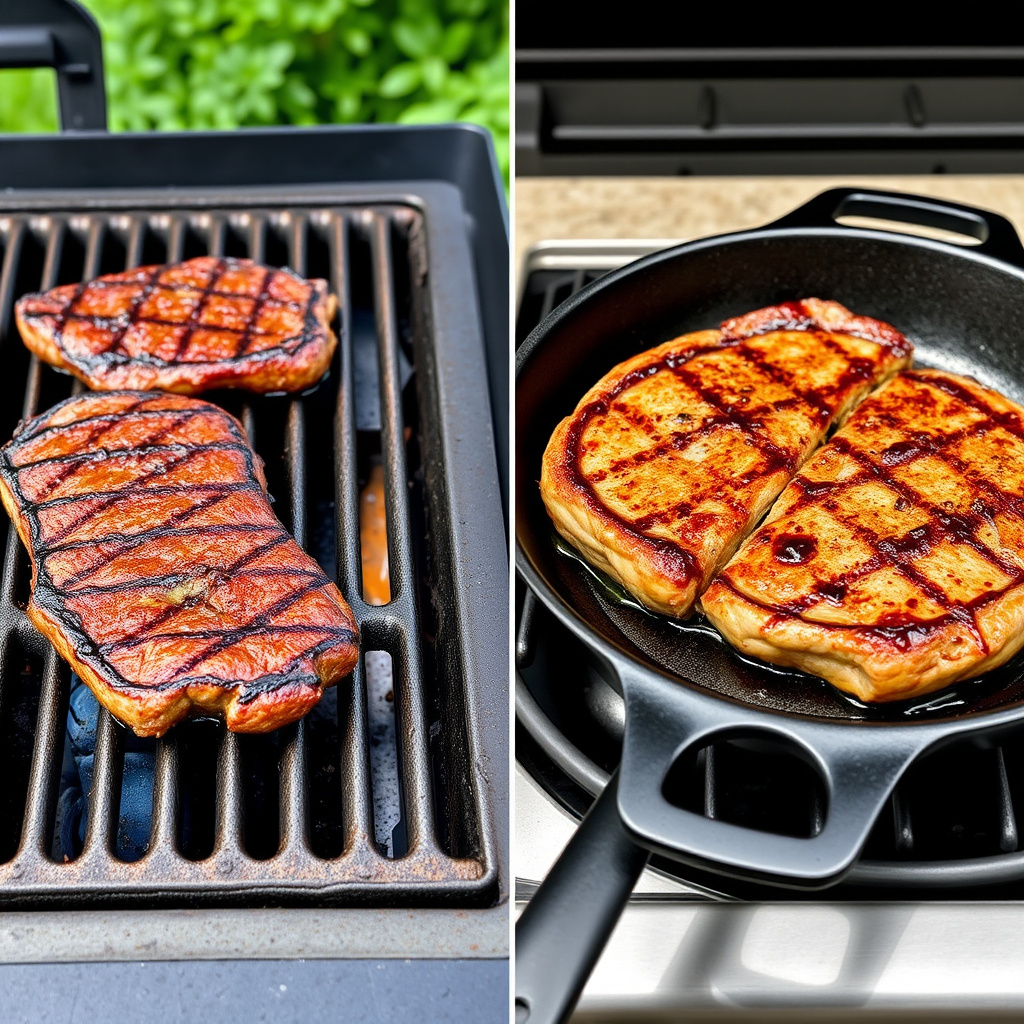
Grilling Salted Steaks
Steaks salted ahead of time develop a drier surface crust that caramelizes beautifully on high heat grills, creating that signature smoky sear.
Proper dry brining minimizes flare-ups from surface moisture and enhances the Maillard reaction, essential for flavor-packed grilled steaks.
- Improved crust development
- Reduced flare-ups
- Enhanced smoky flavor
For a more detailed explanation of the science behind dry brining and its culinary effects, you can consult the article on Dry Brining on Wikipedia. Dry Brining on Wikipedia.
Pan-Seared Steaks and Salt Timing
Salted-in-advance steaks produce a rich, flavorful crust when pan-seared due to less surface moisture and more even seasoning throughout the meat.
Timing salt application ahead ensures the pan’s heat reacts with the meat fibers effectively without steaming caused by unnecessary surface water.
- Better crust with less steaming
- Even seasoning throughout
- Juicier results
Salting Steak Ahead of Time: Timing and Salt Type Comparison
This table compares popular timing strategies and salt types for salting steak ahead of time to help you decide your best approach.
| Method | Wait Time | Salt Type | Effect on Flavor | Effect on Texture |
|---|---|---|---|---|
| Immediate Salting | 0 minutes | Kosher salt | Surface level seasoning | Minimal tenderizing |
| Short Dry Brine | 40-60 minutes | Kosher salt | Deeper flavor penetration | Better tenderness, crust |
| Long Dry Brine | 2-24 hours | Kosher or sea salt | Strong, thorough seasoning | Maximizes tenderness and juiciness |
| Post-Cooking Salting | After cooking | Sea salt/fleur de sel | Enhances surface saltiness | No change to texture |
Frequently Asked Questions
Can I salt steak too early before cooking?
Salting steak too early without refrigeration or uncovered resting can dry out the meat and cause a less desirable texture. Ideally, salt up to 24 hours ahead but keep the steak uncovered in the fridge.
Is it better to salt steak before or after cooking?
Salting steak ahead of cooking allows deeper flavor and tenderness benefits, while salting after cooking adds surface saltiness but doesn't affect texture or juiciness.
What type of salt is best for salting steak ahead of time?
Kosher salt is preferred for salting steak ahead due to its coarse grains that distribute evenly and help draw moisture without over-salting.
Will salting steak ahead of time affect cooking time?
Properly salted steaks may sear faster due to a drier surface but overall cooking time remains similar. The main impact is improved flavor and texture.
Can I dry brine steak without refrigeration?
Dry brining steak without refrigeration risks bacterial growth and spoilage. Always refrigerate the steak uncovered during the salting rest period.
Key Takeaways
- Salting steak 40 minutes to an hour ahead enhances flavor and tenderness.
- Kosher salt is ideal for dry brining steaks.
- Longer salting times deepen seasoning but require refrigerated resting.
- Salting immediately before or after cooking offers limited benefits.
Conclusion
Deciding whether to salt steak ahead of time comes down to balancing flavor development and texture improvements against convenience and timing. Salting 40 minutes to one hour before cooking provides a practical window that yields noticeable benefits without complexity. This approach lets the salt penetrate the meat, enhancing its natural taste while tenderizing muscle fibers, which leads to a juicier steak with a better crust once cooked.
For those who can plan ahead, longer dry brining (2 hours to overnight) offers the deepest flavor and greatest tenderness, especially on thicker steaks like ribeye or strip cuts. Using kosher salt during this process helps avoid over-salting while maximizing moisture retention. Conversely, salting just before cooking or finishing with sea salt provides surface seasoning but misses out on these deeper enhancements. Cooking methods like grilling or pan-searing respond favorably to steaks salted in advance, giving your final dish a refined taste and appealing texture.
If you want to improve your steak cooking results, start by applying kosher salt 40 minutes before cooking, resting it uncovered in the refrigerator. This simple step enhances flavor and crust quality significantly. For deeper seasoning, experiment with longer dry brines for thicker cuts. Avoid salting too early without refrigeration to prevent dryness. This thoughtful timing of salt application can elevate your steak meals noticeably.