When it comes to grilling, applying oil properly can make or break your cooking experience. The direct answer is that you should oil the food rather than the grill. Oiling the food helps prevent sticking, promotes even cooking, and enhances flavor without causing flare-ups or smoke from excess oil burning on the grill bars.
Many assume that oiling the grill grates is the best approach, but this often leads to uneven coating and can result in oil burning off quickly, producing smoke and potentially harmful compounds. Oiling the food, on the other hand, ensures a thin, even layer is applied exactly where it’s needed. This method also helps season the food, keeping it moist and flavorful.
This article will explore why oiling the food is preferable, the best types of oils to use, effective techniques for applying oil, alternatives for grill maintenance, and safety tips. We’ll also compare the pros and cons of both methods to help you achieve delicious, flawless grilling results.
Why Oiling the Food is Better Than Oiling the Grill
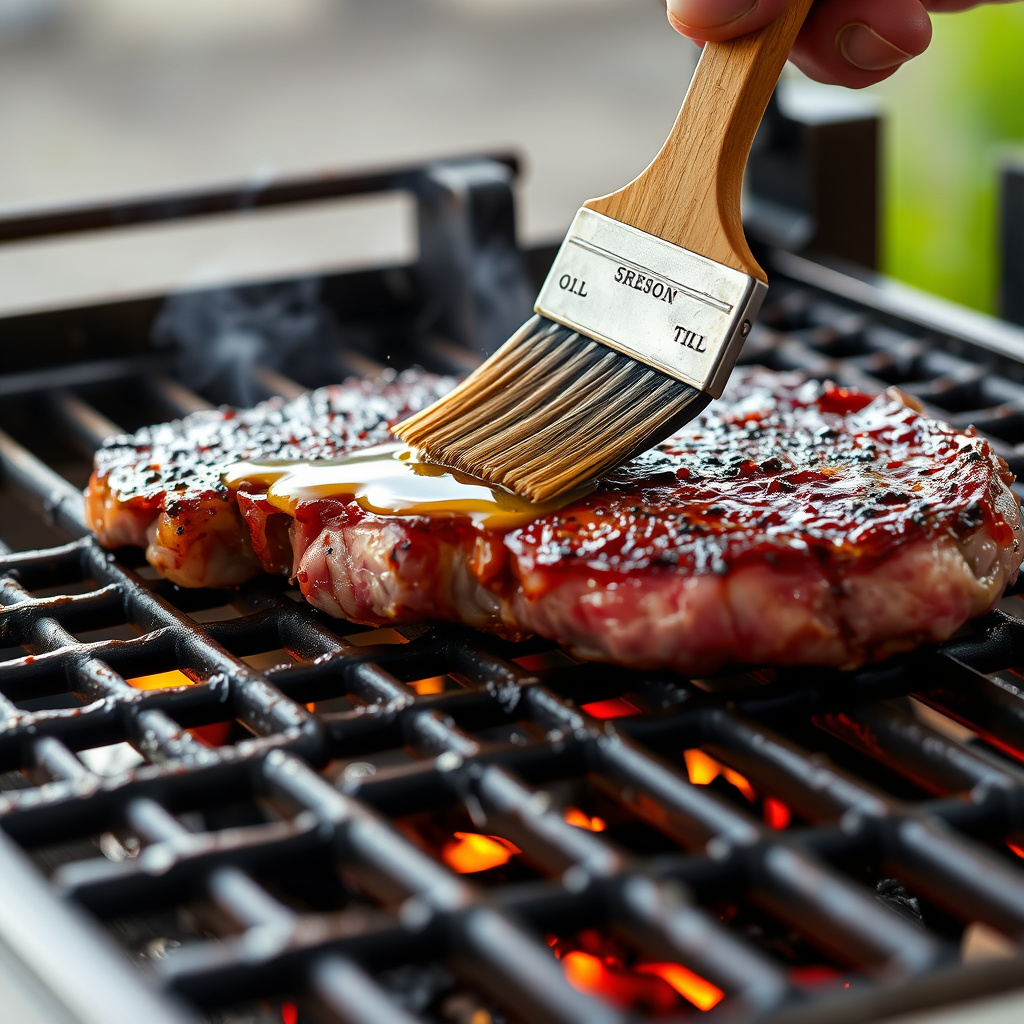
Prevents Sticking and Promotes Even Cooking
Oiling the food creates a thin protective layer that reduces the chances of proteins or vegetables sticking to the grill grates. This layer acts as a barrier between the heat and the food’s surface, allowing for even browning and caramelization without tearing or sticking.
When the grill grates are oiled instead, the coating is often patchy or burns off quickly. This inconsistency can cause food to stick in some areas while sliding off in others, disrupting the cooking process and presentation.
Reduces Flare-Ups and Smoke from Burning Oil
Excess oil on grill grates can drip into the flames, causing flare-ups and excessive smoke. This not only risks burning the food but can produce unpleasant flavors and hazardous compounds.
By oiling the food lightly, you minimize the amount of oil that can drip onto the grill, creating a safer cooking environment and preserving the pure grilled taste of your ingredients.
Choosing the Right Oil for Grilling
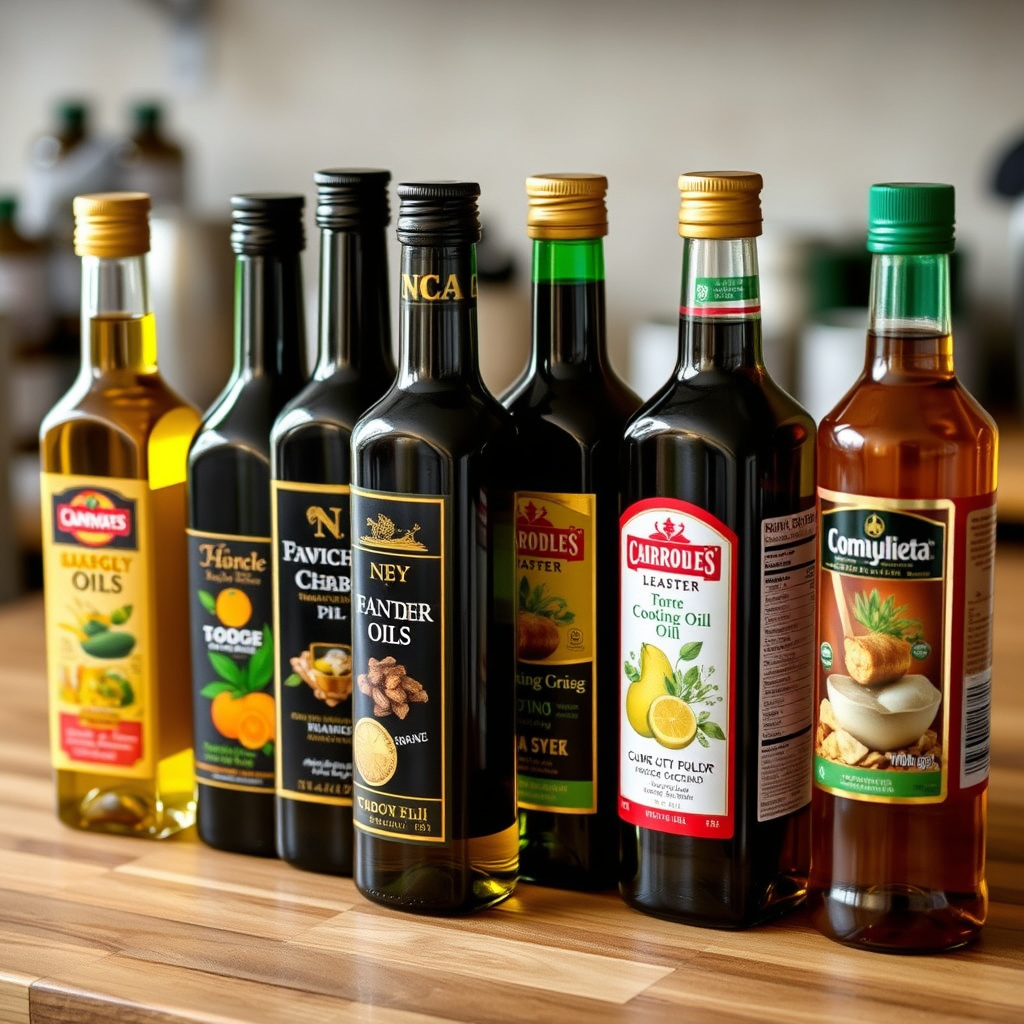
Oils with High Smoke Points Work Best
Grilling involves high heat, so selecting oils with high smoke points is essential to prevent burning and off-flavors. Oils like canola, grapeseed, avocado, and refined peanut oil tolerate grilling temperatures well without breaking down.
Avoid oils like extra virgin olive oil or butter, which have lower smoke points, as they tend to smoke excessively and can ruin the food’s flavor.
- Canola oil (smoke point ~400°F)
- Avocado oil (smoke point ~520°F)
- Grapeseed oil (smoke point ~420°F)
- Refined peanut oil (smoke point ~450°F)
Adding Flavor with Infused Oils
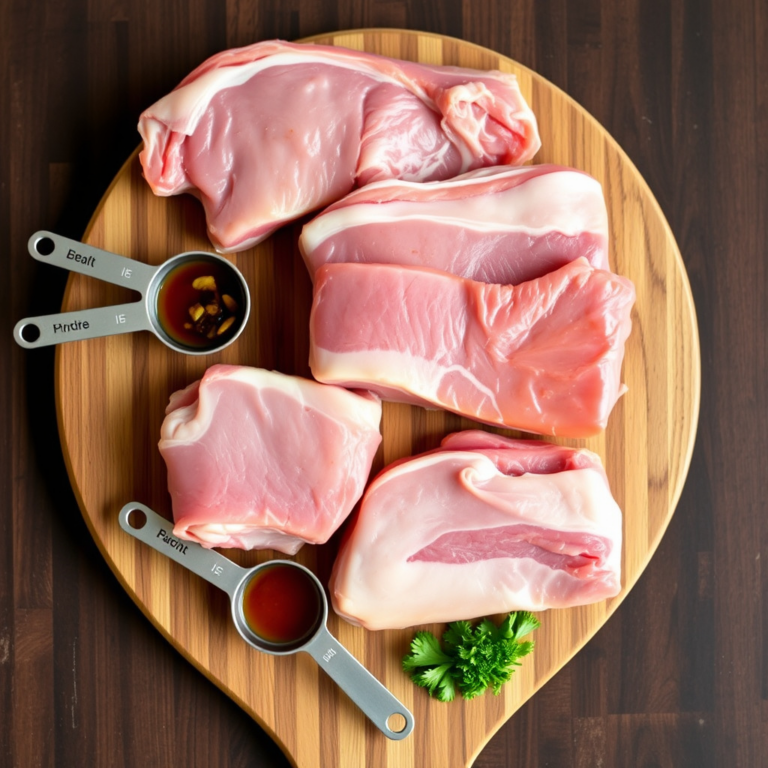
Infused oils like garlic or herb blends are great for adding extra flavor layers when oiling food for grilling. These infused oils have similar smoke points to their base oils but impart unique aromatics that enhance grilled dishes.
Be cautious with highly aromatic oils that may burn quickly, and always brush on a thin layer to avoid overpowering the natural taste of your ingredients.
Effective Techniques for Oiling Food Before Grilling
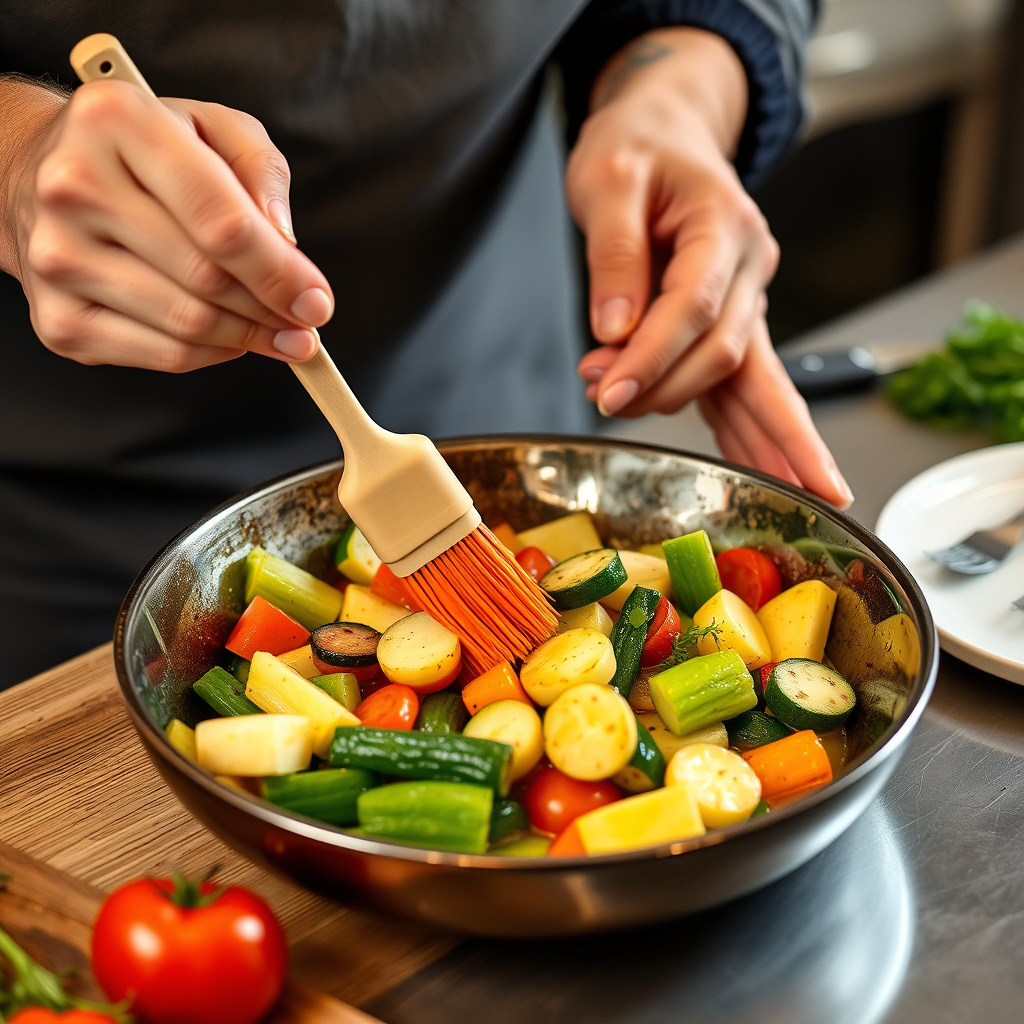
Using a Silicone Brush or Paper Towel
A silicone brush allows you to apply a thin, even coating of oil directly to the surface of the food. This method offers greater control than pouring oil, preventing greasy spots or drips that can cause flare-ups.
Alternatively, rubbing oil onto the food with a folded paper towel is effective for evenly coating irregularly shaped items like chicken breasts, fish, or vegetables.
- Apply just enough oil to create a slight sheen
- Avoid pooling oil in any area
- Coat all sides evenly for balanced grilling
For more on this, see our related guide: How to Choose the Best BBQ Sauce for Your Grilling Needs.
Marinating vs. Oiling Separately
Sometimes oil is included as part of a marinade; in these cases, the oil serves both as a flavor carrier and a moisture enhancer. However, if you're working with a dry rub or seasoning, oiling the food separately before grilling helps create a perfect sear and prevents sticking.
If marinating, gently pat excess marinade off before placing the food on the grill to prevent flare-ups.
Maintaining Your Grill Grates Without Oiling Them
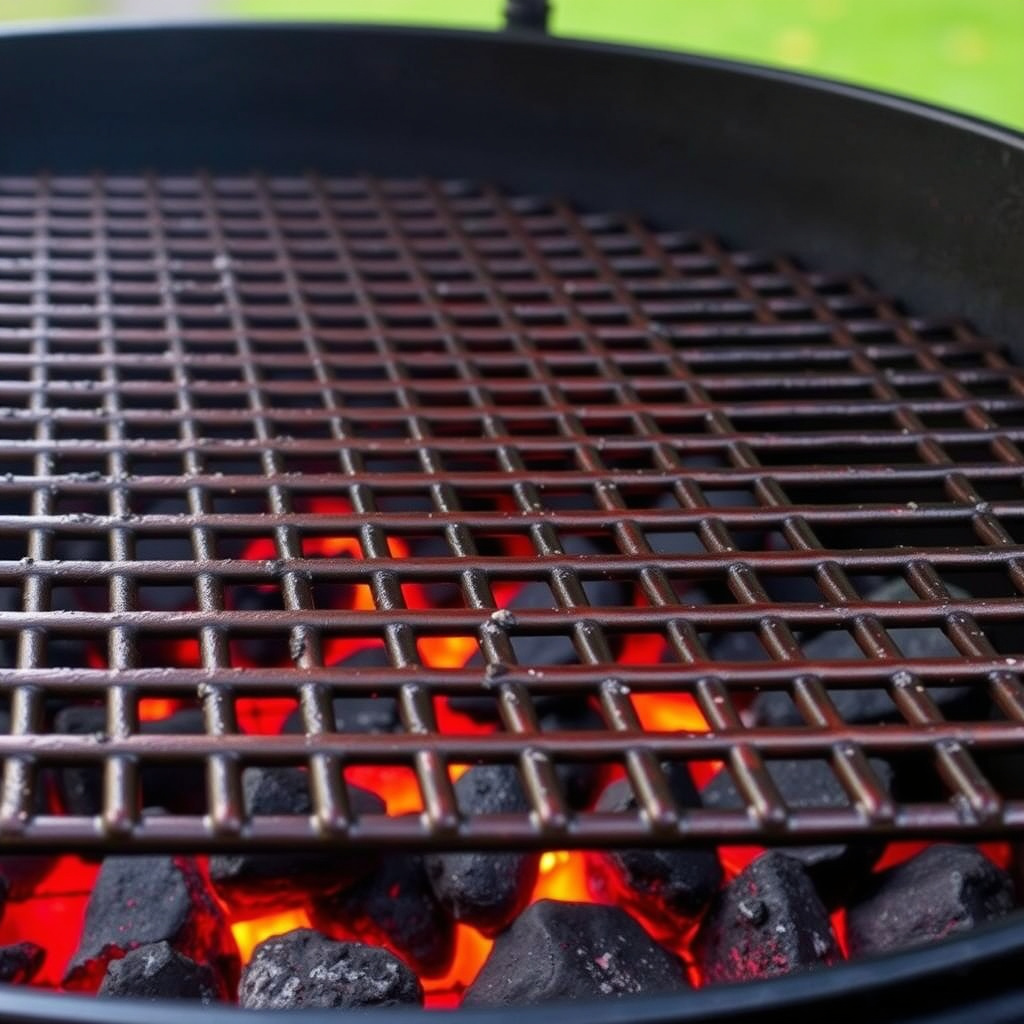
Cleaning and Seasoning Grill Grates
Instead of oiling grill grates before each cooking session, focus on keeping them clean and well-seasoned. After each use, scrub the grates with a grill brush to remove residue and prevent sticking.
Seasoning involves coating grates lightly with oil and heating them to form a nonstick patina. This process can be done monthly to maintain grate quality without messy daily oil application.
- Use a stiff wire brush post-grilling
- Apply a thin coat of high-heat oil and heat for 10-15 minutes
- Repeat seasoning about once a month
Preheating Properly for Best Results
Preheating your grill ensures the grates reach the ideal temperature to sear food and help prevent sticking naturally. Hot grates cause food proteins to release quickly, reducing adherence.
Aim to preheat at high heat for 10-15 minutes before adding the oiled food to optimize grilling performance.
Safety Tips When Using Oil on the Grill or Food
Avoiding Flare-Ups and Fire Hazards
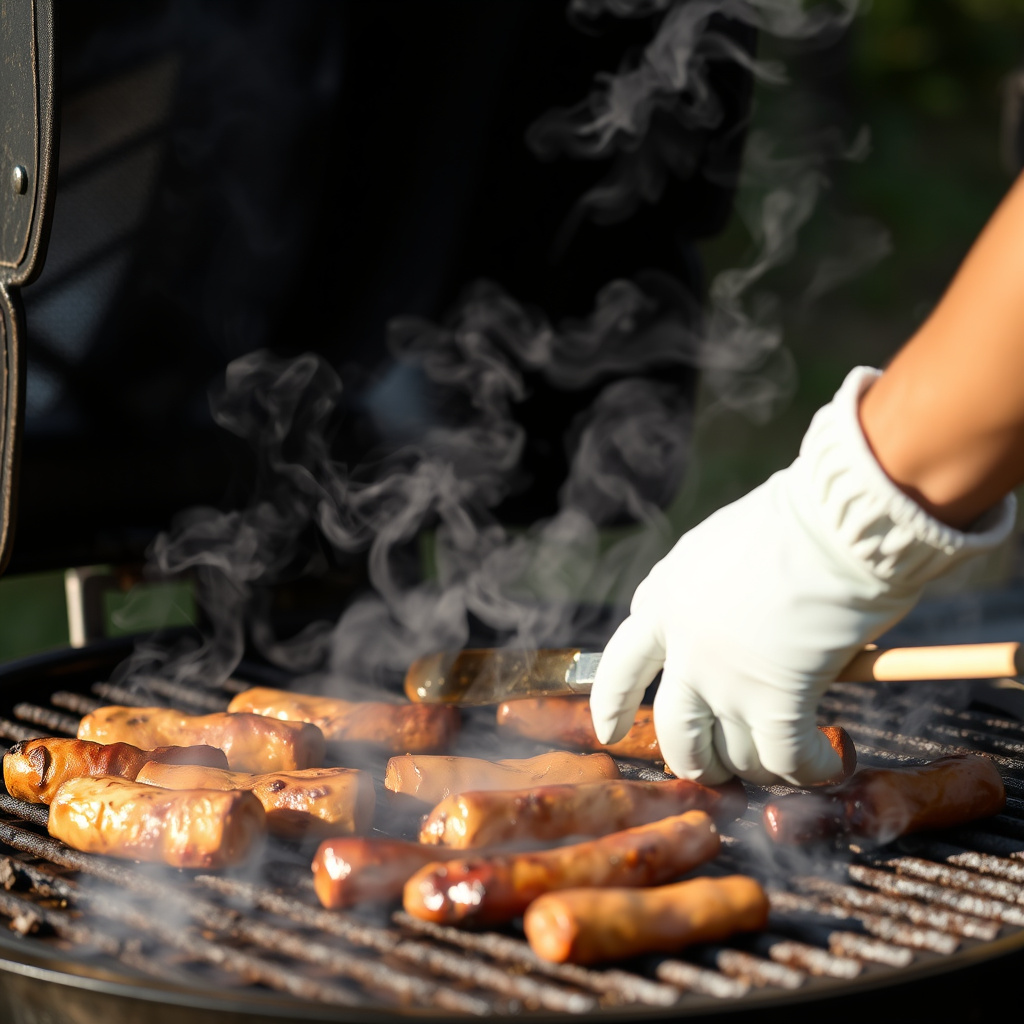
Using too much oil on food or grill grates can cause dangerous flare-ups. Always apply a light, even coat of oil and keep a spray bottle of water nearby to manage any sudden flames safely.
Trim excess fat from meats to reduce dripping that can ignite flare-ups, and place food over indirect heat zones when cooking fatty cuts.
- Apply oil sparingly
- Keep grilling area supervised
- Use indirect heat for fatty foods
For more on this, see our related guide: The Best Seasoning for Burgers: Elevate Your Patty’s Flavor Perfectly.
Safe Handling and Storage of Oils
Store grilling oils in a cool, dark place to prevent rancidity. Avoid reusing oils that have been heated multiple times, as broken down oils can produce harmful compounds.
Always use clean brushes or towels when applying oil to prevent cross-contamination, and discard any oil that smells off or looks cloudy.
Grilling Foods That Benefit Most from Oiling
Vegetables and Delicate Proteins
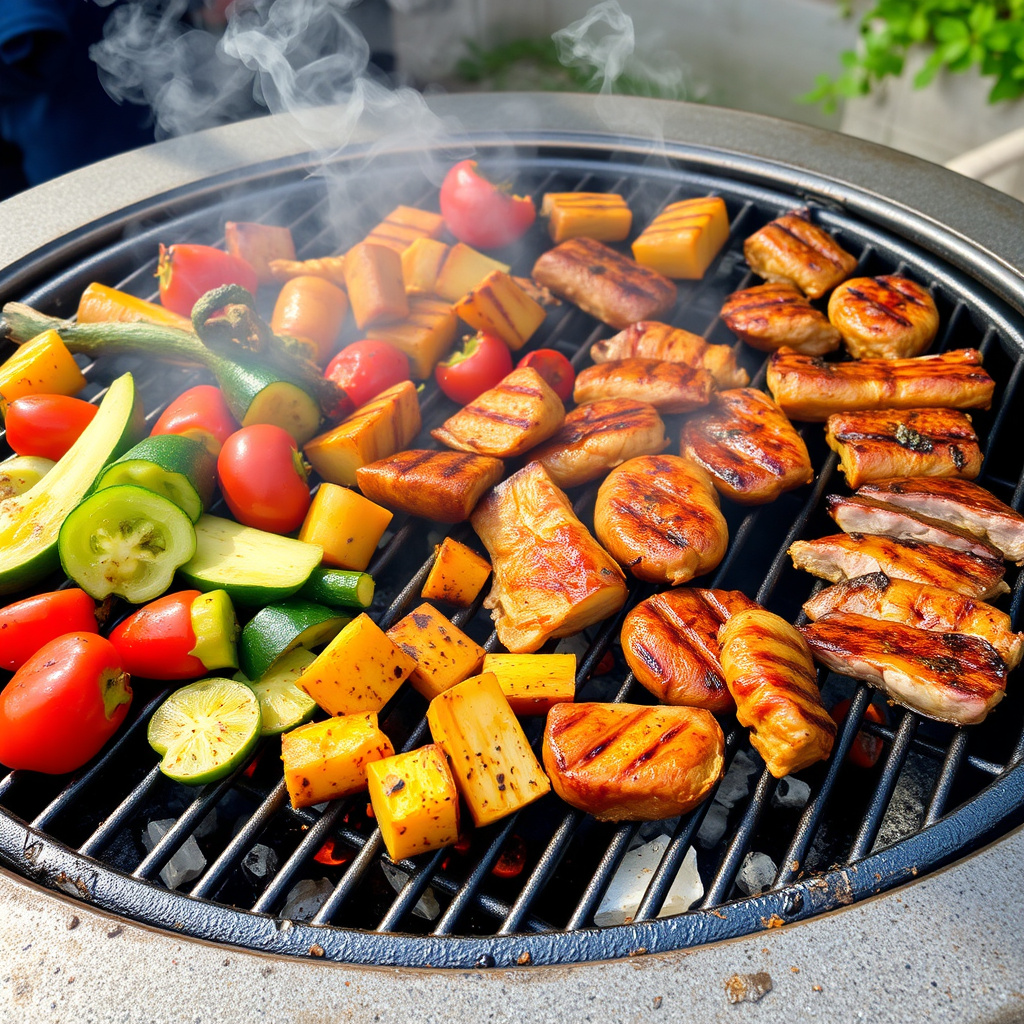
Vegetables like bell peppers, zucchini, and asparagus need oil to enhance flavor, prevent drying out, and stop sticking to grates. Similarly, delicate proteins such as fish fillets gain from a light oil coating to help them hold together during grilling.
Oiling these foods helps maintain moisture and texture, contributing to a more satisfying grilled dish.
For more detailed grilling techniques and safety tips, consult the USDA’s official guide. grilling techniques and safety tips.
Thicker Cuts and High-Fat Meats
While thick steaks or chops with a good fat cap can self-lubricate on the grill, applying a thin oil layer on the surface can help achieve an even crust and prevent small areas from sticking.
However, these cuts benefit less from oiling than leaner or more delicate items and require careful application to avoid excessive smoke.
Oiling the Grill vs. Oiling the Food: A Quick Comparison
Here’s a side-by-side look at the key differences between oiling the grill grates and oiling the food to clarify which method suits your grilling style best.
| Method | Ease of Application | Risk of Flare-Ups | Effectiveness for Nonstick | Flavor Impact |
|---|---|---|---|---|
| Oiling the Grill | Moderate – requires heating first | High – oil drips can cause flare-ups | Inconsistent due to uneven coating | Minimal flavor enhancement |
| Oiling the Food | Easy – direct brushing or rubbing | Low – controlled oil amount reduces flare-ups | Consistently effective to prevent sticking | Enhances flavor and searing |
Frequently Asked Questions
Can I use butter instead of oil for grilling?
Butter has a low smoke point and tends to burn quickly on grills, producing smoke and bitter flavors. It’s better used as a finishing touch after cooking or mixed into marinades rather than applied directly for grilling.
Is it okay to oil both the grill and the food?
Applying oil to both can increase flare-up risk due to excess oil dripping into flames. Typically, oiling the food alone is sufficient for preventing sticking and achieving good grilling results.
What is the best tool for applying oil to food?
A silicone basting brush is ideal for spreading a thin and even layer of oil. Alternatively, using a folded paper towel dipped in oil works well for irregularly shaped foods to coat all surfaces.
How often should I clean and season my grill grates?
Cleaning after every use is recommended to remove residue, with seasoning about once a month to maintain a natural nonstick surface and prolong grate life.
Will oil help prevent food from drying out on the grill?
Yes, oiling food adds a moisture barrier that helps seal in juices, reducing drying and improving texture during cooking.
Key Takeaways
- Oiling the food rather than the grill prevents sticking and flare-ups effectively.
- Choose oils with high smoke points, like canola or avocado oil, for grilling.
- Use a brush or paper towel to apply a thin, even coat of oil directly to food.
- Keep grill grates clean and season them monthly instead of oiling each time.
Conclusion
Deciding whether to oil the grill or the food hinges on safety, convenience, and cooking outcomes. Oiling the food is generally the better choice because it gives you more control over the amount and distribution of oil, leading to fewer flare-ups and more consistent cooking. Maintaining clean and properly seasoned grill grates complements this approach, creating an environment where food releases easily and cooks evenly.
For grillers focusing on vegetables, fish, or lean meats, applying a light coat of high smoke point oil directly onto the food is especially beneficial. For those cooking thicker or fattier cuts, oiling the food can still enhance searing but should be done sparingly to prevent excess smoke. Oiling the grill grates monthly after thorough cleaning is a good maintenance practice but doesn’t replace the need to oil food for direct grilling sessions.
Given all these points, your next grilling sessions should involve cleaning your grates well, preheating properly, and oiling the food before it touches the grill. This combination ensures flavorful, juicy results with minimal sticking and flare-up risks. Experiment with different oils and application methods to find your preferred technique and enjoy safer, tastier grilling.