To make a brine for chicken, dissolve salt and sugar in water, then immerse the chicken for several hours to enhance moisture and flavor. This simple process prevents dryness during cooking and results in juicier meat.
Brining works by allowing the chicken to absorb the salty liquid, which helps the muscle fibers retain moisture. Adding herbs, spices, or aromatics to the brine can also infuse subtle flavors that complement the chicken’s natural taste.
This article will explain the components of a classic brine, variations to try, the science behind how brining affects chicken, and step-by-step methods to prepare your own brine for different cuts and recipes.
Understanding the Basics of Brining Chicken
What is a Brine and How Does It Work?
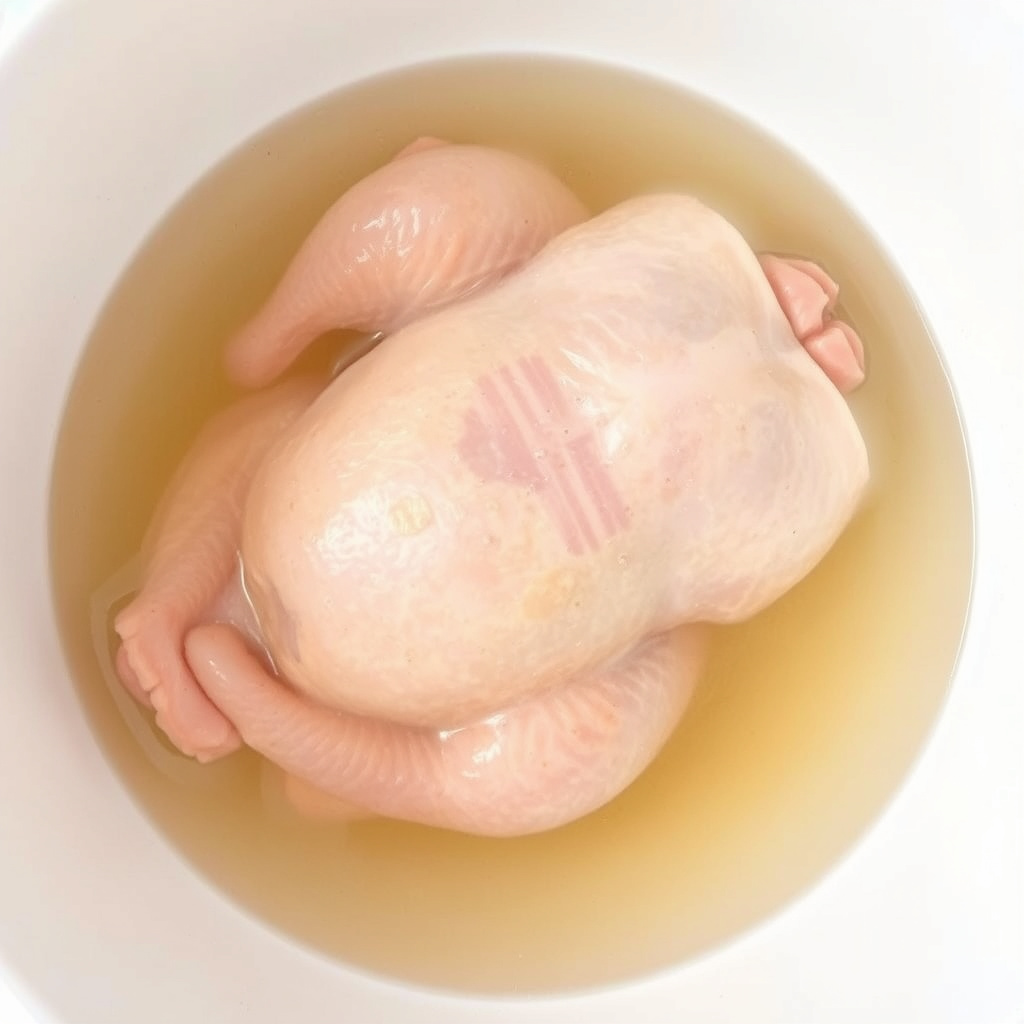
A brine is a mixture of water, salt, and often sugar that helps meat retain moisture during cooking. Salt dissolves muscle proteins, allowing the chicken to hold more water, which results in juicier texture after cooking.
The sugar in brine balances the saltiness and can contribute to browning when cooking. The liquid infusion also slightly tenderizes the chicken and helps flavors penetrate below the surface.
Essential Ingredients in a Basic Brine
The core ingredients of a basic chicken brine are water, kosher salt, and sugar. Kosher salt is preferred because it dissolves well and has a defined salinity compared to table salt. Typically, use about 1/4 cup kosher salt and 1/4 cup sugar per quart of water.
Optional ingredients like whole peppercorns, bay leaves, garlic cloves, or fresh herbs can be added to impart additional aroma and flavor directly into the meat.
- Water as the brine base
- Kosher salt for moisture retention
- Sugar for flavor balance
- Optional herbs and spices
Step-by-Step Guide to Making a Brine for Chicken
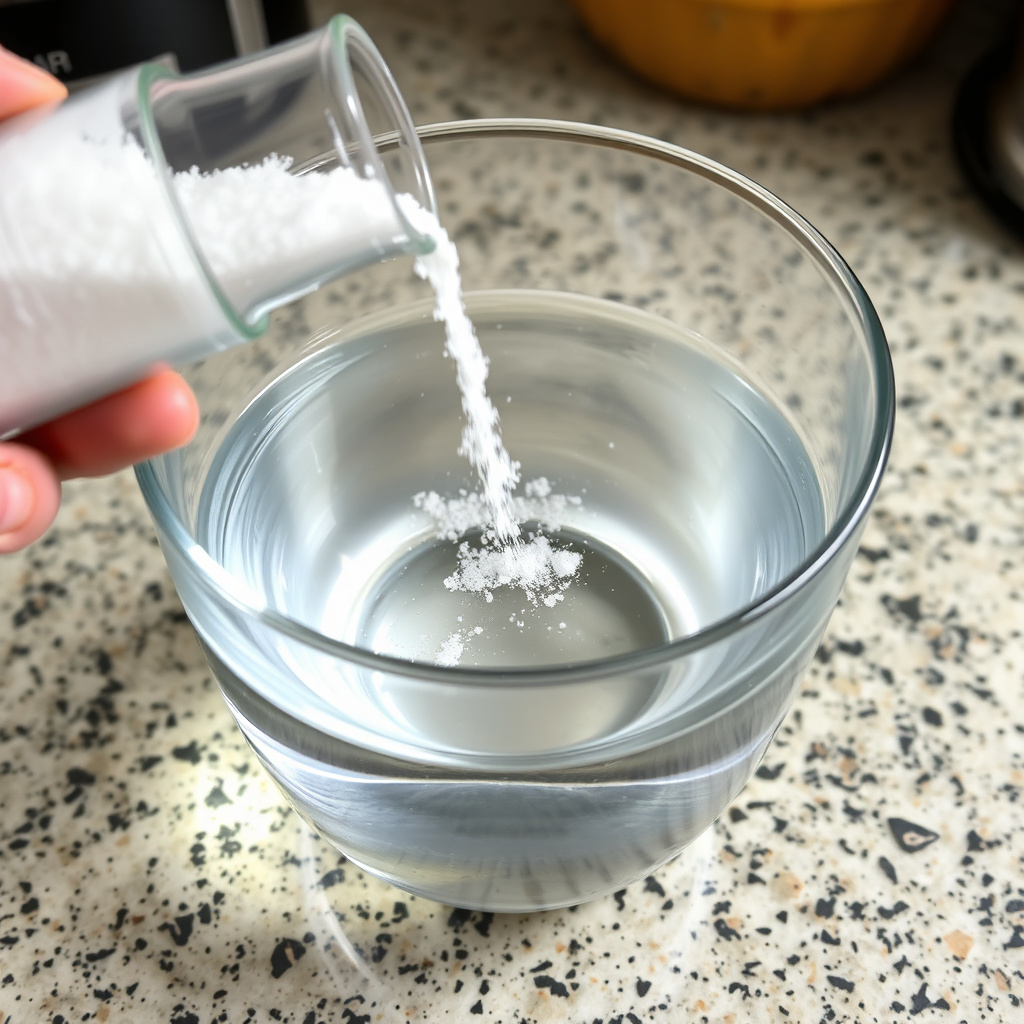
Preparing the Brine Solution
Begin by combining water with the precise amounts of kosher salt and sugar in a large enough container to submerge your chicken. Stir the mixture until all salt and sugar crystals dissolve completely.
If desired, add aromatics like smashed garlic, peppercorns, or herb sprigs. Chill the brine in the refrigerator before adding the chicken to keep it cold and safe.
Brining Time and Techniques
Submerge the chicken fully in the cold brine and refrigerate. Whole chickens usually need 12 to 24 hours, while pieces can be brined for 1 to 2 hours to prevent over-salting.
Use a zip-top bag or non-reactive container like glass or stainless steel. Rinse the chicken after brining and pat dry before cooking to promote crispy skin.
- Use non-reactive containers
- Avoid over-brining to prevent texture changes
- Always refrigerate while brining
Flavor Variations to Enhance Your Chicken Brine

Herb and Citrus Infused Brines
Adding fresh herbs like rosemary, thyme, or sage along with citrus peels such as lemon or orange zest adds brightness and complexity to the chicken’s flavor profile.
These fresh elements infuse subtle aromatic notes without overpowering the natural chicken taste, perfect for grilled or roasted preparations.
- Rosemary or thyme
- Lemon or orange zest
- Bay leaves and garlic
For more on this, see our related guide: How Long to Grill Chicken Breast: Perfect Timing for Juicy Results.
Spiced Brine Options for Bolder Tastes
Incorporate warming spices like crushed peppercorns, coriander seeds, mustard seeds, or even chili flakes to create a spicier, more layered brine.
These spices pair well with smoky or barbecue cooking techniques, lending complexity to marinades following the brining process.
- Crushed black peppercorns
- Coriander and mustard seeds
- Chili flakes
Tips for Using the Best Brine Recipe for Chicken Cuts
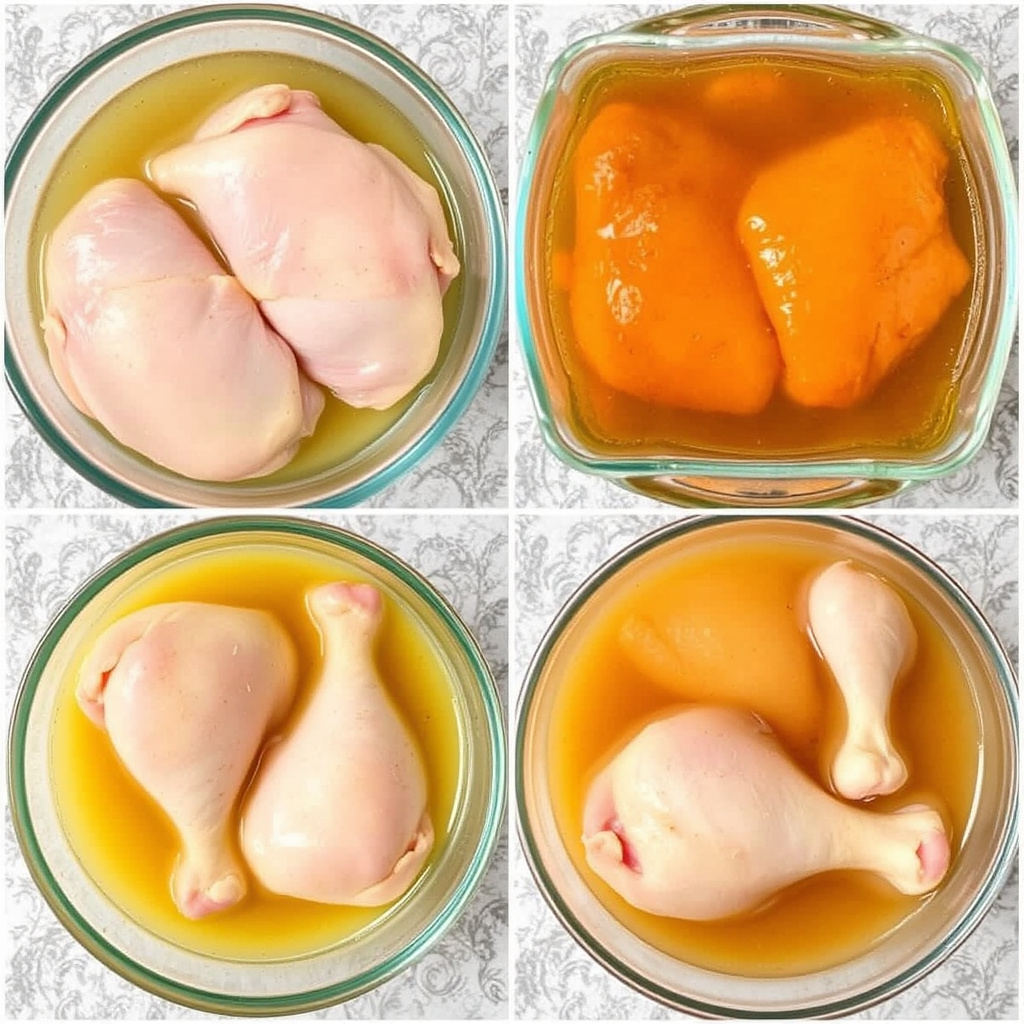
Adjusting Brine for Whole Chicken vs Pieces
Whole chickens require longer brining times (12 to 24 hours) because the brine takes longer to penetrate thick layers of meat and bones.
Pieces like breasts or thighs soak faster due to exposed surfaces and smaller size, so 1 to 2 hours is often sufficient to improve juiciness.
Salt Concentration and Brining Duration
A typical brine ratio of about 5-6% salt in water balances flavor without over-salting. Increasing salt concentration or time can alter texture, making it dense or too salty.
Shorter brining times with higher salt or sugar concentration can quickly flavor smaller cuts but are not recommended for whole birds.
- 5-6% salt concentration
- Avoid excessive time to prevent rubbery texture
- Reduce salt for skin-on pieces to preserve crispness
Health and Safety Considerations When Brining Chicken

Safe Handling Practices During Brining
Always brine chicken in the refrigerator to avoid bacteria growth. Use clean containers and utensils to reduce contamination risks.
Wash hands thoroughly after handling raw poultry and brining liquids. Discard brine used to soak raw chicken to prevent cross-contamination.
- Refrigerate during brining
- Use clean, non-reactive containers
- Discard used brine safely
For more on this, see our related guide: How to Grill Chicken Perfectly Every Time: A Complete Guide.
Balancing Sodium Intake When Using Brine
Brined chicken absorbs salt, which can increase sodium content significantly. Rinse thoroughly after brining and consider seasoning lightly to manage overall salt levels.
For low-sodium diets, reduce salt amount in the brine or shorten soaking duration to maintain flavor without excess sodium.
- Rinse chicken after brining
- Reduce salt for low-sodium needs
- Monitor portion sizes
Cooking Brined Chicken for Best Results

Preparing the Chicken After Brining
After removing chicken from brine, rinse briefly under cold water and dry thoroughly with paper towels. Dry skin promotes better browning and crispness when roasted or grilled.
Avoid adding extra salt before cooking since the brine already seasons the meat internally.
For a detailed overview of brining principles and food safety, visit the brining food techniques on Wikipedia. brining food techniques on Wikipedia.
Recommended Cooking Methods for Brined Chicken
Brined chicken excels with roasting, grilling, or pan-searing. These methods take advantage of the moisture retained in the meat while creating flavorful browned surfaces.
Slow cooking or smoking also works well after brining, especially if adding complementary spices or sauces.
- Roasting for crispy skin and juicy interior
- Grilling for smoky flavor
- Searing and finishing in oven
Comparison of Common Brine Types for Chicken
Here’s a comparison of popular brine types highlighting their ingredients, brining time, and ideal chicken cuts for each.
| Brine Type | Main Ingredients | Brining Time | Best For |
|---|---|---|---|
| Basic Salt & Sugar | Water, kosher salt, sugar | 1-24 hours | All chicken cuts |
| Herb & Citrus | Salt, sugar, herbs, citrus zest | 2-24 hours | Whole chickens, roasts |
| Spiced Brine | Salt, sugar, peppercorns, spices | 1-12 hours | Thighs, drumsticks, grilled pieces |
| Low-Sodium Brine | Salt (reduced), sugar, herbs | 1-6 hours | Health-conscious users, breast meat |
| Sweetened Brine | Salt, brown sugar, honey | 2-8 hours | Grilled or fried chicken cuts |
Frequently Asked Questions
How long should I brine chicken breasts?
Chicken breasts should typically be brined for 1 to 2 hours to enhance moisture without risking an overly salty or mushy texture.
Can I reuse chicken brine?
No, used brine should be discarded because it contains raw chicken juices, which can harbor harmful bacteria and pose food safety risks.
Do I need to rinse chicken after brining?
Rinsing is recommended to remove excess surface salt and prevent overly salty crusts, but always pat dry well to maintain skin crispness.
Will brining change the flavor of the chicken?
Yes, brining enhances juiciness and can subtly increase saltiness. Added herbs or spices in the brine also impart mild aromatic flavors.
Can I brine frozen chicken?
Brining frozen chicken is ineffective because the salt solution can't penetrate frozen tissue well. Thaw completely before brining for best results.
Key Takeaways
- A proper brine enhances chicken juiciness by increasing moisture retention.
- Use kosher salt and sugar dissolved in cold water as the brine base.
- Adjust brining time based on chicken cut size to avoid over-salting.
- Add herbs or spices to your brine to boost flavor naturally.
Conclusion
Making a brine for chicken involves a straightforward combination of salt, sugar, and water that improves moisture retention and flavor depth during cooking. Evaluating your chicken cut sizes and cooking methods helps determine appropriate salt concentrations and soaking times. By controlling these variables, you can tailor moisture levels and flavor intensity precisely to your meal plan.
For whole chickens, a longer brining time of up to 24 hours using a basic salt-and-sugar formula with fresh herbs or citrus zest delivers balanced juiciness and a bright aroma. Smaller cuts such as breasts or thighs benefit from shorter brines, typically 1 to 2 hours; adding bold spices can complement grilling or smoked preparations. Adjusting salt quantities for health needs or taste preferences makes it possible to customize the best brine recipe for chicken for any occasion.
Your next step might be to try making a simple basic brine with kosher salt and sugar, experiment with added herbs or spices, and monitor the chicken texture after varying brine durations. This hands-on approach will help you find your personal ideal brining process. Remember to prioritize refrigerator safety and handling hygiene to enjoy flavorful, juicy chicken confidently.